










Barcelona Still Draws Remote Workers. New Housing Rules Are Changing How They Stay
Barcelona remains a top base for remote workers, but rising rents and new rules on seasonal leases are changing how mid-term stays in the city work.
Barcelona Still Draws Remote Workers. New Housing Rules Are Changing How They Stay
Since January 2026, a furnished apartment rented in Barcelona for a few months has been subject to the same rent caps as a standard lease. The change comes from Catalan Law 11/2025, approved by the regional parliament in December 2025, which brought seasonal rentals into the rent-control system that has covered long-term leases in most of Catalonia since 2024. It is the latest step in a series of measures aimed at the city's housing shortage, and it directly affects one of the groups that has made Barcelona its base: remote workers who come for a month or a season.
The city's appeal to that group is not in doubt. Barcelona combines a Mediterranean climate, a dense and walkable center, good transport and a large international workforce. Spain ranked first among 64 countries in the 2025 Global Digital Nomad Report by Global Citizen Solutions, which compares the visas and conditions offered to remote workers. What has changed is the housing market around them, and anyone planning a stay now needs to understand both sides.

The cost case
Barcelona is not cheap by Spanish standards, but it remains far less expensive than the large cities many remote workers come from. Crowd-sourced data from Numbeo put consumer prices excluding rent about 42 percent lower in Barcelona than in New York. A one-bedroom apartment in the city center rents for roughly €1,490 a month in Barcelona, against about €3,970 in New York, and a regular cappuccino costs €2.89 compared with €5.81.
Official figures show a market under pressure. The average new rent in Barcelona was €1,137 a month in the first quarter of 2026, according to the Catalan Land Institute (Incasòl), up 4.6 percent from a year earlier. Measured from the start of the rent caps in early 2024, the same data show average rents in the city about 4.7 percent lower, while rents in unregulated parts of Catalonia have risen by about 9.5 percent over that period.
A city tightening its rules
The regulatory direction has been consistent. In June 2024, Mayor Jaume Collboni announced that the city would not renew any of its 10,101 tourist apartment licenses when they expire in November 2028, with the aim of returning those flats to residential use. Collboni cited average rents above €1,100 a month and a 68 percent rise in housing prices over the previous decade.
The seasonal rental law extends that logic to the middle of the market. Under Law 11/2025, a seasonal lease must respond to a genuine temporary housing need such as work, study, medical treatment or a move between homes. The contract has to state the reason for the stay and the tenant's permanent address, and the landlord must keep supporting documents on deposit with the Catalan registry. If those conditions are not met, the law presumes the contract is a permanent tenancy under Spain's general urban leases act. Tourist accommodation is excluded and remains under its own rules.

For remote workers and relocating professionals, the practical effect is more paperwork and, in principle, more predictable prices. A stay of several months tied to a job or assignment fits the law's purpose. Tenants should expect to state that purpose in writing and to provide their main address. Listings that cannot offer a compliant contract are a warning sign.
What a remote worker needs from the apartment
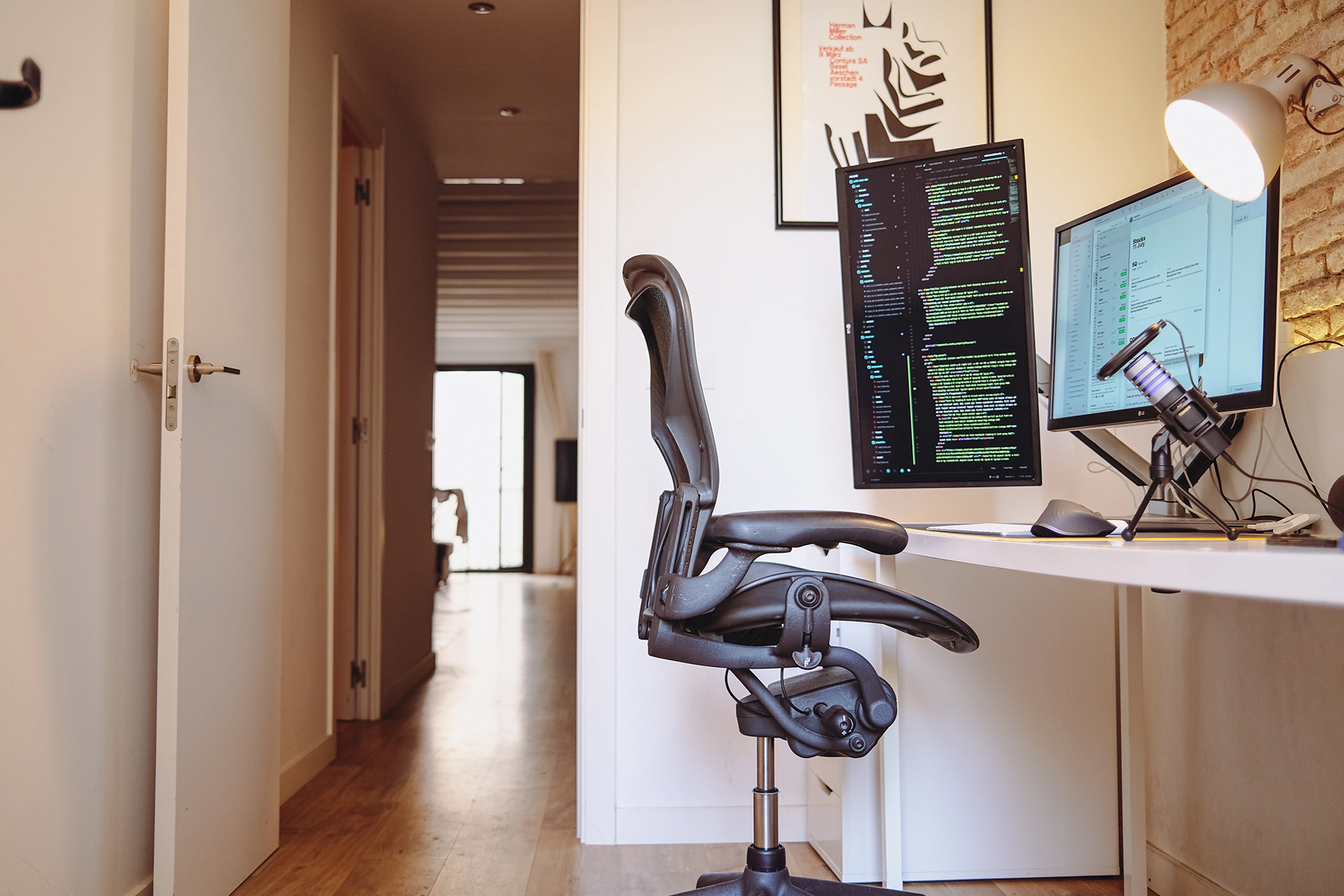
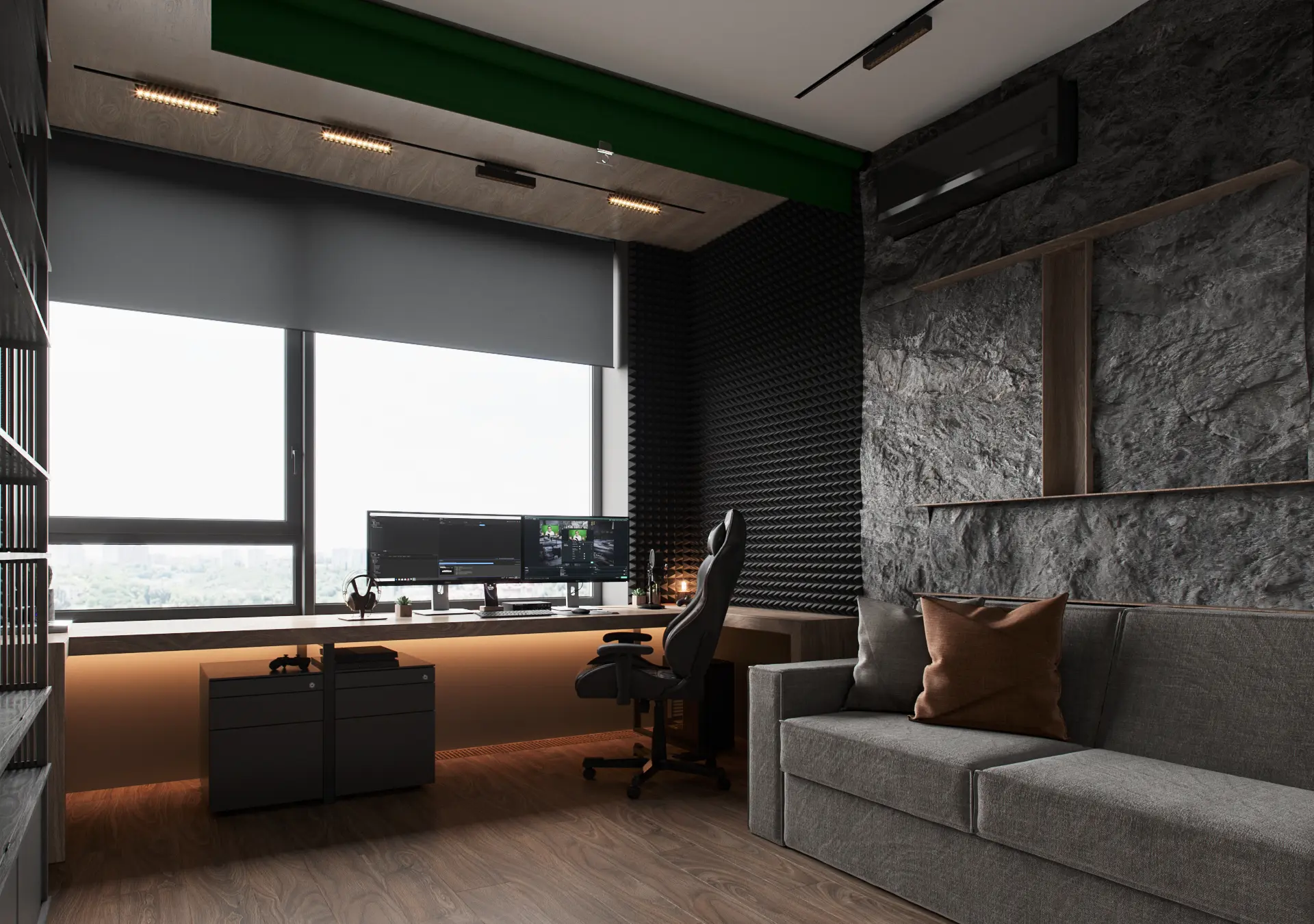
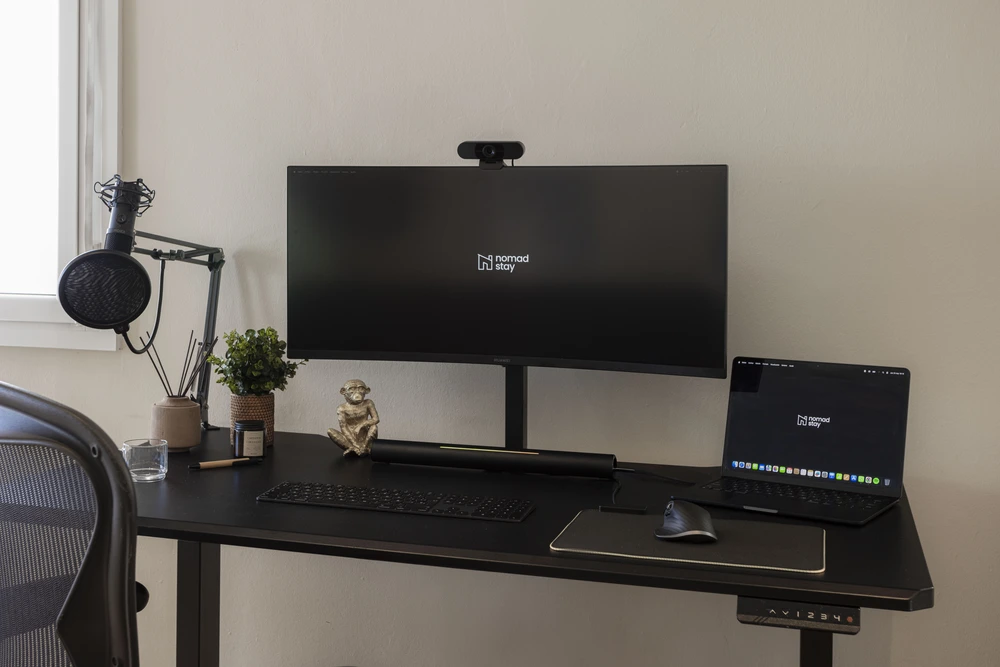
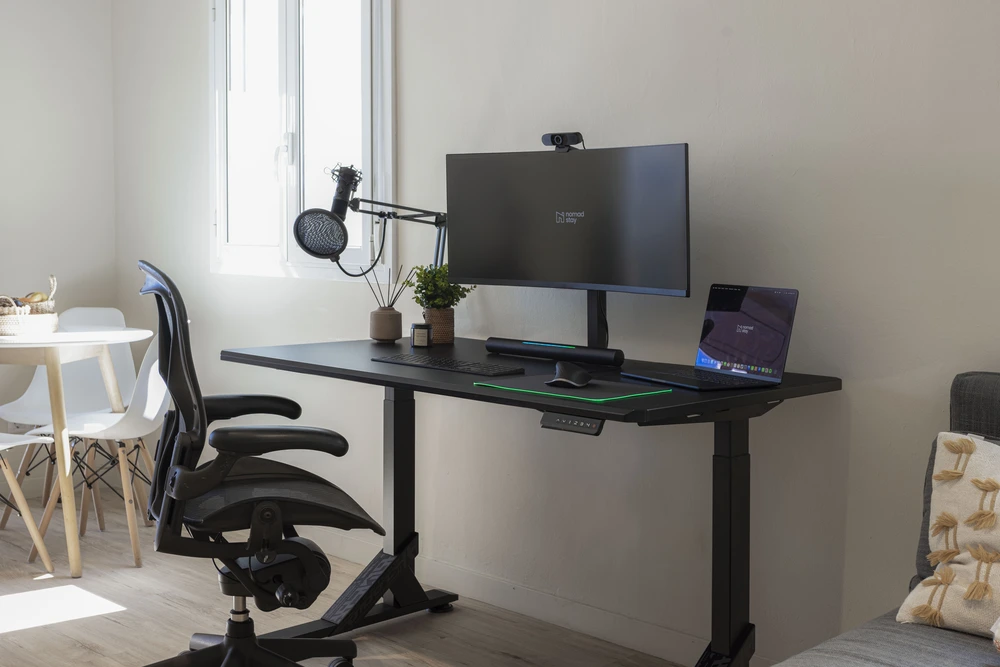
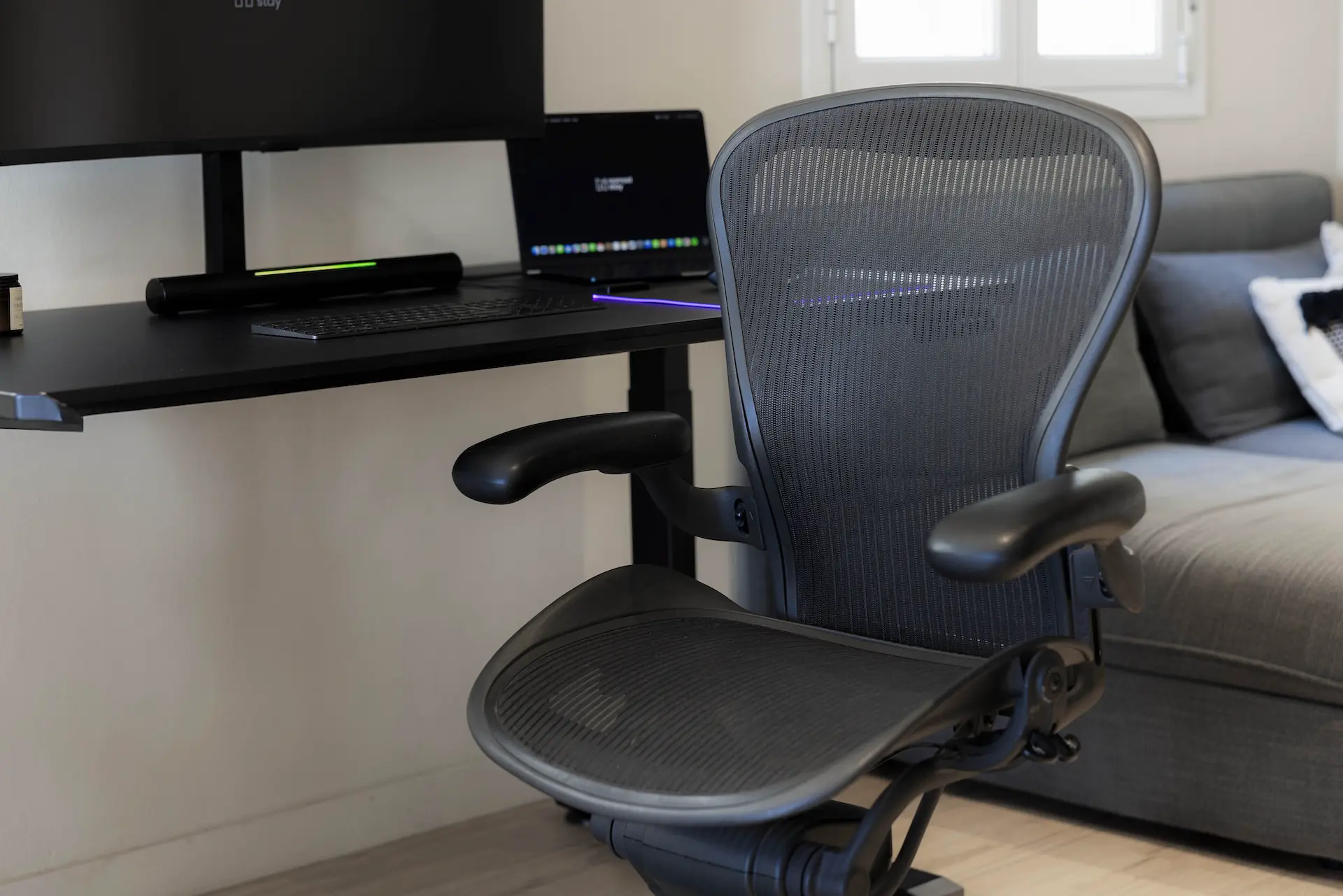
The legal changes have not altered what makes an apartment work for remote work. The essentials are a reliable fiber connection, a proper desk and chair, a quiet room for calls and enough natural light to work through the day. Many older buildings in the center, especially in Ciutat Vella and parts of Gràcia, have small rooms and street noise, so it is worth asking for photos of the work area and a recent speed test before signing.
Location choice usually follows work patterns. Eixample offers central access and wide streets. Gràcia has a neighborhood feel and many cafés. Poblenou, home to the 22@ innovation district, has newer buildings, coworking spaces and easy access to the beach. The metro and bus network covers all of them, which makes it practical to combine a home workspace with a coworking membership elsewhere in the city.

Why the balance still favors Barcelona
The combination that drew remote workers to Barcelona in the first place is largely intact. The working day can end with a walk to the sea or a meal in a neighborhood square. The city's mix of technology companies, design studios and international firms supports a professional community, and its airport connects to most of Europe within a few hours.
What has changed is the margin for informal arrangements. The city and the region want short and mid-term rentals to serve people who genuinely need temporary housing, not to substitute for tourist flats or to avoid rent controls. For remote workers coming to live and work for a defined period, that is a framework they can work within, provided they rent through operators who follow it.
For stays of a month or longer, RentRemote lists furnished apartments in Barcelona and in other Spanish cities such as Madrid and Valencia.