













Forget the 25-Year-Old Backpacker: Who Is Actually Living Remotely in 2026?
Remote workers now span every age and career stage, from Gen Z freelancers to fractional executives and professionals over 55. What that means for housing.
For years, the digital nomad came with a very specific image: young, laptop open, backpack nearby, working from a café somewhere warm. It was never the whole story, and in 2026 it is an increasingly inaccurate one.
The remote workforce now spans ages, career stages, industries and lifestyles. Gen Z is entering the market at the same time that experienced professionals, senior executives and workers over 55 are building their own versions of location-independent life. There is no single digital nomad anymore.
Remote living has become a workforce category
The first wave of digital nomadism was closely tied to freelancers, creators and developers willing to build a career around mobility. Today the group is much broader. It includes early-career workers, independent consultants, experienced specialists, founders, fractional executives, senior leaders, professionals approaching retirement, and couples and families who have organized their lives around no fixed place.
They may all work remotely, but they do not all live remotely in the same way, and that difference matters.
Gen Z arrives with a different set of constraints
For younger remote workers, mobility can begin much earlier in a career. It also comes with tighter limits. Someone under 25 may have fewer savings, less predictable income and less professional leverage than a worker with 15 years behind them.
Those limits shape the choices. They affect which destinations are affordable, how long a stay lasts and which visas are realistic. Price, flexibility and community tend to matter more, and a one-year commitment often makes less sense than a furnished home that can adapt as plans change.
Remote work has no age limit
Some of the most interesting change is happening later in careers. Experienced professionals and workers over 55 are increasingly location independent, though for them the life looks different. It might mean three months near family abroad, part of the year somewhere warmer, international consulting work, or a longer career without the commute that once came with it.
The technology is the same. The lifestyle it makes possible is not.
Senior professionals are changing the meaning of "remote worker"
Remote work is also moving higher inside organizations. A location-independent professional is not necessarily an employee waiting for permission to work from another country. They may be a fractional chief marketing, technology or financial officer, a consultant, or a founder whose work already crosses borders.
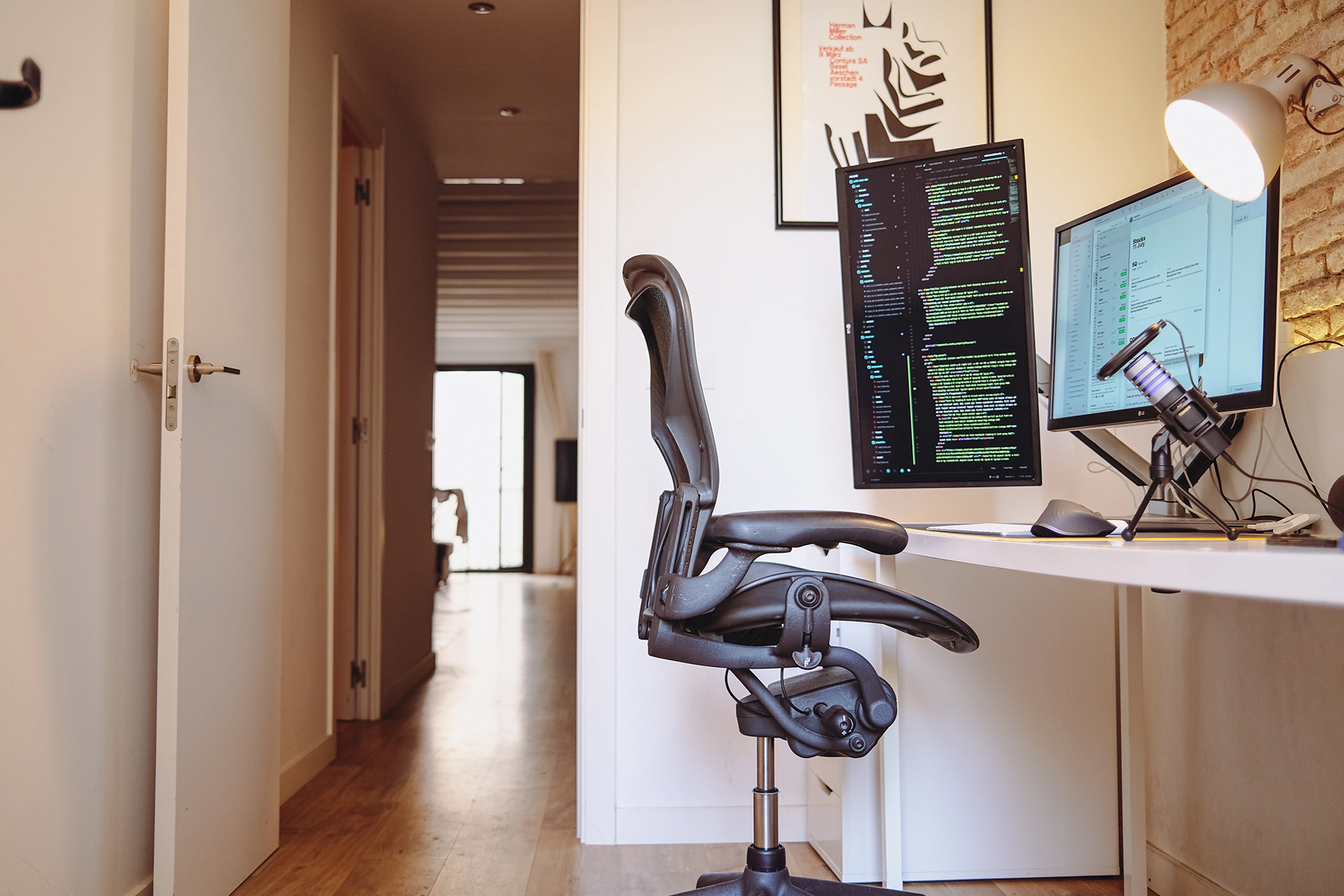
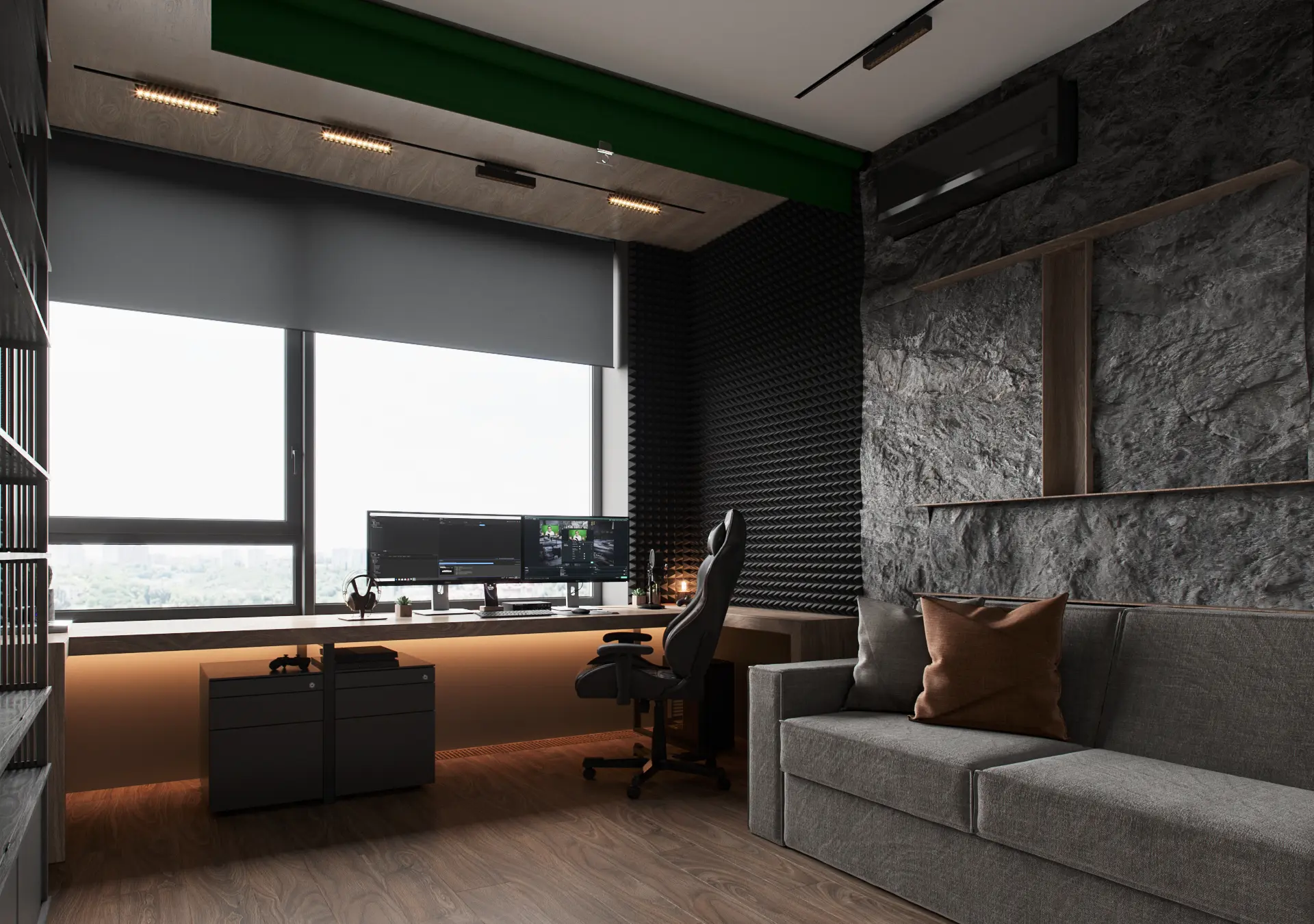
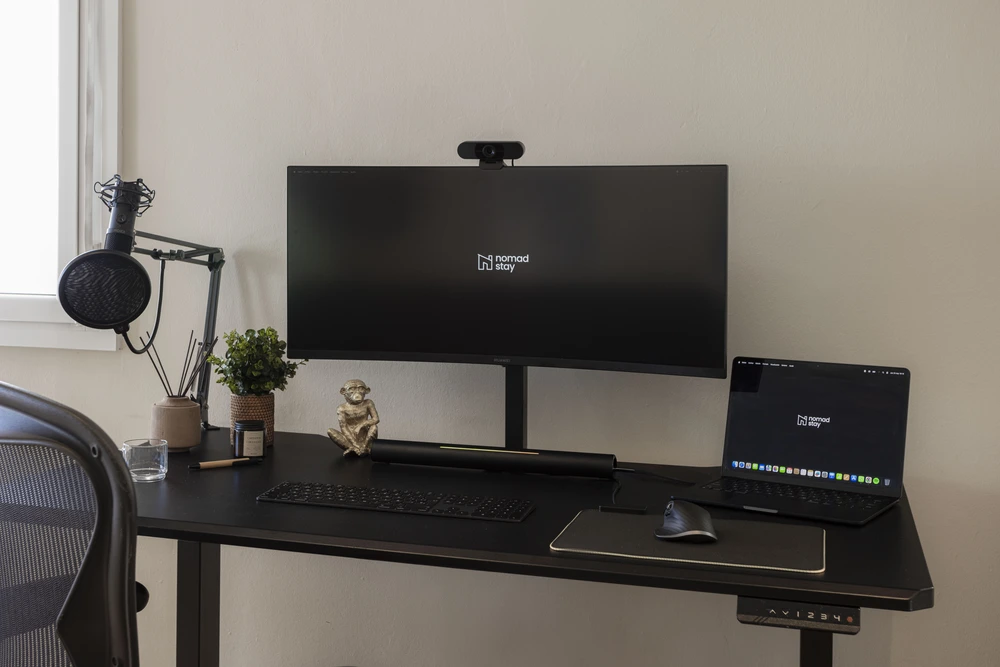
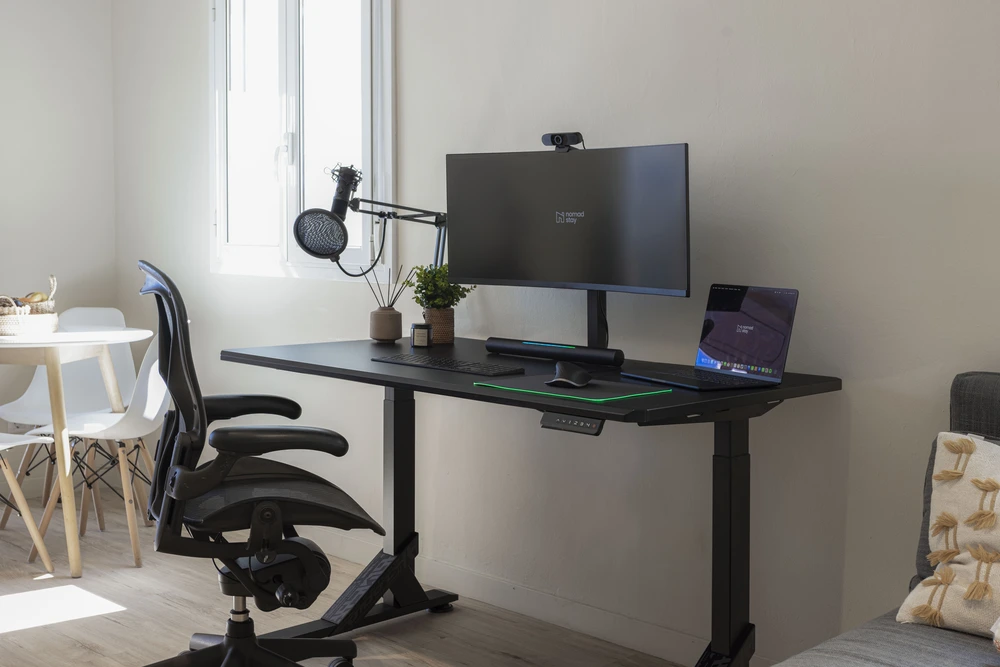
These professionals bring different expectations: privacy, reliable infrastructure, a dedicated workspace, good connectivity, longer stays, and a home that feels like a home rather than temporary accommodation.
Housing has to catch up
This shift matters well beyond how people talk about remote work, because it changes what accommodation has to provide. A 23-year-old freelancer spending six weeks in a city may care most about flexibility and price. A 48-year-old executive staying three months may want privacy, a good location and a proper workstation. A couple in their sixties may weigh accessibility, proximity to healthcare and a neighborhood where daily life is easy.
All three are remote residents. A platform that treats them as the same traveler is missing the point.
No typical nomad
Remote living is becoming less a subculture and more an ordinary way to organize work and life. The people doing it are harder to stereotype because the category itself has grown. They differ in generation, income, profession and motivation, and in what they mean by freedom.
The next phase will not be about designing a lifestyle for one type of nomad. It will be about building infrastructure for people whose lives happen to be mobile. That is the work RentRemote is interested in: homes designed around how people actually live and work, wherever they choose to do it.