









The New Face of the Digital Nomad: Gen Z, Women, and the End of the Bali Stereotype
Gen Z is 35% of digital nomads. Women are 43%. Most are employed, not freelancing. The stereotype is changing fast — here's what the data says.
The image most people have of a digital nomad is surprisingly specific: a young white man, mid-twenties, laptop in a café in Bali, probably in tech, probably single. He showed up first in the blog posts and Reddit threads and YouTube channels that defined the genre. He became the default.
That image is becoming obsolete.
The demographic data on digital nomads in 2026 tells a different story — one of a lifestyle that is broadening fast, pulling in generations and groups that didn't fit the original template, and in doing so, quietly redefining what the whole thing means.
Gen Z Is Arriving — and Doing It Differently
Gen Z now represents approximately 35% of the global digital nomad population, according to MBO Partners' 2025 State of Independence report. Combined with Millennials at around 40%, the two youngest generations make up roughly 75% of all digital nomads worldwide. The Baby Boomer share, meanwhile, sits at around 6% and declining.
But the more interesting story is not just how many Gen Z nomads there are — it's how they got there and what they're doing differently.
Previous generations largely entered the nomad lifestyle through a specific pipeline: leave a traditional job, go freelance or remote, start travelling. The career came first; the mobility was a decision made after establishing professional footing. Gen Z is increasingly skipping that sequence entirely. They are entering the workforce with location independence already built into their career design — not as an add-on, but as a baseline expectation.
This is partly structural. The jobs Gen Z entered the workforce pursuing are overwhelmingly digital: content creation, social media management, UX design, prompt engineering, AI operations, performance marketing. These roles didn't exist or barely existed when older generations were starting their careers. They come with no legacy attachment to an office. There is no muscle memory of commuting to override.
It's also cultural. Gen Z watched Millennials negotiate for remote work as a privilege. They are entering a market where remote work is a baseline offering at most knowledge-work companies, and where the nomad infrastructure — visas, coworking spaces, mid-term furnished apartments, nomad communities — is already built. They did not have to pioneer anything. They just showed up to a world that already accommodated them.
The result is a generation of nomads who are, on average, younger, more diverse, more likely to be working full-time for an employer rather than freelancing, and more likely to have integrated the lifestyle without making it their entire identity.
Women Are Closing the Gap
The gender data on digital nomads has shifted meaningfully over the past few years. Current figures show approximately 56% male and 43% female among US digital nomads — a gap that has been narrowing steadily. In 2020, the gap was significantly wider. The direction of travel is clear even if full parity hasn't arrived yet.
The drivers behind this shift are worth understanding because they point to something structural rather than coincidental.
Remote work removes several barriers that have historically made international mobility harder for women. Geographic flexibility allows women to work around caregiving responsibilities in ways that a fixed office cannot. The creator economy — content, social media, brand work, coaching — is a sector where women are disproportionately represented and where location independence is native to the work. According to MBO Partners' research, the African American share of digital nomads has grown from 13% in 2020 to 27% in 2025, driven in large part by creator economy growth — a trend that skews toward more diverse demographics generally.
The UN has noted this dynamic explicitly: closing the gender digital divide could boost global GDP by $1.5 trillion and lift 30 million women and girls out of poverty by 2030. Digital nomadism is one visible expression of a broader shift in which remote and digital work is creating economic inclusion for groups that traditional office structures disadvantaged.
Female nomads also tend to concentrate in different professional categories than their male counterparts. While men dominate the tech-heavy end of the spectrum — software engineering, DevOps, cybersecurity — women are more strongly represented in marketing, content, design, coaching, and the broader creator economy. These are among the fastest-growing categories of remote work, which means the pipeline of female nomads is expanding at the professional level, not just culturally.
The New Profile: More Diverse, More Employed, More Settled
Alongside the generational and gender shifts, the data reveals a few other changes in who digital nomads are in 2026 that challenge the original stereotype.
More employed, fewer freelancing. In 2026, approximately 51% of location-independent workers hold full-time positions with companies — up from 38% in 2023. Startup founders account for 18%, and freelancers represent another 18%. The era of nomads as primarily freelancers and independent contractors is giving way to an era where the majority are full employees whose companies simply allow them to work from anywhere.
More families. Around 23% of digital nomads now travel with their children, and more than half (54%) are married or living with a partner. The solo adventurer is still the loudest voice in the room, but the quiet majority increasingly looks more like a mobile family making deliberate lifestyle choices than a single person chasing freedom.
More AI-native. Nine in ten digital nomads (89%) report using AI in their work — higher than almost any other professional category. For Gen Z in particular, AI tools are not an adaptation to new technology but simply how work gets done. This fluency makes them faster, more productive, and more competitive as remote workers — which in turn makes the lifestyle more economically sustainable.
Higher earners. Despite the stereotype of the budget-travelling nomad, nearly half (46%) of digital nomads report a household income exceeding $75,000. The median age is 37. This is not a lifestyle of economic precarity dressed up as freedom — it is increasingly a choice made by well-educated, well-compensated professionals who have options and are exercising them deliberately.
What This Means for the Cities They Choose
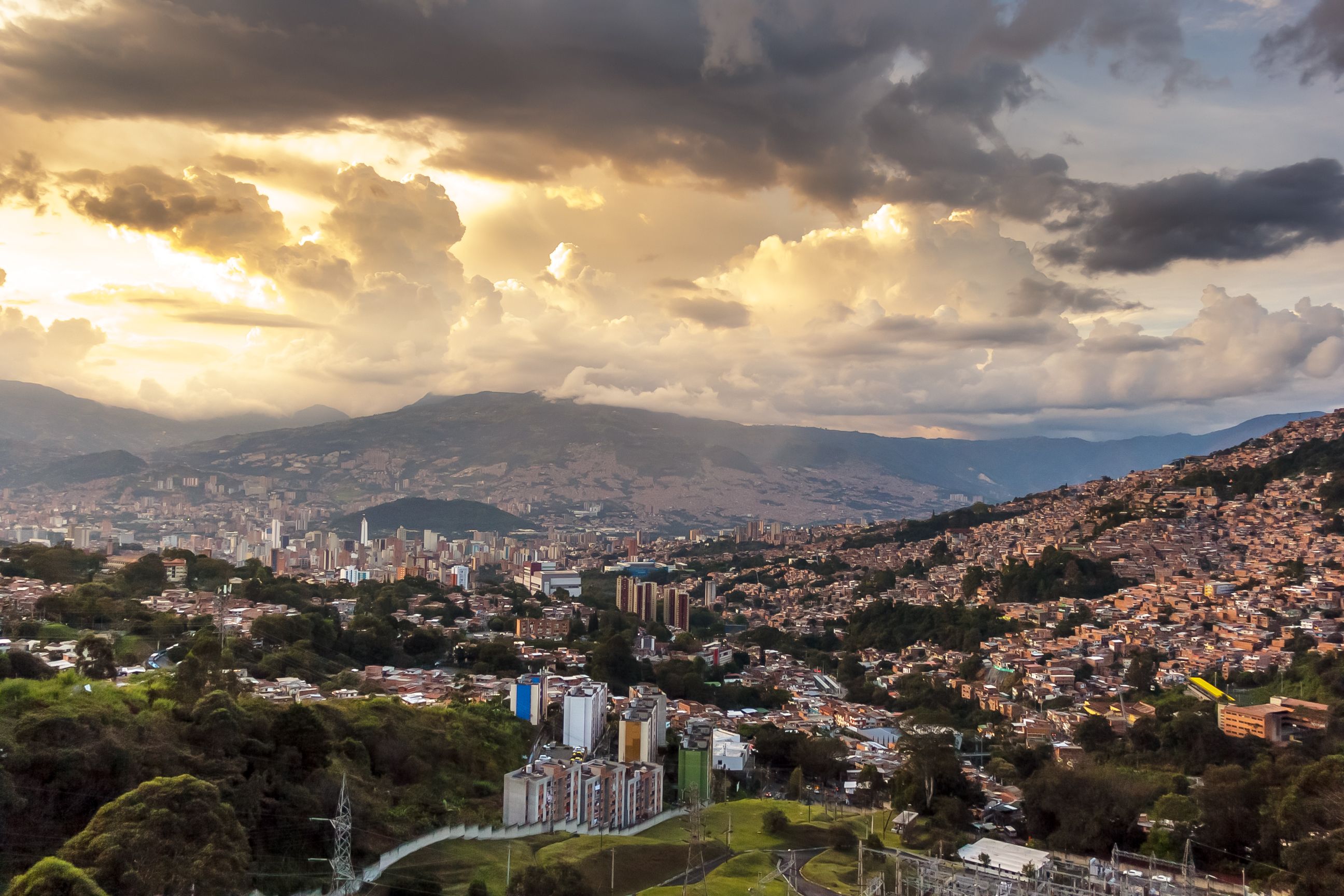
A more diverse nomad population makes different choices. Families need different infrastructure than solo travellers — schools or worldschooling networks, larger apartments, neighbourhood safety, access to healthcare. Female nomads consistently rate safety higher as a destination factor than their male counterparts. Gen Z nomads weight community and social scene more heavily than older generations, which is part of why cities like Medellin and Buenos Aires have grown so quickly as nomad hubs — they offer both social energy and affordability.
The cities that thrive in this environment are the ones that treat nomads as residents-in-progress rather than tourists with laptops. That means thinking about housing that accommodates couples and small families, not just studio apartments. It means coworking spaces with different energy levels, not just open-plan hustle environments. It means neighbourhoods with daily life infrastructure — markets, parks, gyms, schools — alongside the café and the fast WiFi.
The nomad the world designed for in 2016 was one person. The nomad the world needs to design for in 2026 is much harder to picture in a single image — and that is exactly the point.
Further reading: Digital Nomad Statistics 2026 · Digital Nomad Burnout: Why It Happens · Digital Nomad Salary Guide 2026
Frequently Asked Questions
What percentage of digital nomads are Gen Z in 2026?
Gen Z represents approximately 35% of the global digital nomad population in 2026, according to MBO Partners data. Combined with Millennials at around 40%, the two youngest generations make up roughly 75% of all digital nomads worldwide. Gen Z's share has been growing steadily as more young professionals enter the workforce with location independence already built into their career expectations.
What percentage of digital nomads are women?
Approximately 43% of US digital nomads are women, with 56% identifying as male and 1% as nonbinary, according to MBO Partners' 2025 report. The female share has been growing steadily from a significantly smaller proportion in 2020. Female nomads are disproportionately represented in marketing, content, design, coaching, and the creator economy — categories that are among the fastest-growing areas of remote work.
Are most digital nomads freelancers or employees?
As of 2026, approximately 51% of location-independent workers hold full-time positions with companies — up from 38% in 2023. Startup founders account for about 18%, and freelancers another 18%. The majority of digital nomads are now full employees whose companies allow them to work from anywhere, rather than independent contractors or freelancers.
How much do digital nomads earn on average?
Nearly half (46%) of digital nomads report a household income exceeding $75,000, according to MBO Partners. The median age is 37. The lifestyle is increasingly associated with well-educated, well-compensated professionals rather than budget travellers — 90% of digital nomads have completed higher education, compared to 35% of the general adult US population.
Do digital nomads travel with families?
Yes, and the share is growing. Around 23% of digital nomads now travel with children, and more than half (54%) are married or living with a partner. The stereotype of the solo traveller is giving way to a reality where a significant portion of the nomad population is making lifestyle choices as families, which in turn shapes the cities and housing they choose.