






Remote Living Is Becoming a Lifecycle, Not a Destination
Remote living is no longer a one-way move. People test cities, stay, return and move again, and housing has to support each stage of that cycle.
For years, the digital nomad story was told as a one-way journey.
Leave home. Choose a destination. Build a new life somewhere else.
But the reality of remote living is becoming much less linear.
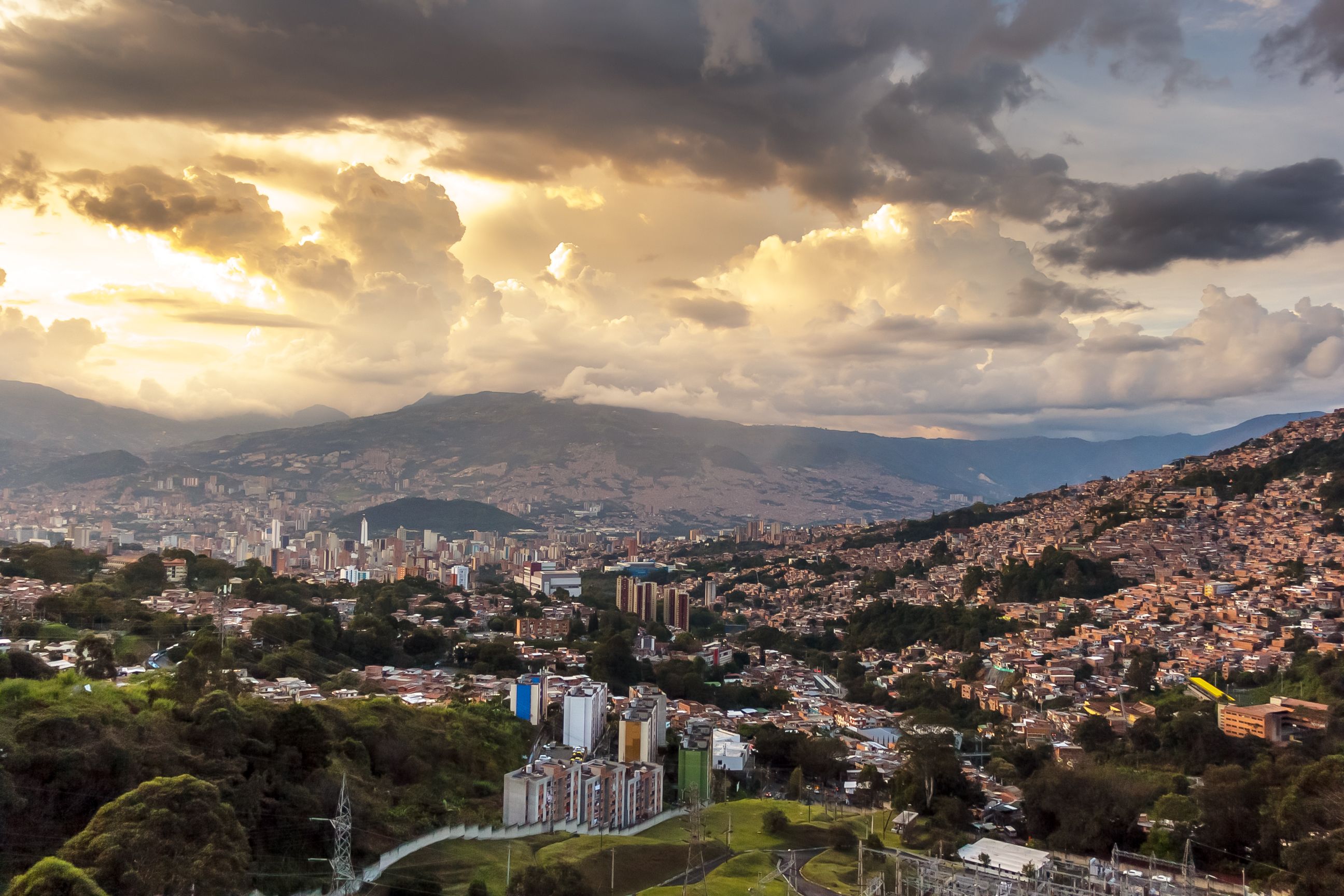
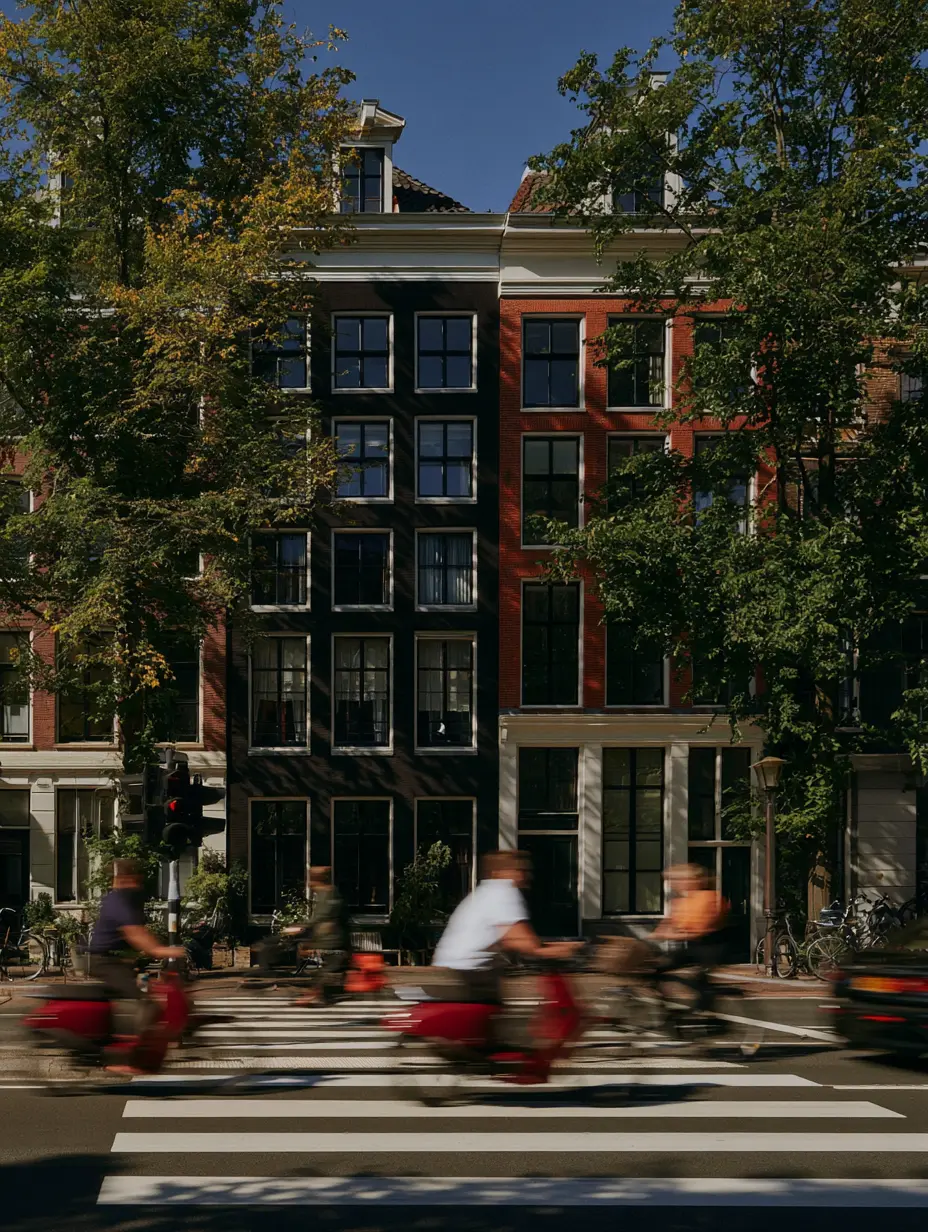
People leave, test a city, stay for a few months, move again, return home, relocate once more, or eventually settle somewhere they never expected. The destination is no longer necessarily the end point. It is one stage in a much longer mobility lifecycle.
Leaving is only the beginning
Interest in living abroad remains strong, particularly among younger professionals. Research compiled in August 2026 points to significant interest among Gen Z and Millennials in relocating internationally and acquiring additional citizenship or residency options.
At the same time, another part of the story is becoming increasingly relevant: return migration.
Not everyone who moves abroad wants to stay abroad forever. Some people build a life overseas for years and eventually return home. Others move between two or three recurring bases. Some discover that the country they imagined as a permanent destination works better as a temporary chapter.
That does not make the experience unsuccessful.
It makes mobility more flexible.
The rise of the trial period
Digital nomad visas have made it easier for remote professionals to test life in another country without immediately making a permanent commitment.
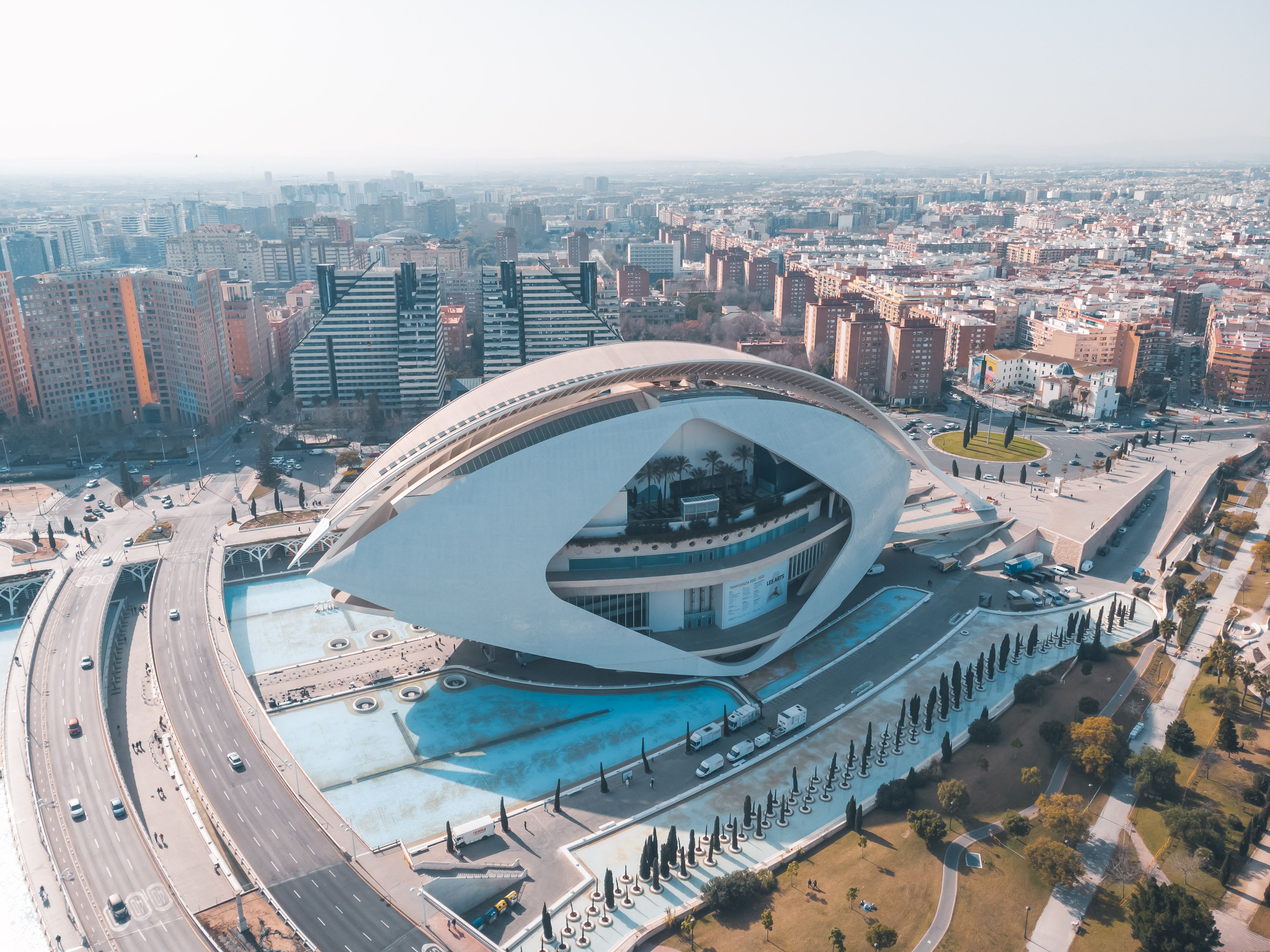
Spain, Estonia and a growing number of other countries now offer formal pathways that allow remote workers to live abroad for extended periods. But the existence of those programs does not mean every applicant is looking for a permanent relocation.
Many are testing a possibility.
Can I work effectively here?
Do I like the neighborhood after the novelty wears off?
Can I build a routine?
Does the cost of living still make sense after six months?
Do I actually want this to become home?
Those questions take longer than a holiday to answer.
Housing has to support the transition
A mobility lifecycle creates very different housing needs from tourism.
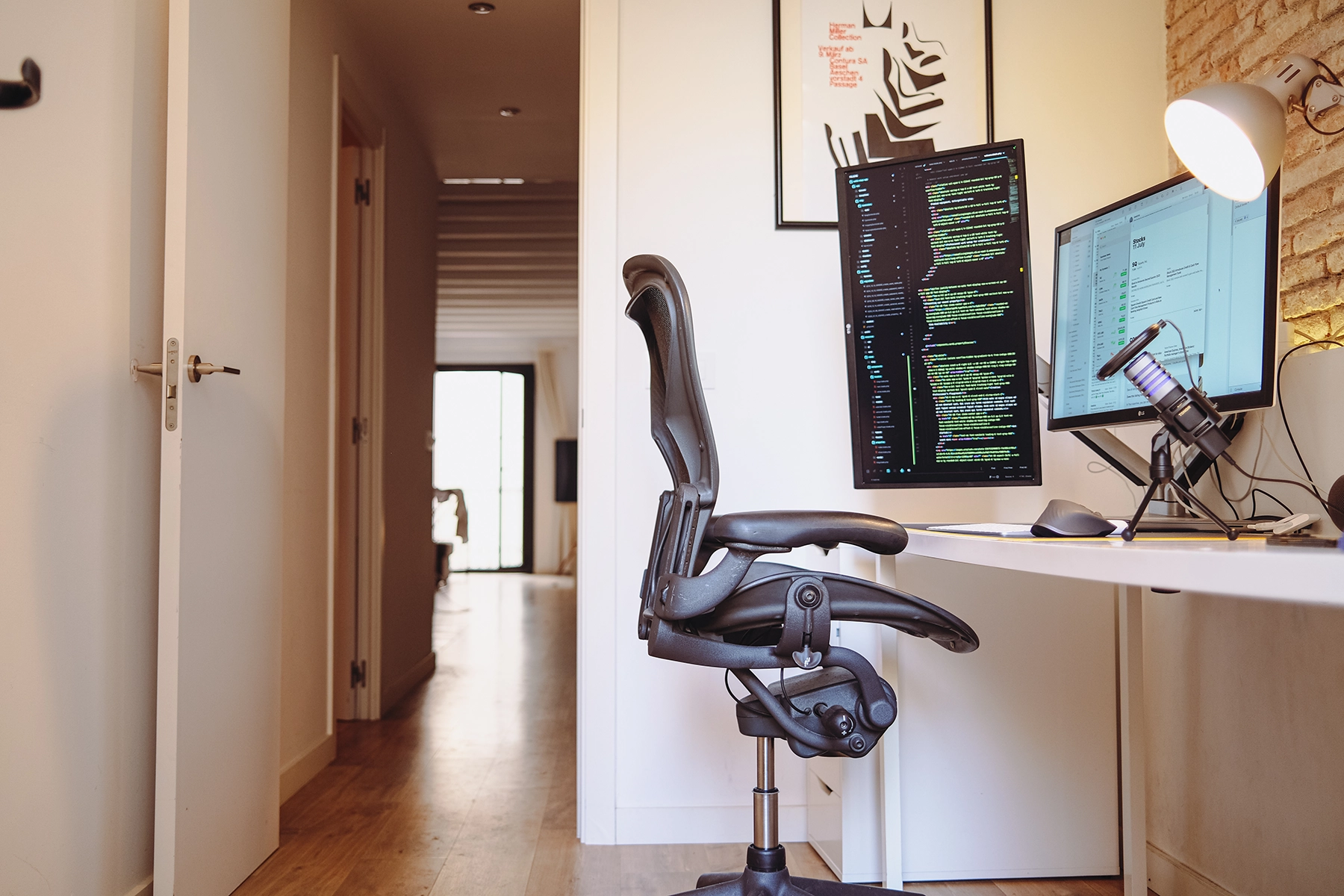
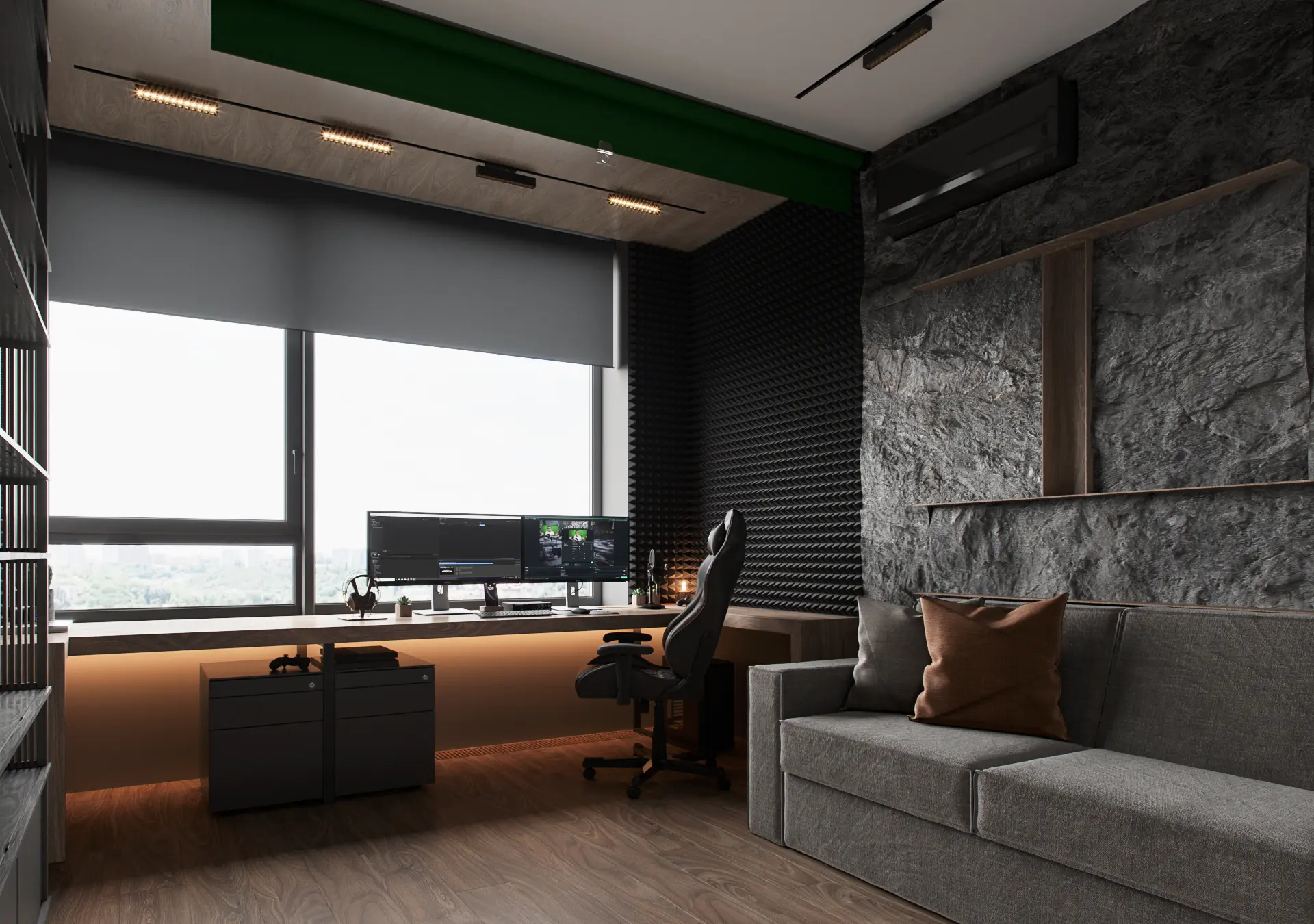
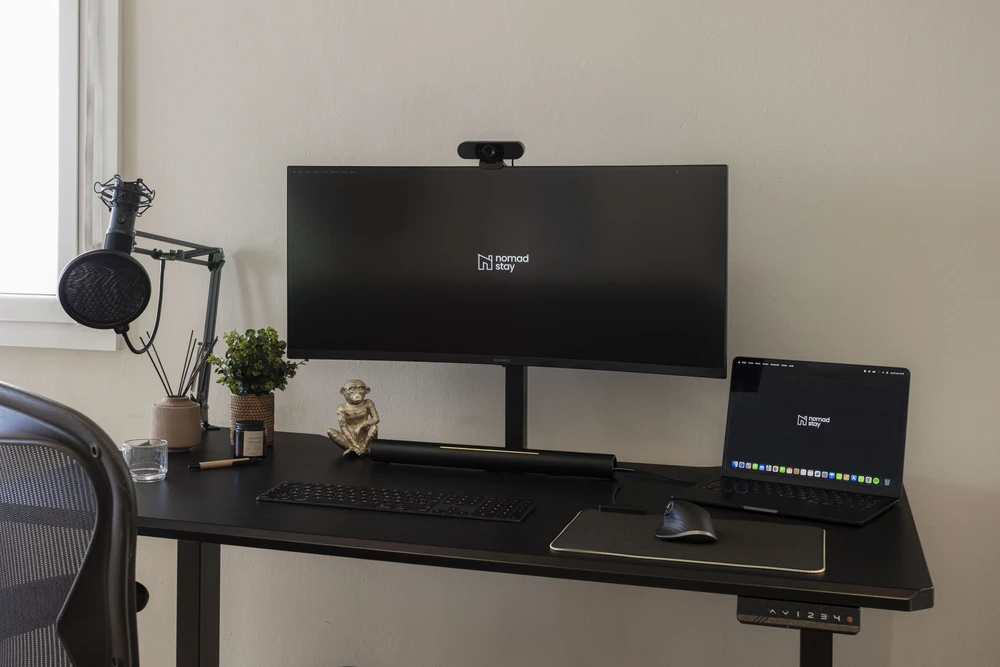
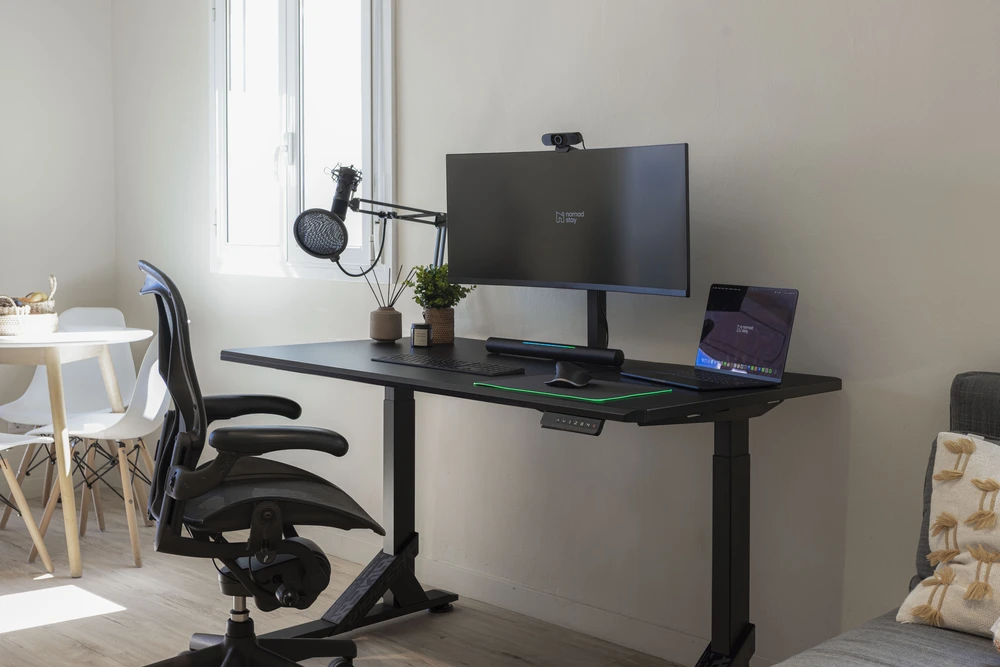
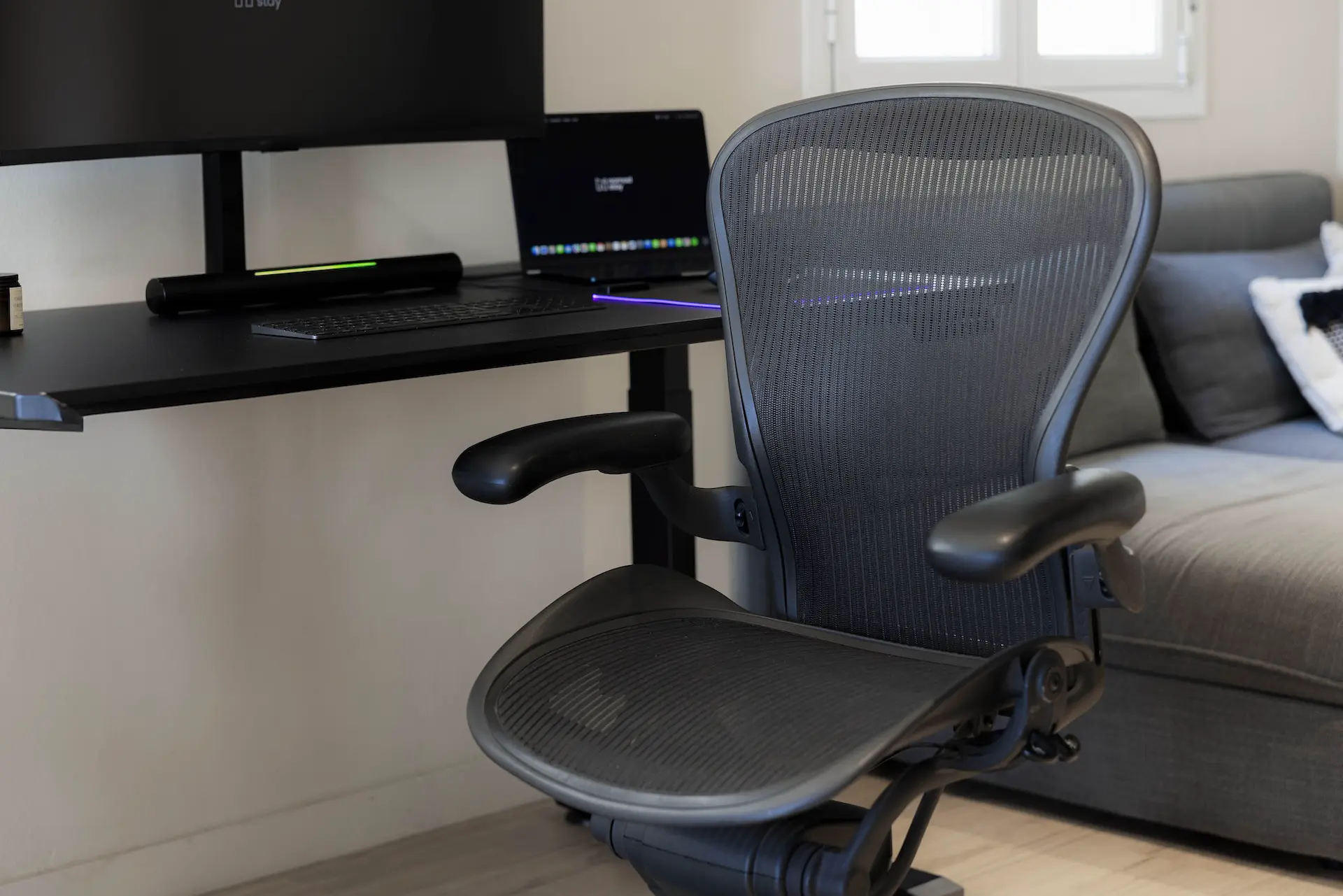
Someone testing a city for three months needs more than a place to sleep. They need reliable Wi-Fi, a comfortable workspace, a functional kitchen, predictable costs and a neighborhood that works for everyday life.
Someone returning home after several years abroad may need exactly the same thing.
So might a professional moving between recurring bases while deciding where to settle permanently.
In each case, furnished mid-term housing becomes part of the transition infrastructure.
From destination thinking to lifecycle thinking
The traditional travel question is:
Where should I go next?
The remote-living question is becoming:
What kind of life am I building across these places?
That distinction matters.
The next phase of remote living may be less defined by permanent nomadism and more by periods of mobility, stability, experimentation and return.
Leave.
Test.
Stay.
Return.
Repeat.
Remote living is becoming a lifecycle, not a destination.