














Nairobi for Digital Nomads 2026: Kenya's Class N Permit and What the City Really Costs
Kenya's Class N permit is a real work permit, not a tourist stamp. What it costs, what Nairobi rent and internet run, and where to live in 2026.
Nairobi is one of the few places in Africa where a remote worker can hold an actual work permit instead of a tourist stamp and a hopeful story. Kenya turned the Class N permit into a real immigration category in 2024 and began issuing it in 2025. That alone makes it worth a look, because most of the continent still asks you to pretend you are on holiday.
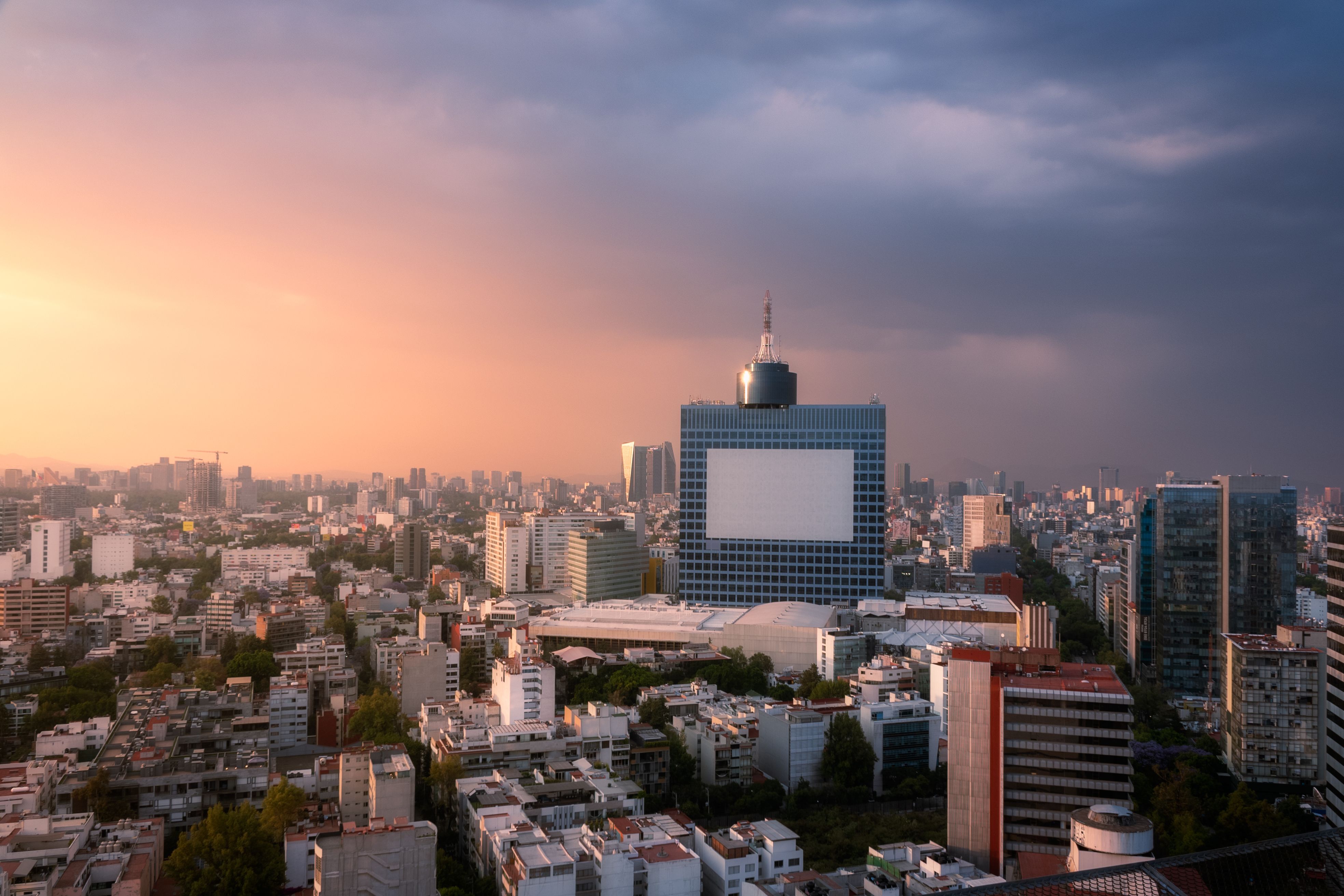
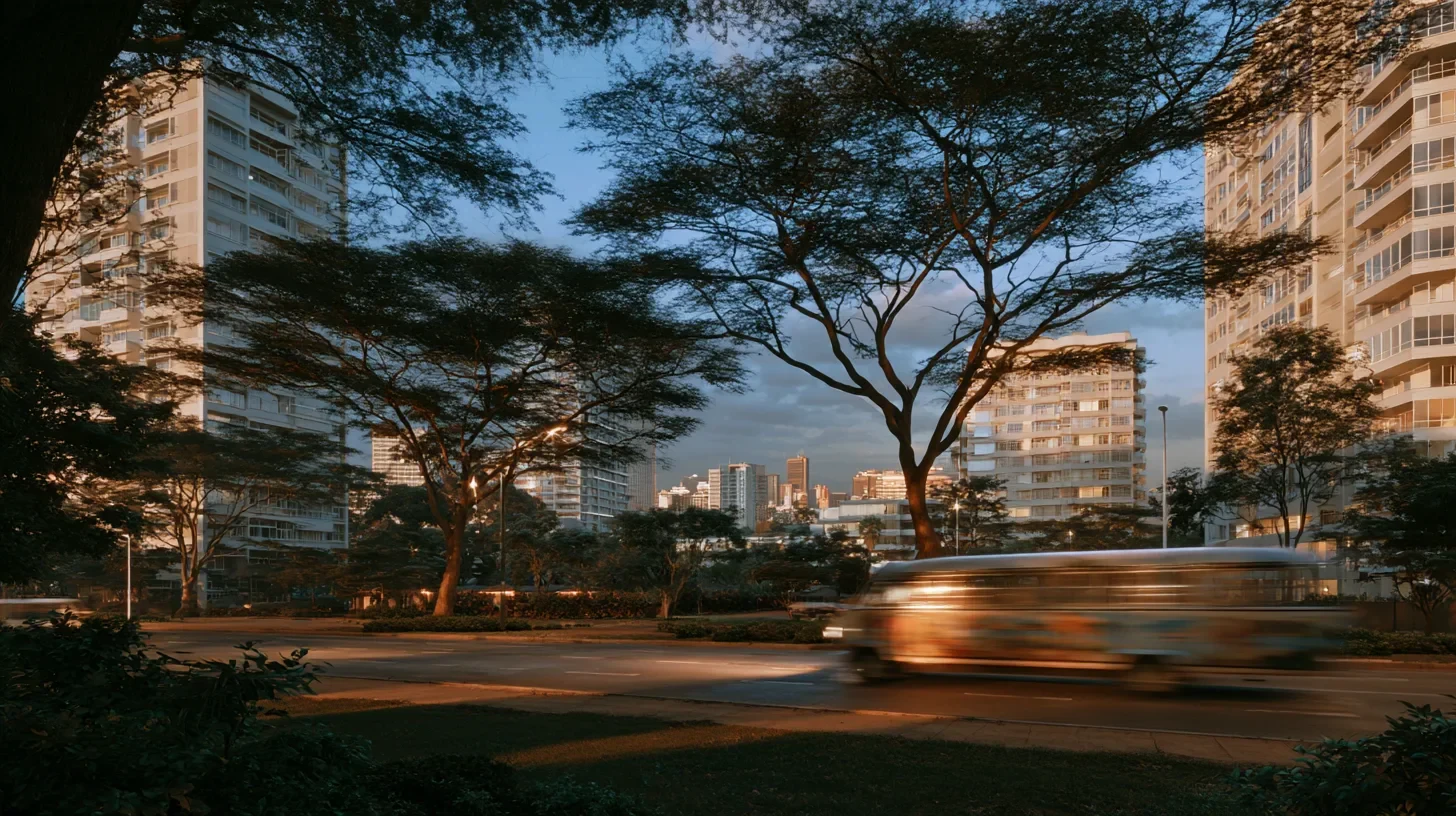
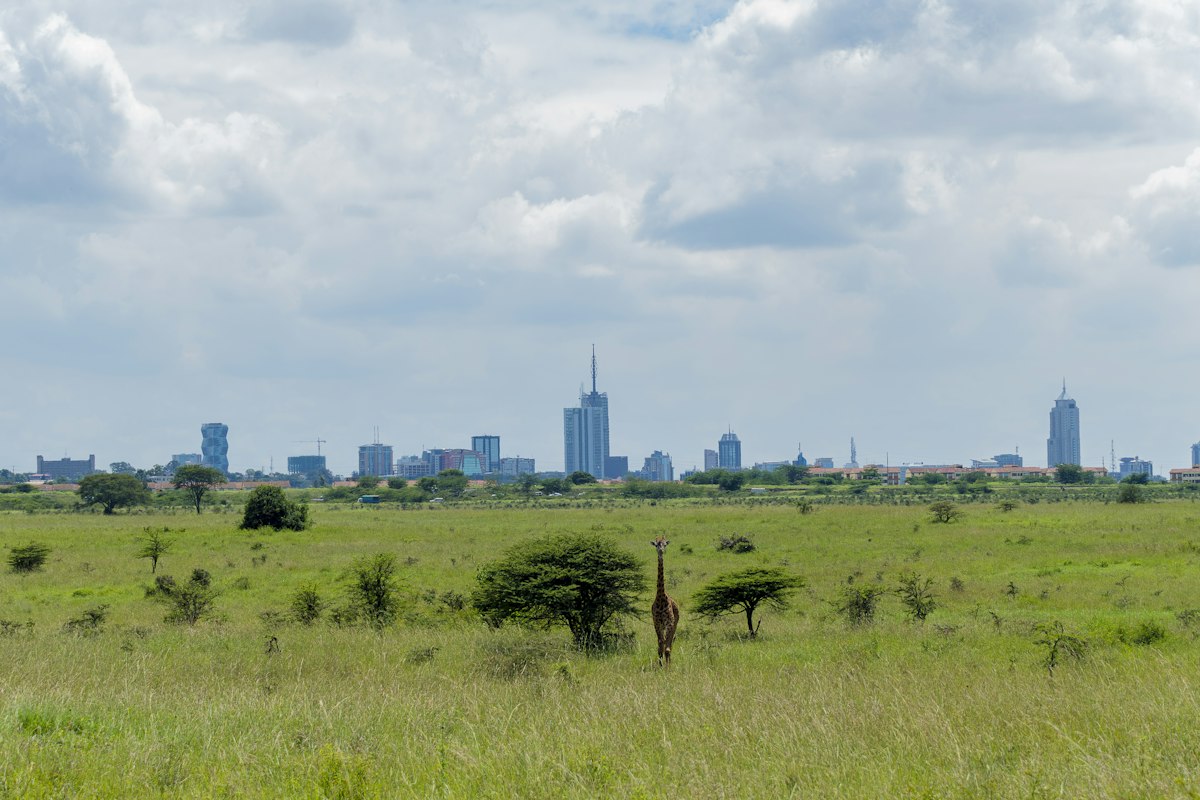
The city resists easy selling. It is not walkable, it is not as cheap as Southeast Asia, and the traffic will eat your mornings if you let it. What it does have is one of the busiest startup scenes in Africa, average daytime highs between 24 and 28 degrees almost all year, a national park on the southern edge, and furnished rent that still lands well below Lisbon.
What Class N actually is
The permit comes from the Kenya Citizenship and Immigration (Amendment) Regulations 2024, published as Legal Notice 155 in October 2024 and amended by Legal Notice 198 that December. Issuing began in April 2025.
The eFNS portal defines who qualifies: someone employed under a contract with a company registered outside Kenya, a shareholder or representative conducting business for a foreign company, or a self-employed person serving clients based outside Kenya. The permit runs one or two years and is renewable. It offers no route to permanent residence and does not bundle your family, so a partner or child applies for their own pass.
The documents are where applications stall: Form 25 filed on eFNS, two passport photos, your passport copy, a signed cover letter to the Director General of Immigration, a matching letter from your employer or client, three months of bank statements or payslips, proof of accommodation, a police clearance certificate, company contact details, and a letter of no objection from your home country's embassy in Nairobi. Nigerian nationals also need NDLEA clearance.
All of it has to exist before you file, and the printed application is presented at Nyayo House. Start with the police clearance, the slowest item from most countries.
Read the official Class N requirements on eFNS before you pay anything, and treat any post that contradicts that page as out of date.
The fees, and the income bar that changed
Processing costs US$200 and is not refundable. Issuance costs US$1,000 for each year of the permit, payable after approval, so a two-year permit is US$2,200 before police clearance, translations, and flights.
The income threshold is where online guidance collapses. The October 2024 text set the bar at US$55,000 a year, and plenty of guides still quote it. The December 2024 amendment is generally read as lowering it to US$24,000 in assured annual income from sources outside Kenya, which is the figure specialist trackers now use.
The official sources do not agree. The eFNS checklist states no number. Kenya Law's consolidated text still shows the higher figure, while Nairobi law firms summarising Legal Notice 198 work from US$24,000. A September 2026 review by Kazi Legal says exactly this, and advises building the file around whichever figure the live checklist implies, with the government invoice as the final word.
If you comfortably clear US$55,000, submit evidence for that and stop worrying. If you sit between the two numbers, have a Kenyan immigration lawyer confirm the current test before spending the US$200. The published service target is 21 working days, health insurance is not on the list, and private care is good and priced accordingly.
What living in Nairobi actually costs
The crowd-sourced figure is about US$1,735 a month for a nomad, with a one-bedroom in the centre at US$446, dinner at US$6, a coffee at US$3, and a three kilometre taxi ride near US$5. That rent figure describes the local market, not the serviced apartment most permit holders end up in.
Furnished stock tells a different story. In Kilimani, furnished apartments start near KSh 60,000 a month and most sit between KSh 120,000 and KSh 185,000. In Westlands, furnished one-bedrooms run from roughly KSh 90,000 to KSh 160,000, with two-bedrooms from KSh 130,000 to KSh 280,000 at the top. At KES 129.9 to the dollar that is about US$460 to US$1,420 depending on the building.
Build the budget from line items. A furnished one-bedroom in Kilimani at US$800, a coworking hot desk at KES 11,000 plus VAT, fibre at KES 2,999, US$120 for Ubers and the occasional matatu, and US$400 for food and coffee lands near US$1,500 before extras. Add a gym, a weekend trip, and health cover and US$2,000 to US$2,300 is a comfortable month, roughly half the cost of the same life in Lisbon.

Where to live
Nairobi's rental market runs in a ring of western and north-western suburbs, and almost every decision comes down to distance from Westlands and how much traffic you will accept.
Westlands is the second city centre, linked to the CBD by Waiyaki Way and packed with offices, malls, restaurants, and coworking. If you want to walk to work and to lunch, this is where you pay for it.
Kilimani sits south-west of the central business district near Yaya Centre, with the deepest furnished inventory and the best value. It is busy, sometimes loud, and the pavements are uneven, but you get more space for the money.
Lavington and Kileleshwa are the quieter compromise, with leafy streets, larger apartments, and a ten to fifteen minute drive to Westlands when the roads behave. Kileleshwa has become a favourite for people who want a real home office and a balcony.
Karen and Langata suit anyone who wants a garden and room to breathe, at the cost of a car and a long commute. Gigiri, around the United Nations headquarters, is diplomatic Nairobi: expensive, green, and close to Karura Forest.
One thing surprises new arrivals. The western suburbs stretch about 20 kilometres from Kenyatta National Hospital north to Gigiri, and a 6 kilometre trip across them can take 45 minutes at half past seven. Choose the neighbourhood by your daily destination, not by the map.
For serviced and furnished places ready to move into, start with Rent Remote's furnished apartments, and read our breakdown of why mid-term housing sits between a hotel and a lease if you are booking more than a month.
Internet and coworking
Nairobi's reputation for bad internet is out of date. Ookla's September 2026 index puts Kenya's median mobile download at 114.18 Mbps, ranked 73rd in the world, and median fixed broadband at 50.31 Mbps. The 7 Mbps figure on nomad cost sites reflects hotel wifi, not fibre.
Fibre is cheap. Zuku's 30 Mbps residential plan was advertised at KES 2,099 a month in August 2026, Safaricom's 40 Mbps Home Fibre sits at KES 2,999, and smaller estate providers sell 20 Mbps for KES 1,500 to 2,500. The risk is consistency rather than speed: power cuts still happen and wiring in older buildings is unpredictable. The standard setup for anyone on calls all day is fibre in the apartment plus a 4G router on a second network as failover.
Nairobi Garage runs four locations at Westlands, Spring Valley, Kilimani, and Karen. A hot desk is KES 11,000 plus VAT a month, a dedicated desk KES 25,000 plus VAT, and day passes are published at KES 2,000 plus VAT. The citywide crowd average for a hot desk is about US$154, which makes Nairobi Garage the premium end rather than the only option.
For the startup crowd, iHub in Kilimani and 88mph come up first, and both are better for meeting founders than for silent deep work. Spend a day in any space before paying for a month.

Getting around
Nairobi is not a walking city, and pretending otherwise is how people end up exhausted by week two. The matatu network reaches almost every estate and costs KSh 30 to KSh 100 depending on the route, the hour, and the weather. Fares climb fast in the peak, and the same trip can be KSh 30 at a quarter to six and KSh 100 in heavy rain.
For daily work travel, Uber and Bolt are the practical default. A three kilometre trip averages about US$5, and Kilimani to Gigiri in traffic costs more like US$10 to US$15. From Jomo Kenyatta International Airport, a taxi to the centre should be around KSh 2,000, and there is an official desk inside arrivals if you want a fixed price first.
The Nairobi Expressway has cut the worst of the north-west commute for drivers, though it is a toll road. The standard gauge railway to Mombasa is the civilised way to the coast for a weekend, and domestic flights leave from Wilson Airport closer to town.
Tax, which nobody mentions at the visa stage
Kenya does not offer Class N holders a tax holiday. Spend 183 days in the country in a 12-month period, or an average of 122 days a year over three years, and you become a tax resident. Residents are taxed on worldwide employment income, with the top rate at 35%, and Kenya's treaty network is thin.
You will find guides describing Class N as exempt on foreign income. The immigration rules say no such thing, and Kenyan practitioners consistently describe the 183-day test as applying normally. Keep your days documented and have an accountant look at your situation before you make Nairobi your only home for a full year.
For most people on a one-year permit, the cleanest structure is staying under 183 days in the Kenyan tax year while keeping tax residency elsewhere. That is a planning decision, not a loophole, and it needs making before you land.
Safety, honestly
Nairobi has a theft problem, and any guide that skips it is doing you a disservice. Phone snatching, bags taken from slow-moving cars, and elaborate distraction scams are common in the central business district and around transport hubs. The areas needing extra care are well documented: Globe Roundabout, the Archives area, Muthurwa Market, Nyamakima, and River Road.
The rules are simple. Do not walk after dark outside a mall or a residential compound. Use Uber or Bolt at night rather than hailing anything on the street. Carry a cheap second phone if you need one on the move, keep your passport in the apartment safe, and carry a copy. The crowd safety score sits at 1.83 out of 5, which matches reality: daytime in Westlands or Kilimani is unremarkable, night-time street walking is not.
Serviced buildings almost all have a guarded gate and secure parking, and that is part of what you pay for. Ask about the gate routine and the backup power before you sign.
Who Nairobi suits, and who it does not
Nairobi works best for people earning US$40,000 or more who plan to stay at least six months and want a base for the region rather than a cheap month in the sun. The permit overhead only makes sense if you stay long enough to use it.
It suits founders and senior remote employees who want access to the East African tech scene, anyone who wants weekend safaris and a coast a short flight away, and people tired of European visa queues who want formal status with a real work permit behind it.
It does not suit anyone trying to live on US$1,200 a month, anyone who needs to walk everywhere, or anyone chasing the easy social life of a Mediterranean nomad town. Nairobi is a working city that happens to have a national park next door.
If you are building a permit file, our piece on why your public profile is now part of the visa package is worth ten minutes before you submit anything.

Your first two weeks
Get the eTA before you fly. Kenya replaced visas with the Electronic Travel Authorisation in January 2024, the government fee is US$30, it gives you 90 days, and you should apply at least three days before departure through the official eTA portal. Ask for the full 90 days on arrival.
At the airport, buy a Safaricom SIM with your passport and register for M-Pesa immediately. Almost everything in Kenya runs on it, from taxis to groceries, and it removes most reasons to carry cash.
Book two weeks of serviced accommodation before committing to a lease. Neighbourhoods look different at seven in the morning than they do at a weekend viewing, and the traffic test is the one that counts.
Start the permit file in parallel: open your eFNS account, request the police clearance from home, get the embassy letter moving, and gather three months of statements. None of it is difficult, and all of it has a queue.
Two small things catch people out. Plastic bags are banned in Kenya, including in your luggage, and tap water is not drinkable, so budget for filtered water from day one.
Nairobi is not the easiest city to arrive in. It is one of the few where the paperwork is worth doing, because a Class N permit means you are not pretending.