







Auckland Is Not the Cheapest Remote-Work Base
Auckland costs more than classic nomad hubs, but strong fibre, distinct neighborhoods and build-to-rent supply make it a stable remote-work base.
Auckland rarely appears at the top of the traditional digital nomad rankings. It is more expensive than many of the familiar remote-work hubs, geographically distant from most major markets, and not designed around the promise of ultra-low-cost living.
But that is exactly what makes Auckland interesting in 2026.
As remote work matures, the question is becoming less about where people can live for the least money and more about where they can build a stable, functional everyday life. Auckland offers a different proposition: strong infrastructure, established neighborhoods, reliable connectivity and a housing market that increasingly supports longer-term living rather than constant movement.
Auckland is a base, not a bargain
The 2026 research places the cost of living for a single remote worker in Auckland at roughly NZ$2,650–2,730 per month for a mid-range lifestyle in an inner suburb. That makes it significantly more expensive than destinations such as Chiang Mai or Lisbon, and closer to other major Anglosphere cities.
Housing is the biggest variable.
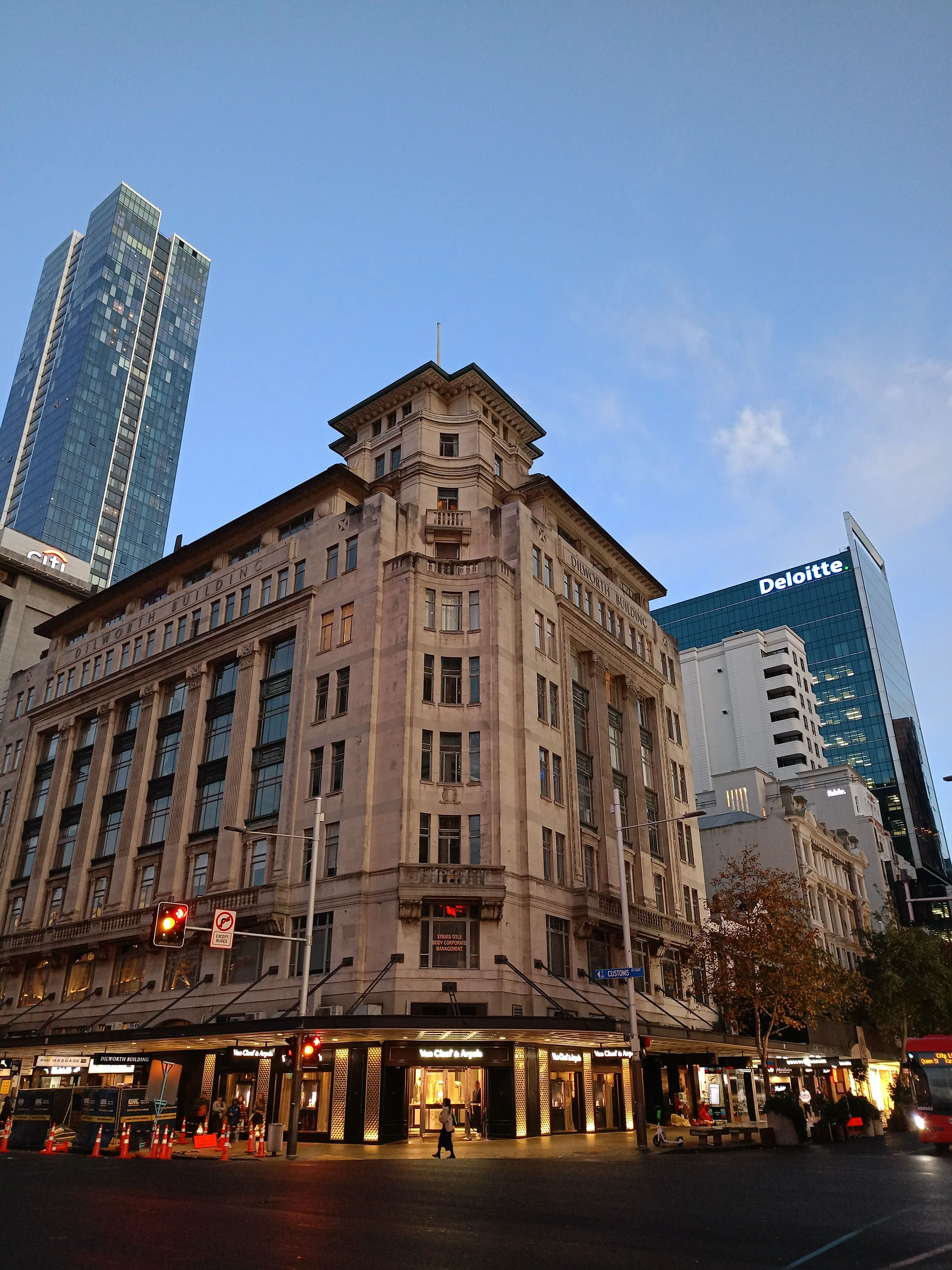
One-bedroom apartments in central areas such as the CBD, Newmarket and Grafton are commonly reported around NZ$540–620 per week, while outer suburbs can offer materially lower rents. Build-to-Rent inventory is also becoming a more important part of Auckland's housing landscape, creating additional professionally managed options for people who want stability without committing to traditional home ownership.
For remote workers, that changes the decision. Auckland is not primarily a geo-arbitrage destination. It is a city to choose when quality of everyday life matters more than maximizing the difference between local and foreign income.
The neighborhood matters more than the city
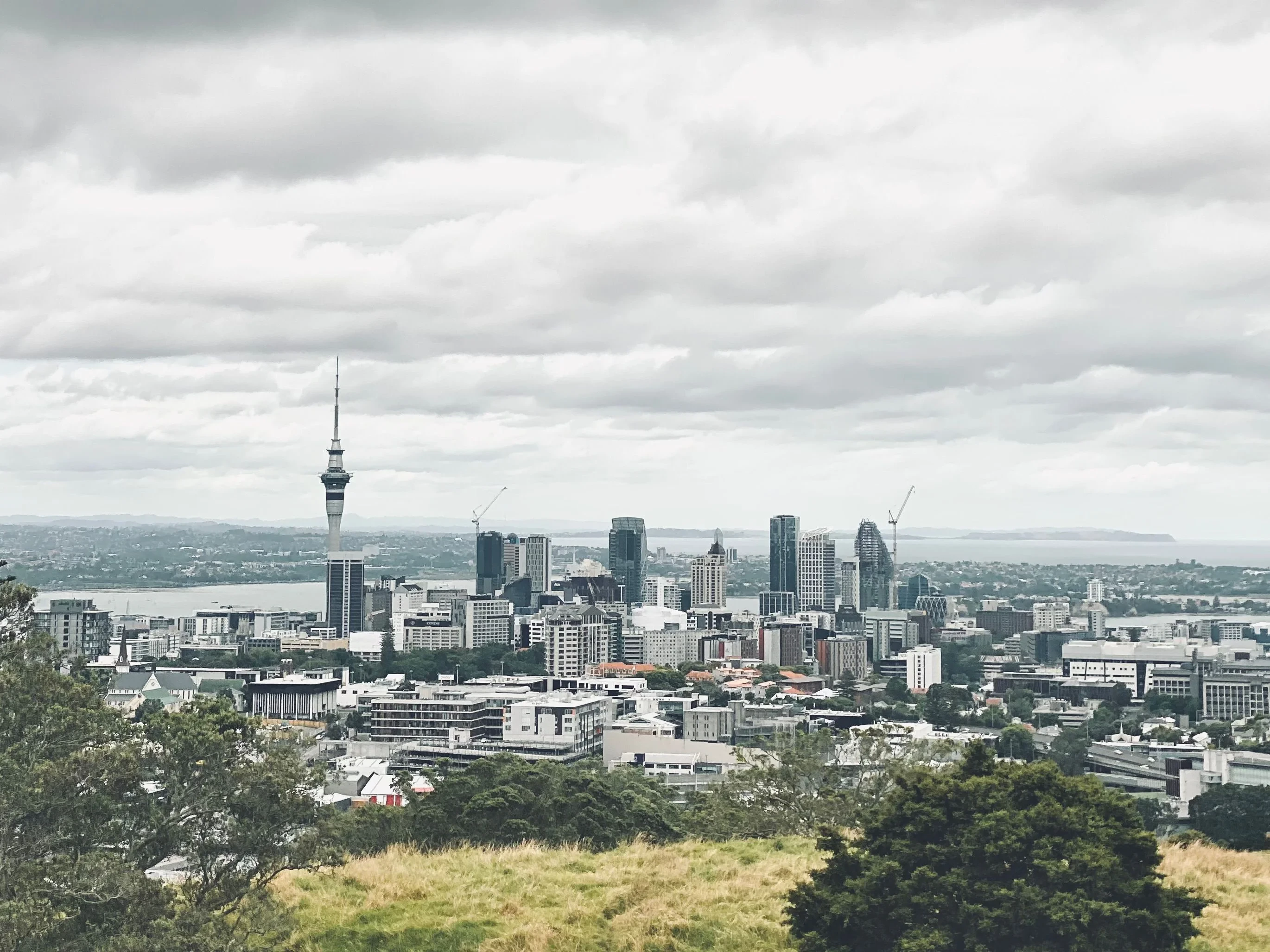
Auckland is not one single remote-work experience.
Ponsonby and Grey Lynn offer walkability, cafés and proximity to the city. Mount Eden provides a more residential rhythm while remaining well connected. Newmarket combines transport and amenities, while areas such as Takapuna and Devonport can appeal to people who want to stay close to the water.
Further west, neighborhoods such as Henderson and Te Atatū can provide more space for the same housing budget.
This is where the remote-living decision becomes more interesting. Choosing the right city is only the beginning. The quality of a one-to-three-month stay is often determined by what happens within a few blocks of the apartment: groceries, transport, a reliable workspace, cafés, exercise and whether the neighborhood supports a normal routine.
Infrastructure changes the remote-work equation
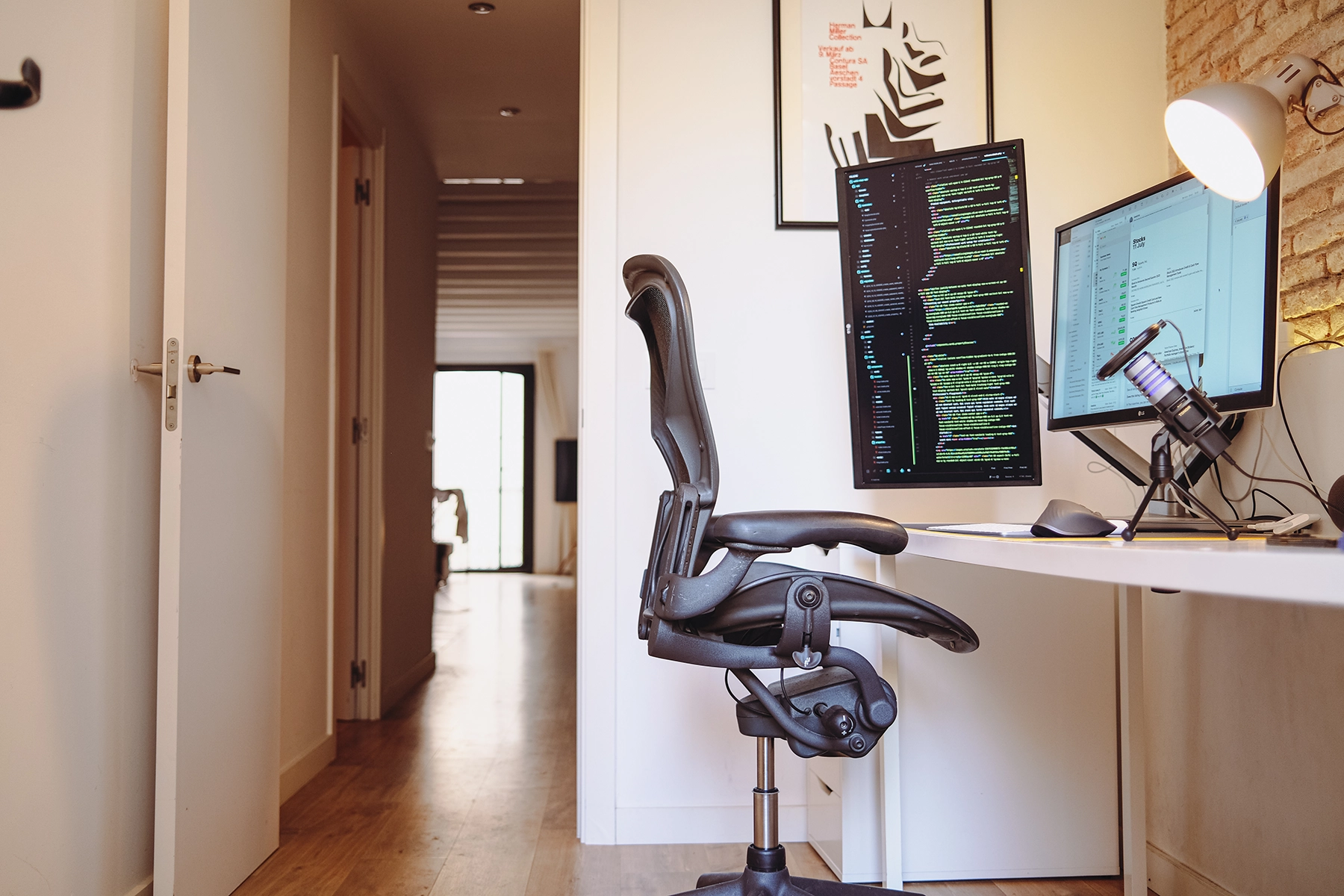
New Zealand's fibre infrastructure is one of Auckland's strongest practical advantages. For people whose income depends on reliable calls, uploads and long working days online, connectivity is not an amenity. It is part of the housing decision.
The same applies to workspace.
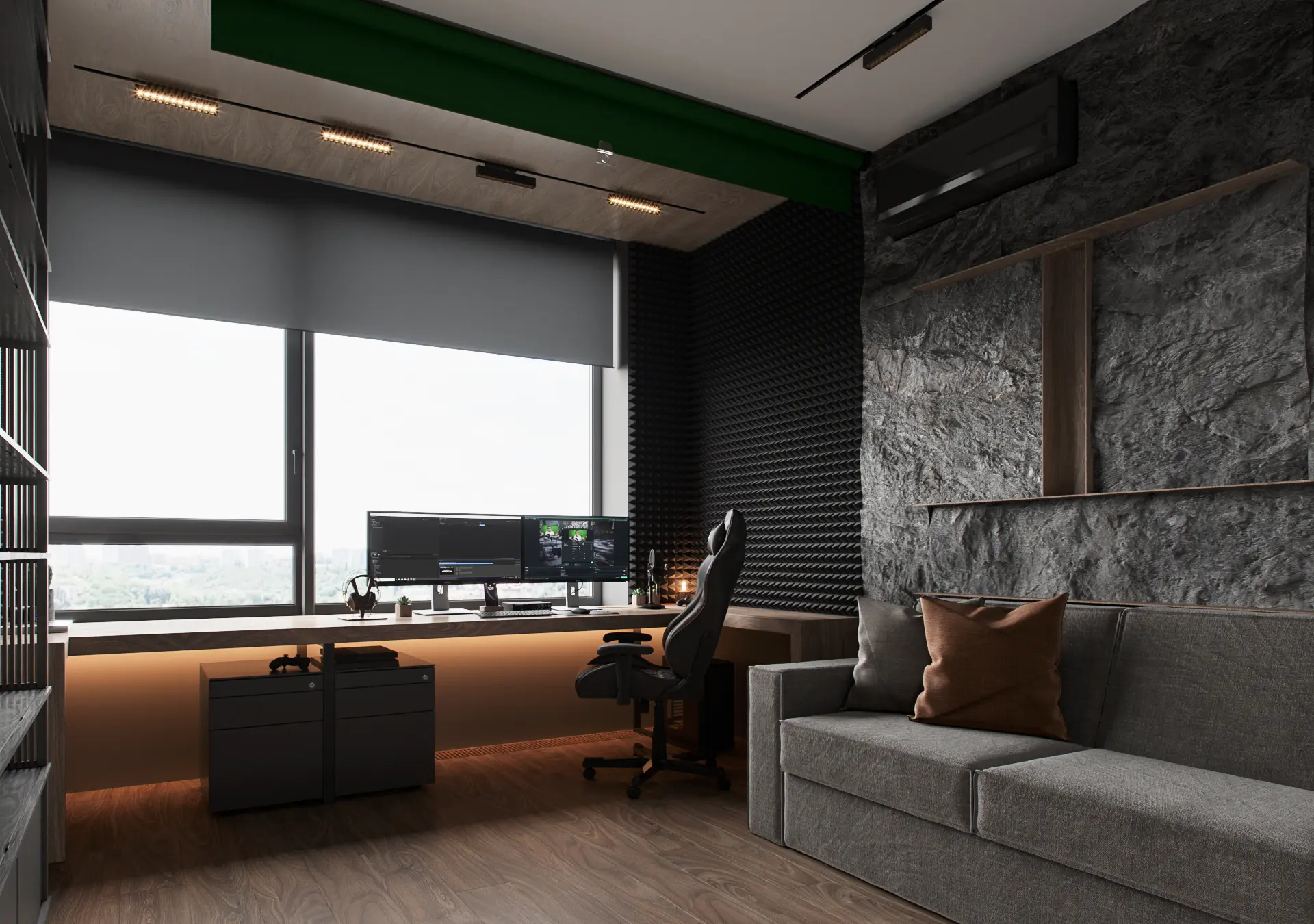
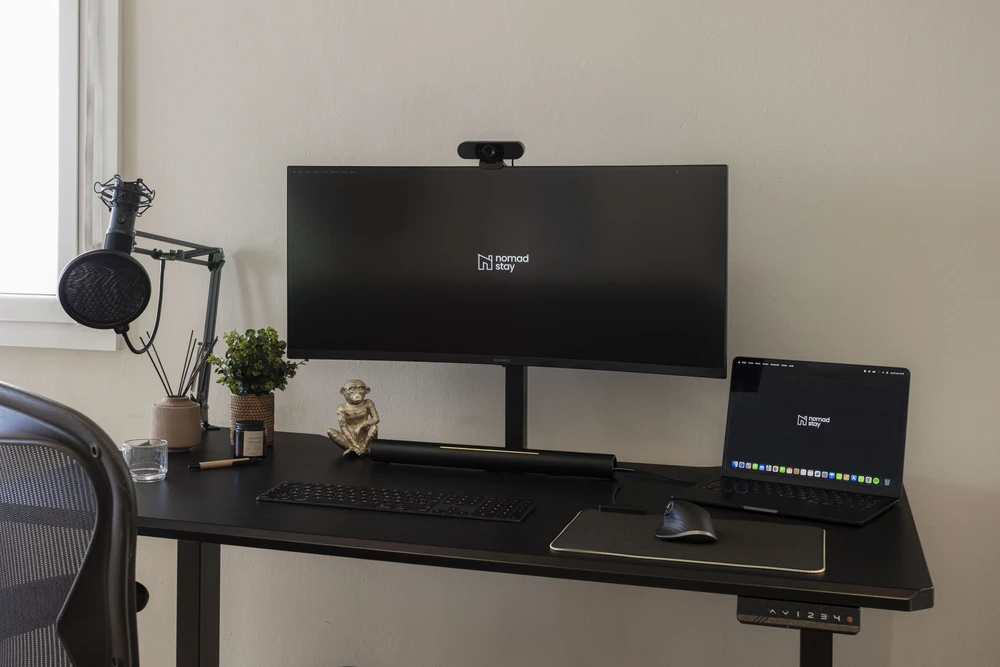
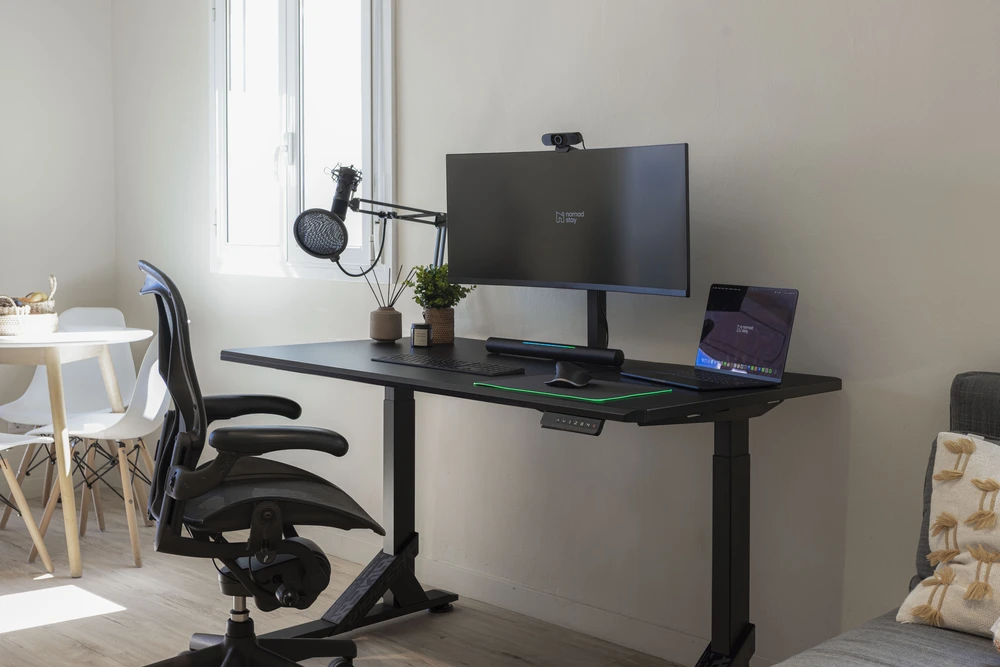
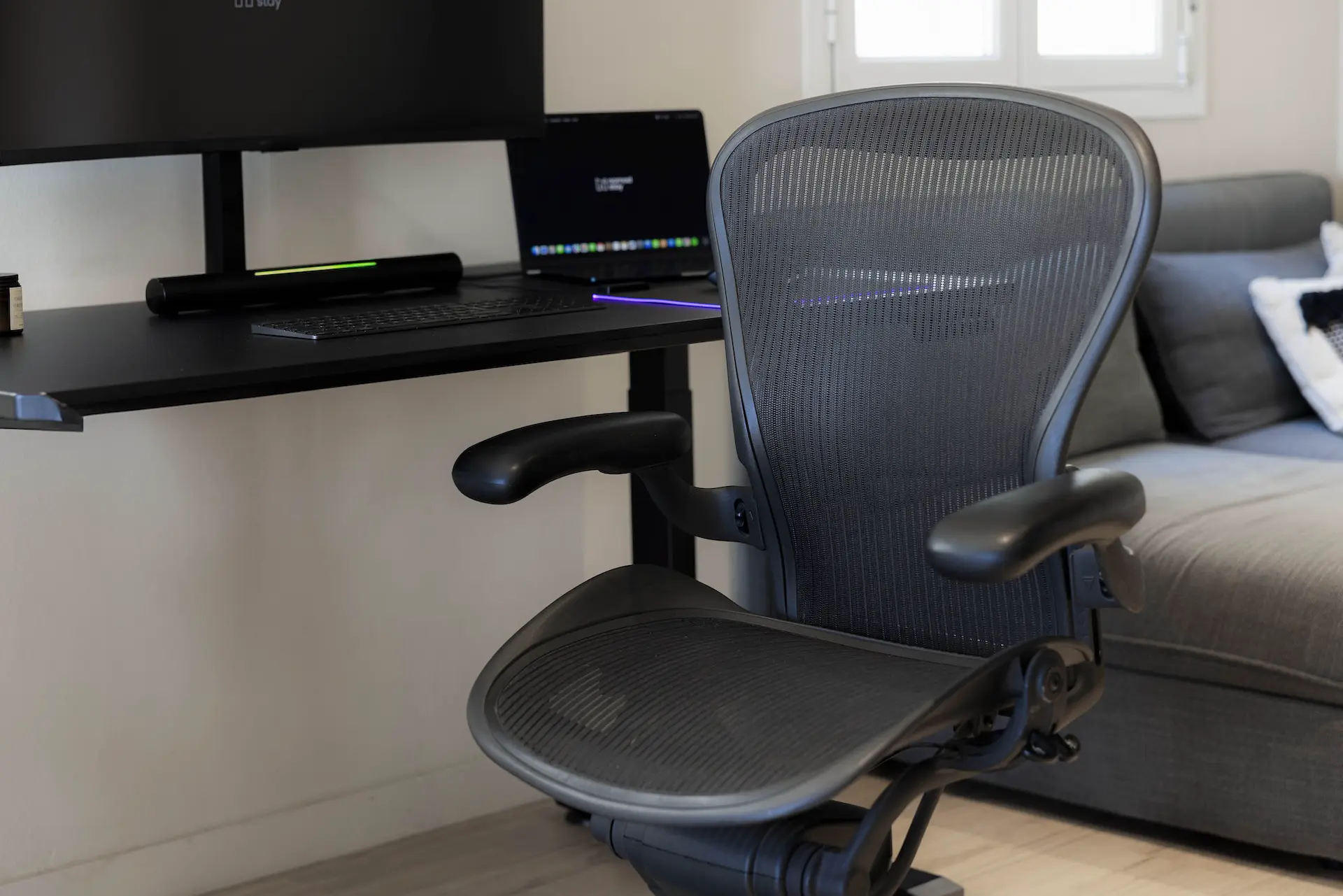
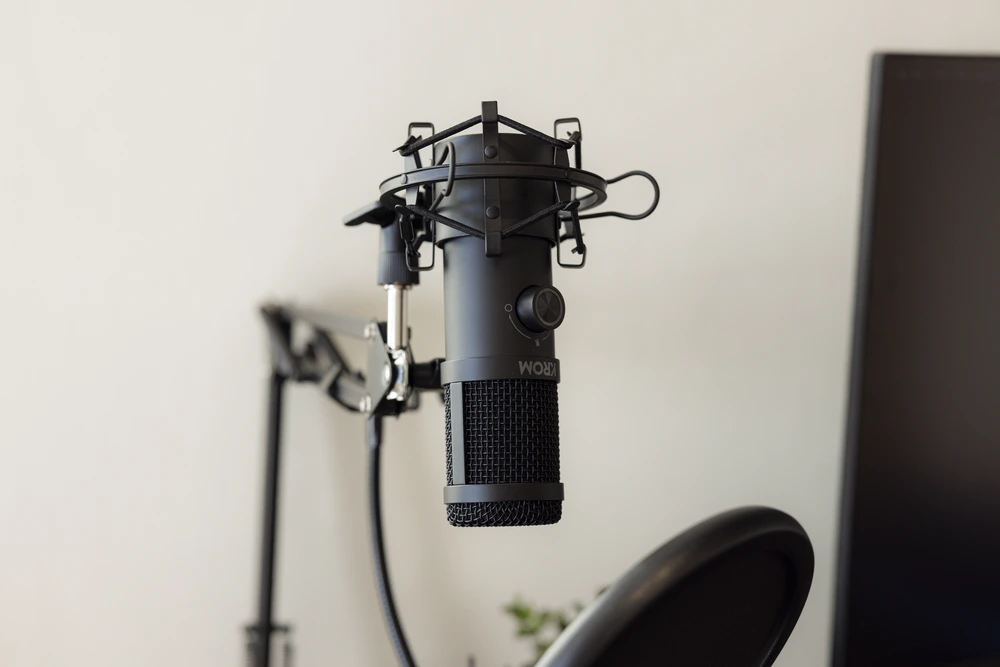
A beautiful apartment with unreliable Wi-Fi or nowhere comfortable to work can quickly become a poor remote-living base. As remote stays become longer, the definition of a good furnished apartment has to move beyond having a bed and a kitchen.
The home increasingly needs to function as part office, part everyday base and part gateway to the city around it.
Auckland reflects a bigger shift in remote living
The first generation of digital nomadism was largely built around movement.
The next may be built around continuity.
Auckland is interesting not because it is the next cheap nomad hotspot, but because it represents another version of location independence: staying longer, choosing neighborhoods more carefully and paying for infrastructure that makes everyday life work.
For many remote professionals, the best destination may no longer be the cheapest place on the map.
It may be the place where work and life require the least friction.