

Almaty for Digital Nomads 2026: The Neo Nomad Visa and What Life Actually Costs
Almaty's Neo Nomad Visa asks $3,000 a month while the city costs about $2,790. Costs, districts, coworking and transit in 2026.
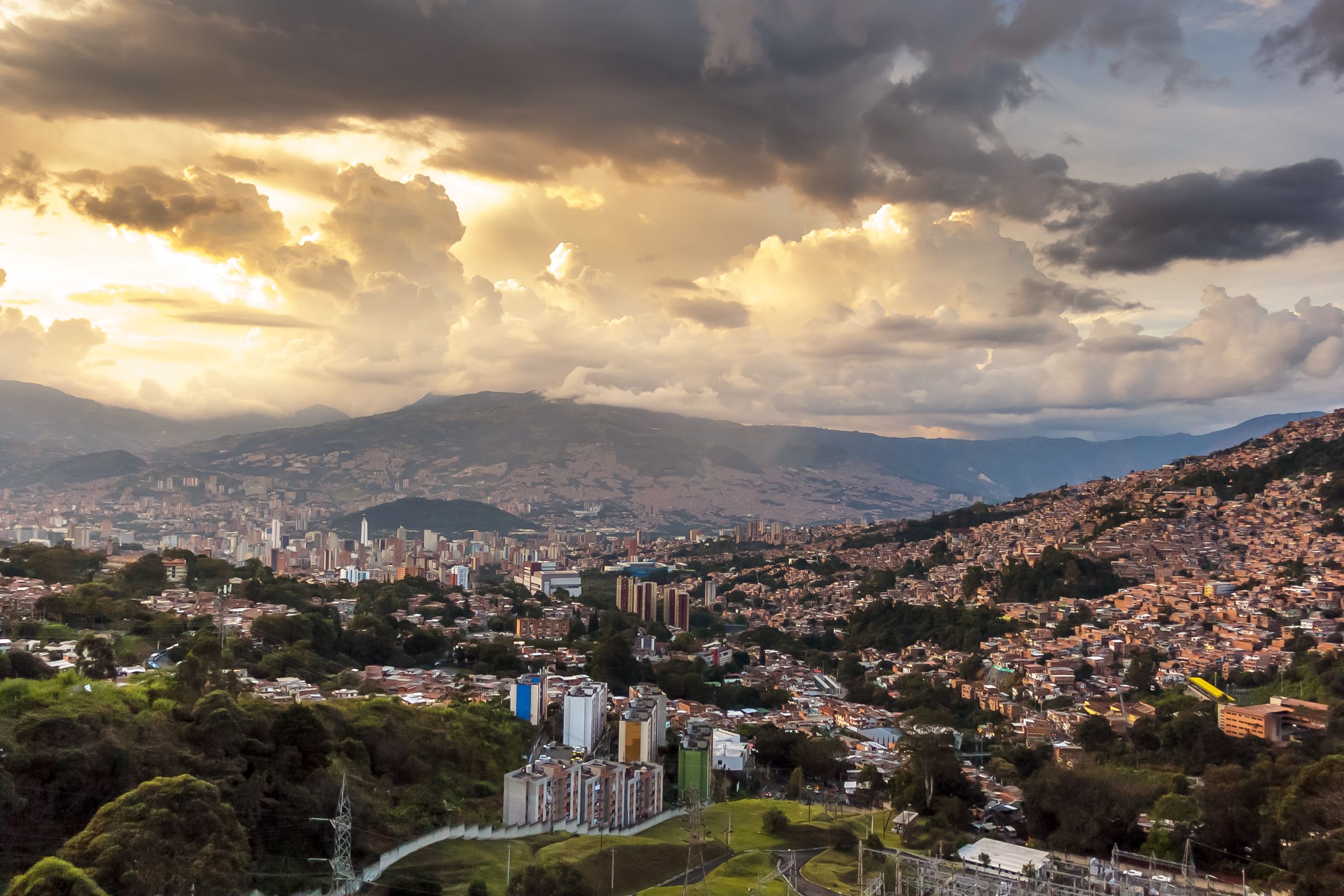
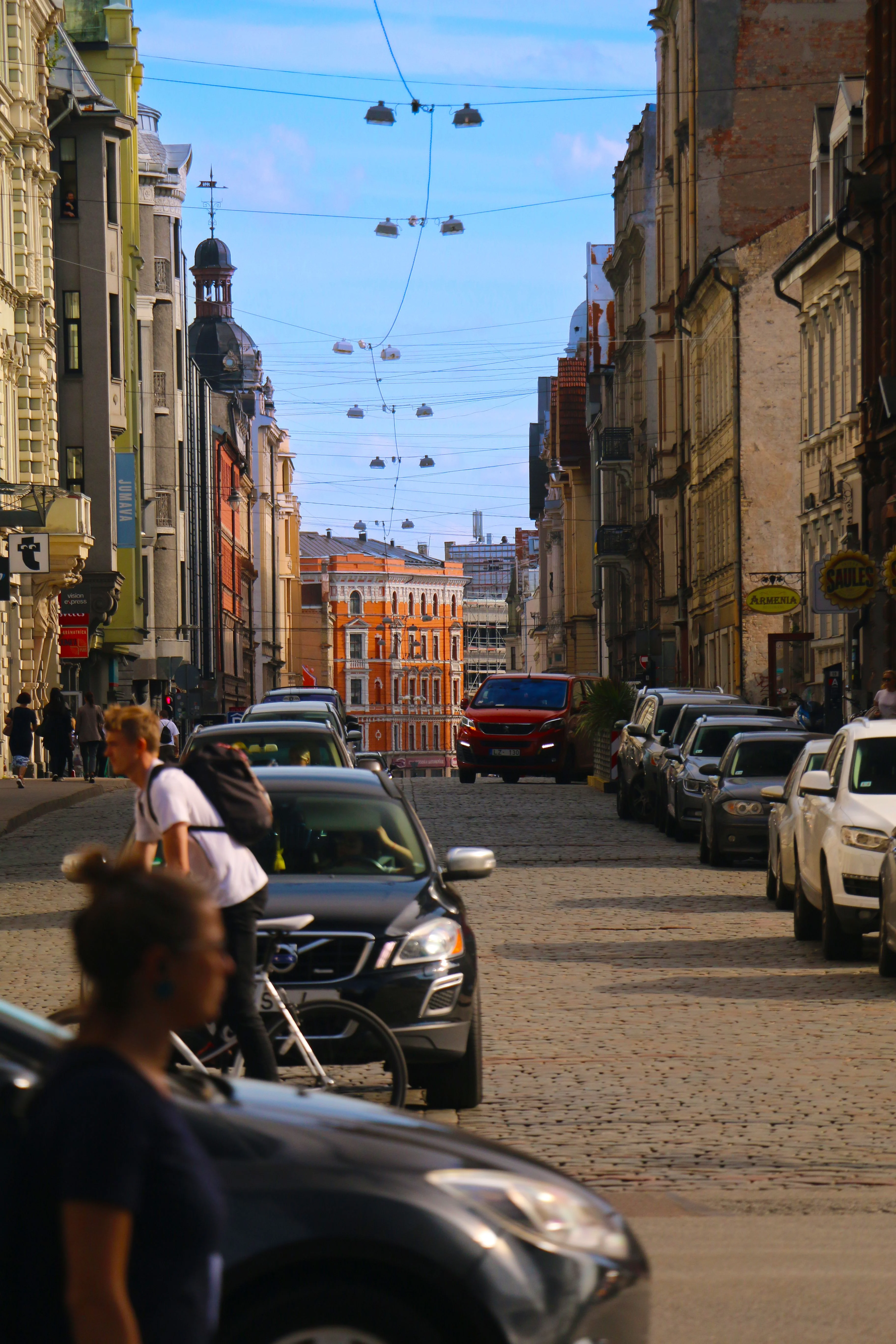
Almaty has an unusual sales pitch. It is a city of 2.35 million people under the Trans-Ili Alatau mountains, with a working metro, a dense cafe scene, a ski resort up the valley and a one bedroom studio in the centre at around $789 a month. Then comes the visa. Kazakhstan's B12-1 Neo Nomad Visa asks for $3,000 a month earned outside the country and gives you a year, extendable for another year without leaving.
Those numbers sit almost on top of each other. NomadList data updated this month puts a comfortable month in Almaty at about $2,789 including rent. In Portugal the visa threshold is a floor you clear by a wide margin. Here it is close to the price of the life you would be living, which is either the best value visa in Asia or a program written for a narrow set of applicants. The details decide it.

What the Neo Nomad Visa Actually Requires
The B12-1 visa launched on 1 November 2024 and runs up to one year. The Astana Times reported the terms: at least $3,000 a month in stable income, bank statements for the previous six months, tax declarations from your country of citizenship, a criminal record clearance, and health insurance valid for the whole stay. An invitation letter is required but waived for nationals of 48 mostly OECD and Gulf states.
Processing takes five working days at most, and applications go through Kazakh embassies and consulates abroad rather than an online portal. Renewal is the part people miss: the visa extends for another year without leaving Kazakhstan, which is more generous than Japan's six month non renewable visa or the exit and reapply rules across Southeast Asia.
Two limits matter. Holders cannot take local employment, so every dollar has to come from foreign clients or an overseas employer. And the program is small. By September 2025 Kazakhstan had issued 27 of these visas across 14 nationalities, led by the United States, Canada and France, with the UK, Ireland, Australia, New Zealand, Singapore, South Korea, the UAE, Brazil, Latvia and Poland behind them. If you want a base with an established nomad community, this is not it yet. A separate Digital Nomad Residency track issued its first 10 year permit in September 2025 for a narrower tech profile.
For shorter stays, roughly 70 nationalities enter visa free for 30 days, and citizens of 105 countries can use the e-visa portal at evisa.e.gov.kz for $20 to $90, with single entry valid 30 days and multiple entry to 90. Staying in private accommodation rather than a hotel means registering with the migration police within three days.
One caveat: some trackers, enomads.eu among them, still describe Kazakhstan as having no formal nomad framework, which conflicts with the visa's existence on the ground. Terms change here without much notice, so confirm your case with a consulate before booking.
What $3,000 a Month Buys
NomadList's Almaty figures, refreshed on 12 October 2026, are the cleanest starting point because they separate the categories:
- Total monthly cost for a remote worker: $2,789
- One bedroom studio in the centre: $789
- Median Airbnb: $2,279 a month, about $75 a night
- Coworking hot desk: $215 a month
- Dinner out: $13. Coffee: $3. Beer: $3
- Average 3 km taxi ride: $2
- Average internet speed: 35 Mbps
The tenge trades near 450 to the dollar as of late October 2026, so 1,000 tenge is a bit over $2. That matters, because almost every price here is quoted in tenge and local pricing on small purchases is much lower.
Rent swings the budget most. A central one bedroom at $789 is a real figure, but "centre" is elastic here. Newer towers in the upper city cost meaningfully more, while older Soviet blocks north of Abay Avenue come in well below. Furnished short term rentals carry a premium over annual leases, which is the trade off when you are on a one year visa and do not want a twelve month contract in Russian.
Food is cheap if you eat locally. A plate of shashlik, salad and soup at a Kazakh canteen runs a few dollars, and the $13 dinner figure is mid range sit down restaurants, which are plentiful. Coffee at $3 is the one line item that looks Western.

Where to Live
Almaty has eight official districts, but what matters for living decisions is the band between Abay Avenue and the mountains. South of Abay is greener, closer to the mountains and more expensive. North of it is flatter, cheaper and more Soviet in layout.
Golden Square and Panfilov Park. The historic core, walkable, dense with cafes and restaurants, near the Green Bazaar and the Ascension Cathedral. Top of the local rent range but you can live without a car. Most short stay visitors start here.
Abay and Baitursynov. The commercial spine, heavy with offices, coworking and metro stations along Abay Avenue. Practical rather than charming.
Samal microdistrict. Residential, quiet, leafy, between the centre and the mountains. Slightly cheaper than the core and better for anyone who wants a balcony with a view.
Bostandyk and the upper city. New towers, malls and international schools, the most expensive part of town. Worth it if you want reliable heating and a lift.
North of Abay, around Zhibek Zholy and Almaly stations. Older housing stock, lower rents, more local daily life, better prices at markets. A ten minute metro ride from the centre, and where a lot of people end up after the first fancy apartment runs out.
Heating matters more than any of this in winter. Ask whether the building has central heating and how it is metered, because a cheap flat with plug in radiators in January wipes out the savings.
Coworking and Internet
Almaty is not a packaged nomad hub the way Bali or Lisbon is, and that has upsides. Desks cost less and you are rarely fighting for a seat.
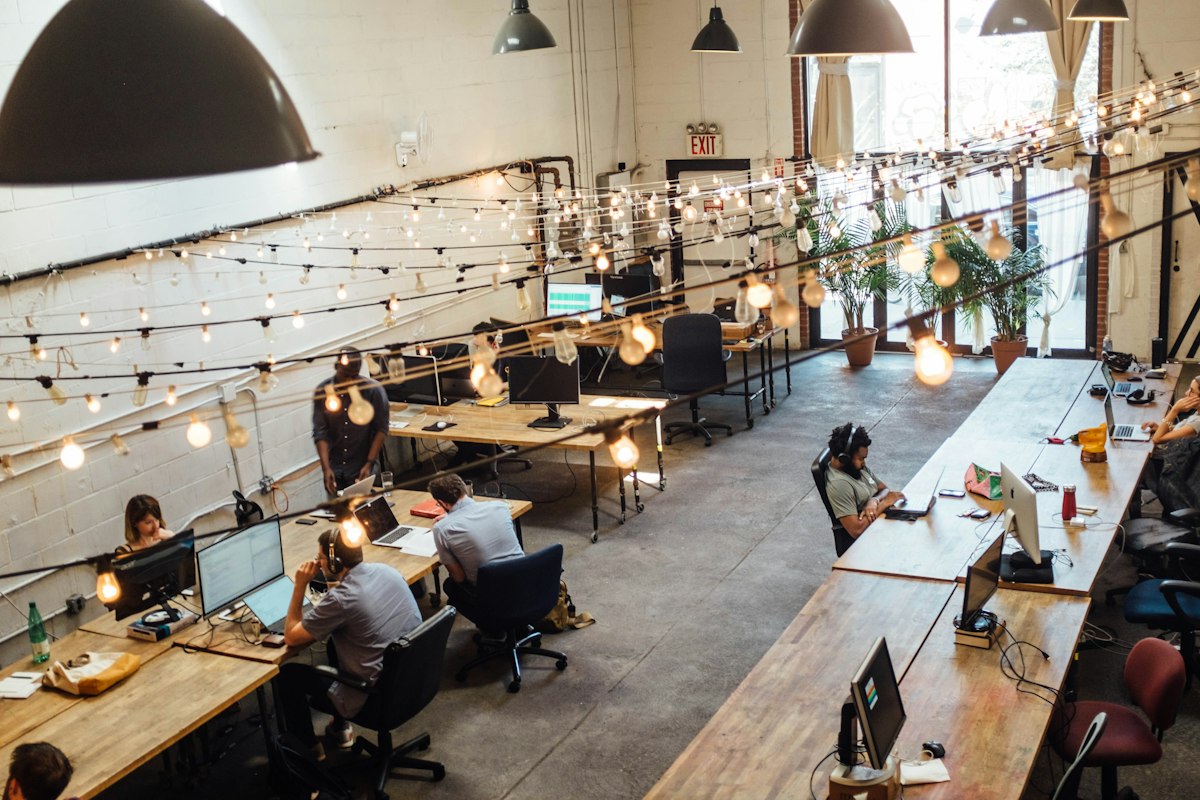
The city average for a hot desk sits near $215 a month. Smaller spaces list monthly desks from roughly $60 to $80, and day passes are common. Aggregator prices go stale fast, so search "коворкинг" in 2GIS, the mapping app locals use, then message a few places on WhatsApp and ask three things: day pass price, whether they take a foreign card, and whether there is a call booth. For the money you get a workstation, fibre, meeting rooms and a kitchen. Test call noise and backup power, which matters when winter storms take out the grid.
Internet averages around 35 Mbps, fine for video calls and unremarkable beyond that. Mobile data is easy: 4G from Beeline, 5G from Kcell and Tele2, with SIM cards sold in convenience stores and operator shops. Buy at an official store with your passport, not at the airport, where resellers charge about 40 percent more. Signal inside buildings is weaker than in Europe, which is why a coworking desk beats a cafe and a mobile hotspot. Rent Remote's furnished apartment listings show what a mid term rental normally includes on the connectivity side.
Getting Around
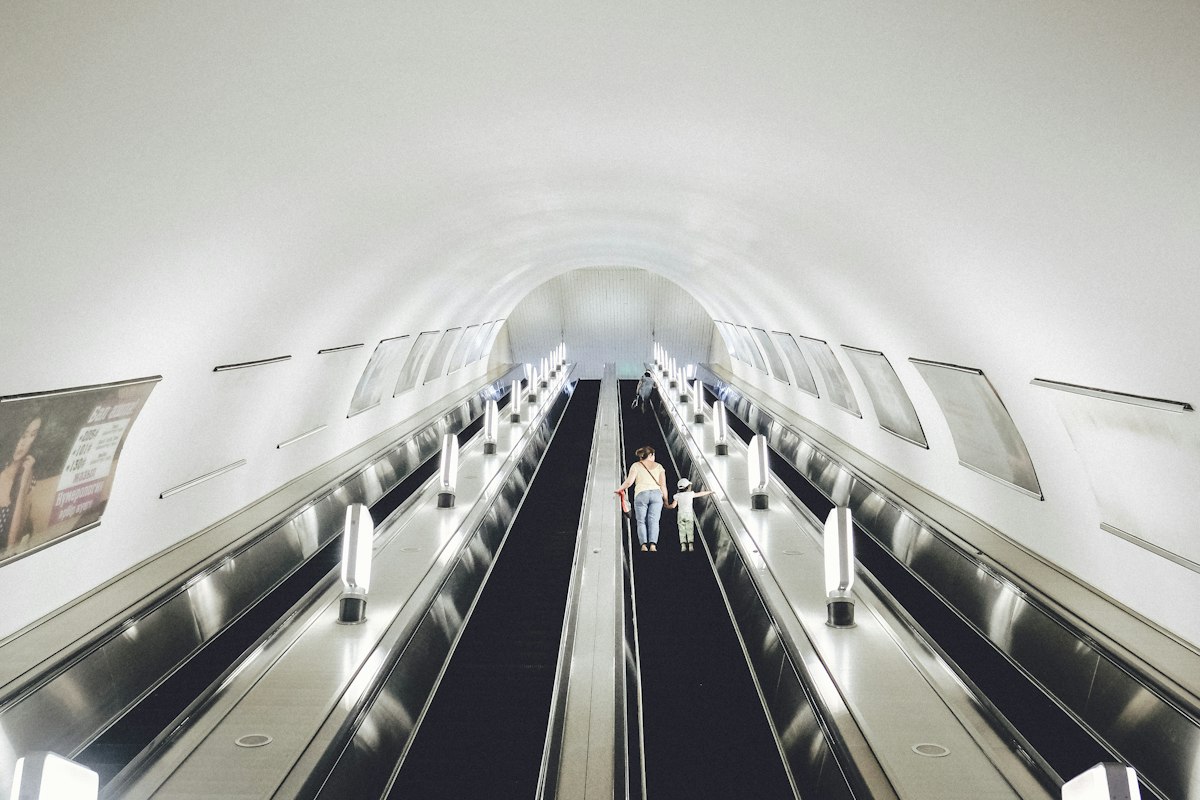
The metro is small and useful. One line runs from Raiymbek Batyr in the north, past Zhibek Zholy for Panfilov Park and the Green Bazaar, through Almaly for the Opera House, then west along Abay Avenue. It opens at 06:00 and closes at midnight, every station has police and a bag scanner, and a ride costs 120 tenge regardless of distance, about 27 cents. Contactless Mastercard, Visa and UnionPay work at the gates, so you do not need a local card.
Buses cover the rest. The cash fare in 2026 is 200 tenge, paid to the driver or conductor, and an Onay stored value card starts at 800 tenge with discounted rides after that.
From Almaty International Airport, 15 km northeast of the centre, bus 92 is the only service picking up inside the airport, every 30 minutes or better from 05:30 to 23:00, about 30 minutes into town for 200 tenge. Others leave from Mailin Street just outside the perimeter, a ten minute walk. Yandex Go is the default for taxis and prices an average 3 km trip near $2, and unofficial cabs are exactly as negotiable as they sound.
For longer trips, Sayran bus station runs to Bishkek in about four hours, Tashkent in fourteen, and overnight to Astana. Almaty is the aviation hub of Central Asia, with long haul arrivals connecting through Istanbul, the Gulf, Frankfurt or Heathrow on Air Astana.
The Language Reality
This decides whether Almaty works for you. English proficiency here sits near the bottom of NomadList's scale, and outside businesses that deal with foreigners, English is thin. Russian is the working language, Kazakh is the state language, and daily transactions happen in one or the other.
That is not a reason to skip the city, it is a reason to budget for it. Cyrillic takes an afternoon to learn and immediately makes menus, signs and stations readable. A hundred words of Russian covers taxis, markets and cafes, and younger locals who do speak English tend to be genuinely interested in talking. The real friction is administrative: viewings, utilities and banks will often need a Russian speaker, which is where a bilingual landlord earns their premium.
Food, Markets and Daily Life
The Green Bazaar is the reference point. Horse meat sausage, dried fruit, spices, fresh bread, and a food hall upstairs selling the dishes the city has eaten for a century. It is a working market, and prices carry no visitor premium.
Restaurant range is wider than visitors expect. Kazakh and Uyghur cooking is the base, with lagman, plov, manty and shashlik everywhere. Korean food is mainstream rather than a novelty, a legacy of the Soviet era deportation of Koreans to Kazakhstan. Uzbek and Georgian kitchens fill in the rest, alongside a good cafe scene.
Three practical notes. Cash still matters at markets and small shops. Kaspi Pay and Halyk Pay QR codes work with foreign cards at the same terminal, but acceptance drops outside the centre, so ask first. Tipping is not standard, though rounding up is normal. Saunas are the other institution worth knowing: around 30 across the city, roughly 5,000 tenge for two hours, and how people get through winter.
When to Come
Almaty has a continental climate with a mountain influence. January lows average about minus 8 degrees with daytime highs just above zero, while July runs from 18 to 30. April is the wettest month at around 112 mm.
The best windows are late April to May and September to October. Spring is green and mild, autumn dry and clear with the mountains visible from most of the city. Summer is hot downtown but the mountains are 25 minutes away, which is where the city goes. Winter is cold, dry and bright, with skiing up the valley at Chimbulak as compensation.
Arriving in winter means short daylight and a heating check. For context on where Kazakhstan sits in the growing split between high threshold and low threshold nomad programs, Rent Remote's breakdown of the two speed nomad visa world is the useful comparison.
Booking a Base Before You Commit
The visa requires an address, and getting that wrong is the expensive mistake. Short term furnished apartments make sense for the first month: wifi included, a landlord used to foreign tenants, and a district you can test before signing for a year.
Rent Remote lists furnished apartments across its destinations to the same standard it runs in Europe and Latin America, which is the useful yardstick if you are weighing Almaty against a city you know. If cost decides it, Lisbon at $1,599 for a central one bedroom, Barcelona at $1,684 and Madrid at $1,495 make Almaty's $789 a different category of city, which it is.
Two things to verify before paying a deposit remotely. That the address on the contract matches what you will present for registration, since the migration police care about the difference. And that the building has central heating rather than radiators. Ask for a video walkthrough, because Almaty listings photograph better than they live.
The Bottom Line
Almaty is a real city of two and a half million with a working metro, a serious cafe culture and mountains at the end of the street, at roughly half what a Western European capital costs. The Neo Nomad Visa is reachable on a $3,000 monthly income and renews once without an exit, which puts it ahead of several better known programs.
It is not a nomad theme park. There is no established community waiting, English is limited, the bureaucracy runs in Russian, and winters are genuinely cold. If you want a cheap, comfortable, functional base in Central Asia with fast access to the region, the trade offs are worth it. If you want a ready made social scene and English everywhere, look elsewhere.