









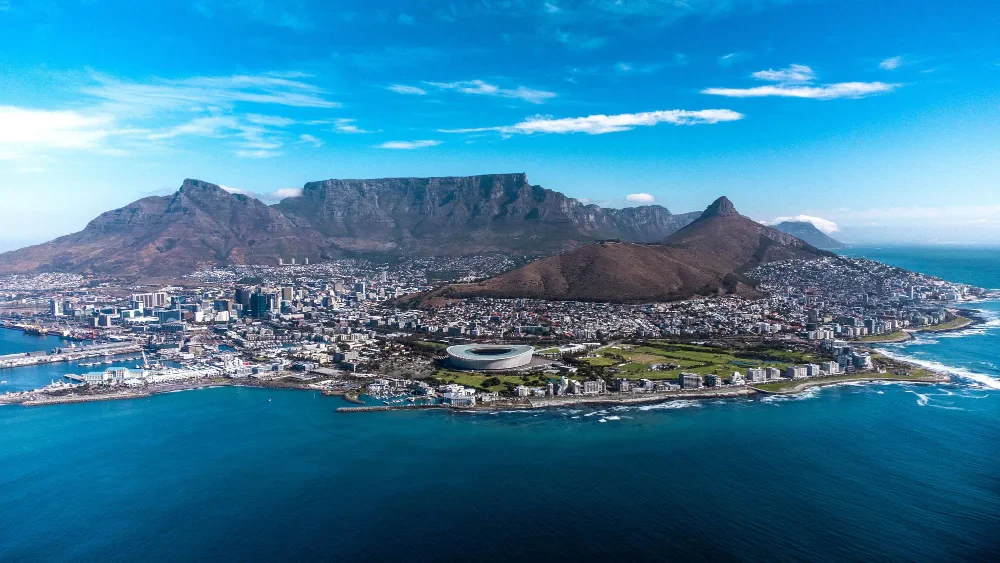
Could Cape Town Become Africa's Next Serious Remote-Work Base?
Cape Town in 2026: rising rents, a stronger rand, better power reliability and new rental rules. What remote workers should weigh before a long stay.
Cape Town has been part of the digital-nomad conversation for years.
The scenery is obvious. The weather is attractive. There is an established international community, a strong hospitality ecosystem and a lifestyle that photographs extremely well.
But those things do not automatically make a city a good place to live and work remotely.
In 2026, Cape Town deserves a more practical look.
The Old “Cheap Cape Town” Story Is Changing
Cape Town is still significantly more affordable than many major remote-work hubs, but the currency story is not as simple as it was a few years ago.
The South African rand has strengthened compared with its weaker periods, while local rents have continued to rise. That means international remote workers should not arrive expecting the extreme purchasing-power advantage associated with earlier years.
There is still value.
It is simply becoming much more dependent on which Cape Town you choose.
Premium areas around the Atlantic Seaboard can command dramatically higher rents, while neighbourhoods farther from the most internationally recognised areas can offer a very different monthly equation.
That makes neighbourhood selection more important than the headline cost-of-living number.
Sea Point Is Not Woodstock
One of the biggest mistakes in remote-living content is treating an entire city as one product.
Cape Town is not.
Sea Point and Green Point offer easy access to the Atlantic Seaboard, restaurants and a highly international environment, but they also sit toward the premium end of the rental market.
Woodstock and Observatory create a different experience: more urban, more mixed and generally more accessible financially.
Gardens offers another balance between central location and everyday residential life.
For someone staying five days, those differences may feel secondary.
For someone staying two or three months, they shape everyday life.
Power Reliability Is Better — But the Apartment Still Matters
Cape Town's energy story has also evolved.
The severe loadshedding narrative associated with previous years no longer describes daily life as accurately as it once did. Reliability has improved significantly.
But that does not make backup power irrelevant.
For a remote worker, the smartest question is not simply:
“Does Cape Town have loadshedding?”
It is:
“What happens in this apartment if the power goes out?”
An inverter, battery or solar backup remains valuable infrastructure when your home is also your workplace.
That is exactly the kind of property detail that matters much more during a monthly stay than during a holiday.
Regulation Is Changing the Housing Market
Cape Town is also changing how it approaches short-term rentals.
New municipal rules are creating a clearer distinction between residential use and properties operated heavily as short-term accommodation. Full-time STR properties can face different regulatory and municipal-rate treatment.
For remote workers, the important consequence is not the legal detail itself.
It is supply.
When regulation changes the economics of nightly rentals, some owners may move properties toward longer stays. Others may increase pricing to absorb higher operating costs.
Either way, the boundary between tourism accommodation and mid-term housing becomes more important.
And that is exactly the market remote workers occupy.
A Good Remote Base Is an Everyday-Life Decision
Cape Town can offer an extraordinary lifestyle.
But choosing it purely for Table Mountain, beaches or Instagram views misses the point.
A serious remote-work base needs to answer much more ordinary questions.
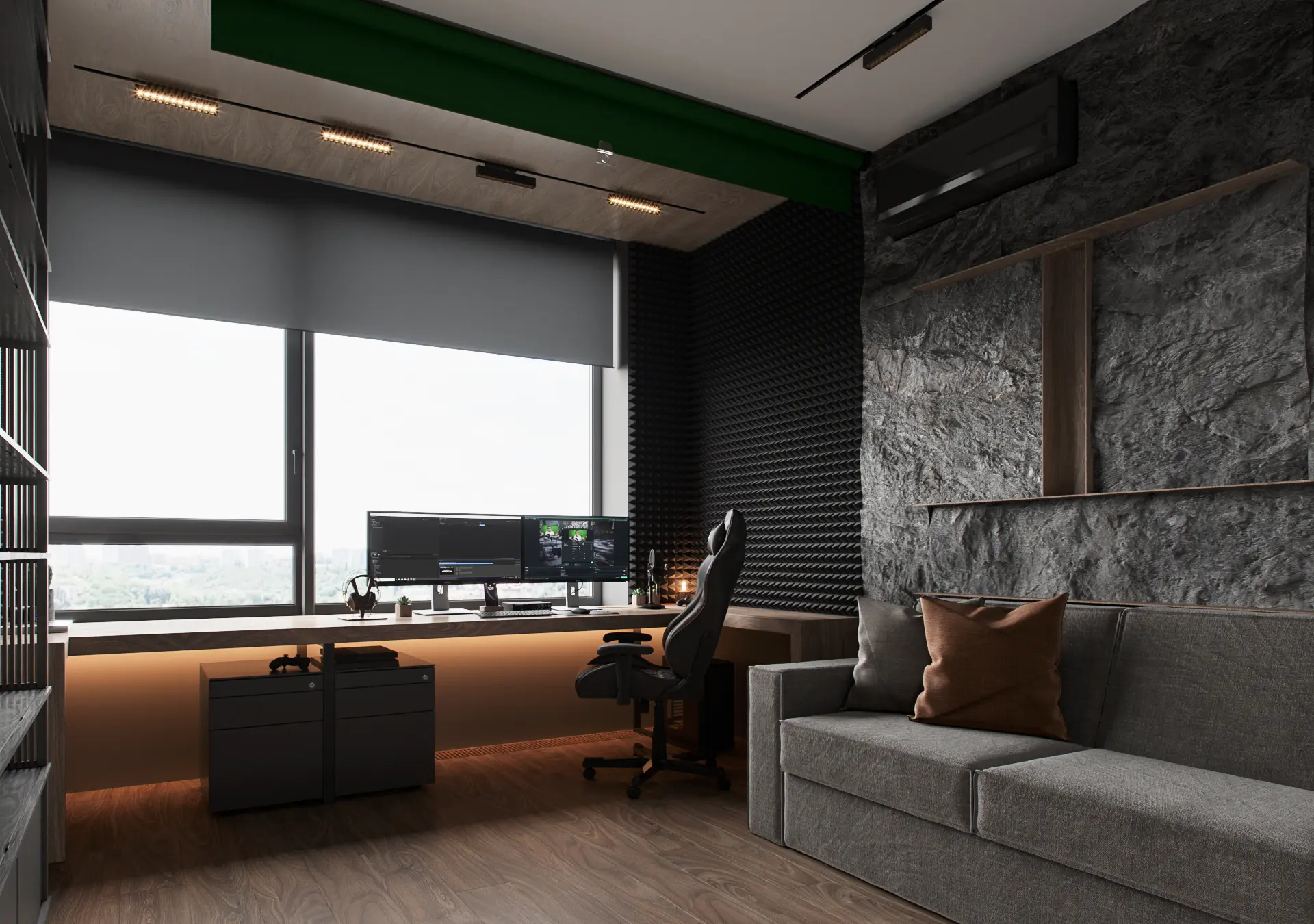
Can you work reliably from the apartment?
Is the neighbourhood practical during the week?
Can you walk to the things you use every day?
How secure does everyday movement feel?
Does the home have backup power?
Is the internet reliable?
Is the monthly cost still comfortable after you include transport, coworking and normal life?
Those questions determine whether a destination works after the first week.
So, Is Cape Town Worth Considering in 2026?
Very much so.
But perhaps for more mature reasons than the classic digital-nomad pitch.
Cape Town increasingly makes sense as a place where someone can create a real temporary life, not simply spend a few inexpensive weeks somewhere beautiful.
The strongest case is the combination:
city + nature + international infrastructure + long-stay housing + remote-work culture.
There are trade-offs.
Neighbourhood choice matters.
Housing quality matters.
Security awareness matters.
Backup infrastructure still matters.
And the city is not as inexpensive in foreign-currency terms as some older guides suggest.
But those nuances are exactly what make it interesting.
The question is no longer:
“Is Cape Town cheap enough for digital nomads?”
The better question is:
“Can I build a good everyday life there while continuing to work well?”
For the right remote professional, Cape Town makes a very strong case.
At RentRemote, that is how we think destinations should be evaluated: not simply by how exciting they are to visit, but by how well they support the life you need to live once you arrive.
Work remotely. Live globally.