




















For Professionals in Transition, Housing Is Neither a Trip Nor a Lease
Relocating employees, nurses and consultants need furnished homes for months. Survey data from Atlas Van Lines and Cartus shows why the gap matters.
In a survey of 549 corporate decision makers published in April 2026, Atlas Van Lines found that 59 percent of companies had at least one employee turn down a relocation in 2025. Among the reasons given, family ties ranked first at 34 percent. Second, at 28 percent, were concerns about housing or a mortgage at the new location. To keep moves on track, 38 percent of companies offered extended temporary housing benefits.
Those figures describe a customer the travel and rental industries have long struggled to categorize. The employee waiting for a permanent home, the consultant on a five-month project and the clinician on a temporary contract are not tourists, and they are not conventional tenants either. They are professionals in transition: people who need a working home in a new city for a defined period, often booked from abroad and often at short notice. As more careers involve moves of this kind, the way this group is housed is becoming a business question for employers and a planning question for cities.
A customer defined by a time horizon
Corporate mobility is the most visible source. More than 70 percent of companies in the United States and Canada reported stable or increased relocation volume in 2025, according to a Cartus survey of more than 100 human resources and mobility professionals. Nearly half, 48 percent, had added services such as settling-in support, and 39 percent said they employ remote workers. Many of those moves begin with a furnished stay while the employee finds a permanent home or waits for a family to follow.
Healthcare produces a similar pattern. Travel nursing contracts typically last 13 weeks, according to AMN Healthcare, one of the largest staffing firms in the field, which makes each assignment roughly a quarter of a year in a furnished home. Universities generate visiting researchers and exchange staff on semester timelines. Founders and remote employees increasingly test a city for a few months before deciding whether to stay.
The scale of longer stays has also shown up in booking data. Stays of 28 nights or more made up 22 percent of gross nights booked on Airbnb in the fourth quarter of 2021, up from 16 percent two years earlier, the company reported. Airbnb said in its third quarter 2025 letter that short stays have since grown faster than long ones in North America, a reminder that the long-stay customer does not always fit platforms built around nightly travel.
Why tourist housing fails them
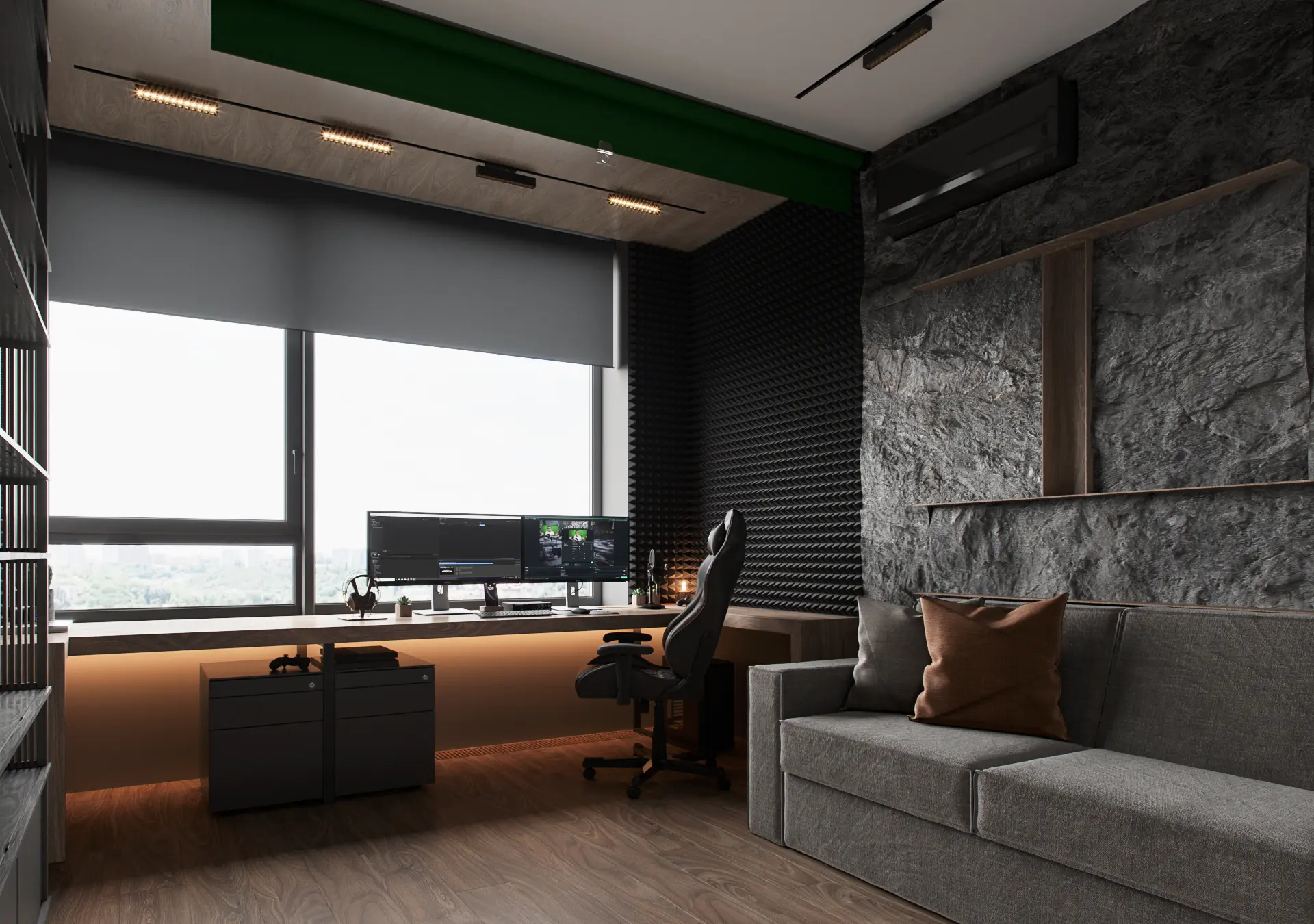
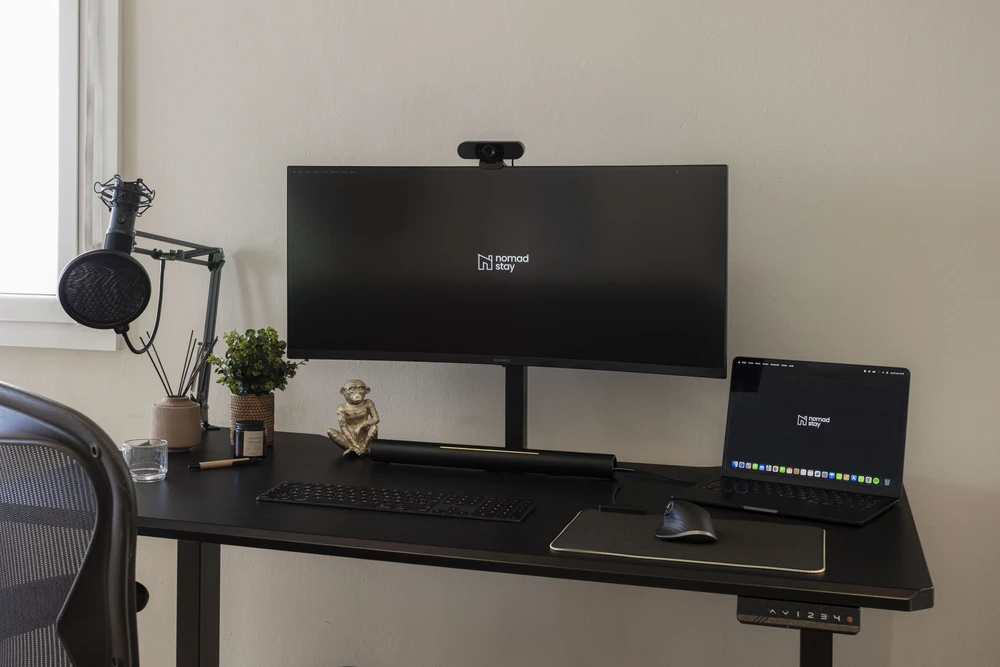
The requirements of this group are specific. Someone working from an apartment for months needs reliable internet and a proper place to work, not a sofa and a coffee table. They need laundry, storage and a kitchen they will use most days. Monthly costs need to be predictable, and the neighborhood has to work on a weekday, with groceries, transport and quiet during working hours. A guest on a weekend trip can overlook all of this. A professional on a three-month assignment cannot, because the apartment shapes how well they work.
Tourist accommodation is also priced and serviced for short visits. Nightly rates add up quickly over a quarter, and hotel rooms rarely offer the space or the kitchen a longer stay requires. Booking platforms tuned for leisure travel tend to surface properties on photography and location rather than on desks, connection speeds and lease terms.
Why the long-term lease fails them too
Conventional rentals present the opposite problem. Many landlords in Europe and the Americas ask for twelve-month commitments, local payslips, guarantors or a local bank account, documents that a newly arrived professional often does not yet have. Unfurnished flats require buying furniture for a stay that may end in six months. Opening utility and internet accounts can take weeks, which matters to someone expected to be working on day one.
The result is friction at the worst possible moment. An employer pays for a hotel longer than planned, a new hire declines the move, or a professional signs an informal sublet with little protection. The Atlas survey's finding that housing worries are the second most common reason employees turn down a move suggests the cost is not trivial.
A category worth naming
Calling everyone in this group a digital nomad misses what they have in common. Many are not nomadic at all. They expect to stay in one place for a defined period and then either settle or move on. The more useful category is the professional in transition: someone whose work requires geographic flexibility for a time, and who still expects the stability of a real home.
Naming the category clarifies what serves it. The relevant product is a furnished apartment let by the month, with working internet, a workspace, a clear contract and a professional operator who can be reached when something breaks. Employers benefit because moves start faster and cost less than extended hotel stays. Cities benefit when that demand is met by registered, managed housing rather than informal arrangements.
What comes next
The first wave of remote living was associated with constant movement. The next appears to be about making temporary living feel ordinary, with less improvisation and more continuity between one stage of a career and the next. That shift places more weight on the quality and reliability of mid-term housing than on its novelty.
For professionals planning a move of a few months, RentRemote lists furnished apartments for monthly stays from professional operators in cities such as Madrid and Lisbon.