

















For Remote Workers, Travel Savings Come From Timing and Longer Stays
Expedia data on the cheapest days and months to fly, the risks of hidden-city tickets, and why longer furnished stays matter most for remote workers.
Expedia's annual study of airfares, published in February 2026 and based on millions of booking data points, found that August was the cheapest month of the year to fly, with average fares about 29 percent, or roughly 120 dollars a ticket, below December. For domestic trips in the United States, Tuesday departures averaged 14 percent less than Sunday departures. For international trips, Friday was the cheapest day both to book and to depart, according to the report as summarized by Travel Agent Central.
For a vacationer with fixed dates, those findings are of limited use. For remote workers, who can often choose when to travel, where to go and how long to stay, they point to a different way of planning. The largest savings rarely come from tricks at the checkout page. They come from timing, from the choice of destination and, above all, from the length of the stay and the kind of home booked at the other end.
Use flexibility on dates and airports
The Expedia data offers a few concrete rules. Domestic economy tickets booked 15 to 30 days before departure averaged about 130 dollars less than those booked six months out. International tickets booked 31 to 45 days ahead saved about 190 dollars compared with booking early. July, October and November produced the largest number of discounted fares, defined as at least 20 percent below predicted levels. Departure airports also mattered: in the United States, Fort Lauderdale, Las Vegas and Orlando averaged about 25 percent below the national average, while Washington Dulles, San Francisco and New York's JFK were the most expensive.
A remote worker who can shift a departure by a few days, or fly from a nearby airport, can use these patterns in ways a family tied to school holidays cannot. Setting price alerts on several routes and departure airports well before a trip makes it easier to recognize a genuinely low fare when it appears.
Watch routes, not only destinations
Fares on individual routes can move sharply from year to year. Expedia found that some international routes from the United States fell by around 30 percent or more, including Houston to Tokyo, down 31 percent, and Tampa to Tokyo, down 29 percent. Shifts like these often follow changes in airline capacity, including new routes and additional frequencies.
For people choosing their next base, that suggests starting with which cities have become easier and cheaper to reach rather than with a fixed destination. A city that was expensive or required two connections last year may now be served directly, which changes both the cost of getting there and the ease of returning home.
Compare the whole fare, and know your protections
Headline prices can mislead. Baggage fees, seat selection, payment charges and transfers from distant airports can turn a cheap fare into an expensive trip. Comparing the same itinerary and fare class across a comparison site and the airline's own website, and then adding the extras a remote worker actually needs, such as a second bag for a laptop and equipment, gives a more accurate picture. A separate RentRemote guide sets out a simple process for doing this.
Booking channel also affects consumer protection. Under U.S. Department of Transportation rules, airlines selling tickets covered by the regulation must generally either allow a reservation to be held for 24 hours without payment or allow cancellation without penalty within 24 hours, for bookings made at least seven days before departure. Third-party bookings do not always carry the same terms, which is a reason to check the airline's own checkout before choosing a slightly cheaper option elsewhere.
Be wary of hacks that add risk
Some popular tactics carry costs that are easy to overlook. Hidden-city ticketing, in which a traveler books a cheaper itinerary with a connection and leaves at the connecting city, breaches the contract of carriage of many airlines. Lufthansa sued a passenger in Germany who had skipped the final leg of an itinerary, seeking 2,112 euros to cover the fare difference plus interest. The airline lost the first round because it had not explained how it calculated the amount, and appealed, according to the travel site Live and Let's Fly. The practice also fails with checked bags, which travel to the final destination on the ticket.
For someone with client calls and deadlines, reliability usually matters more than the last few dollars. A direct flight that arrives in daylight, with enough time to settle in before the working week, is often the better choice than a cheaper itinerary with a tight overnight connection.
Stay longer, and book the home first
The biggest change in the economics of remote travel comes from the length of stay. Flights, transfers and the first days of settling into a new city are fixed costs. Spreading them over a month or three months rather than a week reduces their weight considerably. Monthly furnished apartments are also priced for that length of stay, which hotels and nightly rentals generally are not.
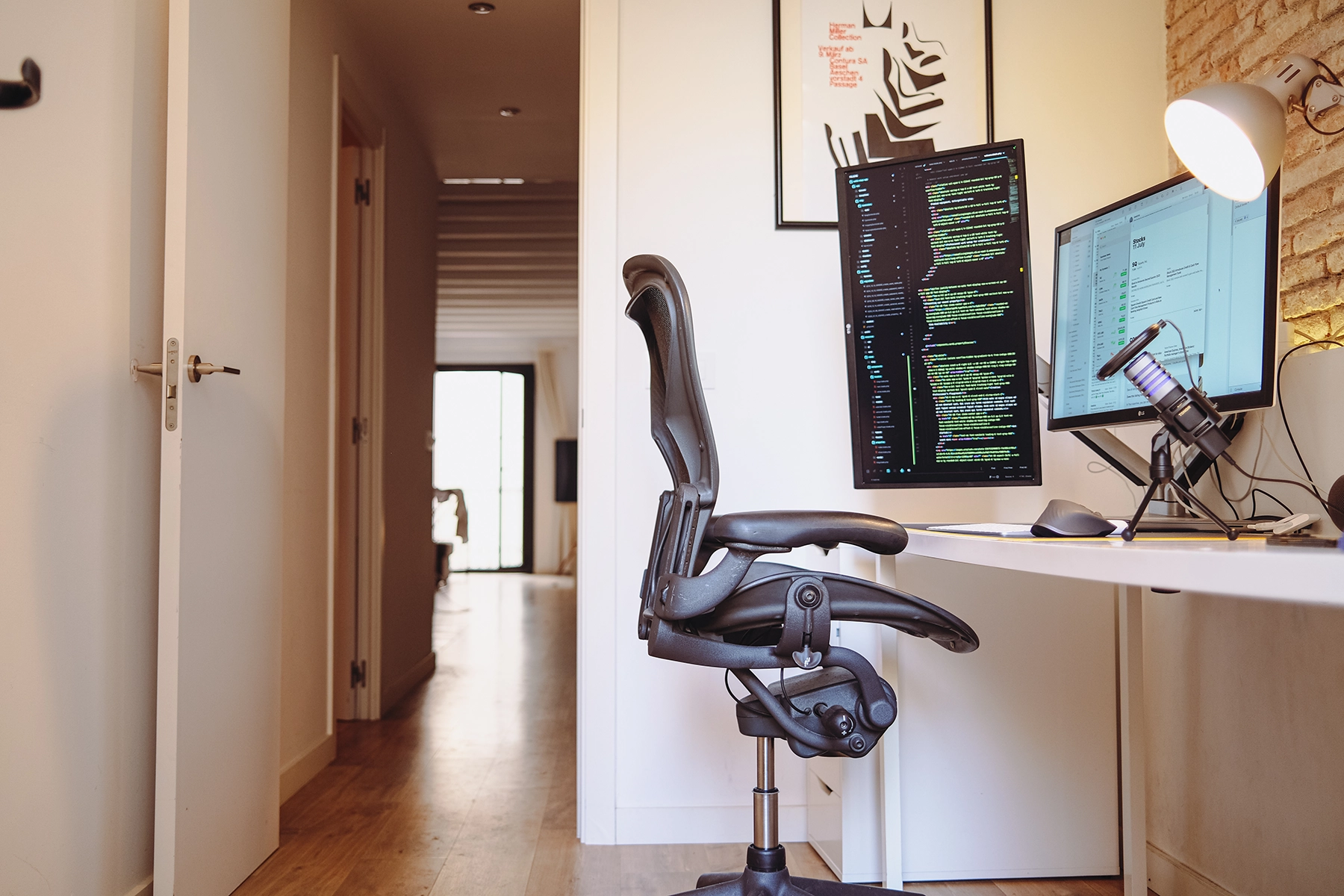
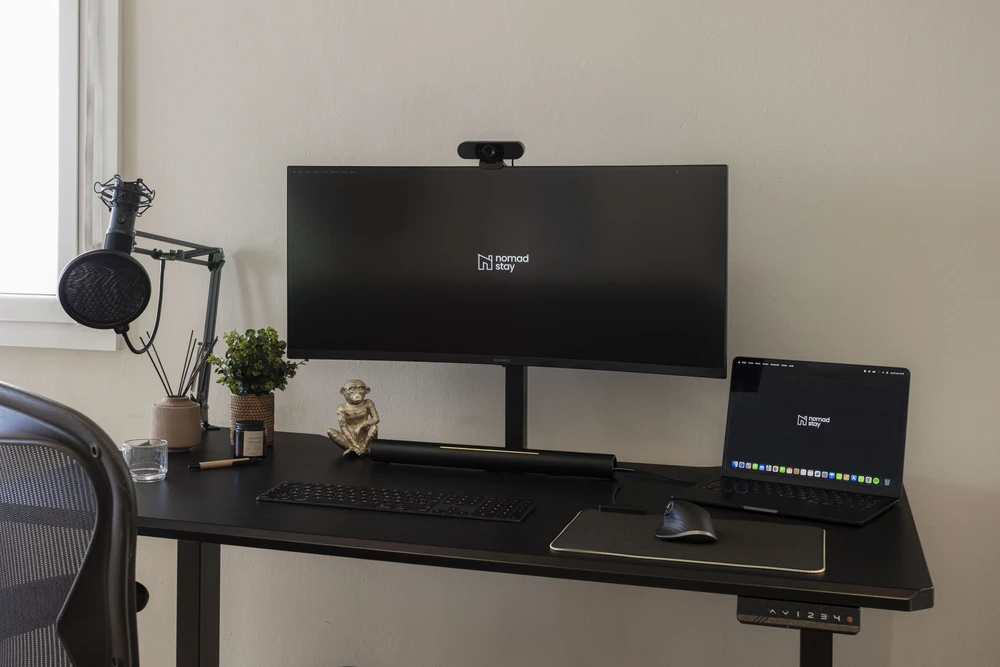
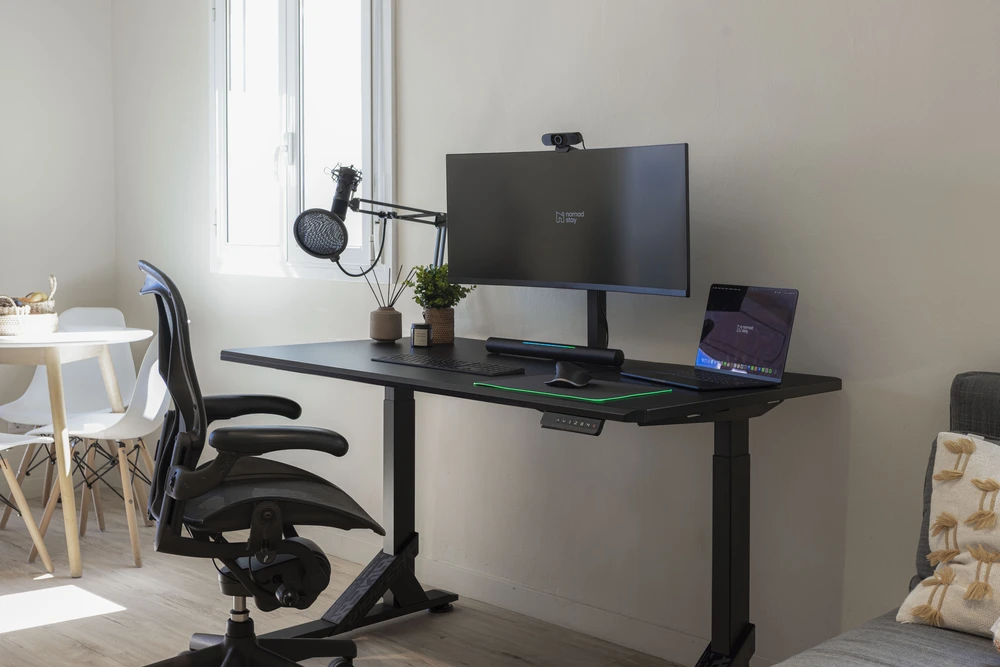
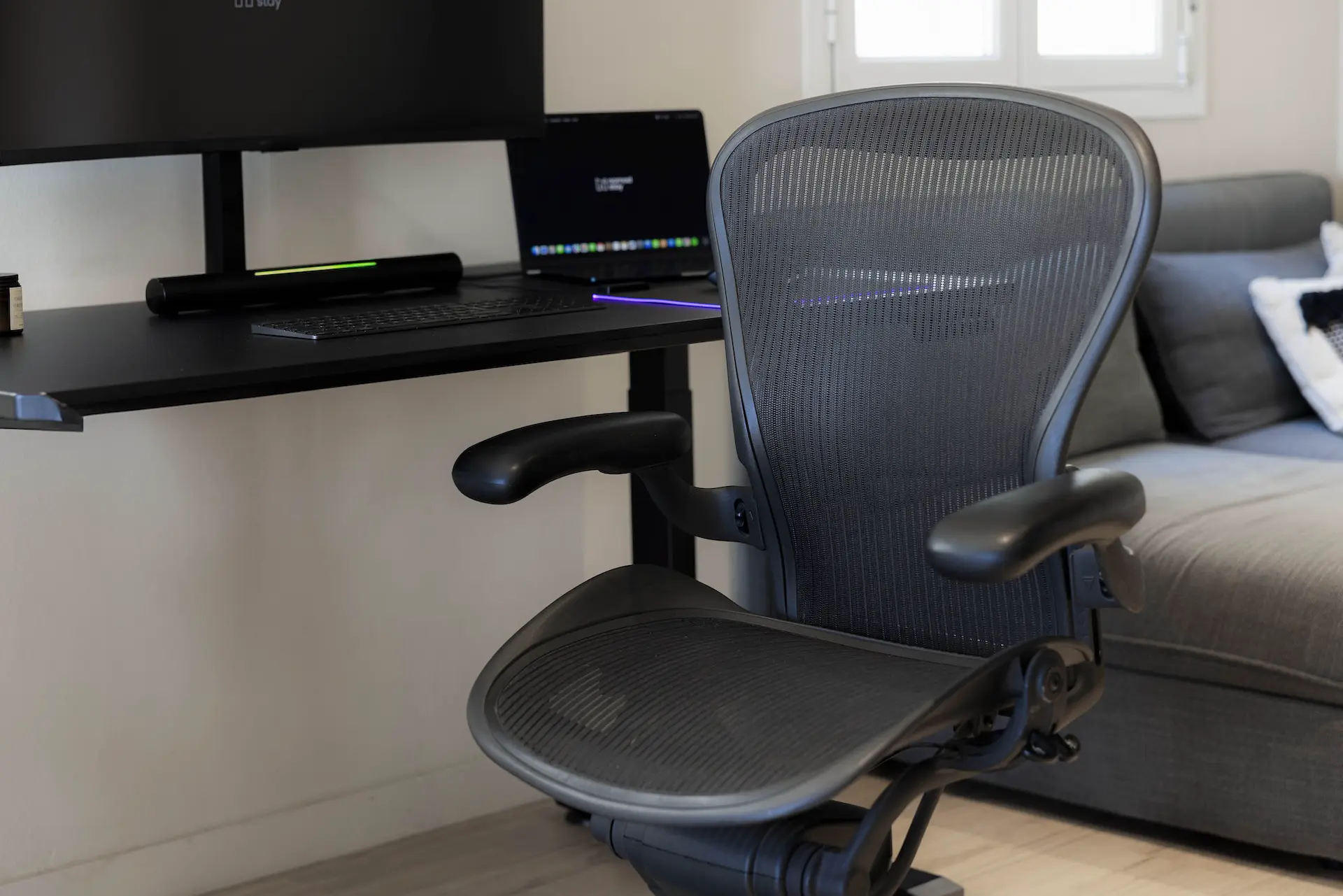
Longer stays also change what matters in accommodation. A remote worker needs reliable internet, a real desk and a comfortable chair, good light, quiet during working hours, laundry and a kitchen used every day, in a neighborhood with supermarkets, transport and places to work outside the apartment. Photographs reveal little of this. Asking about tested internet speeds, the workspace and noise levels before booking avoids the most common problems.
That is why it makes sense for remote workers to plan the home base before the itinerary. Once housing, work setup and daily logistics are settled, the rest of the trip can be organized around them. It also helps to check visa rules early, since many long-stay and remote-work visas require proof of accommodation for the duration of the stay.
RentRemote lists furnished apartments for monthly stays with workspaces and verified internet, in cities such as Lisbon and Medellín.