

Tokyo for Digital Nomads 2026: The World City That Now Costs Less Than Lisbon
Tokyo now costs less than Lisbon for remote workers. The Japan nomad visa terms, monthly costs, best neighborhoods and how to base yourself in 2026.
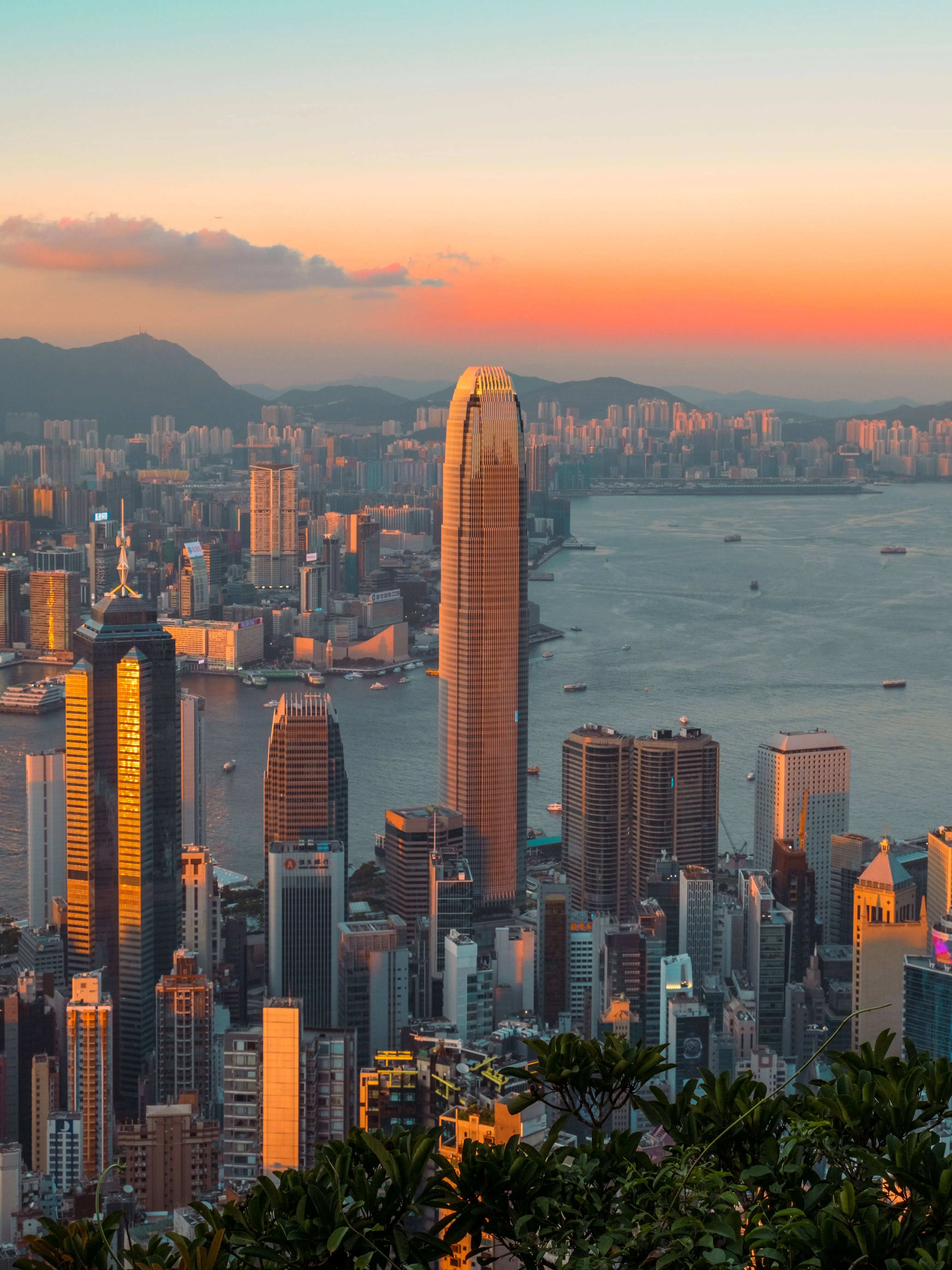
Tokyo is quietly affordable now. NomadList data fetched in October 2026 puts a month in Tokyo at $4,562 with a central one bedroom around $1,282. Lisbon costs more on both counts, $4,700 a month with a one bedroom at $1,599, and Madrid ($5,262) and Barcelona ($6,202) are well ahead. For thirty years Tokyo was the cautionary tale you told before moving to Asia. The yen now sits around 157 to the dollar, and the world's biggest metropolitan economy undercuts the European capitals everyone defaults to.
Pair that with a digital nomad visa built specifically for people like you, institutional money pouring into Tokyo rental housing, and the world's densest transit network, and the question stops being whether you can afford Tokyo.

What the Japan Digital Nomad Visa Actually Allows
Japan's digital nomad visa is a Designated Activities Visa, and its rules shape your stay more than in most nomad countries. The income bar is JPY 10,000,000 per year, roughly $65,000 to $68,000, one of the highest thresholds of any nomad permit in the world. You also need health insurance with at least JPY 10,000,000 in medical coverage.
The stay runs six months. The visa is single entry and valid three months from issue, so once approved you have a quarter to enter Japan. It is not renewable: when your six months end, you leave and wait at least six months before applying again. Most nomad visas let you renew and stay longer; Japan's is built for one contained half year. Applications are filed in person at a consulate, cost JPY 3,000, and take about 5 business days with a Certificate of Eligibility or around six weeks without. Terms are current as of mid 2026 per enomads.eu; check the nearest consulate before you commit.
Tax is the pleasant surprise: stays under six months generally do not make you a Japanese tax resident, so your foreign income is not taxed on top of what you already pay at home.
About 49 nationalities qualify through bilateral visa waiver agreements, including the US, UK, EU, Canada, Australia, Singapore, and South Korea.
If the income bar blocks you, the common workaround is entering visa free (90 days for most eligible passports) for a scouting run, or heading to Fukuoka, which our first hand guide covers as Japan's most affordable base.
What a Month in Tokyo Really Costs
The October 2026 NomadList frame: $4,562 total monthly cost, $1,282 for a central one bedroom, $349 average for coworking. That last figure surprises Americans, where a WeWork membership alone often runs $300 to $400. Rent moves everything, and Tokyo's is 16% below Lisbon's.
At 157.9 yen to the dollar (open.er-api.com, October 2026), daily life is where the affordability really shows. The Tokyo Metro fare for rides within six kilometers is ¥180, about $1.15, and that covers the vast majority of central trips. A set lunch (teishoku) at a chain like Yayoi-ken, miso soup, rice with fish or meat and pickles, comes in under ¥1,000 ($6.30) with refills. Ramen starts around ¥400. Convenience store meals are everywhere and genuinely good.
Where it gets expensive: nightlife, taxis (¥500 base fare and ¥1,600 from Tokyo Station to Akihabara is the cheap end), imported groceries, and any apartment larger than a one bedroom. A single person with the $4,562 monthly figure can live comfortably. A couple who eats out in Ginza every week cannot, budget closer to $7,000 combined.
Getting In and Getting Around
Long haul nomads land at one of two airports, and the choice matters for your budget from day one.
Narita sits 70 km east. The Keisei Skyliner to Nippori or Ueno is the fastest way in, 36 minutes at ¥2,570. The JR Narita Express goes direct to Tokyo, Shinagawa, or Shinjuku in 55 to 60 minutes for ¥3,070. The cheapest ride is a Keisei bus to Tokyo Station, ¥900 and roughly 90 minutes. The Keisei Access Express to Ueno (¥1,270) splits the difference. All accept Suica.
Haneda is 14 km south and far more convenient: the Keikyu line reaches Shinagawa in about 15 minutes for ¥300, and the Tokyo Monorail reaches Hamamatsucho for ¥520 in about 14 minutes from Terminal 3. A taxi into the city runs ¥4,000 to ¥10,000. Wikivoyage warns the monorail and Keikyu stop between midnight and 5am, so a late lander takes a limousine bus with a night surcharge.
Get a Suica or PASMO card on day one. They work on every rail and subway operator in the region and on buses at ¥220 flat, with a ¥1 to 6 per trip discount inside the Metro. Fares run by distance: ¥180 within 6 km, ¥210 to 11 km, ¥260 to 19 km, ¥300 to 27 km, ¥330 to 40 km. The 24/48/72 hour subway tickets (¥1,000/¥1,500/¥2,000) pay off fast on sightseeing weekends.
Two trips a day comes to roughly ¥10,000 ($63) a month, less than most European capitals charge for a monthly pass.
Where to Live in Tokyo
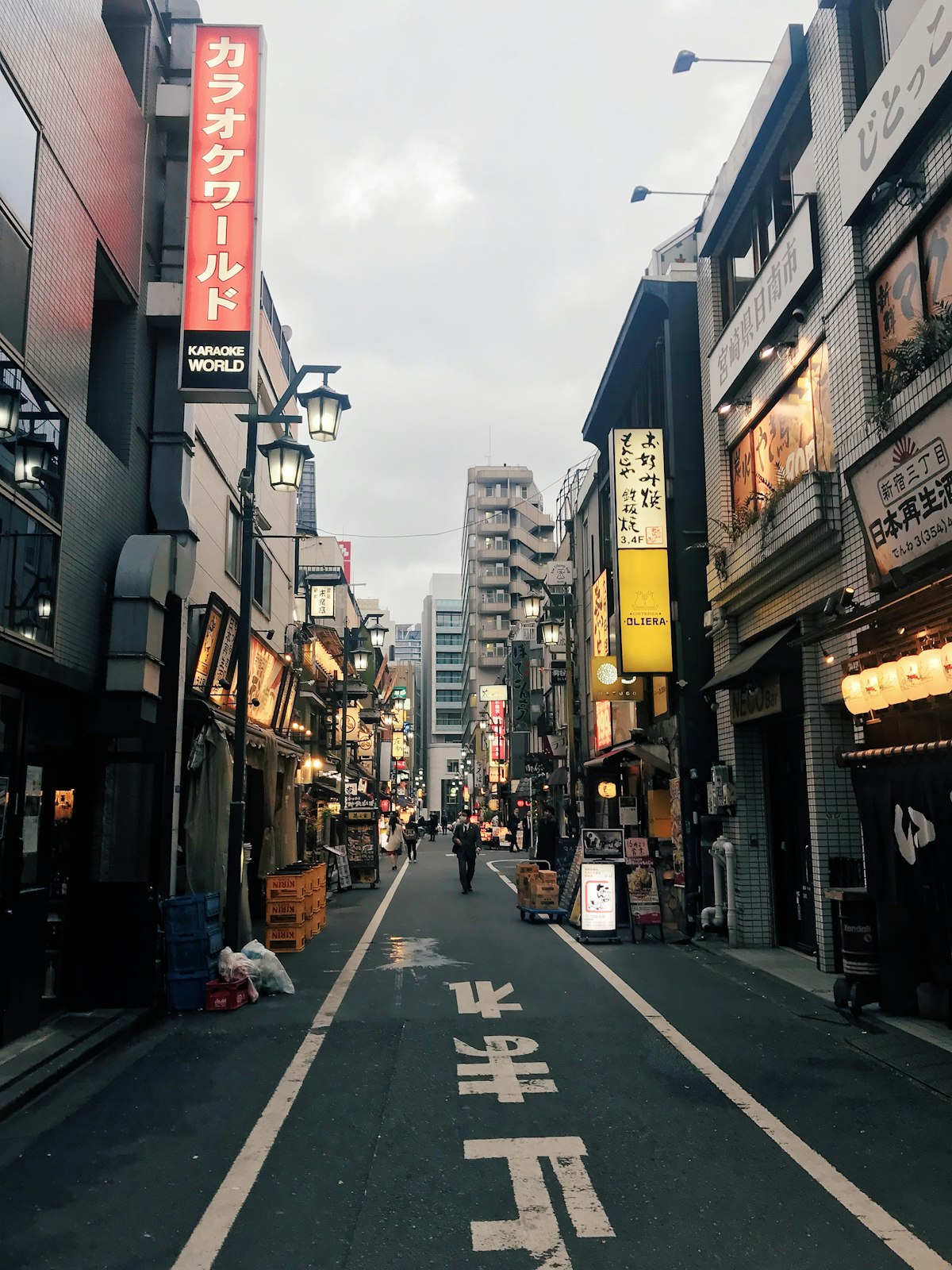
Tokyo is not one city but a federation of districts, and picking the right one changes your whole experience. From Wikivoyage's district breakdown, these are the ones remote workers choose most.
Shibuya and Harajuku are what most people picture, the fashion district with the crossing and Ebisu nightlife nearby, and the highest concentration of laptop friendly cafes in town. One bedroom rent sits above the Tokyo average.
Shinjuku and the greater west side is a massive rail hub and business district with Kabukicho nightlife at its eastern edge. Convenient for everything, loud for living.
Minato ward (Akasaka, Shinbashi, Roppongi) is the business center where corporate relocations land, and Roppongi concentrates the international restaurants and clubs. Good for Western client work. Expensive.
Taito, the "Old Tokyo" wards of Asakusa and Ueno, has the temples, the museums, and consistently the cheapest accommodation in the city. The side streets around Yanaka Ginza are calm shopping streets. Excellent value for a six month base.
Setagaya (Shimokitazawa, Futako-Tamagawa) is where young Tokyo actually lives, with indie venues, vintage shops and cafes clustering around Shimokitazawa station. Quieter and greener, popular with freelancers.
Nakano sits one stop from Shinjuku on the Chuo line, built around the Nakano Broadway collectibles arcade. Quiet, affordable, increasingly a freelancer favorite.
Before signing anything, check whether the unit includes a proper desk, because small Tokyo units vary wildly. Our Tokyo furnished apartments page carries current units with desks and reliable Wi Fi, and browsing all furnished apartments shows how mid term stock here compares with a European year lease.
Working From Cafes and Coworking Spaces
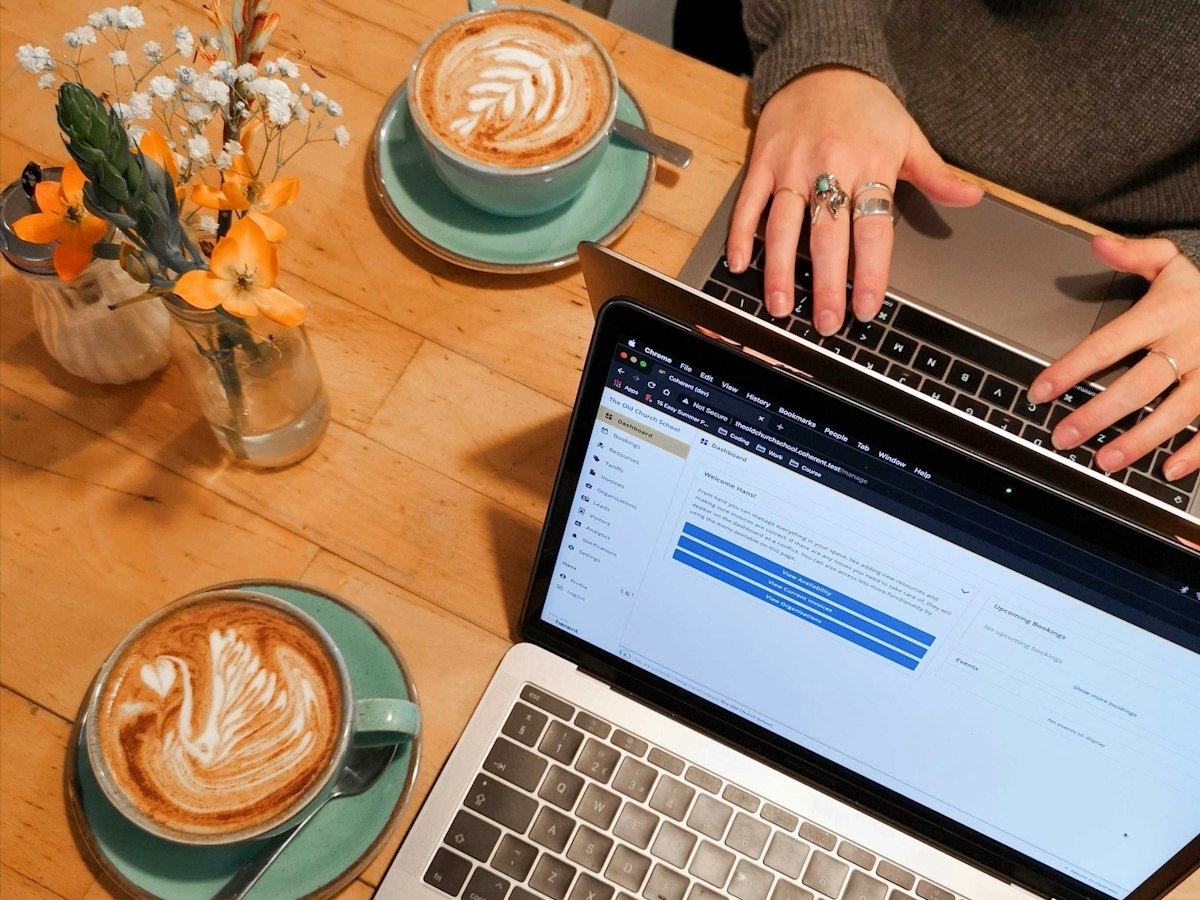
Tokyo's coworking average on NomadList ($349 a month) buys you a lot. The market splits into international chains (Regus, WeWork and local brands like The Farm) and domestic operators, often with lower prices and local flavor.
Cafe working is viable but purchases are expected. Look for "free wifi and power" markers on Google Maps, and note that free public Wi-Fi in Tokyo always requires registration; about 100 Tokyo Metro stations broadcast one under the Metro_Free_Wi-Fi SSID, handy between meetings.

The approach most nomads take: coworking for core hours and video calls, cafes for afternoons. Compare inside Japan: Fukuoka's Zero-Ten Park charges ¥2,200 a day with dedicated desks from ¥22,330 a month and markets an English speaking Digital Nomad Plan directly. Tokyo has vastly more options but fewer packaged nomad deals; you assemble your own mix.
Best Times to Go, and What the Calendar Says
Japan's seasons matter here. Wikipedia's 1991 to 2020 normals for Kitanomaru Park show August highs averaging 31.3 C, September the wettest month at 224.9 mm with October close behind at 234.8 mm as typhoons taper. The window returning nomads agree on is October through November, plus March through May for mild days around 19 C in April and the blossoms.
Winter is cold but dry (January highs just under 10 C), so pack if you're arriving from Southeast Asia. The rainy season, tsuyu, runs June into mid July and brings 167.8 mm in June alone; landing in it makes your commute umbrella logistics.
The other calendar item to know: sumo tournaments run in three Tokyo meetings per year at Ryogoku Kokugikan, and January holds the New Year holiday when much of the business world is on break and coworking spaces run short hours.
Why All the Real Estate Money Is Coming In
In August 2026, Aberdeen Investments and Weave Living announced a partnership to acquire six modern residential properties in central Tokyo on behalf of a large European investor, a deal specialist press valued at $92 million with PGGM backing (IREI, Mingtiandi). The signal matters more than the amount: Tokyo rents keep rising on sustained inward migration and single person households, exactly the demand profile of flexible mid term stays.
The theme repeats across the press: the visa's six month cap was designed to attract short term professionals without opening permanent residency, and housing is adjusting to serve that 1 to 12 month window. Euronews ranked Japan the world's leading digital nomad destination in August 2026, and the Japan Times reported in October that the 180 day locals are becoming a visible community. Our two speed nomad visa world analysis covers the mechanics.
The practical implication: mid term furnished stock is growing, but other professionals on six month stays book good units early. Plan 6 to 10 weeks out for the autumn window, and expect January and April corporate relocation waves to tighten one bedroom supply.
Is Tokyo Actually For You?
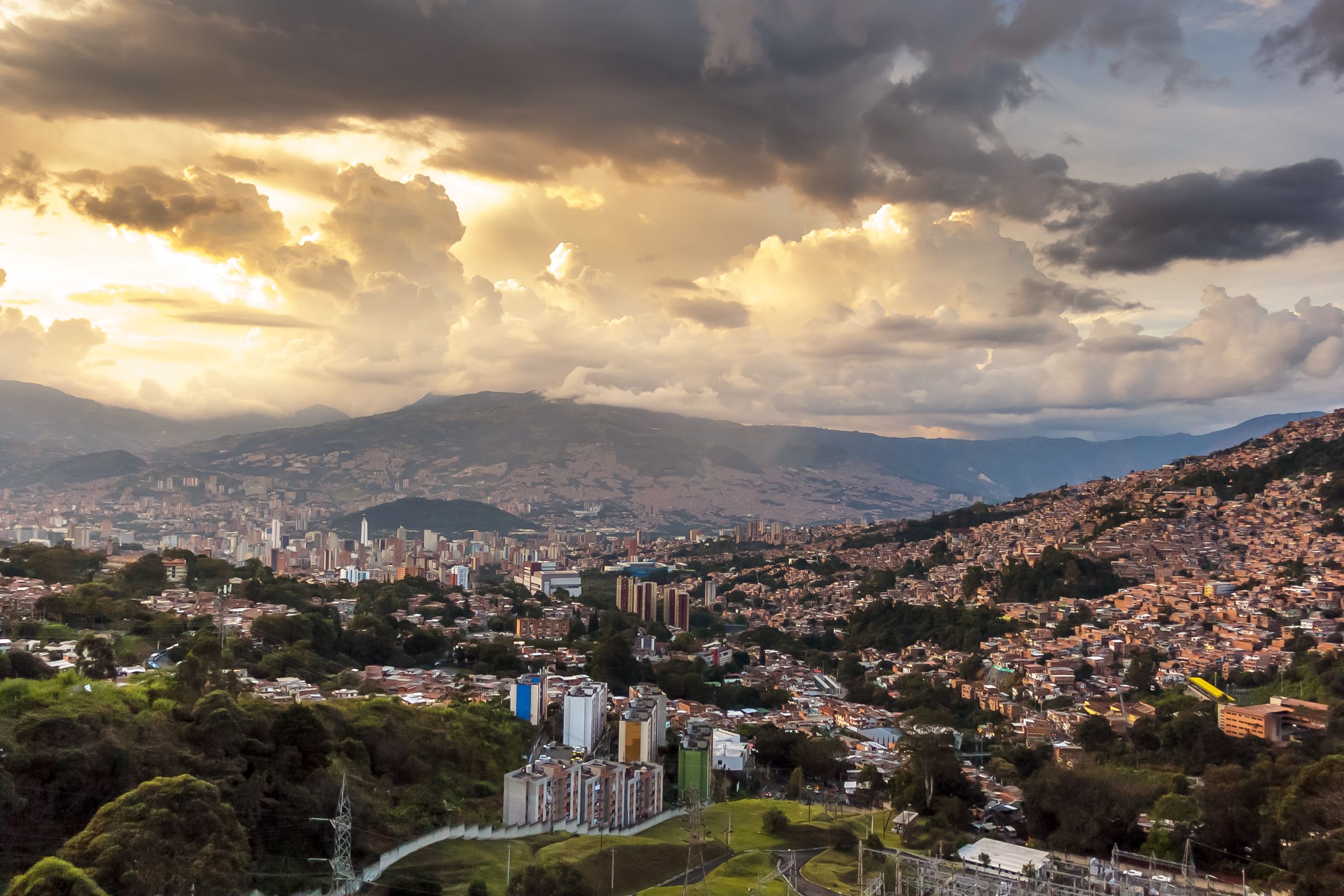
Honest math first: if you want the lowest burn rate, Tokyo still costs more than Medellin or Chiang Mai, and our Medellin 2026 reality check shows what $2,300 a month buys in Colombia. Tokyo at $4,562 a month is a lifestyle upgrade, not a budget hack.
But Tokyo combines advantages almost nowhere else does: safety 4.5/5 on NomadList (Lisbon and Medellin score lower), the world's densest transit network, healthcare NomadList ranks near the top globally, and infrastructure that simply works. The English score (1.96/5) is the daily friction; some Japanese and a translation app dissolve it over time.
Plan around the visa's design too: the 6 month cap and 6 month cooldown keep Japan a chapter in your calendar, not the whole book. Nomads who love Tokyo typically alternate: six months in Tokyo, then a stint in Seoul (a 3 hour flight, covered in our Korea workation visa guide), Taiwan, or Southeast Asia before returning.
Your First Month Checklist
Before you fly:
- Apply at the nearest consulate: in person, JPY 3,000 fee, insurance showing the JPY 10,000,000 medical coverage minimum, and proof of the JPY 10,000,000 annual income requirement.
- Book a Haneda landing if the fare difference allows; the airport trains are cheaper into town.
- Choose your neighborhood from the section above: Taito for value, Shibuya for networking, Shimokitazawa for indie music and vintage shops.
- For housing, our Tokyo furnished apartments listing is the mid term option built for exactly this, and the full furnished apartments catalog compares prices across cities.
After landing:
- Get a Suica card (available for a ¥500 deposit at any JR station) or register a PASMO, and install whichever transit app your neighborhood uses.
- Set up the immigration paperwork if staying past 90 days, resident registration happens at local ward offices, a straightforward process with translation support.
- Find your coworking anchor, then layer cafes; the shared table scene is strong.
- If you're bringing a partner or kids, note the insurance minimum doubles down per family member under the same JPY 10,000,000 standard, and international schools in Tokyo are a separate budget conversation entirely.
Tokyo rewards the six month stay: a well paid run in the world's most functional megacity, foreign income untouched by local tax, a cost base below Western Europe, and a rental market learning fast to serve people exactly like you.
The Bottom Line for 2026
Tokyo's window opened from two directions: a weak yen (157 to the dollar) dropped a famously expensive city below the European nomad capitals, and Japan's six month nomad visa gave remote workers a legal path into it. Neither change is guaranteed to last; the yen will not stay weak forever.
If Tokyo is on your 2026 list, treat the visa terms as current as of mid 2026, plan the autumn window, and book housing early. The Tokyo furnished apartments list is the starting point; if the Japan visa math doesn't work at your income level, our Seoul guide and the Thailand DTV policy offer lower barriers with easy proximity to Japan.
The nomad world spent ten years arguing about the best value city in Asia. Tokyo stopped being a city you argue against and became one you can afford, and the institutional money noticed before most nomads did.