












The Slowmad Revolution: Why Digital Nomads Are Staying Longer in 2026 — And Which Cities Are Winning
Digital nomads now stay about four months per city. Why the slowmad shift is happening, which cities are winning, and the visa and tax rules involved.
The Slowmad Revolution: Why Digital Nomads Are Staying Longer in 2026 — And Which Cities Are Winning
Something changed in how nomads move, and it happened quietly.
The data is now clear: the average digital nomad stays approximately four months per city in 2026. That's up from stays measured in weeks just two years ago. The era of frantic city-hopping — a new country every month, a new Airbnb every week — is giving way to something more deliberate, more expensive, and more sustainable.
They're calling it the slowmad shift. And it has major implications for where you choose your next base, what visa you need, and what your housing arrangement should look like.
The number that explains everything: 4 months
The ~4-month average stay per destination comes from RentRemote's own dataset (updated May 2026, n=18,000+), confirming what nomad communities had been observing anecdotally for two years: people are staying longer.
Why? The answer is less romantic than the Instagram version of nomad life would suggest.
Burnout is real. 54% of digital nomads now report burnout or travel fatigue, according to RentRemote's 2026 nomad report. Switching cities every few weeks is exhausting in ways that don't show up in the photos: the logistics of finding a workspace that actually works, building enough local knowledge to stop paying tourist prices, managing the mental overhead of constant change. The people who have been nomadic for more than a year overwhelmingly gravitate toward longer stays.
The economics of frequent moving don't work. Every city switch involves a transition premium: the first week is spent finding a usable grocery store, the first two weeks paying short-term rates before monthly pricing kicks in, the first month before you know which cafe has reliable power outlets. Four months in one place, with a furnished monthly lease, eliminates most of that overhead.
Work quality demands it. The average nomad earns $85K–$124K per year (RentRemote, 2026). At that income level, they're doing high-complexity, high-accountability work — not tasks that can be completed from a beach lounger with spotty mobile data. Ergonomic setup, reliable high-speed internet, and a consistent timezone anchoring their client or team calls are non-negotiable. You can't rebuild that every two weeks.
Who's actually going nomad in 2026
The demographic picture of the 2026 digital nomad is worth understanding, because it shapes everything — which cities matter, which visa thresholds matter, and what kind of housing matters.
43 million people live nomadically in 2026, up from ~18 million in 2019. The U.S. accounts for 18–19 million of those. Growth is no longer pandemic-driven; it's structural, sustained by distributed teams, remote-first startups, 66 countries competing for remote-worker residents, and a maturing furnished-rental infrastructure that makes monthly stays increasingly frictionless.
Demographics: 47% are aged 30–39. 56% are male. 48% are full-time employees working for someone else — not freelancers, not solopreneurs. The median nomad is not a 25-year-old content creator bouncing between hostels; they're a mid-career professional with a real salary, a distributed employer, and a need for a proper apartment in a proper neighborhood.
Top professions: software engineering, AI operations, product management, performance marketing, technical consulting, UX/UI design.
Pain points: 54% burnout, 67% say tax complexity is their biggest challenge, 49% experience delays from visa bureaucracy. These aren't lifestyle complaints — they're operational problems that good destination, housing, and planning decisions can solve.
The 15 cities winning the slowmad shift
WhereToNomad's 2026 rankings (scored on cost of living, internet speed, visa accessibility, nomad community size, and quality of life) surface the cities where the slowmad model actually works. Cities are polarizing into clear tiers.
The premium tier: $2,800+ per month
Lisbon, Portugal ($2,800–$3,500/mo, 250+ Mbps) has held the #1 nomad city ranking for five consecutive years. The D8 digital nomad visa runs 1–2 years renewable, with a minimum income requirement of €3,680/month. Neighborhoods: Príncipe Real, Estrela, Marvila. Central 1BR now starts at €1,400/month. The city is expensive by 2019 standards but still 15–25% cheaper than London or Paris, with better weather than both.
Tokyo, Japan ($3,500–$5,000/mo, 200+ Mbps) is the fastest-growing nomad destination in 2026. World-class healthcare, infrastructure, food, and safety. The cost is real — it's the most expensive city in the top 15 — but nomads in technical fields earning $100K+ increasingly find the value calculation works, especially with Japan's new remote-work visa track.
Barcelona, Spain ($2,800–$3,800/mo, 200+ Mbps) benefits from Spain's Digital Nomad Visa plus the Beckham Law, which provides a 24% flat tax rate on Spanish-source income (up to €600,000) for qualifying remote workers. Mediterranean climate, top-tier healthcare, and a dense startup ecosystem. Income requirement: €2,850/month.
Bridgetown, Barbados ($2,800–$4,000/mo, 200+ Mbps): Caribbean location, English-speaking, 12-month renewable Welcome Stamp visa with foreign income tax exemption.
The value tier: $1,200–$2,800 per month
Bangkok, Thailand ($1,800–$2,800/mo, 300+ Mbps): The DTV (Destination Thailand Visa) provides a 5-year permit with 180-day continuous stays — the most flexible long-stay visa available in Southeast Asia. No income threshold. JCI-accredited hospitals, excellent BTS+MRT transit. Areas: Asok, Thong Lor, Ekkamai, Ari.
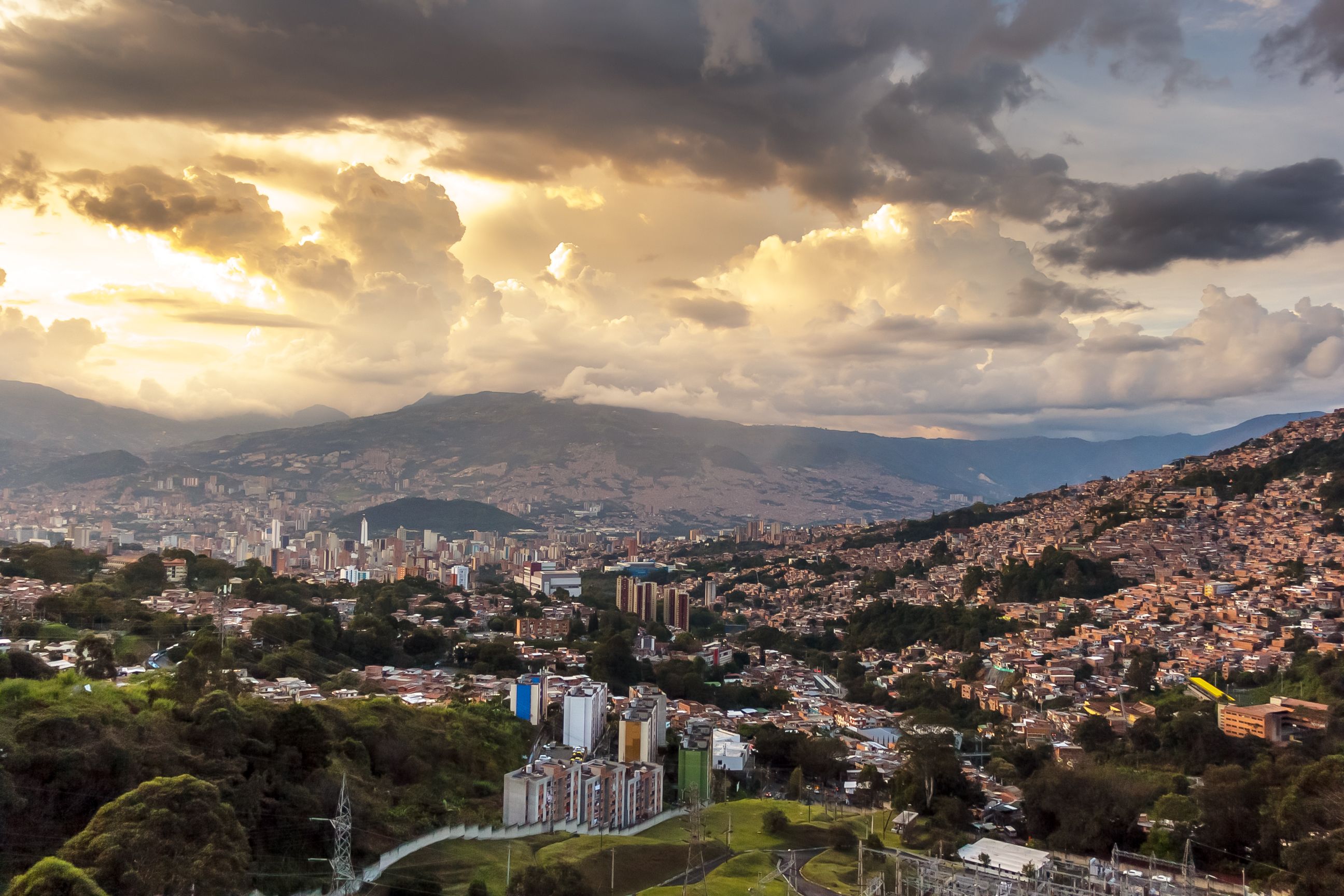
Medellín, Colombia ($1,500–$2,200/mo, 200+ Mbps): Two-year renewable visa with one of the lowest income thresholds globally (~$1,100/month). Year-round temperatures of 70–75°F. Strong expat community in El Poblado, Laureles, and Envigado.
Tbilisi, Georgia ($1,200–$1,800/mo, 150+ Mbps): Visa-free for 95 nationalities (up to one year). Georgia uses a territorial tax system — foreign income is not taxed locally. The "Remotely from Georgia" program is free with no income requirement and runs 5 years. The most permissive policy environment in the world right now.
Chiang Mai, Thailand ($1,200–$1,800/mo, 200+ Mbps): Benefits from the same DTV as Bangkok at a fraction of the cost. The original nomad hub, established pre-2020. Note: burning season (February–April) is a real air-quality issue.
Split, Croatia ($2,000–$2,800/mo, 150+ Mbps): Croatia's digital nomad visa runs 12 months (not renewable), but the key feature is that foreign income is not taxed locally. Combined with the Adriatic coast and EU connectivity, Split is one of the best-value European bases. The Digital Nomad Valley in Zadar is a notable remote-worker community.
The visa landscape: 66 countries, wildly different terms
66 countries now offer some form of digital nomad visa or remote-worker residency, up from nearly zero in 2019. Common requirements across programs: remote employee or freelancer status, foreign income source, health insurance, clean criminal record, minimum monthly income.
The income thresholds vary enormously:
- Value tier (Africa/Caucasus/LatAm): €0–$2,000/month (Georgia, Namibia, Mauritius, Colombia)
- Mid tier (SE Asia/Caribbean): $2,000–$3,000/month (Thailand, Barbados, Costa Rica)
- EU tier: €2,300–€4,500/month (Croatia, Spain, Portugal, Greece, Estonia)
- Premium: $5,000+/month (UAE/Dubai) Notable programs in 2026: Philippines (2-year), Kenya Class N (1-year renewable), Nepal (5-year), Thailand DTV (5-year/180 days per stay), Georgia C5 (5-year), Estonia (12-month, €4,500/mo — highest in EU but with 99% online public services and 60%+ renewable energy).
The tax trap everyone underestimates
67% of nomads say tax complexity is their biggest pain point. Understanding why requires distinguishing between four things that nomads routinely conflate.
Visa ≠ tax residency. A digital nomad visa grants you legal permission to live in a country. It does not determine where you owe taxes. That question is governed entirely by domestic tax law — which almost always includes the 183-day rule as a trigger, but layers in additional substance tests: permanent home, center of vital interests, habitual abode, family ties, financial connections. You can hold a nomad visa, stay under 183 days, and still be claimed as a tax resident under substance rules.
The 183-day rule is not universal. It's the most common trigger, but countries apply it differently. Some use the calendar year, some use a rolling 12-month window, some look at a prior year plus current year in combination. Cross 183 days in two countries simultaneously, and both can claim you.
Dual tax residency is expensive. The OECD Model Tax Convention provides tie-breaking rules (permanent home wins; if none, then center of vital interests; if unclear, habitual abode; if still unclear, nationality). But these disputes are fact-specific and often require a professional to resolve.
The Permanent Establishment risk for employers. If you're a full-time employee working remotely from a country long-term, your employer may unknowingly create a "Permanent Establishment" in that country — triggering corporate tax obligations, local registration requirements, and potential penalties. OECD 2020–2022 guidance indicated that temporary COVID-era remote work likely didn't create PE exposure. Long-term, sustained arrangements are a different question.
For Americans: The Foreign Earned Income Exclusion limit is $132,900 for 2026. You still file, but you can exclude up to that amount from U.S. tax. The more serious risk is state-level taxation: California, New York, and Virginia aggressively pursue individuals who haven't fully severed state ties. "I worked from Lisbon all year" is not sufficient if you maintain a California driver's license, bank account, or voting registration.
The practical implication: your housing structure matters for tax planning. A monthly furnished lease in a territorial-tax jurisdiction (Georgia, Panama, UAE) or a nomad-visa country with no local tax on foreign income (Croatia, Costa Rica) is not just a lifestyle decision — it's a compliance structure.
What the slowmad shift means for housing
The four-month average stay has a direct implication for how nomads should approach accommodation.
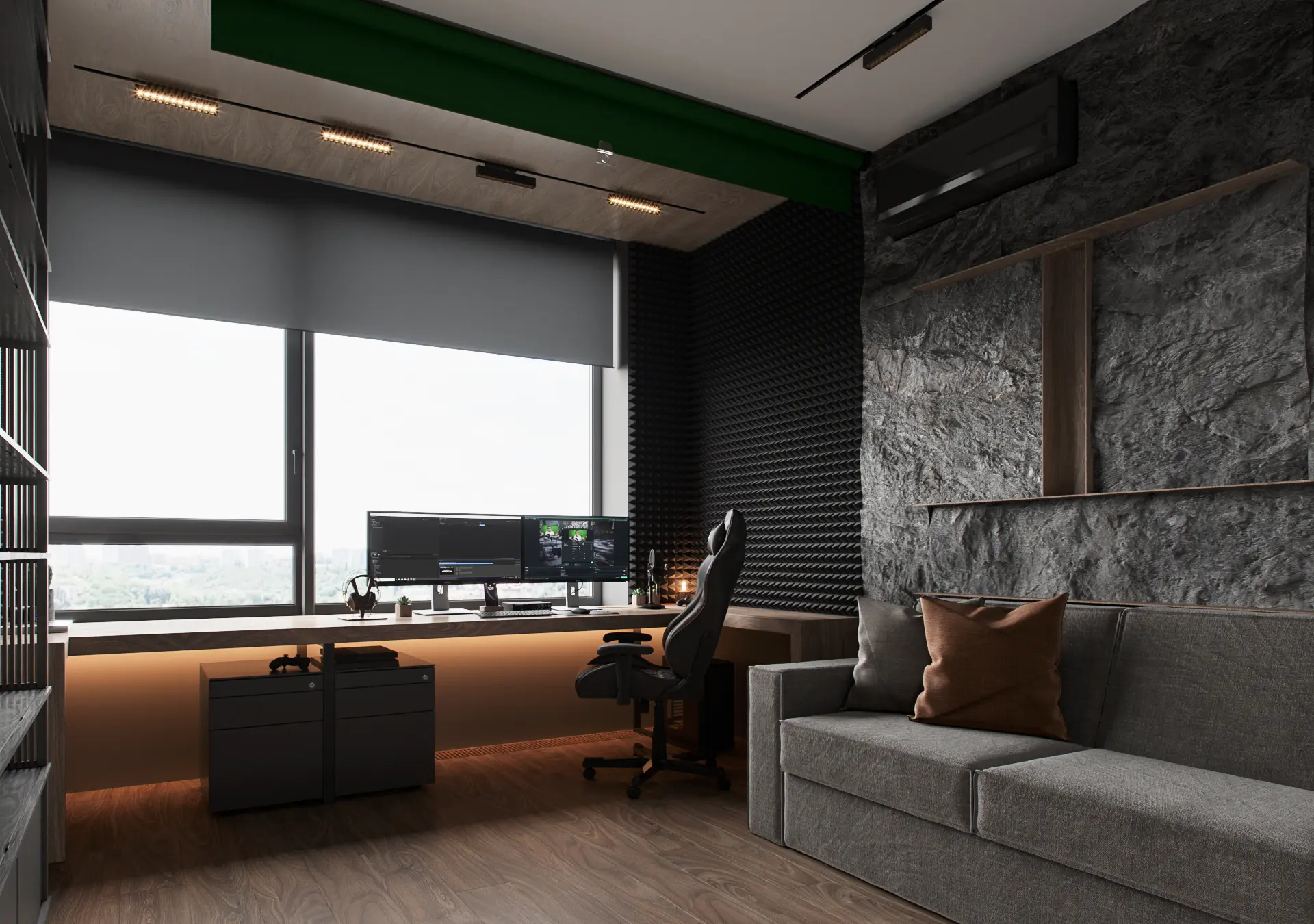
Short-term platforms were built for days and weeks. Monthly furnished apartments — lease-based, Wi-Fi-verified, workspace-configured, with neighborhood stability — are the product that matches how the actual market has evolved. The slowmad doesn't want a hotel experience or a tourist rental. They want to live somewhere: a regular coffee shop, a desk they can trust, a landlord who responds to maintenance requests in the same timezone.
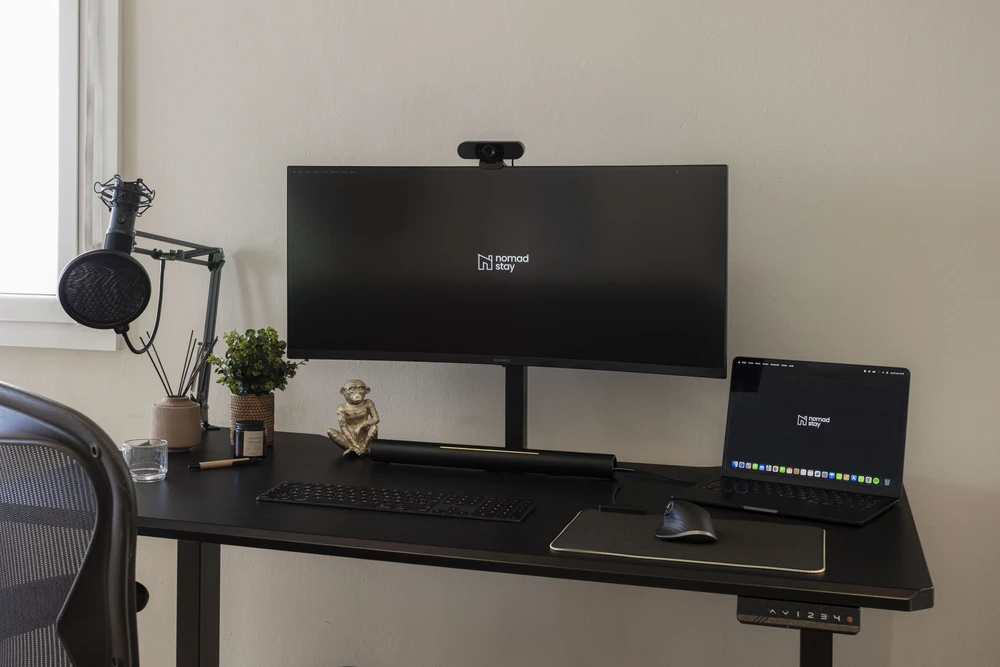
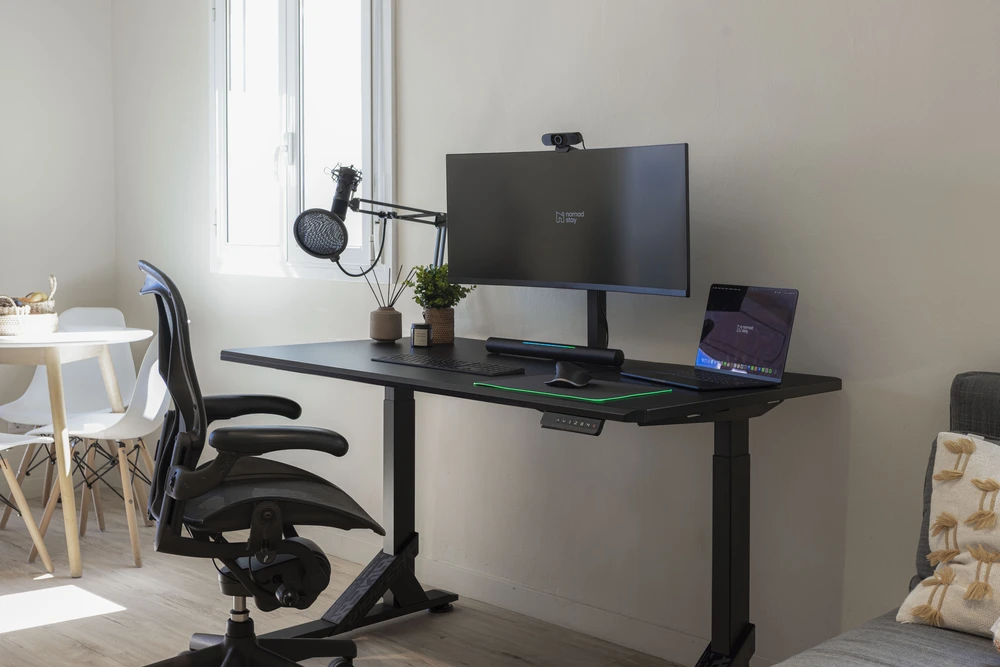
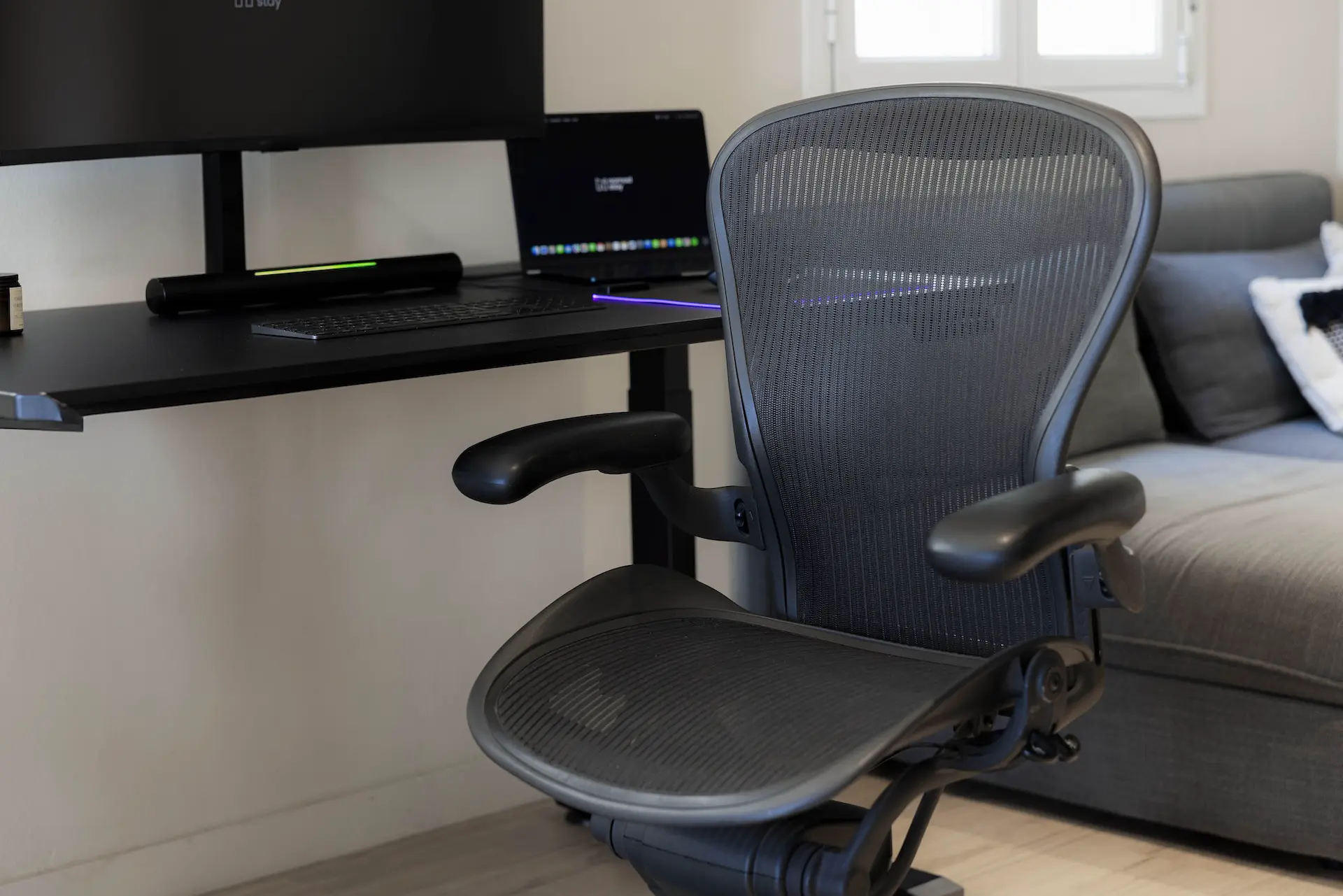
RentRemote's housing priorities, drawn from nomad survey data: verified high-speed Wi-Fi, dedicated workspace, ergonomic chair, flexible monthly lease, reliable support, neighborhood stability. These are not amenities — they are the baseline for a productive four-month stay.
The cities winning the slowmad shift (Lisbon, Tokyo, Bangkok, Medellín, Tbilisi, Split) are the cities where these conditions are consistently available. Where to find them: rentremote.com.
FAQ
What is the slowmad movement? The slowmad (slow nomad) approach describes digital nomads who base themselves in one city for extended periods — typically one to six months — rather than moving frequently. The 2026 data shows an average stay of approximately four months per destination, up significantly from pre-2024 norms driven by burnout, economic efficiency, and the demands of high-complexity remote work.
Which countries have the best digital nomad visas in 2026? For flexibility and value: Georgia (free, no income threshold, territorial tax = 0% on foreign income, 5-year program). For Southeast Asia: Thailand DTV (5-year, 180-day stays, no income threshold). For Europe: Croatia (12-month, no local tax on foreign income, cost 40–50% below Western Europe). For high earners: Dubai Virtual Working Visa (zero income tax, world-class infrastructure). For EU residency path: Portugal D8 (1–2 years renewable, path to permanent residency).
What is the difference between a digital nomad visa and tax residency? A digital nomad visa grants legal permission to stay in a country. Tax residency determines where you owe taxes, and is governed by domestic law — typically triggered by the 183-day rule, plus additional substance tests. The two are legally independent: you can hold a nomad visa without becoming a tax resident, and you can trigger tax residency without holding a nomad visa. 67% of nomads say tax complexity is their #1 pain point; this confusion is the most common cause.
What is the best city for digital nomads in 2026? Lisbon has held the #1 ranking for five consecutive years, based on internet speed (250+ Mbps), visa accessibility (D8 program), nomad community size, quality of life, and cost of living relative to Western Europe ($2,800–$3,500/month). Tokyo is the fastest-growing destination in 2026 for premium-tier nomads ($3,500–$5,000/month). Tbilisi offers the best value in the world ($1,200–$1,800/month, territorial tax system, visa-free for 95 nationalities).
How much do digital nomads earn? Average annual income ranges from $85,000 to $124,000 USD, according to RentRemote's 2026 nomad data. Fully remote workers in technical industries (software, AI operations, product, performance marketing) frequently out-earn hybrid or office-based peers at the same seniority level.
What is the US Foreign Earned Income Exclusion (FEIE) limit in 2026? $132,900. American nomads must still file U.S. federal taxes regardless of where they live, but can exclude up to this amount of foreign-earned income. State-level taxation is a separate risk: California, New York, and Virginia aggressively pursue part-time residents who haven't fully severed state ties. Consult a cross-border tax professional if you're relocating from these states.