



















As Capital Returns to Housing, Investors Look at How Residents Live
European living investment hit 62.2 billion euros in 2025. Spain's flex living boom shows why resident needs now shape real estate strategy.
Investment in Europe's residential sectors, known in the industry as Living, reached 62.2 billion euros in 2025, a rise of 22 percent on the year before, according to a March 2026 report by JLL. The firm expects the total to exceed 70 billion euros in 2026, with growth led by large platform deals, the return of core capital and continued interest in student housing. The same report noted that affordability is at its worst level on record and that new supply in Europe's largest markets is expected to fall again this year.
Those two facts together explain why the conversation in residential real estate is changing. When capital is plentiful and housing is scarce, the question is no longer only which buildings to buy. It is which kinds of housing will be in demand over the next decade, and for whom. Build-to-rent, student housing, senior living and flex living all answer that question differently, and investors increasingly choose among them based on how people move, work and form households rather than on location and yield alone.
Spain as a test case
Spain shows how quickly the mix can shift. Living investment in Spain reached about 3.73 billion euros in the first three quarters of 2025, roughly 29 percent of all real estate investment in the country and more than 50 percent higher than a year earlier, according to CBRE data cited by the investment platform Urbanitae. Madrid absorbed 42 percent of that capital. Multifamily rental housing accounted for about 1.34 billion euros, and student housing investment was expected to reach 1.7 billion euros by the end of the year.
Flex living, meaning furnished, serviced housing let for periods of months, was a smaller but notable slice, at about 590 million euros through the third quarter of 2025. A year earlier, in the first half of 2024, flex living had been the largest Living segment in Spain, at 708 million euros, or 47 percent of the total, according to CBRE figures reported by Iberian Property. JLL estimates that Spain has about 19,000 operational flex living beds and a further 19,600 under development, enough to roughly double the stock within three years.
Why length of stay matters to investors
Flex living sits between hospitality and residential, and its economics depend on who the residents are. The demand comes from people who are neither tourists nor long-term tenants: employees on relocation, consultants on projects, visiting researchers, remote workers testing a city and families between homes. In Atlas Van Lines' 2026 relocation survey, 38 percent of companies said they offered extended temporary housing benefits in 2025, a sign of how much corporate demand depends on furnished stays of weeks or months.
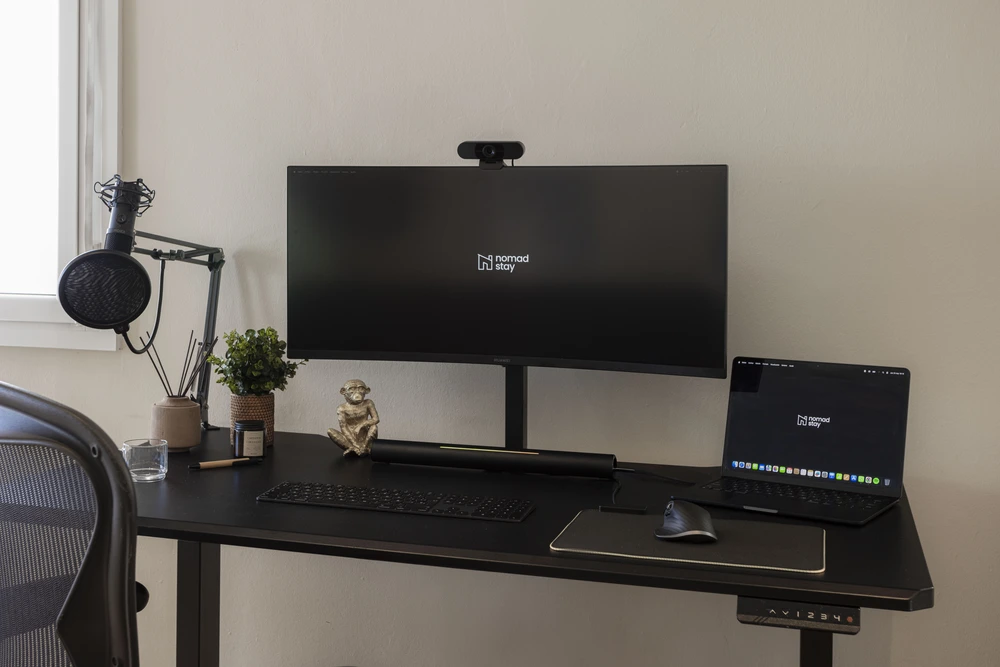
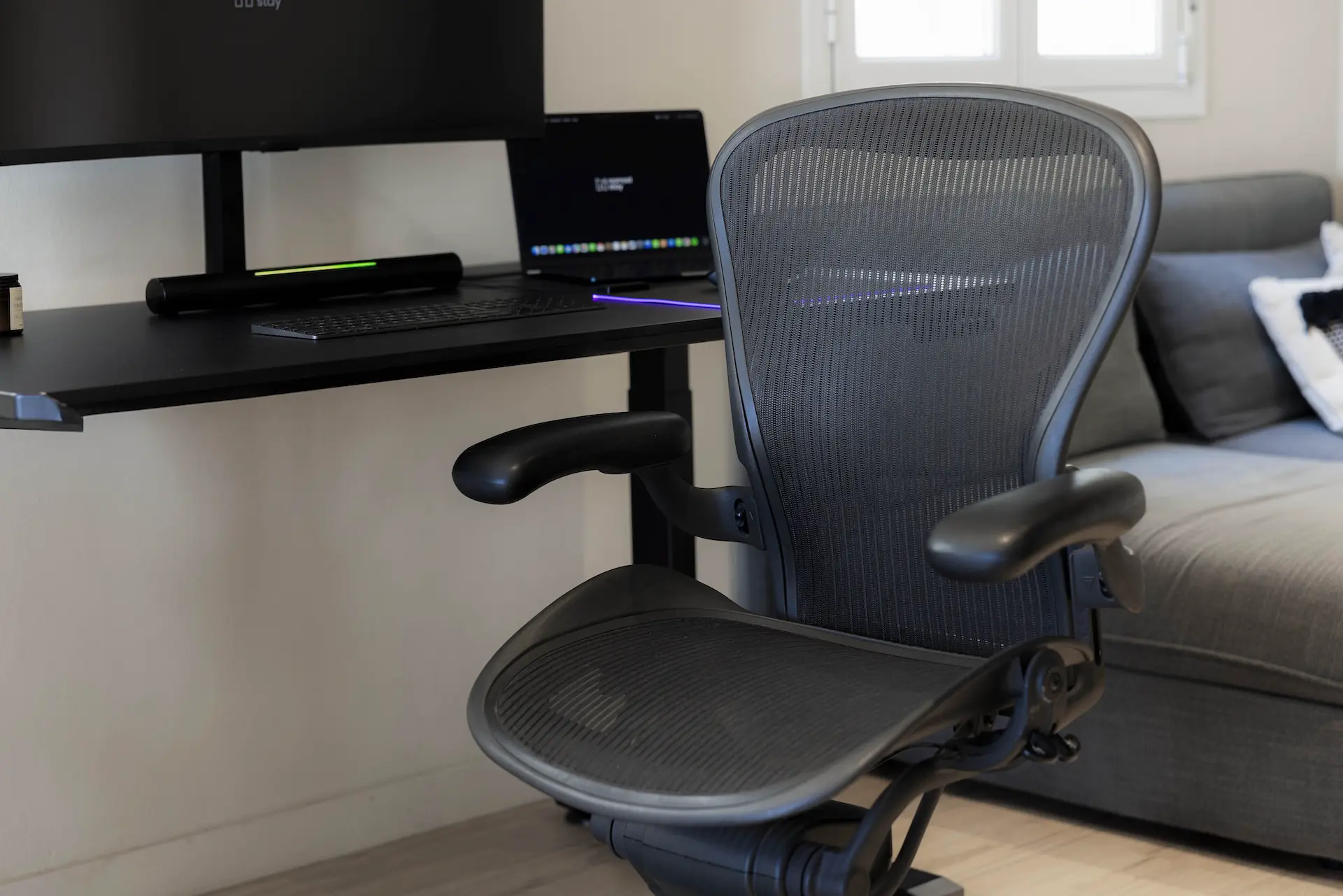
Length of stay changes what a building has to provide. A hotel room works for a weekend. Someone living in a unit for four months needs a kitchen, storage, laundry, a proper place to work and reliable internet, along with a neighborhood that functions on an ordinary weekday. Operators that meet those needs are better placed to keep units occupied and residents staying longer, which in turn affects the income investors can expect from the asset. In that sense the resident's experience is not a soft factor. It feeds directly into valuation.
From asset to operating business
That link between experience and returns is pushing investors to think beyond the physical asset. A flex living building is closer to an operating business than a conventional apartment block. Its performance depends on pricing, distribution, turnover, maintenance and service, all of which sit with the operator. Investors therefore have to assess not only the building and the location, but also who will run it, how they will reach residents and how they will keep them.
The supply picture reinforces the point. JLL's research director for living in the region, Emma Rosser, said in the March report that new supply will fall further in 2026, to almost half the level of 20 years ago, and that institutional investment in collaboration with governments will be essential to reversing the trend. In markets where new building is scarce, the ability to run existing and converted stock efficiently becomes a competitive advantage.
The District in Madrid
These themes ran through The District, the real estate investment event held at IFEMA Madrid from 22 to 24 September 2026. Organizers expected more than 15,000 industry executives and more than 450 speakers at the fifth edition, which included Living among eight sector forums and affordable housing and PropTech among its thematic agendas, according to Across magazine. RentRemote attended alongside RentOS, its software for flex living operators.
For RentRemote, the point of that conversation is practical. Furnished housing has a growing role in a market where work, mobility and housing needs are increasingly connected, and its value depends on how well it serves the people who actually live in it. Tenants looking for that kind of housing can browse furnished apartments for monthly stays, including in Madrid.