



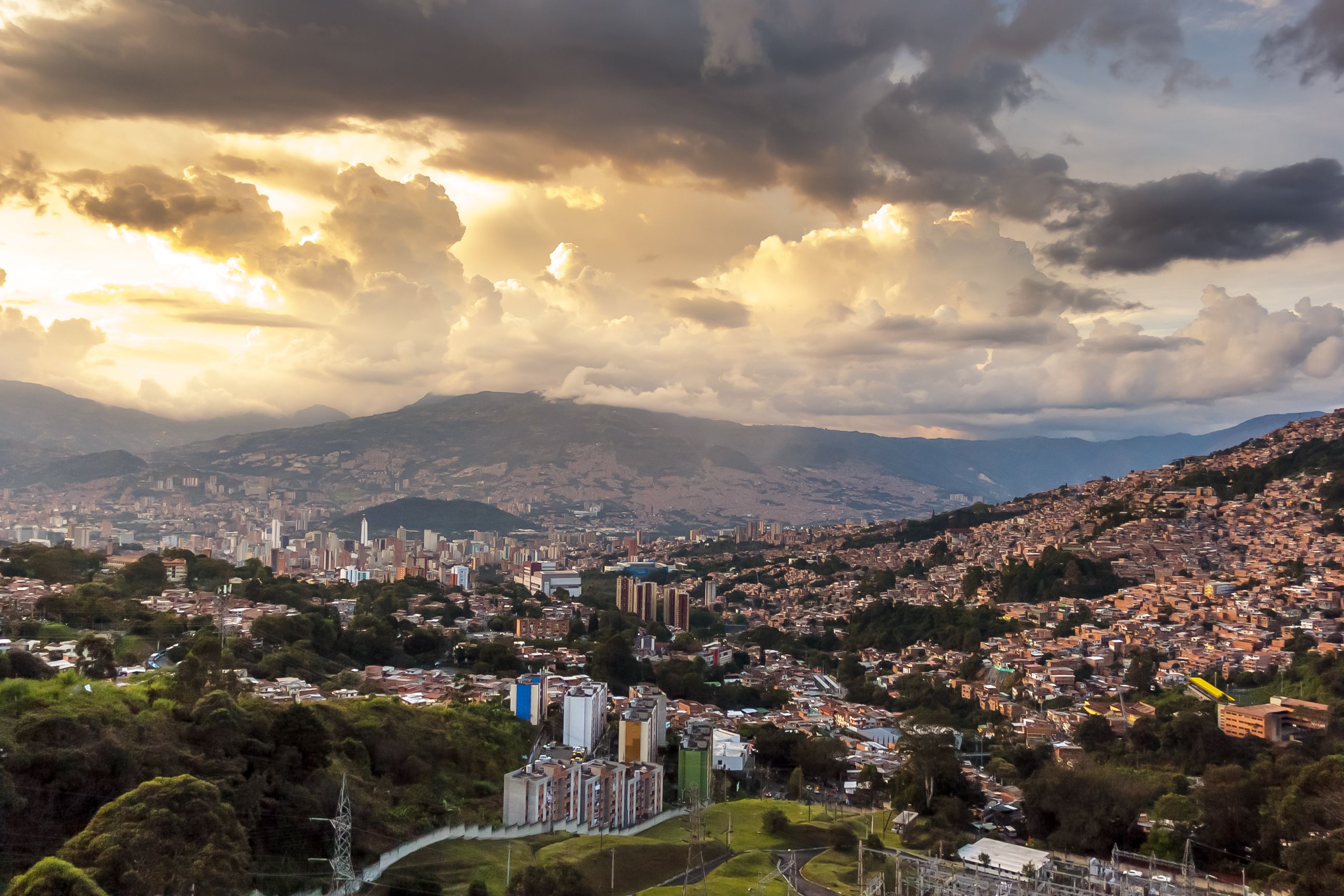








Living and Working Remotely from Medellín: The 2026 Reality Check
Medellín in 2026 deserves a fresh look. Not because it stopped being attractive, but because the equation has changed.
Medellín has spent years near the top of digital nomad lists.
Good weather, an established remote-work community, strong coworking infrastructure and a cost of living that once felt almost impossible to beat made the city an obvious choice.
But Medellín in 2026 deserves a fresh look.
Not because it stopped being attractive — but because the equation has changed.
The city is no longer a “cheap nomad hack”
One of the biggest mistakes remote workers can make is arriving with an outdated idea of Medellín.
Currency movements, rising demand in popular neighborhoods and a more mature international rental market mean that the city should now be evaluated for what it actually offers, not simply because it is cheaper than New York, London or Amsterdam.
The better question is:
Does Medellín offer a good quality of life for the way you actually work?
For many remote professionals, the answer can still be yes.
But accommodation matters more than ever.
A low monthly rent loses its appeal quickly if you spend eight hours a day working from a dining chair, fighting unreliable Wi-Fi or moving between cafés to take calls.
Where you live changes the experience
El Poblado remains the most internationally recognizable base, with restaurants, cafés, coworking spaces and a large foreign community.
But it is not the only option.
Areas such as Laureles can offer a different rhythm: more residential, walkable and integrated into everyday city life.
For a one-week holiday, location might be mostly about nightlife and attractions. For a one- or three-month stay, the priorities change.
You start caring about:
- a proper workstation
- reliable internet
- supermarkets within walking distance
- noise during working hours
- transport
- natural light
- laundry
- a kitchen you actually want to use
That is the difference between visiting a city and living remotely from it.
Colombia still makes long stays possible
Colombia's digital nomad framework has made the country significantly easier to consider for eligible international remote workers.
But a visa should never be treated as an afterthought. Requirements, permitted activities and immigration conditions can change, so anyone planning a longer stay should verify the latest official information before travelling.
The important shift is broader: cities like Medellín are no longer competing only for tourists. They are competing for people who can choose where they live while continuing to work.
The reality check: security still matters
Medellín can offer an excellent lifestyle, but remote workers should not confuse familiarity with zero risk.
Choosing the right neighborhood, understanding local conditions and avoiding the false sense of security that sometimes comes from staying inside an international bubble are part of living responsibly in the city.
A good remote stay is not just about finding somewhere photogenic. It is about understanding where you are.
So, is Medellín still worth it in 2026?
For the right remote professional: absolutely.
But perhaps for different reasons than five years ago.
The strongest case for Medellín today is not simply:
“It's cheap.”
It is:
“I can build a genuinely good daily life here.”
Good weather. Established infrastructure. A global community. Interesting neighborhoods. A strong café and coworking culture. Access to nature. And accommodation options designed for stays longer than a holiday.
The digital nomad era is growing up. And choosing where to live remotely should grow up with it.
RentRemote helps remote professionals find furnished homes designed for living and working — not just sleeping — in destinations around the world.