






Nomad Visas Are Turning Remote Workers Into Residents
Spain issued 27,875 nomad visas by 2024, nearly half to family members. Longer visas are changing what remote workers need from housing.
By the end of 2024, Spain had granted 27,875 digital nomad visas, up from 9,568 a year earlier, according to figures from the country's Immigration Observatory reported by The Local. Only 14,255 of them went to the remote workers themselves. The remaining 13,620 were issued to spouses, children and parents, and more than 5,400 of the holders were children aged 15 or under. The fourth quarter of 2024 was the busiest yet, with 5,619 visas issued.
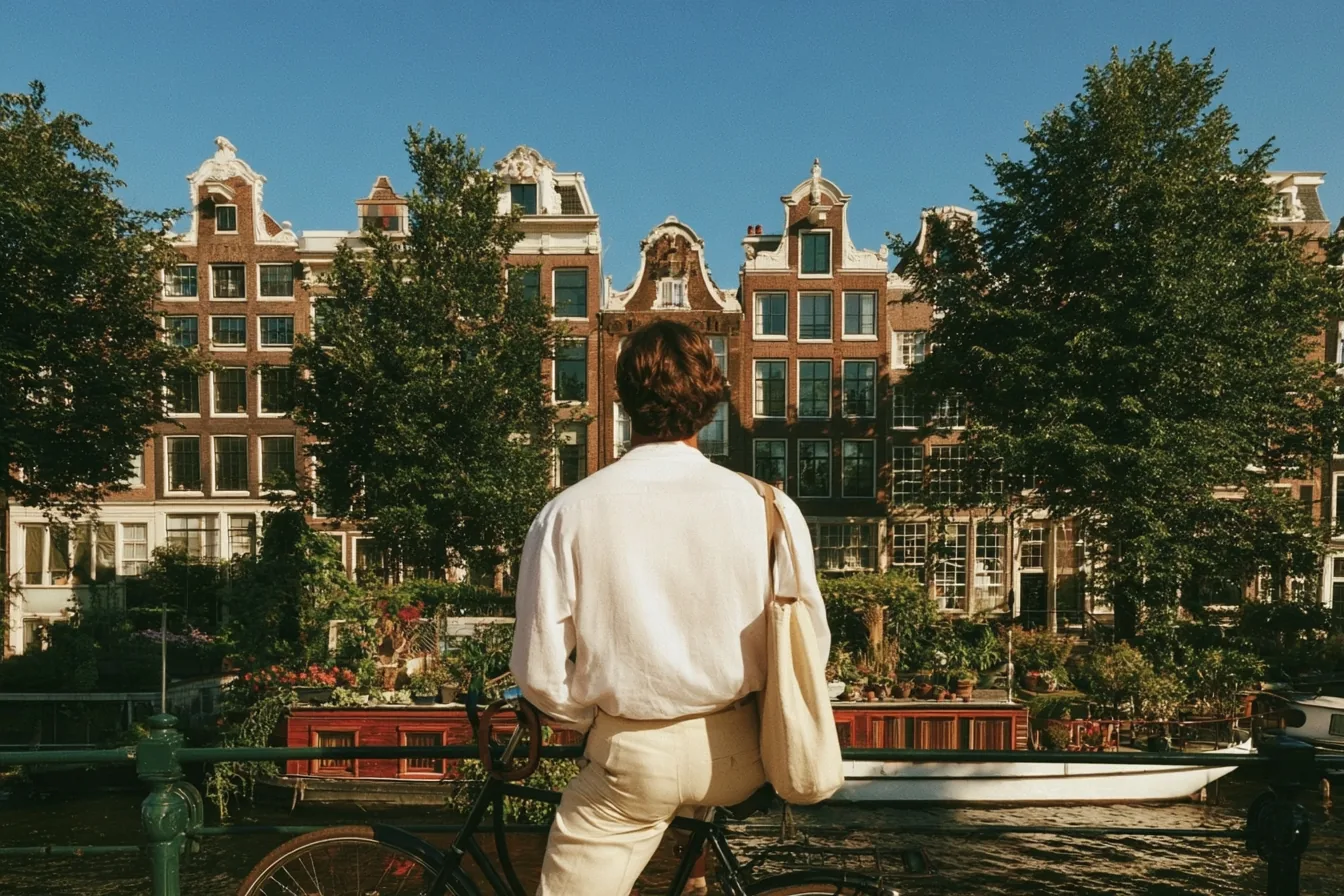
Those figures complicate the familiar image of the digital nomad as a single traveler moving from city to city every few weeks. Remote-work visas are designed to let people live in a country for a year or more while working for employers or clients elsewhere, and many of the people using them arrive as households. As these programs mature, a growing share of remote workers behave less like travelers and more like residents, with consequences for where they live and what kind of housing they need.
Visas built for longer stays
Indonesia offers a clear example. Its E33G remote worker visa, introduced on April 1, 2024, allows an initial stay of up to one year, renewable for a second, for people employed by a company outside Indonesia, according to a tax alert published by EY. Applicants must show income of at least 60,000 dollars a year and a bank balance of at least 2,000 dollars over the previous three months, along with an employment contract with the foreign company.
The significance of the visa for housing lies less in the label than in its duration and conditions. Someone who can legally stay in Bali for a year, with a stable foreign salary, plans differently from a tourist on a 30-day entry stamp. Once people can plan life in a place across months rather than weeks, their accommodation priorities converge with those of local residents.
Booking data pointed in the same direction even before most of these programs existed. Stays of 28 nights or more accounted for 22 percent of gross nights booked on Airbnb in the fourth quarter of 2021, up from 16 percent two years earlier, the company reported.
Residential questions, not hotel questions
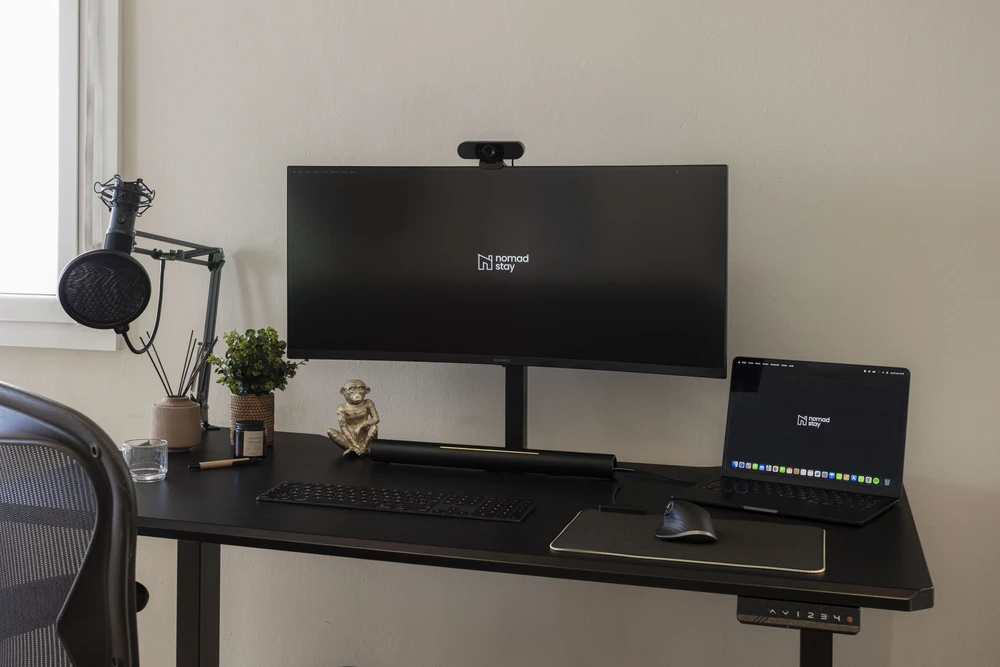
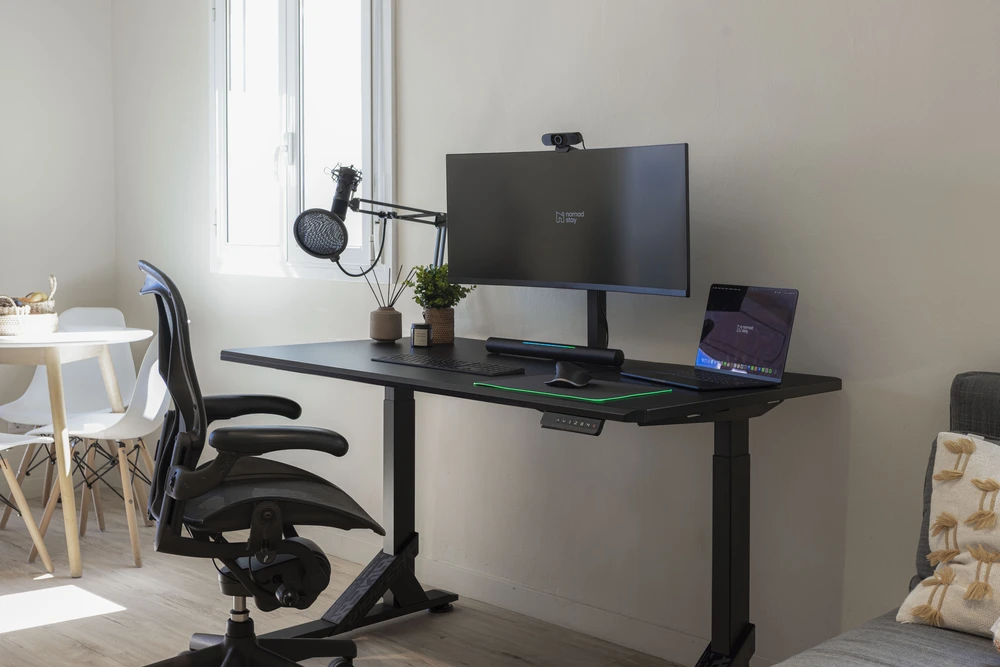
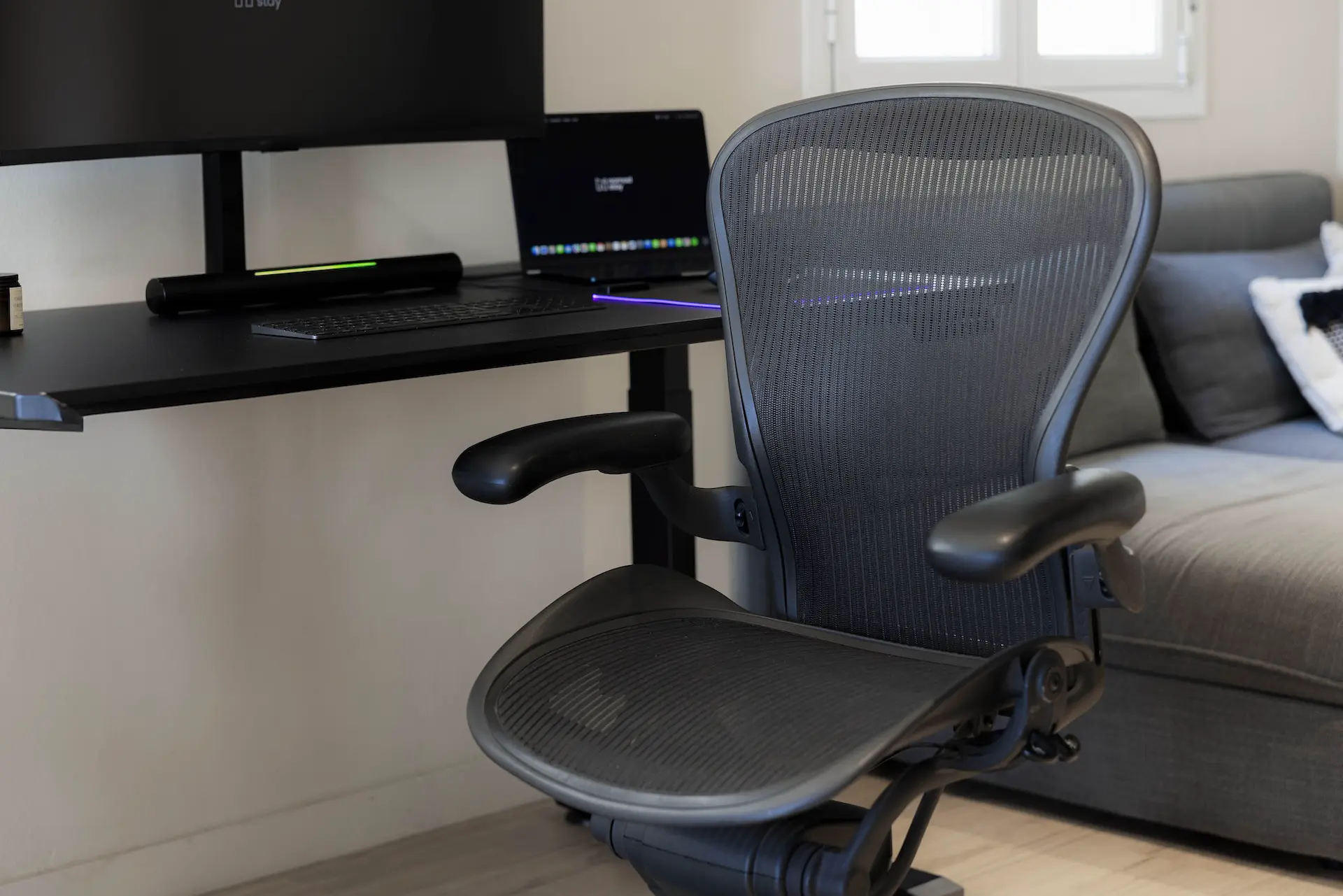
A person arriving for ten days needs accommodation. A person settling for six months or a year needs a home, and the questions change accordingly. Remote workers on long-stay visas ask whether the internet is reliable enough for a full working day, whether there is a proper desk, how utilities are billed, how the deposit works and whether the rental contract will satisfy immigration or registration requirements. Families add questions about bedrooms, schools and pediatricians.
Neighborhood matters more as stays lengthen. A twenty minute walk to a supermarket barely registers over a weekend, but over six months it shapes daily life. The same applies to noise during working hours, access to public transport, gyms, cafes and daylight in the apartment. Someone choosing a home for a year is, in effect, choosing a temporary version of everyday life in that city.
One city, several housing markets
This shift also makes the phrase digital nomad housing less useful. Two people working remotely from the same coworking space may be very different housing customers. One may be visiting for three weeks on a tourist entry. Another may be testing the city for three months before deciding whether to apply for a visa. A third may hold a residence permit, have a partner and a child with them and intend to stay for two years.
Those groups need different products. The short-term visitor is well served by hotels and holiday rentals. The long-stay resident needs something closer to a conventional rental, with a contract, a furnished home and a professional landlord, but without the twelve-month commitments, local guarantors and unfurnished units that often make the traditional market hard to enter for new arrivals. The middle group, testing a city before committing, sits between the two and is often the most underserved.
Housing in the middle
That middle ground has a name in the industry: furnished mid-term housing, let by the month for periods from one month to a year. It combines the convenience of a furnished, ready-to-use home with the stability of a lease. For visa holders, it can also provide the proof of address that many programs and local registration processes require, which a nightly booking often does not.
Remote work first separated work from the office. The current phase is separating residence from permanence, allowing people to live somewhere meaningfully without committing to stay forever. As remote-work residence programs become more structured and more families use them, demand for homes designed around months rather than nights or years is likely to grow.
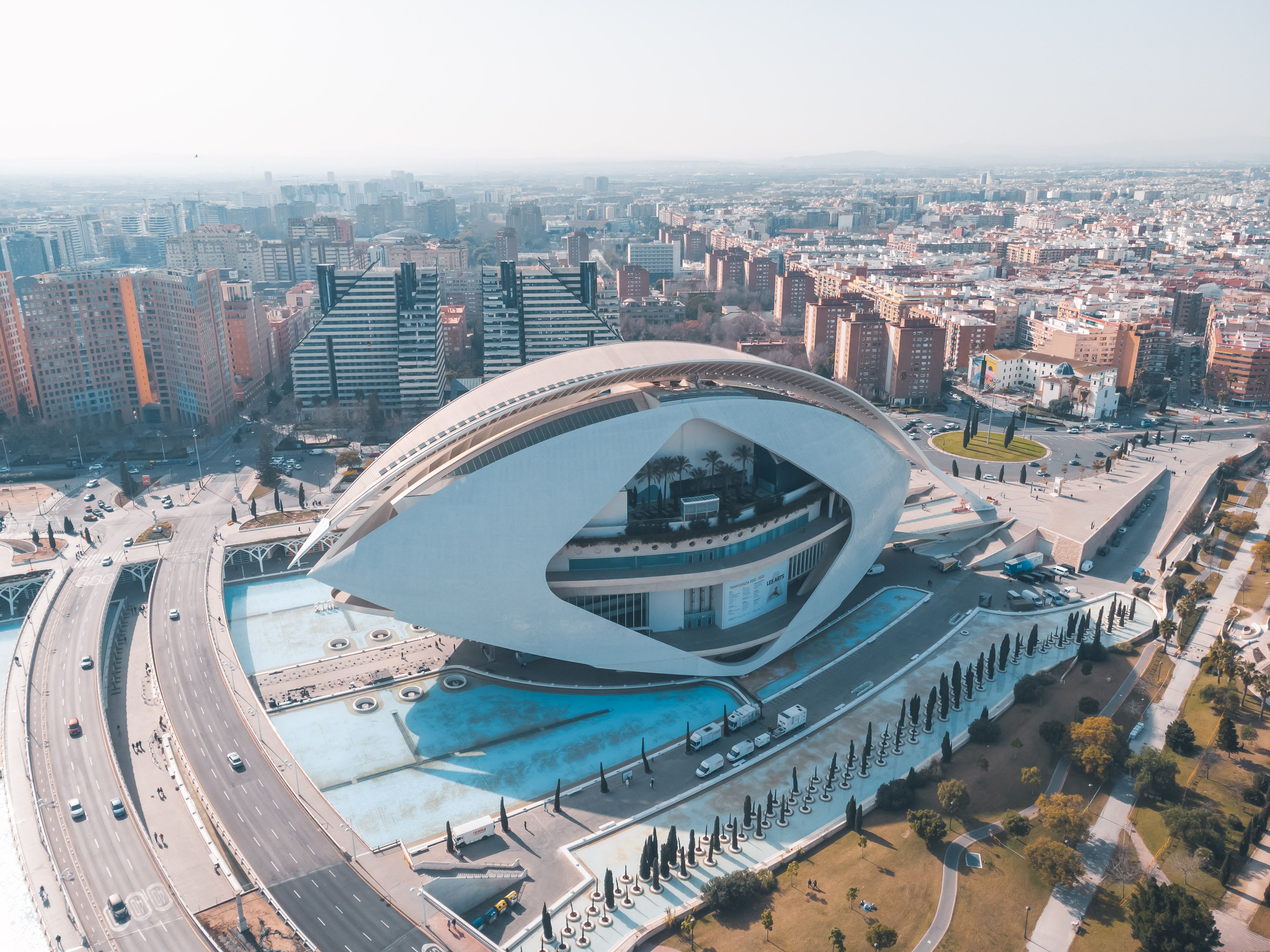
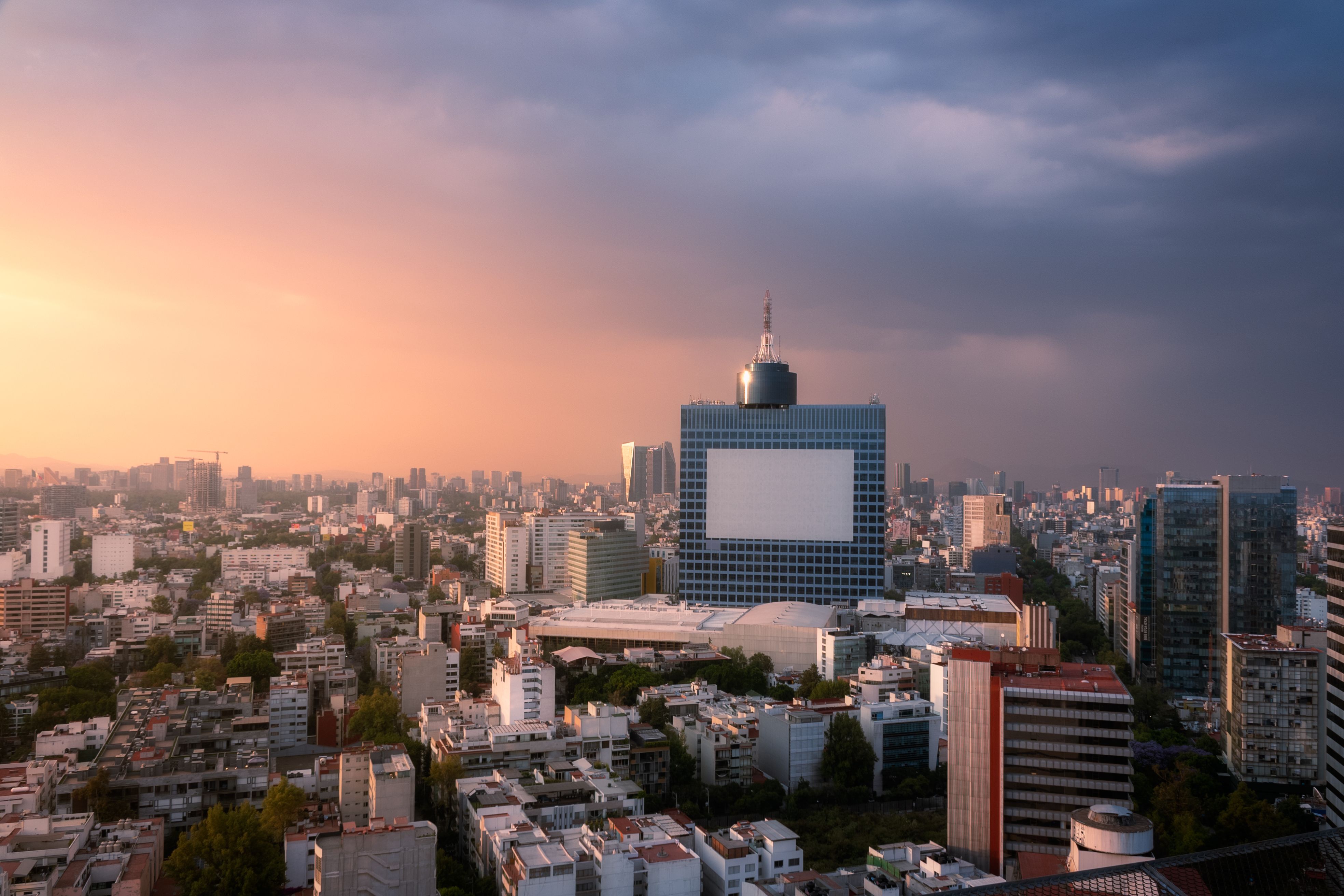
RentRemote lists furnished apartments for monthly stays from professional operators in cities popular with long-stay remote workers, including Valencia and Mexico City.