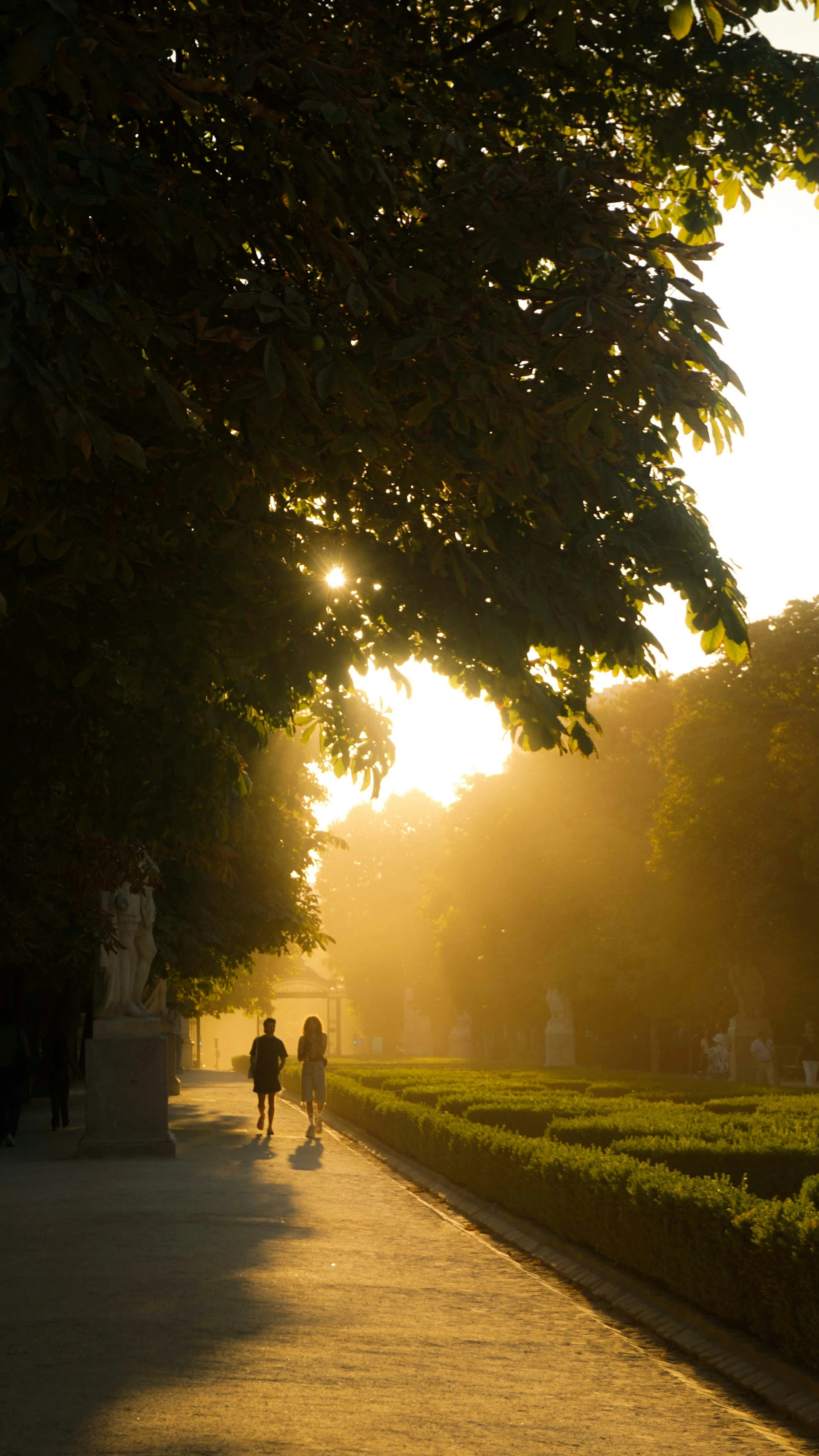
Moving to Madrid: What to Expect in Spain’s Capital
Thinking of moving to Madrid? Spain’s capital is a city that thrives on rhythm. Mornings stretch over café con leche, nights start at midnight, and somehow everyone still looks refreshed by dawn. It’s lively, layered, and perfectly balanced between modern comfort and old-world charm.
Here, you’ll find everything that makes Spanish culture magnetic — long meals, late conversations, and plazas that stay bright well into the night. For newcomers, living in Madrid means joining a city that celebrates both work and pleasure, where mañana isn’t laziness but a love of pace.
Expect:
-
Historic sites like the Royal Palace and Plaza Mayor.
-
Art and nightlife that last until sunrise.
-
Locals and expats who turn every meal into a social event.
If you’re ready for a city that feels both global and distinctly Spanish, the Spanish capital might just be your next home.

Moving to Madrid: Your First Week in the City Center
Start your first mornings in the city center where history meets daily routine. Have a café con leche at Café de Oriente facing the Royal Palace (entry ~€12; free late slots some days), then wander Plaza Mayor and Puerta del Sol. Detour to the Egyptian Temple of Debod for sunset and a skyline you’ll remember.
Quick essentials
-
Gran Vía rooftops (Azotea del Círculo, Picalagartos) for golden hour.
-
Mercado de San Miguel for small bites when you don’t want to order food full-sit-down.
-
Public transport: €1.50 single, €9.10 for 10; Youth pass (U26) €20/month. No car needed.
-
Weekend hop? You can easily fly to Valencia or Lisbon in under 90 minutes.
Eat this week
-
Casa Revuelta (cod bites) two blocks from Plaza Mayor.
-
Juana la Loca (modern pintxos) in La Latina.
-
Toma Café (Malasaña) for dialed-in espresso before noon.

Local rhythm: dinners slide to 9–10 p.m., conversations stretch, and you’ll see why many expats say moving to Madrid quickly becomes an amazing experience.
La Latina: Central Neighborhoods Compared (Where to Live & Belong)
This is the decision that shapes your Madrid living. Madrid offers 131 barrios; here’s a clear, fast compare so you can find your fit.
| Neighborhood | Vibe | Avg Rent (1BR €/mo) | Highlights | Ideal For |
|---|---|---|---|---|
| La Latina | Historic, social | 1,000–1,300 | Tapas lanes, El Rastro, craft bars | Culture-seekers who want local culture + walkability |
| Malasaña | Creative, late | 1,000–1,200 | Vintage shops, live music, indie cafés | Creatives & international students |
| Retiro | Green, elegant | 1,200–1,400 | Green spaces, park life, family flats | Young families, runners |
| Salamanca | Upscale, quiet | 1,500+ | Designer boutiques, calm streets | Execs & long-term expats |
| Lavapiés | Diverse, artsy | 900–1,000 | Galleries, global food, festivals | Nomads from Latin America & other European nationals |
| Vallecas | Budget, roomy | 750–950 | Bigger flats, solid public transportation | Remote workers on value |
Where to Eat when in the Center of Madrid
Few neighborhoods capture the rhythm of living in Madrid quite like La Latina and its surroundings — a maze of narrow lanes, lively terraces, and old taverns that speak to the city’s deep history. It’s the heart of the Sunday tapeo crawl and the reason Madrid consistently ranks among the best cities in Europe for food and nightlife.
Top Restaurants to Explore
-
Casa Lucio** — Calle Cava Baja 35**
A Madrid legend famous for huevos rotos (€14). Grab a stool at the bar, chat with the waiters, and you’ll pick up phrases faster than any app — proof that you can learn Spanish one plate at a time.
-
La Taberna Errante** — Calle Cava Alta 27**
Modern tapas and natural wines served in a space that feels more like a friend’s house than a restaurant. Perfect for long dinners that blur into midnight conversations about travel, work, and living well. -
Taberna La Concha** — Calle Cava Baja 7**
A compact vermouth bar beloved by locals. Try the montaditos and listen to the hum of Madrid’s oldest street — it’s history you can taste.
Insider Tip: Because rent near La Latina runs higher than outer districts, many newcomers live nearby and walk here to eat, socialize, and explore. If you want a slower pace, look just beyond the city center — the metro makes it easy to dine here even if your apartment’s across town.
From rustic taverns to modern eateries that rival any in the world, La Latina proves why Spain’s capital is made for people who live to eat — and eat to feel alive. Read more about the neighborhood on RentRemote's Neighborhood Guide to La Latina Madrid.

Schools & study options (handy if you’re planning a longer stay)
-
British Council School (bilingual, through secondary).
-
International College Spain (IB).
-
IE University (Madrid campus) for grad programs.
-
Note: the school year runs Sept–June.
Lease Reality Check
When moving to Madrid, the first thing you’ll notice is that renting feels familiar but fair — competitive for a European capital, yet cheaper than London or Paris. Most leases in Spain require a deposit equal to two months’ rent, and utilities average about €189 per month for a one-bedroom house or apartment.
Rents & Costs
-
Expect €1,000–€1,300 for a one-bedroom in central districts like La Latina or Retiro.
-
Smaller Spanish cities like Valencia or Seville are usually 15–25 % cheaper.
-
The average salary in Madrid (€29,000–€39,000 a year) comfortably supports mid-range living if you budget wisely.
Tips for Long-Term Living in Madrid
-
Always read contracts carefully — some landlords include maintenance in the rent, others don’t.
-
If you’re new to the country, try furnished rentals before committing to a full-year lease; they simplify the setup process while you’re still learning Spanish and navigating paperwork.
-
Neighborhood culture matters as much as square footage; terrace light and proximity to metro stations often outweigh size.
For many newcomers, living in Madrid means more than finding a place to sleep — it’s about choosing the rhythm you want to live by. Whether you pick a restored flat in a historic barrio or a modern house on the edge of the city, Madrid’s mix of affordability and lifestyle makes it one of the most livable Spanish cities in Europe.
Thinking of setting up base here? Explore RentRemote apartments in Madrid and compare neighborhoods that match your pace and budget.

Local Culture, Making Friends & Setup (Bank Account included)
Madrid runs on connection, not clocks. Embrace the local customs (late dinners, long lunches, louder laughter) and your social world expands fast.
Things you should already know:
-
Don’t rush coffee; it’s social time, spend it leisurely.
-
Double cheek-kiss greetings beat handshakes, it's just more personal.
-
Sundays = wandering markets and terraces — La Latina truly shines.
Community & Coworking
Join Impact Hub Madrid or Coworking LOOM — vibrant coworking spaces mixing expats, locals, and talent from Latin America. Weekends bring open-mic nights, film screenings, and pop-up markets that blur work and play.
You’ll quickly build new friends who share your passions — whether yoga at El Retiro, art classes in Lavapiés, or Sunday brunch in Malasaña. Before long, the city feels small, familiar, and entirely yours.
Learn Spanish (Fast + Social)
Language is your ticket to feeling truly at home when living in Madrid — one of Europe’s most popular destinations for students, freelancers, and remote professionals. Whether you’re here short-term or settling in for the long run, learning the language changes everything about daily life in Spain.

Where to Start
-
Try AIL Madrid or Don Quijote for immersive courses that teach more than grammar — you’ll also learn café etiquette and local humor.
-
Join Las Letras language exchanges for casual meetups that mix locals and travelers over tapas and vermouth.
-
Tandems through Facebook groups or Meetup are great for free language learning practice with international students.
Even basic Spanish transforms your routine: landlord chats, admin calls, and casual jokes all land better once you speak Spanish. You’ll navigate housing, bureaucracy, and even restaurant menus with ease — proof that to learn Spanish here is to live Madrid, not just visit it.
Tip: Make it fun, join a cooking or flamenco class taught in Spanish. In a city this social, language isn’t homework; it’s how you make friends and feel part of the pulse that makes Madrid such a popular destination to call home.
Bank Account & Practicalities
To open a bank account, bring your passport, NIE, and address proof; it’s part of the whole process of settling legally. Spanish banks like Santander and BBVA cater to expats with English-language apps even if you don't speak Spanish.
-
Bank account: bring passport + NIE + address (the whole process is often under an hour at BBVA/Santander; English-UI apps help).
-
Keep photocopies; book prior appointments; it’s smoother than it sounds.
The Daily Rhythm
Madrid moves late. Lunch happens around 2:30 p.m., dinner at nine, nightlife at midnight. Expect laughter in the streets, crowded terraces, and the gentle chaos that defines local culture. Despite the pace, this big city somehow feels neighborly: people chat in queues, wave to their barbers, and treat the plaza like a shared living room.
Making Friends and Building Community in Madrid

Meeting people in a big city like Madrid can take time — not because people aren’t warm, but because friendships here tend to grow slowly and last. Locals often have lifelong circles, so most newcomers build community first through expats, coworkers, or language exchanges.
Where to Meet People
-
Coworking cafés: spots like La Bicicleta and Café Federal encourage chat over flat whites.
-
Cultural activities: film nights, language tandems, and rooftop events are the city’s social glue.
Madrid’s diversity helps. Roughly 29 % of residents are foreign-born, and many expats say they’ve found international friends within weeks of arriving. You’ll meet people from Latin America, other European countries, and every corner of the world — all chasing the same mix of career and adventure.
Local Insight
Expect your first invitations to come with food. Spaniards bond over meals, not meetings. Learn to linger, laugh loudly, and toast with “salud.” Before long, you’ll be spending weekends wandering flea markets or sharing tapas at someone’s house in La Latina.
Madrid Public Transportation: Getting Around the City
One thing that surprises newcomers moving to Madrid is just how easy the city is to navigate. The Madrid public transportation network is one of the most extensive in Europe, rivaling other Spanish cities like Barcelona and Valencia for coverage and speed.
Easy Public Transport Access: Metro, Bus & Beyond
-
Metro: 13 lines connect nearly every district. A single ticket costs €1.50; 10-trip passes are €9.10.
-
Bus: reliable even late at night, with “búhos” (owl routes) covering key areas until dawn.
-
Commuter trains: perfect for day trips to Toledo or Segovia — ideal if you want to discover more of Spain.
Monthly passes make public transport affordable: €20 for under-26s, €55 for adults within the main zones. The system runs on time, cleanly, and safely — something even residents of other European capitals envy.

Walkability & Flights
Madrid’s city center is famously pedestrian-friendly, lined with beautiful architecture, leafy streets, and shaded plazas. For weekend escapes, you can easily fly from Barajas Airport to any European country in under three hours.
Public travel here isn’t just a commute — it’s a way to explore the Spanish capital, people-watch, and feel part of its daily rhythm.
Madrid Healthcare & Everyday Well-Being
Settling long-term means understanding how Madrid healthcare works — and you’ll be relieved to know it’s among the best in Europe. Once registered with your local town hall (empadronamiento) and holding a residence permit, you’ll gain access to Spain’s public health system.
How It Works
-
EU citizens: automatically covered after registering locally.
-
Non-EU citizens: need private coverage until residency is approved.
-
Public clinics are modern, doctors often bilingual, and waiting times shorter than in many other European capitals.
Pharmacies & Daily Health
Pharmacies double as local advice centers — walk in for everything from flu meds to skincare. For mental health or fitness, Madrid’s yoga studios and park-side gyms help balance the city’s late nights and long workdays. The climate itself feels therapeutic: mild winters, hot summers, and more than 300 sunny days a year.
Quality of Life
The focus here isn’t just treatment — it’s lifestyle. People spend evenings outdoors, bike to work, and eat fresh food that supports Spain’s Mediterranean diet ethos. The result? A city where staying healthy feels natural, not forced.

Cultural Differences & Local Culture
Moving abroad means relearning rhythm—and Madrid’s local culture runs on connection, not clocks. You’ll notice it your first week: laughter echoing through plazas at 1 a.m., strangers chatting in line, and families still strolling when most European countries are asleep.
A Slower, Social Pulse
In this big city, time bends to people, not the other way around. Meetings begin late, but conversations run deep. Expect to linger over a menu del día, chatting for hours while waiters refresh your wine. To truly blend in, you’ll need to unlearn the rush and order food the Madrid way—slowly, joyfully, without checking your watch.
Customs to Know
-
Greetings are friendly: a handshake won’t cut it; go for the double cheek kiss.
-
Don’t plan dinner before 9 p.m.—that’s practically lunchtime here.
-
Long lunches and late nights are sacred, part of Spanish tradition that values enjoyment as much as efficiency.
-
Sundays are for wandering—through La Latina, through markets, through life.
Learning the Differences
These cultural differences can feel disorienting at first. But soon they become what you love most—moments that make living in Madrid feel warm and real. Many expats say once they stopped comparing things to their home country, they began to truly love staying here.

Job Opportunities in the Spanish Capital
Work in Madrid isn’t just about career—it’s about lifestyle. The Spanish capital blends professional energy with an easygoing tempo, making it one of the most attractive Spanish cities for freelancers, founders, and remote workers.
Where the Work Is
Madrid’s economy revolves around people and ideas.
-
Service & Tourism: The backbone of the city, always hiring and always buzzing.
-
Tech & Startups: Coworking spaces like Utopicus and Impact Hub foster a global mix of founders from Latin America and across Europe.
-
International Companies: From fintech to marketing, global brands base their Iberian HQs here for access to talent and transport.
What You Can Expect Living in Madrid
The average salary hovers between €29,000–€39,000 a year—modest compared to other European capitals, but balanced by affordable public transport, sunshine, and a lower cost of living.
Coworking culture is booming, with communities that blur the line between work and friendship. You’ll meet international students, expats, and locals collaborating on everything from design startups to food pop-ups.
Work With Purpose
In Madrid, career success doesn’t mean sacrificing your sanity. Long lunches, coffee catch-ups, and terrace meetings remind you that work is part of life, not all of it.
Planning a move for work? Discover RentRemote apartments in Spain - Made for digital nomads looking to find Mediterranean views that match their current vibe.

Why Madrid Remains a Popular Destination
Some cities impress you. Madrid converts you. It’s one of Europe’s best cities to discover balance—a place where everyday routines feel like small celebrations.
Why People Come (and Stay)
-
Weather: Blue skies most days of the year, mild winters, and hot summers built for terrace living.
-
Connection: You can easily fly to Valencia, Lisbon, or Paris for the weekend.
-
Community: Many expats and locals mix effortlessly, giving the Spanish capital its easy, open vibe.
Little Things That Add Up
It’s the café barista who remembers your cortado order, the neighbor who brings you oranges, the park bench that becomes your morning office. Madrid’s warmth lives in its details, not its grandeur.
A City That Grows With You
People arrive chasing job opportunities, sunshine, or a change from their home country—but few ever leave. What starts as a short stay turns into something deeper. Madrid’s charm isn’t cinematic; it’s lived-in, grounded, and quietly magnetic.
If your search for a new base leads here, you’ll find the ideal place to call home. Madrid offers the perfect blend of work, wonder, and everyday joy—a city that teaches you how to live well and mean it.
