
Daniel
Productivity & Remote Living Analyst ·
Madrid is one of the most expensive cities in Spain — but that framing only matters if you're comparing it to Valencia or Seville, not to Paris or London. Against other major european cities, spain's vibrant capital sits comfortably in the middle tier: cheaper than Amsterdam, roughly level with Rome, meaningfully below Paris. The gap isn't in the headline rent figure. It's in the everyday costs — the €12 menú del día, the €1.50 metro ride, the free museum hours that most visitors miss. Where Madrid gets expensive is where you stop paying attention.
What a realistic monthly budget actually looks like in 2026
How accommodation costs break down by neighbourhood and apartment type
Where food costs stay low and where they quietly climb
Transport, museums, and the free attractions most people walk past
How prices in madrid compare to Paris, London, and Barcelona
The specific habits that separate a €1,500/month stay from a €2,500/month one
Is Madrid Expensive Compared to Other European Cities?
How Madrid's Costs Stack Up Against Other European Capitals
Madrid is genuinely cheaper than most Western European capitals, but the gap is only as wide as your willingness to eat and live like a local.
Average daily cost for a mid-range trip runs €162, covering accommodation, food, transport, and sightseeing
A mid-range sit-down dinner costs €15–20 in Madrid, versus £25–35 in London and €20–25 in Barcelona
Budget travelers can realistically keep daily spend to €70–120 — a floor that simply doesn't exist in Paris or London
Against major U.S. cities like New York or San Francisco, Madrid runs 27% to over 50% cheaper across comparable spending categories
Barcelona gets assumed to be the cheaper option, but Madrid undercuts it on dining consistently — and that adds up fast over a month.
Where Madrid's Affordability Has Real Limits
Rent is the number that recalibrates everything, and Madrid's city-centre prices have moved far enough that the "cheap European capital" framing needs a disclaimer.
A one-bedroom in the city centre now costs €1,150–€1,950 per month, with the lower end requiring either a longer commute or good timing
Valencia and Seville offer rental prices up to 40% lower than Madrid's — worth weighing seriously if you have location flexibility
Nightlife spending scales quickly here; the city's late culture makes it easy to spend more than a budget plan accounts for
The honest version of Madrid's cost story is that it rewards people who commit to living here, not those optimising a two-week itinerary around the centre.
The Structural Advantages That Daily Life Compounds
The costs that don't show up in hotel-stay comparisons are exactly the ones that make Madrid feel cheap once you're actually based here.
Metro rides cost €1.50 flat, making the transit system one of the most affordable ways to move around any major European city
Several major museums operate free public hours, cutting what could be a significant weekly expense to zero with some planning
Bar culture built around standing at the counter keeps food and drink prices lower than sit-down equivalents across the city
Mid-range travelers budgeting €160–275 per day have genuine choices in Madrid — that range reflects real options, not just accommodation tiers
A one-week hotel stay never shows you this city's real cost — the structural savings only become visible once you're buying groceries, using the metro daily, and eating where locals eat.
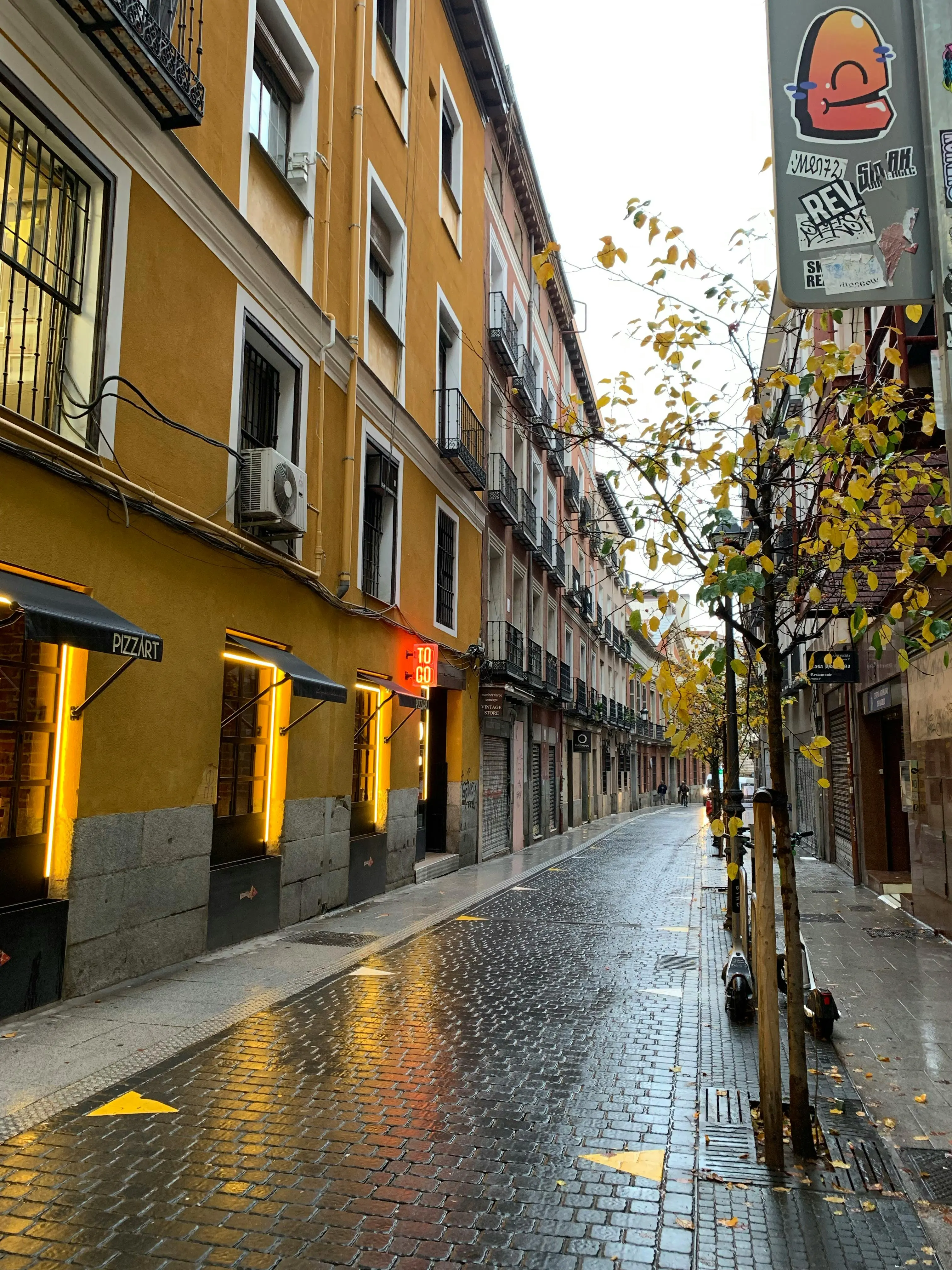
For example, rent in the Lavapiés neighbourhood runs roughly 30 to 40 percent below what you would pay in other major european cities like Berlin or Barcelona for a comparable one-bedroom flat. The Museo del Prado offers free hours from 6pm to 8pm Monday to Saturday, which means you can see Velázquez and Goya without spending a cent — something no equivalent museum in Paris or London matches.
Grocery prices in Madrid at a Mercadona or Lidl are roughly 20 to 30 percent lower than equivalent shops in Berlin or Amsterdam, which is one of the clearest ways to benchmark the city's actual cost of living.
Costs in Madrid: The Real Monthly Budget Breakdown
To live comfortably in Madrid in 2026, a single person typically needs between €1,500 and €2,000 per month — and that number is honest, not optimistic. Daily expenses excluding rent run approximately €820 per month for a single person; a family of four averages €2,938. The rent is where the budget either holds or breaks.
Average Daily Cost and Monthly Spending by Category
The average daily travel costs in Madrid shift depending on whether you're eating at the bar or at a table, taking the madrid metro or a taxi, and cooking half your meals or eating out entirely.
Groceries: €200–€300/month for one person — Mercadona and Lidl keep this at the lower end; Carrefour City stores near tourist zones push it higher
Eating out: menú del día runs €10–€15 for three courses and a drink at lunch — the same food costs €25–€35 as à la carte dinner at the same restaurant
Transport: a monthly public transportation pass costs €54 (or €32.70 with youth/senior discount) — covers every madrid metro and bus journey you'll make
Utilities: basic utilities for an average apartment run €85–€220/month depending on season — air conditioning in July and heating in January are the variance
The monthly utilities figure deserves attention: €80–€220 is a real range, not a hedge — a poorly insulated flat in January costs more than a modern one in May, and landlords rarely advertise which is which.
Average Daily Travel Costs: What the Numbers Actually Mean
The average daily cost figures only make sense when you know what's driving the difference between the budget and mid-range columns.
Budget level (€70–€120/day): hostel bed €20–€40/night, menú del día for lunch, self-catered breakfast, madrid metro for all transport
Mid-range level (€160–€275/day): private apartment or mid range hotels, one sit-down dinner, museums, occasional taxi — this is where most remote workers land
Single metro ticket: €1.50 — a tourist travel pass costs €8.40 for one day or €14.20 for two days, which only makes sense if you're crossing zone boundaries
A 10-trip Metrobús ticket costs €6.10 — if you're staying more than three days and not buying the monthly pass, this is the right option
The monthly pass at €54 pays for itself after twelve days of regular use — most remote workers hit that threshold by week two.
Mid range travelers spending €120 to €180 a night on hotels in Chueca or Salamanca will find Madrid genuinely affordable compared to Paris or Amsterdam at the same tier.
Category | Budget (per month) | Mid-Range (per month) | What Drives the Difference |
|---|---|---|---|
Accommodation | €600–€900 (shared flat or hostel) | €1,150–€1,950 (private 1-bed) | Neighbourhood, furnishing, lease length |
Food | €250–€350 (mostly self-catered + menú del día) | €450–€700 (regular dining out) | Bar vs. table pricing; tourist-zone markup |
Transport | €32.70–€54 (metro pass) | €54–€120 (metro + occasional Uber/taxi) | Zone coverage; how far you live from centre |
Utilities | €85–€120 | €150–€220 | Season, apartment age, included vs. separate |
Coworking/Cafés | €0–€80 (café-working, free WiFi) | €100–€200 (hot desk or dedicated coworking) | Membership type; daily pass vs. monthly |
Museums/Culture | €0–€20 (free museum hours) | €30–€80 (paid entry + events) | Timing — evening free access vs. paid daytime |
Total (excl. rent) | ~€450–€650 | ~€800–€1,200 | Eating habits drive this more than anything else |
Food Costs in Madrid: Where It's Genuinely Cheap and Where It Isn't
Madrid's food costs are low by European capital standards — but only if you understand how the pricing system actually works. Eating at the bar costs less than at a table. This is not a tip; it is how the pricing works, and it applies across most traditional bars and cafés in the city. A coffee at the bar: €1.20. The same coffee at a street table: €2.50. Over a month, that gap is €40.
Cheap Eats: The menú del día and Where to Find It
The menú del día is the structural reason food costs in Madrid stay manageable — three courses, bread, and a drink for €10–€15, available at lunch Monday through Friday at most neighbourhood restaurants.
Casa Toni near Plaza de Santa Ana — menú del día €13, reliable rotation of cocido and grilled fish, no English menu posted outside
El Brillante, Atocha — bocadillo de calamares €3.80, unreconstructed, always busy
Local bars in Lavapiés serve tapas at €2–€5 per dish, and several still offer free tapas with drink purchases — this is not guaranteed but common enough to factor in
Mercado de San Miguel near Plaza Mayor: attractive, expensive, built for tourists — the san miguel market is worth one visit for context, not for daily eating
The menú del día at €12 in Lavapiés and €18 in Salamanca is the clearest illustration of how neighbourhood choice affects food costs — that €6 gap, five days a week, is €120/month before you've made any other decision. Madrid has more budget friendly options for a proper sit-down meal than almost any other Western European capital — the menú del día at places like Casa Lucio's neighbourhood equivalents delivers three courses with wine for €12 to €14.
The San Miguel Market is worth one visit for the atmosphere, but locals use it the way Londoners use Borough Market — as a weekend treat, not a place to actually eat affordably.
Supermarkets, Self-Catering, and Where Grocery Costs Land
Madrid's food scene is genuinely affordable at the supermarket level — grocery costs for a single person run €200–€300/month, and the lower end is realistic if you're cooking most evenings at home.
Mercadona (multiple locations) — the benchmark for value; a week of basics for one person costs €35–€45
Lidl — cheaper on produce and dairy than Mercadona; less reliable stock on specific items
El Corte Inglés Supermercado — convenient in the city center, 20–30% more expensive than Mercadona for the same products
Local mercados municipales — Mercado Antón Martín in Lavapiés has fresh produce at honest prices; better than any supermarket for vegetables and fish
Eating out frequently in Madrid does elevate monthly costs, but the free activities and low transport costs offset it in a way that doesn't happen in other European capitals — the city is structured so you spend less just by moving through it.
The Mercado de San Ildefonso in Malasaña charges reasonable prices for pintxos and wine compared to equivalent market halls in Paris or Amsterdam, where the same spread would cost you a third more. The tapas bars along Calle Cava Baja in La Latina still serve a free tapa with every drink, which means a €2.50 caña effectively comes with lunch if you order three rounds.
The Mercado de San Miguel is beautiful but priced for tourists — a single vermouth and pintxo round can hit €10, which is three times what you'd pay at a neighbourhood bar two streets away.
Accommodation and Housing: What Madrid Rent Actually Costs in 2026
Housing is the most significant expense in Madrid, and it's where the city's affordability narrative gets complicated. Rent prices indicate that Madrid is 25% more expensive than the Spanish national average — which means it's cheap relative to Paris, expensive relative to most of Spain, and the number moving fastest year over year.
Budget Hotels, Hostels, and Short-Stay Options
For anyone arriving before committing to a longer lease, the short-stay market in Madrid offers more range than most european capitals at the budget end — but the floor is rising.
Budget friendly hostels: €20–€40/night in dorms — Cats Hostel near Puerta del Sol is the most social option; the location adds convenience but not quiet
Budget hotels (private room, en suite): €50–€100/night — for budget conscious visitors, this is the realistic floor for privacy in a central location
Mid range hotels: €100–€180/night — hotel prices at this level typically include breakfast, which changes the daily food cost calculation
Affordable hotels outside the centre (Carabanchel, Vallecas): €55–€85/night — quieter, 15–20 minutes on the madrid metro, noticeably cheaper than the equivalent near puerta del sol
Budget conscious visitors who book affordable hotels two or more weeks in advance consistently pay 20–30% less than those booking within a week — madrid hotel prices respond to short-notice demand faster than most comparable european cities.
Long-Term Rent: What the Numbers Look Like Neighbourhood by Neighbourhood
A one-bedroom apartment in the city center averages €1,339 — but that figure is almost meaningless without the context that units outside the centre run €925–€1,150, and some residents are spending over 50% of their earnings on housing in central neighbourhoods.
Malasaña / Chueca: 1-bed €1,300–€1,700/month — high demand, short supply, lease competition is real; Explore Malasaña in our neighbourhood guide
Lavapiés: 1-bed €1,050–€1,350/month — the most affordable walkable-to-centre option; older buildings, fewer modern amenities
Salamanca: 1-bed €1,600–€2,200/month — the premium is for the postcode and the building quality; not justified for most remote workers
Arganzuela / Carabanchel: 1-bed €900–€1,200/month — real value if you're on the madrid metro Line 3 or 5; 12–18 minutes to Sol
For anyone planning to visit madrid for more than three weeks, moving directly into a furnished apartment rather than staying in mid range hotels past the first week is where the biggest single saving comes from — the monthly rent on a fully furnished apartment in Madrid consistently undercuts a hotel rate once you pass the 21-day mark.

Budget friendly hostels in Malasaña and Gran Vía typically run €18 to €28 per night for a dorm bed, which is cheaper than equivalent hostels in Lisbon or Rome during peak season. The average price for a one-bedroom apartment rental in Lavapiés sits around €900 to €1,100 per month in 2024, which is less than half what the same flat would cost in central Barcelona or Amsterdam.
El Retiro Park, Free Attractions, and the Cultural Cost of Living
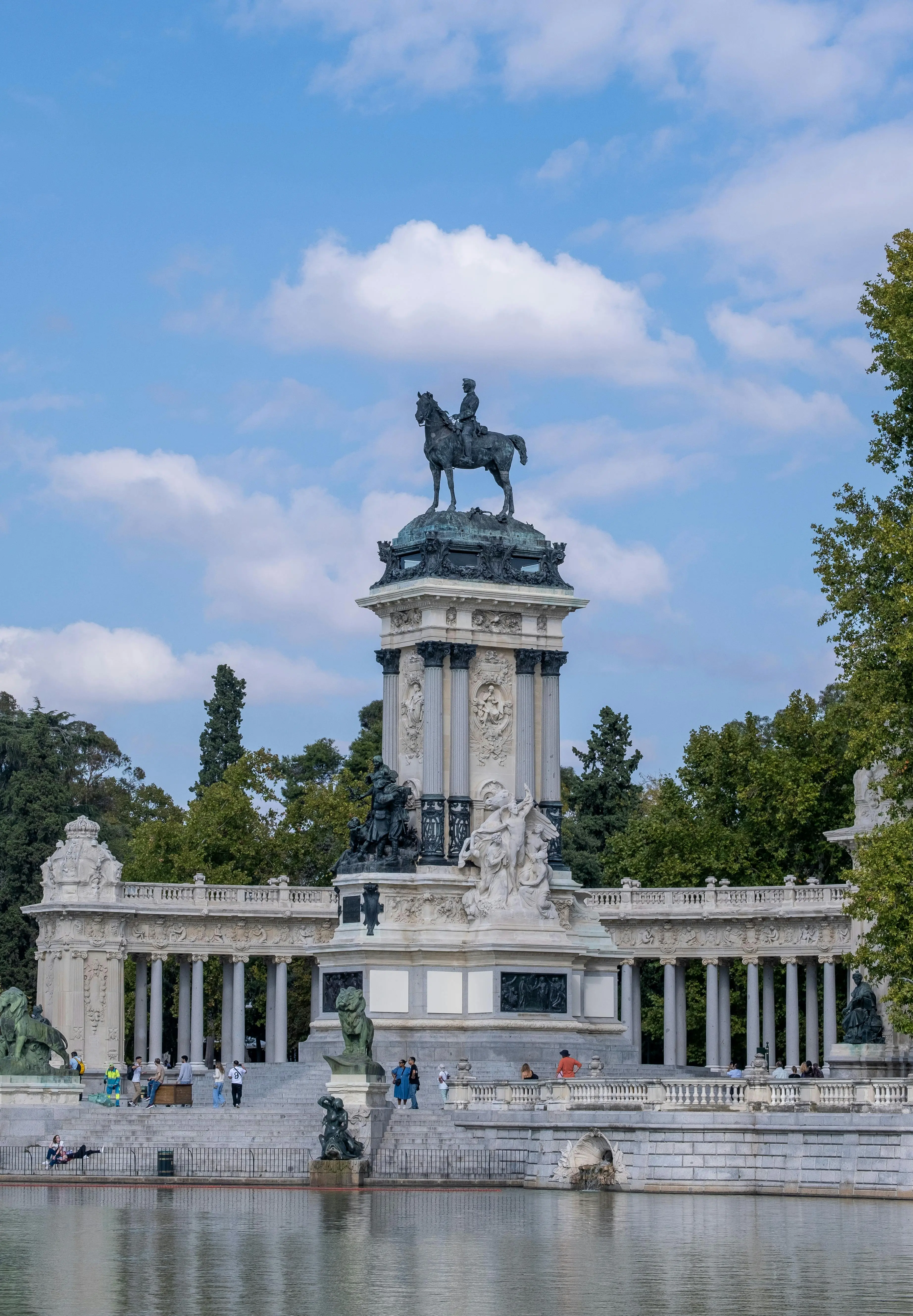
El retiro park is free, open daily, and large enough that you can spend a full working morning there without seeing the same path twice — it is one of the structural reasons that costs in madrid for culture and leisure run lower than in cities without equivalent public space.
El Retiro Park — free entry, rowing boats on the lake at €6/30 minutes; el retiro park gets fewer crowds on weekday mornings before 10am
Museo del Prado — free museum hours Monday–Saturday 6–8pm, Sunday 5–7pm; the museo del prado is one of the world class museums where free access is genuinely worth planning around
Museo Reina Sofía — free Monday, Wednesday–Saturday 7–9pm, Sunday 1:30–7pm; world class museums with no admission cost two evenings a week
Royal Palace — €12 standard entry; free for EU citizens on certain dates — worth verifying before you pay
A free walking tour of the historic centre — departing daily from Puerta del Sol — covers the royal palace, plaza mayor, and plaza de santa ana in around two hours; the free walking tour operates on a tip basis and runs better in the morning before puerta del sol fills with midday foot traffic, so if you want fewer crowds and a guide who isn't competing with ambient noise, go at 10am rather than noon.
How Seasonal Timing Changes What You Actually Pay in Madrid
Madrid is not expensive year-round in the same way — it is expensive when everyone else decides to go. Time your trip to madrid correctly and the same apartment, the same restaurant, and the same flight cost noticeably less. Get it wrong and you are competing with school holidays and European long weekends for everything.
Peak Season Versus the Rest of the Year
Prices rise sharply from late June through August and again over Easter week — these are the two windows where budget friendly options shrink fastest and availability follows.
July–August flights from London or Paris: €180–€300 return versus €60–€120 in October or February
Central one-bedroom short-term rental during peak season: €120–€160 per night versus €65–€90 in November
Semana Santa (Holy Week): hotels around gran vía book out six to eight weeks ahead — short-term rental inventory drops in the same window
May and October are the practical sweet spots — warm enough to eat outside, cheap enough that you are not paying a premium for the privilege
The price gap between peak and shoulder season on a two-week trip to madrid can exceed €400 per person on accommodation and flights alone — that is not a marginal difference.
How Long You Stay Determines Your Daily Cost
The daily cost of a trip to madrid falls significantly once you cross the two-week mark, because the fixed costs — flight, transit card, SIM — stop being daily costs and start being one-time costs.
One-week stay: fixed costs represent roughly €35–€50 per day before food or rent
One-month stay: same fixed costs average out to €10–€15 per day — the monthly metro pass at €54 is the clearest example
Fully furnished monthly rental versus nightly hotel: the furnished apartment wins financially from day 21 onwards without exception
Cooking at home three nights a week saves €15–€25 per week compared to eating out every meal — small per trip, meaningful per month
Visiting Madrid in November rather than July can cut your travel budget by €200 or more on accommodation alone, since hotel rates in the centre drop sharply once the summer tourist peak ends.
Whereas visiting Madrid in November or February instead of July means you can save money on flights and hotels — the same Airbnb near Malasaña that costs €120 a night in summer drops to €70 in low season.
Madrid rewards people who stay longer — the city's pricing structure is genuinely built around monthly residents, not weekly visitors, and the numbers reflect that once you do the arithmetic.
Where You Eat and Drink Determines More of Your Budget Than Where You Sleep
Food spending in Madrid has more range than accommodation spending — you can eat well for €10 or spend €60 for the same nutritional result two streets apart. The decision is almost entirely about which streets you choose and what time you sit down.
The Menú del Día Is the Structural Saving Most Visitors Miss
Spanish cuisine builds the menú del día into the working day, and using it the way locals do — at lunch, not dinner — is the single most effective thing you can do to manage meal prices without eating badly.
Taberna La Daniela — menú del día €14.50, multiple courses including wine; traditional cocido madrileño available on the fixed menu
Casa González — lunch set €13, Spanish cuisine with a strong charcuterie focus; busiest between 2pm and 3:30pm
Bar La Campana in la latina — menú del día €11, three courses, standing room at the bar costs less than a table seat
Meal prices for the same menú del día: €11–€12 in Lavapiés and la latina versus €17–€22 in Salamanca — same format, same portions, different postcode
Eating lunch as your main meal and keeping dinner light — a bocadillo from a local bar, or free tapas with a drink in the right neighbourhoods — is how madrid stacks up as genuinely affordable rather than just cheaper than Paris in theory.
Drinking in Madrid: What Free Tapas Actually Means for Your Budget
In parts of Madrid — particularly la latina and some local bars in Lavapiés — ordering a drink still comes with free tapas, which functionally turns a €2.50 local beer into a light meal if you order two rounds.
El Tigre — local beer €3.50, comes with a loaded plate of free tapas; go before 8pm to avoid the queue
Taberna Txirimiri — pintxos from €2 each; a tapas tour through la latina can cost €15–€20 total per person if you stay disciplined about ordering
Local bars off the tourist circuit in la latina charge €2–€3 per caña versus €5–€6 around gran vía — the extra cost of the wrong neighbourhood adds up over a week
Wine at local restaurants runs €2–€3 a glass at the bar; the same glass at a restaurant table in the historic center runs €5–€7
A tapas tour through la latina on a Friday evening — three stops, two drinks each — costs €30–€40 per person and doubles as dinner; the same evening in the tourist corridor around gran vía costs twice that for half the food.
Getting Around and Getting Out: Transportation Costs and Day Trips
Local transportation in Madrid is priced well below what comparable European capitals charge — but only if you buy the right pass. Getting it wrong means paying per-journey rates that quietly inflate your weekly spend.
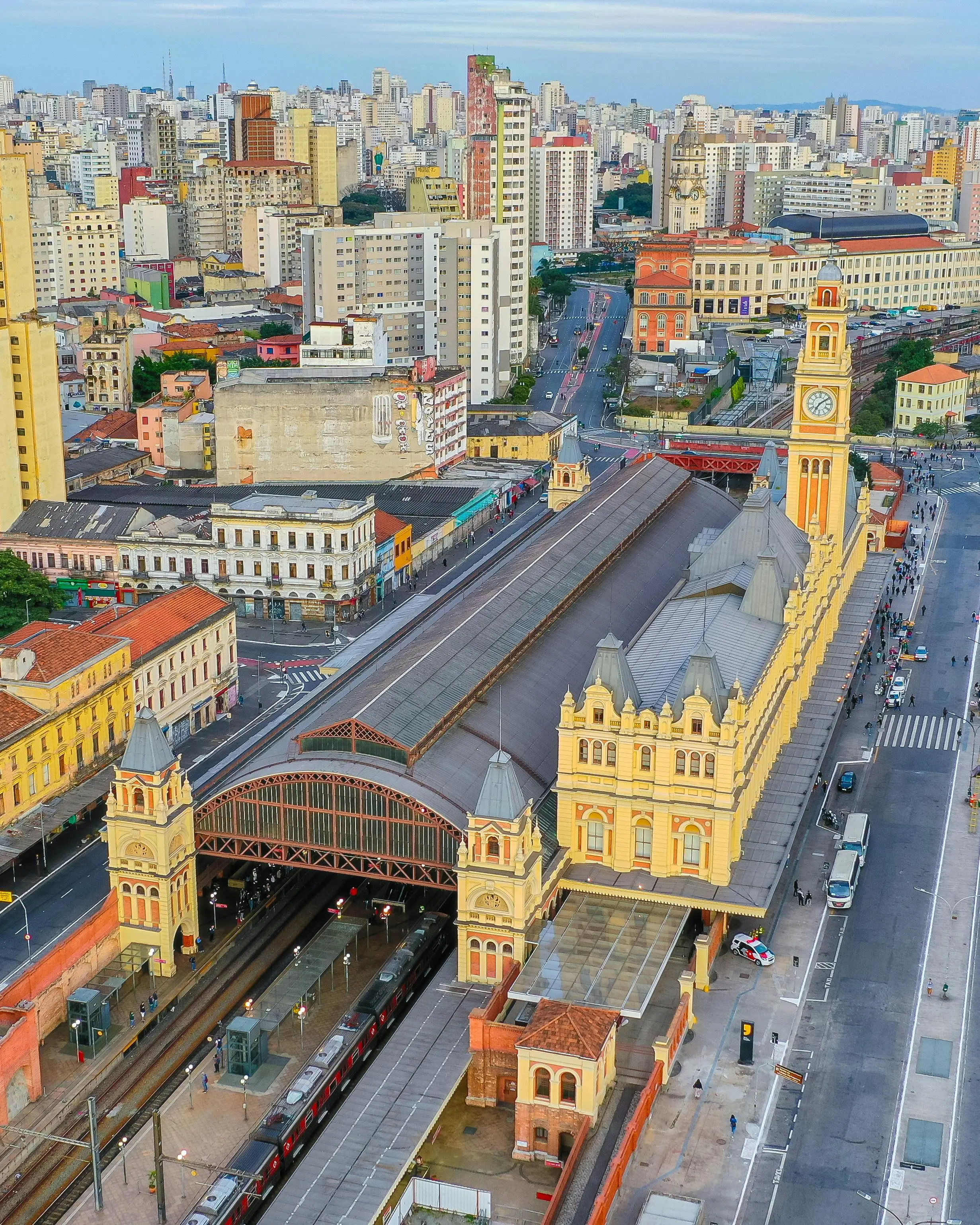
Budget Friendly Madrid Metro and Bus Options
The madrid metro is the most cost-efficient way to move around spain's capital, and the monthly card eliminates any reason to think about transportation costs on a daily basis.
Monthly Abono Transporte (Zone A): €54, unlimited metro and bus within the city — the only pass worth buying for stays over two weeks
10-trip Metro card: €11.35, valid within Zone A — good for shorter stays where a monthly pass doesn't break even
Single metro journey: €1.50–€2 depending on zones — fine for two trips a day, poor value for five
Airport line (Line 8) surcharge: €3 extra on top of any ticket — budget this in before your first journey; it catches almost everyone once
The monthly pass covers every journey you will realistically take within Madrid — after day two you stop doing the mental arithmetic entirely, which is its own kind of value.
Day Trip Costs: Toledo, Segovia, and El Escorial
Madrid's position in central Castile makes it one of the better-placed cities in Europe for a day trip — Toledo, Segovia, and El Escorial are all under an hour away by train, and each costs less than a museum ticket in London.
Toledo by Renfe high-speed — return from €22, journey 33 minutes from Atocha; Toledo's historic center is walkable from the station in 20 minutes uphill
Segovia by Avant train — return from €20, journey 27 minutes; the aqueduct and Alcázar are both free entry from the outside — the Alcázar interior costs €5.50
El Escorial by Cercanías — return €8.60, journey 55 minutes; the monastery complex charges €12 entry but free entry hours exist on Wednesdays for EU citizens
Bring lunch from Madrid for any day trip — meal prices in Toledo's tourist center run 30–40% higher than equivalent local restaurants in Madrid
Madrid's metro fare of €1.50 per single journey is significantly lower than other European cities like London (£2.80) or Paris (€2.15), and the ten-trip Metrobus card brings it down further to around €1.20 per ride.
A day trip from Madrid to any of these three destinations costs €20–€35 total including transport and entry fees — that is a full cultural day for less than a single theatre ticket in most northern European cities.
What Madrid's Free Cultural Attractions Actually Cost You in Time
The cultural attractions in Madrid that operate on free entry hours require planning, not luck — the prado museum free entry window is 90 minutes and it fills up, so arriving at 5:45pm on a weekday is not the same as arriving at 6:30pm.
Prado Museum — free entry hours Monday–Saturday 6–8pm, Sunday 5–7pm; queue forms by 5:30pm on Fridays — go earlier in the week
Crystal Palace in Retiro Park — always free entry, no booking required; the crystal palace hosts rotating contemporary art exhibitions and is genuinely worth an hour
Museo Thyssen-Bornemisza — free entry hours Monday 12–4pm only; smaller window than the Prado but far shorter queues
CaixaForum Madrid — permanent collection free entry, temporary exhibitions €6; a consistent free entry option near the Paseo del Prado museum corridor
Building your week around free entry hours does not feel like budgeting — it feels like knowing the city, which is the better framing for hat madrid's cultural infrastructure actually offers when you use it correctly.
Is Madrid Expensive? The Honest Summary
What Madrid Actually Costs Per Month
The numbers are specific enough that you can run a real budget before you book anything.
Furnished one-bedroom in a central neighbourhood: €1,200–€1,600 per month
Food: €400–€600 per month, using the menú del día and cooking occasionally
Transport: €54 per month
Total for a comfortable, centrally located life: roughly €1,800–€2,400 per month
That is not austerity living and it is not luxury — it is a full life in a capital city at a price most Western European capitals will not offer you.
Your travel style determines your Madrid budget more than the city itself does — someone eating the menú del día and using the Madrid Metro will spend €60 a day where a hotel-and-rooftop-bar visitor spends €250.
Spain's vibrant capital remains one of the few major European cities where a sit-down lunch with wine still costs under €15 at a proper restaurant, not just a canteen.
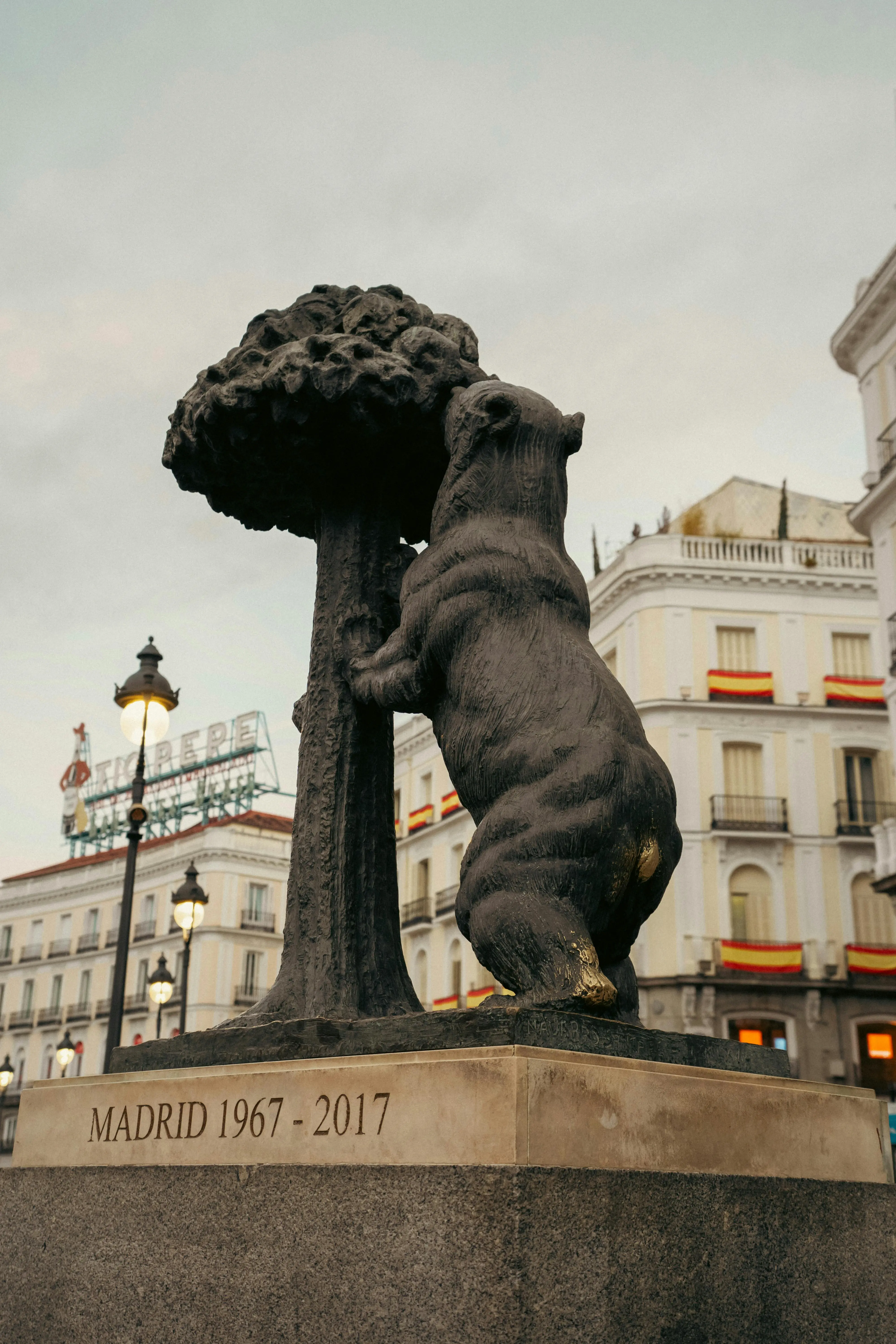
How Madrid Compares to Other European Cities
Madrid sits in a specific band of European cities — meaningfully cheaper than the west, meaningfully more expensive than the east — and knowing exactly where it lands saves you from the wrong expectations.
Cheaper than: Paris, Amsterdam, and London by a gap that is real when you put specific numbers against it
More expensive than: Tbilisi and Sofia, which remain the cheapest bases available in Europe
Comparable disadvantage versus Lisbon: Lisbon in 2018 was cheaper, but that version of Lisbon no longer exists
What you get that cheaper cities don't offer: reliable transport, serious museums, good restaurants, and strong international flight connections
If your calculation is living well rather than just surviving on a budget, Madrid competes with almost nothing else in Western Europe at this price point.
Most of Madrid's major attractions — the Museo del Prado, the Reina Sofía, and El Retiro Park — are either free on certain days or under €15, which puts the city well below London or Paris for sightseeing costs.
Who Madrid Is and Isn't Right For
Madrid is a strong fit for a specific type of remote worker, and an honest mismatch for another — and it is worth being clear about which one you are before you commit.
Good fit: remote workers who want capital-city infrastructure without capital-city pricing
Poor fit: anyone optimising purely for the lowest possible cost of living in Europe
Strong alternative if cost is the only variable: Tbilisi or Sofia will go further on the same budget
Worth exploring before you decide: fully furnished apartments in Spain give a concrete sense of what your money gets you
The people who regret choosing Madrid are usually the ones who needed Tbilisi's prices but talked themselves into a Western European city anyway.