Sophia
Wellbeing & Living Editor ·
Madrid rewards the people who plan it properly and punishes the ones who show up and figure it out as they go. The rental market is running at historic price highs, the bureaucracy has real teeth, and the city's social rhythms are genuinely different from what most northern Europeans or Americans are used to.
None of that means it's the wrong move — it means it's a move worth making with clear eyes. This guide covers:
What relocating to Madrid actually costs, month by month
Which neighbourhoods suit remote workers, families, and solo expats — and which don't
The legal and bureaucratic steps you cannot skip
How to find housing in a fast-moving rental market
What daily life feels like once you've settled in
What nobody tells you until it's too late
The Real Cost of Relocating to Madrid
Madrid is cheaper than London, Paris, or Amsterdam — but it's no longer the bargain it was five years ago, and if you're budgeting on old numbers you'll land in trouble fast. The cost gap between neighbourhoods is wide enough to change your entire financial picture, so where you decide to live is the first budget decision, not an afterthought.
Monthly Living Costs: What to Actually Plan For
The numbers vary significantly depending on whether you're moving solo, as a couple, or with a family — and they vary even more depending on which part of the city you're in.
A one-bedroom apartment in central Madrid runs €1,000–€1,800 per month; two-bedroom apartments average around €1,700 — and those prices are currently at historic highs
Sharing a flat costs roughly €400–€600 per month, which is how most people in their twenties make the city affordable
Utilities — electricity, water, gas — add €100–€150 on top of rent for a standard apartment
A single expat needs roughly €1,500–€2,500 per month all-in for comfortable living; a family of four should budget €3,500–€5,000
Groceries run around €300 per person per month if you're shopping well — and a Menú del Día at lunch, which costs €12–€15 and includes a starter, main, dessert, and drink, is one of the genuinely good deals that makes daily life here feel sustainable.
Transport, Storage, and One-Off Relocation Costs
The Madrid Metro monthly pass costs €55 for the central zone — after day two you stop doing the mental arithmetic and just use it.
Moving companies for an international relocation vary widely; get three quotes and ask specifically about customs clearance if shipping from outside the EU
Short-term storage for your belongings while you find permanent housing typically runs €50–€150 per month depending on volume
Budget €500–€1,000 for the initial bureaucratic costs: NIE application, document apostilles, certified translations, and opening a Spanish bank account
Setting a hard budget for the moving process before you begin is the single best thing you can do — unexpected costs cluster at the start
The relocation itself is a one-time cost spike; the month-to-month rhythm is what you'll actually live inside, and it's manageable once you're past the initial outlay.
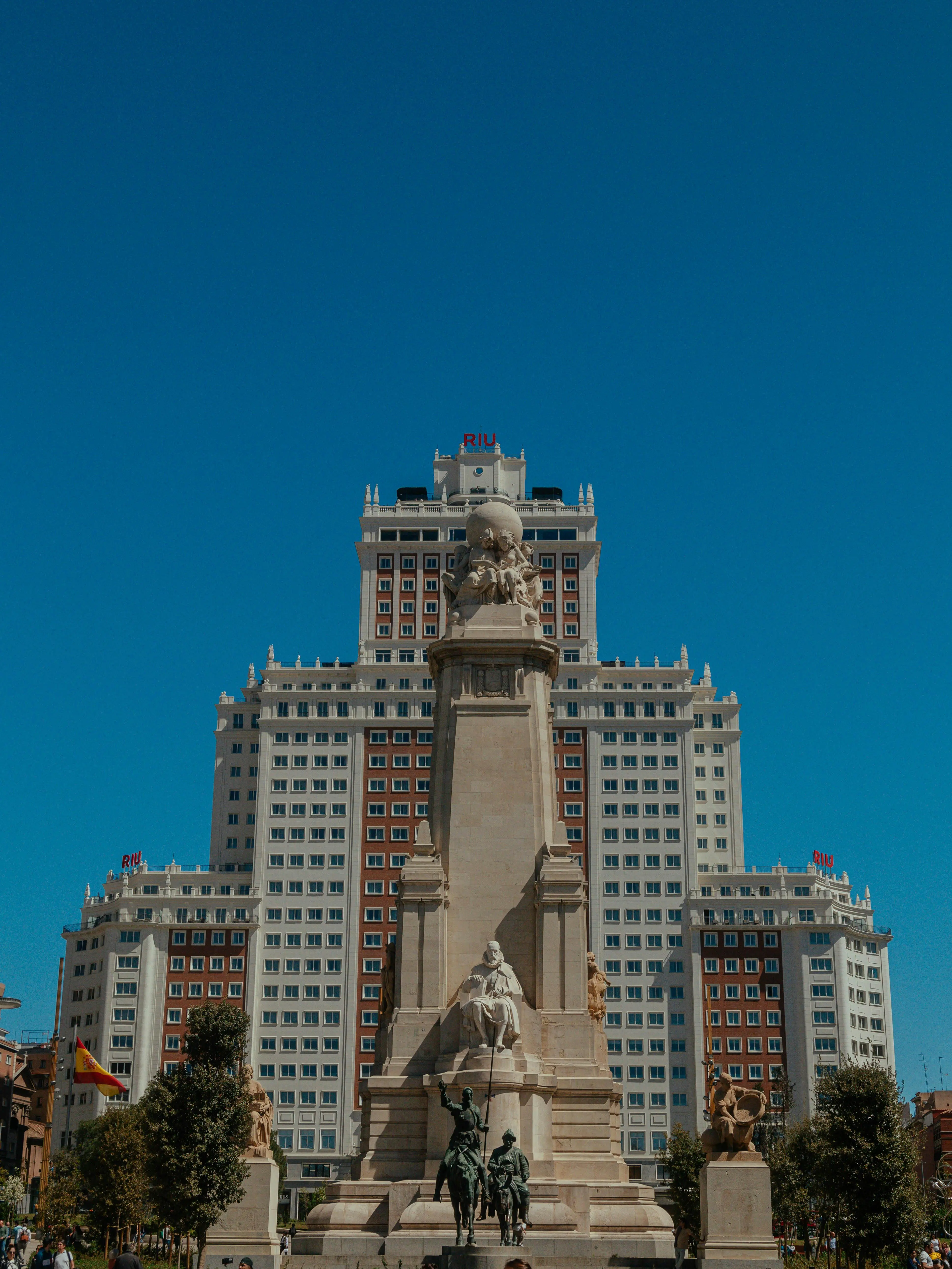
Budget at least €3,000 upfront to establish yourself in Madrid — two months' deposit on a Chueca flat plus agency fees and utility connection costs will absorb most of that before you unpack a single box.
Choosing Your New Location: Madrid's Neighbourhoods Compared
Madrid doesn't have bad neighbourhoods in the sense of being unsafe — it has neighbourhoods with fundamentally different personalities, and picking the wrong one for your life makes every day a small friction. The gap between Salamanca and Lavapiés isn't just a rent difference; it's a different city.
Neighbourhood | Monthly Rent (1-bed) | Vibe | Best For | Key Advantage |
|---|---|---|---|---|
Salamanca | €1,400–€1,800 | Upscale, quiet | Professionals, families | Best schools, safest streets |
Malasaña | €1,100–€1,500 | Creative, noisy | Solo remote workers | Dense café culture, central |
Chamberí | €1,100–€1,400 | Traditional, local | Families, longer stays | Residential without being remote |
Lavapiés | €800–€1,100 | Diverse, loud | Budget-conscious solo expats | Cheapest central option |
La Latina | €900–€1,200 | Historic, social | Short-to-mid stays | Walk to everything |
Chueca | €1,100–€1,500 | Energetic, social | Younger remote workers | Best bar density in Madrid |
Salamanca: The New Location for Families and High Earners
Salamanca is where you go if quiet streets and good schools are non-negotiable — it costs more, and that cost buys you something real.
American School of Madrid — international curriculum, English-medium, essential context for families with children who need continuity
Rent at the top of the city's range: €1,400–€1,800 for a one-bedroom, but apartments are larger and buildings better maintained
Mercado de la Paz — the neighbourhood's daily market, high-quality produce, €5–€15 for a week's basics
Quieter after 9pm than anywhere else in central Madrid — which matters if your household runs on northern European hours
If you're relocating with a family and employment income that supports it, Salamanca removes more daily friction than anywhere else in the city — but go in knowing it trades away the social energy that makes Madrid worth moving to in the first place.
Browse Madrid homes near this area
Malasaña and Chamberí: Where Most Remote Workers End Up
Malasaña works because the café density is high, the rent is still just below Salamanca, and you can walk to Puerta del Sol in under 20 minutes — Chamberí is the quieter version of the same idea, and it suits people who want a neighbourhood that feels genuinely local.
Toma Café, Malasaña — widely considered one of the best specialty coffee spots in Madrid, €3–€4 per cup, gets loud after 11am
Monday Cibeles — day pass €15, well-located for the Malasaña–Chueca corridor, reliable WiFi
Chamberí one-beds run €1,100–€1,400; the neighbourhood around Plaza de Olavide has better local amenities than most tourist maps suggest
Malasaña is genuinely loud on Thursday through Saturday nights — if your bedroom faces the street, budget for earplugs or look one block back from Gran Vía
Most people who try Malasaña for a month and move to Chamberí aren't retreating — they're just calibrating to what they actually need once the novelty of the new place has worn off.
Retiro's position directly on Metro Lines 1 and 9 puts you 12 minutes from Atocha and 18 minutes from Nuevos Ministerios, which makes it one of the most strategically connected residential districts in the city.
Explore Malasaña in our neighbourhood guide
Legal Steps and Word Forms: The Bureaucratic Reality of Relocating
Spain's bureaucracy is not hostile, but it is slow, and it requires things in a specific order — arrive without the right paperwork and you can't sign a lease, can't open a bank account, and can't access public healthcare. This is the part of the moving process most people underestimate.
Visas, NIE, and What Non-EU Citizens Must Know
Non-EU citizens cannot land and then figure out their visa — you must secure the right long-term visa before you leave your current home country.
Digital Nomad Visa: designed for remote workers with non-Spanish employers or clients, requires proof of income above a threshold (currently around €2,334/month), and takes 1–3 months to process
Non-Lucrative Visa: for those with passive income or savings, not for people with a new job offer in Spain — requires proof of sufficient funds
NIE (Número de Identificación de Extranjero): without this, you cannot sign a lease, open a bank account, or receive a paycheck — apply at the nearest Spanish consulate before relocating
Every official document — birth certificates, marriage certificates, criminal record checks — must be apostilled and translated into Spanish by a certified translator before you arrive
EU citizens have a simpler path, but they still need to register for a residence certificate within three months; skipping this step creates problems later when applying for anything official.
Spain's state health system, the Sistema Nacional de Salud, becomes accessible once you are registered on the Padrón Municipal at your local Madrid Ayuntamiento office — a step most expats delay and then regret when they need a GP appointment.
Empadronamiento and How Businesses Relocate Staff to Spain
Registering your address at the local town hall — called Empadronamiento — is not optional; it's the step that unlocks public healthcare, school enrolment for children, and a range of legal resident services.
Book your Empadronamiento appointment at your local Ayuntamiento de Madrid office — bring your passport, visa, NIE, and a signed lease or utility bill as proof of address
Companies that help employees relocate to Madrid — relocation services — handle these steps on behalf of their employees, including schooling logistics and local culture orientation; worth asking your employer if this is part of the package
Rent controls in Spain are real: annual increases on existing contracts are tied to the IRAV index, currently capped at 2.14% — this protects you once you're in, but it doesn't help with finding the initial new house
Petty crime — pickpocketing specifically — is common around Puerta del Sol and Plaza Mayor; keep phones in front pockets and leave laptops at home when you're in tourist-heavy areas
Getting your Número de Identificación de Extranjero (NIE) within the first 30 days is vital — without it, you cannot sign a lease, open a bank account at CaixaBank, or register for Spain's public health system.
The paperwork sequence matters more than the individual steps — NIE before lease, lease before Empadronamiento, Empadronamiento before healthcare registration — and understanding that order is what separates a smooth transition from a three-month administrative nightmare.
Finding a New Home: Housing in Madrid's Competitive Rental Market
The rental market in Madrid is fast and it is not forgiving — flats at honest prices get applications within 24 hours, and if you're trying to locate something furnished, available immediately, and in a specific neighbourhood, you are competing with a lot of other people doing exactly the same thing.
How to Find Housing Before and After You Arrive
Visiting Madrid before you commit to a lease isn't a luxury — it's how you avoid signing a contract in a neighbourhood that doesn't suit how you work or live.
Idealista — the dominant Spanish rental platform, listings updated daily, set alerts for your target neighbourhood and be ready to respond within hours
RentRemote — better for furnished, mid-term rentals and digital nomads who are unable to view in person before committing but need verified workspaces on their slowcation
Book a short-term furnished apartment for your first two to four weeks — this gives you time to explore the new area properly before signing anything long-term
Landlords typically require one to two months' deposit plus first month's rent upfront, a valid NIE, and proof of income — have all three ready before you start viewing
The families and solo expats who struggle most with Madrid housing are the ones who arrive with flexibility but no preparation — speed and documentation win here, not patience.
Always discuss the exact furnishing inventory with your landlord before signing in Madrid — what counts as a furnished flat in Chamberí can mean anything from a full kitchen to a single mattress and a broken wardrobe.
Furnished Apartments and the Settling-In Period
A fully furnished apartment for your first month isn't just convenient — it removes the single biggest source of stress during the settling-in period, when you're simultaneously dealing with bureaucracy, a new job or client schedule, and the basic orientation of a different city.
Fully furnished apartments in Madrid — RentRemote listings are pre-verified, available on flexible mid-term leases, and located in neighbourhoods where remote workers already work well
Expect to pay a 10–20% premium over unfurnished long-term rentals for a furnished flat — that premium covers the absence of a €1,500 IKEA run in your first week
Storage for belongings you've shipped but can't yet place in permanent housing runs €50–€150 per month — cheaper to ship less and buy locally for the first round
Chamberí and Malasaña have the best density of furnished mid-term rentals; Salamanca has the fewest because most long-term tenants there sign unfurnished and commit for years
Your first address in Madrid doesn't need to be your last one — most people who relocate here move once within the first six months as their sense of the city sharpens and their actual daily patterns become clear.
The Practical Side of Relocating to Madrid: Visas, Banking, and Getting Registered
Spain's bureaucracy doesn't punish you for being a foreigner — it punishes you for arriving without the right documents in the right order. Do the research before you land, not after.
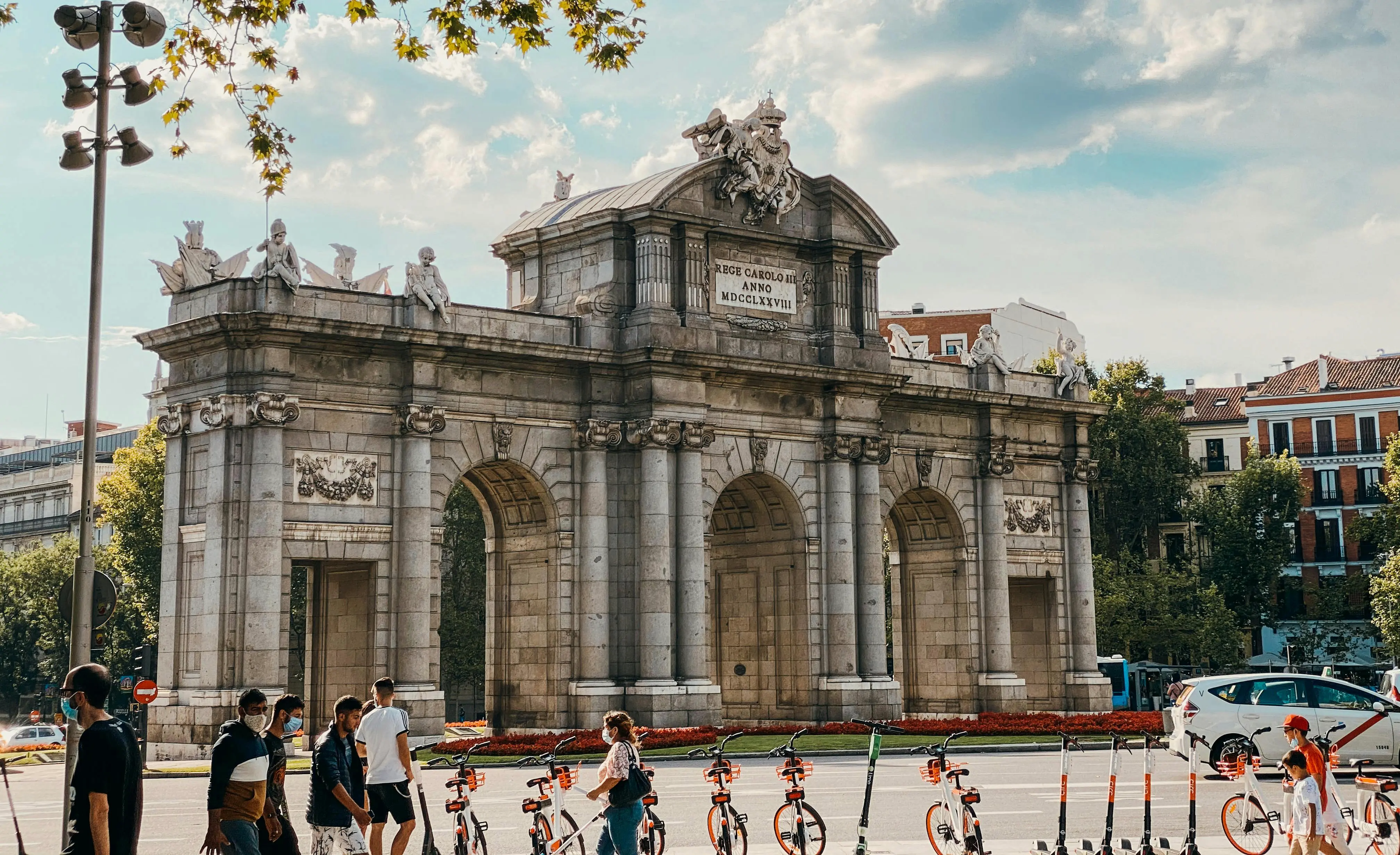
Which Visa You Actually Need
Most people moving to Madrid fall into one of three categories, and getting your category wrong at the start costs months, not days.
EU/EEA nationals — no visa required, but you must register at the Oficina de Extranjeros within three months and obtain a certificate of EU citizen registration (costs around €12, takes one appointment)
Non-EU remote workers with foreign income — the Spanish Digital Nomad Visa (introduced in 2023) is the right instrument here; it requires proof that at least 80% of your income comes from clients or companies outside Spain, and a minimum monthly income of roughly €2,160
Individuals transferring with a firm that has European headquarters or a Spanish entity — ask your employer's HR team whether you qualify for an intra-company transfer permit before making any other visa move
The Non-Lucrative Visa suits those with passive income or savings; you must prove roughly €28,800 in accessible money per year (add €7,200 per dependent spouse or child) and you cannot work for Spanish clients under it
If you are relocating from Houston or Denver and have a spouse who also works remotely, check whether both of you are eligible under the same visa category — the Digital Nomad Visa can cover a main applicant plus dependants, but the income threshold applies only to the primary holder.
Preparing a folder with your passport, last three pay slips, and a bank reference letter before you start viewing flats in Malasaña will save you at least a week, because landlords in central Madrid drop units within 48 hours of listing them.
NIE, Empadronamiento, and the Order That Matters
The NIE (Número de Identificación de Extranjero) is your tax identification number, and almost nothing else in Spain — bank accounts, rental contracts, phone plans — moves without it.
Apply for your NIE at the Comisaría de Policía Nacional in Chueca — book online via the Sede Electrónica at least three to four weeks in advance; walk-ins are not accepted
Empadronamiento (municipal registration at your local Oficina del Padrón) comes after you have a fixed address — even a short-term furnished rental works as your registered address for this step
Banking: Openbank and N26 accept NIE plus empadronamiento certificate and process applications digitally — useful when you need an account before your permanent flat is set up
The full sequence — NIE appointment, address, empadronamiento, bank account — takes three to six weeks if you move through it in order; skip a step and the timeline doubles
The people who find this process least stressful are the ones who treat the first two weeks as admin weeks and don't try to also be touring the city, attending work calls, and negotiating leases simultaneously — pace it.
Madrid's Atocha station connects you to Valencia in 90 minutes and Barcelona in under three hours, which means you can cover nearly any city — or even country — in Southern Europe for a weekend without touching an airport.
Daily Life in Madrid: What Actually Changes When You Live Here
Adjusting to Madrid isn't difficult — but it is a genuine shift in rhythm, and the sooner you stop fighting the city's schedule and start working with it, the easier everything becomes.
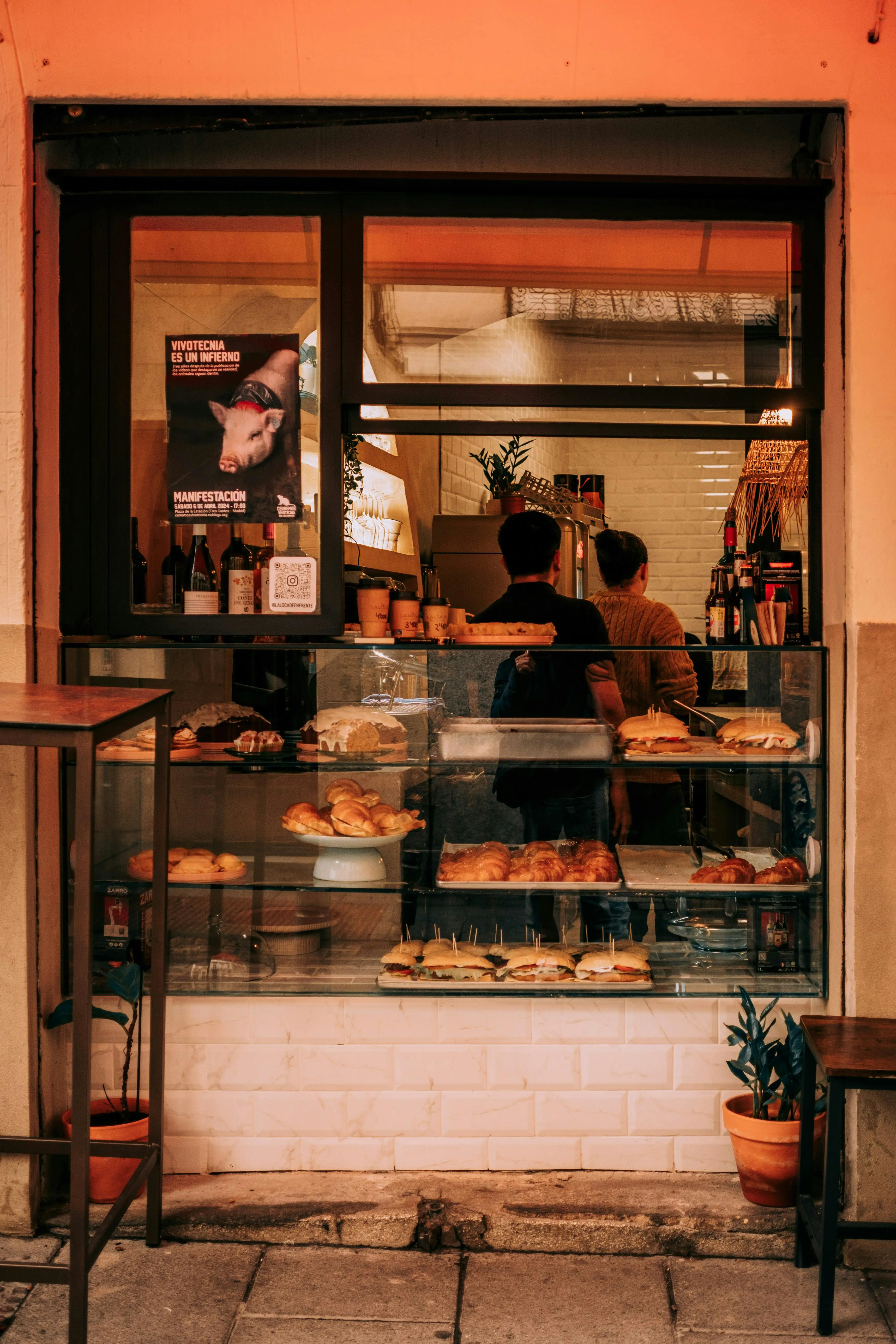
The Schedule Is Not a Stereotype
Madrid's timetable is real, and it has a direct impact on how you structure your working day.
Lunch runs from 2pm to 4pm — this is when locals eat, when the Menú del Día is served (€12–€15 for three courses plus drink at places like Taberna El Sur in Lavapiés), and when the streets briefly empty
Dinner before 9pm marks you as a tourist; kitchens at most neighbourhood restaurants don't fully open until 9:30pm — plan your work blocks around this, not against it
The Madrid Metro runs until 1:30am on weekdays and 2:30am on weekends — meaning a late dinner near Plaza de Santa Ana doesn't require a taxi home
Shops and banks follow a midday break pattern — many close between 2pm and 5pm, making late morning the window for admin, not post-lunch
After three weeks, this schedule stops feeling foreign and starts feeling efficient — the long evening simply means the useful hours of the day are longer, not that the day is wasted.
Mercado de San Miguel charges prices aimed squarely at tourists, but the vendors at Mercado de Maravillas on Calle Bravo Murillo serve local customers and charge roughly 40% less for the same fresh produce.
Healthcare, Gyms, and the Practical Infrastructure
Spain's public healthcare system (ESP — Equipo de Salud Primaria, meaning your local health centre) is accessible once you are registered, and the quality for non-emergency care is solid.
Register with your local centro de salud after completing empadronamiento — bring your NIE, registration certificate, and passport; wait times for a GP appointment run two to five days
Private health insurance from Sanitas costs €60–€120 per month for a healthy adult under 40 and is worth it for faster specialist access and English-language consultations
Be Cycling in Chamberí — €45/month, well-equipped, not overcrowded before 8am or after 8pm
BiciMAD (Madrid's public e-bike scheme) costs €25 for an annual subscription — useful for the 2–3km gaps between Metro stations in Malasaña and Chamberí
Madrid's tech and finance sectors are concentrated around the Cuatro Torres business district, so if your career is in either field, living in Chamartín or Hortaleza cuts your commute to under 20 minutes on the Metro Line 10.
Healthcare registration isn't something to put off — the process takes a single morning and means you're covered from a place you actually live in, rather than relying on travel insurance that was designed for a two-week visit.
What Moving to Madrid Actually Costs: A Honest Monthly Budget
The money question is the one most guides answer with averages that don't reflect where you'll actually live or how you'll actually work. These figures are based on real mid-term rental markets and current neighbourhood pricing.
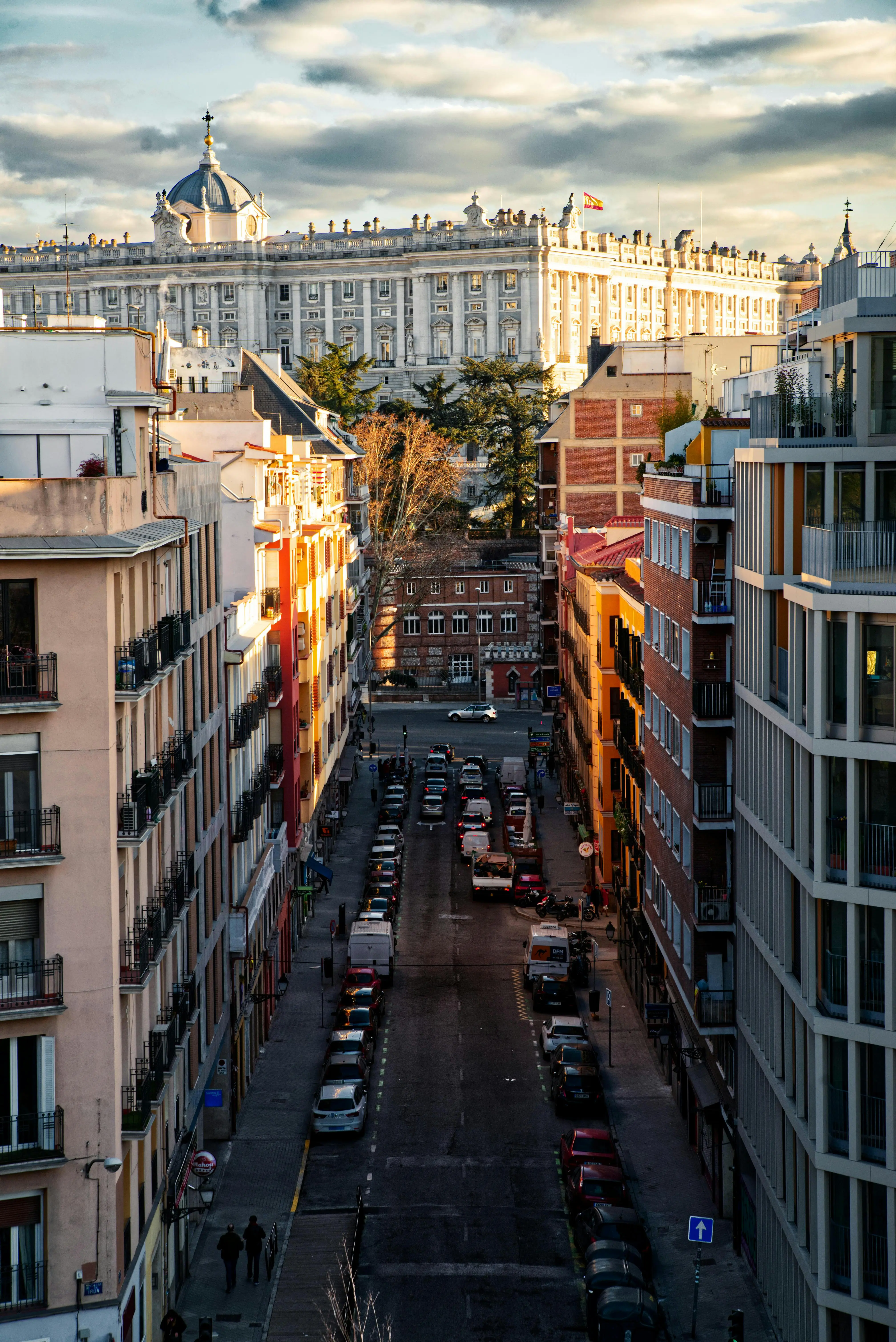
Housing Costs by Neighbourhood, Honestly
Rent is the number that changes every other budget consideration — get this one right and the rest is manageable.
Malasaña and Chamberí: furnished studios €950–€1,300/month, 1-bed €1,200–€1,700/month — the area commands a premium because it works well for remote workers and landlords know it
Lavapiés and Carabanchel: furnished 1-bed from €850–€1,100/month — more space for less money, a 15-minute Metro ride from the centre, and a genuinely diverse neighbourhood that rewards the adjustment period
Salamanca: furnished 1-bed €1,600–€2,200/month — the premium is for the address and the quiet; the restaurants and cafés cost more too, making the monthly total noticeably higher
La Latina: harder to find mid-term furnished rentals; when available, 1-bed furnished runs €1,100–€1,500/month, but the narrow streets and noise on weekend evenings are real considerations for anyone working early mornings
Browse fully furnished apartments in Madrid on RentRemote to compare mid-term options across these neighbourhoods with flexible lease terms — particularly useful if you are still making a final decision on which area suits your working pattern.
The Rest of Your Monthly Budget
Housing aside, Madrid is genuinely affordable by Western European capital standards — but only if you eat where locals eat and don't default to the tourist circuit around Puerta del Sol and Gran Vía.
Groceries: €200–€280/month shopping at Mercado de Antón Martín in Lavapiés or a local Mercadona — budget another €100 if you cook international food regularly
Madrid Metro monthly pass: €54 — use it from day one; the per-journey pricing makes the pass profitable by day four
Eating out: Menú del Día at a local bar is €12–€15; dinner at a neighbourhood restaurant averages €20–€30 per person with wine; budget €350–€450/month for a mix of both
Coworking: OneCoWork Recoletos — day pass €25, monthly hot desk from €180; worth it if your furnished flat lacks a good desk setup or you need a professional address for client calls
A realistic monthly total for a single remote worker in a furnished 1-bed in Malasaña or Chamberí — rent, food, transport, coworking two days a week, and occasional dinners out — lands between €2,200 and €2,800, which is below the equivalent in Lisbon or Barcelona for comparable neighbourhoods.
Is Relocating to Madrid the Right Move? Who It Works For and Who It Doesn't
Who Madrid Works Best For
Madrid is built for remote workers who want a real city — dense, functional, culturally alive — without the financial punishment of Western Europe's top tier.
Workers who want full urban infrastructure: metro, healthcare, coworking, nightlife — all present and reliable
People willing to learn enough Spanish to navigate daily life without an English-language crutch
Anyone who finds expat bubbles suffocating and wants to actually integrate into a local social scene
Remote workers whose employers run on European time zones, making Madrid's schedule a practical fit rather than a compromise
The bureaucracy is real, but if you sequence it correctly — NIE before bank account, bank account before everything else — it doesn't derail you.
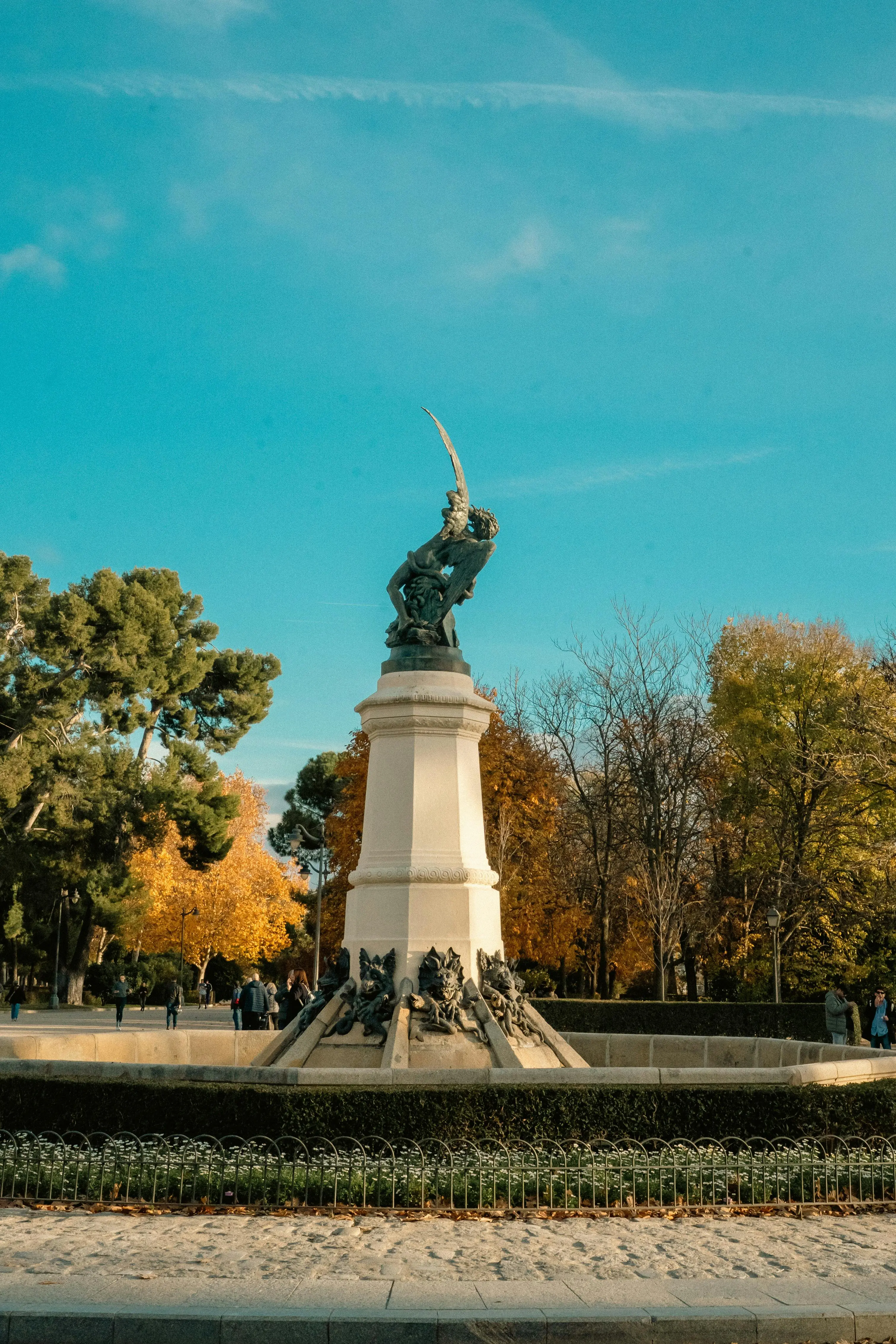
Who Should Look Elsewhere
Madrid is a Spanish city that happens to have a large international population, not an international city that also speaks Spanish — and that distinction will frustrate certain people quickly.
Anyone expecting Amsterdam- or Dublin-style English-speaking expat infrastructure from day one
Workers who need fast, frictionless English-language service across admin, healthcare, and housing
People who want to slot into a ready-made international community without engaging with the local culture
Those unwilling to internalise a schedule where lunch runs to 3pm and dinner doesn't start until 9pm
The city doesn't bend toward you — it rewards the people who bend toward it.
The Bottom Line on Committing to Madrid
If you're ready to engage with Madrid rather than just live inside it, the city returns that investment consistently and on its own terms.
Three weeks is roughly how long it takes to stop fighting the schedule and start using it as a productivity structure
The social infrastructure — neighbourhood bars, local markets, cultural programming — is genuinely accessible once you're past the first month
Cost of living remains meaningfully lower than comparable European capitals, giving you margin to absorb the slow-start friction
Comparing Madrid against other Spanish cities before committing to one location is worth doing — proximity isn't the same as fit
Explore fully furnished apartments in Spain across Madrid and other cities if you want to weigh your options before locking anything in.