Welcome to La Latina, one of the most vibrant corners of Madrid. Nestled in the heart of the city, this neighbourhood is known for its medieval streets, buzzing terraces, and unbeatable tapas scene. It’s a cultural gem of Spain, and a local favorite for lazy Sundays, late-night bites, and everything in between.
Traditional Vibes, Local Energy
In La Latina, you’re never far from something delicious or historic. Restaurants spill out onto cobblestone alleys, while nearby churches and plazas whisper stories from centuries past.
A Walk Through Plaza de la Paja
The iconic Plaza de la Paja is surrounded by leafy trees and timeless charm. It's the kind of place where you grab a drink, sit back, and soak in the scene.
You’ll love La Latina if you enjoy:
-
People-watching in Plaza de la Paja
-
Exploring traditional tapas spots
-
Getting lost in medieval streets
La Latina: Where Old Madrid Still Breathes
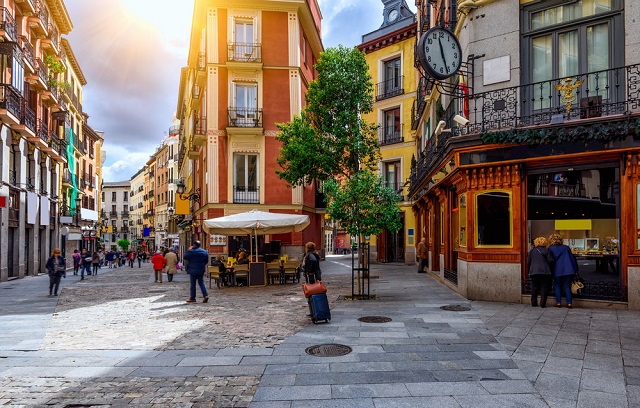
La Latina is one of those places that feels both ancient and effortlessly alive. Tucked into the heart of Madrid, this barrio is a maze of traditional streets and sun-soaked squares, many of which date back to the Middle Ages. It’s the kind of town where locals still shop at family-run stalls and spend hours chatting over vermouth in shadowy bars.
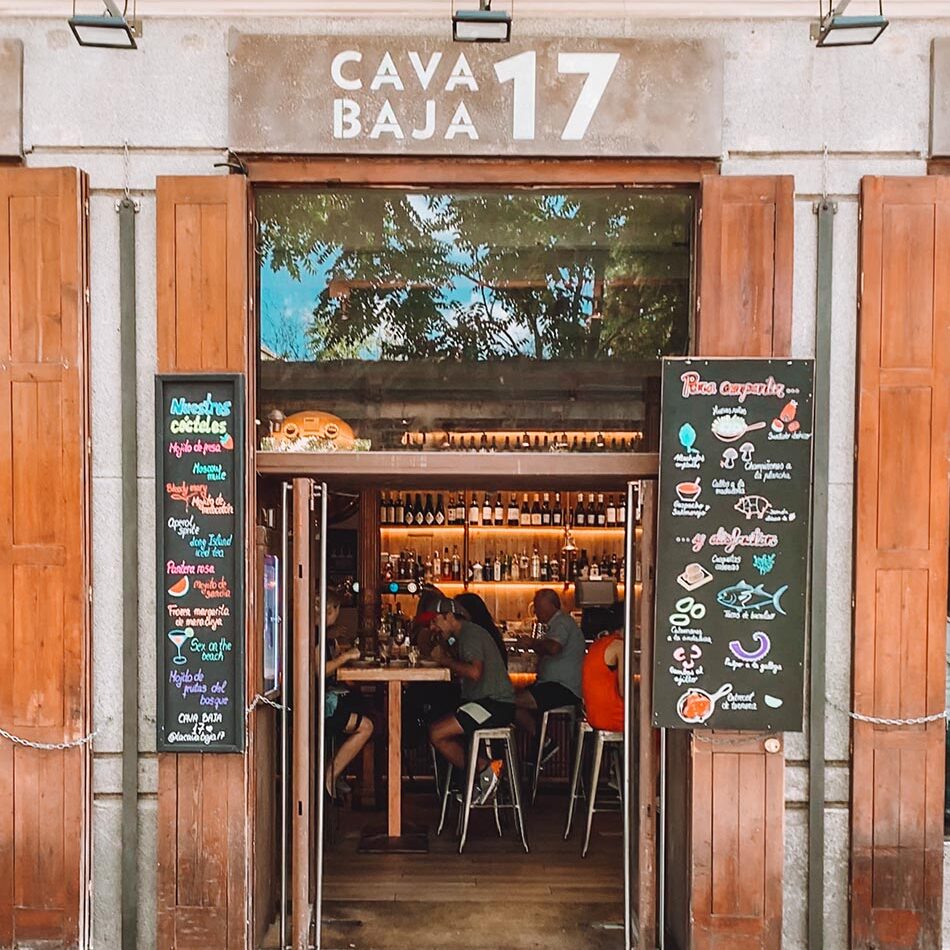
La Latina is also home to Cava Baja, a narrow street that packs more flavor into a few blocks than most cities do in a mile. From rustic Spanish taverns to modern takes on tapas, it’s the perfect place to spend an evening hopping from one restaurant to the next—expect to pay €3–5 per tapa and about €2 for a caña (small beer).
The Plazas of La Latina
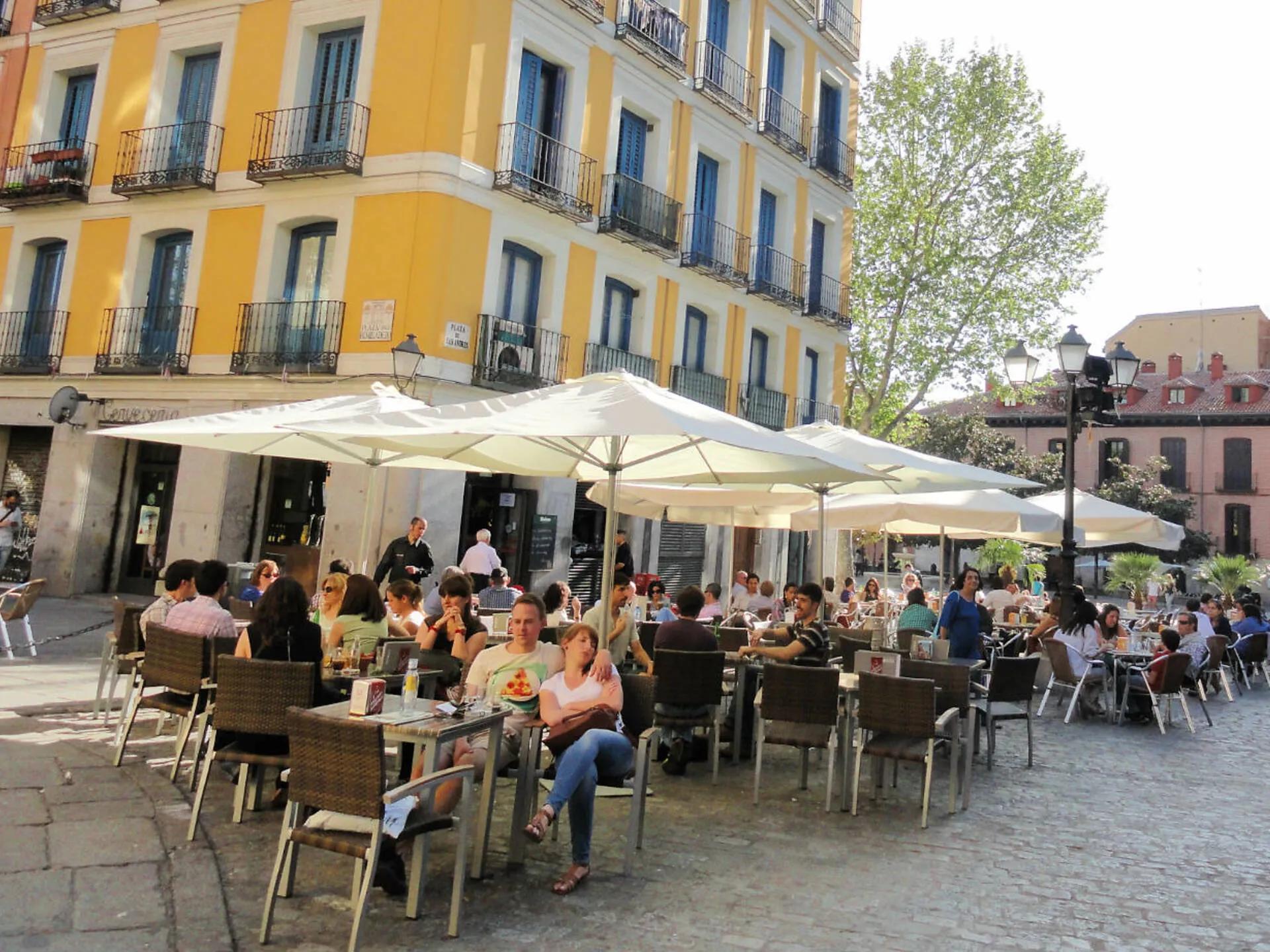
Two of Madrid's most charming squares sit right here: Plaza de la Cebada and Plaza de la Paja. The first bustles with markets and community events, while the second is a shaded hideaway ideal for a quiet drink at sunset.
Both are surrounded by historic buildings and filled with locals, especially on Sundays when the rhythm slows and tapas flow freely.
The History Behind the Streets
This barrio was built over centuries, which is why the surrounding streets wind unpredictably instead of running in neat lines. You’ll stumble across hidden churches, tiny gardens, and stone relics that date back to the days before Spain became a unified kingdom.
Cava Baja and Surrounding Streets: A Tapas Wonderland
Cava Baja is the headline act, but don’t sleep on the side alleys. The streets surrounding this area are packed with local gems that stay open late, especially on weekends.
You’ll want to try:
-
Tapas at Juana La Loca (get there early!)
-
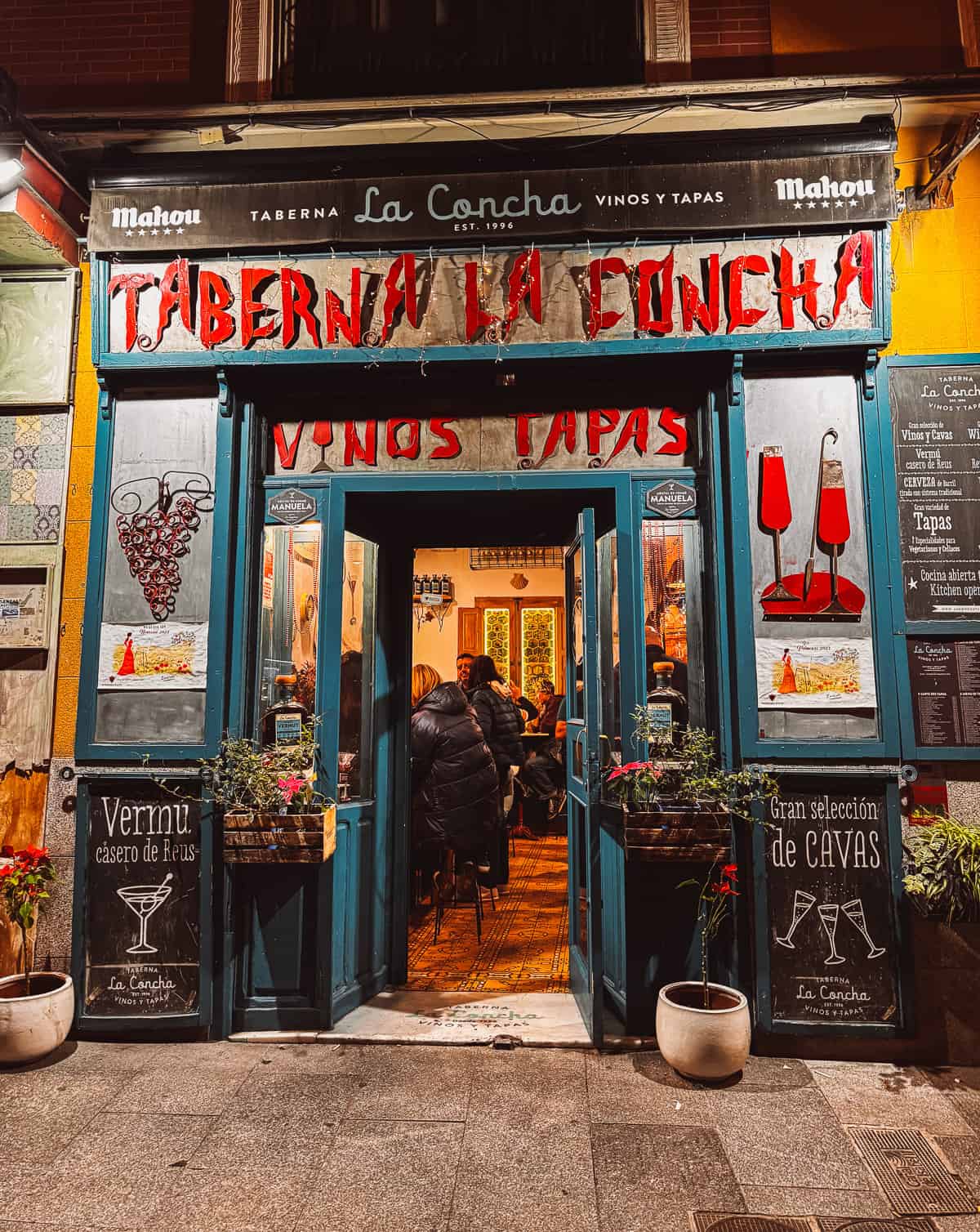
House vermouth at Taberna La Concha
-
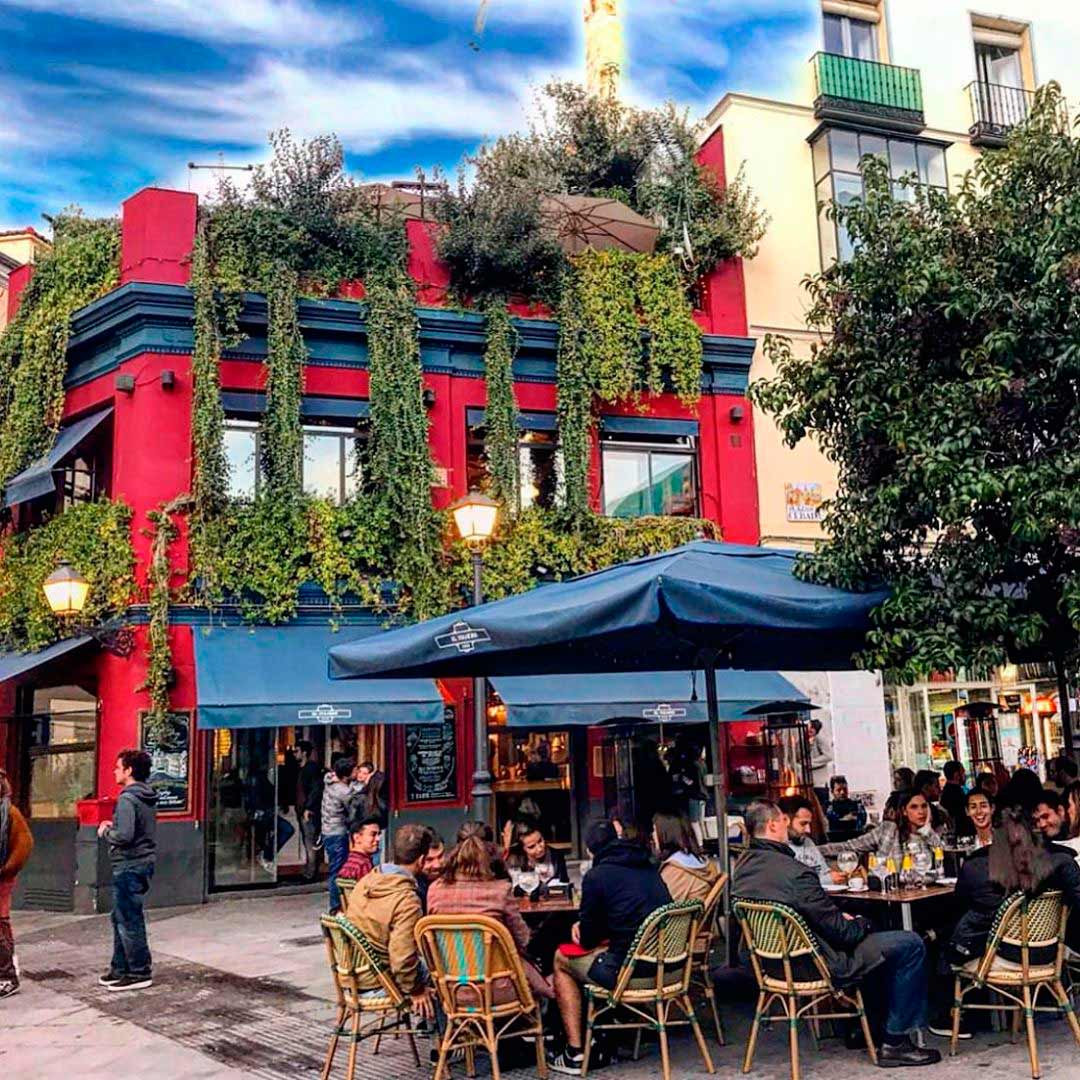
Rooftop cocktails at El Viajero
-
Traditional Spanish lunch menus (menú del día) for €12–15
San Isidro: La Latina’s Most Iconic Celebration
Each May, the city of Madrid throws its biggest party in honor of its patron saint, San Isidro—and La Latina is at the center of it. Expect live music, dancing, food stalls, and traditional costumes throughout Plaza de la Cebada and the surrounding streets. It’s one of the most beloved events in Spain, and in 2023 it drew over 1.5 million attendees, making it one of Madrid’s largest cultural festivals.
If you’re looking to see the city at its most joyful, San Isidro weekend is your window in.
Must See Attractions in La Latina Madrid
La Latina is one of Madrid’s oldest and most character-filled neighborhoods. Whether you’re here for a week or just the weekend, you’ll find this district packed with fun, food, and culture on every cobblestone corner. It’s the perfect place to wander without a plan—and somehow always end up with a caña in hand. From ancient churches to vibrant street life, here’s what not to miss.
El Rastro: Madrid’s Iconic Sunday Market

Every Sunday, La Latina hosts El Rastro, one of the largest and most iconic flea markets in Europe. You’ll find vintage clothes, vinyl records, books, furniture, and the occasional bizarre treasure. Get there before 11am if you want to beat the crowds. Most stalls stretch from Plaza de Cascorro through Ribera de Curtidores, with plenty of traditional taverns around for mid-morning refueling.
Insider tip: Grab a €1.50 tortilla pincho at Bar Santurce after shopping.
Plaza de la Cebada & Plaza de los Carros
Need a break? Plaza de la Cebada is a laid-back square with casual bars, a splash of street art, and a few regulars playing guitar in the sun. Right next door is Plaza de los Carros, a charming square located between old churches and climbing vines. These plazas are where locals catch up, grab drinks, and ease into the evening.
Right behind you is Mercado de la Cebada, a historic market with over 80 food stalls. Fresh produce, meats, cheeses, and seafood make it a go-to for locals who love to eat well without the supermarket fuss.

Tapas Crawl Along Cava Baja and Cava Alta
No guide to must see attractions in La Latina is complete without mentioning Cava Baja and Cava Alta. These charming streets are the unofficial headquarters of tapas culture in Madrid—and a perfect place to dive into Spanish food, wine, and late-night energy.
What to Expect
-
Tapas from €3–5: Think jamón, pimientos, tortilla, and more.
-
Menú del día from €12–15: A full lunch deal with starter, main, drink, and dessert.
-
Evenings start late: Bars begin to fill around 8pm and don’t slow down until well past midnight.
-
Atmosphere: A mix of candlelit taverns, sidewalk buzz, and locals hopping between stops.

Local Spots to Hit
-
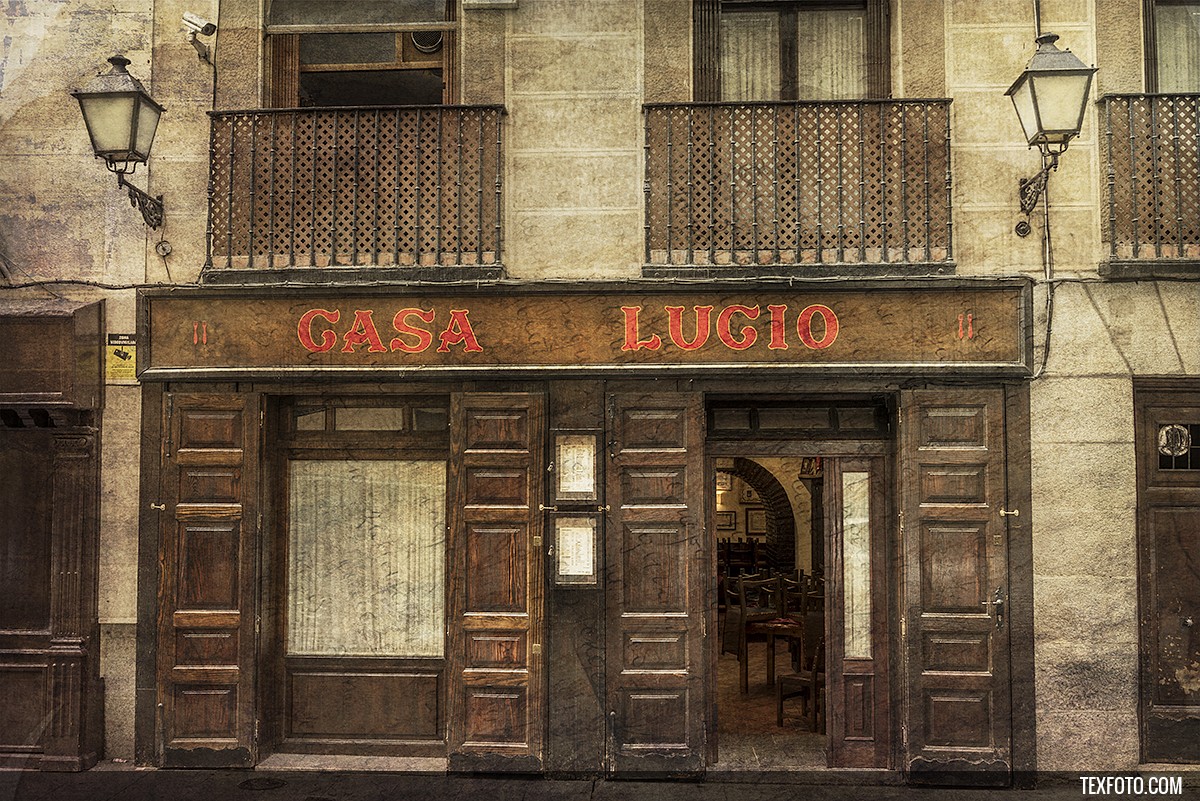
Casa Lucio: Known for its huevos rotos—simple, salty, and impossible to stop eating.
-
La Perejila: Small, quirky, and full of flamenco vibes. Great croquetas and vermouth.
-
Taberna Tempranillo: Long wine list, Iberian pork specialties, and moody lighting.
-
Taberna La Concha: A vermouth haven tucked into a side street. Don’t miss the mushroom toasts.
-
El Viajero: Rooftop terrace with sunset views over the district—ideal for that post-tapas digestivo.
A tapas crawl here is more than dinner—it’s how this neighbourhood comes alive. And yes, it’s totally normal to stop at five places in one night. That’s the fun.

Wall of Madrid
One of the oldest must see attractions in the neighbourhood, the San Andrés Basilica dates back to the 1600s and sits beside the Wall of Madrid, a medieval remnant that once enclosed the city. Across the street, the San Pedro el Viejo Church boasts one of the few remaining Mudejar towers in Madrid—worth a look if you're into architectural contrasts.
Nightlife: From Taverns to Clubs
While La Latina doesn’t do mega-clubs, its nightlife hits the sweet spot: cozy bars, casual cocktails, and plenty of movement between stops. Rooftop bars like El Viajero are perfect for watching the sun set over the rooftops, and there’s no shortage of music—flamenco, jazz, and even a little reggaeton if you wander into the right bar after midnight.
Best Tapas Bars and Restaurants in La Latina
La Latina is home to some of Madrid’s best spots to eat, from no-frills traditional taverns to creative kitchens redefining tapas. Whether you’re after a rooftop drink or a full meal, this district serves it with style—and plenty of vermouth. Tapas usually range between €3–5 each, and many spots also offer a solid menu del día.
According to a 2024 hospitality report by Statista, Spain saw over 38 million restaurant visits in Q1 alone—a sign that bar culture isn’t going anywhere. In La Latina, it’s a large part of daily life.
Casa Lucio: Huevos Rot... and Roll
Casa Lucio is a legendary restaurant, located just off Cava Baja, is world-famous for its huevos rotos. The dish is humble—fried potatoes, runny eggs, and optional jamón—but done perfectly. Reservations recommended, especially on weekends.
Juana La Loca: Pintxos With Edge
Juana La Loca gives classic tapas a bold Basque twist. Think seared foie over apple compote or truffled tortilla. It’s not your average café con leche and croquetas setup—this is more refined, with portions made for sharing (or not).

El Viajero: Rooftop Tapas With a View
El Viajero is known for two things: its food and its view. The top-floor terrace has numerous windows and open-air seating that faces west—ideal for catching golden hour over La Latina. Their menu blends classics with Latin American touches, and yes, the cocktails are worth staying for.
Taberna La Concha: Vermouth, Done Right
Tucked near Plaza de la Cebada, Taberna La Concha specializes in house-made vermouth, served straight or in clever spritzes. Their tostas and seafood tapas are smart picks, and the candlelit interior adds a bit of old-school charm to your evening.
Honorable Mentions Worth a Detour
-
La Musa Latina – Global fusion with a tapas backbone.
-
Los Huevos de Lucio – Lucio’s modern sibling, just a few steps away.
-
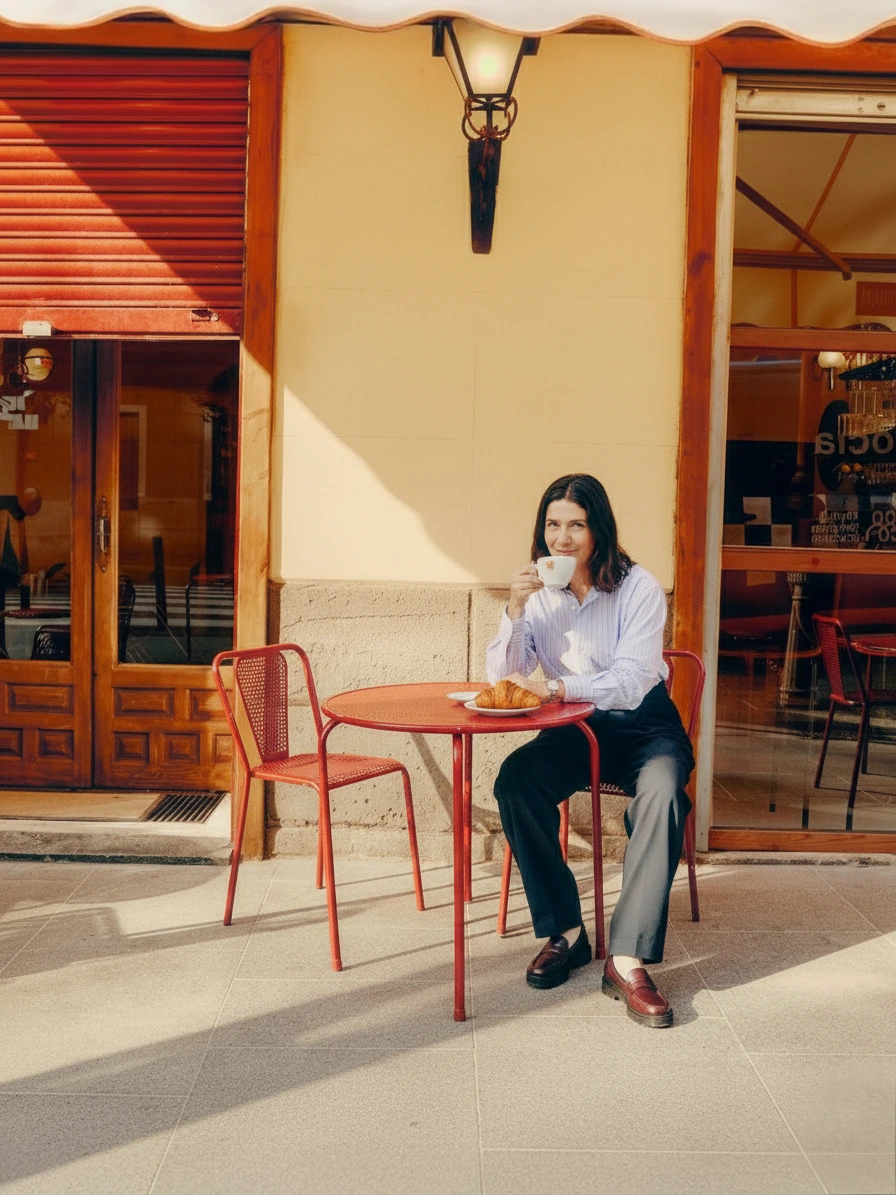
Café del Art – Best breakfast in the area, especially the croissants.
-
Mercado de la Cebada – For a DIY bite and local market feel.
You don’t need a plan here. Just pick a place, walk a few doors down, and repeat. That’s how La Latina works.
Where to Go After Dark in Madrid’s La Latina District
Once dinner service wraps up around 11pm, this district shifts gears. Music drifts from narrow doors, groups gather under narrow wrought iron balconies, and bars fill with a mix of regulars and night owls who know the best deals aren’t always on the menu—they’re in the mood.
Forget tourist-packed spots on the other side of the city. Here, things stay grounded: more vermouth, less velvet rope.
Rooftop Drinks and Chill Vibes
Want a great view with your beer? Head to The Hat Madrid, a hostel with a rooftop bar that punches well above its weight. Cocktails hover around €8–10, and the vibe is low-key, even during peak events like local festivals or concerts.
Cocktail and Vermouth Bars to Know

This area is packed with many bars, but a few stand out for their creativity and crowd.
-
La Musa Latina – Great for a post-dinner service G&T or signature mojito.
-
Taberna Almería – Classic vermouths, tiled walls, and a loyal fan base.
-
Los Chuchis – British comfort food meets Spanish drinking culture.
Music, Mixology, and the Wall
For something a little different, check out spots near the Wall of Madrid, where small venues host live flamenco or jazz on weekends. It’s casual, but the quality is solid—think €6 covers and affordable cocktails.
Looking for a reliable guide to what’s on? Many restaurant windows post flyers for pop-up events nearby, especially during celebration weeks like San Isidro or La Paloma.
Is This District Right for You?
This district may be historic, but it’s far from stuck in the past. Located just southwest of central Madrid, it gives you fast access to landmarks like the Royal Palace, Almudena Cathedral, and even the Manzanares River, while still keeping its old-school charm. It's the ideal blend for remote workers who want a lively atmosphere by day—and a quiet place to rest by night.
Walkable, Connected, and Central
Everything’s close. Sol, Lavapiés, and major museum areas are all within a 15-minute walk. Metro Line 5 runs right through the neighborhood, giving you easy access to the rest of the city without much planning.

What to Expect from the Housing
Apartments here are often full of character—original tile floors, arched windows, and yes, the occasional 17th-century beam overhead. But many have been renovated with high-speed internet, modern kitchens, and plenty of workspace.
Why Remote Workers Choose This District
-
10-minute walk to Royal Palace and Cathedral
-
Access to the Manzanares River for exercise or work breaks
-
Cafés and cowork-friendly spots nearby
-
Quiet at night = good rest
-
In the background of the city's main tourist areas, but still central
According to Spain’s National Statistics Institute, demand for furnished rentals in central Madrid rose over 19% from 2022 to 2024—driven in part by remote workers looking for short-term flexibility in lively, connected neighborhoods like this one.
Find your next stay in Madrid—whether you're after a creative corner studio or a restored flat with views of the rooftops. The RentRemote Madrid Travel Guide should be able to show you the best ways to plan a work/fun trip to Madrid any time of the year.
Getting Around La Latina Madrid
This is one of those rare spots in Madrid where you really don’t need a car—or even a plan. The narrow streets invite wandering, and much of what makes the neighborhood great is just a short walk from wherever you're staying. Whether you’re heading to a museum, hopping on the metro, or just looking for your morning croissant, it’s all right here.
Closest Metro Stations
You’ve got options. La Latina station (Line 5) puts you just a few stops from Gran Vía and Chueca. Tirso de Molina and Puerta de Toledo are both within walking distance, offering quick routes to other parts of Madrid without changing lines too often.
Getting to Know the Area on Foot
If you’re staying here, your best transportation is your own two feet. The neighborhood is compact, layered, and always revealing something new—an old bookstore, a quiet square, a curious side alley.
Most digital nomads say it takes less than 20 minutes to walk from here to major areas like Sol or the Reina Sofía Museum, and there are signs and maps on nearly every corner to keep you oriented.
What Makes It So Easy
-
Metro access via La Latina, Tirso de Molina, Puerta de Toledo
-
Walkable to Sol, Lavapiés, and even some museum districts
-
Shared e-scooters and bikes available at most plazas
-
Low traffic, pedestrian-friendly layout
-
Streets built for walking—not speeding
Spain’s national mobility data from 2023 shows that 58% of Madrid residents rely primarily on public transit or walking for daily life—a stat that explains why La Latina stays connected, without needing to feel chaotic.

When to Catch La Latina at Its Best
Timing matters. While this part of Madrid is busy year-round, the best experiences tend to align with the weather, weekly rhythm, and local energy.
Spring and autumn offer the perfect balance: sunny skies, fewer crowds, and temperatures that hover around 20–25°C. Sundays are another story—they’re packed with market stalls, street musicians, and travelers tracing their way through El Rastro.
In fact, Madrid welcomed over 10.6 million international visitors in 2023, many of whom made their way to La Latina for exactly this reason: casual street exploring mixed with long afternoons that stretch into dinner.
Best Times to Visit
-
Sundays: For El Rastro and outdoor markets
-
Weeknights: Quieter, easier to grab a table
-
Spring (March–May): Ideal walking weather
-
Autumn (September–November): Still warm, but not intense
-
May 15 (San Isidro Festival): Annual celebration with concerts and parades
You don’t need to plan your entire trip around one day, but if you can land here in April, October, or any Sunday morning—you’ll get the best version of it.

Living and Working in La Latina as a Digital Nomad
With its historic background, central setting, and laid-back tempo, this district is catching on with remote workers. It’s walkable, decently connected, and full of corners to settle in with your laptop. You won’t find a coworking space on every block—but you will find work-friendly setups that don’t require a membership.
According to Spain’s Ministry of Inclusion, digital nomad visa applications grew by 27% from 2022 to 2024—proof that cities like Madrid are becoming remote-ready, fast.
Comparing Work-Friendly Options
| Location | Type | Perks | Price |
|---|---|---|---|
| Café del Art | Café (near district) | Great espresso, early opening hours | €2–4 per coffee |
| Plaza de la Paja | Outdoor public space | Scenic, quiet in mornings | Free |
| Coworking Lavapiés | Coworking space | Fast Wi-Fi, AC, printer access | €15–20/day |
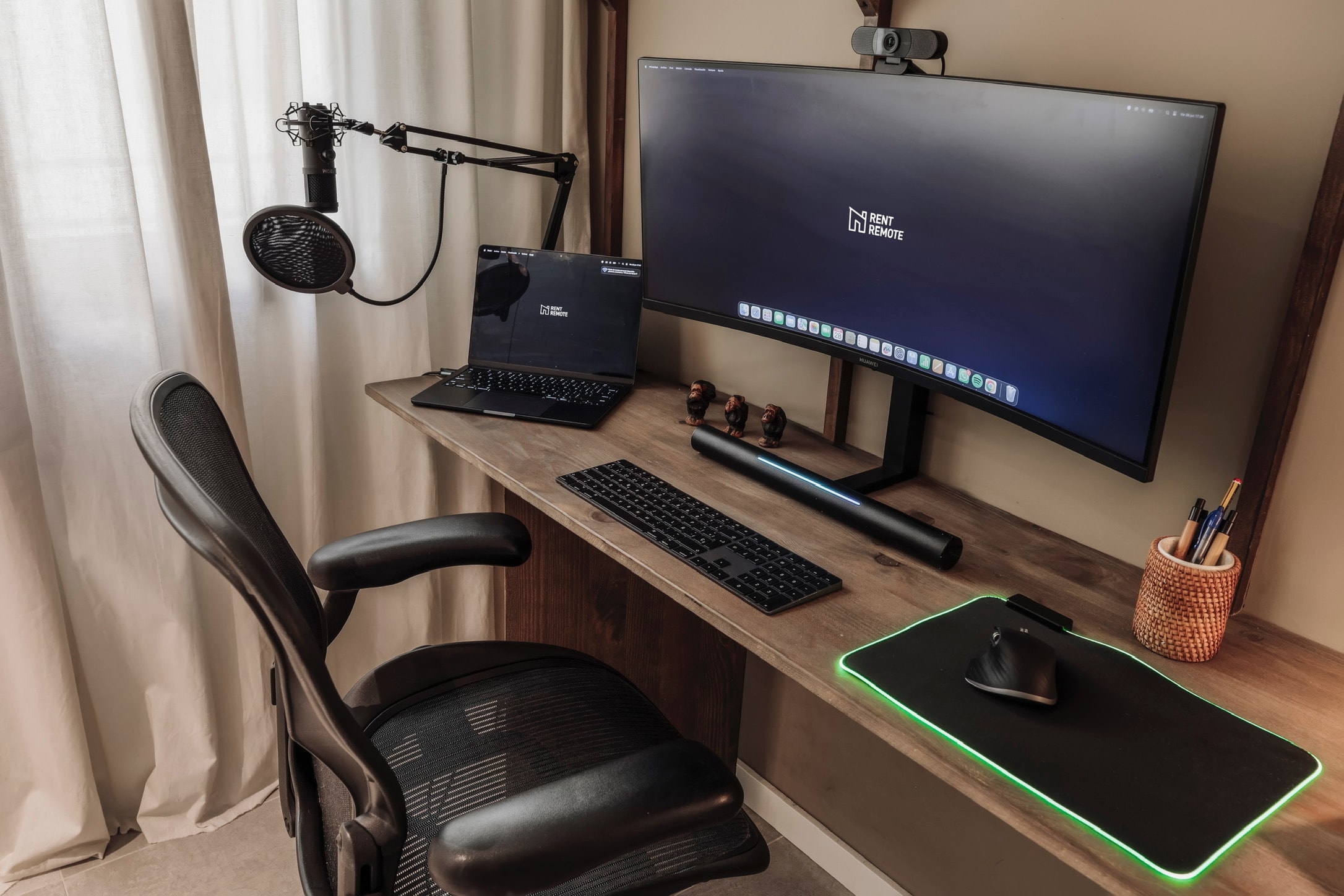
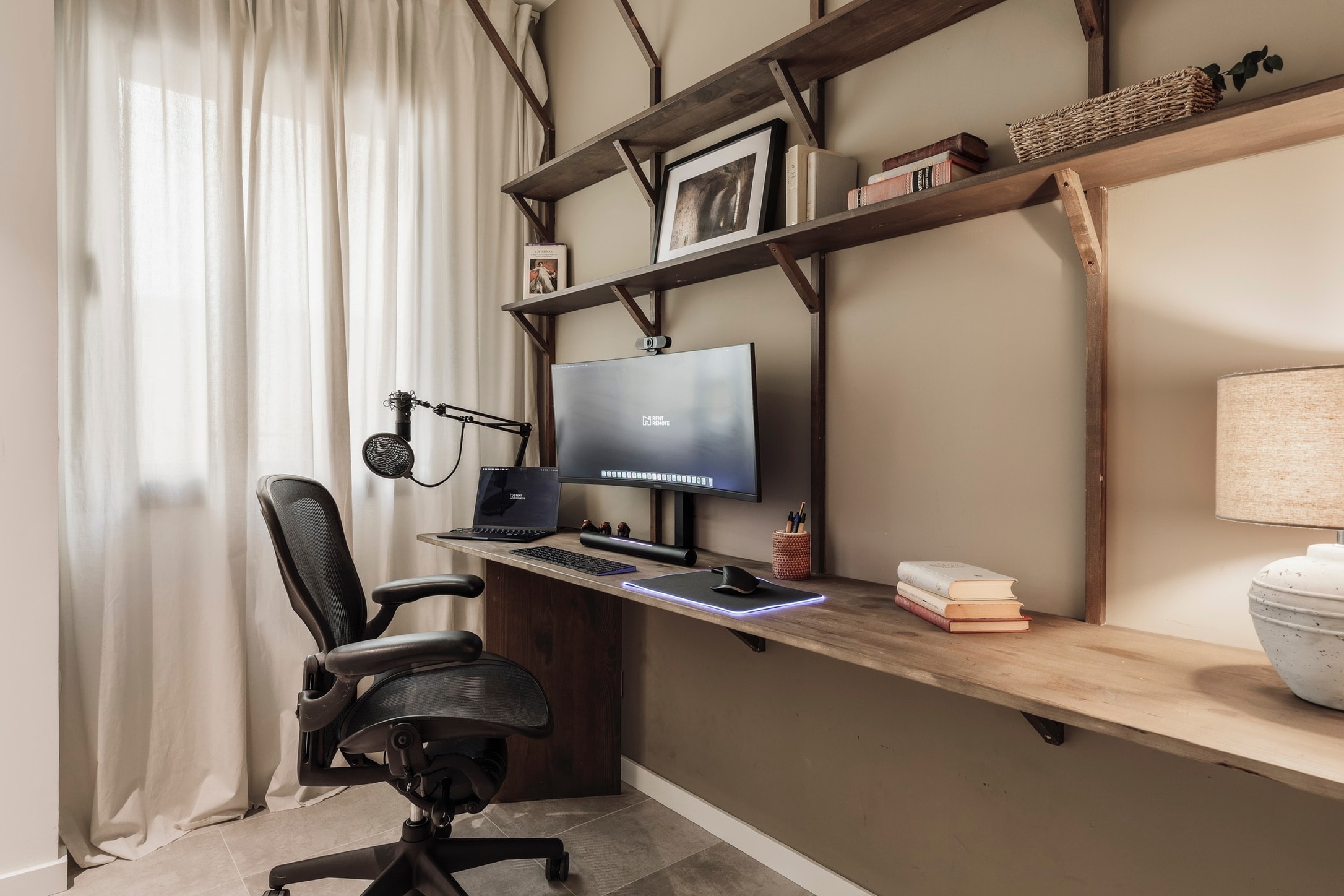
| RentRemote Apartments | Private apartment | Premium desks, ergonomic chairs, fiber Wi-Fi | Included in rental |
Why RentRemote Makes Work-Life Easy
If you’re balancing client calls with Madrid life, RentRemote’s work-ready apartments in Madrid give you the home base you need. Think natural light, fast internet, and setups that actually support a full workday.
Check out work-ready apartments in Madrid—no hacks needed, just plug in and go.