Lukas
Tech & Digital Nomad Cultural Editor ·
Madrid works for long-term stays in a way that short visits disguise. The city is dense enough that you rarely need a taxi, cheap enough that eating well doesn't require a budget strategy, and organised enough that getting a furnished apartment sorted in a weekend is genuinely possible. The trade-off is that property in the central neighbourhoods has climbed sharply over the past five years, and if you arrive without a clear sense of where to base yourself, you'll either overpay or end up somewhere inconvenient. This guide covers:
What it costs to set up a home in Madrid from scratch
How housing costs vary by neighbourhood
Real estate basics: what the market looks like right now
Public transport, utilities, and the bills that catch people off guard
Grocery and food costs for individuals and a family of four
Where to find the best value without trading away location
Cost of Setting Up a Home in Madrid Madrid: The
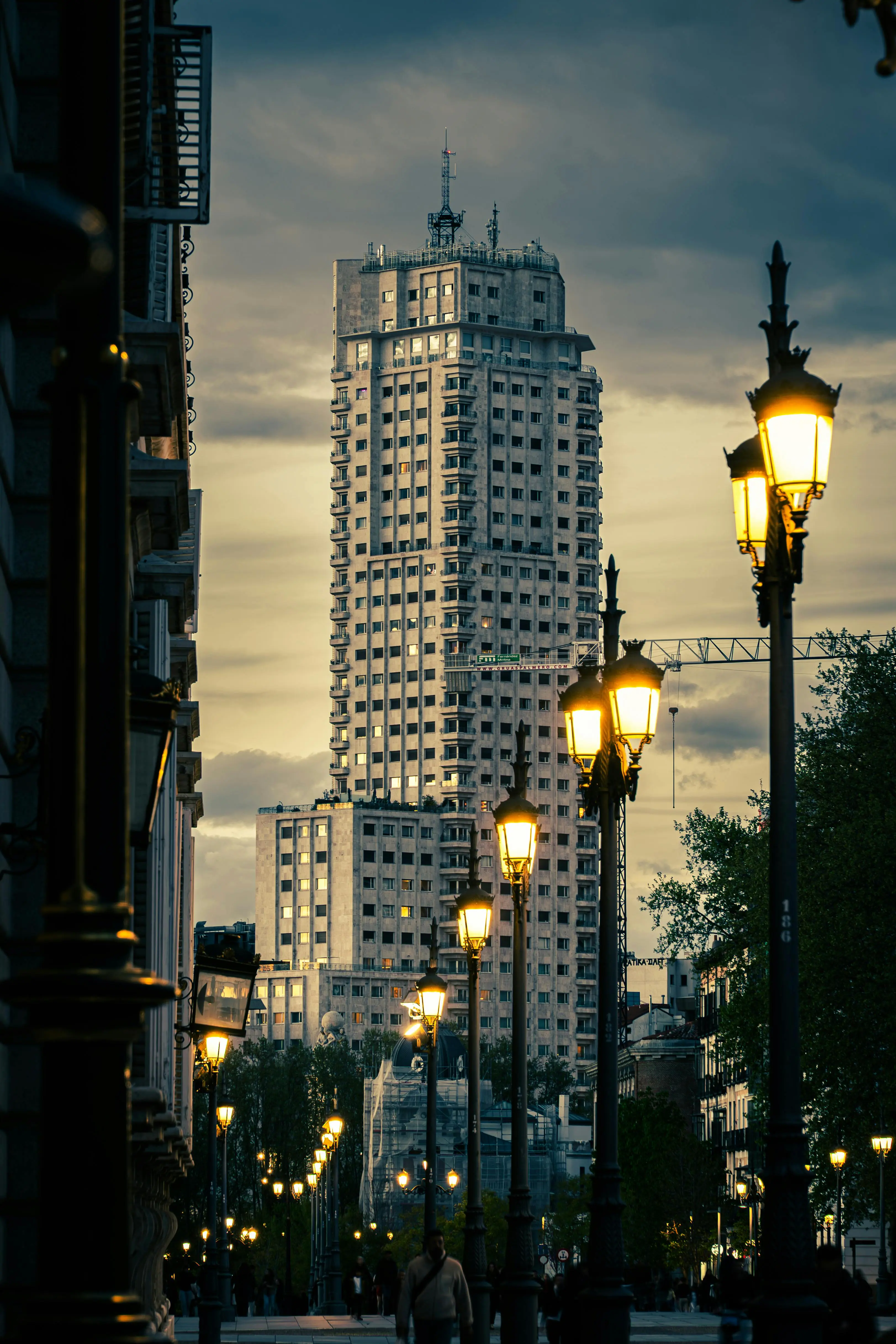
The first month in Madrid is always the most expensive — not because the city is pricey, but because setup costs stack. Deposit, first month's rent, a few missing items for the apartment, a Madrid Metro card, and two or three meals out while you find your feet. Plan for it rather than be surprised by it.
What the Initial Setup Actually Costs
Furnished apartments cut the setup bill significantly, but even then, the first month carries costs that don't repeat.
Security deposit: typically one to two months' rent — budget €900–€2,400 depending on neighbourhood and apartment size
Agency or finder's fee: one month's rent if you go through an agent, zero if you book directly through a platform like RentRemote
Basic household items not included in furnished apartments (bedding extras, kitchen specifics): €100–€200 at El Corte Inglés on Castellana or cheaper at IKEA Vallecas
First Madrid Metro monthly pass (Zona A): €54 — after day two you stop doing the mental arithmetic
If you're moving into a fully furnished apartment and skipping the agency, your setup overhead drops to roughly €1,000–€1,500 above your first month's rent — manageable rather than alarming.
Monthly Living Costs: The Honest Baseline
Once the setup is done, Madrid is genuinely affordable by Western European standards — but the range between a cautious budget and a comfortable one is wide enough that it's worth being precise.
Rent (furnished 1-bed, central): €1,100–€1,600/month — Malasaña and La Latina sit in this range
Utilities (electricity, water, internet): €80–€130/month — electricity runs higher in summer with air conditioning
Groceries (one person): €200–€300/month shopping at Mercado de Antón Martín or Día supermarket
Eating out (Menú del Día, 5 lunches/week): €240–€360/month at €12–€18 per sitting depending on neighbourhood
A single remote worker living comfortably in a central furnished apartment should budget €1,800–€2,400/month all-in — that's rent, food, transport, and a social life, without cutting anything out.
Madrid Neighbourhoods: Where to Base Yourself and What It Costs
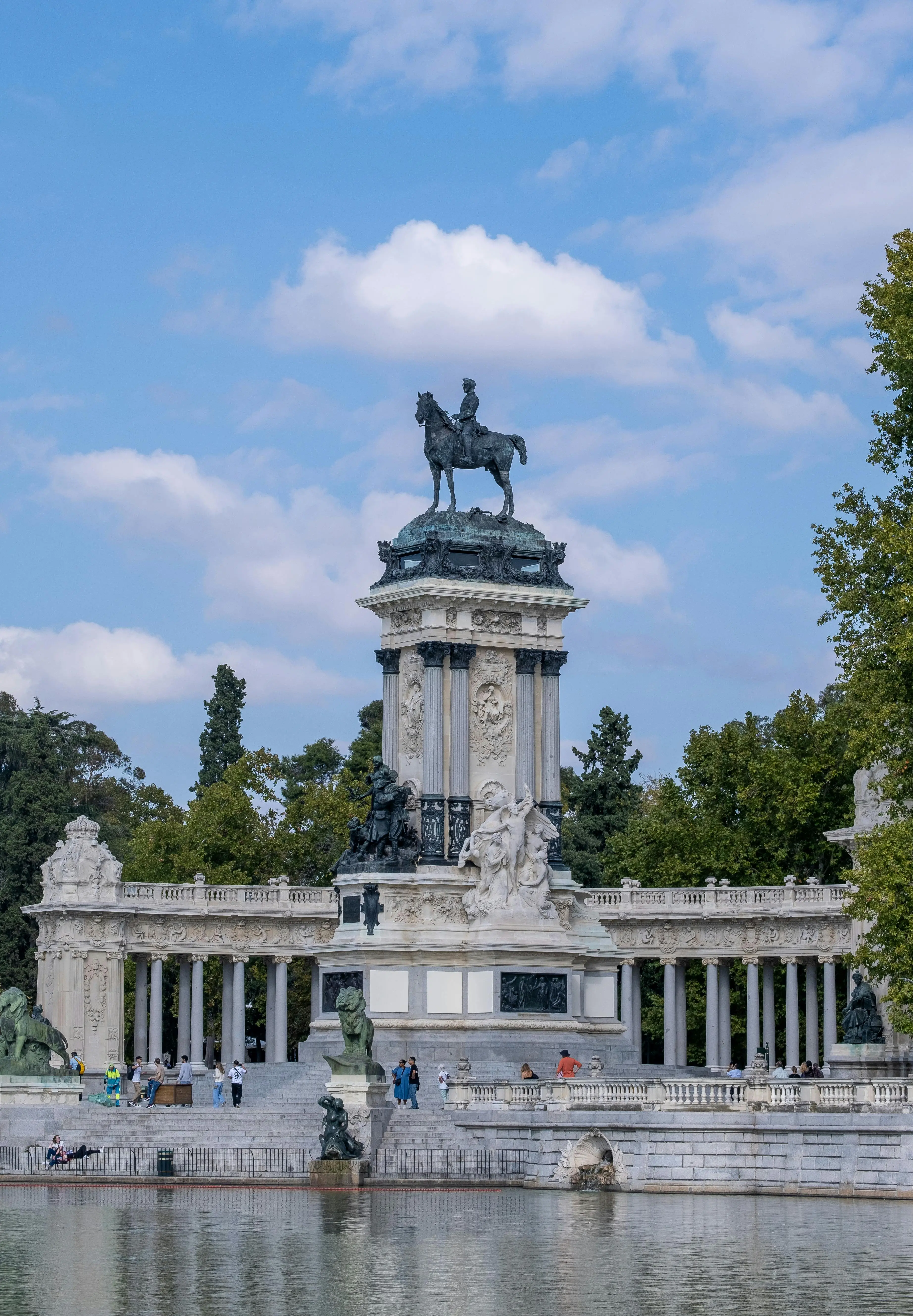
The neighbourhood you pick determines more than your commute — it determines what your daily life actually feels like. Madrid's central barrios are distinct enough that choosing wrong costs you either money, convenience, or quiet. Here's what each one actually offers.
Neighbourhood | Monthly Rent (1-bed) | Vibe | Best For | Key Advantage |
|---|---|---|---|---|
Malasaña | €1,200–€1,600 | Creative, loud evenings | Solo workers, 20s–30s | Café density, walkability |
La Latina | €1,100–€1,500 | Historic, local feel | Those wanting authentic Madrid | Lower prices, strong community |
Lavapiés | €900–€1,300 | Diverse, artistic, noisy | Budget-conscious, cultural | Cheapest central option |
Salamanca | €1,600–€2,400 | Polished, quiet evenings | Families, longer stays | Best schools, safest streets |
Chueca | €1,300–€1,700 | Social, central, walkable | Remote workers who go out | Gran Vía access, good cafés |
Malasaña: The Default Base for Most Remote Workers
Malasaña is where most remote workers land first — the café infrastructure is real, the streets are walkable, and the apartments are good value for how central they are.
Toma Café — espresso from €1.80, no WiFi (intentionally) — good for focused mornings before you need a screen
Coworking LOOM Salamanca coworking — day pass €15, monthly from €120 — quieter than most Malasaña cafés after 11am
Studios from €950/month on Calle del Espíritu Santo, 1-beds from €1,200 on Calle de Fuencarral
Loud on Friday and Saturday nights — the side streets around Plaza del Dos de Mayo carry noise until 3am
If you work early mornings and keep local hours, Malasaña suits you; if you need silence by 10pm, it will grind you down within a fortnight.
Salamanca: The Quiet, Expensive Option That Pays Off for Families
Salamanca is where Madrid's property prices peak — and where you get the most predictable, polished version of the city in return.
1-bed furnished apartments: €1,600–€1,900/month; 2-bed for a family of four: €2,200–€2,800/month
Mercado de la Paz — the local market on Calle de Ayala, better produce than any supermarket within three kilometres
International schools within a 20-minute walk — critical detail for a family of four relocating for 6+ months
Almost no coworking culture locally — you'll commute to work or work from home
Salamanca costs more than anywhere else in this list, and most of what you're paying for is the calm — which is either exactly what you need or entirely wasted on you.
Homes in Lavapiés routinely rent for €900–€1,200 per month for a two-bedroom flat, which is roughly 40% cheaper than an equivalent place in Chamberí.
Find your next stay through our fully furnished apartments in Madrid — filtered by neighbourhood, move-in ready.
If you want to go deeper on one area before committing: Explore Malasaña in our neighbourhood guide.
Browse Madrid homes near this area
Real Estate in Madrid: What the Market Looks Like Before You Sign Anything
Madrid's real estate market has tightened considerably since 2021. Demand from both local buyers and international remote workers has pushed prices up across the central barrios, and the rental market moves faster than most people expect — good apartments go in 24–48 hours.
Buying vs. Renting: What the Numbers Say
If you're considering buying property in Madrid rather than renting, the per-square-meter prices make the case faster than any comparison chart.
Salamanca: €5,500–€7,000 per square meter to buy — Spain's most expensive residential district outside central Barcelona
Malasaña and Chueca: €4,000–€5,500 per square meter — values have risen roughly 20% since 2020
Lavapiés and La Latina: €3,000–€4,200 per square meter — still the best value for buyers willing to be outside the premium corridor
Rental yield in Madrid: 3.5%–5% annually — modest compared to Valencia or Seville, but more stable
Buying makes sense if you're staying three or more years and can absorb Spain's property purchase taxes (roughly 6–10% on top of the purchase price); for anything shorter, renting wins without debate.
What to Know Before Renting Long-Term
Spain's rental law changed in 2023, and it shifted some protections toward tenants — worth understanding before you sign.
Minimum rental contract under Spain's Ley de Arrendamientos Urbanos: 5 years for individual landlords, 7 for companies — standard for unfurnished; furnished short-term lets operate under different rules
Deposit: legally capped at one month for unfurnished, two months for furnished — anything above this is technically a guarantee, not a deposit
NIE (tax ID number) required to sign most long-term contracts — get this sorted before apartment hunting if you're staying 90+ days
Platform rental (RentRemote, Airbnb-style): no NIE required, higher monthly rate but zero bureaucracy
For stays under three months, furnished platform apartments are the rational choice; beyond that, the cost difference between a direct lease and a platform rental justifies the paperwork.
Housing in the Salamanca district runs €4,000–€6,000 per square metre to buy, making it the most expensive patch in the city for anyone arriving with a purchase budget in mind.

Public Transport, Utilities, and the Bills That Actually Vary
Madrid's public transport is one of the strongest arguments for living here — the Madrid Metro covers virtually every neighbourhood worth considering, and the monthly pass is cheap enough that owning a car is genuinely optional for most people.
Getting Around: Public Transport Costs
The Madrid Metro is the backbone of daily life, and the pricing structure rewards monthly commitment over daily use.
Zona A monthly pass: €54 — covers the entire city centre, all lines, unlimited trips
10-trip card (Zona A): €12.20 — useful for your first week before committing to a monthly
Airport express (Aeropuerto line from Nuevos Ministerios): €5 supplement on top of standard fare — cheaper than any taxi by €25–€40
Cycling: BiciMAD electric bike hire starts at €0.50 per 30 minutes — good for El Retiro Park or cross-city trips outside rush hour
After the first week, the €54 monthly pass stops feeling like a cost and starts feeling like the best infrastructure decision the city makes for you.
Utilities: What the Bills Actually Look Like
Utilities in Madrid are moderate by European standards — until July and August, when air conditioning changes the electricity maths entirely.
Electricity: €50–€80/month in spring and autumn; €90–€140/month in summer with air conditioning running daily
Water: €20–€35/month — among the lowest utility costs across Spain's major cities
Internet (fibre, 600Mbps): €30–€45/month — providers like Movistar and Orange offer this as standard; speeds are higher than most Western European equivalents
Gas (if applicable): €25–€50/month in winter — buildings outside the city centre are more likely to have gas heating
A furnished apartment that includes utilities in the monthly rate is almost always worth the premium in summer — the electricity bill alone can offset the difference.
Childcare, Schools, and Costs That Appear When Your Setup Gets More Complicated
Solo remote workers rarely budget for this. If you're arriving with a partner, a child, or both, the monthly maths changes significantly — and Madrid's international school landscape is genuinely expensive in a way the rest of the city isn't.
International Schools: What You'll Actually Pay
International schools in Madrid are clustered in the north and northwest — useful if you're renting in Chamartín or Hortaleza, awkward if you've settled in Lavapiés.
King's College Madrid (Sanchinarro): €10,000–€14,000/year — British curriculum, strong results, north-city location adds commute time if you're living centrally
The American School of Madrid (Pozuelo de Alarcón): €13,000–€18,000/year — full IB programme, requires a car or long bus route from most central districts
State-funded bilingual schools: free, competitive entry — realistic only if you're registering a child mid-year in a less sought-after district
Nursery (ages 0–3): €400–€800/month privately — public places exist but wait lists in Salamanca and Chamberí are long enough to plan around
International schools in Madrid are a real cost, not a minor line item — budget them before you budget the apartment, because they'll determine which district makes logistical sense.
Healthcare: Public Access and Private Top-Ups
Registering as a resident gives you access to Spain's public health system, but the waiting times for specialists push most long-term remote workers toward a private supplement.
Public registration (empadronamiento): free — required for public health access, takes 2–4 weeks to process through your local district office
Private health insurance: €50–€120/month depending on age and coverage — providers like Adeslas or Sanitas are the most widely used among expats
GP consultation (private, without insurance): €50–€80 per visit — cheaper than most Northern European equivalents, but add-ups quickly without a monthly plan
Dental: not covered by public system — expect €40–€80 for a standard check-up at a Madrid clinic
If you're staying more than three months, private health insurance at €70/month is a more rational spend than paying per consultation — the maths tips in its favour faster than most people expect.
Leisure, Culture, and What It Actually Costs to Enjoy the City
Madrid's leisure costs are genuinely low once you stop treating every weekend like a tourist. The city has enough infrastructure that most of what you need is either free or cheap — the expensive version is a choice, not a default.
Food and Drink Beyond the Menú del Día
The menú del día gets most of the attention, but the rest of your eating life in Madrid has its own economics — and the evenings are where the budget either holds or doesn't.
Mercado de San Ildefonso (Malasaña): €10–€18 for a full evening of shared plates — better value than a sit-down restaurant for solo workers who want variety without committing to one kitchen
Bodegas Rosell (La Latina): house wine from €1.50 a glass, raciones from €6 — a proper neighbourhood bar, busy from 8pm, cash preferred
Grocery wine (Lidl, Mercadona): €3–€6 for a decent bottle — the quality-to-price gap here is larger than in France and significantly larger than in the UK
Coffee: €1.20–€1.80 at a standard local bar — the third-wave café premium in Malasaña or Chueca adds €1.00–€1.50 per cup but rarely more
An evening out in Madrid that costs €30 is a real evening out — not a compromise version of one.
Museums, Parks, and Free-Entry Hours
The Prado Museum's free entry hours are 90 minutes on weekday evenings and two hours on Sundays — which sounds generous until you try to get in without a queue.
Prado Museum: free entry Monday–Saturday 6pm–8pm, Sunday 5pm–7pm — arrive 20 minutes early or accept a 30-minute wait outside
Reina Sofía (Atocha): free Monday, Wednesday–Saturday after 7pm, Sunday from 12:30pm — less crowded than the Prado at the same hours
El Retiro Park: free, open daily from 6am — 350 acres, rowing lake, and enough green space to forget you're inside a major European capital
Gym membership: €25–€45/month at mid-range chains like Basic-Fit — locations across every central district, no contract required
Spending nothing on culture in Madrid for a full month is entirely possible and not even particularly ascetic — the free infrastructure is that good.
Putting It Together: What Your Monthly Budget Actually Looks Like
The numbers below assume a single remote worker renting a furnished one-bedroom apartment in a central-but-not-premium neighbourhood — think Chamberí or Chueca rather than Salamanca. Excluding rent, most of the variables come down to how often you eat out and whether summer air conditioning is running.
Monthly Budget Breakdown: The Realistic Version
These are working estimates, not aspirational minimums — they include the costs people forget to plan for.
Rent in Madrid (furnished 1-bed, Chamberí or Chueca): €1,100–€1,500/month — prices at the lower end of this range require a direct lease, not a platform rental
Electricity, heating, and water combined (excluding summer peak): €90–€130/month — electricity heating costs spike by €40–€60 from June through August if you're running air conditioning daily
Madrid Metro pass plus occasional taxi: €60–€80/month — the taxi line item appears when you're out past midnight in a district with poor night bus coverage
Groceries, coffee, and weekly market shops: €220–€300/month — additional fresh produce from neighbourhood markets like Mercado de Maravillas (Tetuán) adds variety without inflating the total
Eating and drinking out (3–4 times per week): €180–€280/month — the lower end assumes menú del día lunches and home dinners most evenings
Leisure, gym, streaming, phone: €80–€120/month
Excluding rent, a realistic all-in monthly spend for one person in Madrid sits at €630–€910 — which is materially lower than the equivalent in Lisbon, Amsterdam, or any major European city in the north.
First-Month Costs: The Number That Actually Matters
The first month of rent in Madrid is the expensive month — not because the city is costly, but because deposits, setup purchases, and admin fees land all at once.
Deposit (furnished apartment): one to two months' rent — €1,100–€3,000 depending on lease type and landlord
First month's rent upfront: €1,100–€1,500 — paid before you have keys in most standard leases
SIM card and initial internet setup: €30–€60 — additional if your building needs a router installation visit, which can add 5–10 days without connectivity
Household items, different from what a fully furnished apartment includes — hangers, adapters, a decent knife: €80–€150 at Flying Tiger or select your next book at Casa del Libro in Gran Vía
Arrive with €4,500–€6,000 liquid and the first month is manageable without stress; arrive with less and you're making compromises on neighbourhood or apartment quality that affect the rest of your stay.
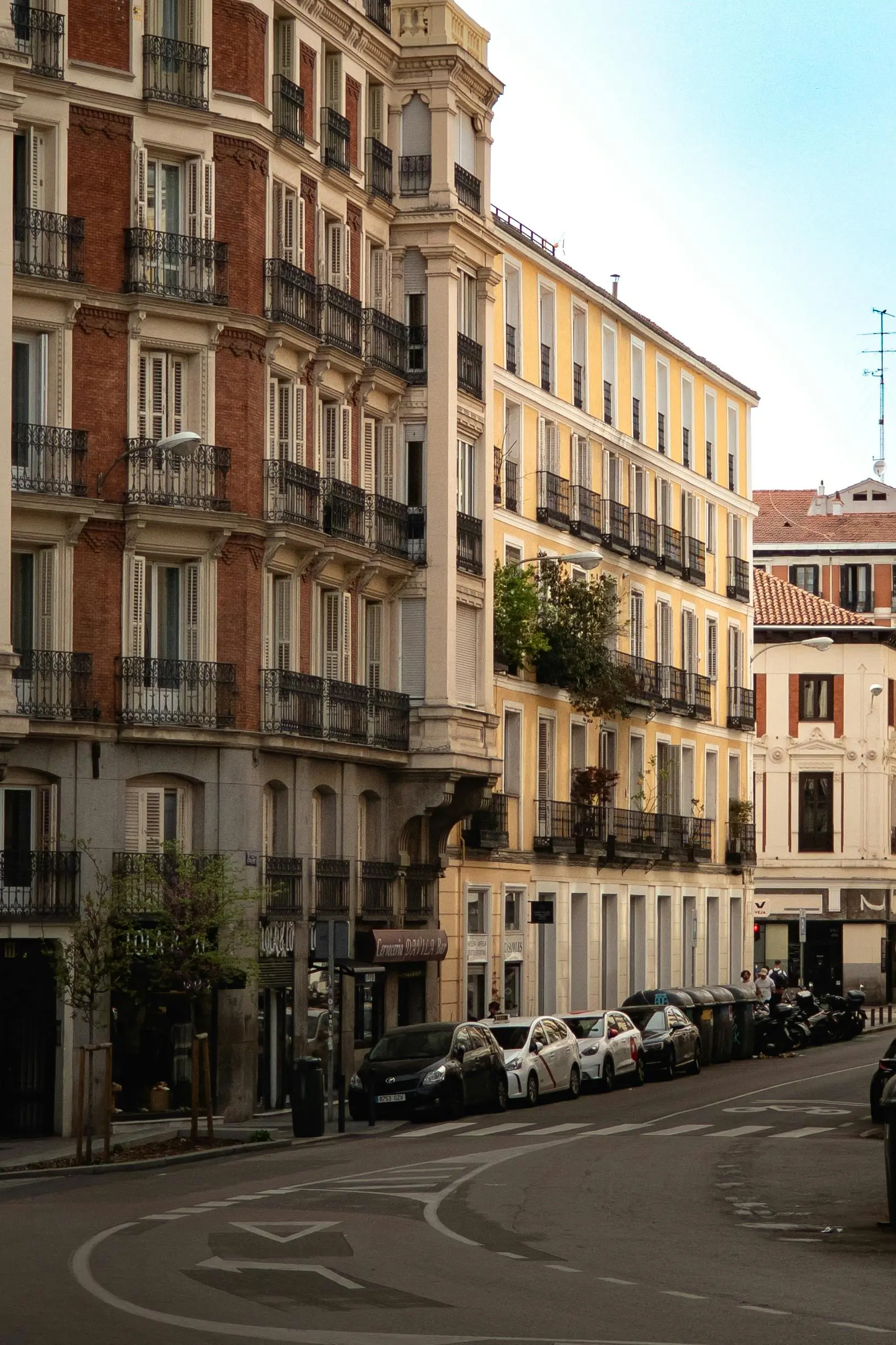
Is Madrid Worth It? Who This City Actually Suits
The Value Proposition for Remote Workers
Madrid remains one of the few European capitals where a stable remote income still buys a genuinely comfortable life rather than just access to the city.
Remote workers earning €2,500/month or more will find the gap between cost and quality wider than in most comparable cities
Daily expenses — food, transport, healthcare, culture — remain underpriced relative to the city's size and offer
Rent has risen sharply, but monthly outgoings still leave money at the end of the month in a way that Lisbon or Barcelona increasingly don't
A city-wide metro network, world-class public healthcare access, and a climate that makes outdoor evenings routine rather than occasional add value that doesn't show up in rent comparisons
The value isn't just financial — it's that Madrid functions as a real city rather than a curated expat experience, and that difference compounds the longer you stay.
Who Madrid Doesn't Suit
Madrid is a strong choice for the right person, but it's worth being honest about the profiles it works against.
If your work demands extreme quiet and isolation, the city's social pull is structural — it will work against you consistently, not just occasionally
Building an English-speaking professional network takes several months in Madrid in a way that London or Amsterdam don't require from day one
Stays under six weeks don't justify the setup friction: NIE registration, empadronamiento, and direct lease negotiation take time and local knowledge
For shorter stays, platform-rented furnished apartments remove that friction entirely — RentRemote lists fully furnished apartments in Madrid available from day one, with no bureaucracy required
Knowing you're the wrong fit for Madrid right now isn't a reason to avoid Spain — it's a reason to plan a longer trip rather than a short one.
When Madrid Is the Right Call
For remote workers who want a proper European capital rather than a digital nomad enclave, Madrid is one of the strongest options still available at a reasonable cost.
It rewards commitment: the city opens up — socially, professionally, and logistically — after the first month in ways that don't apply to shorter visits
A climate that makes evenings outside feel habitual rather than special changes how you use the city and how much you enjoy living in it
The cost structure leaves enough margin that culture, food, and travel within Spain remain accessible on a mid-range remote income
If Madrid isn't the right fit geographically or logistically, fully furnished apartments in Spain cover other cities worth considering before ruling the country out
Madrid doesn't flatter people who treat it as a stopover — it's built for people who stay long enough to become a small part of it.
For a two-bedroom apartment in Lavapiés at around €1,200 per month, Madrid offers a quality of life that comparable European capitals like Amsterdam or Lisbon simply cannot match at the same price point.