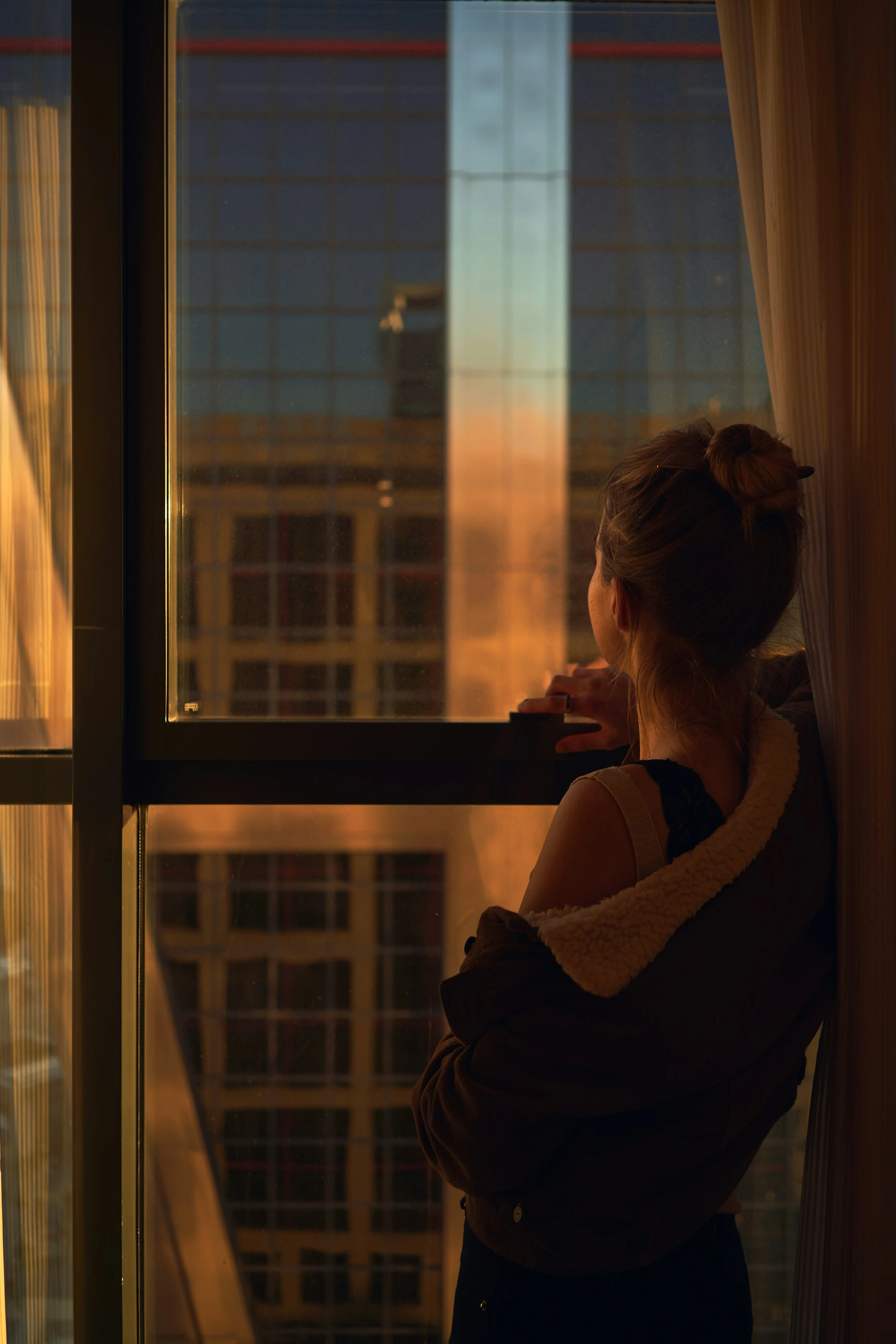
Living in Madrid as an American: What Daily Life Really Feels Like
Living in Madrid as an American means adjusting to a Spanish city that moves at its own steady pace—wide plazas filled with families, late dinners that stretch into conversation, and a big city that still feels personal once you learn its rhythm. You’ll notice the contrast immediately: Madrid offers cultural richness, a strong sense of neighborhood identity, and a balance between work and life that many US citizens aren’t used to. The city center is lively, but step a few blocks outward and the pace softens.
A few things Americans usually want to understand early on:
-
How living in Spain compares to major cities back home
-
What daily routines look like in a bustling city with strong local customs
-
Whether you’ll need to speak Spanish right away
-
How public transportation shapes everyday movement
-
What makes Madrid stand out from other European countries
Madrid feels familiar enough to settle into quickly, but different enough to reshape how you think about city living.
Living in Madrid: How the City Works for US Citizens
Madrid gives Americans a blend of big city structure and neighborhood-scale living. You get the cultural richness of a major European country’s capital, but without the intensity you find in other European capitals.
For many US citizens, settling in the city center feels surprisingly manageable—walkable streets, efficient public transportation, and routines shaped as much by plazas and cafés as by schedules.
Madrid Compared to Other European Capitals
Even before you explore the central neighborhoods, you’ll notice how Madrid aligns with and differs from other European capitals and major cities.
-
Strong public transportation that connects the entire city
-
More green spaces than many US urban centers
-
Lower daily expenses than cities like London or Paris
-
Access to other European countries for quick trips
-
A pace that feels balanced, even in a bustling city
Choosing Between Central Neighborhoods and Smaller Spanish Cities
Madrid is vibrant, but not every American wants constant movement. The choice of how to plan living in Spain often comes down to lifestyle.
-
Central neighborhoods such as La Latina, Malasaña, Chamberí, or Retiro for walkable days and lively nights
-
Other smaller Spanish cities like Valencia, Málaga, or Zaragoza if you want quieter streets
-
Madrid for cultural density; smaller Spanish cities for more space
-
City center for convenience; surrounding districts for a slower routine
-
Madrid’s metro makes it easy to enjoy both worlds
Madrid offers the best of living in Spain for Americans who want a Spanish city with energy, access, and everyday comfort—without overwhelming you from day one.
Cultural Differences Americans Notice When Adjusting to Life in a Spanish City
Life in Madrid reveals cultural variations gradually—through shared meals, long evenings in plazas, and a social rhythm that puts connection first. For many Americans, the shift is refreshing: a Spanish city where daily life feels communal, steady, and less rushed than what they’re used to in major cities back home.
You’ll see these changes most clearly in the way locals gather, work, and unwind.
Everyday Customs and Spanish Culture
Madrid’s routines are shaped by Spanish culture, and much of it unfolds in public spaces—especially in and around the city center.
-
Evening strolls and late dinners around Plaza Mayor, Calle de Toledo, and La Latina’s side streets
-
Long sobremesa after meals, often stretching well into the night helping you fast-track your goals to learn Spanish
-
Local cafés like Café Murillo, Cafelito, or La Bicicleta doubling as social hubs rather than quick pit stops
-
Neighborhood festivals like San Isidro bringing entire districts into the streets
-
A relaxed work-life balance where personal time is protected and afternoon pauses are normal
How American Expats Adapt to Local Customs
Newcomers usually adapt by stepping into the everyday routines locals take for granted. Many Americans start noticing the rhythm of Madrid in places like Mercado de la Cebada, where families linger over weekend shops, or in Taberna La Concha, where the late-afternoon vermouth tradition plays out slowly. These spaces show how unhurried the city’s social habits are.
Adjusting also means understanding how neighborhoods function beyond the landmarks. Small bakeries and corner cafés open early, and it’s common to see regulars greet staff by name at places like Pan.Delirio or HanSo Café. Observing how people queue politely, how they order at bars, and how locals share space on terraces teaches more about Madrid than any guidebook. Over time, these patterns reshape how expats move, eat, and socialize—without requiring them to change anything overnight.
If you’re planning to settle in one of the central neighborhoods where this culture is strongest, you’ll find plenty of fully furnished apartments in Madrid that make the transition easier.
Learning Spanish in Madrid: What You Really Need to Know
Even if you don’t speak Spanish when you arrive, Madrid makes language learning part of everyday life. The city’s routines—ordering coffee, chatting with neighbors, joining social events—give Americans a natural path to pick up the Spanish language without feeling pressured. Many residents use a mix of English and Spanish, but learning even the basics helps you settle in faster and understand the local culture more deeply.
If You Don’t Speak Spanish Yet
New arrivals often worry about navigating the city before they learn Spanish, but Madrid is forgiving. English appears more often in tourist-heavy areas and large international companies, while daily errands gently nudge you toward speaking more Spanish.
-
Cafés like Federal Café, Misión Café, and Plántate Café are used to internationals
-
Key phrases make transactions smoother in markets like Mercado de la Paz and Mercado de la Cebada
-
Locals appreciate the effort, even if you mix English and Spanish
-
Apps like Duolingo, Busuu, and Babbel help with early confidence
-
Public transportation signage is clear, even if your Spanish is beginner-level
Best Places to Practice the Spanish Language
Madrid offers countless spots where learning happens naturally. Many Americans living in Madrid join casual groups or spend an hour in a café working through phrases with locals.
-
Language Exchanges in Spanish at Café Comercial, Beer Station, or [Traveling Bar](The Traveller Pub)
-
Community classes in centers like Centro de Cultura Contemporánea Condeduque
-
Informal conversations in parks such as El Retiro Park or Madrid Río
-
Meetups with international students who are also practicing Spanish
-
Tapas bars in La Latina where staff encourage beginners to try new vocabulary
Learning Spanish becomes part of the rhythm of living in Madrid—an everyday experience rather than a chore. And if you base yourself in a central neighborhood, you’ll find fully furnished apartments in Spain that put these language-rich streets right outside your door.
Visa Options for Americans: Digital Nomad Visa, Student Visa & Residency
Spain gives US citizens several viable paths to stay long-term, and Madrid offers the support structure—public transportation, international companies, and a strong expat presence—to make these options feel manageable. Whether you're here to study, work remotely, or settle in more permanently, the process becomes easier once you understand the differences between visas and how each aligns with your lifestyle.
Which Visa Fits Your Life?
Madrid’s visa landscape is wide enough for different situations, and most Americans choose from a handful of well-known routes. The digital nomad visa has become popular with remote workers, while the educational visa remains a reliable entry point for Americans studying Spanish or enrolling in private schools and universities.
Common visa options for non-EU citizens:
| Visa Type | Who It's For | Key Requirements | Notes |
|---|---|---|---|
| Digital Nomad Visa | Remote workers & freelancers | Proof of income, contract or self-employment docs, background check | Allows you to work remotely from Spain; a strong fit for many Americans |
| Student Visa | Students in recognized programs | Letter of acceptance, funds, medical insurance | Good for language learning or degree programs |
| Residence Permit (Non-Lucrative) | Those with passive income | Financial solvency, no local work | Popular with retirees or those living in Spain without a job offer |
| Work Permit | People with a Spanish job offer | Employer sponsorship | Harder to obtain unless hired by international companies |
| Renewals & Long-Term Options | Long-term residents | Continuous residency, clean record | Leads toward 5-year residency options |
Steps Americans Should Know Before Applying
Even though the process is formal, Madrid’s infrastructure makes the transition smoother. Bureaucracy is slower than in many major cities in the US, but most steps are predictable once you're familiar with them.
-
Opening a bank account (often needed for income verification)
-
Booking appointments early—residence permit slots fill quickly
-
Gathering documents like FBI background checks and medical insurance
-
Getting a public transport card once you receive a local address
-
Staying aware of renewals and timeline requirements
Once the paperwork is underway, Madrid becomes one of the most comfortable European capitals for settling in, especially for Americans who already work remotely or plan to study. If you’re looking for a base while handling the process, fully furnished apartments in Madrid make the early months far easier.
Job Opportunities in Madrid: Local Roles, Remote Work & International Companies
Madrid Spain attracts professionals from around the world because it blends modern work environments with a lifestyle that feels more grounded than in many other cities. The local work culture leans toward balance rather than burnout, which is a noticeable shift for Americans coming from fast-paced places like San Francisco. What many new arrivals discover quickly is that the city remains a popular destination for people seeking stability, lower cost pressures, and reliable job opportunities across different industries.
Working Locally vs Building a Remote-Friendly Routine
Madrid’s job market is broad, and international companies have a growing presence here, especially in tech, finance, gaming, and design. Even if you’re comparing openings with those in other cities, the appeal often comes from the city’s balance of work and personal time.
-
Large firms such as Amazon, Santander, IBM, and Accenture have regional offices
-
Remote-friendly cafés like Mür Café or Hanso Café offer a reliable environment to focus
-
Hot summers influence shorter midday routines and more flexible lunch breaks
-
Work spaces often emphasize collaboration rather than rigid hierarchy
-
Many expats find roles in tourism, marketing, design, or English-language services
Understanding Salaries, Expectations & Local Work Culture
While the average salary in Madrid is lower than in the U.S., the city's lower cost structure helps offset the difference. Daily routines benefit from shorter work hours, ample vacation time, and long evenings outdoors thanks to the sunny weather.
-
Lower cost of rent compared to an expensive city like San Francisco
-
Easier access to colleagues and networks through social events
-
Afternoon breaks remain common in some industries
-
Companies value punctuality but not constant urgency
-
Long weekends make it easier to enjoy Europe or take unlimited travel-style trips within Spain
How Americans Build Professional & Social Networks
Settling into the city professionally often overlaps with making American friends and meeting many expats from across Europe.
-
After-work meetups at Jungle Jazz Club, La Fábrica, or terraces in La Latina
-
Business-focused gatherings at Google for Startups Campus Madrid
-
Networking events that combine work and leisure, typical of Madrid’s social rhythm
-
Shared projects with international teams living in Madrid Spain
-
Weekly mixers where you can meet people comparing job opportunities across other cities
Madrid combines professional stability with a social atmosphere that feels easy to step into, especially if you're looking for work culture that supports both ambition and downtime.
Cost of Living in an Expensive City: What American Expats Should Expect
Madrid Spain remains a popular destination for Americans because the overall cost of living in the country is noticeably more manageable than in many other cities across Europe or the Western world.
While it’s not the cheapest place in the country, it offers a lower cost profile than an expensive city like San Francisco while still delivering a full, urban lifestyle.
What stands out most is how predictable the main expenses are—rent, food, transport, and daily costs of living stay consistent month to month, which makes planning easier for newcomers.
Comparing the Cost of Living With Europe and the U.S.
Madrid sits at a middle point: more affordable than major Western European hubs, but pricier than some other cities in Spain. This balance is exactly why many expats choose it.
-
Rent is the largest factor influencing the cost of living, especially in central districts
-
Restaurants offer a wide range—from €12 menus to higher-end dining
-
Groceries stay stable, even in international supermarkets
-
Public transport remains inexpensive compared with other cities in Europe
-
Salary differences are offset by lifestyle perks and predictable monthly spending
Typical comparison snapshot (broad averages):
| Location | Rent (1-bed) | Eating Out | Transport Pass | Notes |
|---|---|---|---|---|
| Madrid Spain | €900–€1,300 | €12–€30 | ~€55/month | Balanced costs, large city lifestyle |
| Paris | €1,200–€1,800 | €15–€40 | ~€85 | Higher costs across the board |
| Berlin | €1,000–€1,500 | €10–€25 | ~€49 | Comparable in food; rent rising |
| San Francisco | €2,500–€3,500 | €15–€50 | Higher | One of the most expensive cities globally |
A Budget Snapshot for Expats Living in Madrid
Understanding your monthly rhythm helps you adjust quickly. Most Americans find that once they get used to the structure, the city feels easier to navigate financially.
-
Main costs: rent, food, transport, coworking or home-office setup
-
Daily expenses: coffee, metro rides, small groceries, casual meals
-
Utility bills trend lower than in U.S. apartments
-
Nights out vary widely—affordable tapas or higher-end venues
-
Compared with other cities, Madrid feels steady and predictable month to month
Madrid appeals to newcomers because it balances comfort with a lower cost profile than many global hubs, without sacrificing the social energy that makes the city a popular destination in Europe.
Where American Expats Settle: La Latina, Neighborhoods & Community Life
Americans living in Madrid tend to gravitate toward areas with walkable streets, strong community routines, and a balance of quiet corners and evening energy. Even without knowing the language perfectly, newcomers adjust quickly because these areas offer an easy mix of cafés, small shops, and meeting spots. Many expats living here describe the early months as an amazing experience—warm evenings, mild winters, and a lifestyle that feels more relaxed than many parts of Europe.
Neighborhoods Popular With Americans Living in Madrid
These districts offer a blend of convenience, charm, and social variety, making them appealing for long-term stays.
-
La Latina for food streets, weekend markets, and easy-going evenings
-
Chamberí for calmer blocks, wide plazas, and excellent cafés
-
Retiro for leafy walks and access to cultural venues
-
Salamanca for polished boutiques and a quieter residential feel
-
Lavapiés for creative energy, international food, and constant activity
Each area has its own rhythm, and many newcomers explore several districts before choosing where they feel most at home.
Community, Nightlife & Building a Social Routine
La Latina’s social life unfolds in small plazas, narrow food streets, and lively taverns that stay active long into the evening. The area makes it easy for newcomers to meet people naturally—through shared tables, neighborhood rituals, and evenings that drift from one spot to another.
Where evenings usually start:
-
Cava Baja** & Cava Alta** — tapas corridors with long-standing favorites like Casa Lucas, La Perejila, and Taberna Tempranillo
-
Calle del Almendro — quieter bars where conversations stretch late
-
Plaza de la Paja — a relaxed square with terraces perfect for slow evenings
Places that feel social without being overwhelming:
-
El Viajero — a rooftop terrace overlooking the old quarter
-
Teatro Pavón — a historic venue hosting concerts, indie shows, and small performances
-
Cine Doré — film nights that attract both locals and long-term newcomers
-
Café del Art — a warm café-bar blend for early-evening meetups
Weekend routines that help expats build community:
-
Browsing food stalls and pop-ups at Mercado de la Cebada
-
Joining casual conversations at neighborhood bars during lucha libre on TV
-
Arriving early to El Rastro, the Sunday market, and following it with drinks nearby
-
Gathering at terraces where groups often merge naturally
These small rituals help expats settle in without effort. The combination of open plazas, approachable venues, and easy evening rhythms makes La Latina one of the most intuitive districts for building a routine.
Everyday Logistics: Banking, Getting Around & Daily Routines
Settling into daily routines takes less time than most newcomers expect. Even expats living here long-term say the early weeks feel surprisingly smooth once they understand how basic logistics work. Madrid’s approach to services, errands, and transportation is straightforward, especially for Americans or expats arriving from another country and larger urban centers.
Opening a Bank Account & Managing Paperwork
New arrivals usually open a bank account early, since it simplifies rent, deposits, and renewals connected to a residence permit. Requirements vary slightly by institution, but the overall process is simpler than what many Americans are used to.
-
Banks such as BBVA, CaixaBank, and ING offer English-speaking assistance
-
Many offices allow online pre-application to reduce time spent waiting
-
Identification, proof of address, and a passport are usually enough for a basic account
-
Renewal reminders and notifications help keep paperwork organized
-
Some expats living here choose digital-first banks for easier transfers
How People Move Around the City Day-to-Day
Madrid’s movement patterns are shaped by walkability and a clear transport network. It’s easy to adjust routines, even if you're comparing them with other smaller Spanish cities that rely more on cars.
-
Reliable metro lines connecting residential districts with cultural hubs
-
Buses covering areas not served by metro, especially late at night
-
Well-marked routes for bikes and e-scooters
-
Quick rides between districts for those planning to visit frequently
-
Predictable travel times throughout the year, even during mild winters
Making Daily Life Feel Comfortable Quickly
What helps Americans settle in is the rhythm of daily tasks becoming second nature. Markets, pharmacies, bakeries, and cafés are integrated into neighborhood streets, and errands rarely feel like full commitments.
-
Morning routines shaped around local bakeries and small grocery shops
-
Evenings often unfolding outdoors thanks to the climate
-
A mix of international and local stores for essentials
-
Small, independent services—tailors, cobblers, repair shops—within short walking distance
-
Easy access to weekend escapes across Europe for quick resets
Life here becomes intuitive faster than expected, especially for newcomers comparing Madrid with living in other smaller Spanish cities or larger hubs abroad. The city’s routines reward anyone willing to explore a few blocks beyond the familiar.
Why Many Americans Find Life in Madrid an Amazing Experience
For many newcomers, life here feels both accessible and refreshing. The mix of local routines, long social evenings, and a comfortable pace helps people settle in without feeling overwhelmed. Even Americans living here short-term often say that the shift brings a sense of clarity compared with faster environments any other European country. The atmosphere is steady, the days flow easily, and the city gives you room to build habits that genuinely support your routine.
What stands out most is how quickly the place feels familiar. You can walk out for a quick errand and end up joining neighbors for a casual drink, or discover new corners without needing much planning. Along the way, expats living here build friendships, find favorite cafés, and settle into rhythms that feel effortless.
It’s this combination of comfort, openness, and ease that turns the move into an amazing experience for so many.