
Maya
Culture & Exploration Editor ·
Tokyo works on a different logic than most cities people try to base themselves in. It is not cheap, and it does not pretend to be. But stay longer than two weeks and the cost-per-day arithmetic shifts, the train network stops feeling overwhelming, and the city starts revealing a quieter layer beneath the obvious one. This guide is for the digital nomad who wants to live inside Tokyo rather than pass through it — and who is prepared to make a few deliberate choices to do that well.
Which neighbourhoods actually suit a remote work rhythm — and which ones look great in photos but are exhausting to live in
Where to find the best places to work, including co-working spaces and cafés that tolerate long sessions
What a realistic monthly budget looks like in Tokyo
How Japan's visa situation affects digital nomads planning a longer stay
What slowcationing in Tokyo actually demands of you day to day
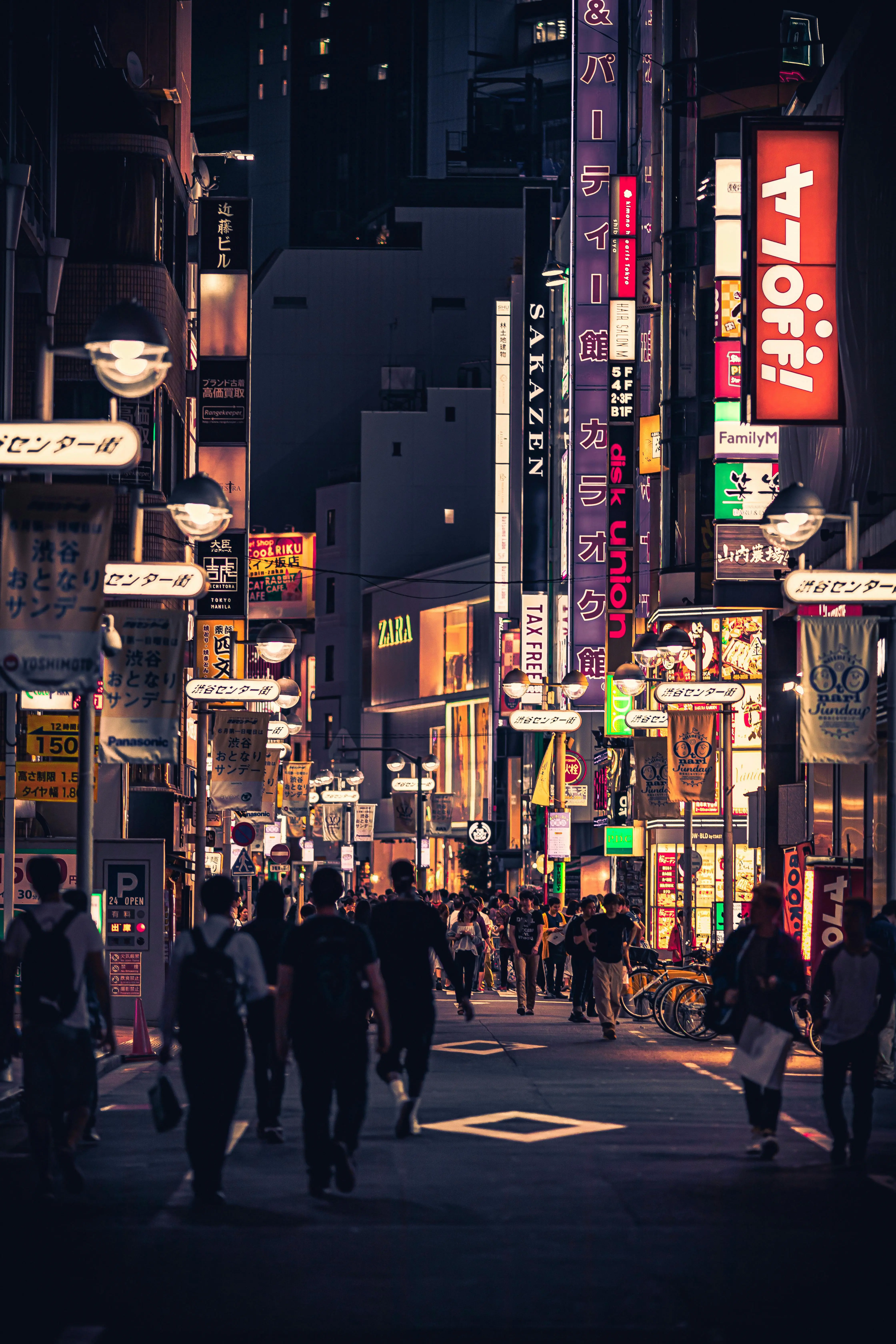
The Ultimate Guide to Choosing Where to Stay in Tokyo
Most people arrive in Tokyo and default to Shinjuku or Shibuya because those are the names they recognise. That instinct is understandable and almost always wrong for a stay longer than a week. The neighbourhoods that photograph well are the ones that grind you down after ten days of living in them.
The Neighbourhood Comparison: What Tokyo's Districts Actually Cost You
Each Tokyo district makes a different trade-off between cost, atmosphere, and convenience.
Shimokitazawa: ¥130,000–¥180,000/month for a 1-bed — indie, slow, analogue vibe ideal for writers and creatives, with quiet walkable streets and almost no tourists
Shimokitazawa is the one district where people who came for a month quietly renew for three — the rent feels cheap the moment you stop commuting to somewhere more expensive.
Shimokitazawa: The Neighbourhood That Rewards Staying
Shimokitazawa is the one neighbourhood in Tokyo that actively resists being hurried through, which makes it close to ideal for a slowcation base.
Shimokitazawa Station — served by the Odakyu and Keio Inokashira lines; Shibuya is 5 minutes, central Shinjuku is 10
Monthly rent for a furnished 1-bed on streets like Dai-ichidori runs ¥140,000–¥175,000
Almost no chain restaurants — the food culture here is entirely local, which takes adjustment but pays off
Street noise drops after 10pm; weekend flea markets at Shimokitazawa Central Market start around 9am
If you need a coworking space within walking distance, you will need to plan ahead — Shimokitazawa has cafés but fewer dedicated work spaces than Nakameguro or Shinjuku.
Yanaka: The Cheapest Honest Base in Central Tokyo
Yanaka survived the Second World War bombing and the 1923 earthquake, which means it still looks like Tokyo looked before Tokyo became what it is now — narrow lanes, wooden shopfronts, a pace that doesn't perform itself for visitors.
Yanaka Ginza shopping street — the best daily food market for local ingredients, mornings only for the best selection
Furnished apartments in the area from ¥110,000/month — the lowest you will find this close to central Tokyo
Nearest major train link: Nippori Station on the Yamanote Line, 20 minutes to Shinjuku
Digital nomads who choose Yanaka tend to stay longer than planned — the neighbourhood has a stickiness that is hard to explain until you're in it
Yanaka is not for everyone. If you need coworking infrastructure daily or want options after 9pm, the quietness that makes it great for deep work will start to feel like absence rather than peace.
The fully furnished apartments in Tokyo listed on RentRemote cover all five of these districts — filter by neighbourhood if you already know where you want to land.
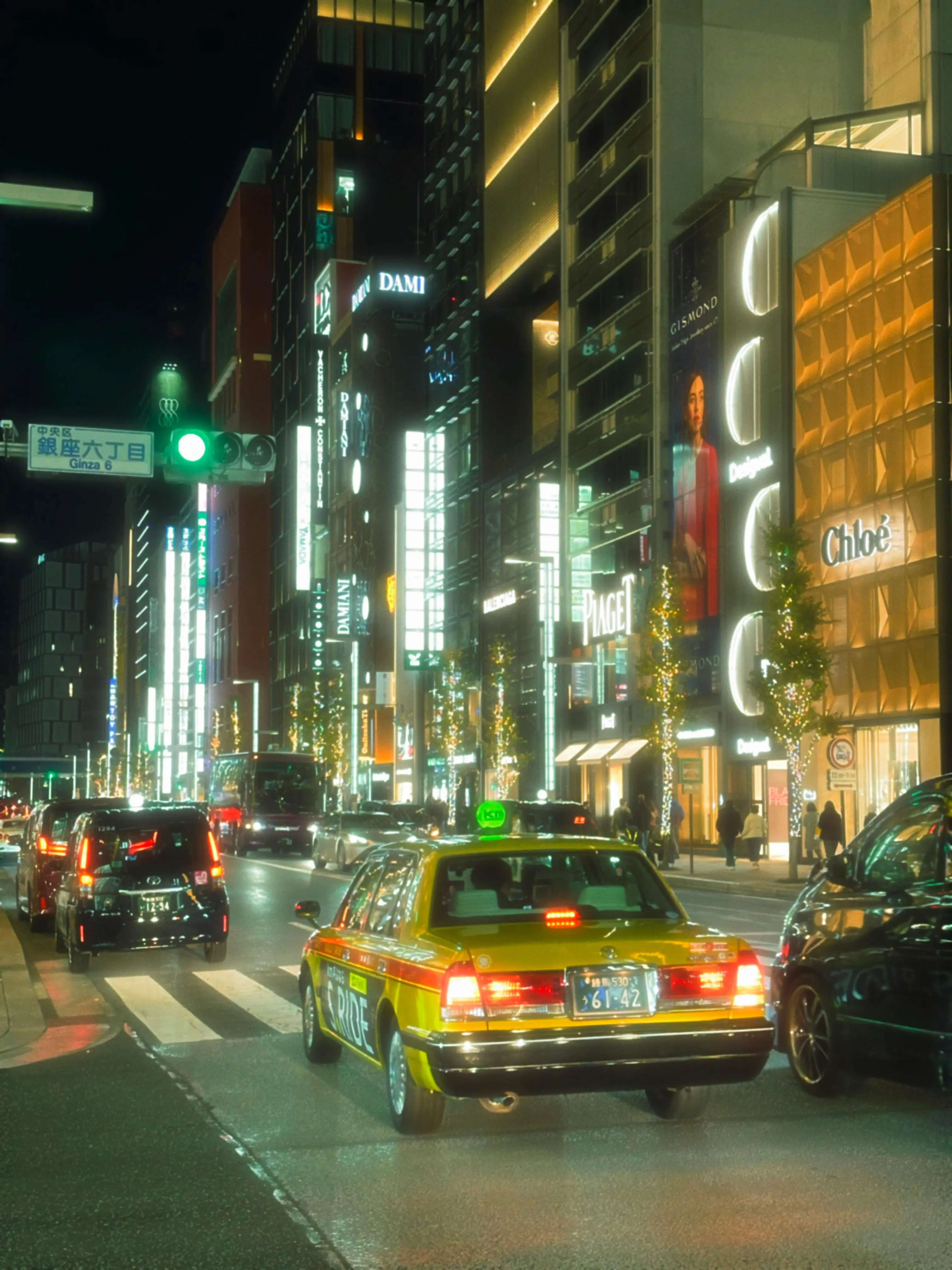
Best Places to Work and Co-Working Spaces for Digital Nomads in Tokyo
Tokyo has some of the fastest internet speeds of any city in the world, and almost every café you walk into will have Wi-Fi. That does not mean every café welcomes you staying for three hours with a laptop — Japan's coffee shop culture has its own rules, and reading them matters more than the signal strength.
Co-Working Spaces Worth Paying For
Tokyo's coworking scene has matured significantly in the last few years, and the best spaces are genuinely different from the generic open-plan offices you find in most cities.
The Terminal, Shibuya — day pass ¥2,500, strong community of remote workers and local freelancers, reliable gigabit internet
LIFORK Ōtemachi, Otemachi — ¥3,000/day, excellent for professional calls, close to Tokyo Station for travel days
Spaces Shinjuku — monthly from ¥30,000, best infrastructure of the chain options, noisy in the shared area but private booths available
co-lab — ¥2,000/day or ¥20,000/month, smaller and quieter, a good choice if you want to avoid the startup-pitch energy of larger hubs
A monthly coworking membership in Tokyo costs roughly what a daily hotel room costs in London — if you are staying three weeks or more, the economics are obvious.
Cafés That Actually Work for Remote Workers
The best café for working in Tokyo is not always the most obvious one — it is the one that is not trying to be a coworking space.
Onibus Coffee, Nakameguro — small, pour-over focused, ¥600–¥800 per cup, go before 11am for a seat; they do not rush you
Bear Pond Espresso, Shimokitazawa — famously strict but the espresso is among the best in Tokyo; do not arrive expecting a long work session, this is a one-drink stop
Chatei Hatou, Shibuya — old-school kissaten (Japanese coffee shop) culture, ¥500–¥700, no Wi-Fi but the kind of quiet that forces actual focus
Fuglen Tokyo, Tomigaya — Norwegian-Japanese collaboration, strong Wi-Fi, ¥700–¥900, get there before noon or expect to wait for a table
The kissaten tradition — old Japanese coffee shops with counter seating and long opening hours — is one of the most underused resources for digital nomads in Tokyo; they are quieter than any coworking space and cost less than ¥700 for the privilege.
Andwork Shinjuku charges around ¥3,000 for a day pass and has great natural light on the upper floors — a real advantage over the basement-level spots that dominate central Tokyo.
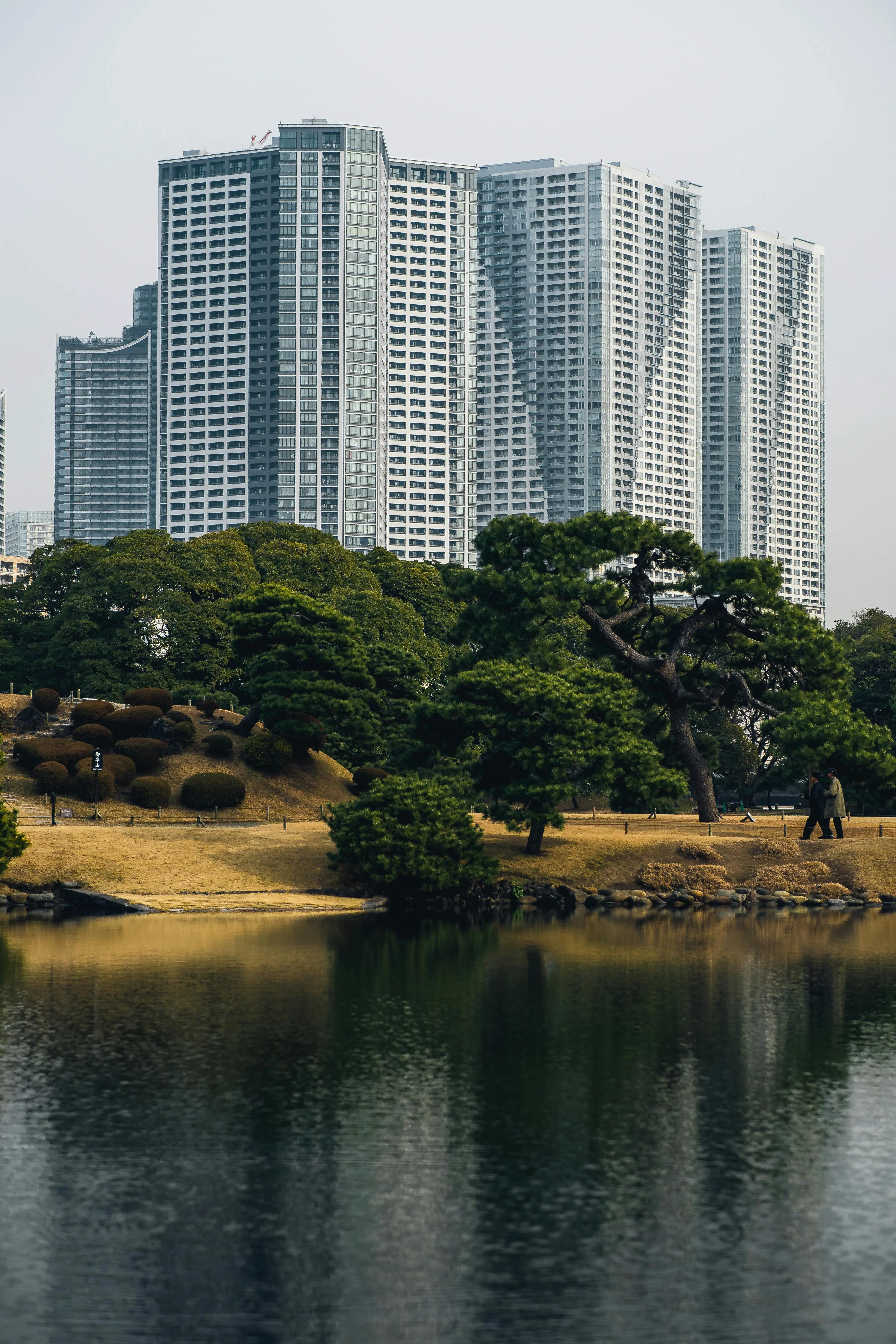
Japan for Digital Nomads: Visas, Rules, and What Nobody Tells You
Japan does not have a dedicated digital nomad visa, which is the fact that changes every other calculation in this guide. You need to know the actual rules before you book anything, because Japan enforces them carefully and the consequences of getting it wrong are not minor.
The Visa Reality for Digital Nomads in Japan
Most digital nomads enter Japan on a tourist visa (or a visa waiver), which has a hard 90-day limit — and working for income while on tourist status is technically prohibited.
Citizens of most Western countries get 90 days visa-free; some nationalities get 15 or 30 days — check your specific passport before planning
The 90-day period cannot currently be extended inside Japan; visa runs to South Korea or Taiwan are used in practice but are not a formal solution
Japan announced a "Digital Nomad Visa" in 2024 for residents of countries with tax treaties with Japan — it allows a 6-month stay, but income requirements are substantial (around ¥10 million/year equivalent)
Working remotely for a foreign employer while on tourist status exists in a legal grey zone — not explicitly permitted, not actively policed, but not something to be glib about
The honest answer is that most digital nomads in Japan stay under 90 days and treat the visa question the same way they treat turbulence — they know it exists, they fly anyway, and they hope for the best; but going in with open eyes is still better than going in without them.
Japan as Digital Nomad Destinations: Which Cities to Pair with Tokyo
Tokyo alone could occupy three months without effort, but Japan rewards the digital nomad who treats it as a country to explore rather than a single city to base in.
Kyoto — 14 minutes from Osaka by Shinkansen, a completely different pace; furnished apartments from ¥90,000/month in the Fushimi and Nishiki areas
Osaka's Namba district — louder and cheaper than Tokyo, food culture that is among the best in the world for the price, Shinkansen to Tokyo in 2.5 hours
Fukuoka's Tenjin area — increasingly the city Japan's own remote workers choose when they want lower rents, strong café culture, and a smaller city rhythm
The JR Pass pays for itself if you are moving between destinations in Japan — calculate the break-even point before buying, as for a Tokyo-only stay it will not make financial sense
If you travel in and out of Japan on a tourist visa, border officers at Narita have started asking for proof of onward flights, so keep a return or connecting ticket ready on your phone.
If you are spending 90 days in Japan and trying to see more than one city, the train network makes multi-city stays logistically straightforward — but Tokyo is always worth a month of the three.
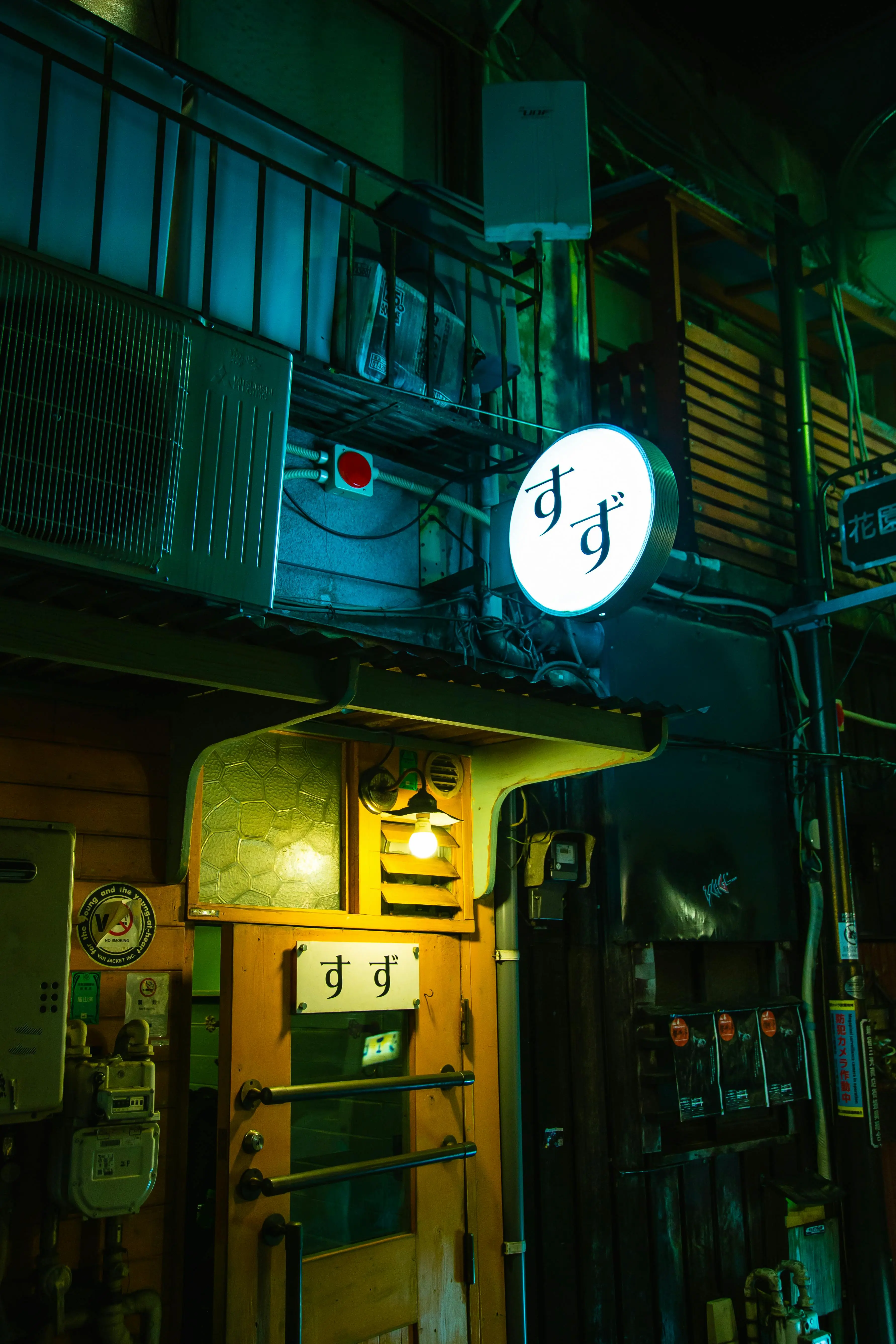
Tokyo Japan for Digital Nomads: The Daily Rhythm Nobody Writes About
The practical guides tell you about the train network and the coworking spaces. They are less useful on the thing that actually shapes your experience of Tokyo as a remote worker: the city runs on a social logic that is genuinely different from European or American cities, and adapting to it takes longer than adapting to the time zone.
What Being a Digital Nomad in Tokyo Actually Feels Like Day to Day
Tokyo is one of the few cities in the world where being a foreigner working remotely makes you less visible rather than more — the city is too large and too self-contained to pay much attention to you, which is either freeing or lonely depending on your disposition.
Convenience stores (Lawson, 7-Eleven Japan) are a genuine quality-of-life infrastructure — breakfast for ¥400, decent lunch for ¥600, and they are always open
The train system runs to the minute; missing a connection is always your fault, never the train's — always check the last departure time at night, especially outside central Tokyo
Public manners in Tokyo are specific and largely unspoken: phone calls on trains are avoided, queuing is precise, and volume in public spaces is lower than most visitors expect
Building a local routine takes a few weeks; the city rewards repetition — the same ramen counter three times earns you a nod from the chef that no tourist experience will give you
Tokyo is not a city that opens up to you quickly, but it does open up — and the digital nomad who stays long enough to experience that shift will understand why so few people who slowcation here leave on schedule.
Explore Nakemaguro in our neighbourhood guide if you want more detail on the specific streets, morning routines, and local spots that make it the most liveable base for remote workers in Tokyo.
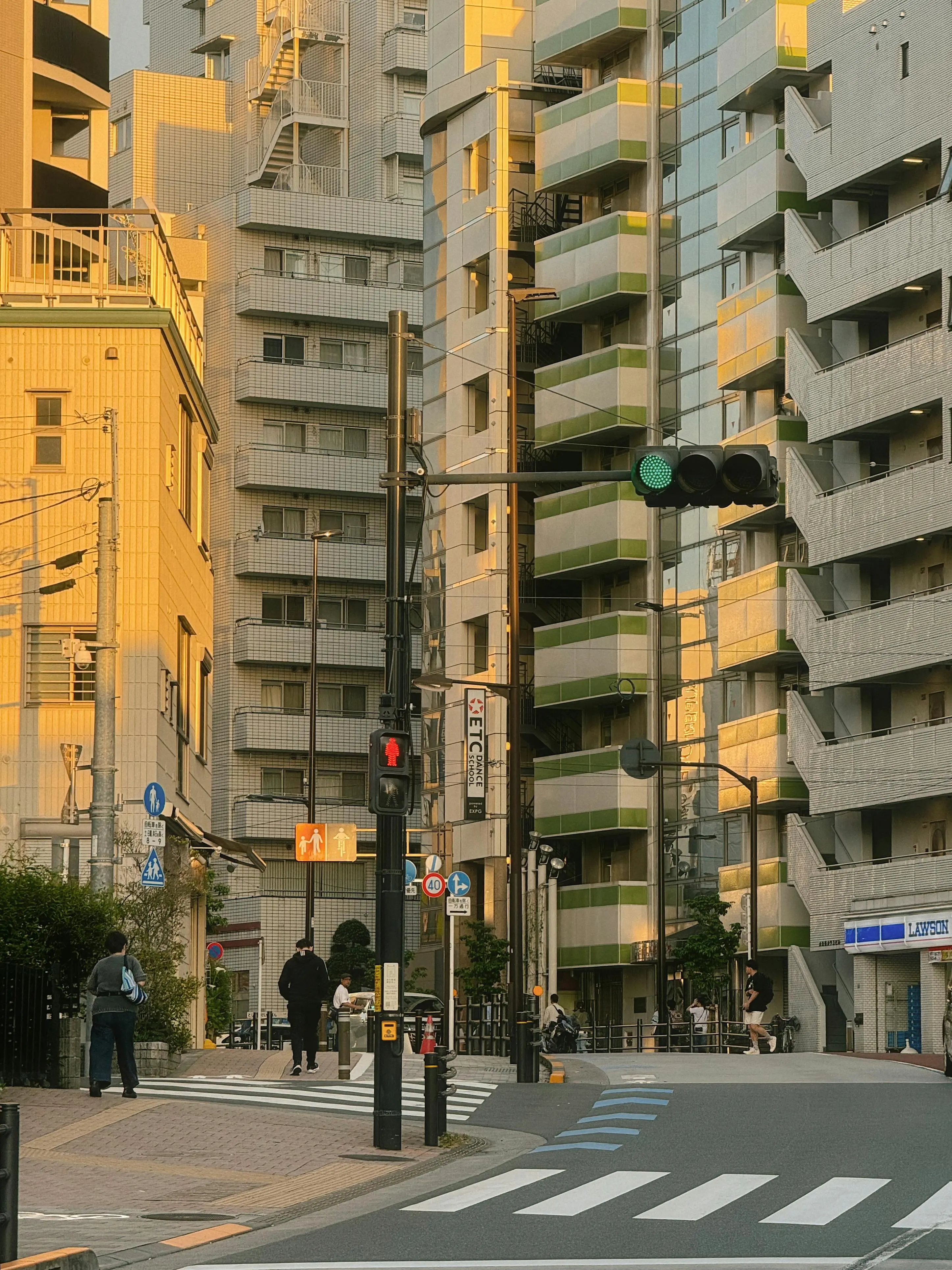
Where to Eat, Drink, and Actually Spend Your Evenings in Tokyo
Tokyo's food and drink scene is not a bonus feature — it is the primary reason most nomads extend their stay without planning to. The work day ends, you walk ten minutes, and you are somewhere you will spend the next three hours trying to describe to people back home.
Neighbourhood Restaurants Worth Repeating, Not Just Visiting Once
The best restaurants for a nomad living in Tokyo are not the ones with English menus — they are the ones where the chef starts pouring your tea before you ask.
Torito Koenji — yakitori from ¥150 per skewer, counter seating only, get there before 7pm or you wait outside on the street
Tensuke — tempura lunch set ¥950, Nakameguro backstreet, fills up by 12:15pm on weekdays — arrive early or go after 1pm
BASO OMOTESANDO — handmade soba near Shinjuku Gyoen, ¥1,100 for cold soba and side dishes, quiet enough for a long lunch if you have a morning call to recover from
Standing ramen counters near Yurakucho Station — ¥700–¥850 per bowl, no seating pressure, faster than any delivery service
None of these are destinations in the tourist sense — they are the kind of places you find yourself returning to three times a week because the food is good and nobody needs anything from you.
Depachika food halls in places like Isetan Shinjuku and Shibuya Hikarie work well for both a quick ¥600 bento lunch and a serious ¥3,000 dinner — you do not need two separate stops.
Where to Drink Without Ending Up in a Tourist Trap
Tokyo's bar scene is one of the few in the world where a ¥1,500 drink in a six-seat basement bar is a better evening than a rooftop with a view — the craft and the quiet are the point.
Bar Benfiddich — Shinjuku, pre-Prohibition cocktails from ¥1,800, the bartender grows his own botanicals on the roof; reservations are not always required but they help on weekday nights
Cyclone — Koenji live music bar, cover charge ¥500–¥800, local bands, cheap Sapporo on tap; one of the top spots for nomads who want to meet people without the effort of a nightlife district
Haritts — technically a doughnut shop but stays open into the evening, Shimokitazawa-adjacent, ¥250 per doughnut, the kind of place you sit for an hour without realising it
Night in Tokyo is quieter than the neon suggests from the outside — and that is the version you are looking for, not the one you imagined before you arrived.
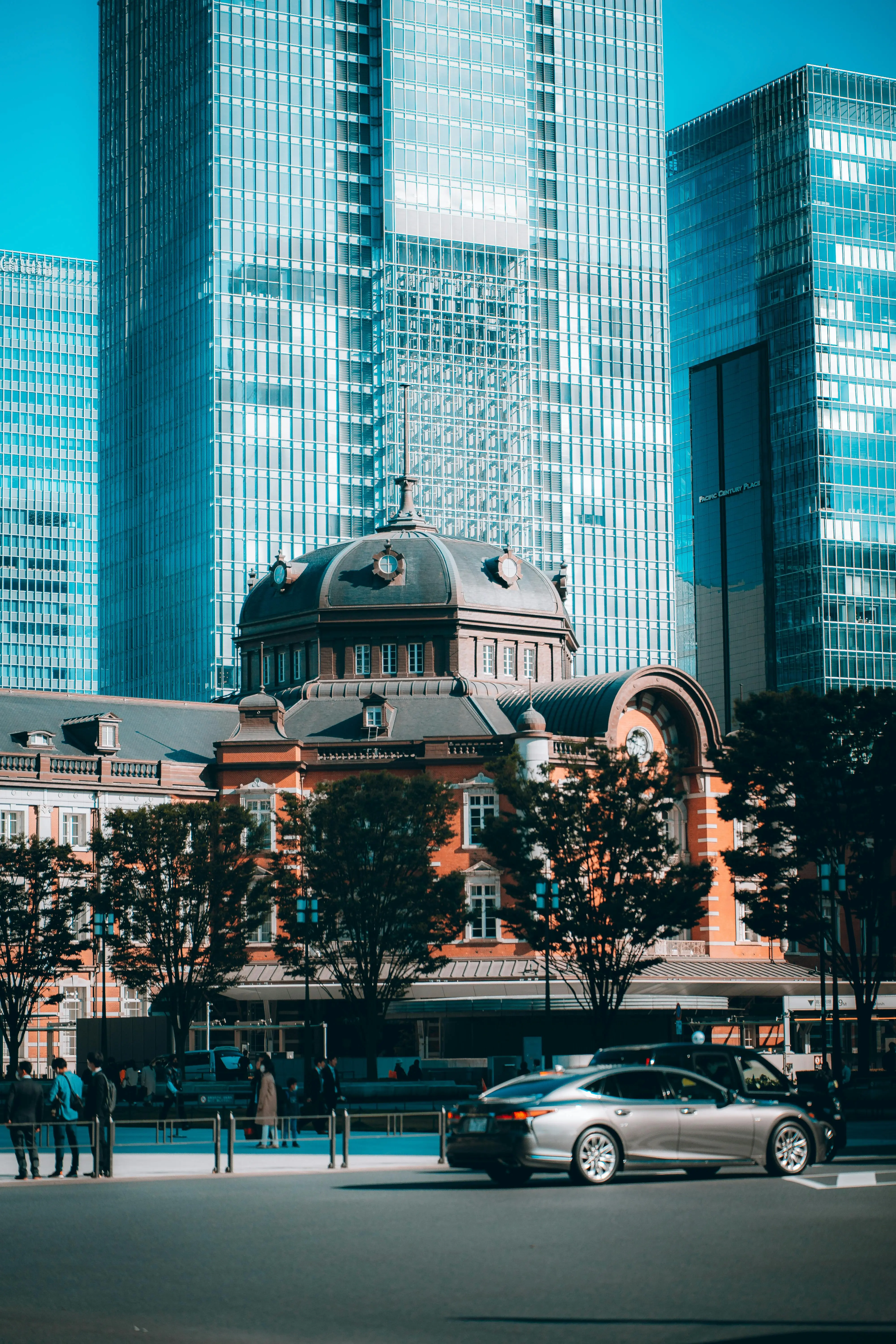
Free Things, Low-Cost Days, and the Tokyo That Costs Almost Nothing
Tokyo has a reputation for expense that is not entirely deserved once you stop eating at places with photographs on the menu. A well-structured week here can be genuinely cheap — if you know where to direct your time.
The Free Attractions That Are Actually Worth Your Time
The free attractions in Tokyo are not consolation prizes — several of them are among the top experiences the city offers, and no ticket queue is involved.
Shinjuku Gyoen — ¥500 entry (one of the lowest cost-per-hour ratios in Tokyo), 58 hectares, open Tuesday–Sunday; the free alternative is the outer gardens at Meiji Jingu, which cost nothing and are open every day
Tokyo Metropolitan Government Building — free observation deck, 202 metres, open until 10:30pm on most nights; the view is better than several paid towers and the lift takes 55 seconds
Yanesen streets — the area connecting Yanaka, Nezu, and Sendagi — free to walk, no entrance logic, and a neighbourhood that feels traditional without being a museum exhibit
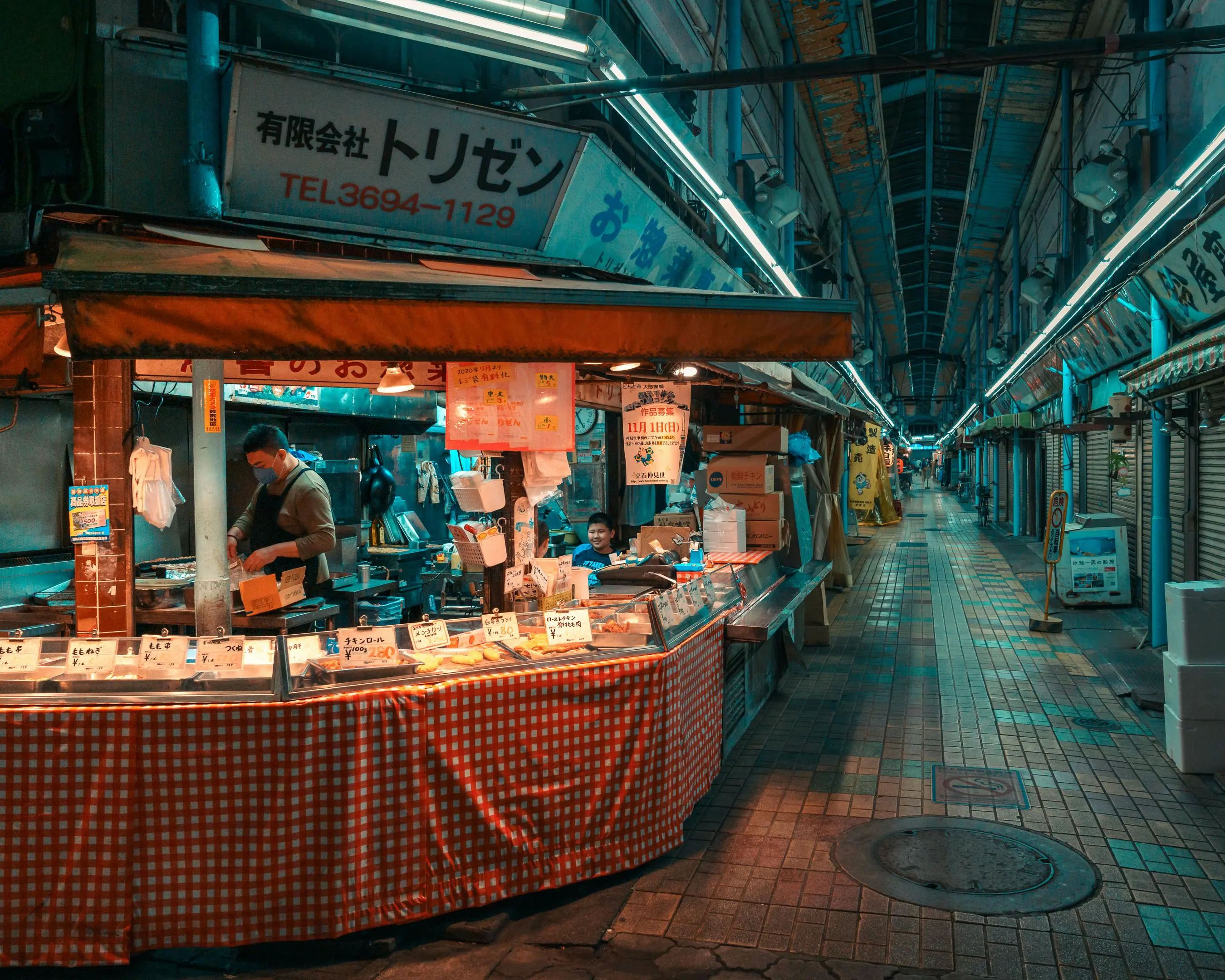
Junjō Shōtenga — covered shopping arcade with second-hand clothing from ¥500, vinyl records, and independent food stalls; the kind of place this nomad guide keeps returning to as a reference point for what Tokyo looks like when it is not performing for visitors
A day structured around these costs you ¥500 in entry fees and whatever you spend at a standing soba counter — which is to say, almost nothing.
The Convenience Store Economy and What It Actually Covers
The convenience store argument is well known by now, but it goes further than breakfast — for nomads working on compressed budgets, it covers more of daily life than most people expect before arriving.
FamilyMart hot food counter: fried chicken ¥218, steamed buns ¥130, nikuman in winter ¥160 — lunch for under ¥600 without searching anywhere for a better option
ATM access without fees at most locations for international cards — critical because cash is still the dominant payment method at traditional markets and smaller restaurants
Printing, scanning, and bill payment at the in-store kiosks — nomads who arrive without a local bank account can pay utility bills and certain subscription services here
The convenience store is not a fallback — it is infrastructure, and once you accept that, your daily budget in Tokyo becomes a very different number than the one travel blogs quote.
Coworking, Internet, and Building a Work Routine That Actually Holds
Tokyo has no shortage of places to work — the problem is finding ones where you can stay for four hours without ordering something every ninety minutes or negotiating with a landlord about a six-month minimum lease on a desk.
Coworking Spaces That Work for Monthly Nomads
The top coworking spaces in Tokyo for nomads who need flexibility are the ones that offer day passes without a membership commitment and desks without a waiting list.
co-lab — Shibuya, day pass ¥1,500, standing desks, fast WiFi, small enough that you will recognise the regulars by the end of week one
Midori.so Tokyo — Shin-Koenji, day pass ¥1,200, monthly hot desk from ¥28,000, has a small garden terrace that is genuinely usable in spring and autumn
Neutrino — Aoyama, 24-hour access on monthly plans from ¥33,000, good for nomads who keep non-Tokyo hours and need to work through what is technically the middle of the night
Soho Works Tokyo — Ark Hills, day pass ¥3,000, quieter and more professional than most, the right call if you have a video call that cannot look like a café
The best approach for a month-long stay is two weeks of day passes while you find your rhythm, then a monthly desk at whichever space matches your actual working hours — not the ones you intend to keep.
Cafés That Tolerate Longer Work Sessions
Finding a café in Tokyo that will let you open a laptop for three hours without subtle social pressure is a real task — but they exist, and they are worth finding early in your stay.
% Arabica Tokyo — Roppongi Hills, flat white ¥700, reliable WiFi, high turnover but no visible time limit; go between 10am and noon before the lunch crowd arrives
Streamer Coffee Company — Harajuku, ¥650 for a latte, power sockets at the window bar, a local favourite that never feels like a tourist café even in the middle of one of Tokyo's most visited streets
Coffee Valley — Shimokitazawa-adjacent in Setagaya, ¥550 per cup, no music, never crowded before noon, one of my honest top recommendations for anyone who needs silence to work and does not own a private office
The café-as-office strategy works in Tokyo only if you match your café to your work type — calls need a coworking space, deep work needs a quiet café before noon, and anything that requires a whiteboard needs a desk you have paid for by the month.
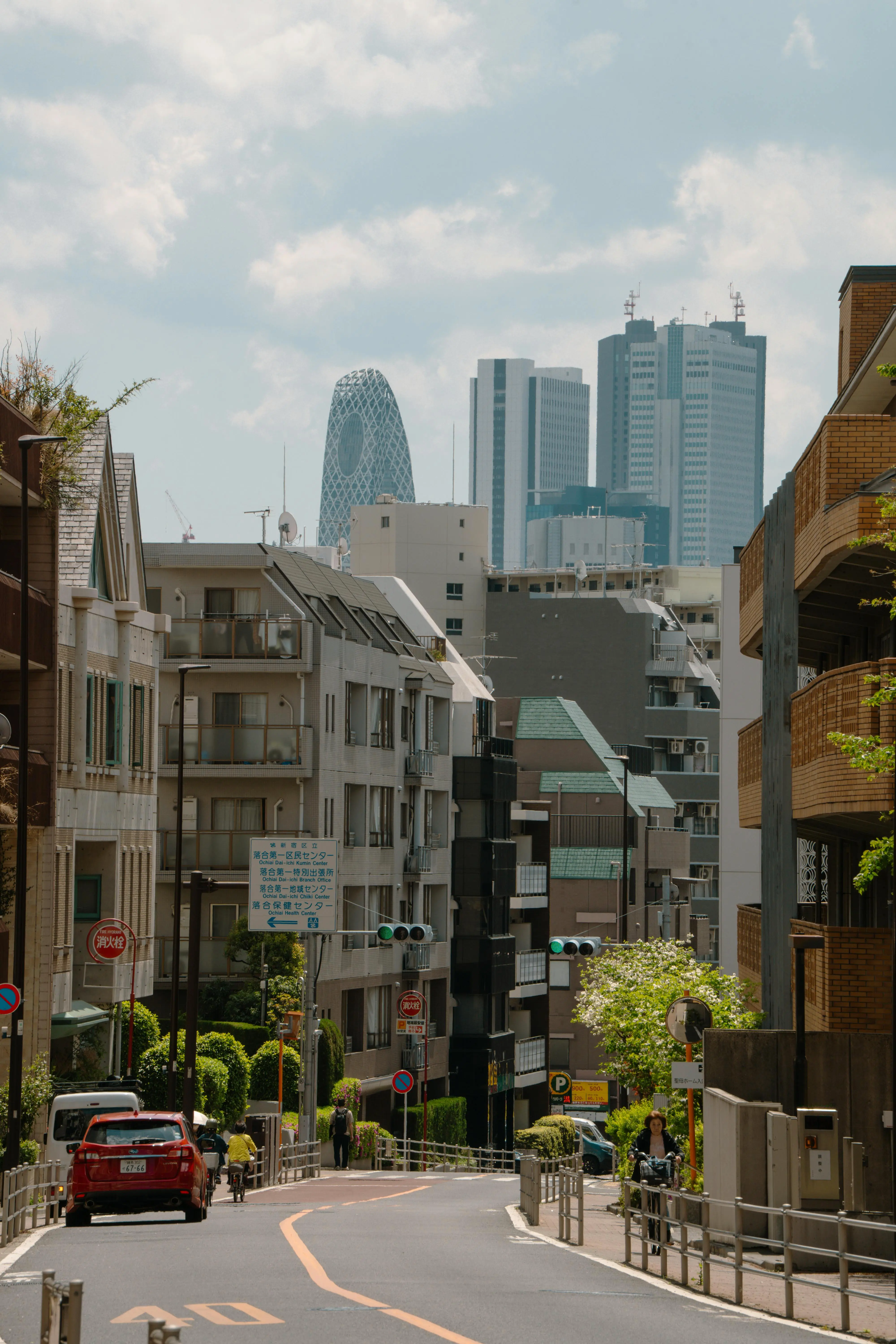
Is Tokyo the Right Slowcation Base for You? A Digital Nomad Guide
Who Tokyo Actually Works For
Tokyo rewards nomads who are willing to put in the initial effort — it is not a city that makes things easy, but it is a city that makes things worth it.
Self-sufficient workers who do not need a handed-to-them social scene will settle in faster than most
Nomads comfortable with a real language barrier will find it manageable within weeks, not months
Those who prefer quiet, deliberate routines over expat-bar networking will get the most out of daily life here
Remote workers on longer stays — a month or more — consistently report not wanting to leave when the time comes
If you need a city to reach toward you first, Tokyo is the wrong choice — but if you are prepared to reach toward it, the return is disproportionate.
What to Expect From the First Few Weeks
The costs and the language barrier are real, but neither one is the thing that actually catches nomads off guard in Tokyo.
Start with a furnished apartment in a quieter district — Shimokitazawa, Nakameguro, or Koenji give you neighbourhood texture without the tourist-area noise
Build a work routine in the first week before you start exploring — Tokyo is overwhelming if you try to do both at once
Grocery shopping, transport, and daily admin will feel unfamiliar for roughly ten days and then click almost completely
What catches most nomads is not the difficulty — it is how quickly a month of deliberate living starts to feel like a real version of home
The adjustment curve is front-loaded, and once you are past it, Tokyo is one of the most liveable remote bases anywhere.
How to Find the Right Base Before You Commit
The traditional Tokyo rental market is not built for remote workers — short contracts, key money, and guarantor requirements make it genuinely hostile to anyone staying less than a year.
Furnished apartments filtered by length of stay remove the guarantor and key money problems entirely
Neighbourhood filtering matters more in Tokyo than in most cities — a bad district fit will colour your whole stay
Flexibility on move-in dates is standard on platforms designed for nomads, and almost nonexistent in the local market
Browse fully furnished apartments in Japan for options that match how remote workers actually need to rent
Getting the accommodation right before you arrive is the one variable in Tokyo that is entirely within your control — use it.
No digital nomad guide to Tokyo is complete without flagging that pocket Wi-Fi rental from IIJmio at Narita costs around ¥300 per day and saves you the SIM-card scramble on arrival.
Start Your Tokyo Slowcation on the Right Foot
Tokyo rewards the traveller who stays long enough to find their rhythm. The first week might feel overwhelming, but by week two you will have a favourite coffee shop, a reliable grocery run, and a commute-free morning routine that actually makes you productive. That shift from tourist to temporary local is exactly what the slowcation approach is designed to create.
The key is choosing your base before anything else. A well-located, fully furnished apartment removes the friction that kills momentum in those early days — no hunting for furniture, no confusing lease negotiations, no surprise utility bills. When the practical side is sorted, the city opens up in a completely different way.
If you are ready to stop rushing through Tokyo and start actually living in it, explore fully furnished apartments in Japan and find a space that fits your work style, your preferred neighbourhood, and the length of stay that makes a slowcation worth doing properly.