Lukas
Tech & Digital Nomad Cultural Editor ·
Nakameguro is the neighbourhood Tokyo gets right for people who are actually trying to live there, not just visit. The Meguro River runs through the middle of it, cafés line both banks, and the surrounding streets are quiet enough to think — which is rarer in this city than the guidebooks suggest. The trade-off is price: Nakameguro is not cheap, even by Tokyo standards, and the canal-side apartments that look perfect in photos come with rents that reflect exactly that. This guide covers what you actually need to know before committing a month of your budget to it.
Where to work — coworking spaces, cafés worth knowing, and when to go
Where to eat and what it actually costs day to day
How Nakameguro compares to nearby neighbourhoods for remote workers
Cherry blossom season — what changes and what it costs you
Getting around and which Tokyo lines matter
Housing: what ¥150,000/month actually gets you here
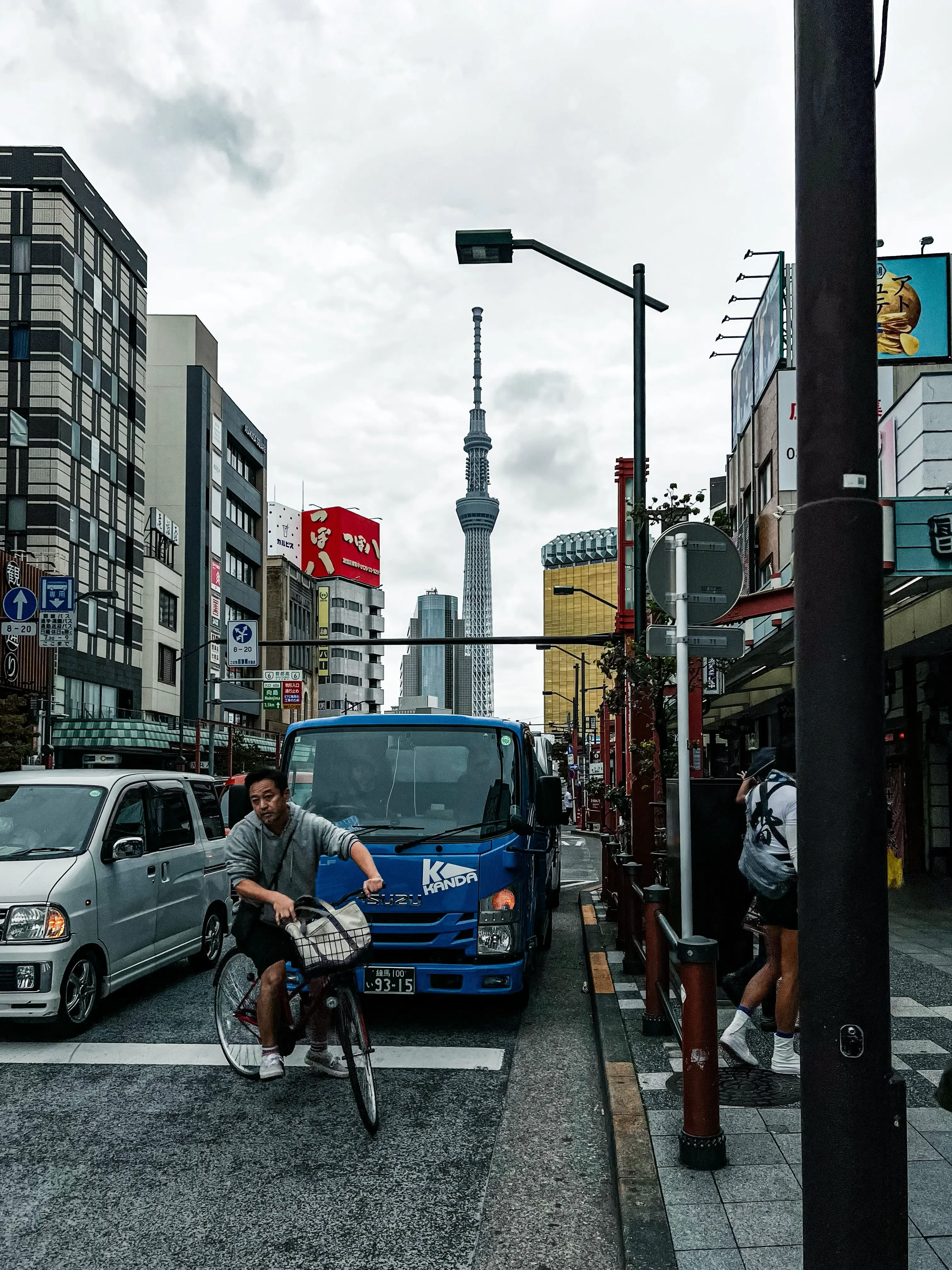
Why Nakameguro Tokyo Works as a Long-Stay Base
Most neighbourhoods in Tokyo are either convenient or pleasant. Nakameguro is one of the few that manages both — and if you are staying more than two weeks, that distinction matters more than it sounds.
The Neighbourhood Logic: What You're Actually Getting
Nakameguro sits between Shibuya to the north and the quieter residential streets of Meguro to the south, which means you get access to the city without living inside the noise of it.
Nakameguro Station — served by the Tokyu Toyoko Line and Tokyo Metro Hibiya Line; Shibuya is four minutes, Roppongi is direct — the commute maths work without effort
Canal-side streets along the river: quieter than any map makes them look, lined with independent boutiques and low-key coffee shops rather than chain retail
Weekly rhythm: mornings are calm enough to work from a café window; weekends draw crowds to the riverbank, so adjust accordingly
Grocery access: Peacock Store (¥1,200–1,800 for a week's breakfast basics) is five minutes from the station on foot
The neighbourhood rewards staying a month: the first week you're navigating it, the second week you understand it, and by the third you've stopped thinking about it — which is exactly what you want from a base.
Who It Suits and Who It Doesn't
Nakameguro is a good fit if you value walkability, good coffee, and not having to fight for a seat at your regular café — it is not a good fit if you need fast nightlife access or the absolute lowest rent in Tokyo.
Works well for: writers, designers, anyone whose work is done at a laptop and who treats their neighbourhood as a second office
Does not work for: people who need a warehouse-style coworking floor with standing desks and phone booths — that infrastructure is more developed in Shibuya and Shinjuku
Solo remote workers tend to stay longer here than they planned; there's a liveable density that's hard to leave once you're used to it
If you're deciding between Nakameguro and somewhere cheaper, the honest question is whether you'll actually use the neighbourhood — if you're out of your apartment 10 hours a day in meetings or coworking spaces elsewhere, pay less rent and live in Sangenjaya instead.
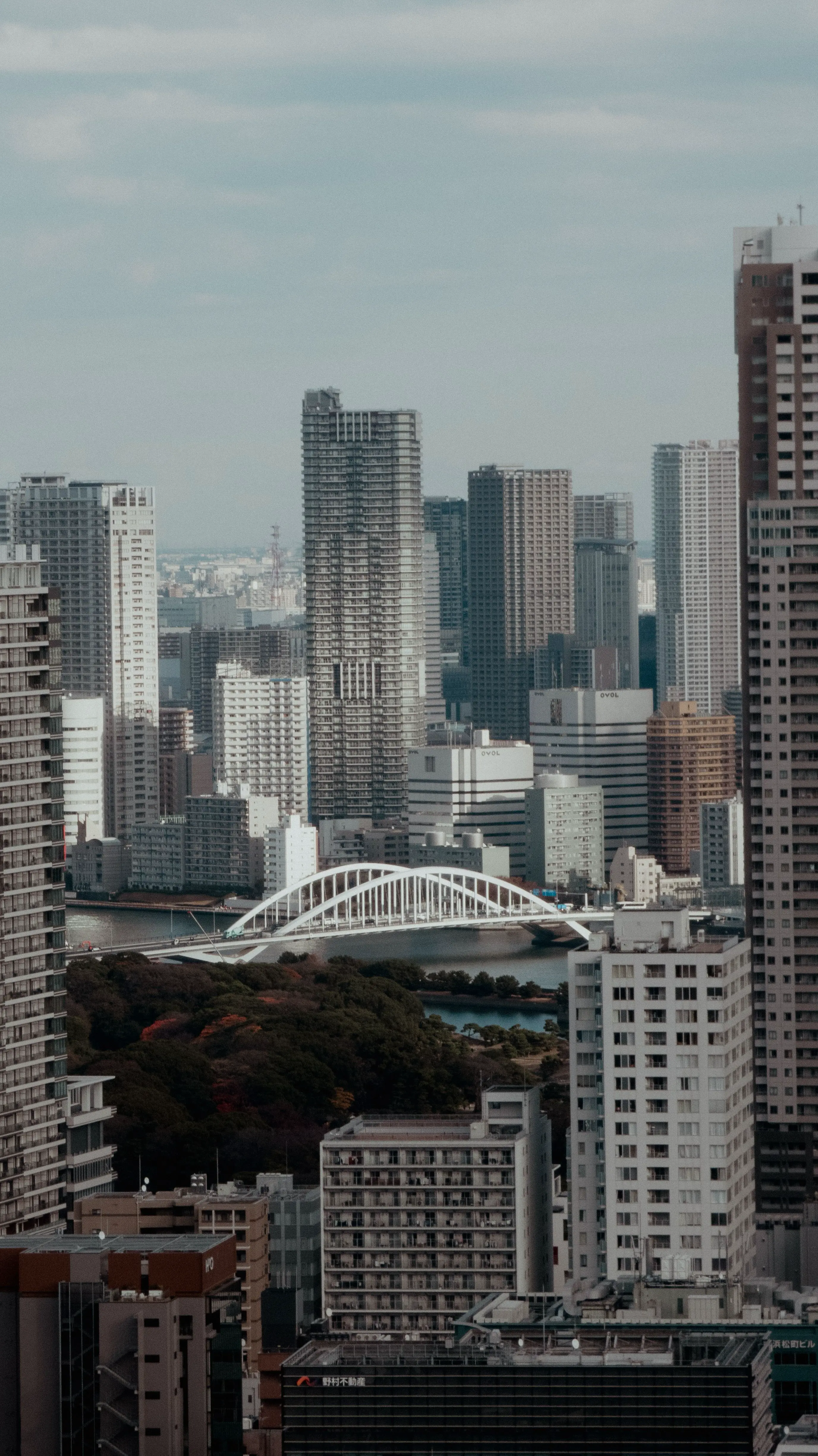
Working from Nakameguro: Cafés, Coworking, and the Meguro River Corridor
The canal-side café culture along the Meguro River is real — but it has limits, and knowing them before you try to write a proposal at noon on a Saturday will save you genuine frustration.
onibus coffee and the Canal Corridor
The canal street is at its best on weekday mornings, and Onibus Coffee is where most laptop workers end up — for good reason, but with conditions attached.
Onibus Coffee Nakameguro — flat white around ¥650, single-origin pour-overs from ¥750; outdoor seating along the river; WiFi is available but not fast enough for video calls; go before 10am if you need a table
Tsutaya Books T-Site — good for longer working sessions; coffee from ¥600, reliable WiFi, and the browsing keeps your brain awake between tasks
Allpress Espresso — ¥600–700 for coffee, New Zealand-roasted beans, slightly more space than Onibus, better for afternoon work
The canal cafés work brilliantly until about 11am on weekdays; after that, the foot traffic picks up and the vibe shifts from working café to destination café — know which one you need before you sit down.
Starbucks Reserve Roastery Tokyo: The Obvious Choice You Should Consider Anyway
The Starbucks Reserve Roastery Tokyo on the canal is easy to dismiss as a tourist spot, but the seating capacity means you can almost always find a table — which is not something you can say about the smaller independents at peak hours.
Drinks run ¥800–1,400; the price is higher than anywhere else on the canal, but the table availability on a Tuesday afternoon is unmatched
WiFi is stable; power outlets are less consistent — bring a full battery
Four floors of seating: the upper floors are quieter and worth seeking out over the ground-floor theatre of the roasting equipment
The queue is worst between 11am–1pm on weekends; arrive before 10am or after 3pm if you're using it as a workspace rather than a destination
It's not where you'll do your best work, but it solves the "nowhere to sit" problem that the smaller cafés create on busy days — treat it as a reliable fallback, not a first choice.
Coworking near Nakameguro
Purpose-built coworking is thinner on the ground here than in Shibuya, which is close enough that it doesn't need to be a dealbreaker.
STATION BOOTH — small coworking space near the station; day passes around ¥2,000, monthly memberships from ¥25,000; good for quiet focused work
WeWork Daikanyama — ten minutes on foot or two stops by train; day passes from ¥3,000, full infrastructure including phone booths and fast fiber
Shibuya has the deepest coworking inventory in this part of Tokyo — four minutes by train on the Tokyu Toyoko Line from Nakameguro Station makes it a reasonable daily commute if you need it
The working infrastructure in Nakameguro favours people who thrive in café environments; if you need a dedicated desk with a locker and a 27-inch monitor, budget an extra ¥25,000–35,000/month and commute to Shibuya.
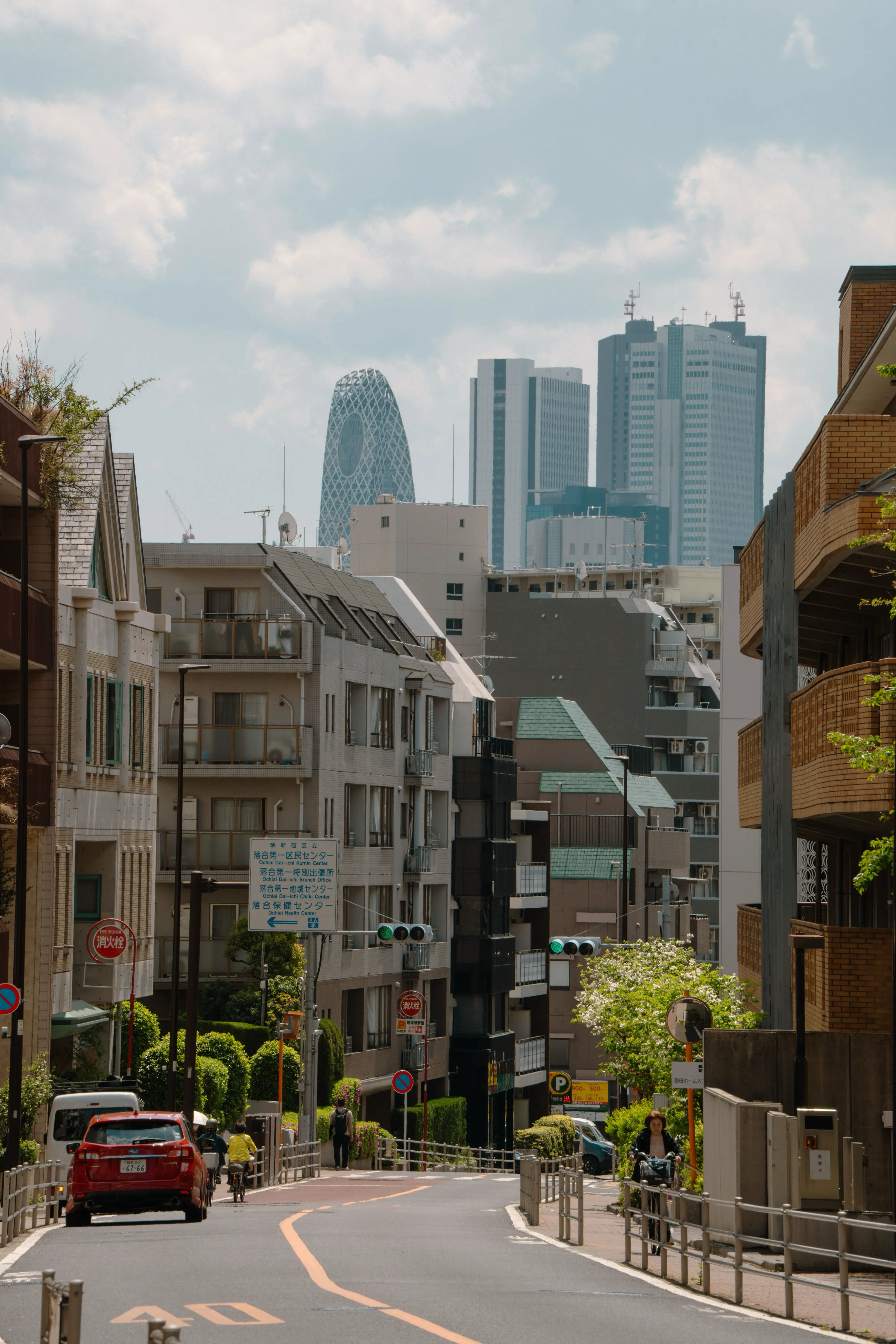
Nakameguro Neighbourhood Comparison: Where to Actually Live
The Budget Tiers: What You Actually Pay by Neighbourhood
There are effectively two price bands in this part of Tokyo, and which one you land in shapes your entire experience — not just your rent.
Shimokitazawa and Sangenjaya sit in the ¥100,000–150,000 range for a one-bed, making them the only genuinely affordable options near Nakameguro
Nakameguro, Ebisu, and Daikanyama cluster between ¥150,000–240,000 — a meaningful jump that buys atmosphere and transit, not more square metres
Daikanyama occasionally offers more apartment space per yen than Nakameguro at similar price points, which surprises most people looking here for the first time
Sangenjaya's lower rents come with direct Tokyu Den-en-toshi Line access, so you're not paying a transit penalty for saving ¥50,000 a month
The gap between the two tiers is wide enough that moving one stop in the wrong direction can cost you the equivalent of a return flight home every month.
Matching Your Working Style to the Right Neighbourhood
The neighbourhood you can tolerate on a slow Tuesday with nothing booked is more revealing than the one that looks good in photos.
Nakameguro suits remote workers who structure their day around the neighbourhood itself — high walkable café density and Meguro River access make leaving the apartment feel worthwhile
Ebisu is the pragmatic pick if you have regular meetings in Shibuya or need direct Yamanote Line access without thinking about it
Shimokitazawa works for creative workers who genuinely want character and can live with slightly less transit convenience — it has the most personality per yen of this group
Daikanyama rewards long-stay professionals who want premium quiet and lower foot traffic than Nakameguro delivers on weekends
Sangenjaya is the one neighbourhood here where you'd feel out of place if café aesthetics are central to how you work — it runs on izakaya culture, not flat whites.
When Nakameguro Is Actually Worth the Premium
Nakameguro charges for a specific lifestyle, and if that lifestyle doesn't match how you actually spend your days, you're subsidising other people's Instagram content.
The canal-side walkability is genuinely functional, not decorative — errands, coffee, and lunch can all happen within ten minutes on foot on a weekday morning when crowds are thin
At ¥150,000–220,000, you're paying roughly ¥50,000–70,000 more per month than Sangenjaya for that walkable density and the Meguro River access
The neighbourhood reads as quiet and design-conscious Monday through Friday; that changes significantly on weekends when visitors arrive for the canal — factor that into your working hours
If you're going to spend most of your day indoors on calls, Nakameguro's premium is essentially a view tax, and Sangenjaya will leave you considerably better off.
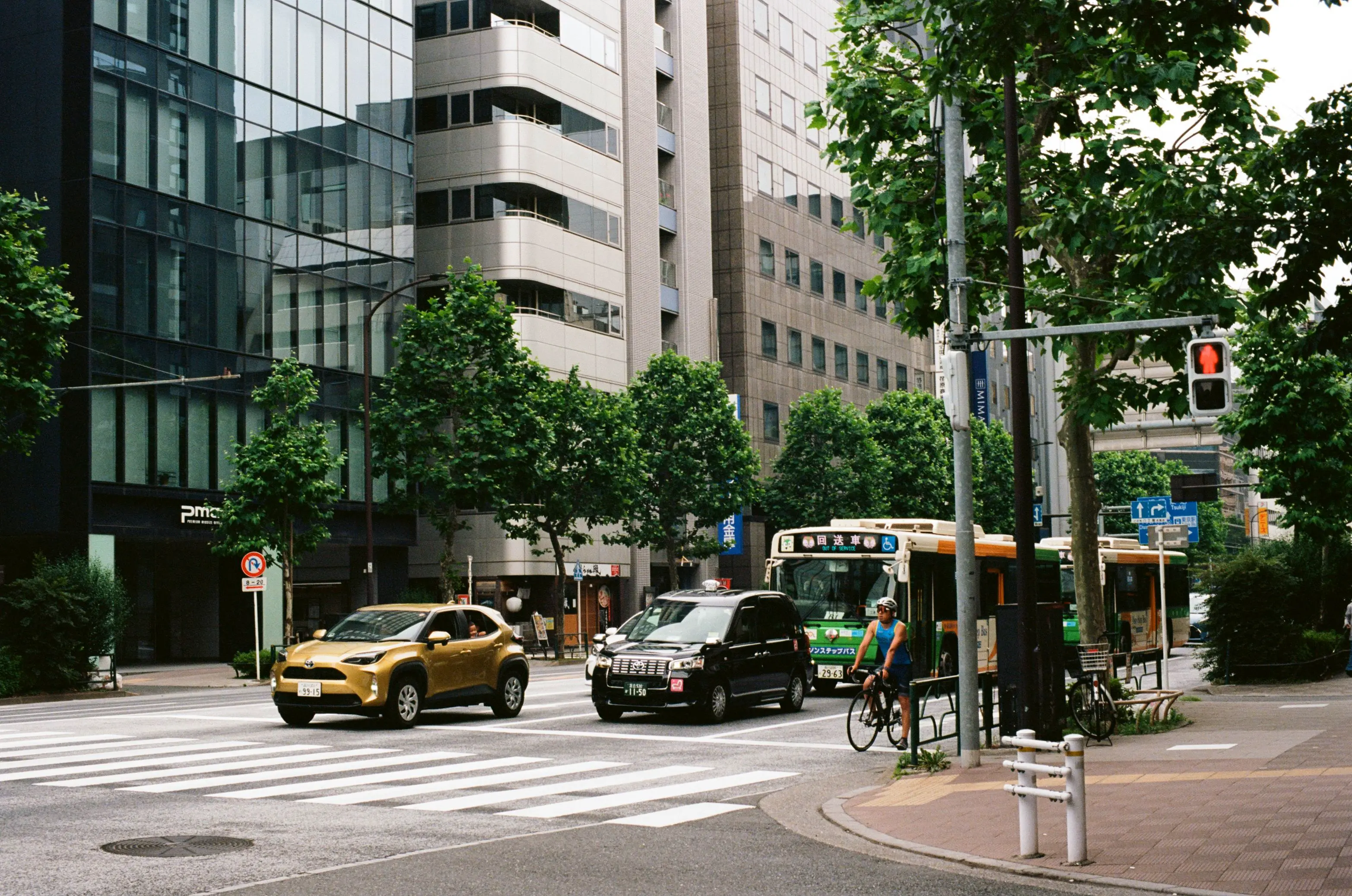
Cherry Blossom Season Along the Meguro River — and What It Does to the Neighbourhood
The cherry blossoms along the Meguro River are genuinely one of the best things Tokyo does — and they turn Nakameguro into something else entirely for three weeks every spring, which is worth understanding before you book.
What the cherry blossom Season Actually Looks Like
The timing sits around late March to early April; the window is narrow, the crowds are significant, and the canal becomes a different kind of place the moment the trees peak.
Peak blossom window: typically one to two weeks; the cherry trees along the roughly 3.8km canal path provide some of the densest blossom viewing in Tokyo without requiring a park ticket or a reserved space
Evening illuminations run from dusk until around 10pm during peak season — the canal lit from below with paper lanterns is a legitimate spectacle, not tourist hyperbole
Food stalls set up along the river path; yakitori from ¥300–500 per skewer, canned beer from convenience stores at ¥200–250; Lawson Nakameguro becomes a queue you wait in rather than walk past
Weekday mornings before 9am: the one window where the canal path is still walkable without navigating crowds; if you're using the neighbourhood as a workspace during this period, that's your operating window
Cherry blossom season in Nakameguro is worth experiencing — but if you're trying to work a normal week during peak bloom, the neighbourhood is not the same place you moved into.
Cherry Blossoms and Rent: The Seasonal Price Reality
Short-stay apartment prices in Nakameguro during cherry blossom season are not the same as the rest of the year, and the gap is not subtle.
Furnished monthly rentals often carry 15–25% premiums for March–April bookings; a unit that lists at ¥180,000/month in January may be ¥220,000+ in late March
One-week and two-week rentals during peak bloom are priced like hotel rooms — ¥60,000–90,000 for a week in a decent studio is not unusual
The adjacent neighbourhoods — Daikanyama, Yutenji — see smaller price spikes because the cherry blossoms are the Meguro River draw specifically, not the wider area
If you're planning a two-month stay that overlaps with blossom season, locking in the full rental before February is the cleanest way to avoid the seasonal surcharge entirely
The blossom season is a real reason to be in Nakameguro — just not a reason to pay for it twice by booking late.
Getting Around Tokyo from Nakameguro: What the Train Lines Actually Give You
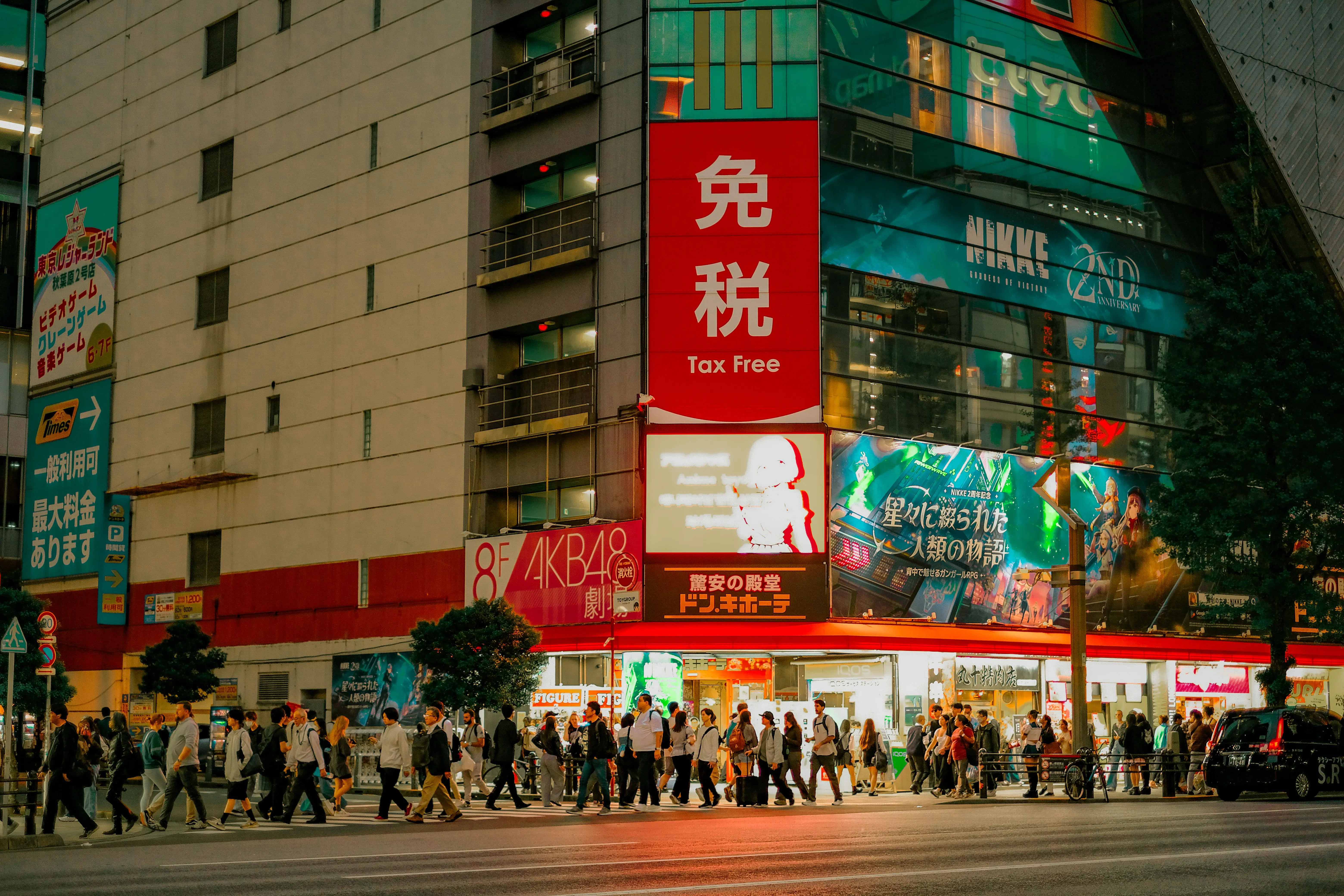
Nakameguro sits on two lines, and that combination is more useful than it first appears — but the two lines do different things, and knowing which to use for which trip saves you real time.
The Hibiya Line: Your Direct Route into Central Tokyo
The Hibiya Line is the one you'll use most days, and it earns its keep almost immediately once you map out where it goes.
Roppongi is six stops — about 12 minutes; useful for meetings, client visits, or coworking spaces in the mid-city corridor
Ginza is reachable in roughly 18 minutes without a transfer — that matters if you occasionally need a quiet high-end café or a specific flagship store; Ginza is not a daily destination, but having it one direct ride away is a quiet convenience
The line runs frequently — trains every three to four minutes during peak hours; you will not wait long, which is the baseline expectation in Tokyo
Eastbound from Nakameguro, the Hibiya Line connects toward Ueno and beyond; useful roughly once a month, less so week to week
The Hibiya Line handles the city's middle band — not the tourist circuit, but the working one — and that's precisely what makes it the right line to have outside your door.
The Tokyu Toyoko Line: Speed Toward Shibuya and Westward
The Tokyu Toyoko Line runs parallel to the Hibiya Line in function but handles different geography, and it's the reason Nakameguro connects to places that feel like a different Tokyo entirely.
The Tokyu Toyoko connects Nakameguro toward Yokohama — a 30-minute ride that opens up a second city if you need a change of setting or a client south of central Tokyo
Daikanyama is one stop; walking takes eight minutes but the train takes two — on a rainy day, that difference matters
The Tokyu Toyoko Line also connects through to the Tokyo Metro network at Shibuya, which means a single-seat ride toward Shinjuku or Ikebukuro without buying a separate fare if you have a Suica card loaded correctly
Frequency drops slightly late at night compared to the Hibiya Line — last trains run before midnight, so early departures from evening events elsewhere in the city are worth tracking
Between the two lines, Nakameguro reaches most of the city's useful nodes in under 20 minutes — and that coverage, more than any specific journey, is what makes the location work as a long-stay base.
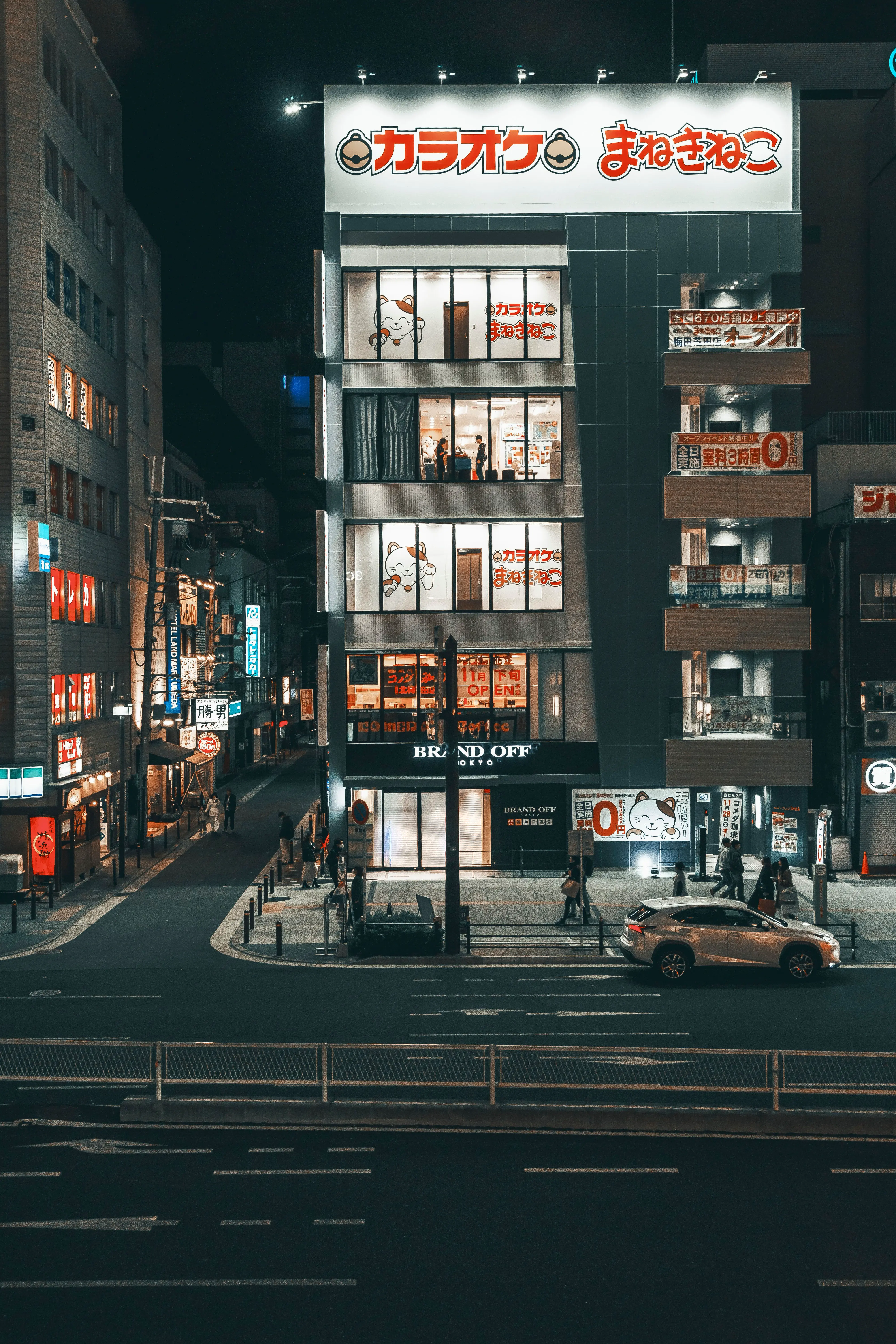
Eating and Drinking in Nakameguro Without the Tourist Markup
Nakameguro has a food scene that skews toward the kind of places you go to once a week rather than once a trip — and that rhythm suits a longer stay far better than it suits a weekend visit.
Where to Eat Without Thinking About It
The neighbourhood has enough everyday options that you won't rely on convenience stores for dinner, which is not something every central Tokyo area can claim.
Kurosawa on the south side of the station — soba lunch sets from ¥900–1,200; the counter seats are quieter and faster than the tables; go before 12:30 or accept a short queue
Yakitori alley near Nakameguro Station's east exit — skewers from ¥150–350 each, draft beer from ¥500; the right place to end a week, not start it
Kosyu Ichiba, a small indoor food market on Meguro-dori, carries prepared food stalls and a fishmonger — lunch boxes from ¥600–900 that beat the convenience store version on both taste and cost
The canal-side restaurants price up considerably — expect ¥2,000–3,500 for a sit-down meal anywhere with a river view; fine occasionally, not sustainable as a daily option
The food in Nakameguro is good enough that you'll stop looking beyond the neighbourhood after the first week — which is either a convenience or a trap, depending on how you approach a city.
Drinking Without the Scenester Tax
The bar scene in Nakameguro is real, and some of it charges heavily for the aesthetic — but there are places that don't, and they're worth knowing before you default to the obvious canal-side options.
Nakameguro Taproom — craft beer from ¥800 a pint, no canal view, no wait on most weeknights; the kind of bar where you can actually talk
Bar Zoetrope, a short walk toward Daikanyama — Japanese whisky focused, pours from ¥900–1,500; go on a Tuesday or Wednesday when the stools are actually available
Canned drinks from a Seven-Eleven on the canal path at ¥200 each is, realistically, what most evenings during blossom season look like — no shame in it, and cheaper than anything with a chair
Nakameguro's drinking scene rewards knowing one or two places well rather than cycling through the photogenic options — those fill up fast and charge accordingly.
The restaurants lining the Meguro River canal — places like Nakameguro Taproom and Onigiri Bongo — stay open past 10pm on weekdays, which is rarer than you'd expect this close to Shibuya.
Living in Nakameguro Long-Term: What Changes After the First Month
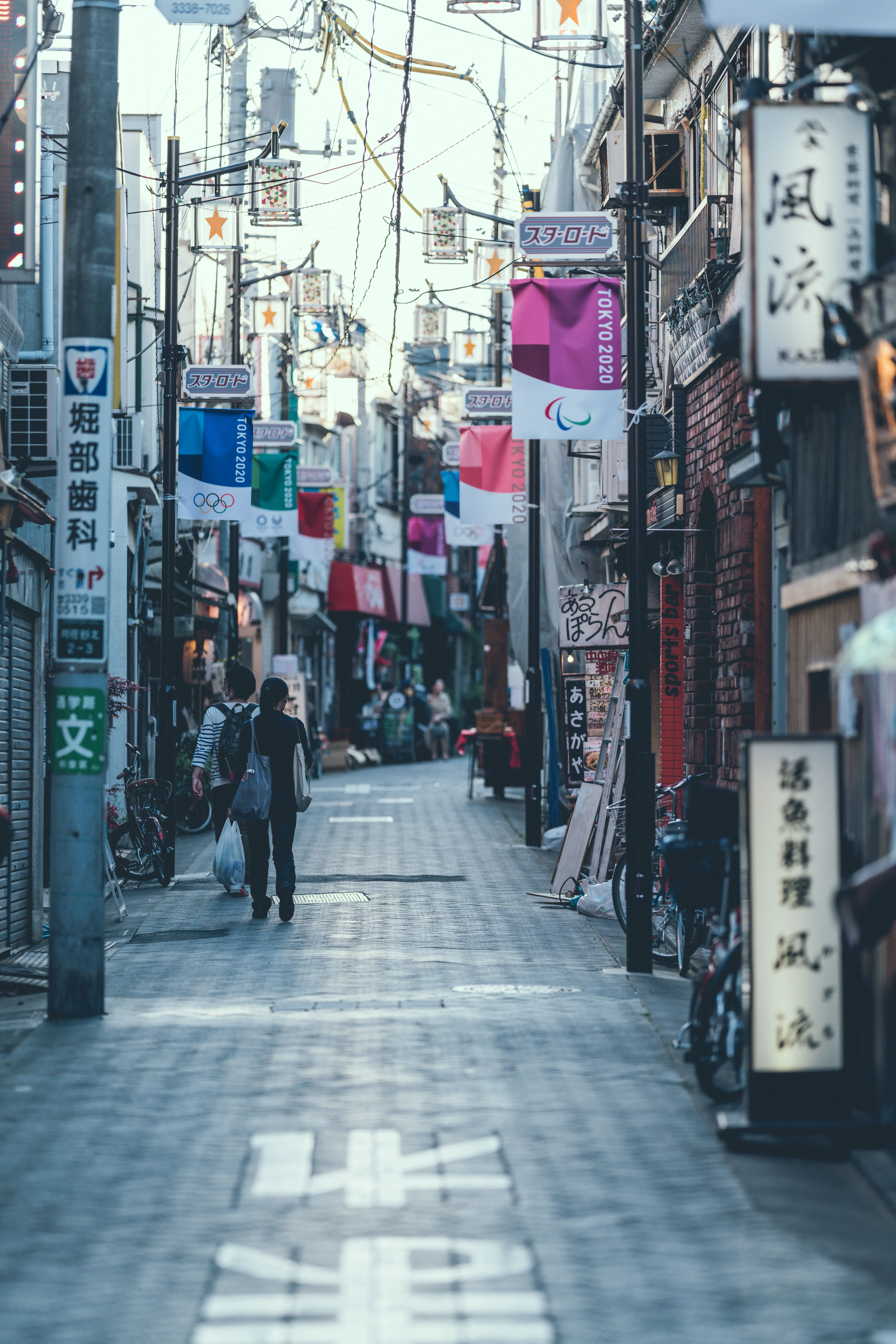
The first week in any Tokyo neighbourhood involves a lot of mental mapping; by month two in Nakameguro, most of that friction is gone — and what's left is whether the neighbourhood's specific texture suits you for the long run.
The Practical Rhythms That Emerge
Long-stay remote workers in Nakameguro tend to settle into routines that are shaped as much by the neighbourhood's geography as by personal preference.
Maruetsu Petit on Komazawa-dori becomes the everyday grocery run — smaller than the larger supermarkets closer to the station, but open later and less congested on weekday evenings
The canal path between Nakameguro and Ikejiri-Ohashi Station is a 20-minute walk that most residents use as a reset — not for sightseeing, just for thinking; it's the kind of infrastructure that makes a neighbourhood liveable over weeks
Post office and banking errands happen at the Japan Post branch a five-minute walk from the station; it handles international transfers, which matters if you're managing money across borders
Laundromat options exist but are not abundant — most furnished apartments include in-unit washing machines, and that's worth confirming before booking, not after arrival
The routines that form in Nakameguro after month one tend to be quiet and efficient — which is either exactly what you want from a base, or a sign that you should have picked somewhere with more daily texture.
Who Stays, and Who Leaves After a Month
Not everyone who chooses Nakameguro for a long stay finds it the right fit — and the reasons people leave early are fairly consistent.
Remote workers who need daily in-person collaboration or frequent client visits often find that Shibuya or a more central neighbourhood reduces their commute friction enough to justify the trade-off on livability
People who want a genuine residential neighbourhood feeling — less foot traffic, cheaper food options, quieter streets at all hours — sometimes move on to Yutenji or Sangenjaya after discovering that Nakameguro's popularity doesn't fully switch off even midweek
Those who stay past two months tend to be writers, designers, developers — work that requires long uninterrupted blocks and benefits from a neighbourhood that functions as a reward rather than a distraction
The cost is a genuine filter: if you're billing at lower rates or trying to extend runway, the ¥20,000–30,000/month premium over adjacent neighbourhoods adds up to a real decision at four months
Nakameguro works best for people who are specific about what they need from a neighbourhood — it is not the right base for someone still figuring that out.
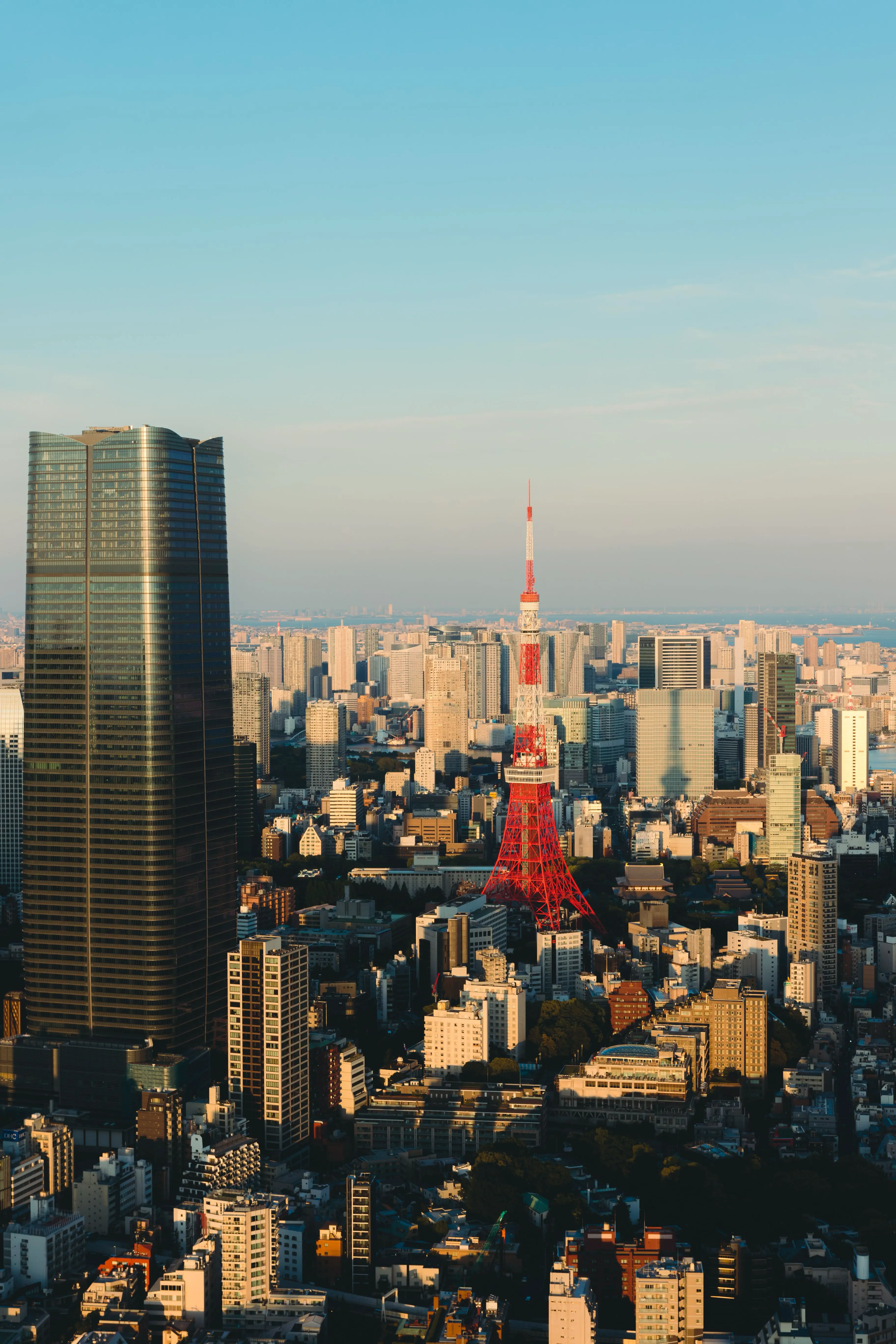
Is Nakameguro the Right Base in Tokyo for You?
Who Actually Gets the Most Out of Nakameguro
Nakameguro rewards a specific kind of remote worker, and if you match the profile, it's hard to beat at this price point in Tokyo.
Solo workers who need focus during the day benefit from the neighbourhood's low ambient noise and density of serious cafés
The Hibiya Line connects you to Ginza, Roppongi, and Shibuya without transfers — central Tokyo is genuinely accessible, not theoretically accessible
The Tokyu Toyoko Line opens the western corridor through Jiyūgaoka and on to Yokohama for weekend range
The food and bar infrastructure holds up over months — this isn't a neighbourhood that exhausts itself after two weeks of exploration
If your work rhythm means you're mostly in the neighbourhood until early evening, Nakameguro gives you a self-contained daily life that most Tokyo districts simply don't.
When Nakameguro Is the Wrong Choice
The premium you pay here is real, and if you're not actually using what the neighbourhood sells, you'll feel it every time you check your rent.
Budget-conscious stays will find better value in Shimokitazawa, Koenji, or Sangenjaya — all liveable, all cheaper
If daily energy and street-level chaos keep you productive, Nakameguro's quiet will work against you rather than for you
Nightlife seekers should look at Shinjuku or Shibuya as a base — Nakameguro winds down earlier than its reputation suggests
Large groups or families will find the apartment stock skewed toward compact, design-forward units that don't scale well
Calling it a mismatch rather than a flaw matters — the neighbourhood isn't overrated, it's just frequently booked by people who wanted something else.
How to Commit to Nakameguro Without Overpaying
The unit you land in shapes how much you use the neighbourhood around it, so locking down accommodation before you decide on the district is the move that actually saves money.
Browse fully furnished apartments in Japan first — knowing what's available at your budget tells you whether Nakameguro is viable before you fall in love with the idea of it
Apartments on the quieter western side of the Meguro River tend to price lower than canal-facing units with identical specs
A longer lease commitment typically closes the gap between Nakameguro and cheaper neighbourhoods — the monthly premium shrinks at three months or more
Prioritise units with a dedicated workspace; Nakameguro's café culture is excellent backup, not a reliable primary office
The canal view is genuinely nice, but it's the train access and the neighbourhood's staying power that justify the cost — not the aesthetic.
Planning Your Stay in Nakameguro, Tokyo
Nakameguro is one of those neighbourhoods that rewards people who already know what they want from a city. If you're drawn to walkable streets, independent coffee shops, a river path that actually makes you want to leave the apartment, and a pace that feels considered rather than chaotic, it delivers consistently. It's not the cheapest base in Tokyo, but the quality of daily life here tends to justify the trade-off for the right kind of traveller.
Whether you're staying for a week or settling in for a month-long remote work stint, the neighbourhood works best when you're housed well. A good apartment puts you close to the canal, within reach of Daikanyama and Ebisu, and lets you treat the whole area as an extension of your living space. That's the real case for Nakameguro — it's designed for people who want to live in Tokyo, not just pass through it.
If you're still weighing up your options across the country, browsing fully furnished apartments in Japan is a practical first step before locking in a neighbourhood. The unit and the street outside it tend to shape each other more than most people expect.