Lukas
Tech & Digital Nomad Cultural Editor ·
Tokyo in December is not what most people expect. It doesn't shut down for Christmas — Japan is not a Christian country, and the 25th is a Tuesday like any other. What you get instead is a city that has made Christmas its own: illuminations that run from mid-November, KFC as a genuine tradition, and a work culture that keeps the trains full and the cafés open right through the holiday week. For a digital nomad, that is close to ideal. The question is where to base yourself, what it actually costs, and how to plan the trip so the festive noise doesn't eat your working hours.
This guide covers:
Which Tokyo neighbourhoods work for remote work in December — and which ones don't
What the real monthly budget looks like for digital nomads
Where to work, eat, and recover without disrupting your schedule
How to navigate Japan's December culture as someone who is still on the clock
The visa situation for digital nomads planning an extended stay
Transport, connectivity, and everything that determines whether the trip actually works
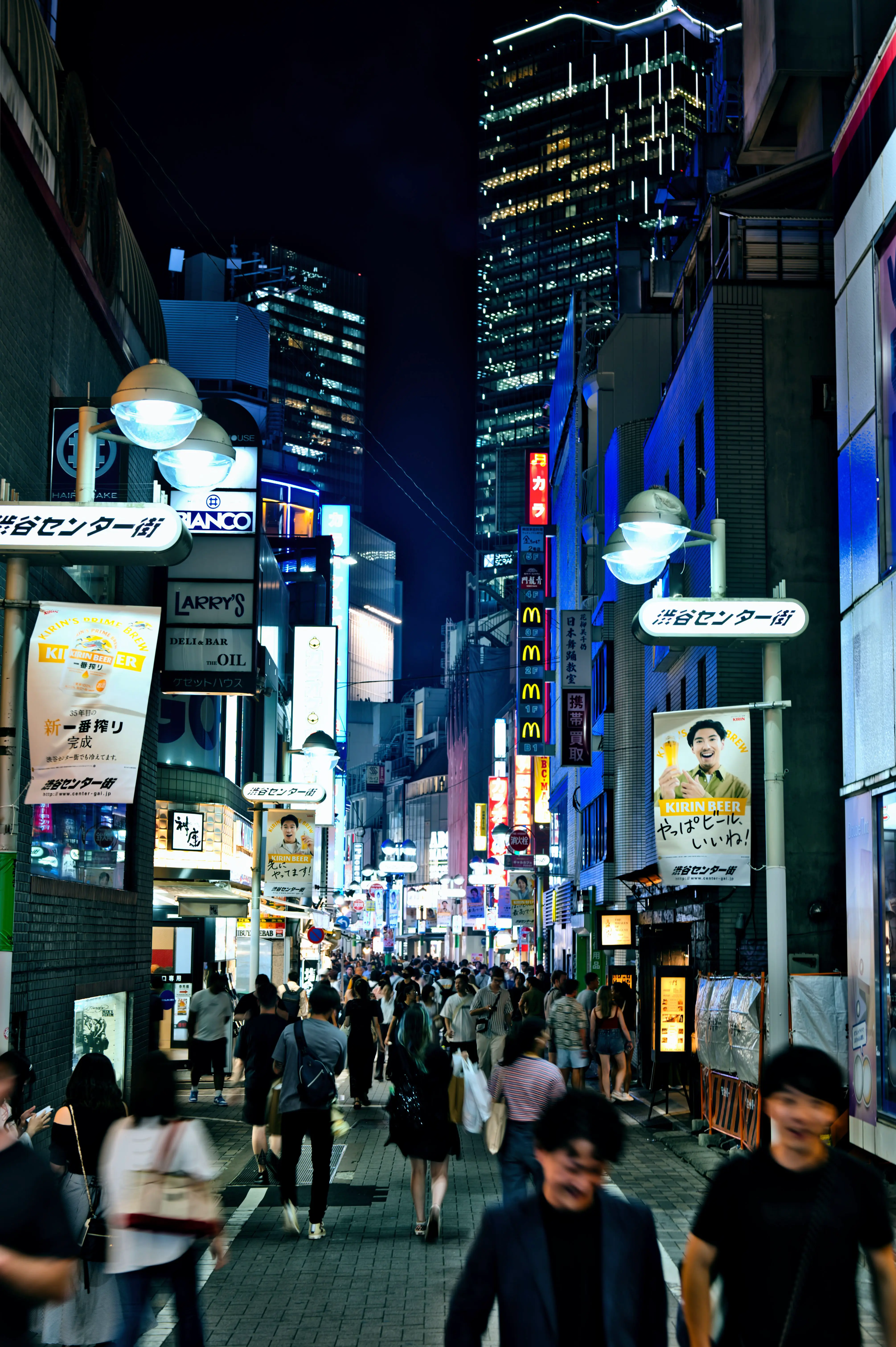
Where to Stay in Tokyo as a Digital Nomad: Neighbourhoods That Work in December
Tokyo is too large to treat as a single place. The neighbourhood you choose determines your commute to nowhere, your noise levels on a video call, and how much of the Christmas illumination circus you absorb versus enjoy. These four areas account for most of the sensible options for remote workers staying a month or more.
Neighbourhood | Monthly Rent (1-bed) | Vibe | Best For | Key Advantage |
|---|---|---|---|---|
Shinjuku | ¥150,000–¥220,000 | Dense, commercial, 24-hour | Nomads who want everything close | Best transport hub in Tokyo |
Shimokitazawa | ¥110,000–¥160,000 | Quiet, creative, neighbourhood-scale | Writers, solo workers, long stays | Genuine local calm — rare in central Tokyo |
Nakameguro | ¥130,000–¥190,000 | Residential, canal-side, walkable | Those who need a rhythm to the day | December illuminations on the canal — world-class |
Koenji | ¥95,000–¥140,000 | Low-key, local, slightly alternative | Budget-conscious digital nomads | Cheapest central option with real character |
Shimokitazawa: The Quiet Base Most Digital Nomads Miss
Shimokitazawa is what central Tokyo looks like when it hasn't been optimised — smaller streets, fewer chains, and residents who actually live there year-round rather than pass through it.
Bear Pond Espresso — cash only, opens at 11am, some of the best espresso in Tokyo at ¥600; not a laptop café, but perfect for a morning reset between sessions
Furnished studios from ¥110,000/month; 1-beds from ¥145,000 — cheaper than Shinjuku for equivalent space
Shimokitazawa Central Park — free, small, and genuinely quiet on weekday mornings
Keio Inokashira Line connects you to Shibuya in 4 minutes — you are not isolated, just insulated
If December in Tokyo feels overwhelming after a few days, Shimokitazawa is where you go to remember that Japan has a quieter register too.
Nakameguro: Where to Stay If You Want the December Experience Without the Chaos
The Nakameguro canal illuminations run through December and draw large weekend crowds — but the side streets above the canal stay residential and calm, which is exactly the split you need.
Onibus Coffee — specialty coffee from ¥550, good natural light, opens 9am; reliably quiet on weekday mornings before the Meguro riverside walk fills up
1-bed furnished apartments from ¥140,000/month; expect to pay a premium for canal proximity — it's worth asking about upper floors for noise
Tsutaya Books Daikanyama (10-min walk) — three floors, open until midnight, comfortable chairs; one of the few places in Tokyo designed for sitting and thinking, not just buying
Tokyu Toyoko Line to Shibuya: 3 minutes — the location penalty for living here is close to zero
Most people who stay in Nakameguro for a month end up treating the canal walk as their evening decompression — it earns its reputation in December specifically.
Explore Tokyo in our neighbourhood guide
What Remote Workers Actually Budget for a Month in Tokyo in December
Tokyo has a reputation for being expensive that is only partly deserved. Rent is real money. Everything else — food, transport, daily life — is often cheaper than London or Sydney, and sometimes cheaper than Berlin. December adds a few specific costs: illumination-adjacent restaurants charge more, some coworking spaces have holiday pricing, and your social calendar will cost you if you let it.
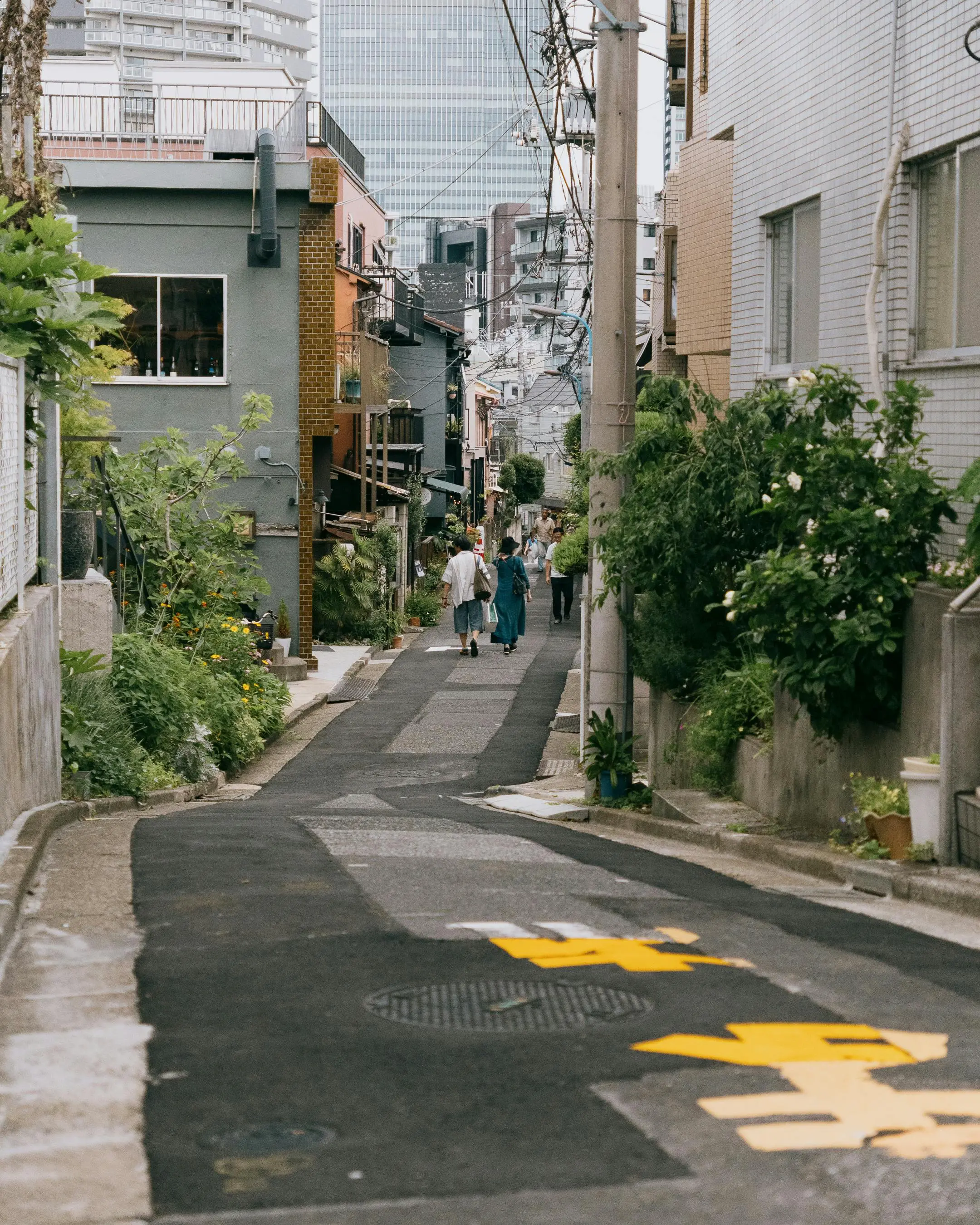
Rent and Housing Costs for Digital Nomads
A furnished apartment in Tokyo for a month is achievable without a Japanese bank account, but you will pay for that flexibility.
Furnished studio, Koenji or Shimokitazawa: ¥95,000–¥130,000/month — the realistic floor for something you'd actually want to work from
Furnished 1-bed, Nakameguro or Shinjuku: ¥150,000–¥220,000/month — expect fast WiFi included; always check the upload speed, not just download
Monthly guesthouses (gaijin houses): from ¥60,000 — private room, shared kitchen; fine for two weeks, grim for a full month if you're on calls
Short-term furnished platforms including fully furnished apartments in Tokyo — the most efficient route if you need a desk, reliable internet, and a lease that doesn't require a Japanese guarantor
Budget ¥150,000 for housing as your working assumption, then adjust down if you're flexible on location.
Day-to-Day Costs: Food, Transport, and Working Space
The menú del día equivalent in Tokyo is the teishoku lunch set — and at ¥800–¥1,200, it is one of the great under-discussed facts about living here.
Teishoku lunch (rice, miso, main dish, pickles) at a local set restaurant: ¥800–¥1,200 — better food than most ¥3,000 dinners in London
Tokyo Metro monthly pass (zones 1–3): ¥8,000–¥12,000 depending on route — you stop doing the per-journey arithmetic by day three
Coworking day pass: ¥1,500–¥3,000; monthly desk at WeWork Shinjuku: from ¥45,000 — expensive but the only option if you need a private meeting room on short notice
Convenience store meal (7-Eleven, Lawson): ¥400–¥700 — not a fallback, a genuine local food option that most long-term nomads use daily
A realistic monthly spend for a digital nomad living properly in Tokyo — not surviving, actually living — is ¥280,000–¥380,000, which is roughly $1,900–$2,600 USD at current rates.
My biggest surprise was that a good lunch set at a Shinjuku teishoku restaurant ran me just ¥900 — cheaper than a convenience store sandwich back home and far more filling.
Working in Tokyo in December: Cafés, Coworking, and the Connectivity Question
Japan's internet infrastructure is fast — reliably so, almost everywhere. The challenge is not connectivity; it's finding a place where you can stay for three hours without feeling like you're taking up someone's lunch table. Tokyo café culture is not always laptop-friendly, and December adds foot traffic that turns otherwise workable spots into queues.
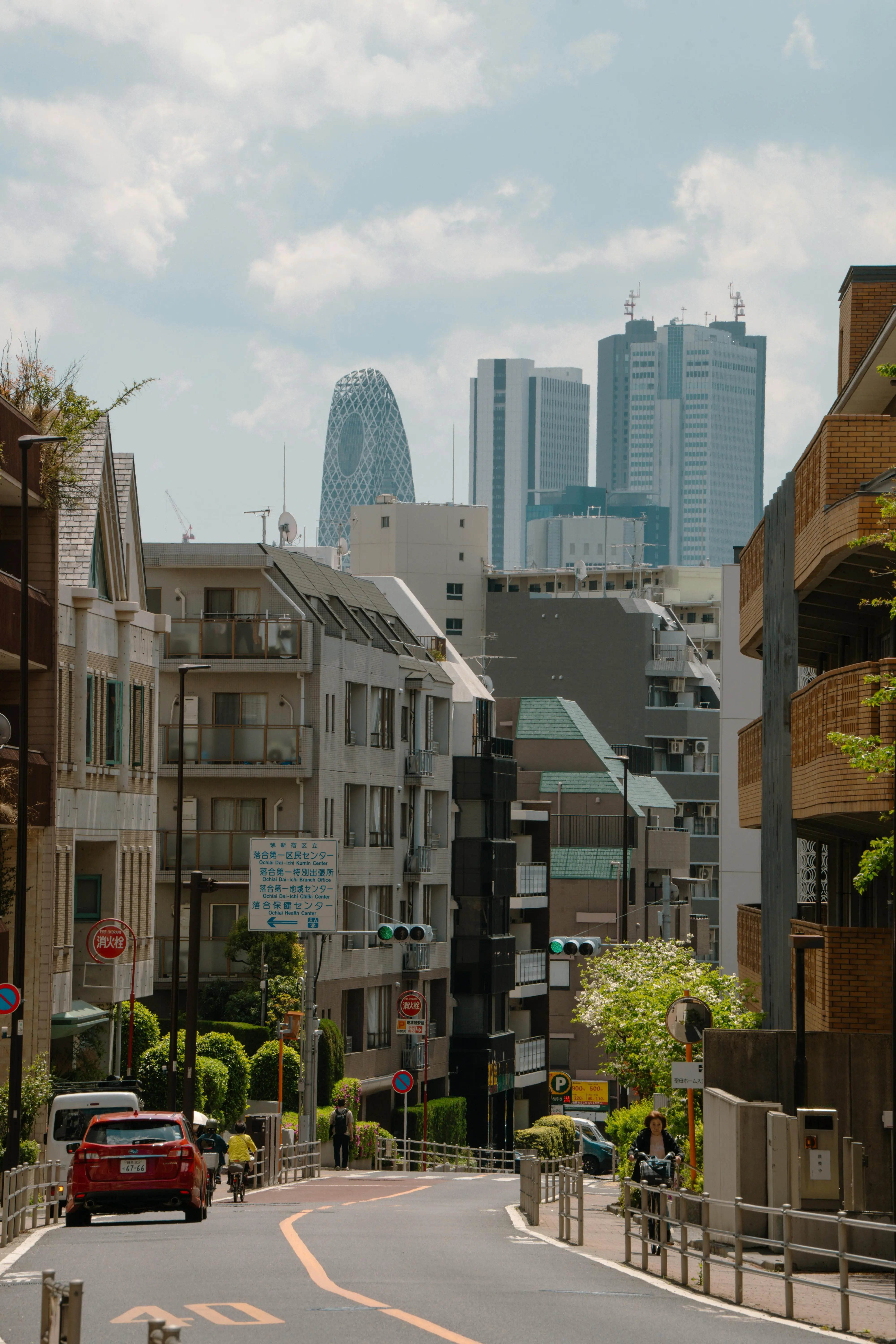
The Best Cafés for Digital Nomads Who Need to Actually Work
There is a distinction in Tokyo between cafés that tolerate laptops and cafés that are built for them — and it matters more in December when the seasonal crowds fill the former.
Fuglen Tokyo, Tomigaya — Norwegian-owned, opens 8am weekdays, WiFi reliable, ¥600 filter coffee; rarely full before 10am in December
About Life Coffee Brewers, Shibuya — standing bar format, not for long sessions, but opens at 9am and makes a strong case for starting the day in Shibuya before the crowds arrive
Streamer Coffee, Harajuku — good WiFi, larger tables, ¥650 flat white; the Harajuku branch is quieter than Shibuya locations
Manga cafés (manga kissa): ¥400–¥600/hour, private booths, fast WiFi — legitimately useful for focused work and wildly underused by digital nomads who don't know they exist
If your work requires silence and a reliable connection for calls, a manga café for morning focus blocks and a café for afternoon writing is a combination that actually holds up across a full month.
Coworking Spaces Worth Paying For in Tokyo
Tokyo has no shortage of coworking spaces — the question is whether the culture inside matches how you work, not just whether the WiFi password is on the wall.
.andwork, Shibuya — day pass ¥2,200, community of freelancers and remote workers, English-friendly; one of the few spaces in Tokyo that feels genuinely international without being sterile
WeWork Jimbocho , Jimbocho — ¥700/hour, no monthly required, open 10am–10pm; ideal for digital nomads who need flexibility without committing to a desk
Oshigoto Pasela Akihabara, Akihabara — from ¥2,000/day, English support available, strong for tech-adjacent remote workers; quieter in December than Shibuya equivalents
Check opening hours in the week of December 25–January 3 — many Japanese offices treat this as the year-end holiday, and several coworking spaces reduce hours or close entirely
Always confirm holiday hours before you plan your December work schedule around a specific space — the gap between December 28 and January 4 is when Tokyo empties and a few reliable spots quietly disappear.
Public seating areas inside Shinjuku Station's south exit are genuinely usable for a quick laptop session during off-peak hours, though they get crowded after 5pm when office workers start their commute.
Japan Digital Nomad Visa and Entry: What You Need to Know Before the Trip
Japan introduced a digital nomad visa in 2024 — and the details matter more than the headline. It is not a universal pass for remote workers; there are income requirements, restrictions on working for Japanese clients, and a six-month cap with no renewal path. If your plan is a December trip, you also need to check whether a tourist entry is sufficient for your stay length, which for most people it is.
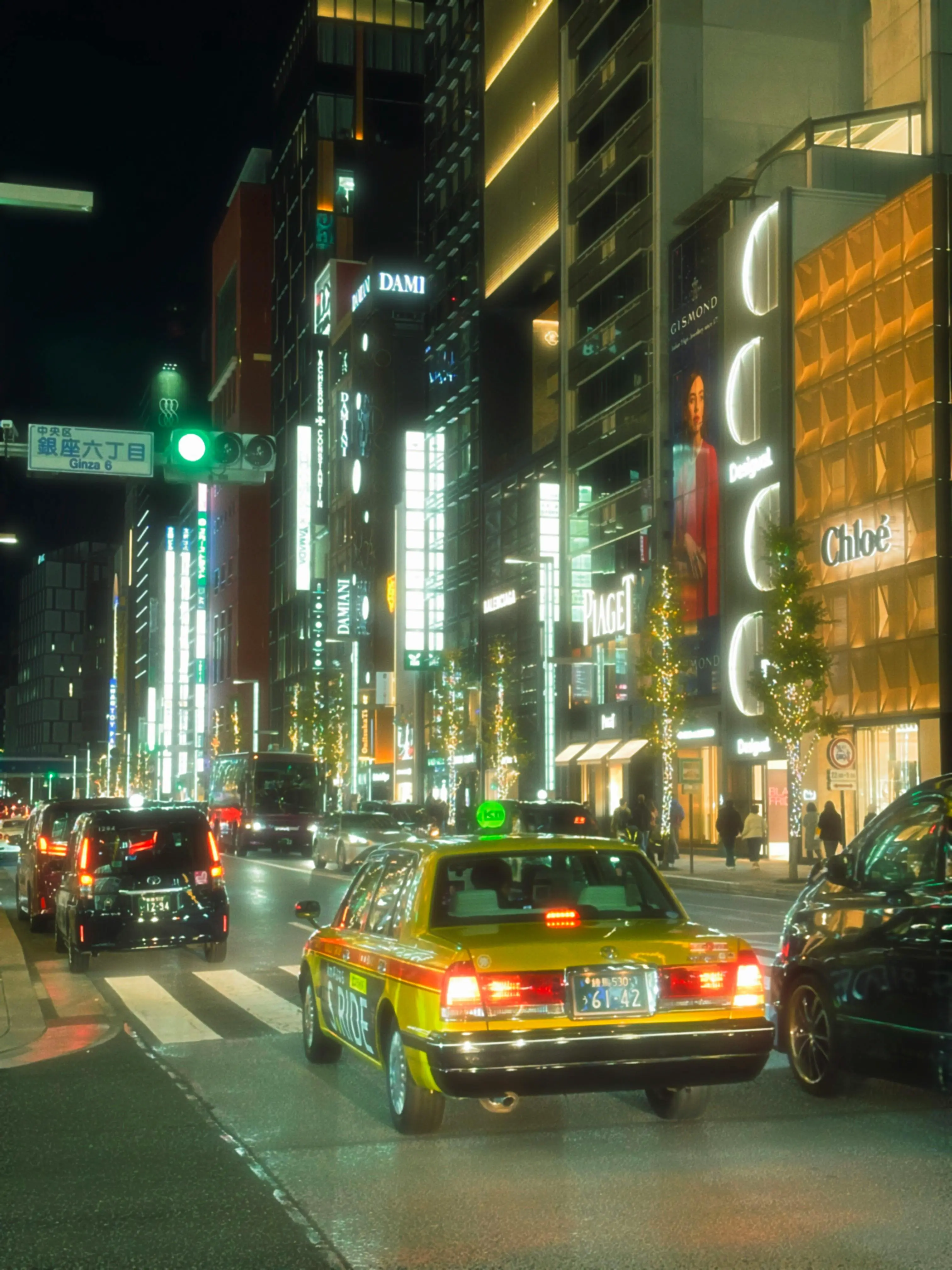
Japan Digital Nomad Guide: The Visa That Actually Exists Now
The Japan digital nomad visa launched in March 2024 and is worth knowing about even if it doesn't apply to your December trip — because the eligibility conditions tell you a lot about what Japan expects from remote workers.
Minimum income requirement: ¥10 million/year (approximately $68,000 USD) — this rules out a significant portion of nomads immediately
Eligible nationalities: 49 countries as of 2024, including the US, UK, Australia, and most of the EU — check the current list before you apply, as it has been updated
Health insurance requirement: you must hold private health insurance valid in Japan for the duration of your stay
Duration: six months, single-entry, non-renewable — plan accordingly if you want to return within the year
For a December stay of three to four weeks, most nationalities qualify for a tourist entry of 90 days without any visa — the digital nomad visa becomes relevant only if you're planning a stay through winter and into spring.
Japan for Digital Nomads: Tourist Entry Rules That Apply to Most December Visitors
The majority of digital nomads visiting Japan in December will enter on a tourist exemption, and the rules for that are straightforward — but worth stating clearly before you book.
90-day visa-free entry for most Western passports — valid for remote work on foreign contracts, not for local employment
You cannot extend a tourist entry from within Japan — plan your exit date before you arrive, especially over New Year when flights are expensive and crowded
Working remotely for a foreign employer is in a legal grey area under tourist entry; Japan does not enforce this actively, but you are technically not supposed to "work" on a visitor visa
Always check your specific passport's visa requirements at the Japanese embassy website — exemptions differ by nationality
The practical reality is that hundreds of thousands of digital nomads visit Japan on tourist visas each year and work remotely without issue — but knowing where you stand before the trip is better than discovering it at immigration.
Most digital nomads travel to Japan on a tourist visa, which gives you 90 days visa-free if you hold a UK, US, or EU passport — enough to cover the entire Christmas and New Year period without any paperwork.
Getting Paid and Managing Money as a Digital Nomad in Tokyo at Christmas
Japan runs on cash more than almost anywhere else you'll work remotely in Asia — and December, with its Christmas markets, food stalls, and illumination-area vendors, makes that reality harder to ignore if you arrive unprepared.
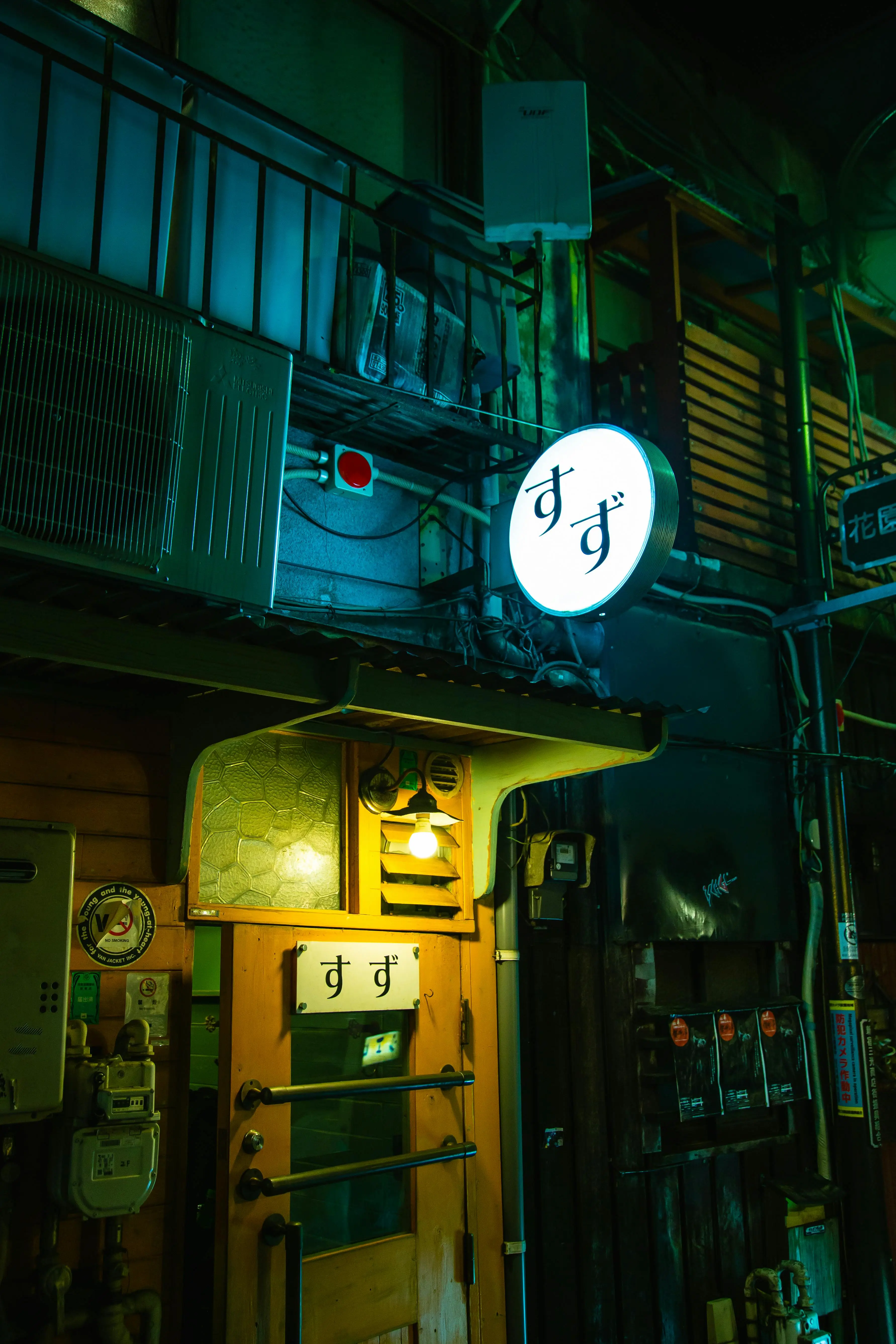
Cards, Cash, and What Actually Works Day-to-Day
International cards are accepted more widely than they were five years ago, but you will still hit walls — often at the exact moment it's inconvenient.
7-Eleven ATMs — the most reliable option for international withdrawals; ¥110 fee per transaction, English menu, open 24 hours, and genuinely available in every ward of the city
Wise or Revolut debit cards work at 7-Eleven and most convenience store ATMs — load yen before you land if your home bank charges conversion fees above 1.5%
IC cards (Suica or Pasmo) function as contactless payment at most convenience stores, vending machines, and some cafés — load them at any station machine and you'll use cash less than you expect
Restaurant bills in Tokyo Japan are still frequently cash-only, particularly at ramen counters, izakayas, and any vendor at a December street market
Carry at least ¥10,000 in cash at all times in December — the gap between what cards cover and what cash covers is widest during the festive weeks when temporary vendors and pop-up stalls dominate the popular illumination zones.
Any fees related to international transfers drop significantly if you use Wise or Revolut rather than a standard bank wire — sending ¥100,000 from a UK account via Wise typically costs under £3, compared to £20–£25 through a high-street bank.
Receiving International Payments While Working Remotely in Japan
Getting paid into a Japanese bank account as a visiting digital nomad is effectively impossible — Japanese banks require residence status to open accounts, so your international setup needs to work cleanly before you arrive.
Wise Business or Payoneer handles most foreign invoicing workflows without issue; both allow you to receive USD, EUR, or GBP and convert to yen fast at near-interbank rates
Japan digital banking apps like Sony Bank occasionally allow tourist-period accounts but the process is slow, in Japanese, and rarely worth attempting for a December stay
VAT and tax compliance: remote work in Japan on a tourist visa means your tax residency stays home — you do not register with Japanese tax authorities for a short stay
The yen's current weakness against the dollar and pound works in your favour: a £4,000/month remote salary translates to roughly ¥760,000, which covers a comfortable Shimokitazawa or Koenji apartment and leaves meaningful spending room
Set up your payment stack before you leave — Wise, a loaded Suica card, and ¥30,000 in cash covers the first week without a single friction point.
What to Do After Work Hours: Tokyo in December Beyond the Desk
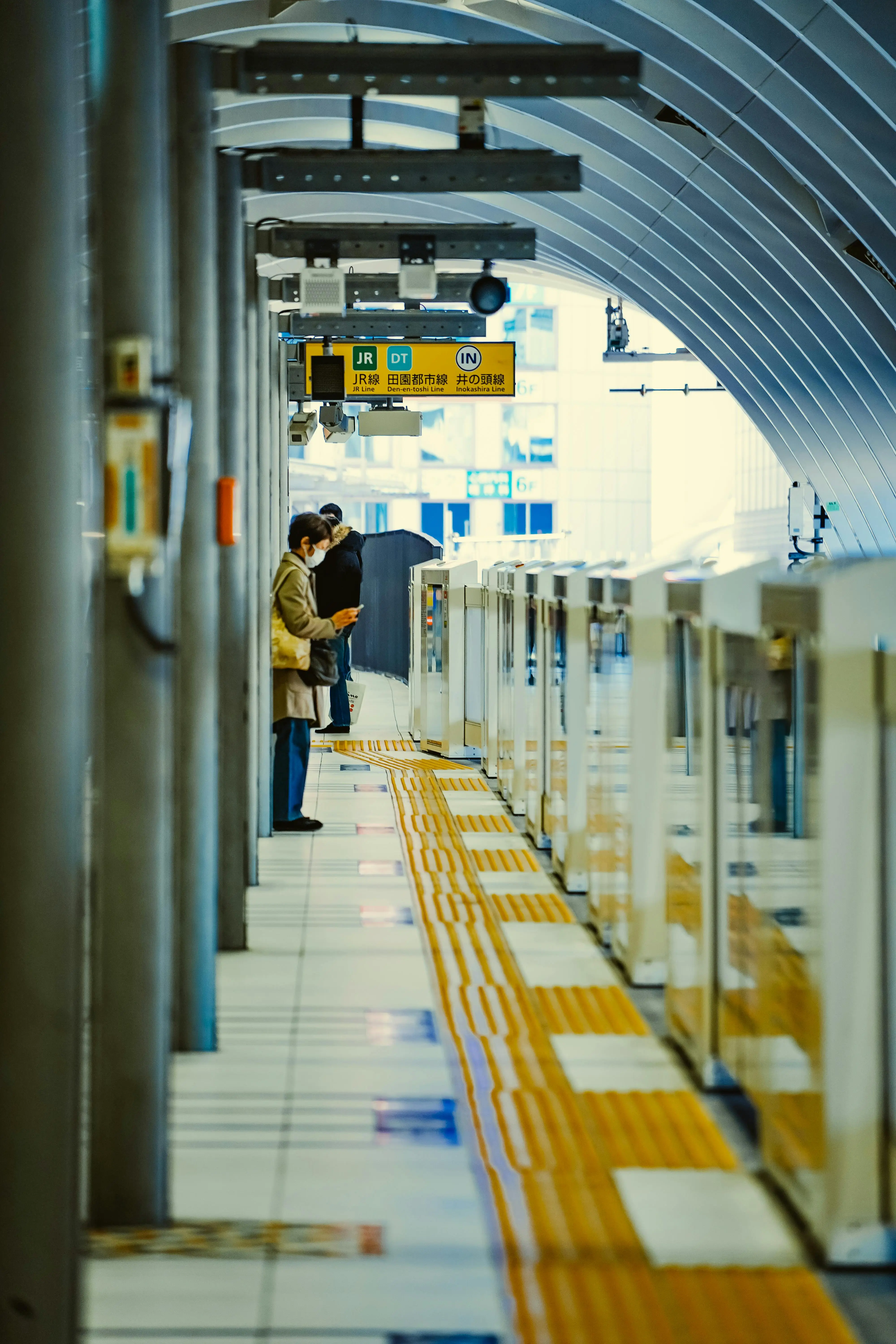
Tokyo in December after 6pm is a different city to the one you're working in — and the Christmas illuminations are genuinely worth your time once, but the Japanese culture surrounding the season offers more than light displays if you know where to look.
Christmas Illuminations Worth Visiting Once (and the Ones to Skip)
The popular illumination spots are real, they are beautiful, and at least two of them will be heaving with weekend crowds that make any cosy atmosphere disappear.
Roppongi Hills — illumination runs mid-November through late December, free to walk through, best on a Tuesday or Wednesday after 8pm when the foot traffic drops by half
Tokyo Midtown — adjacent to Roppongi Hills, the garden illumination costs ¥200–¥600 depending on the section; quieter and more considered than the main street displays
Meguro River illumination — pink LED cherry blossoms along the canal, free, best accessed from Nakameguro station — genuinely worth a slow evening walk, but the canal-side restaurants add a surcharge to any table from mid-December onward
Avoid Odaiba on weekends in December — the crowd-to-reward ratio is the worst in the city, and the commute by train or water bus adds 40 minutes each way
The illuminations work best as an after-dinner walk, not a destination in themselves — build your evening around food first and let the lights be the commute home.
Shinjuku and Akihabara After Dark: For When You Want Noise
Not every December evening calls for atmosphere — sometimes you want to be in a big, bright, unapologetically loud city, and Shinjuku and Akihabara do that better than anywhere in Tokyo Japan.
Omoide Yokocho, Shinjuku — narrow alley of yakitori counters, open until midnight, seats 6–8 per stall, skewers from ¥200; the smoke and the closeness is the point, not a downside
Kabukicho, Shinjuku — the entertainment district directly behind Shinjuku station's east exit; the December crowds here are visiting the neon, not just passing through it — good for one evening, not a nightly habit
Yodobashi Camera Akihabara — open until 10pm, eight floors, sells the USB-C hubs, mechanical keyboards, and travel adapters that digital nomads inevitably need and can't easily source anywhere else at this price
Shinjuku Golden Gai — 200 bars, most seating 10–15 people, no cover in most spots, closes around 2am; the Japanese culture of the tiny bar is at its most concentrated here and December makes it warmer in the best sense
An evening in Shinjuku resets perspective on what a city at night can feel like — go once, spend ¥3,000–¥5,000, and return to your quiet neighbourhood understanding why people don't always want quiet.
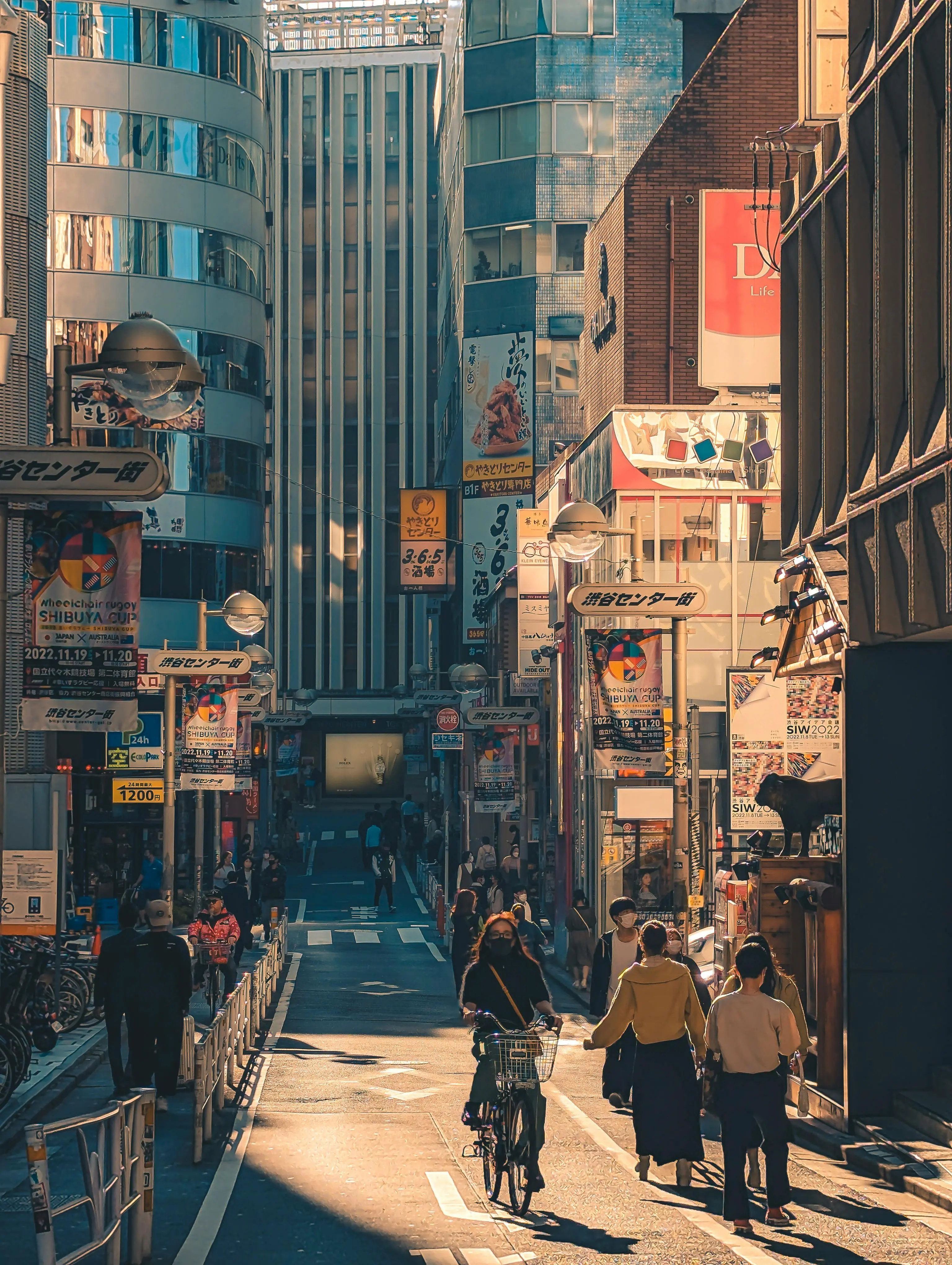
Japanese Culture in December: What's Actually Happening Beyond the Lights
Christmas in Japan is essentially a commercial and romantic holiday — the cultural calendar in December runs on entirely different tracks that most visiting digital nomads miss.
Nakamise Shopping Street at Senso-ji Temple, Asakusa — held December 17–19 annually, sells decorative battledore paddles (hagoita), free to browse, genuinely embedded in Japanese tradition rather than performed for tourists
Toshikoshi soba — eating buckwheat noodles on New Year's Eve is a Japanese cultural practice; any soba restaurant on December 31st will be full, so eat before 6pm or expect queues of 45 minutes or more
Meiji Jingu Shrine — the hatsumode (first shrine visit of the New Year) draws three million visitors January 1–3; if your stay extends into the new year, arrive at midnight on New Year's Eve rather than morning on January 1st to experience it without a two-hour crush
Bonenkai — the Japanese "year-forgetting party" season runs through December, filling izakayas from 7pm Thursday through Saturday; booking any sit-down restaurant in popular areas without a reservation during these weeks is optimistic
The last public train from Shibuya back toward Shimokitazawa runs just after midnight, so if you are staying for the Christmas illuminations at Omotesando, plan to either leave by 11:30pm or budget around ¥1,500 for a taxi.
The December that most tourists see in Tokyo — lit trees, KFC Christmas boxes, couples in Roppongi — is real but thin; the Japanese cultural calendar running underneath it rewards anyone who looks a layer deeper.
Practical Setup: Getting Connected and Working Anywhere in the City
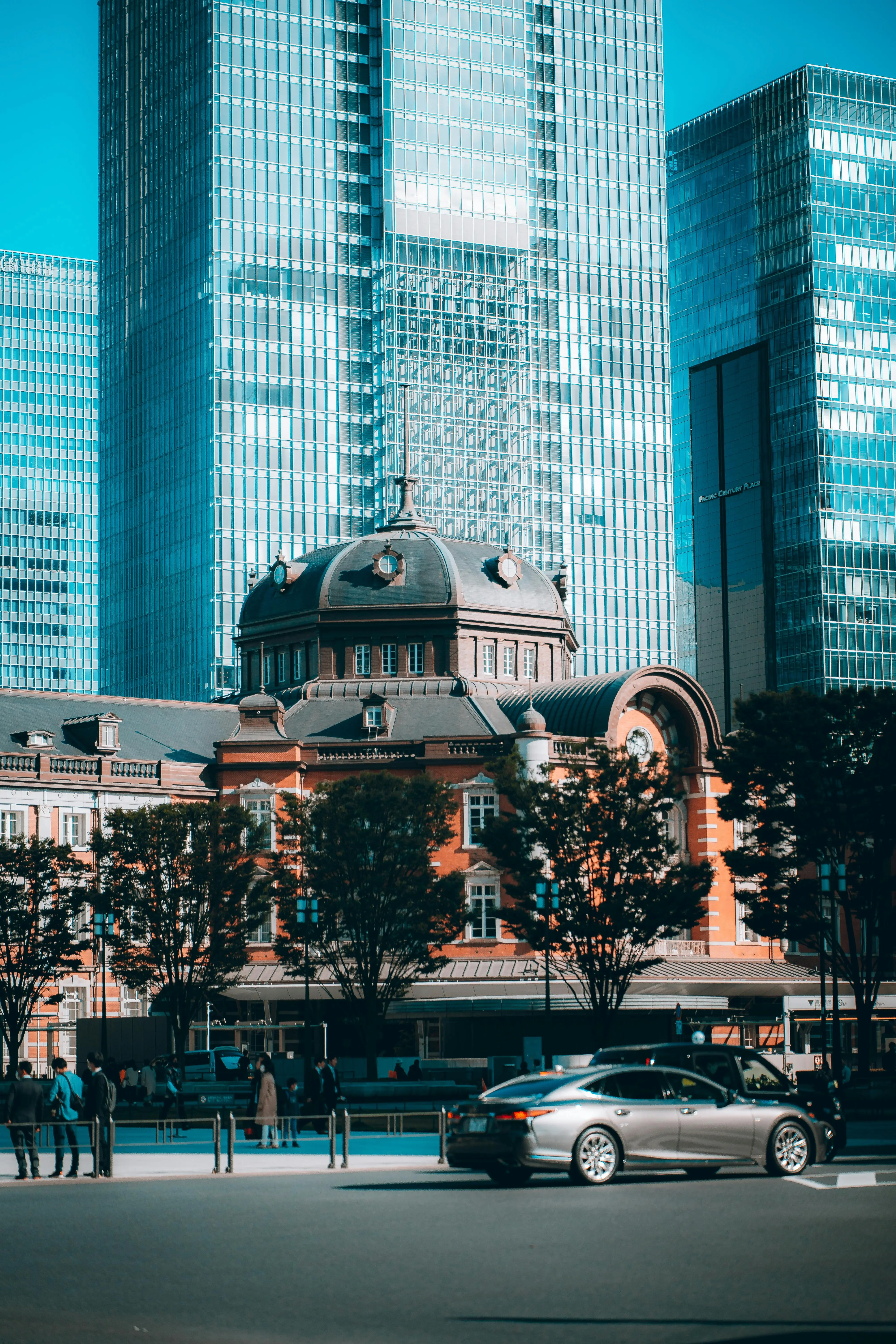
Tokyo's digital infrastructure is fast enough that connectivity is almost never the problem — the problem is finding somewhere quiet enough to use it productively during December's busier hours.
SIM Cards, Pocket WiFi, and the Japan Digital Nomad Setup
Getting online in Tokyo Japan takes about 15 minutes from arrival if you've planned it in advance, and the Japan digital connectivity options are better than most European capitals.
IIJ mio or Aeon SIM — data-only SIMs available at major electronics stores and some airport counters; ¥2,000–¥3,500/month for 15–20GB, easy to top up at convenience stores, no Japanese address required for tourist plans
Pocket WiFi rental from the airport (Softbank or eConnect counters at Narita and Haneda) — ¥300–¥600/day, unlimited data, useful if you are visiting with a second person who also needs reliable connectivity
Google Fi works in Japan on a tourist plan and delivers fast LTE without a local SIM — the cost is higher than a local option ($10–$20/week on top of your base plan) but zero setup time
Free WiFi in Tokyo Japan is genuinely patchy outside of convenience stores and major stations — do not rely on café WiFi as your primary connection in December when cafés are at seasonal capacity and speeds drop
The Japan digital setup that works best: a local SIM as your primary connection, your laptop tethered to it, and a pocket WiFi as backup for video calls when the café around you fills up and your phone signal drops.
Where to Work Remotely When Your Apartment Isn't Enough
December fills the popular café spots faster than any other month — having two or three fallback work locations already mapped is the difference between a productive week and a frustrating one.
Trunk Hotel Café, Shibuya — open to non-guests, reliable WiFi, less crowded than the café chains, best mid-morning Tuesday through Thursday; a flat white runs ¥800 but the table-to-noise ratio is the best in the area
The Study, Shinjuku — coworking-adjacent café with long communal tables, fast fibre, ¥1,500 for an all-day pass including one drink; located in east Shinjuku, quieter than anything on the west side during December
JAM Akihabara, Akihabara — ground floor of a design hotel, open until 11pm, suitable for evening work hours when the building empties after 9pm and the noise level drops significantly
Any branch of Doutor Coffee — ¥270–¥400 per drink, smoke-free floors in most branches, opens from 7am; not stylish, completely reliable, and the most consistently available work option anywhere in the city
An IC card from any convenience store lets you travel across the Tokyo Metro and Toei subway lines without buying a ticket each time, which matters when you are commuting between a café in Shimokitazawa and a coworking space in Shinjuku.
The nomad tendency to work only in aspirational cafés is expensive in December — Doutor at ¥400 and two hours of focus beats a ¥900 latte in a crowded Nakameguro spot where you feel guilty for occupying a table past the first hour.
Is Tokyo the Right Christmas Base? An Honest Summary for Digital Nomads
Why Tokyo Actually Works as a Christmas Base
Unlike most cities, Tokyo doesn't hollow out for Christmas — it keeps its full operational rhythm while adding a layer of atmosphere that makes December genuinely enjoyable.
Coworking spaces maintain regular hours through December 25th with no holiday closures to plan around
The JR and Tokyo Metro networks run normal schedules, so commutes to client meetings or coworking spots stay predictable
Illuminations in Marunouchi and Roppongi Hills are a backdrop, not a disruption — they run evenings and don't interfere with working hours
A 9am London standup lands at 6pm in Tokyo, which suits evening workers but needs a conscious decision before you book flights
The festive atmosphere here is real, but it's layered on top of a city that never actually stops — and that combination is rare.
The Type of Nomad Who Thrives Here in December
Tokyo in December rewards preparation and penalises improvisation harder than almost any other city on this circuit.
Sorting a cash-friendly payment setup before arrival matters in December specifically — bonenkai season fills ATM queues and cash-heavy street markets don't take cards
Choosing a neighbourhood with a daily rhythm that matches your output needs — Shimokitazawa for slow mornings, Shinjuku for high-stimulus evenings — is worth deciding before you land
Restaurant bookings need to be made weeks out in December; walk-ins at popular izakayas are largely gone by mid-month
Treating the illuminations and the izakayas as earned infrastructure — a reward for a productive day — keeps the city from becoming a distraction
The nomads who leave Tokyo in January raving about it are almost always the ones who arrived with a plan, not the ones who figured it out on the ground.
How to Set Yourself Up and Where to Go Next
The furnished apartment market in Tokyo is deep enough that you don't have to compromise on neighbourhood, size, or budget — which isn't true of every major Asian city.
Start with a fully furnished apartment in Japan — options span Shinjuku, Shibuya, and quieter residential pockets like Nakameguro
A one-bedroom in a well-connected neighbourhood typically gives you the separation between work space and living space that open-plan share houses can't
Kyoto in January is a natural second chapter — quieter, slower, and a genuine contrast after December's pace in Tokyo
For December remote work specifically, Tokyo is hard to beat — but the version of it that works is the one you've built deliberately, not stumbled into.
When I mapped out my December options — Lisbon, Chiang Mai, Tokyo — Tokyo was the only city where I could book a coworking desk, a themed Christmas market, and a New Year shrine visit all within a 30-minute metro radius.
Start Planning Your Tokyo Christmas as a Digital Nomad
Tokyo in December is one of those rare destinations that manages to feel festive without feeling frantic — at least when you know how to navigate it. The city rewards nomads who plan ahead: locking in the right neighbourhood, securing a base with reliable Wi-Fi and a proper workspace, and building a schedule that leaves room for both deep work and genuine exploration. Get those foundations right and the rest tends to fall into place.
The key is treating accommodation as a strategic decision rather than an afterthought. A well-located, fully furnished apartment keeps your costs predictable, your mornings calm, and your productivity intact even when the city outside is at its most distracting. Whether you are drawn to the quiet residential streets of Shimokitazawa, the efficient energy of Shinjuku, or the creative hum of Nakameguro, there is a version of Tokyo that fits your working style.
If you are ready to make it happen, browse fully furnished apartments in the country and find a space that sets you up for your best December yet. Book early, plan your buffer days wisely, and let Tokyo do the rest.