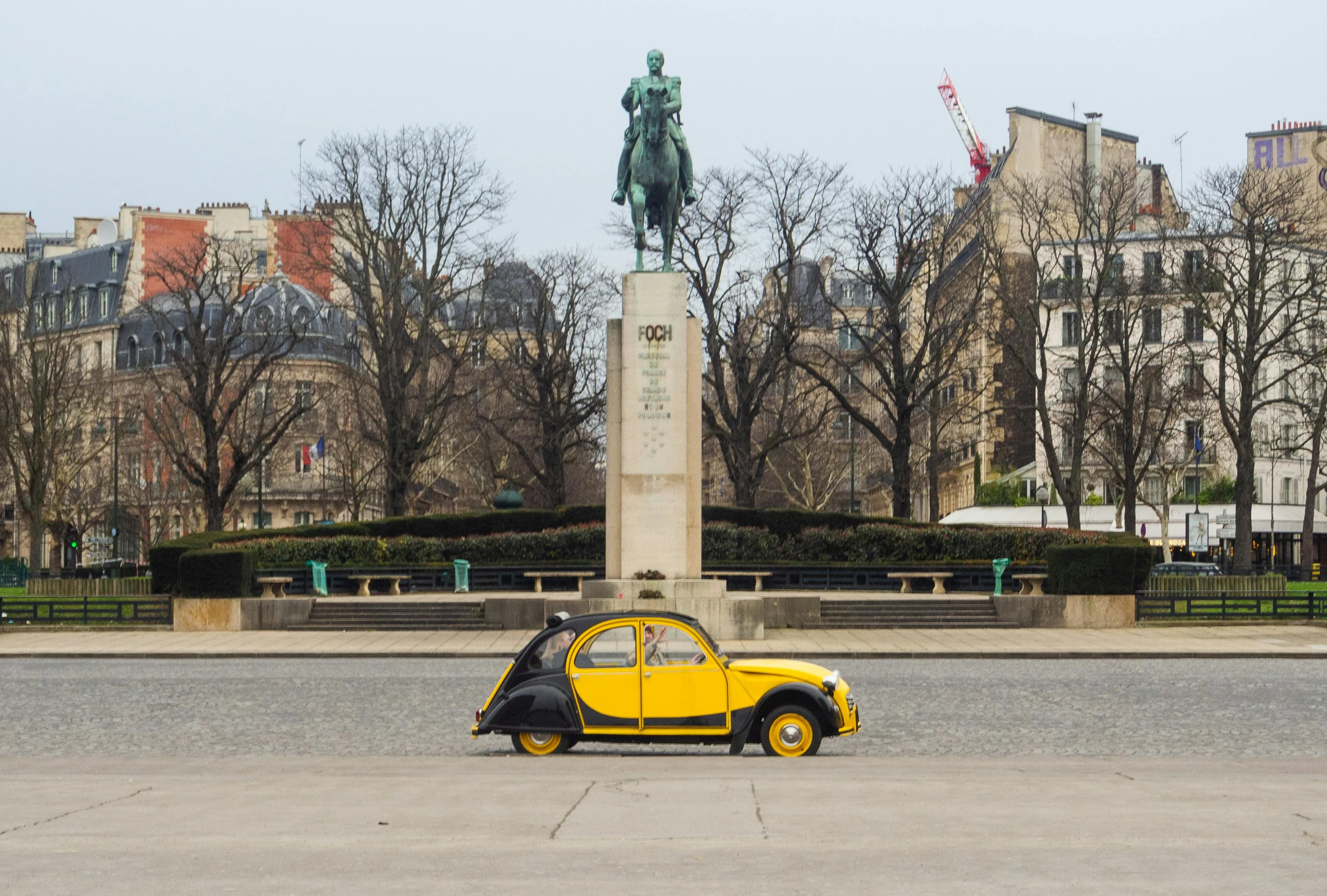
Porte Dauphine Paris sits quietly at the western edge of the capital, offering a version of Paris that feels composed, residential, and deeply rooted in history. This is not a district built around spectacle or crowds. Instead, Porte Dauphine reveals itself through wide avenues, calm streets, and architectural details that reward anyone willing to slow down and look closely.
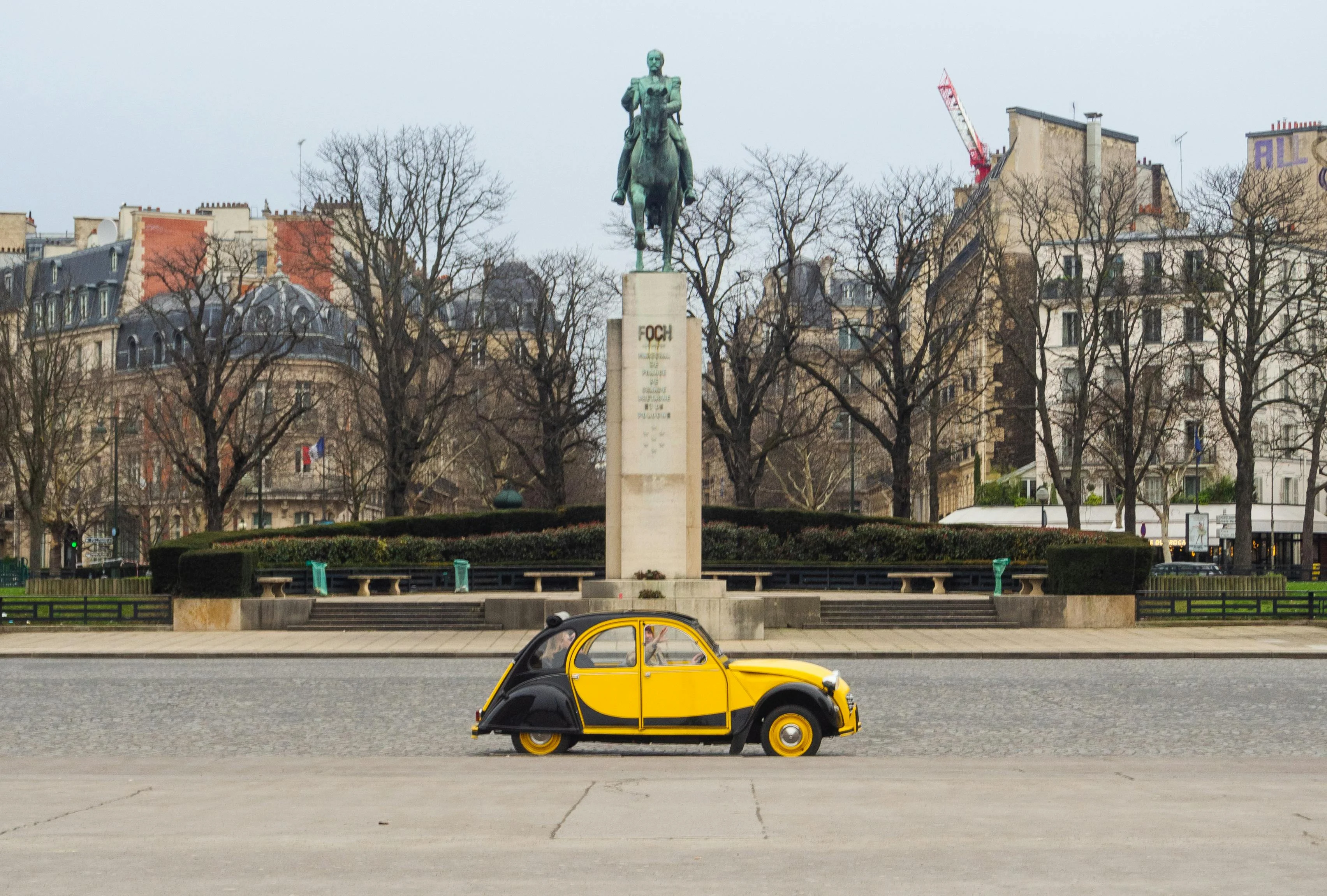
Part of the prestigious 16th arrondissement, the Porte Dauphine district balances refined city living with generous green space thanks to its proximity to the Bois de Boulogne. The area is best known for its iconic Art Nouveau metro entrance, designed by Hector Guimard, but its appeal runs deeper than a single landmark. Elegant Haussmannian buildings, private streets, discreet cafés, and cultural institutions create a setting that feels polished without being stiff.
For travelers and remote professionals, Porte Dauphine offers something increasingly rare in Paris: space, calm, and easy access to the rest of the city—without giving up character, culture, or daily rhythm.
Where Porte Dauphine Is Located in Paris (and Why It Feels Different)
Porte Dauphine is located in the northern part of the 16th arrondissement, right at the western edge of Paris. This location shapes everything about how the district feels—from its pace and layout to the kind of people who live here. Unlike central neighborhoods packed tightly around monuments, Porte Dauphine was designed with breathing room in mind.
The district sits between the city and the Bois de Boulogne, creating a natural buffer that keeps traffic low and streets unusually quiet for Paris. You’re still firmly within the city, but the atmosphere leans residential rather than touristic, polished rather than performative.
Borders, Streets, and Key Reference Points
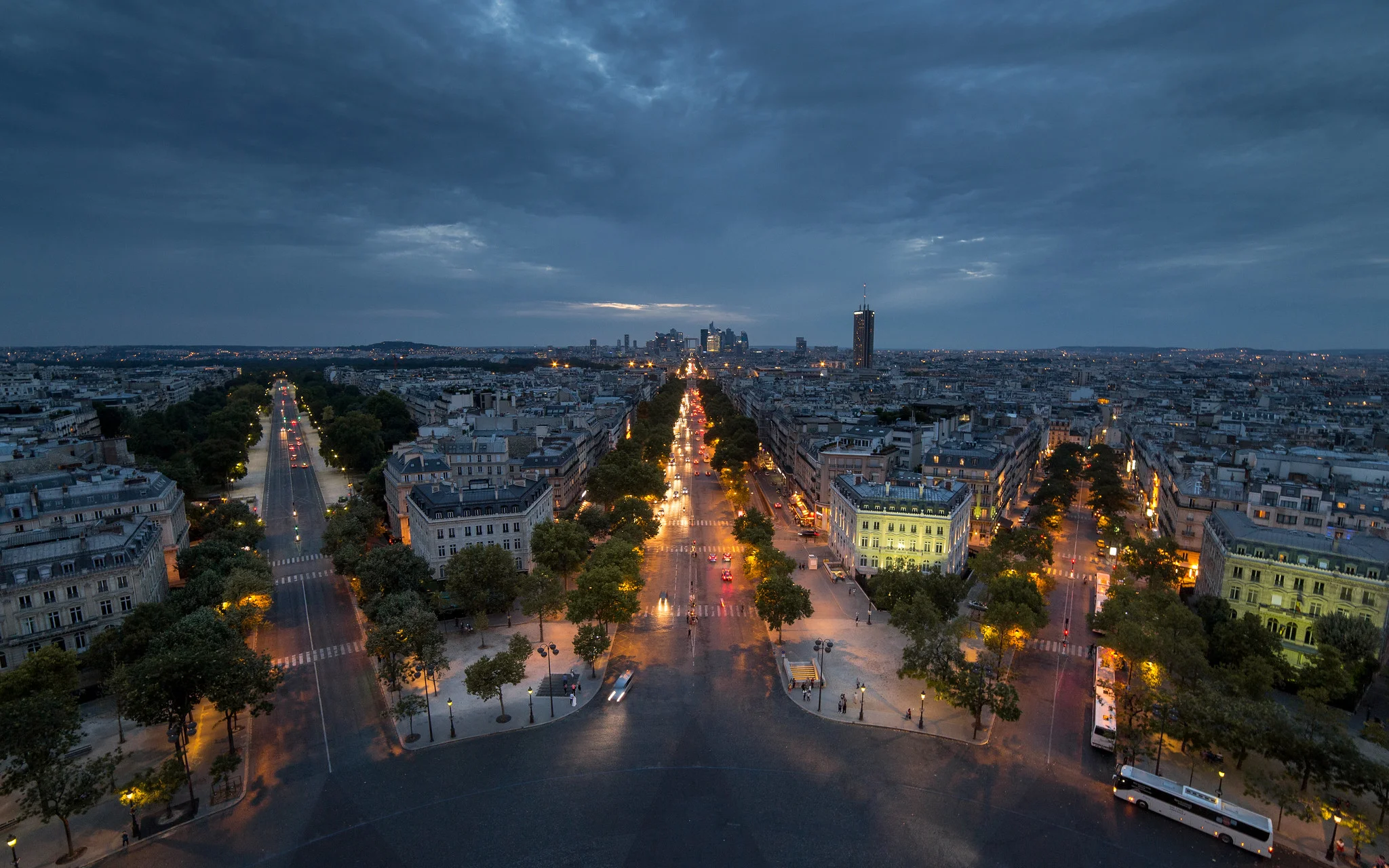
Porte Dauphine unfolds around a network of wide avenues and discreet residential streets that feel carefully planned rather than organically chaotic. Key reference points help define the area:
-
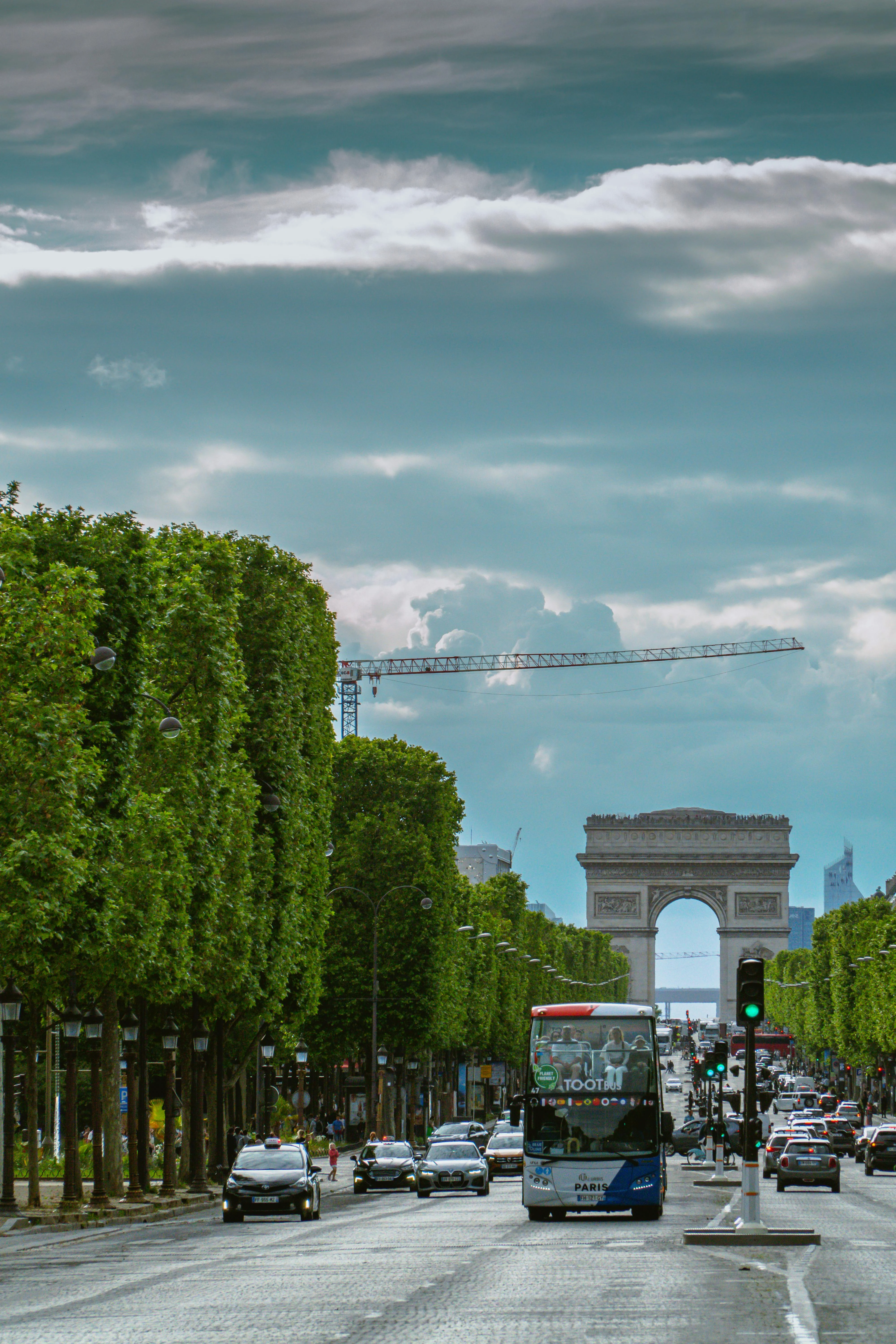
Avenue Foch runs straight toward Place de l’Étoile, lined with stately Haussmannian buildings and shaded by mature trees
-
Place de Mexico anchors the district with calm cafés and elegant residential blocks
-
Place Victor Hugo offers boutiques, bakeries, and local restaurants that cater to daily life rather than quick visits
-
Porte Maillot sits nearby, acting as a busier transport and business hub without spilling its energy into the neighborhood
-
The Bois de Boulogne borders the district to the west, providing direct access to green space and walking paths
Geographically, Porte Dauphine feels balanced. The east leads toward denser parts of Paris, while the west opens into greenery. The south connects easily to Passy and the Seine, and the northern edges remain calm and residential.
What sets this location apart is how intentionally it was developed. Streets are wide, buildings are consistent in scale, and private streets tucked behind main avenues create pockets of near silence. It’s a part of Paris that feels designed for long-term living rather than constant movement.
That sense of order and space is exactly what makes Porte Dauphine feel different—calmer than the middle of the city, but still deeply connected to it.
Porte Dauphine Station and Metro Stations: How to Get Around
Movement in and out of Porte Dauphine is defined by efficiency rather than congestion. While the district itself remains quiet, its transport connections make it surprisingly easy to reach the rest of Paris without feeling absorbed into the city’s busiest corridors. The Porte Dauphine station plays a central role here, functioning as both a practical transit point and a piece of living history.
Unlike many metro stations clustered tightly together in the city center, Porte Dauphine benefits from space—both above and below ground. The result is a station experience that feels calmer, less rushed, and easier to navigate.
Porte Dauphine Station at a Glance
Porte Dauphine station serves as the western terminus of Line 2, which runs across the north of Paris toward the east. This positioning makes it a reliable starting point rather than a crowded midpoint.
Key details that shape daily movement:
-
Western terminus of Line 2, inaugurated in December 1900
-
Served by Île-de-France tramway Line T3b, adding surface-level connections
-
Public road connection to Avenue Foch station on RER C
-
Located beneath Place du Maréchal-de-Lattre-de-Tassigny
-
Nearly 3 million passengers passed through the station in 2019
From here, trains move steadily toward lively districts without overwhelming the calm character of the neighborhood itself. For residents and long-stay visitors, that balance matters.
Inside the Station: Platforms, Entrances, and Layout
Porte Dauphine station is structurally unusual within the Paris network. Instead of a single straight layout, the station is made up of two diverging half-stations, connected by a tight turning loop. This design reflects its role as a terminus and gives the platforms a slightly curved, almost theatrical feel.
Notable interior features include:
-
Preserved flat cream-colored tiles, rare among Paris metro stations
-
Original decorative elements that date back to the early 20th century
-
Clearly marked platforms and entrances that reduce confusion during peak hours
-
A layout that feels open rather than compressed
It is one of only two stations in the entire network to have retained its original decorative scheme, making everyday travel feel connected to the city’s transport history.
Above ground, the station’s entrances are spaced thoughtfully, blending into surrounding streets without dominating them. Movement feels deliberate and controlled—very much in line with the character of the Porte Dauphine district itself.
For travelers, this means easy access without the sensory overload that often comes with central Paris stations. For longer stays, it means daily routines that feel smooth, predictable, and refreshingly calm.
Art Nouveau at Porte Dauphine: Hector Guimard’s Iconic Metro Entrance
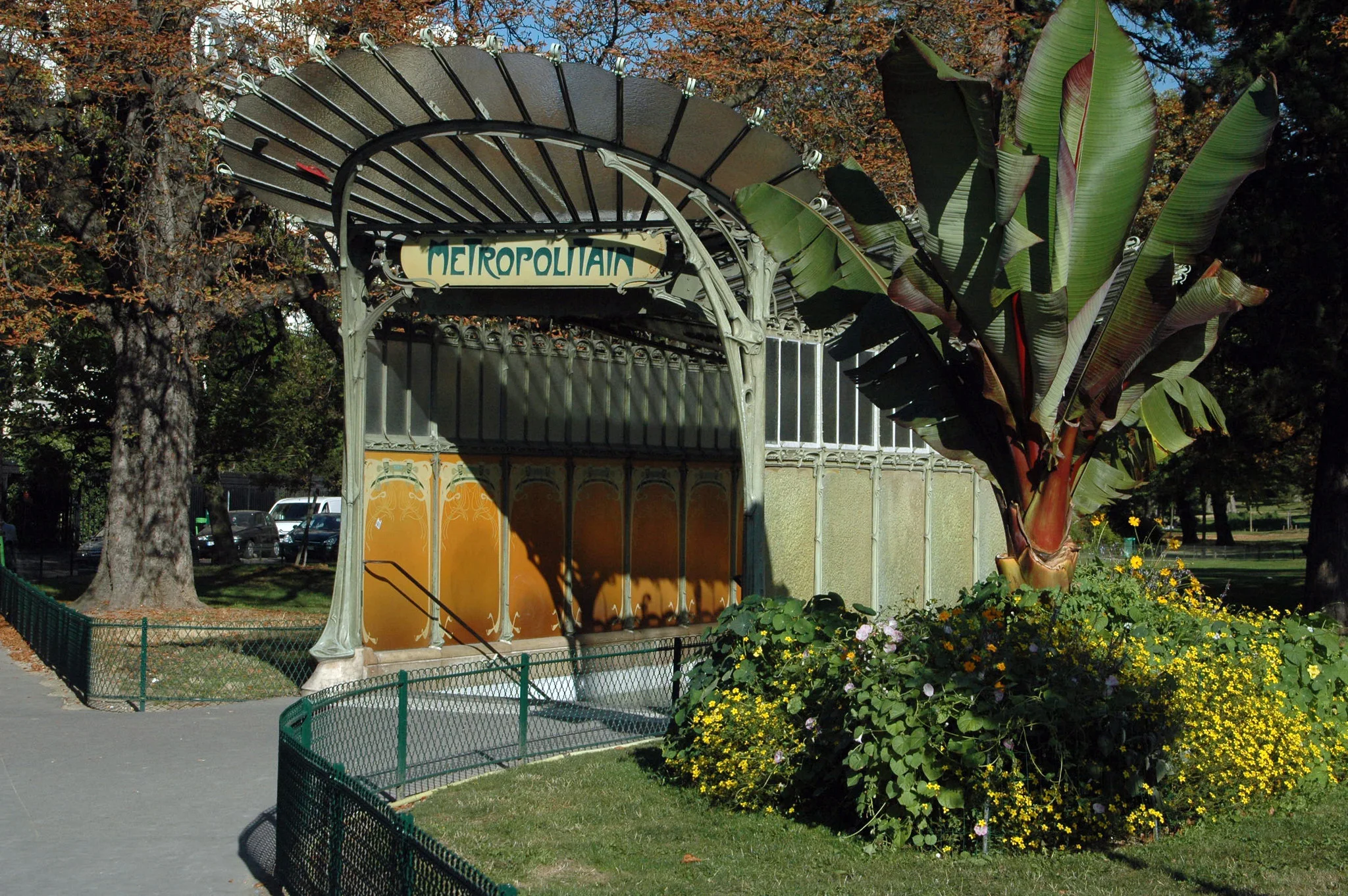
Porte Dauphine is home to one of the most recognizable pieces of Art Nouveau infrastructure in the world. While Paris is filled with historic monuments, few are encountered as casually—or as memorably—as the Porte Dauphine metro entrance. Designed by Hector Guimard, it turns a functional station entrance into a sculptural object that quietly defines the identity of the district.
Rather than monumental scale, the power of this design lies in detail. It’s something you notice slowly, often while passing through, and then begin to appreciate more deeply the longer you stay.
The Dragonfly Canopy and Its Design Details
The Porte Dauphine entrance features one of Guimard’s rare surviving “dragonfly” canopies, a design concept that blends organic form with industrial material. Only three of these canopies remain in the entire Paris metro system.
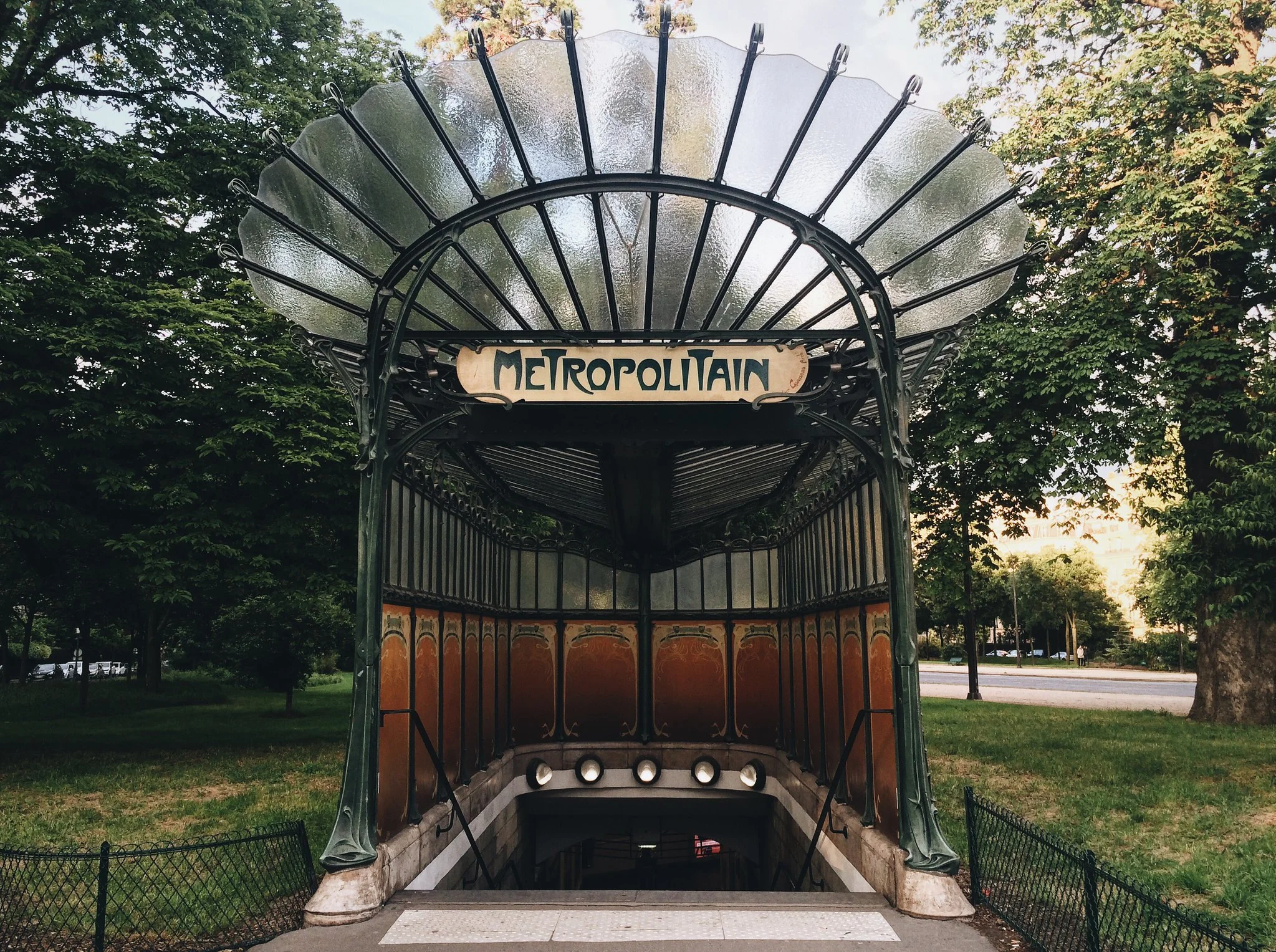
Key elements that define the structure:
-
An inverted pitched roof canopy covered with glass sheets
-
Slender cast-iron supports that curve like plant stems
-
Delicate white and green foliage garlands set against an ocher background
-
Original signage framed in Guimard’s signature fluid typography
-
Subtle green detailing that echoes the surrounding trees and avenues
The canopy feels light rather than imposing, as if it were grown rather than built. Even the metal appears to bend naturally, reinforcing Art Nouveau’s emphasis on movement, nature, and craftsmanship.
From Controversy to Historic Monument
When Guimard was commissioned by the Compagnie du Métropolitain de Paris in 1899, his designs were anything but universally admired. Early reactions were mixed, and some critics dismissed the entrances as excessive or impractical. Over time, however, they became inseparable from the visual identity of Paris.
Important moments in the entrance’s history include:
-
Inauguration in 1900, coinciding with the early expansion of the metro
-
Growing criticism in the early 20th century as tastes shifted
-
Official classification as a historic monument on May 29, 1978
-
Full restoration in 1999, marking the centenary of the Paris Metro
Today, the Porte Dauphine entrance is widely regarded as one of Guimard’s most complete surviving works. It stands not as decoration, but as a reminder that even everyday infrastructure can be treated as art.
For visitors, it’s an easy landmark to overlook at first glance. For those who pause—even briefly—it becomes one of the most quietly memorable pieces of architecture in the city.
History of the Porte Dauphine District and Château de la Muette
The calm, orderly character of Porte Dauphine is not accidental. It is the result of centuries of layered history—royal, imperial, and civic—that shaped this corner of Paris long before it became one of the city’s most desirable residential districts. Understanding that history helps explain why the area still feels measured and composed today.
The name Porte Dauphine itself traces back to a former gate that once marked the boundary of the Château de la Muette, a royal residence whose grounds defined much of this part of western Paris.
From Royal Grounds to an Elite Residential Quarter
The Château de la Muette played a central role in the early identity of the district. When Marie-Antoinette arrived in Paris, she was temporarily housed there, embedding the area with royal associations that lingered long after the monarchy itself disappeared. The surrounding land was later reshaped as Paris expanded outward.
Key historical influences that shaped Porte Dauphine include:
-
The dismantling of former perimeter walls tied to royal estates
-
Large-scale urban planning during the Second Empire
-
Baron Haussmann’s redesign of Paris, emphasizing symmetry and wide avenues
-
The emergence of residential zones intended for the bourgeoisie and professional elite
As Haussmann’s renovations spread, this area was intentionally structured around openness rather than density. Streets were laid out generously, buildings followed strict height and façade guidelines, and private streets were incorporated to preserve tranquility.
Haussmannian Order and Long-Term Stability
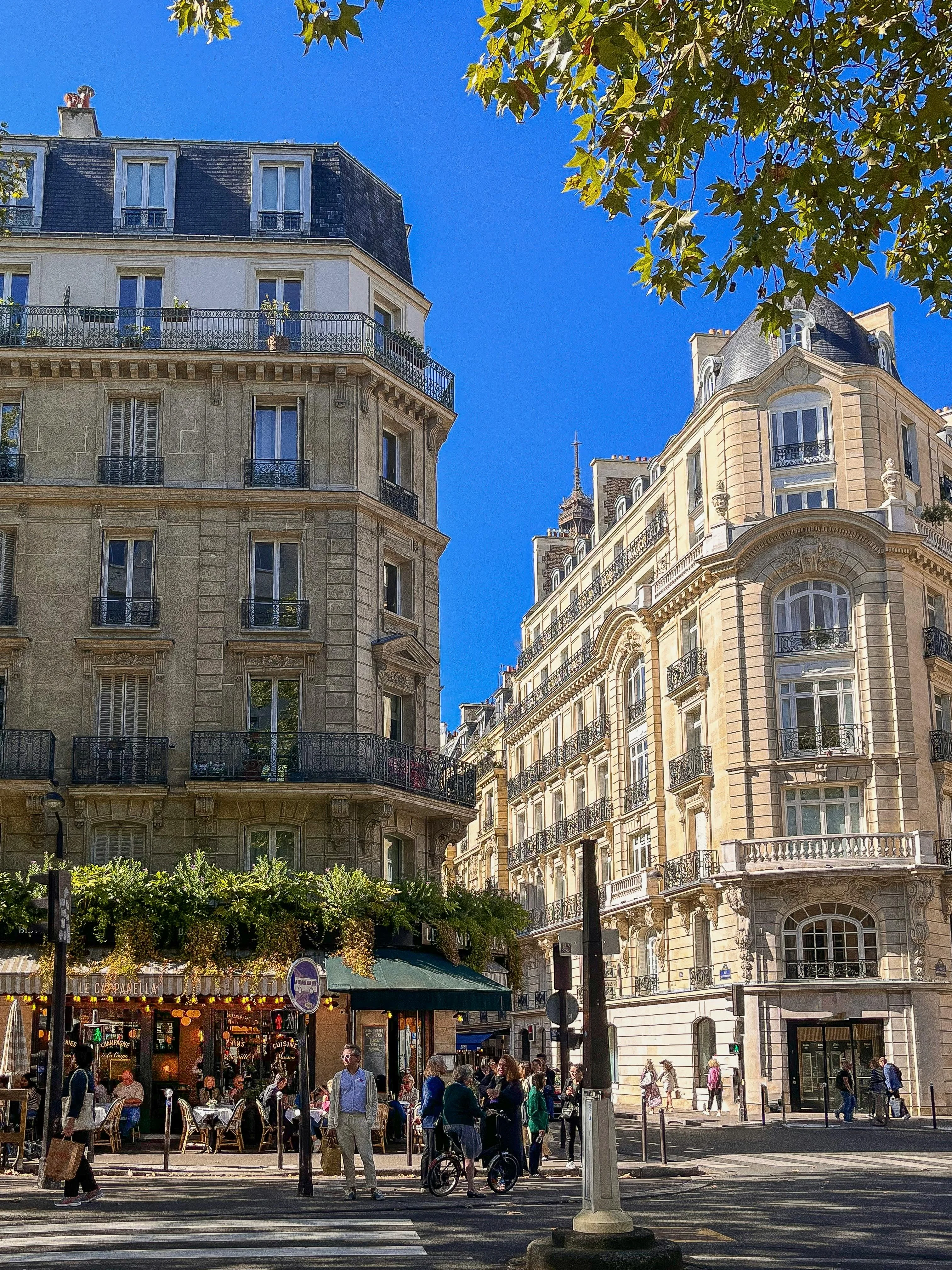
By the late 19th century, Porte Dauphine had firmly established its identity. Unlike districts shaped by commerce or industry, it evolved primarily as a residential enclave. The architecture reflects this purpose: Haussmannian buildings with consistent lines, elegant stone façades, and interiors designed for long-term living rather than short stays.
This historical continuity explains why Porte Dauphine feels stable in a way many Paris neighborhoods do not. There are fewer abrupt changes in scale, fewer disruptions in rhythm, and a strong sense of cohesion across streets and blocks.
Today, the district’s history isn’t presented through plaques or crowds—it’s embedded in proportions, setbacks, and quiet intersections. It’s a part of Paris where the past wasn’t replaced, but carefully carried forward.
Living in Porte Dauphine: Architecture, Green Space, and Daily Life
Living in Porte Dauphine feels intentionally calm. This is a district shaped around long-term residents rather than short-term visitors, and daily life reflects that priority. Streets stay quiet, buildings feel cohesive, and routines revolve around comfort, greenery, and proximity rather than spectacle.
The Porte Dauphine district is especially popular with families and professionals who value space and predictability. Schools are strong, streets are orderly, and the environment encourages walking rather than rushing.
Architecture You Notice by Living With It
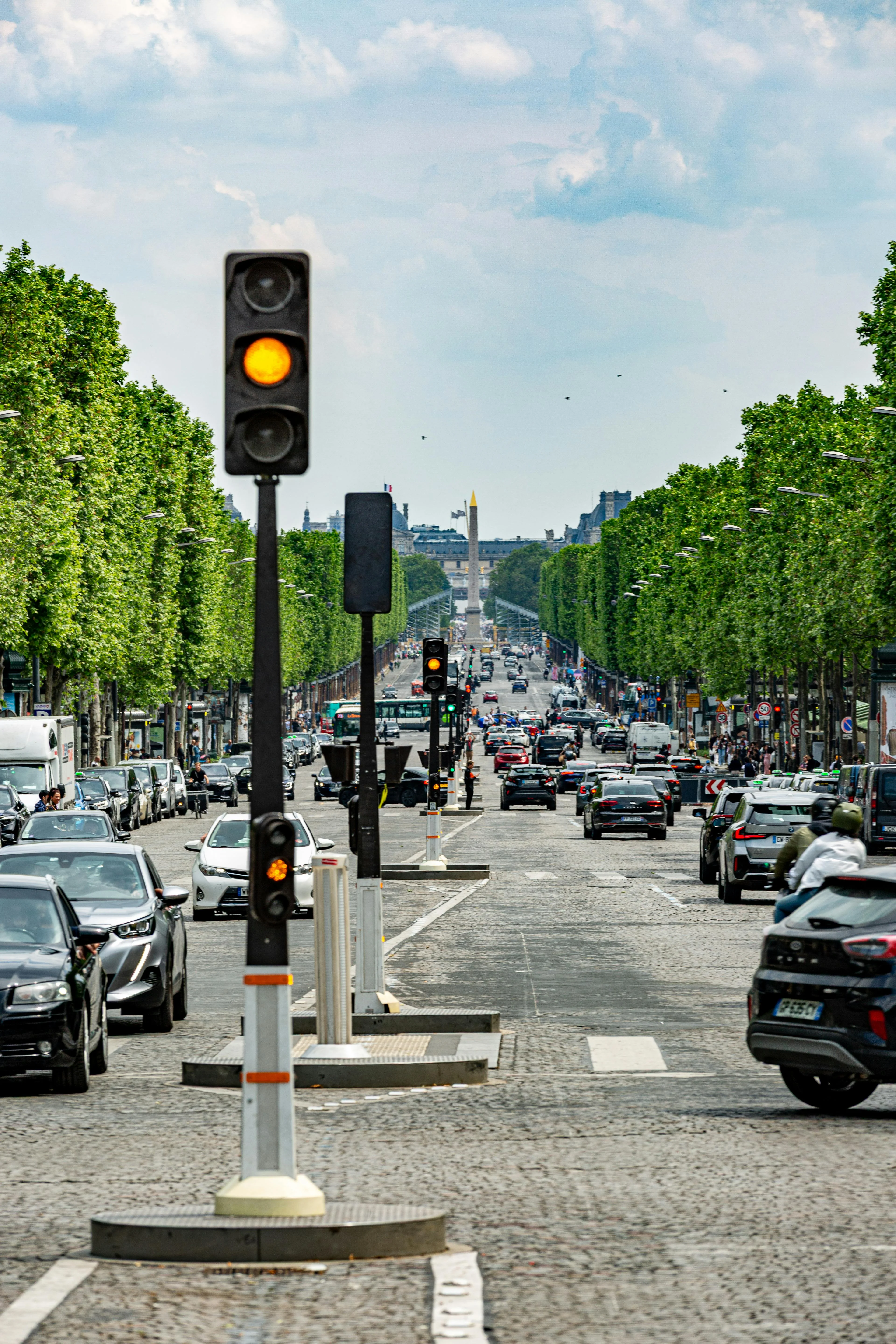
The architecture here follows a strict Haussmannian rhythm—consistent heights, pale stone façades, and understated elegance. Along Avenue Foch, one of the widest avenues in Paris, buildings are set back behind trees and formal entrances, giving the entire stretch a sense of scale you rarely find elsewhere in the city.
You’ll also find:
-
Discreet private streets branching off Place de Mexico, where traffic is limited and buildings feel almost hidden
-
Stately residential blocks near Place Victor Hugo, many with internal courtyards and original detailing
-
A handful of well-preserved private mansions, particularly closer to the northern edges of the district
Local tip: take a slow walk along Avenue Foch just before sunset. The light filtering through the trees highlights the stonework, and the avenue feels more like a grand promenade than a traffic artery.
Green Space That Shapes Everyday Routines
Porte Dauphine’s relationship with green space is one of its strongest advantages. The Bois de Boulogne borders the district directly, making nature part of daily life rather than a weekend destination.
Residents regularly:
-
Jog or cycle along the Bois’ outer paths in the morning
-
Walk toward quieter wooded sections rather than crowded central lawns
-
Use the area as an alternative to the Seine for evening walks
For families and relaxed afternoons, the Jardin d’Acclimatation is a local favorite. It offers landscaped paths, shaded seating, cafés, and seasonal attractions without feeling overly commercial. It’s especially popular on weekday afternoons, when it’s noticeably calmer than weekends.
If you’re looking for a quieter green escape, stick to the Bois paths closest to Porte Dauphine rather than those near Neuilly or major entrances—they’re less busy and better suited for uninterrupted walks.
Daily Life, Cafés, and Neighborhood Habits
Daily life here is subtle and consistent. Cafés and shops are built around regulars, not foot traffic.
Reliable local stops include:
-
Café de la Mairie** (Place Victor Hugo)** – a classic spot for morning coffee and light lunches
-
Maison Kayser Victor Hugo – dependable for bread, pastries, and quick takeaways
-
Small épiceries and fromageries scattered through residential streets rather than concentrated shopping strips
Dining tends to be refined but low-key. You’ll find excellent neighborhood restaurants rather than trend-driven openings, including classic French brasseries and pockets of delicious Italian cuisine serving residents who return week after week.
Etiquette matters here. Greeting staff with “Bonjour” and closing with “Merci” is standard, not optional. The atmosphere is polite, calm, and quietly confident—very much in line with the district’s overall character.
If you’re considering a longer stay or thinking about living in this part of the city, browsing fully furnished apartments in Paris can give you a clearer sense of what daily life here actually looks like.
Culture, Cafés, and Restaurants Around Porte Dauphine
Culture in Porte Dauphine is woven into everyday movement rather than concentrated into a single destination. The district sits close enough to major institutions to make them part of a routine, while remaining removed from the crowds that usually follow them. What you find here is access without excess.
From quiet museums to dependable neighborhood restaurants, Porte Dauphine offers a slower, more deliberate way to experience Paris.
Cafés and Coffee Stops
Café culture in Porte Dauphine leans practical and understated. These are places for a focused hour, a morning routine, or a quiet pause between meetings rather than all-day coworking.
-
**Café Belloy **(Avenue Kléber)
A classic café with a calm interior and consistent espresso. Seating is comfortable enough for light work, reading, or emails. Best suited for short work sessions rather than calls. -
Noir** (Victor Hugo area)**
Bright, relaxed, and generally laptop-tolerant during mornings and early afternoons. Known for good pastries and reliable WiFi. Works well for solo work and quiet concentration. -
Maison Kayser – Victor Hugo
A dependable stop for takeaway coffee and breakfast. Not designed for lingering, but ideal before heading home to work or walking toward the Bois de Boulogne.
Porte Dauphine is not built around café-based work culture. Most professionals here rely on home setups or structured workspaces rather than rotating between cafés.
Coworking and Structured Workspaces Nearby
There are no large coworking spaces within the Porte Dauphine district itself, which reflects its residential character. When needed, residents typically head toward Passy or connect eastward.
-
Morning Coworking – Passy
A polished, professional space within walking distance. Quiet zones, meeting rooms, and a business-focused atmosphere make it suitable for structured workdays. -
Spaces La Défense
Easily reached via Line 2 and RER connections. Best suited for those working with European teams who need meeting rooms and corporate-grade infrastructure.
For longer stays, most people prioritize fully equipped apartments over shared workspaces, especially given the district’s calm and predictable environment.
Restaurants and Dining Near Porte Dauphine
Dining around Porte Dauphine is refined, consistent, and built around repeat visits. Menus are restrained, service is efficient, and reservations are common.
-
Il Cottage** (Bois de Boulogne edge)**
One of the area’s most reliable options for delicious Italian cuisine. Fresh pasta, seasonal ingredients, and a leafy setting make it popular for long lunches and early dinners. -
Chez Georges** (Victor Hugo area)**
A classic French restaurant known for well-executed staples like steak frites and traditional sauces. Quiet, steady, and favored by residents during the week. -
Le Congrès Maillot
A large brasserie near Porte Maillot, often used for business lunches and informal meetings. Predictable menu, quick service, and ample space. -
Mavrommatis Passy
A refined Greek restaurant just outside the district. Known for consistency and quality, especially for seafood and lighter Mediterranean dishes.
Most evening dining happens between Porte Dauphine and Passy, where the atmosphere remains calm without feeling empty.
Museums and Cultural Stops: Fondation Louis Vuitton and Beyond
-
Fondation Louis Vuitton
Located at the edge of the Bois de Boulogne, the foundation hosts rotating exhibitions that blend contemporary art and architecture. Weekday mornings and late afternoons are the quietest times to visit. -
Musée de la Contrefaçon** (Rue de la Faisanderie)**
A small, focused museum exploring design, counterfeiting, and intellectual property. Easy to visit without planning and rarely crowded. -
Village de Passy
A short walk south, offering independent cinemas, bookstores, galleries, and boutiques that complement daily life rather than dominate it.
Culture in Porte Dauphine doesn’t demand attention. It’s encountered gradually—through exhibitions you return to, restaurants you book again, and routes that become familiar.
Walking Routes, Street Details, and Everyday Routes Around Porte Dauphine
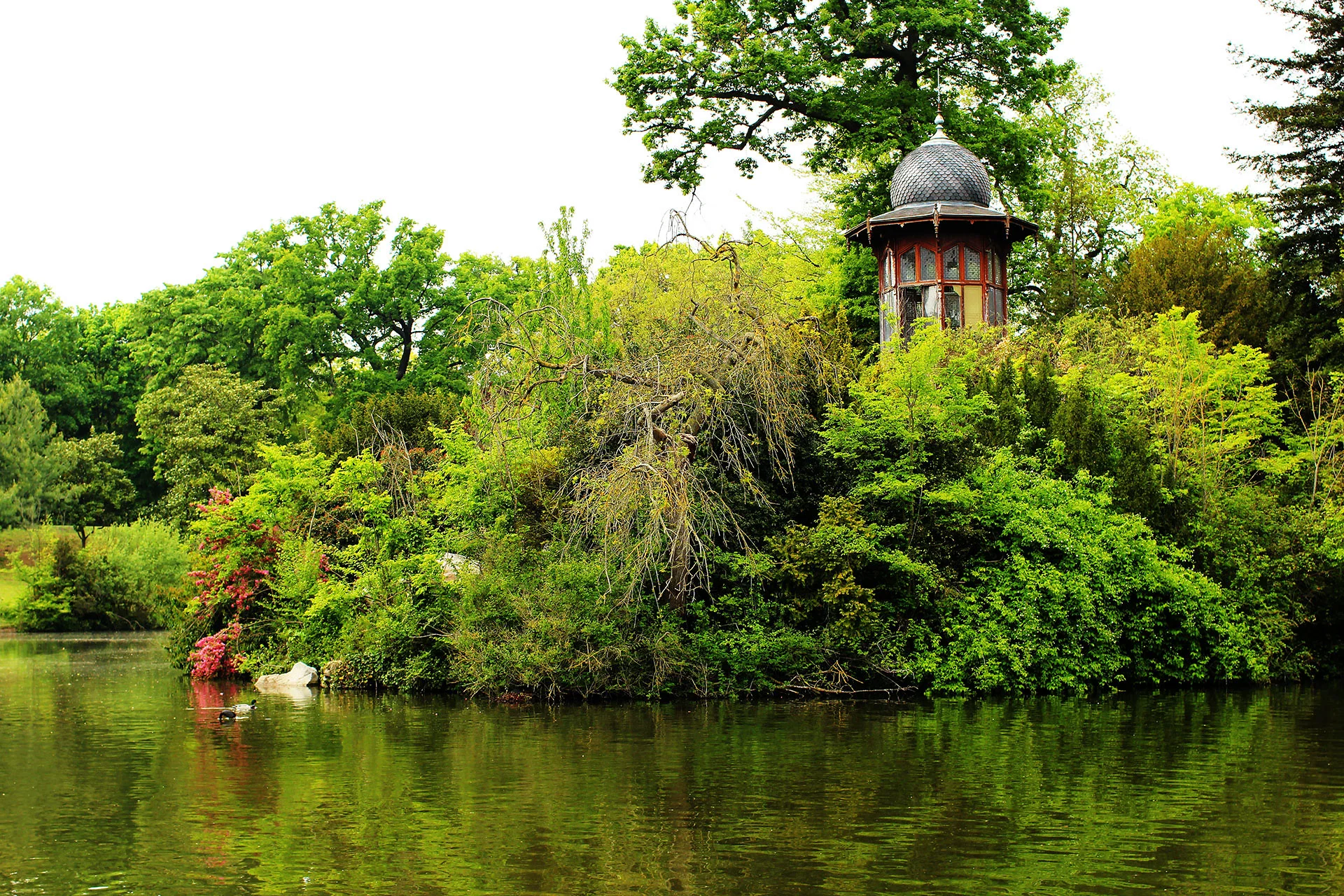
Porte Dauphine is best experienced on foot. The district’s layout—defined by wide avenues, quiet residential streets, and a clear relationship to green space—reveals itself gradually through short walks rather than long itineraries. Movement here feels deliberate, not rushed, and small details begin to stand out once you slow down.
Short Walks That Define the Area
Several walking routes help explain how the district functions day to day:
-
Porte Dauphine station → Place de l’Étoile
A direct walk along Avenue Foch that highlights the district’s scale and symmetry. This route makes the transition from residential calm to monumental Paris clear without feeling abrupt. -
Porte Dauphine station → Avenue Henri Martin
Heading north brings you into a quieter residential pocket where buildings sit farther apart and traffic thins noticeably. This area reflects how the northern part of the district prioritizes discretion and space. -
Victor Hugo area → Bois de Boulogne edge
Walking west toward the park emphasizes how closely the district is tied to green space. The shift from stone façades to tree-lined paths happens quickly and naturally.
These routes are easy to repeat and work well as part of a daily routine rather than a one-time walk.
Details You Notice Along the Way
Street-level details reinforce the district’s cohesion. Around the station entrances, original metro sign elements remain visible, some subtly decorated to echo the Art Nouveau language of the area. Beneath the canopy, interior details—including the well-known bright green armchairs—appear as functional design rather than ornament.
Other small observations include:
-
Consistent spacing between buildings along residential streets
-
Minimal storefront clutter compared to central districts
-
Entrances that feel intentionally understated rather than attention-seeking
Spending even a bit of extra time on these streets makes the planning logic of the area easier to understand.
Where to Pause or Reset
Porte Dauphine doesn’t offer many formal squares, but there are reliable places to stop briefly during a walk:
-
Benches near the edge of the Bois de Boulogne for short breaks
-
Quieter side streets near Avenue Henri Martin where traffic noise drops
-
Residential corners where the pace naturally slows
These pauses encourage observation rather than movement, which suits the district’s character.
How These Walks Shape the Experience
Walking here isn’t about covering distance. It’s about noticing how the district connects—how streets lead gradually toward the west, how residential calm holds even near major connections, and how the area maintains balance without trying to impress.
These everyday routes allow you to discover Porte Dauphine incrementally. You can continue walking or turn back at any point, depending on time, mood, or purpose. That flexibility is part of what makes the district easy to live in rather than merely pass through.
Porte Dauphine Compared to Nearby Paris Neighborhoods
Choosing Porte Dauphine often comes down to contrast. Its appeal becomes clearest when set against nearby districts that offer very different rhythms of daily life. While all three areas below sit within the same city, they serve distinct purposes depending on how you plan to live, work, and move through Paris.
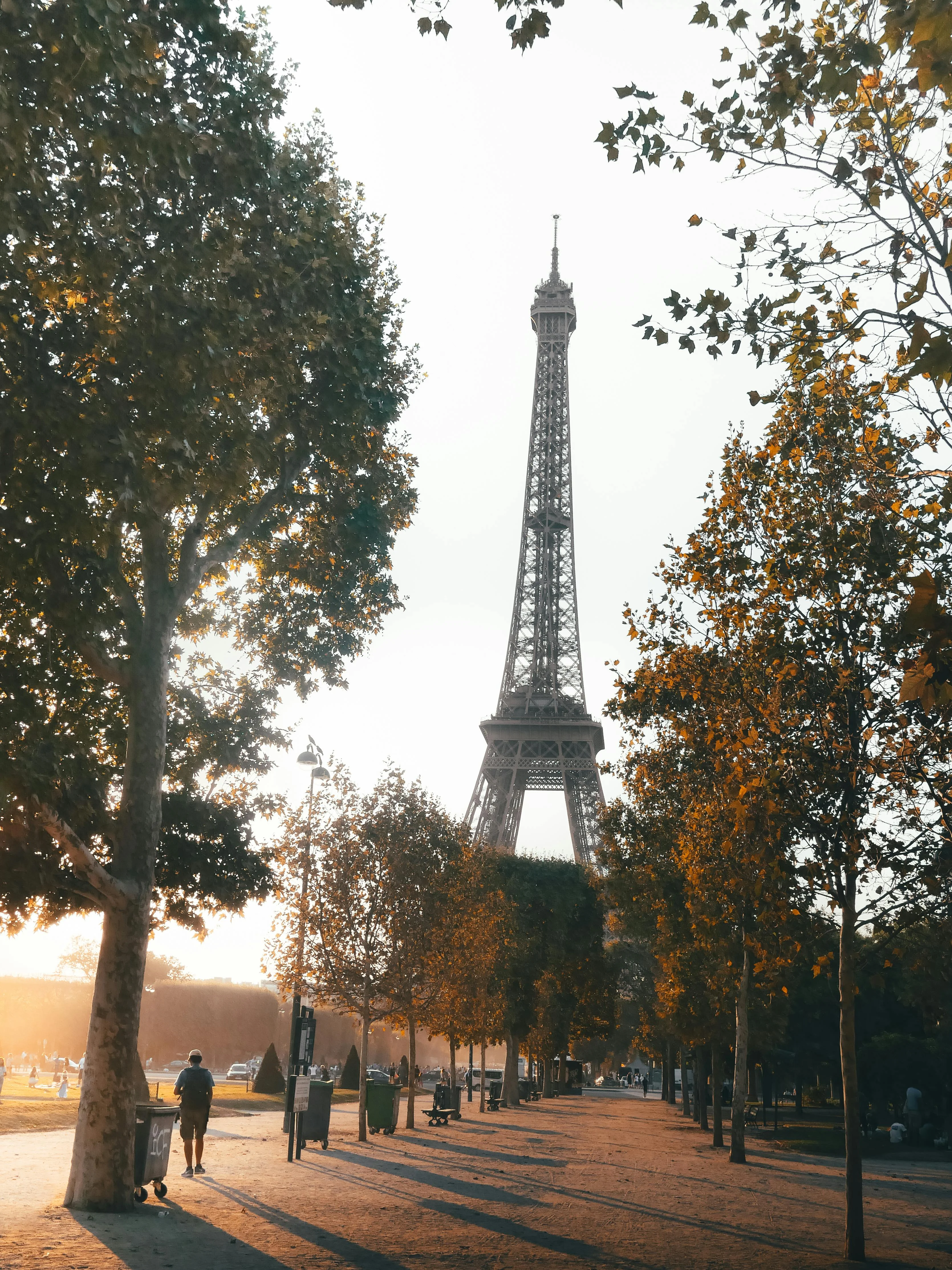
This comparison focuses on atmosphere, day-to-day practicality, and how each district feels beyond a short visit.
Porte Dauphine vs Porte Maillot vs Montmartre
| Neighborhood | Overall Atmosphere | Streets & Architecture | Daily Rhythm | Best Suited For |
|---|---|---|---|---|
| Porte Dauphine | Calm, residential, refined | Wide avenues, Haussmannian buildings, private streets | Predictable, quiet, green-focused | Long stays, families, professionals |
| Porte Maillot | Functional, business-oriented | Large roads, hotels, modern blocks | Busy during the day, quiet at night | Business travel, transit access |
| Montmartre | Lively, touristic, historic | Narrow streets, hills, older buildings | Irregular, crowded at peak hours | Short visits, nightlife, views |
How Porte Dauphine Stands Apart
Porte Dauphine distinguishes itself through balance. It offers easy access to metro stations and connections without the constant foot traffic found near business hubs like Porte Maillot. Streets remain orderly, noise levels stay low, and green space is integrated into daily routines thanks to the nearby Bois de Boulogne.
Compared to Montmartre, the difference is even sharper. While Montmartre thrives on energy, elevation, and constant movement, Porte Dauphine prioritizes stability. There are fewer visitors passing through, fewer steep streets, and far less pressure on infrastructure. What you trade in spectacle, you gain in comfort and consistency.
When Each Area Makes Sense
-
Porte Dauphine works best if you want a residential base with room to breathe, predictable transport, and an environment designed for living rather than sightseeing.
-
Porte Maillot suits shorter stays tied to meetings, conferences, or frequent travel in and out of the city.
-
Montmartre fits travelers drawn to atmosphere, views, and late nights, but it demands patience with crowds and uneven terrain.
For those planning more than a quick visit, Porte Dauphine often feels easier to settle into. It’s a district that supports routine—morning walks, focused workdays, and quiet evenings—while keeping the rest of Paris comfortably within reach. Want to explore other Parisian neighborhoods? Start with Charonne on the RentRemote neighborhood guide.
A Residential Edge of Paris That Rewards Time
Porte Dauphine sits at the residential edge of Paris, offering a setting shaped more by continuity than change. Its streets, architecture, and green surroundings reflect a part of the city designed to be lived in rather than constantly reinterpreted.
The district’s layout—situated between wide avenues and the Bois de Boulogne—creates a balance that feels increasingly rare. Daily life here is supported by structure: clear transport connections, predictable routines, and access to culture without excess. Over time, that stability becomes one of the area’s defining strengths.
For those planning to stay longer, Porte Dauphine makes it easier to settle into a rhythm that feels sustainable. It’s a neighborhood that doesn’t compete for attention, but quietly supports how you move, work, and live in Paris.
Looking at other locations outside of Paris? Check out RentRemote's fully furnished apartments in France that come equipped with standing desks, ergonomic seating, and all the equipment you need to plug and play your remote lifestyle.