Charonne Paris: Living in an Authentic Village Within the City
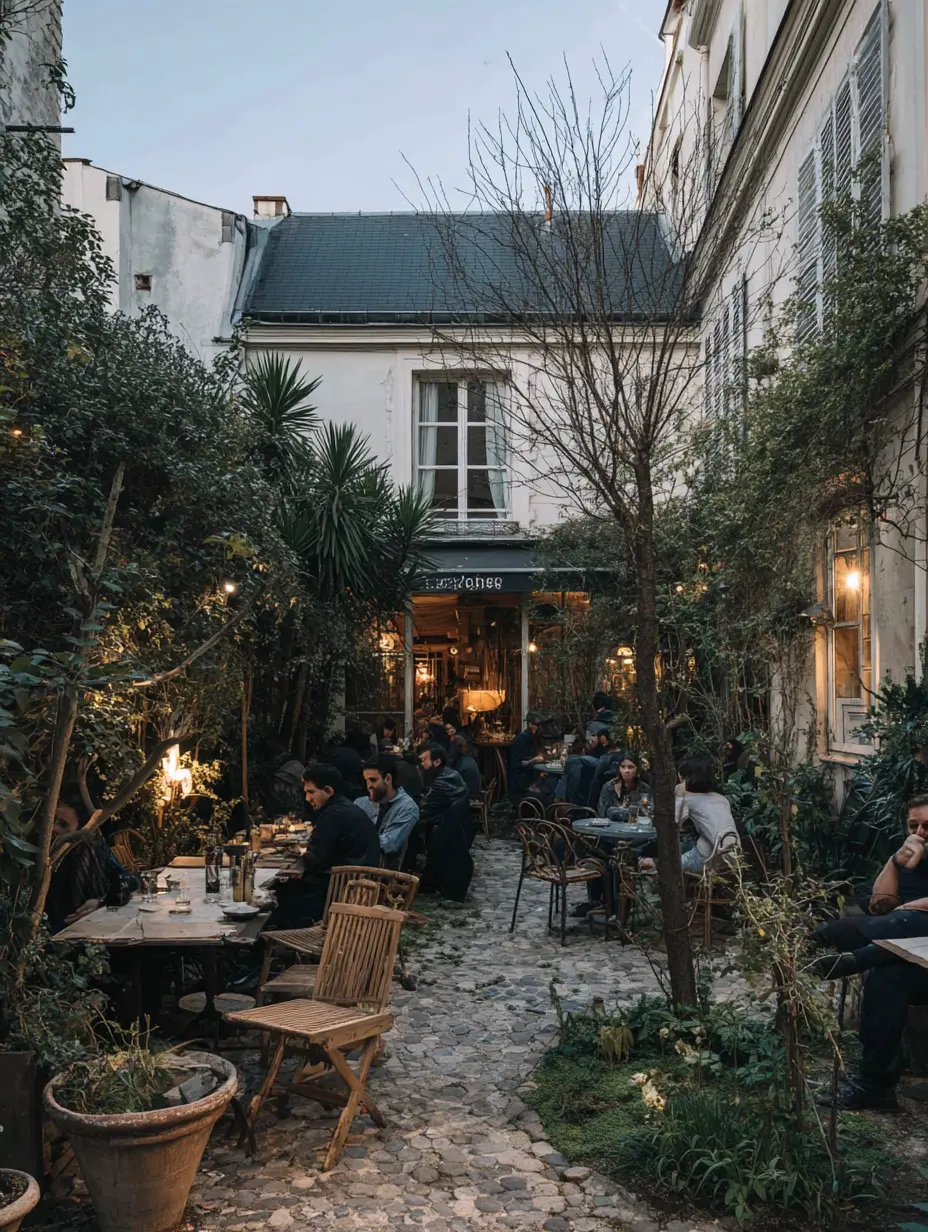
Charonne sits in eastern Paris with a pace that feels grounded and residential rather than touristic. Once a former village before being annexed into the city in 1860, it has retained much of its original layout—narrow streets, low-rise houses, and a surprising number of gardens tucked between buildings. Life here unfolds at a local scale, shaped by parish spaces, small parks, and streets designed for walking rather than rushing. Unlike central districts built around constant movement, Charonne feels settled, practical, and quietly self-contained.
For longer stays, this part of Paris offers a rare sense of continuity. Daily routines form easily, whether that means morning walks past cobbled streets, shopping at neighborhood markets, or spending afternoons in green pockets that soften the city’s edges. Charonne isn’t a place that demands attention. It rewards time, making it especially well suited for travelers and remote workers looking to live in Paris rather than pass through it.
In this guide, you’ll discover:
-
How Charonne’s village history still shapes daily life
-
Where green spaces and community gardens fit into the neighborhood
-
Which streets, cafés, and local spots anchor long-term routines
-
Why Charonne works well for extended stays in Paris
La Campagne à Paris: A Residential Pocket Above the Streets
La Campagne à Paris feels disconnected from the surrounding city in the best possible way. Tucked into a hillside between Porte de Bagnolet and Rue de la Réunion, this small residential enclave was built in the early 20th century for quarry workers. Today, it remains one of the quietest and most unusual places to live in eastern Paris, defined by century-old cottages, narrow lanes, and front gardens that blur the line between city and countryside.
Walking Through La Campagne à Paris
Streets here are short, steep, and intentionally calm. There are no through-roads and almost no traffic, which gives the area a secluded, village-like feel despite being fully inside the city.
You’ll notice:
-
Modest houses with pitched roofs and shutters rather than apartment blocks
-
Small front gardens filled with vines, roses, and magnolia trees
-
Staircases and sloped lanes instead of straight, gridded streets
This layout makes the area feel more like a residential town than a Paris neighborhood, especially during mornings and early evenings.
What Daily Life Looks Like Here
La Campagne à Paris is not a place of cafés or nightlife—it’s a place of routines. Residents step out for walks, groceries, or quiet conversations rather than entertainment.
Daily life tends to revolve around:
-
Short walks to Rue de Bagnolet for bakeries and essential shops
-
Easy access to nearby green spaces like Square Sarah Bernhardt
-
A strong residential presence with families, retirees, and long-term locals
For longer stays, this calm becomes an advantage. Days settle into a predictable rhythm, with space to work, walk, and disconnect without leaving Paris.
Saint-Germain-de-Charonne: The Parish Core of the Old Village
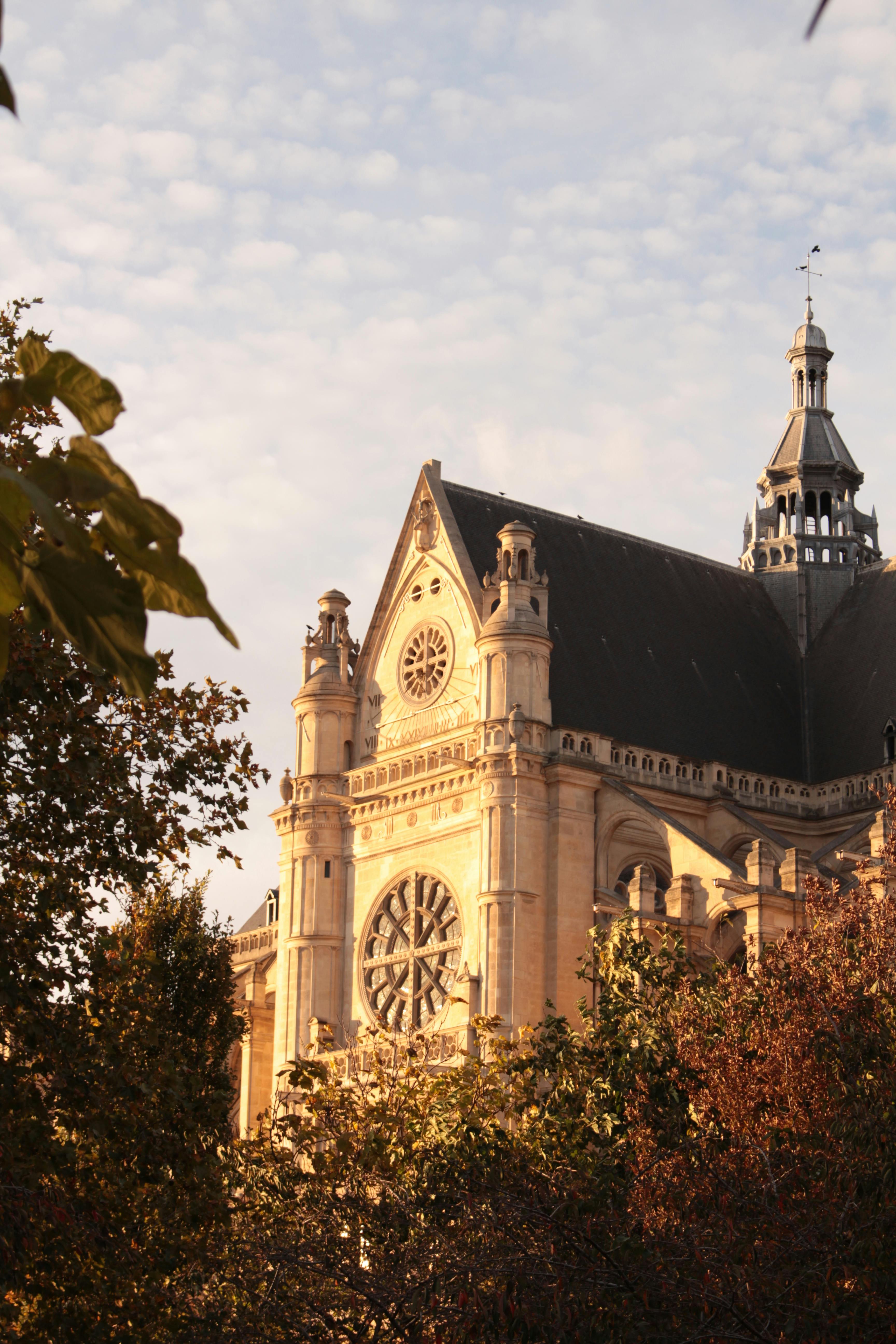
At the heart of Charonne sits Saint-Germain-de-Charonne, a 12th-century parish church that still feels embedded in everyday life rather than set apart from it. Unlike most churches in Paris, it remains surrounded by its original parish cemetery, creating a quiet, enclosed space that feels closer to a small town than a capital city district. This area forms the historic center of the former village and continues to anchor local routines today.
Église Saint-Germain-de-Charonne and Its Cemetery
The church itself dates back to the 12th century and blends Romanesque buttresses with later Gothic arches. Its scale is modest, and the surrounding cemetery reinforces the sense of continuity rather than monumentality.
What stands out on a regular visit:
-
The intact parish cemetery, one of the few remaining in Paris
-
A calm, residential atmosphere with little foot traffic
-
Architectural details that reveal layers of village history rather than grand redesigns
The church was also used as the filming location for the final scene of Les Tontons Flingueurs, adding a quiet pop-culture footnote to its long history.
Streets Around the Parish Church
The streets surrounding Saint-Germain-de-Charonne are among the most evocative in the neighborhood. They curve gently, remain narrow, and avoid the scale of nearby boulevards.
A short walk here includes:
-
Rue Saint-Blaise, the former high street of the village, lined with cafés and small shops
-
Cobbled sections that reinforce the old village layout
-
Residential façades that open directly onto the street, without barriers or gates
This part of Charonne is especially appealing for longer stays, as it offers daily calm without isolation. It’s common to see neighbors stopping to talk, children playing nearby, and locals passing through on foot rather than by car.
Where to Eat, Drink, and Shop Around Saint-Germain-de-Charonne
Life around the parish core isn’t built around destinations—it’s built around habits. The streets near Saint-Germain-de-Charonne support daily routines with small, reliable places that locals return to regularly. For longer stays, these spots matter more than standout restaurants.
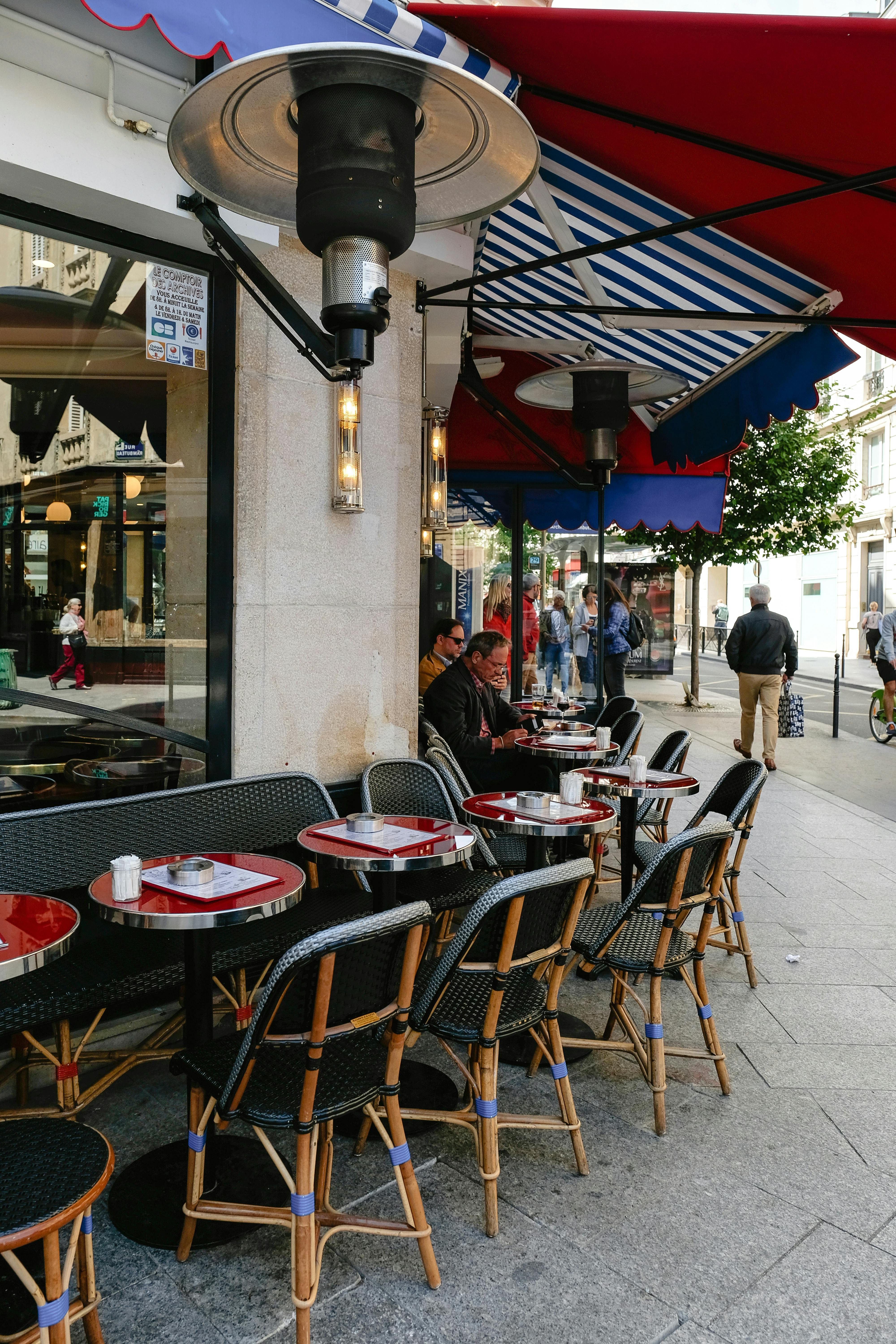
Cafés and Bars Locals Actually Use
These are places woven into everyday life, not built for passing crowds:
-
Quartier Rouge – A relaxed wine bar close to Rue Saint-Blaise, known for its thoughtful selection of French wines and an easygoing neighborhood atmosphere. Evenings are social without being loud.
-
Magnolia Cafe – A small, unfussy spot popular with locals for after-work drinks. It’s casual, friendly, and rarely crowded during the week.
-
Café Sans Nom – A reliable choice for seasonal small plates and coffee, with a pace that suits longer visits rather than quick stops.
Everyday Food and Essentials
The area supports practical living rather than novelty shopping, which suits long stays well:
-
Marché Charonne – A local market offering seasonal produce, bread, cheese, and prepared food. It’s a regular stop for residents rather than a tourist attraction.
-
Bakeries along Rue Saint-Blaise – Several independent bakeries serve the surrounding streets; locals tend to stick to the same one daily.
-
Small grocery shops on Rue de Bagnolet – Useful for top-ups and everyday essentials without heading to larger commercial zones.
Streets That Anchor Daily Routines
Walking defines how this part of Charonne works. These streets connect daily needs within a short radius:
-
Rue Saint-Blaise – The social spine of the old village, lined with cafés, small restaurants, and neighborhood shops.
-
Rue de la Réunion – A practical connector street with food shops and services used by locals.
-
Cobbled side streets near the parish church – Quiet, residential lanes that make short walks feel unhurried.
Spending time around Saint-Germain-de-Charonne reveals a version of Paris built for living rather than visiting. The mix of cafés, markets, and walkable streets makes it easy to settle into routines that feel steady and local—exactly what longer stays benefit from most.
Père Lachaise and How It Shapes the Edge of Charonne
Living near Père Lachaise Cemetery changes how this part of the city feels on a daily basis. Rather than acting as a tourist magnet spilling into surrounding streets, the cemetery functions as a vast green boundary that softens the neighborhood. For residents of Charonne, it’s less a landmark and more a constant presence—quiet, leafy, and woven into everyday routines.
Walking the Cemetery Like a Local
For longer stays, Père Lachaise becomes part of regular life rather than a one-time visit. Locals use it as a walking route, a place to reset between errands, or a calm alternative to nearby parks.
Ways residents actually use it:
-
Morning or late-afternoon walks along shaded paths, especially on the Charonne-facing side
-
Quiet breaks on benches away from the most visited graves
-
Short cut-through walks that replace busier streets on the opposite side
Because of its size and layout, it’s easy to find calm sections even on busier days.
Famous Names, Local Distance
The cemetery is known worldwide as the burial place of figures like Edith Piaf and Jim Morrison, but their presence doesn’t dominate daily life nearby. Most long-stay residents naturally avoid the busiest central paths and gravitate toward quieter edges closer to Charonne.
What stands out instead:
-
Tree-lined avenues that feel closer to a woodland than a city space
-
A noticeable drop in noise compared to surrounding streets
-
A sense of separation that makes nearby housing feel calmer
How Père Lachaise Influences the Neighborhood
The cemetery creates a natural pause in the urban fabric. Streets bordering it tend to be quieter, with fewer late-night venues and less through traffic. This has shaped the character of nearby housing and daily rhythms.
Living nearby often means:
-
Cooler temperatures in summer due to tree cover
-
Less street noise, especially at night
-
Easy access to one of Paris’s largest green spaces without crowds
For people staying weeks or months in Charonne, Père Lachaise isn’t a destination to tick off—it’s a steady backdrop that makes the neighborhood feel more breathable and grounded than much of the city.
Getting Around Charonne: Daily Movement Without the Rush
Charonne works well for longer stays because moving around feels straightforward and predictable. Most daily needs are reachable on foot, and when you do need transport, connections are practical rather than overwhelming. The neighborhood sits on the eastern side of Paris, close enough to major routes without being shaped by constant transit flow.
Metro Stations Residents Actually Use
Rather than relying on one major hub, Charonne is served by several smaller stations that distribute foot traffic and keep streets calmer.
Common choices include:
-
Alexandre Dumas Metro Station – Often preferred by locals for its quieter entrances and easy access to residential streets.
-
Charonne metro station – Convenient for reaching central Paris while staying close to Rue de Charonne and nearby housing.
-
Porte de Bagnolet – Useful for longer cross-city trips and regional connections, though most residents only use it when needed.
Because stations are spread out, it’s easy to choose routes that avoid crowds during peak hours.
Walking as the Default
Walking shapes how Charonne functions day to day. Streets are short, interconnected, and scaled for pedestrians rather than heavy traffic.
A typical routine might include:
-
A short walk to Rue Saint-Blaise for cafés and shops
-
Cutting through quieter residential streets instead of main roads
-
Using Père Lachaise paths as an alternative walking route
For long stays, this reduces reliance on transit and helps daily life feel less rushed.
Buses, Bikes, and the Petite Ceinture
Beyond the metro, residents often rely on slower, more flexible options:
-
Local bus lines connect Charonne to nearby districts without heading into central Paris.
-
Cycling is practical on smaller streets, especially toward eastern Paris neighborhoods.
-
The Petite Ceinture, the former railway line, runs nearby and adds another layer of green walking and cycling paths.
These options make it easy to move across the city while still returning to a quieter residential base.
Charonne’s transport setup supports routine rather than urgency. For people staying longer, that balance—walk when possible, connect when needed—makes everyday movement feel manageable and calm.
Where to Stay in Charonne for a Longer Visit
Staying in Charonne works best when housing supports everyday routines rather than short-term convenience. This part of eastern Paris is shaped by residential streets, former village lanes, and pockets of greenery, so the right place to stay should match that slower, lived-in rhythm. For longer visits, location within the neighborhood matters as much as the apartment itself.
Best Areas to Base Yourself
Different parts of Charonne suit different long-stay preferences, depending on how you plan to move around and spend your days.
-
Around Rue Saint-Blaise – This area sits at the heart of the old village and works well if you want daily life on foot. Cafés, restaurants, small shops, and local markets are close by, and the streets keep a steady residential feel throughout the week.
-
Near Rue de Bagnolet and Rue de la Réunion – These streets offer practical connections to transport and services without losing the neighborhood atmosphere. It’s easy to settle into routines here, with bakeries, grocery shops, and everyday services within a short walk.
-
Closer to Père Lachaise Cemetery – Housing near the cemetery tends to be quieter, with less traffic and cooler streets in summer thanks to tree cover. This area suits longer stays focused on calm and walkability rather than nightlife.
What to Look for in Long-Stay Housing
Charonne’s mix of old village structures and later residential buildings means apartments vary widely. For extended stays, a few features make a noticeable difference.
Look for places that offer:
-
Natural light, especially in older low-rise buildings
-
A layout suited to daily living, not just sleeping
-
Proximity to gardens or a small park for regular walks
-
Easy access to a metro station without being directly on a busy street
Because the neighborhood is spread out, choosing housing near your daily routes—shops, parks, cafés—makes settling in easier over time.
Why Charonne Works for Extended Stays
Unlike more central districts, Charonne isn’t driven by constant turnover. Local families, long-term residents, and independent shops shape the area, which creates stability for anyone staying weeks or months. Daily life here feels predictable in a good way, with familiar routes and places quickly becoming part of your routine.
If you’re planning to base yourself here for more than a short visit, explore fully furnished apartments in Paris that are designed for longer stays and everyday comfort, so your time in Charonne feels settled from the start.
Gardens and Green Spaces Inside Charonne
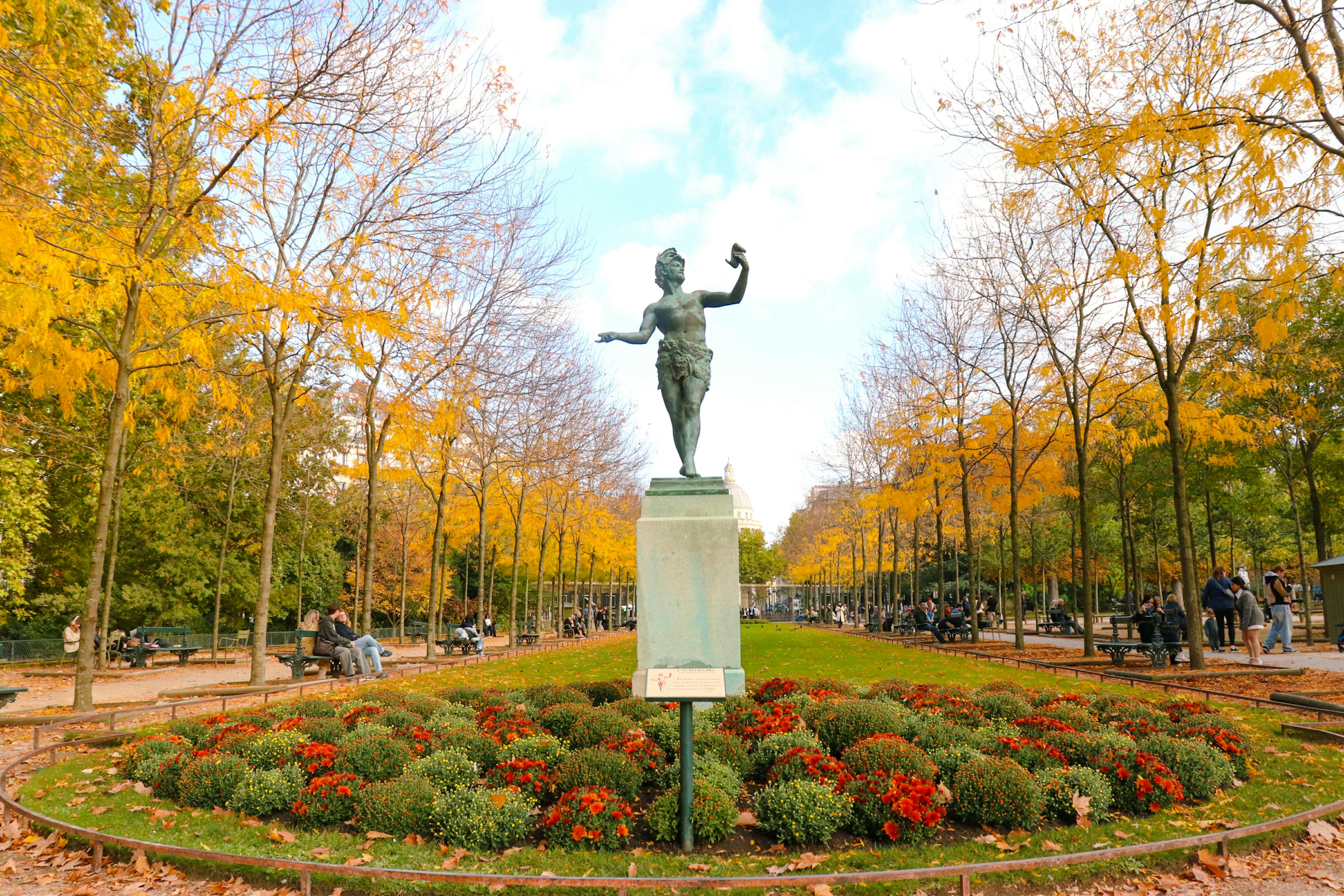
Green space is part of daily life in Charonne, not something you have to plan around. Small gardens, hillside parks, and tucked-away community spaces break up the residential streets and give the neighborhood a softer edge. For longer stays, these places become part of regular routines—used for walks, quiet breaks, and moments away from the pace of the city.
Jardin de l’Hospice Debrousse
The Jardin de l’Hospice Debrousse sits slightly elevated, hidden behind residential buildings near the old village core. Once part of an 18th-century estate belonging to the Duchess of Orléans, it now feels like a quiet garden reserved almost entirely for locals.
What makes it part of everyday life:
-
Benches shaded by mature trees, ideal for reading or working offline
-
A calm atmosphere that stays consistent throughout the day
-
Views across rooftops that remind you how residential this part of Paris remains
It’s the kind of garden people return to regularly, not a place designed for quick visits.
Jardin Naturel and Biodiversity Spaces
The Jardin Naturel reflects a different side of Charonne’s relationship with green space. Designed to encourage native plants and biodiversity, it feels closer to a nature reserve than a manicured park.
You’ll find:
-
Wild-growing plants native to the Paris region
-
Educational signage explaining local ecosystems
-
A noticeably quieter setting compared to larger city parks
This garden attracts residents interested in sustainability and offers a slower, more reflective walk than most urban green spaces.
Small Parks and Community Gardens
Beyond formal gardens, Charonne is dotted with small park areas and community-run spaces that support daily routines rather than large gatherings.
Regularly used spots include:
-
Square Sarah Bernhardt, a small park with open space for lounging and a playground used by local families
-
Community garden areas near Cité Aubry, where residents grow vegetables and flowers together
-
Green corridors connected to the Petite Ceinture, offering longer walking routes surrounded by greenery
These gardens don’t announce themselves. They’re discovered over time, becoming familiar places rather than highlights.
Living near so many accessible green spaces changes how the neighborhood feels. Walks become shorter and more frequent, time outdoors fits naturally into the day, and the balance between city life and nature feels easy to maintain—one of the reasons Charonne works so well for extended stays.
Historic Landmarks Beyond the Parish Church
Charonne’s history reveals itself gradually through places that sit slightly off main routes and remain woven into daily life. These landmarks don’t function as attractions so much as familiar reference points—passed on walks, used as meeting spots, or discovered through repetition rather than intention.
Pavillon de l’ermitage and the Château de Bagnolet
The Pavillon de l’Hermitage is the last remaining structure from the former Château de Bagnolet, once a large country estate on the edge of the old village. Today, the pavilion is closed but sits quietly within a residential setting, easy to miss unless you live nearby.
What residents notice over time:
-
Its discreet placement behind apartment buildings rather than on a formal square
-
Rococo interior details that contrast sharply with the surrounding housing
-
The lack of crowds, making it feel like a local curiosity rather than a destination
People tend to encounter the pavilion while walking between residential streets rather than seeking it out, which reinforces its role as part of the neighborhood fabric.
Walking Routes That Reveal Village-Era Traces
Several short walking loops reveal how the former village still shapes the district. These aren’t official routes, but paths locals take instinctively.
Common routes include:
-
From Rue Saint-Blaise toward the Pavillon de l’Hermitage via smaller residential lanes
-
A loop connecting the parish area with nearby gardens and back through Rue de Bagnolet
-
Side streets branching off Boulevard de Charonne that retain irregular layouts from before annexation
These walks highlight how the area developed organically, without the straight lines and uniform blocks found elsewhere in Paris.
A Quiet Contrast With Other Historic Areas
Charonne is sometimes compared to places like Saint-Pierre-de-Montmartre, another parish that predates its surrounding district. The difference lies in how history functions day to day. In Charonne, historic buildings remain part of residential life rather than focal points for visitors.
You’ll notice:
-
No clustering of souvenir shops around landmarks
-
Historic sites surrounded by schools, housing, and everyday shops
-
A steady, local rhythm throughout the week
This contrast explains why Charonne feels settled rather than performative.
Small Details That Anchor Local Memory
Beyond formal landmarks, history shows up in quieter ways:
-
Street names referencing former landowners and village figures
-
Low-rise buildings that interrupt otherwise modern blocks
-
Corners where older stonework meets newer construction
These details don’t announce themselves. They become familiar through repetition, which suits longer stays far more than quick visits.
For people spending weeks or months in the neighborhood, these understated landmarks offer continuity rather than spectacle. They ground the area in a shared past without turning daily life into something curated or staged.
Edith Piaf, Place Edith Piaf, and Le Quartier Rouge
Charonne’s cultural life is understated but deeply rooted in memory and local habit. Music, neighborhood bars, and small gathering places shape evenings here more than formal venues. For longer stays, these spaces become reference points—places you return to, not just places you try once.
Edith Piaf and Place Edith Piaf
Edith Piaf has a lasting presence in this part of Paris, not through spectacle but through everyday reminders. Place Edith Piaf sits quietly within the neighborhood, marked by a statue and a classic Wallace fountain. It’s a place people pass through on foot rather than gather in crowds.
Locals tend to use the square as:
-
A short pause between errands
-
A meeting point before heading to nearby cafés or bars
-
A familiar landmark rather than a destination
Its calm fits the wider rhythm of Charonne, where cultural memory blends into daily life rather than standing apart from it.
Le Quartier Rouge and Neighborhood Evenings
Evenings in Charonne are shaped by small, consistent spots rather than nightlife districts. Le Quartier Rouge is a good example of how social life works here. It’s a wine bar that attracts regulars, not a place built around novelty.
What makes it part of local routine:
-
A focused selection of French wines without pretension
-
A compact space that encourages conversation
-
A crowd made up largely of people who live nearby
It’s the kind of place where visits become habitual, especially for those staying long enough to develop a rhythm.
La Flèche d’Or and Community Culture
A short walk away, La Flèche d’Or adds another layer to the area’s cultural life. Once a railway station, it has been converted into a concert and event venue that serves both the neighborhood and the wider city.
You’ll find:
-
Live music and community events rather than large-scale shows
-
A mix of local residents and visitors from nearby districts
-
Programming that changes frequently, making it worth revisiting
Because it’s embedded in a residential area, events here feel grounded rather than overwhelming.
How Culture Fits Into Daily Life
What stands out in Charonne is how cultural spaces don’t disrupt daily routines—they complement them. Music venues, bars, and memorial spaces are woven into residential streets, making it easy to engage without planning around crowds or schedules.
For longer stays, this creates a sense of familiarity. Cultural life becomes part of the background of living here, shaping evenings and weekends without demanding constant attention. Find yourself in France for a while? Check out RentRemote's fully furnished apartments in France that are exclusively curated for remote workers with private office spaces, fast WiFi, and steps away from full-fledged cultural immersion.
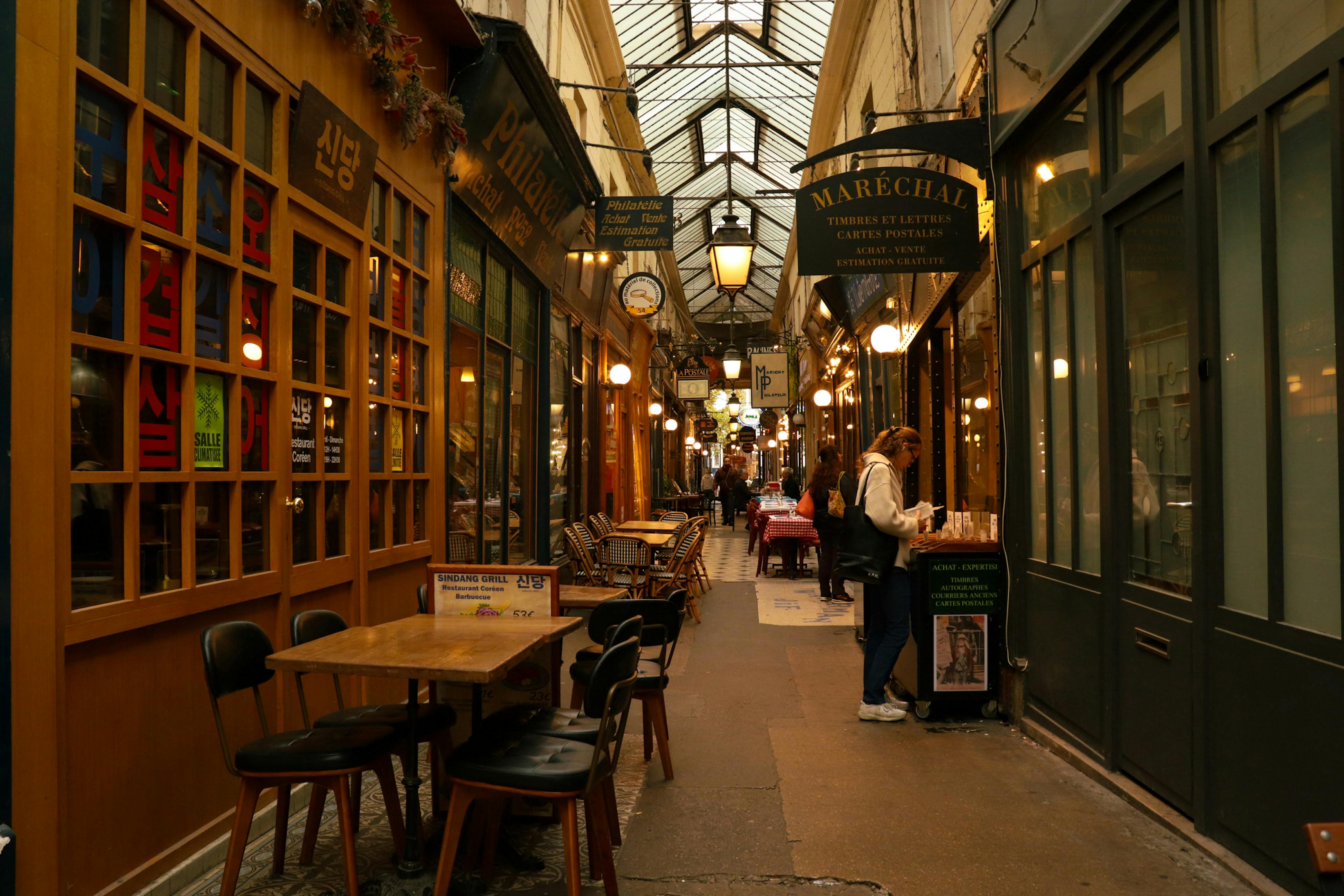
Daily Life de la Village Core
Daily routines in this part of the neighborhood form around residential pockets rather than main corridors. The village de Charonne still reveals itself through short residential stretches, small intersections, and quieter lanes that locals move through instinctively. It’s common to hear residents refer to the village of Charonne when describing where they live, especially when comparing it to denser parts of the city.
Several micro-areas shape everyday movement:
-
Rue Belgrand, which feels firmly residential rather than commercial
-
Rue Pelleport, known for its calm pace and proximity to small green pockets
-
Rue Bagnolet, used for errands and practical shopping without feeling busy
Smaller connectors branching off Rue des Charonne side routes often lead to unexpected residential corners, reinforcing the sense of living inside a contained town rather than a transit zone. This is where the village de Charonne feels most intact, especially during mornings and early evenings.
Housing here tends to favor charming houses and low-rise buildings rather than dense blocks, which supports a slower daily rhythm. Many of these areas sit slightly south or east of busier routes, creating a buffer that long-stay residents appreciate. For people settling in for weeks or months, the village of Charonne works because routines feel intuitive rather than planned.
Why Charonne Works for Long Stays, Situated at the City’s Quiet Edge
Charonne offers a version of Paris that rewards time rather than speed. Situated within the city yet shaped by its past as a former village, the neighborhood balances residential calm with everyday convenience. The presence of gardens, small parks, and community spaces supports daily routines, while cultural landmarks remain woven into local life rather than standing apart from it.
For longer stays in France, this part of Paris stands out for its consistency. Life here unfolds predictably, shaped by familiar routes, nearby green spaces, and places that become part of a routine rather than a checklist. The village de Charonne remains a practical choice for travelers looking to stay connected to the city while enjoying a quieter, more grounded neighborhood experience.
FAQs
Is the village de Charonne suitable for long stays?
Yes. The village de Charonne functions well for extended stays thanks to its residential layout, local services, and slower daily rhythm. Many visitors find it easier to settle into routines here than in more central areas.
How does the village of Charonne compare to other Paris neighborhoods?
The village of Charonne feels less commercial and more community-driven than many parts of the city. Its scale, green spaces, and housing mix create a town-like atmosphere within Paris.
Are there local markets and shops nearby?
Yes. Local markets and everyday shops support daily needs without requiring travel outside the neighborhood. Most errands can be handled within a short radius.
Is the area well located within Paris?
The neighborhood is well located for longer stays, with access to several metro stations and bus routes while remaining insulated from heavy through traffic.
Does Charonne feel connected to nature?
Yes. Gardens, a small park network, and nearby green corridors help integrate nature into daily life, making it easier to maintain balance during longer visits.