
Daniel
Productivity & Remote Living Analyst ·
République is where Paris stops performing and starts functioning. The canal is real, the cafés are packed with people who actually live there, and the rent is lower than anything you'll find on the Left Bank for the same square footage. The trade-off is noise — Boulevard Voltaire and Avenue de la République are not quiet streets, and weekend nights around Place de la République test your tolerance for bass lines through thin walls. But if you're moving to Paris for the first time and want to land somewhere with infrastructure, atmosphere, and options, this is a serious place to start.
This guide covers:
Which th arrondissement actually suits your lifestyle — 10th or 11th, and why that distinction matters
How to find a furnished apartment in Paris without getting lost in the French rental system
Public transport links and how far République puts you from the rest of the city
Healthcare, home insurance, and the administrative steps France expects of you
International schools, the Latin Quarter, and what expats with families need to know
What it costs to eat, work, and live here month to month
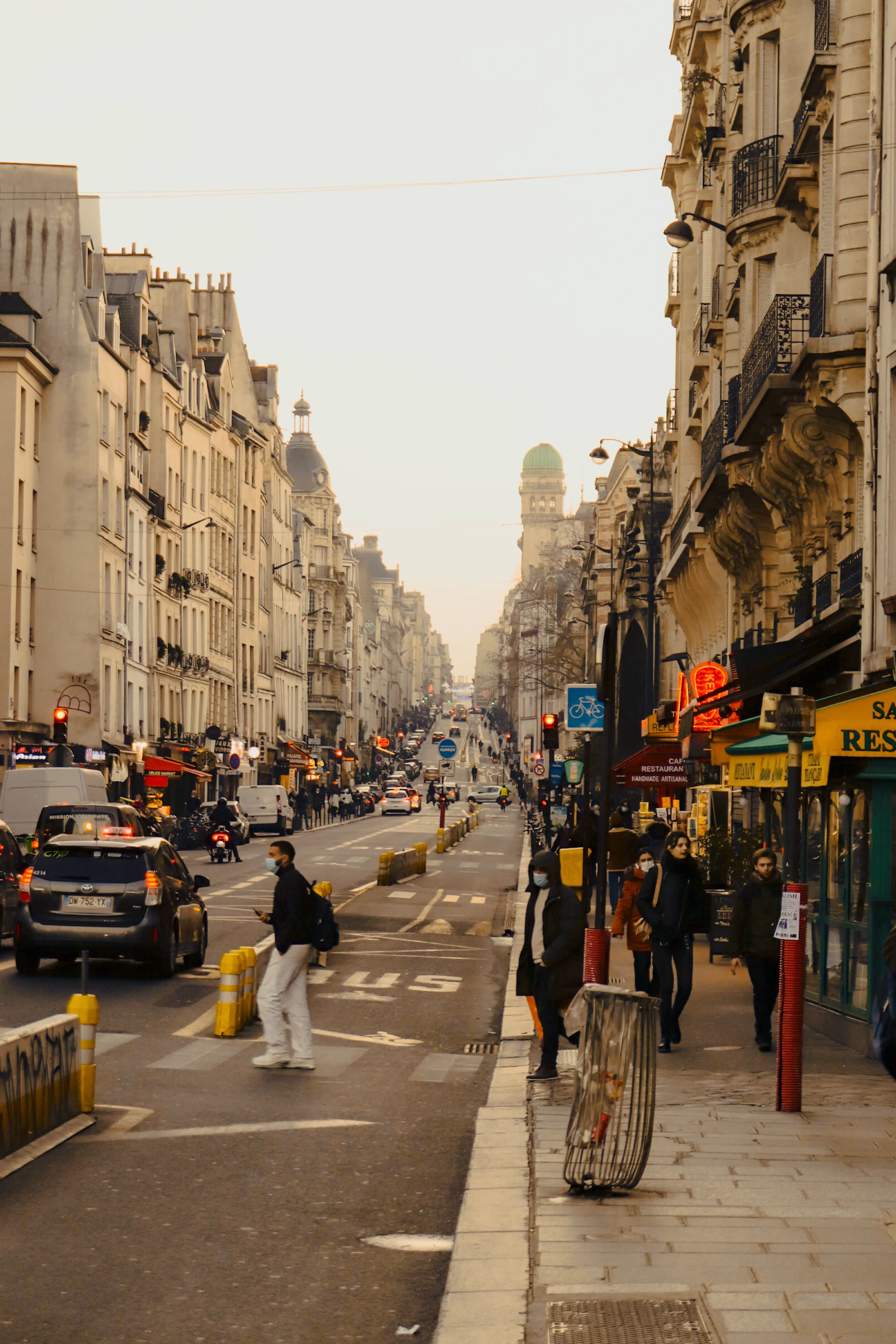
Moving to Paris: Why République Makes Sense as a First Base
Most people moving to Paris spend their first month wondering whether they chose the right arrondissement. République removes most of that doubt — not because it's perfect, but because it's genuinely central, genuinely affordable by Paris standards, and genuinely lived-in rather than tourist-facing.
What the Neighbourhood Actually Feels Like Day to Day
The rhythm here is different from the 6th or the 8th — this is a working neighbourhood where the boulangerie queue at 8am includes people in paint-covered overalls, not just people with laptops.
Café de la Place — espresso €1.80, terrace fills from 7am, locals outnumber visitors before 10am
Marché Saint-Quentin — covered market on Boulevard de Magenta, open Tuesday–Saturday, the best charcuterie at the back left stall
Canal Saint-Martin — the stretch between Rue Bichat and Rue des Récollets is quieter than the Instagram version; go on a Tuesday morning
Rue du Faubourg du Temple — your everyday street: pharmacy, butcher, cheap Vietnamese, hardware shop, all within 400 metres
After two weeks here, you stop noticing the canal is picturesque and start noticing that the Franprix on Rue Alibert is cheaper than the one near the square — that's when you know you've settled in.
Moving to Paris as an Expat: The First 30 Days
France has a specific administrative sequence when you arrive, and skipping steps costs you weeks later.
Register at your local mairie within 30 days of moving — the 10th arrondissement mairie is on Rue de la Grange aux Belles, open Tuesday and Thursday mornings
Open a French bank account before your first rent payment — Société Générale République branch handles new expat accounts without an appointment most Thursdays
Apply for your Carte Vitale (health card) through the CPAM office on Avenue Parmentier — bring your lease, passport, and three months of bank statements
Your French phone number matters more than you think — landlords, doctors, and schools will not email you back
None of this is fast, but République's location puts you within walking distance of most of the 11th arrondissement's administrative offices, which saves you the Métro trip when you inevitably have to go back twice.
République sits at the junction of three arrondissements, which means you get walkable access to the neighborhoods of Oberkampf, Canal Saint-Martin, and Bastille without committing to any single one of them.

The Paris th Arrondissement Breakdown: 10th vs. 11th — Choosing Your Side of the Square
Place de la République sits on the boundary of the 10th and 11th arrondissements, and the choice between them is a real one that shapes your daily experience more than most guides admit.
The 10th stretches north toward Gare du Nord and east along the canal. The 11th runs south and east toward Bastille and Oberkampf. They share a square but they don't share a character.
Neighbourhood | Monthly Rent (1-bed) | Vibe | Best For | Key Advantage |
|---|---|---|---|---|
10th — Canal Saint-Martin | €1,400–€1,800 | Creative, younger, canal-facing | Remote workers, designers, freelancers | Best café density in the area; quieter side streets |
11th — Oberkampf | €1,300–€1,700 | Nightlife-adjacent, local restaurants | Expats who want nightlife within walking distance | Lower rents for equivalent size; better restaurant-to-price ratio |
11th — Bastille fringe | €1,500–€2,000 | Mixed, transitional, more tourist traffic | Couples, short-to-medium stays | Direct Métro to all major lines at Bastille |
10th — Gare du Nord pocket | €1,200–€1,600 | Gritty, diverse, functional | Budget-conscious expats; frequent Eurostar users | Eurostar access; cheapest rents in the wider area |
République core | €1,450–€1,900 | Central, noisy on the square, calmer on side streets | First-time Paris expats who want to be near everything | Métro lines 3, 5, 8, 9, 11 all at one stop |
The 10th Arrondissement: Canal Life with a Trade-Off
The 10th is where Paris's creative class lives — which is a genuine asset if you work alone all day and want interesting people around you in the evening, and a minor irritant if you need to sleep before midnight on a Friday.
Holybelly — Rue Lucien Sampaix, brunch €14–18, queue starts at 9:30am on weekends; go on a Wednesday
Ten Belles — Canal Saint-Martin, flat white €4.20, laptop-friendly before noon, tight on space after 1pm
Studios from €1,100/month on Rue Bichat; 1-beds from €1,450/month on Quai de Valmy — canal-facing apartments command a €200–300 premium that is not always worth it
Street noise peaks at 11pm on Rue de la Grange aux Belles; interior apartments on the courtyard side are measurably quieter
The canal is the selling point, but the apartments two streets back — quieter, same commute, lower price — are where people who've been in the 10th for more than a year actually live.
The Paris 10th and 11th arrondissement breakdown: popular neighborhoods for expats
The 11th has the best restaurant-per-euro ratio in central Paris — not a claim you'll find in tourist guides, but one that becomes obvious after your third €14 three-course lunch at a restaurant with no English menu.
Septime — Rue de Charonne, tasting menu €65, book six weeks ahead; this is the benchmark for what the 11th does well
Le Servan — Rue Saint-Maur, lunch €22, no reservations at lunch, arrive at 12:15 or wait
Rue Oberkampf between Métro Parmentier and Métro Ménilmontant: the 400-metre stretch with the highest concentration of genuinely good local restaurants in this part of Paris
1-bed apartments on Rue de la Roquette from €1,350/month — noisier than equivalent streets in the 10th but larger floor plans on average
If you're choosing between the 10th and 11th, eat in the 11th for a week first — the neighbourhood reveals itself through its restaurants faster than through any other metric.
Explore the Oberkampf neighborhood in our neighbourhood guide
Finding an Apartment in Paris: What the République Area Actually Offers
Paris has a rental market that punishes people who approach it like a normal city. The demand is structural, the paperwork is bureaucratic, and landlords hold more power than in almost any other European city. Knowing this going in saves you weeks of frustration.
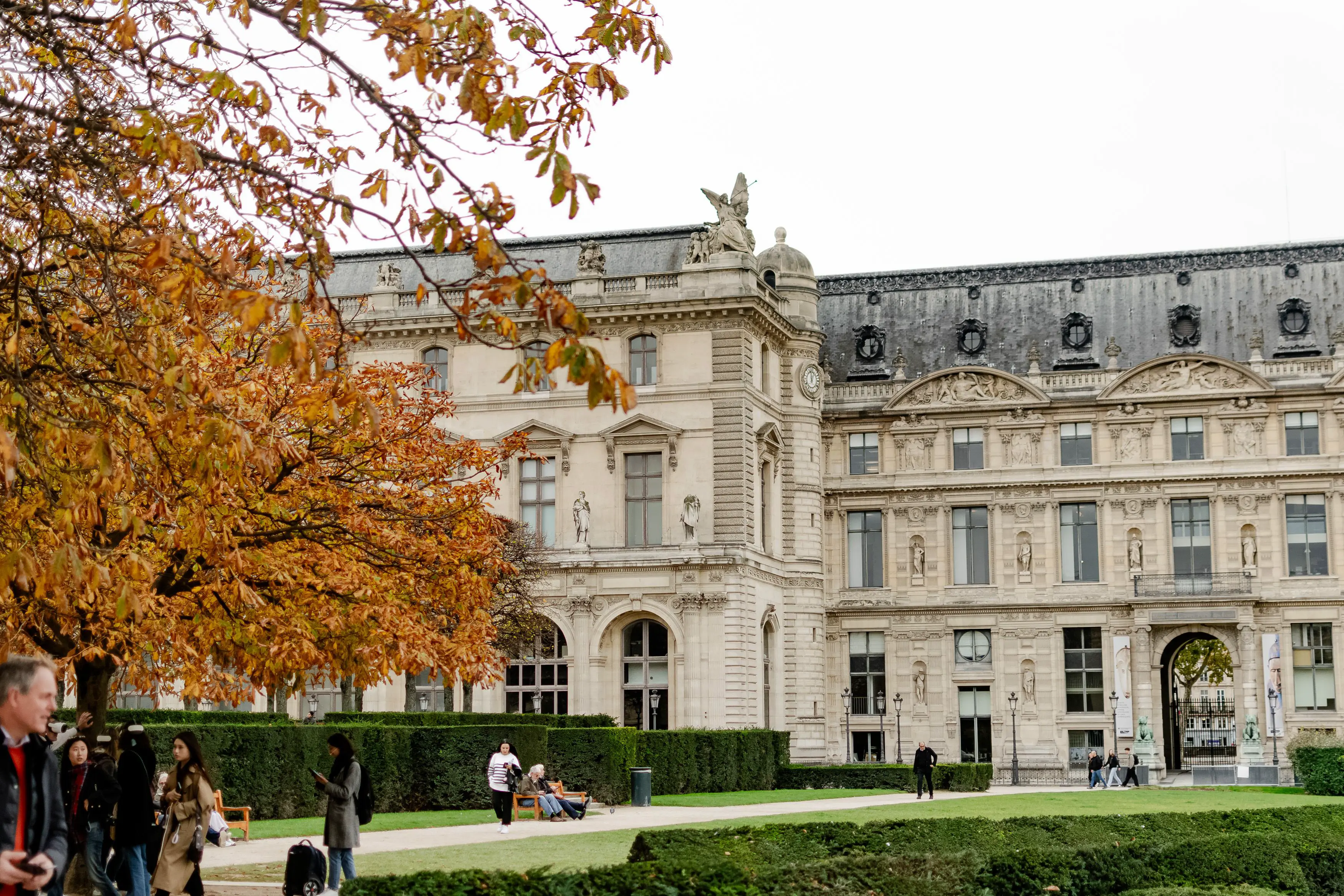
What to Expect from the Furnished Rental Market
Furnished apartments — meublés — are your fastest legal route into the market as a new expat, and République has a reasonable supply of them.
Studios (18–25m²): €950–€1,300/month in the 10th and 11th; anything under €1,000 in this area should be inspected in person before signing
1-bedroom apartments (35–50m²): €1,350–€1,900/month; the upper range is canal-adjacent or recently renovated
Furnished leases run a minimum of one month (meublé tourisme) or one year (bail meublé); the one-year lease gives you more rights and more flexibility to stay
Garant (guarantor) requirements: most Paris landlords require a French guarantor or use a service like Visale — get this in place before you start applying
The best furnished apartments in this area go within 48 hours of listing; if you're moving to Paris from abroad and can't view in person, a video call walkthrough is standard practice — ask for it upfront.
Home Insurance, Deposits, and What France Requires
Home insurance in France is not optional — it's legally required before you can sign a lease, and your landlord will ask for proof before handing over the keys.
MAIF Paris — expat-friendly insurer, English-speaking advisors, home insurance from €8/month for a studio; their République-area office is on Boulevard Voltaire
Deposit (dépôt de garantie): two months' rent for furnished apartments; must be returned within one month of departure if no damages
État des lieux (inventory): do this in detail — photograph everything before you unpack; disputes over deposits are the most common complaint among expats in Paris
CAF (housing benefit): EU citizens and some visa holders qualify; apply through caf.fr within three months of moving in — the benefit can run €150–300/month depending on income
Skipping the home insurance step is not a workaround — landlords check, and arriving without it delays your move-in date in a market where the next applicant is already waiting.
Browse fully furnished apartments in Paris
Public Transport from République: What the Location Actually Gives You
République is one of the best-connected Métro stops in Paris. That's not a generalisation — it's a specific structural fact: five Métro lines (3, 5, 8, 9, and 11) converge here, which means you almost never have to change trains to get where you're going.
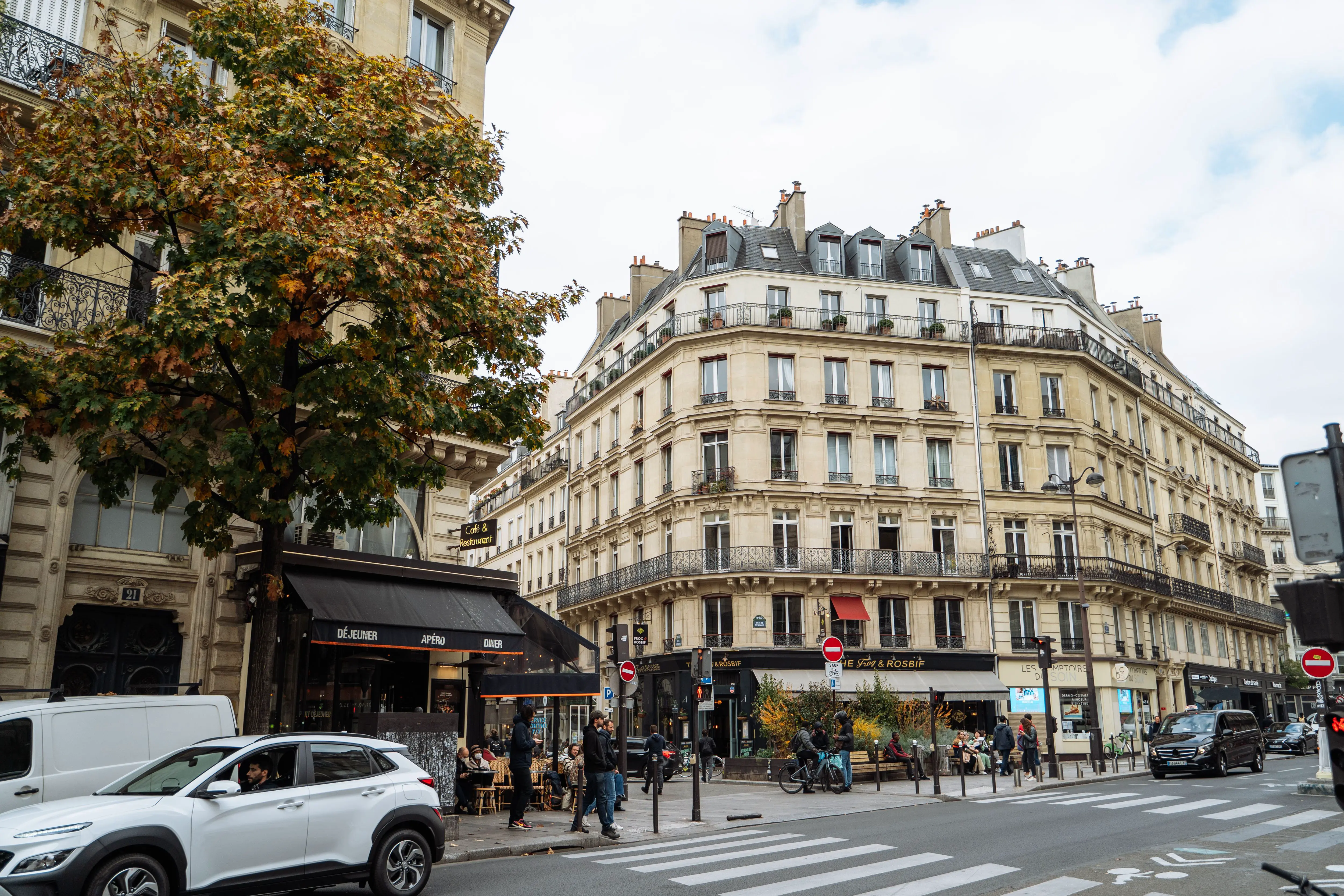
The Public Transport Infrastructure at République
Five lines at one stop is rare in Paris, and it changes how you use the city — you stop planning routes and start just going.
Line 3: République to Opéra in 6 minutes, to Saint-Lazare in 9 minutes — useful if you work near the business districts
Line 5: République to Gare du Nord in 3 minutes, to Gare de Lyon in 8 minutes — Eurostar and TGV connections without a taxi
Line 9: République to Grands Boulevards in 2 minutes; continues west to Havre-Caumartin for the department stores and office clusters
Monthly Navigo pass (all zones 1–2): €86.40/month — covers all Métro, RER, and bus within Paris; buy at any Métro station with a passport photo
The honest version: you will rarely need a taxi or a Vélib' if you live within 10 minutes of République — the five lines cover enough of the city that most journeys are a straight shot.
Getting Around Without the Métro
The 10th and 11th are flat enough to cycle, and the infrastructure has improved significantly since the pandemic-era pop-up lanes became permanent.
Vélib' station — Place de la République: 30+ bikes available most mornings; €5/month subscription for 30-minute trips, €20/month for electric bikes
Bus 96: République to Montparnasse via Saint-Germain — slower than the Métro but useful for appointments in the 6th or 14th
Walking to Bastille: 12 minutes on Rue de la Roquette; to Marais: 15 minutes via Rue du Temple — both faster than the Métro for those specific destinations
RER A from Gare du Nord (3 stops from République on Line 5): connects to CDG Airport in 35 minutes; the most direct route if you travel frequently
The Vélib' electric bikes are the overlooked part of the equation — for the stretch between Canal Saint-Martin and Bastille, they're faster than the Métro and you arrive having seen something.
Daily Life in République: What the First Month Actually Looks Like
The first month in République tends to follow a predictable arc: the first week feels overwhelming, the second week feels expensive, and somewhere around week three you stop noticing the sirens. What nobody tells you before you arrive is how quickly the practical infrastructure clicks into place once you know which streets to use.

Food Shopping Beyond the Obvious
The covered markets get all the attention, but the weekday rhythm of the neighbourhood is built around smaller, more specific stops that take a few weeks to find.
Marché Popincourt — Tuesdays and Fridays on Boulevard Richard-Lenoir; fruit and vegetables priced for locals, not for tourists; a week's produce for €20–€25 if you buy what's in season
G20 Supermarché, Rue Oberkampf — open until 9pm including Sundays; smaller than a Carrefour but covers everything you need without a special trip; wine from €4 a bottle
Dayou Paris — Rue de la Roquette; a proper French bakery rather than a café that also sells bread; baguette €1.20, croissants sell out by 9:30am on weekdays
Rue du Chemin Vert for the stretch of independent food shops — a fromagerie, a Turkish grocery open late, a butcher who will explain every cut in slow, patient French if you ask
Once you have a Tuesday Popincourt habit and a Sunday G20 run, the French grocery experience stops feeling like a logistics problem and starts feeling like the point.
Where to Work When the Apartment Isn't Enough
République has no shortage of cafés, but the ones that actually work for a full day of remote work are fewer than the density suggests.
Antipublic Library — pay by the hour (€5/hour, capped at €15/day), unlimited coffee and tea included, WiFi reliable enough for video calls; the honest choice when you need six hours of uninterrupted work
La Félicita, Boulevard Vincent Auriol — further south in the 13th but 12 minutes on Line 5; enormous shared tables, strong WiFi, canteen food on-site; more useful for a half-day when you want noise rather than quiet
Le Péloton Café — Rue du Petit Musc, Marais fringe; cycling-themed, laptop-tolerant before noon, good filter coffee at €3.50; 15 minutes by Vélib' from République
The BPI reading room at Centre Pompidou — free, no membership required, fast WiFi; arrive before 10am for a seat, bring your own lunch because you will not want to give up the table
The Centre Culturel Irlandais runs free or €5 events most weeks, and the Gaîté Lyrique — a five-minute walk from Place de la République — puts on digital culture exhibitions that are consistently more interesting than anything in the 8th.
Anticafé is the honest answer for anyone who needs a consistent daily workspace — the hourly model removes the guilt of nursing one coffee for three hours, which is the unspoken tax of working from French cafés.
The Bureaucratic Reality: French Admin as an Expat
French administration has a reputation, and most of it is earned. The process is slower than you expect, more paper-dependent than makes sense, and frequently requires documents that require other documents to obtain. République's location helps more than most parts of Paris — the relevant offices are close, and the neighbourhood has enough English-speaking support infrastructure that you are rarely the first person to navigate this particular problem.
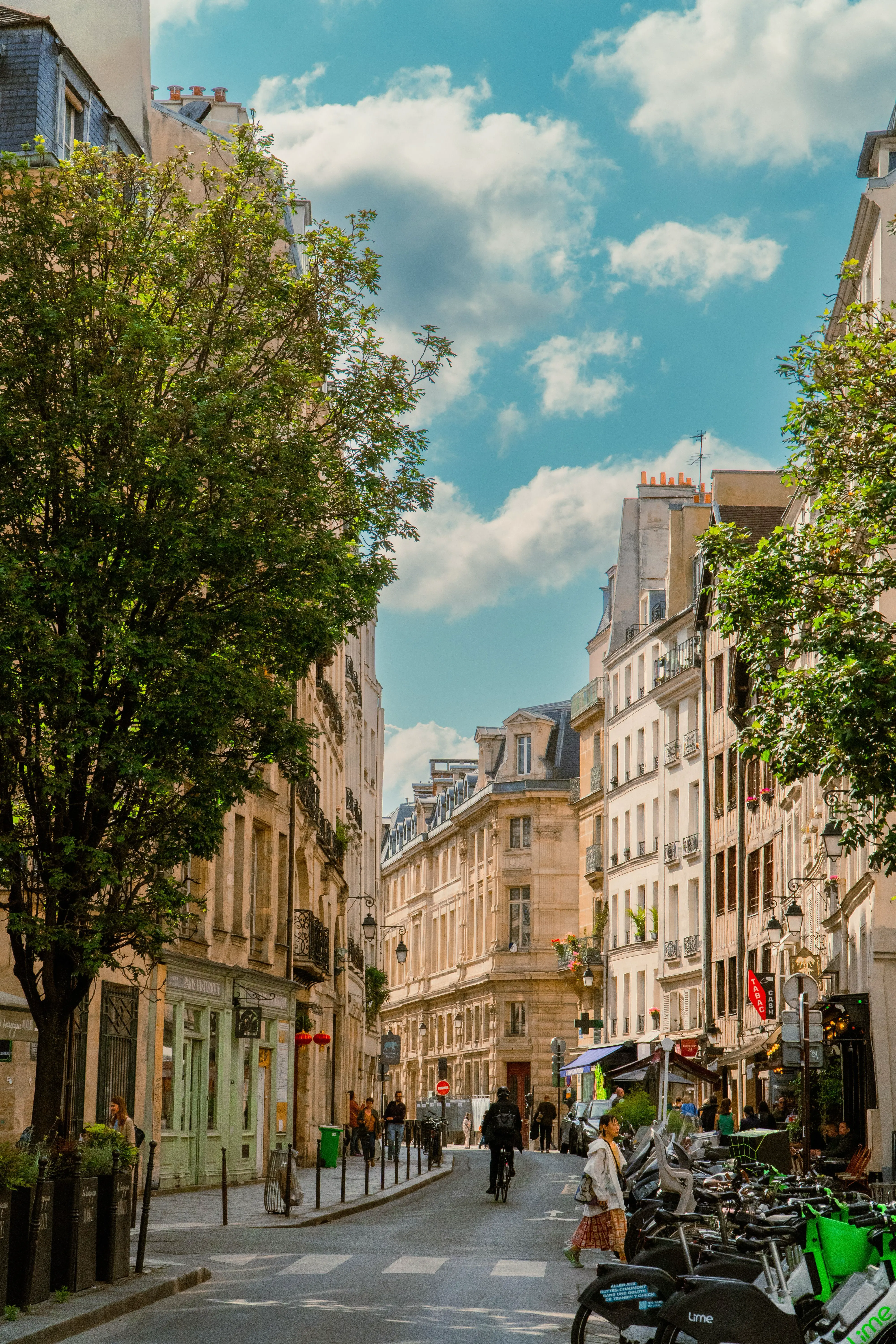
Health Coverage and Insurance
Getting onto the French health system is not fast, but it is worth the effort — and understanding what the process actually involves saves you several wasted mornings.
EU citizens: register with CPAM (Caisse Primaire d'Assurance Maladie) online at ameli.fr first, then attend the in-person appointment they schedule — expect 6–10 weeks from application to your Carte Vitale arriving
Non-EU citizens on a long-stay visa: PUMA (Protection Universelle Maladie) covers you after three months of legal French residency; the application goes through the same CPAM office; bring proof of address, your visa, and passport copies with certified translations if applicable
Private health insurance (mutuelle) tops up the French system's reimbursements — the state covers roughly 70% of most costs; a mutuelle covers the rest; monthly premiums range from €30–€80 depending on age and coverage level; April International on Rue de la Victoire handles expat-specific insurance policies and has English-speaking staff
For the gap period before your Carte Vitale arrives, keep private travel insurance active — the insurance gap is real and it is not the moment to test the French emergency system on your own account
The insurance paperwork is the one part of the French administrative experience that genuinely rewards starting early — the six-week processing window at CPAM does not compress no matter how urgent your situation feels.
Banking, Contracts, and the French Catch-22
The classic French administrative paradox: you need a bank account to get an apartment, and many banks want a French address before they will open an account — this is real, and there is a specific way around it.
Open a N26 or Wise account before you arrive — both are accepted by most landlords for rent payment, and neither requires a French address; this is not a workaround, it is the standard approach for new arrivals
BNP Paribas and Crédit Mutuel both have République-area branches and will open an account for non-residents with a long-stay visa, a passport, and proof of address from your home country — expect a 2–3 week wait for the card
The real estate rental market in Paris requires a dossier: three months of payslips (or equivalent proof of income), a tax return, a guarantor or Visale guarantee, and your passport — assembling this before you start viewing apartments saves two weeks
Visale guarantee (Action Logement): free for under-30s and recent arrivals; acts as a state-backed guarantor when you have no French guarantor; apply online before you start apartment hunting
The real estate process in Paris is not designed for expats, but it is navigable if you treat the dossier as a project rather than a formality — the landlords who accept international tenants have seen every variation, and a complete, well-organised dossier matters more than a French guarantor in most cases.
What You Can Actually Reach from République
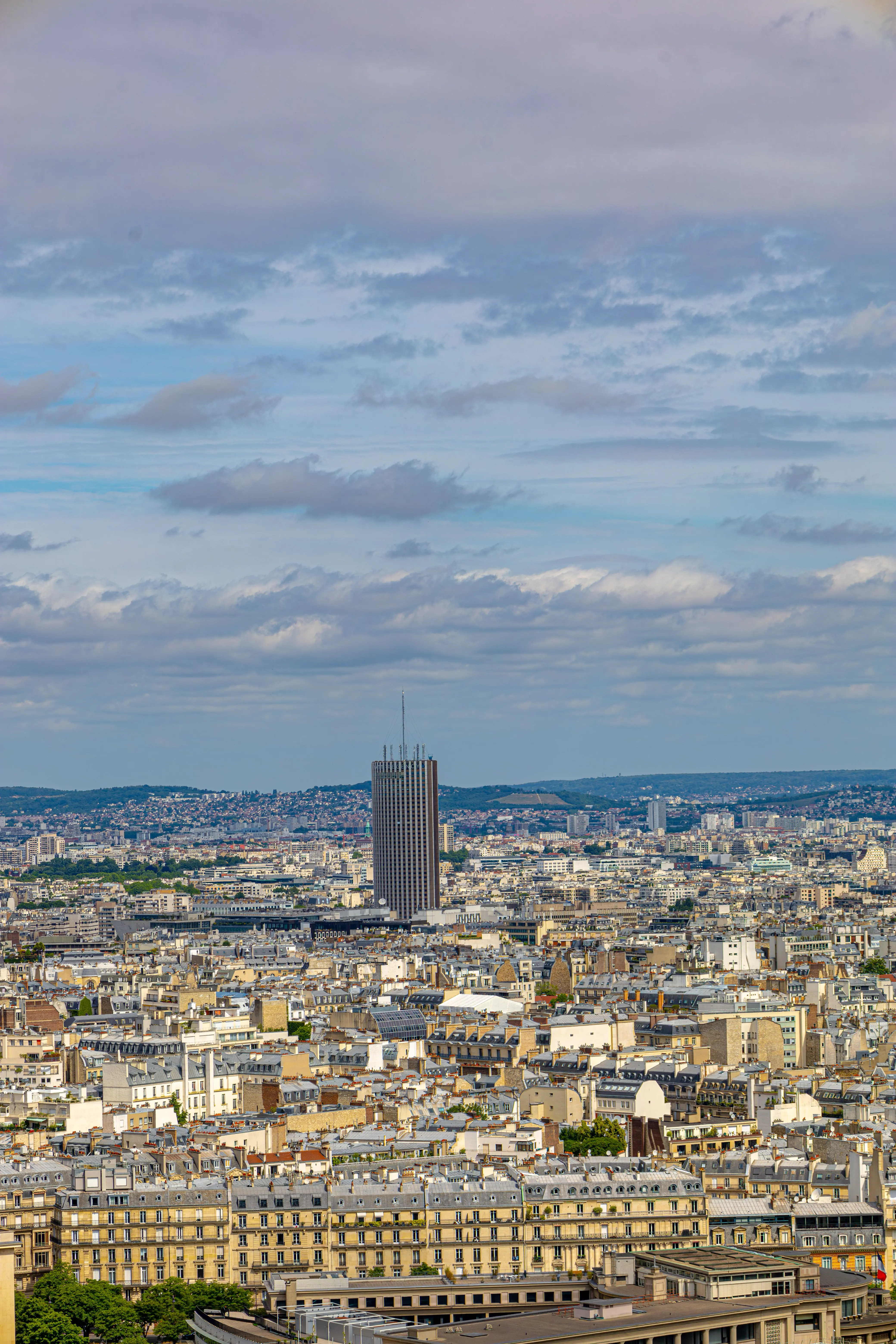
One of the less obvious advantages of basing yourself in the 10th or 11th is what the central location does to your relationship with the rest of Paris. The Eiffel Tower is 35 minutes on the Métro — far enough that you do not see it from your window, close enough that it stops being a destination and becomes a background option. That psychological shift is worth more than it sounds.
The Cultural Circuit Within 30 Minutes
The museums and cultural institutions that make Paris worth living in — not just visiting — are all within a straightforward public transportation hop from République.
Musée d'Orsay — Line 5 to Gare d'Austerlitz, then RER C, or Line 9 west to Iéna; the free entry window on the first Sunday of the month opens at 9:30am; arrive at 9:15am or the queue makes it not worth it
Centre Pompidou — 20 minutes on foot via the Marais, or 8 minutes on Line 11 to Rambuteau; free permanent collection on the first Sunday of the month; the rooftop view is better than the Eiffel Tower queue by a significant margin
Philharmonie de Paris — Line 5 to Porte de Pantin; last-minute tickets from €10 for most concerts; a serious venue that is actively used by people who live in Paris, not just visitors
The Eiffel Tower itself is a 35-minute journey on Line 9 westbound to Trocadéro; the skip-the-line summit ticket is €32.70; going once to orient yourself is useful, going twice is not necessary
Living in République means the cultural experience of Paris becomes genuinely accessible rather than a half-day expedition — which is the difference between a city you visit and a city you live in.
Day Trips and Regional Transport
The connection to Gare du Nord — three stops on Line 5 — makes République one of the best-positioned neighbourhoods in Paris for leaving Paris, which matters more than you think after the first rainy November fortnight.
Eurostar to London St Pancras: from Gare du Nord, 2h15 direct; standard fares from €79 booked two weeks out; the transport link from République to Gare du Nord takes 8 minutes including platform time
Thalys to Amsterdam: 3h20 from Gare du Nord; from €35 booked in advance; direct service makes it a viable long weekend without a flight
TGV to Lyon: 2h from Gare de Lyon (8 minutes on Line 5); from €25 on the Ouigo service; the fastest way to change your surroundings when Paris feels like too much
Versailles via RER C from Gare du Nord (change at Châtelet): 45 minutes, €7.20 return; the gardens are free and open year-round; the palace queue is not worth it without a pre-booked ticket
The public transportation connections from République turn the neighbourhood into a genuine European hub rather than just a Paris address — and after a few months, you start to feel the difference between being in Paris and being connected to Europe from Paris.
Is République the Right Base for You?
What République Actually Offers Long-Term Residents
This neighbourhood earns its reputation not through charm but through function — it is one of the few parts of Paris where the infrastructure of daily life is genuinely within reach without paying for a postcard address.
Metro lines 3, 5, 8, 9, and 11 converge at Place de la République, making it one of the best-connected hubs in the city
The Canal Saint-Martin corridor provides covered markets, independent grocers, and pharmacies within a short walk
Préfecture de Police administrative services are accessible from the 10th and 11th without cross-city travel
Cultural institutions including the Centre Pompidou and Opéra Bastille sit within cycling distance
The access here is not a selling point — it is just the baseline, and that is exactly why it works.
Who Thrives Here and Who Should Look Elsewhere
République rewards people who want Paris to function as a city rather than perform as one, and it is honest enough to turn away those who need something different.
Expats arriving without a local network benefit from the density — neighbours, vendors, and co-working spaces are unavoidable here
Those who need calm mornings or a slower pace will find the 14th arrondissement or the 20th a more manageable starting point
The neighbourhood is urban and unpolished in ways that reward patience with the French administrative system rather than resistance to it
First-time Paris arrivals wanting a furnished apartment with immediate city access consistently find République the most practical answer
Browse fully furnished apartments in France to see what is available across the city and beyond, but République tends to close the search faster than most.
The Honest Assessment After the First Year
Not everyone who arrives in République intended to stay, and that gap between intention and outcome is the most reliable thing you can say about the neighbourhood.
Rents in the 10th and 11th sit below comparable square footage in the 6th or 7th, often by a meaningful margin for long-term leases
The area does not soften over time — the noise, the density, and the pace remain — but your relationship to them changes
Expats who stay past the first six months consistently cite transport access and neighbourhood practicality as the reasons, not atmosphere
The absence of a curated, tourist-facing identity is the feature, not the flaw, for residents building a working life in Paris
Almost everyone who stays in République stops being surprised that they did, and that quiet adjustment is the clearest sign the neighbourhood has done its job.
Making the Move to République: Your Next Steps
République rewards expats who prioritize liveability over prestige. The neighborhood delivers on the fundamentals — transport, community, food, space — without asking you to compromise your budget or your time. If your goal is to settle into Paris rather than perform it, this is a strong place to begin.
The transition is easier when your housing is already sorted. A fully furnished apartment removes the friction of the first weeks, giving you time to learn the arrondissement at your own pace rather than racing to assemble a liveable space from scratch. Most expats who land with furniture, kitchenware, and a working Wi-Fi connection report feeling oriented within days rather than months.
When you're ready to look at options, start with what's actually available. Browse fully furnished apartments in the country to compare neighborhoods, layouts, and lease terms across Paris and beyond — so your first decision in France is one you'll be comfortable with for a long time.