
Maya
Culture & Exploration Editor ·
Canal Saint-Martin works the way few Paris neighborhoods do — it is genuinely residential without being dull, genuinely connected without being overrun. The trade-off is real: rents have climbed fast over the last decade, and the weekend crowds along the waterway are not subtle. But for expats who want to feel like they actually live in Paris rather than visit it, this is one of the few places in the city where that distinction holds.
Which arrondissements the canal runs through and what that means for your daily life
How Canal Saint-Martin compares to Le Marais, the Latin Quarter, and other central Paris neighborhoods
What apartments actually cost and what you get for the money
Where to work, eat, and spend time without defaulting to tourist infrastructure
What the 10th arrondissement feels like on a Tuesday in November — not just a Saturday in June
What kind of expat this neighborhood suits and what kind it doesn't
What Living in Canal Saint-Martin as an Expat Actually Looks Like
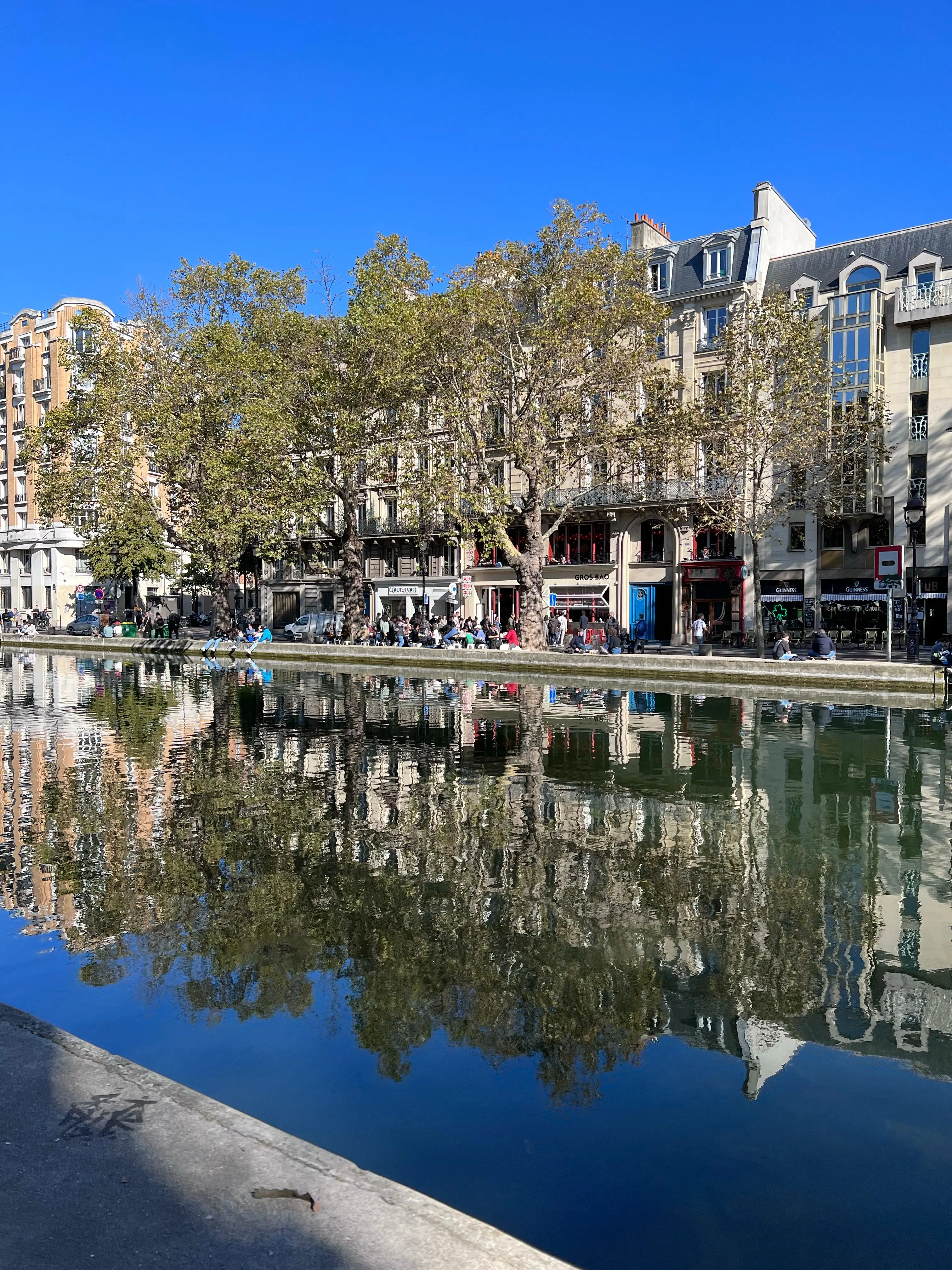
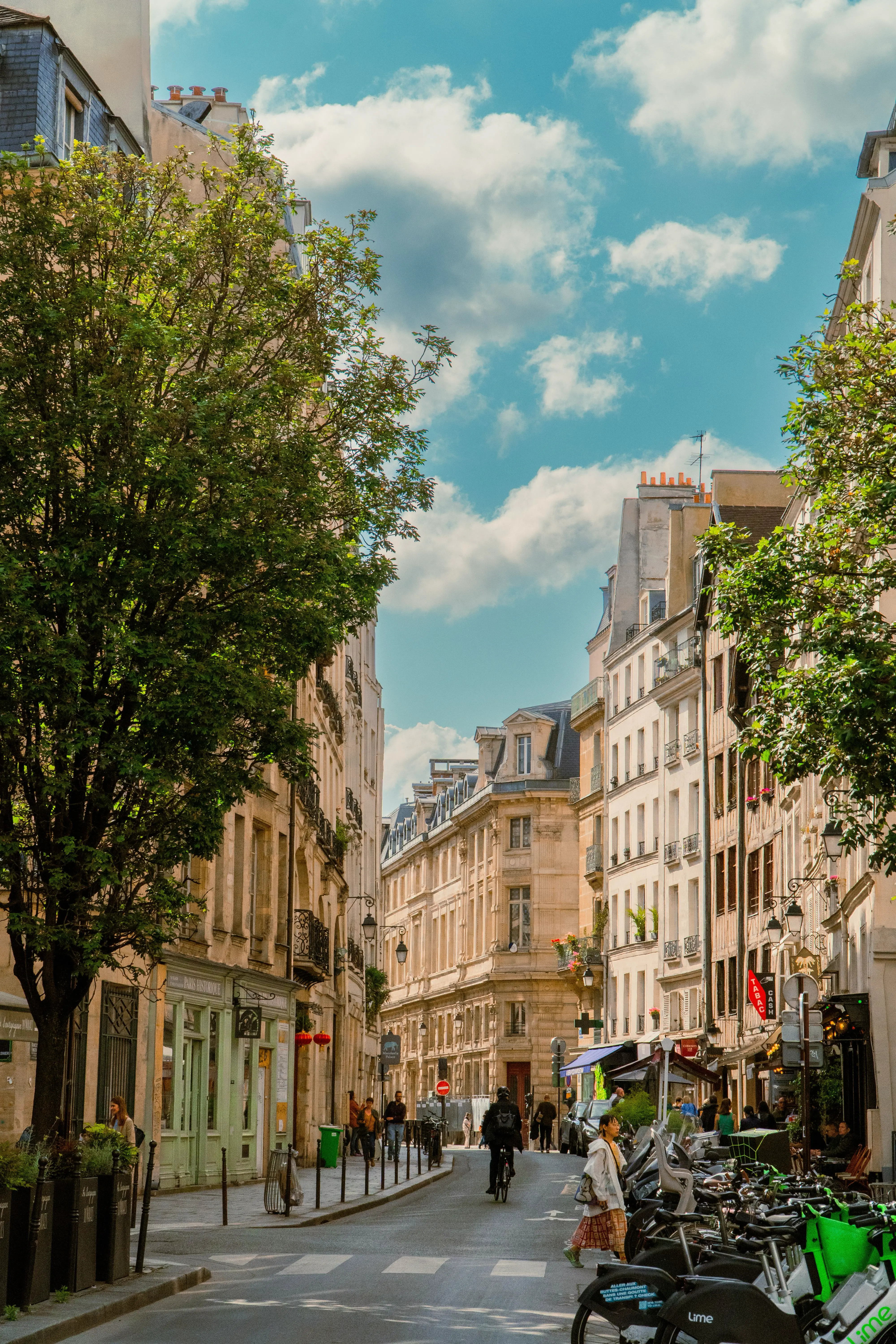
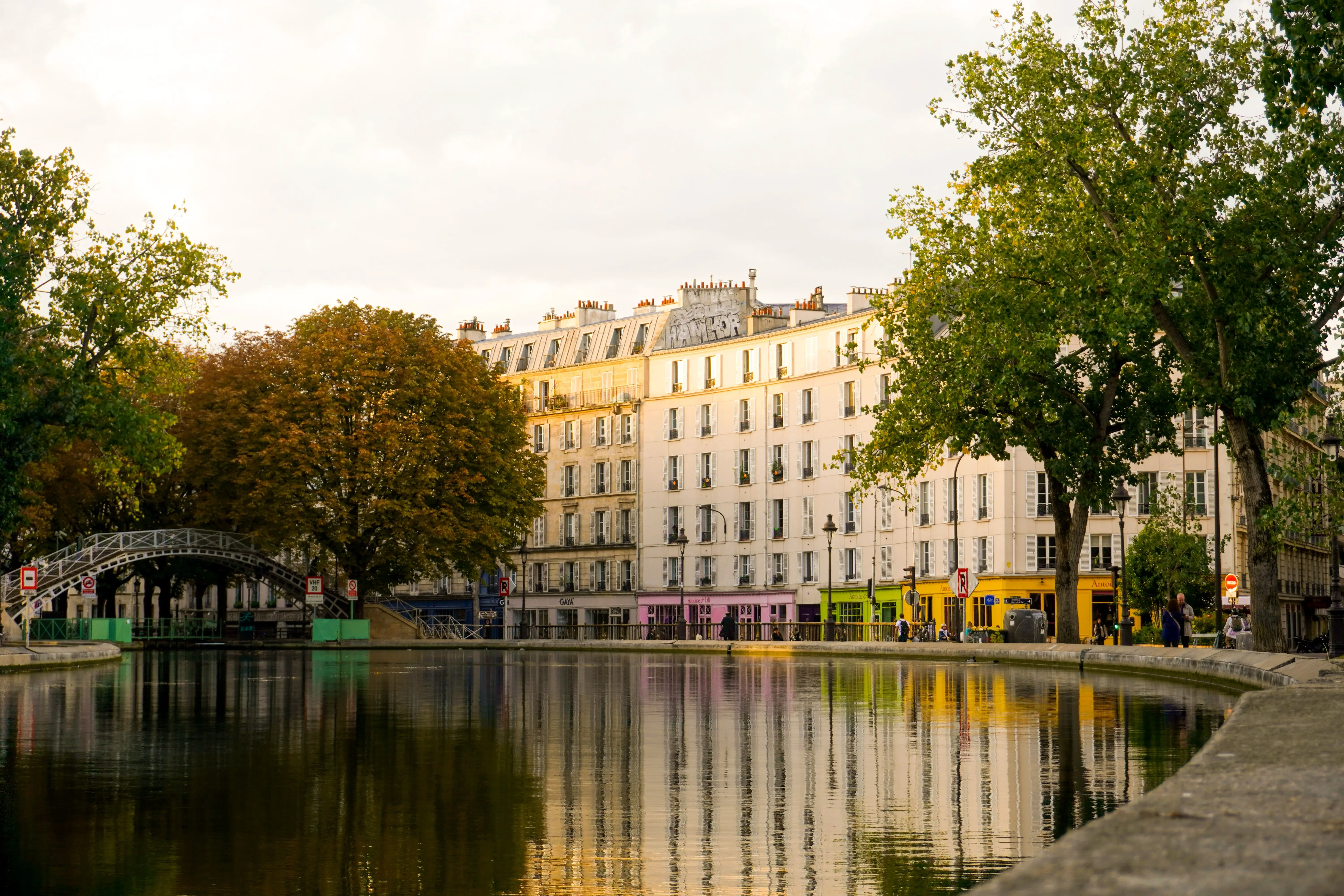
The canal itself is about 4.5 kilometres long, running from the Bassin de la Villette in the north down through the 10th arrondissement before going underground near République. Most expats who make this their home end up in the stretch between Rue de Marseille and Quai de Jemmapes — a corridor of plane trees, iron footbridges, and terrace cafés that looks implausibly photogenic on a Tuesday morning.
What doesn't show up in the photographs: the neighbourhood has two registers. Weekday mornings belong to people who live here — kids walking to school on Rue Bichat, queues at the boulangerie before 8am, deliveries blocking the canal-side road. Weekends belong to everyone else. If you move here expecting the weekday version all week, Sunday afternoon on the Quai de Valmy will come as a surprise.
The 10th Arrondissement: Where Most of the Canal Saint-Martin Neighbourhood Sits
The 10th arrondissement is the practical core of canal life, and it earns its reputation without doing anything to manage it.
Hôtel du Nord — the landmark café-restaurant on the canal, €14–18 for lunch; more about the address than the food, but genuinely good for a slow afternoon
Marché Saint-Quentin — covered market on Boulevard Magenta, open Tuesday–Saturday; best before 11am when produce is fresh and the crowd is still local
1-bed apartments on Rue de la Grange-aux-Belles from €1,400/month; Quai de Jemmapes adds roughly €200 for the canal view
Gare du Nord and Gare de l'Est both within a 12-minute walk — relevant if you travel for work or want to reach London in two hours by train
The 10th isn't trying to be cool. It has the density of a working Paris arrondissement, which is precisely why it works as a home base rather than a hotel zone.
The 9th and 11th Arrondissements: The Edges of the Canal Saint-Martin World
The canal doesn't exist in isolation — the neighbourhoods immediately to its west and south shape your daily range as much as the waterway itself.
The 9th arrondissement (Opéra district) starts a 10-minute walk west; useful for supermarkets and pharmacies, less useful for atmosphere
The 11th arrondissement bleeds in from the south — Place de la République sits at the seam and is more useful as a metro hub than a destination
Oberkampf, technically in the 11th, is close enough to walk to from the canal and adds a different gear — louder bars, later hours
The 19th arrondissement begins at the Bassin de la Villette to the north; rents drop noticeably but the neighbourhood changes character quickly
Most people who settle in Canal Saint-Martin end up spending the majority of their time in the 10th, making occasional forays south to the 11th and west toward the 9th — the canal keeps the geography legible.
The Canal Saint-Martin's history dates to 1825, when Napoléon commissioned it to supply fresh water to Paris — which is why the ironwork bridges and tree-lined quays feel deliberately designed rather than accidentally charming.
Canal Saint-Martin vs. Le Marais, the Latin Quarter, and Other Paris Neighborhoods
The comparisons matter because Paris doesn't give you a free trial. Signing a lease in the wrong arrondissement costs you money, commute time, and the specific texture of daily life that makes the difference between tolerating a city and actually living in it.
Neighbourhood | Monthly Rent (1-bed) | Vibe | Best For | Key Advantage |
|---|---|---|---|---|
Canal Saint-Martin (10th) | €1,400–€1,800 | Residential, waterside, creative | Expats wanting real neighbourhood life | Liveable density without tourist saturation |
Le Marais (3rd/4th) | €1,700–€2,400 | Historic, polished, busy | Short stays, sightseeing proximity | Central location, architecture |
Latin Quarter (5th) | €1,500–€2,000 | Academic, tourist-heavy on main streets | Students, Seine-side walks | Left Bank access, Île de la Cité close |
Oberkampf (11th) | €1,300–€1,700 | Nightlife-forward, scrappy | Younger expats, social calendar | Lower entry price, dense bar scene |
Bastille (11th/12th) | €1,400–€1,900 | Mixed, transitional | Families, longer stays | Space per euro, Marché d'Aligre nearby |
Le Marais: Better to Visit Than to Live In
Le Marais has the best medieval streetscape in Paris and some of the worst conditions for actually sleeping in Paris — the foot traffic doesn't thin out until well after midnight on weekends.
Rents in the 3rd and 4th arrondissements run €200–€600/month higher than comparable Canal Saint-Martin apartments for genuinely equivalent space
The tourist infrastructure is total — you will queue for groceries at the same Monoprix as tour groups
Architecture and gallery density are unmatched: Centre Pompidou is a 12-minute walk from most Marais addresses
Noise after 10pm on Rue de Bretagne or Rue des Rosiers is consistent, not occasional
The Marais rewards a long weekend. It rarely rewards a six-month lease. Explore Le Marais in our neighbourhood guide
The Latin Quarter: More Residential Than Its Reputation, But the Trade-Off Is Real
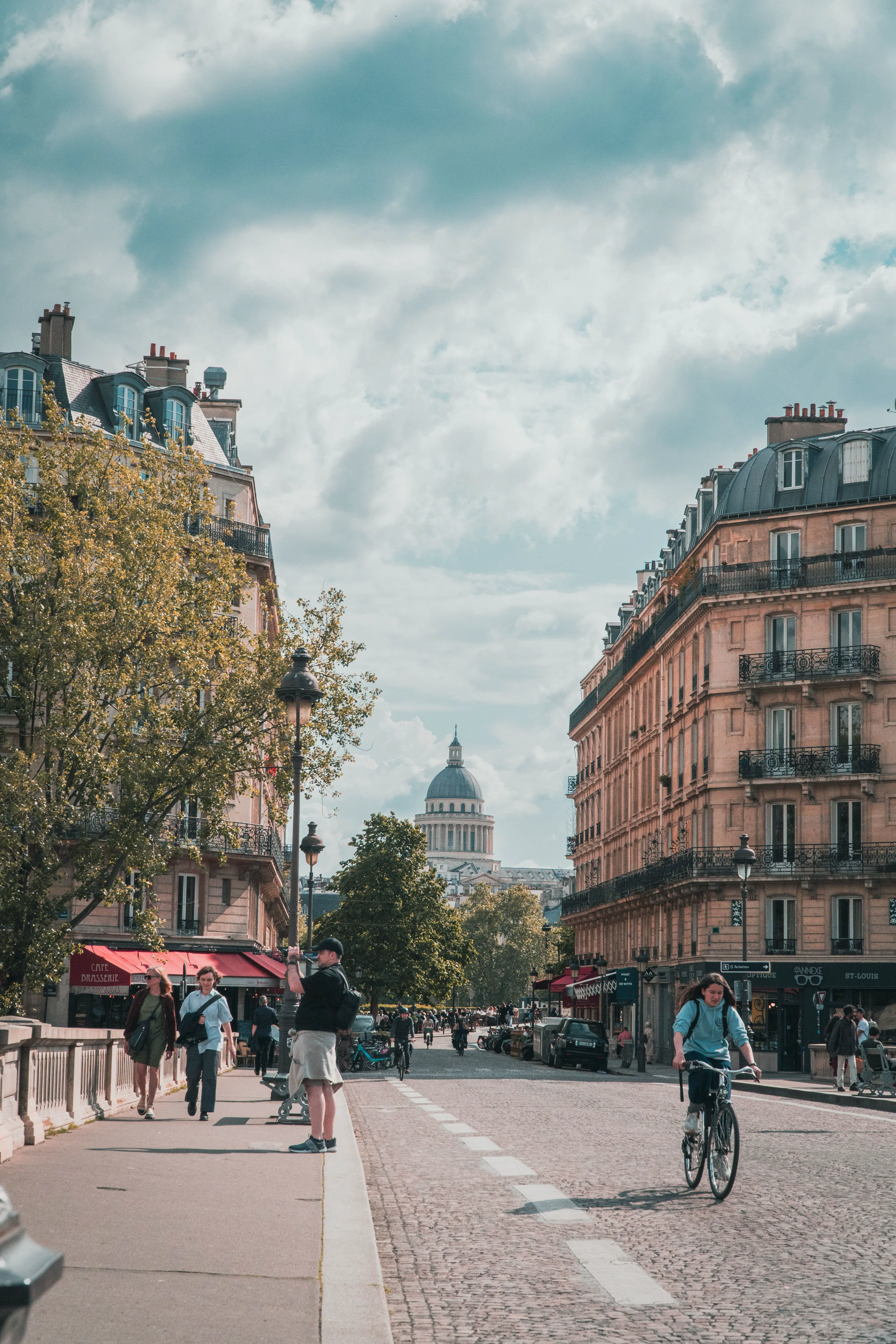
The Latin Quarter's reputation as a tourist zone is half accurate — the streets closest to Notre-Dame are exactly what you expect, but move three blocks south and the 5th arrondissement gets genuinely quiet.
Rue Mouffetard has a working daily market and is a legitimate neighbourhood street below the tourist section; produce from €2/kg for seasonal vegetables
Left Bank access is the concrete advantage — if your life revolves around Saint-Germain or the 6th arrondissement, living in the Latin Quarter saves 25 minutes per crossing
Fewer creative-industry social networks than Canal Saint-Martin; more academic ones
The Seine crossing adds mental friction to reaching Canal Saint-Martin's restaurant and café scene — the two worlds operate independently
If you cross the Seine for work every day, the Latin Quarter makes the arithmetic obvious. If you don't, Canal Saint-Martin keeps your life on one bank and keeps it simpler.
Finding an Apartment in the 10th Arrondissement: What It Costs and What You Get
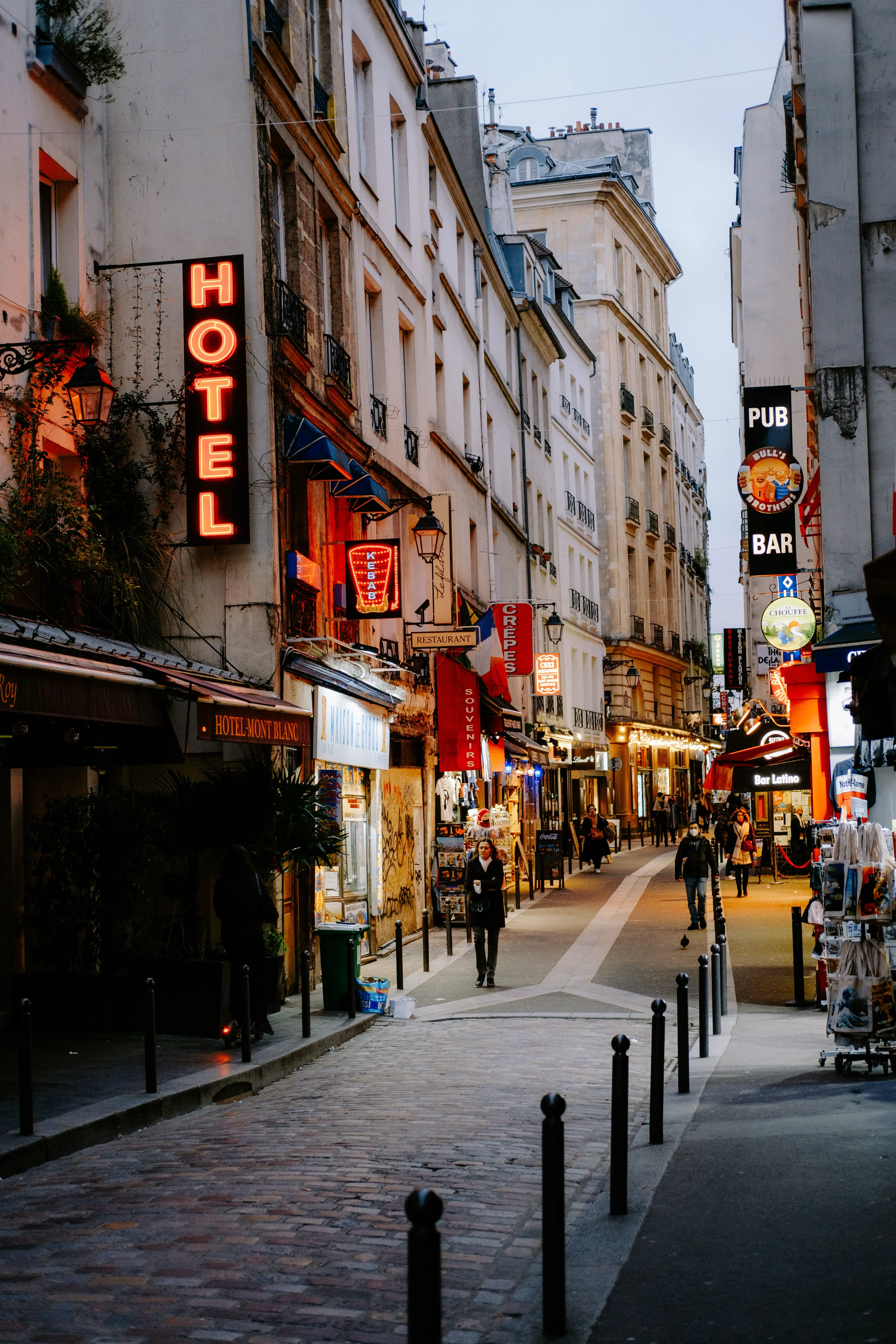
The 10th arrondissement is not cheap, but it is honest about what it charges you for. You are paying for a real Paris neighbourhood — not a hotel-adjacent convenience, not a tourist buffer zone.
Rent Ranges and What Moves the Price
Canal-facing addresses carry a premium that the view does not always justify if you keep working hours.
Studios (20–30m²) on Rue Bichat or Rue de la Grange-aux-Belles: €1,100–€1,350/month furnished
1-bed apartments (35–50m²) away from the canal: €1,400–€1,650/month; expect older buildings with character and occasional lift issues
Canal-facing 1-bed on Quai de Valmy or Quai de Jemmapes: €1,700–€2,000/month — the supplement is for atmosphere, not square metres
Furnished apartments with short-stay leases (1–3 months) run 15–25% above the baseline; fully furnished apartments in Paris on RentRemote let you filter for these directly
The buildings in this part of the 10th are predominantly Haussmann-era with high ceilings — which means the apartments feel larger than the square footage suggests and colder than you expect in January.
What the 10th Arrondissement Neighbourhood Actually Contains
The infrastructure here is built for people who live here, not for people passing through — that distinction becomes obvious inside a week.
Ten Belles — café on Rue de la Grange-aux-Belles, €3.50 for a flat white, reliable WiFi until noon before the laptop crowd fills the small space
Épicerie du Canal — independent grocer on Quai de Valmy, open late, produces from local farms; more expensive than Franprix but worth it twice a week
Yoga Republic — studio on Rue Bichat, drop-in €18, membership from €80/month; popular with the neighbourhood's large creative-freelancer population
Nearest Paris Métro stations: Jacques Bonsergent (line 5) and Goncourt (line 11) — both within a 7-minute walk from most canal addresses
The Métro coverage is adequate rather than exceptional — if you work south of the river daily, you will notice the extra connection.

Working Remotely from Canal Saint-Martin: Cafés, Coworking, and the Rhythm of the 10th
Paris doesn't reward improvisation the same way other cities might. If you arrive without a working setup and expect to find a quiet café with fast WiFi and a power socket at 10am on a Monday, you will spend your first week frustrated. Canal Saint-Martin has good options — but they require knowing which ones work and when.
Cafés That Work for Remote Work Near the Canal
The canal-side terraces are for reading and meeting people, not for video calls and focused work — that distinction matters from day one.
Café Lomi — on Rue Marcadet (10-minute walk north), roaster-café with serious WiFi and long tables; best before 11am, fills up fast and doesn't rush you
La Fontaine de Belleville — larger space than most canal-area cafés, €3 filter coffee, power points along the wall, tolerated laptop crowd until midday
Bon Jo — popular brunch spot that is too busy to work in on weekends but passable on a Wednesday morning
Canal-facing terraces on Quai de Jemmapes: atmospheric, zero WiFi reliability, better suited to notebook-and-pen work than anything that requires connectivity
The honest answer is that serious remote work in this neighbourhood requires either a coworking space or discipline about which cafés you go to and when.
Coworking Spaces in and Around the 10th Arrondissement
The coworking infrastructure near Canal Saint-Martin is better than the neighbourhood's café-heavy image suggests, once you know where to look.
WeWork Place de la République — 7-minute walk from the canal, day passes from €35, predictable and functional if uncharming
Volumes — smaller independent coworking space in the 10th, day pass €25, quieter than WeWork and better coffee; book ahead for a desk
The Bureau — English-friendly coworking on Rue du Faubourg-Saint-Denis, monthly membership from €250, strong expat and freelancer community
Most furnished apartments in the 10th do not include dedicated desk setups — confirm before booking if that matters to your work pattern
A monthly coworking membership in this part of Paris runs €200–€350 and is almost always worth it if you are staying more than three weeks — the café-hopping approach works for a fortnight before the WiFi inconsistency becomes a genuine problem.
Eating, Drinking, and Grocery Shopping in Canal Saint-Martin
The 10th has a food scene that functions like a neighborhood should — not a destination in itself, but dense enough that you stop thinking about it within a week.
Where to Eat Without Thinking Too Hard About It
The streets east of the canal, particularly around Rue Beaurepaire and Rue des Vinaigriers, have enough reliable daily-eating options that you will establish a rotation within your first fortnight.
Chez Casimir — Rue de Belzunce, lunch from €16, old-school bistro that feeds you properly without ceremony; book ahead for dinner
Du Pain et des Idées — Rue Yves Toudic, pastries from €2.50, opens at 7:45am, closes Saturday and Sunday — build your week around it, not the other way around
Le Galopin — Place Sainte-Marthe, tasting menu around €45, small and serious; the kind of place you go when someone visits and you want to prove the neighborhood has depth
Place Sainte-Marthe itself — a small square with half a dozen terrace restaurants, quieter than anything near the canal on a Friday evening
The neighborhood rewards eating locally rather than commuting to dinner — once you figure out which two or three places work for you, the logistics of daily life get much simpler.
Grocery Shopping: What Works and What Doesn't
The 10th has decent grocery coverage, but it is not evenly distributed — the closer you are to the canal, the more you are relying on smaller shops and the occasional Franprix.
Marché Couvert Saint-Martin — Rue du Château-d'Eau, open Tuesday to Saturday, good for cheese, charcuterie, and vegetables; smaller than Marché Saint-Quentin but closer to the canal end of the neighborhood
Naturalia — organic supermarket near the boulevard, prices roughly 30% above a standard Monoprix, but reliable for specific dietary needs
Franprix on Rue des Récollets — functional for everyday essentials, not the place for anything beyond basics
The stretch of Rue du Faubourg-Saint-Denis above the Grands Boulevards: a de facto food corridor with Tunisian grocers, Turkish supermarkets, and halal butchers — both cheaper and better stocked than most supermarkets for produce
Budget around €250–€350 a month for groceries if you are cooking most meals — that number drops if you use Rue du Faubourg-Saint-Denis as your primary shopping street rather than treating it as an occasional detour.
Bars and Evening Life: What to Expect
The canal is genuinely animated on warm evenings, but the neighborhood has enough bars off the water that you are not competing with weekend tourism every time you want a drink.
Le Comptoir Général — Quai de Jemmapes, entry free most nights, themed interior that sounds gimmicky but functions as an actual bar, popular with the expat crowd without being exclusively that
Café de la Nouvelle Mairie — a reliable low-key option further into the 5th if you want to escape the canal de scene entirely; natural wine list, €5–7 a glass
Chez Prune — canal-facing, terrace that fills up by 7pm in summer, wine from €4.50 a glass; go on a Tuesday if you want a seat without a wait
Evening life here peaks around 9pm and winds down earlier than you might expect — this is not Oberkampf at midnight, which is either a relief or a limitation depending on what you came to Paris for.
Getting Around: Transit, Cycling, and Day-to-Day Mobility
The canal neighborhood's transit situation is more functional than it first looks on a map — the key is understanding which lines are actually useful to you and which ones you will ignore after day three.
Metro and Bus: The Lines That Actually Matter
Canal Saint-Martin sits in a gap between several metro lines, which sounds like a problem until you realize that two of them are genuinely fast.
Line 5 from Gare du Nord or Jacques Bonsergent — gets you to the Latin Quarter and Austerlitz in under 15 minutes; underused by expats who default to Line 4
Line 2 from Colonel Fabien or Jaurès — connects east Paris along the top of the city; useful for reaching Père Lachaise or Pigalle without crossing central Paris
Line 7 from Louis Blanc — a quieter line that drops you at Châtelet in 10 minutes; the most direct route to central Paris from the northeast edge of the neighborhood
Bus 46 — runs along Rue du Faubourg-Saint-Martin and connects the canal area to both République and the Châtelet zone; slower than metro but useful when line closures hit on weekends
A monthly Navigo pass costs €86.40 and covers every line including the RER — if you are staying more than two weeks, the maths are straightforward and you stop calculating per-journey costs immediately.
Cycling: The Honest Version
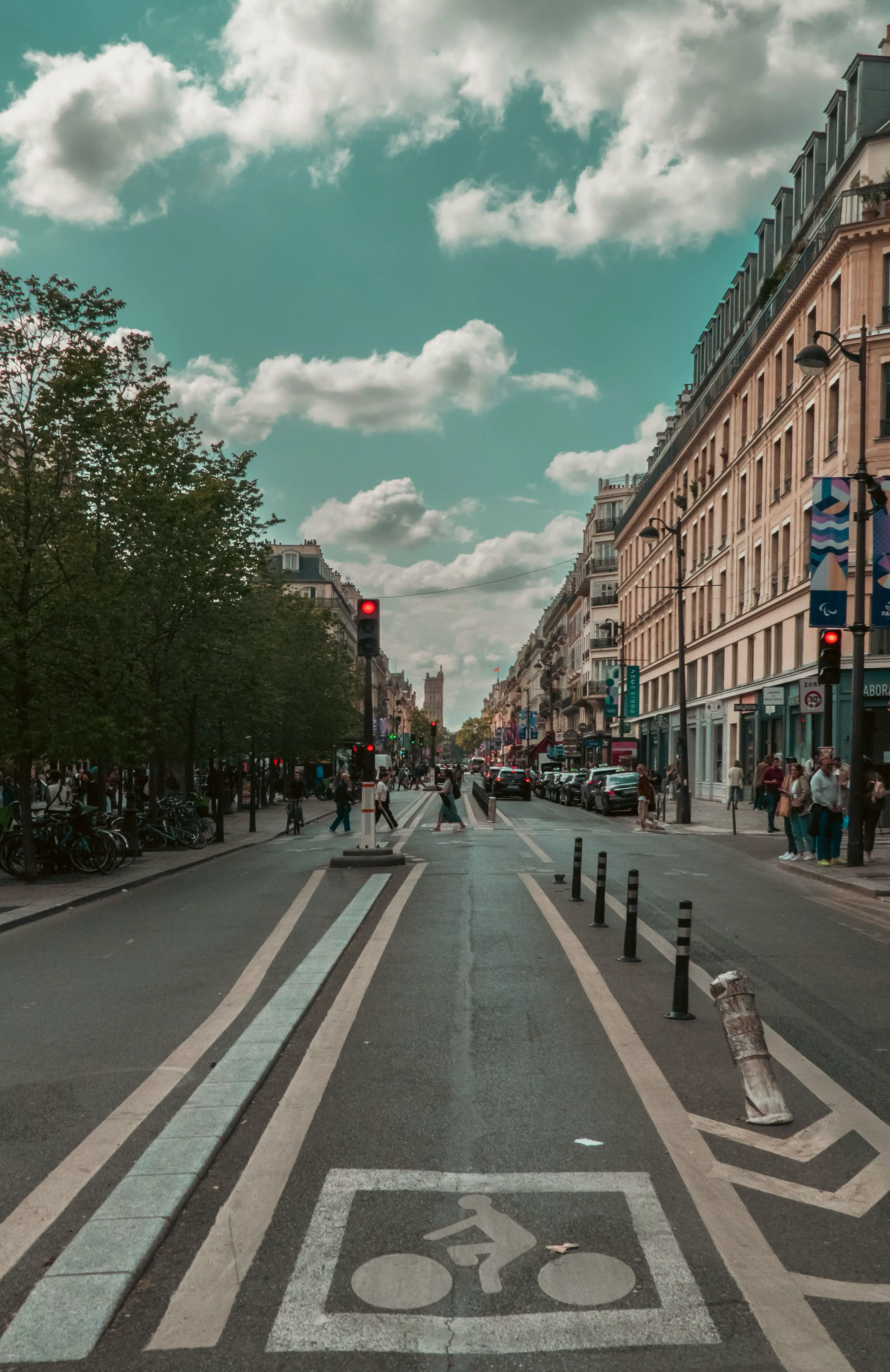
Paris cycling infrastructure has improved substantially, but the 10th is not a uniformly easy neighborhood to navigate by bike — some stretches are straightforward, others require attention.
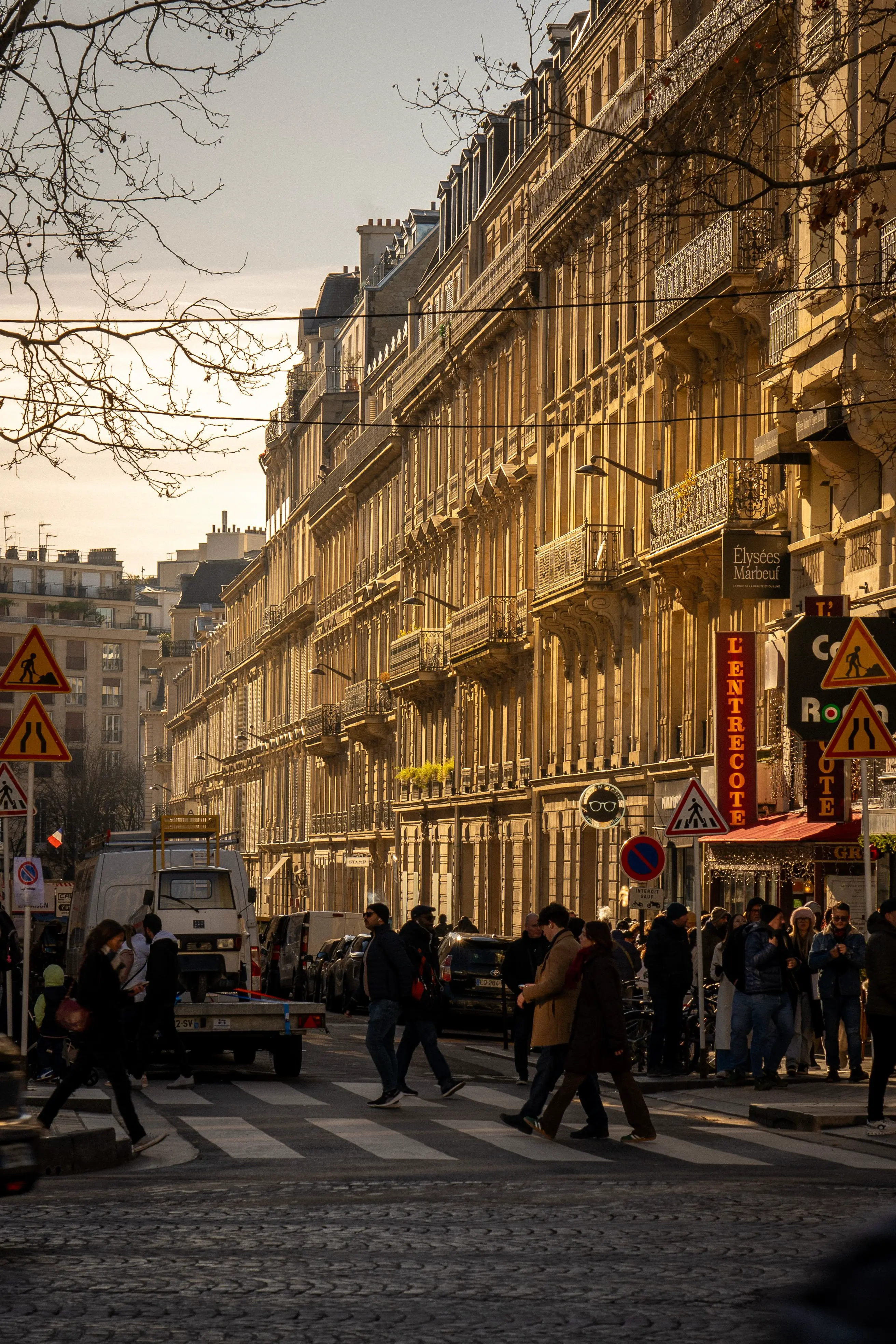
Vélib' stations on Quai de Valmy and Rue de la Grange-aux-Belles — electric bikes available, €1 unlock + €0.17 per minute, or monthly subscription from €9.99 for classic bikes; the electric tier is worth the difference on any route with an incline
The canal towpath is flat and direct — useful for reaching Bassin de la Villette or heading south toward République without hitting traffic
Boulevard de Magenta cycle lane: physically separated and reliable, but the intersection at Gare du Nord is chaotic in both directions during peak hours
Rue du Faubourg-Saint-Denis: no dedicated cycle infrastructure, heavy delivery traffic in the morning — cycle it in the afternoon or avoid it entirely
Cycling works in this neighborhood if you treat it as a tool for specific routes rather than a default for everything — the metro is faster for anything south of the river.
The Vélib' docking station just across the Canal Saint-Martin on Quai de Valmy lets you pick up a bike in under two minutes, which is faster than waiting for the 75 bus on a weekday morning.
Practical Matters: Admin, Healthcare, and Settling In
Paris bureaucracy does not simplify for anyone, but the 10th has a few practical advantages that make the first months easier than they would be in more tourist-facing arrondissements.
Healthcare Access in the 10th Arrondissement
The neighborhood has solid GP coverage relative to central Paris, which matters more than most expats anticipate before they need it.
Hôpital Saint-Louis — one of Paris's major historic hospitals, located on the eastern edge of the 10th; emergency services, specialist departments, and a dermatology unit with a European reputation — the location alone justifies knowing it exists
Doctolib.fr — the standard platform for booking GPs in France; filter by "secteur 1" for doctors who charge at the regulated €26.50 rate rather than above it
Pharmacies on Rue du Faubourg-Saint-Denis: at least three within a 10-minute walk, open late, and more helpful than you expect for minor issues before you have a GP registered
CPAM registration for long-stay expats — begin the process in month one, not month three; the Assurance Maladie office serving the 10th is on Rue du Château-d'Eau
EU nationals get healthcare access through the EHIC card while registering for the French system; non-EU expats need private insurance until CPAM comes through, which typically takes 2–4 months.
French Admin and the Things Nobody Tells You
The 10th's local mairie is more accessible than central Paris equivalents — it handles most of the routine administration that long-stay expats need without the queues you encounter near tourist-heavy arrondissements.
Mairie du 10ème — Place du Colonel Fabien; handles residency documentation, civil registration, and local permits — book appointments online rather than walking in
Opening a French bank account: La Banque Postale at Gare du Nord accepts non-residents more readily than most; alternatively, Wise and N26 cover most needs until you have a French address confirmed
French lessons: Institut Parisien on Boulevard des Batignolles runs structured courses; for informal conversation practice, the Alliance Française near Odéon is the standard recommendation — worth the commute if language progress matters to your integration
Internet providers: Orange and Free both service the 10th without issues; a standard fiber contract runs €25–35/month and is activated within 10–15 days of signing, assuming your landlord has already filed the fiber connection
None of this is unique to Canal Saint-Martin, but having a functioning neighborhood mairie within a 15-minute walk rather than a 45-minute metro ride makes a genuine difference to how much of this you actually complete in the first month.
Building an Expat Routine That Holds
The neighborhoods around the canal have enough of an expat and freelancer community that integration does not require starting from zero — but it does require showing up to the right places consistently.
La Recyclerie — Porte de Clignancourt, 20 minutes by bike, urban farm and café space that draws a specific kind of Parisian professional; not strictly in the neighborhood but part of the extended circuit many canal-area expats end up using
Meetup.com groups in Paris — the English-speaking professional networks in the 10th and 11th arrondissements are more active than they appear online; the in-person events tend to be the genuine ones, the online presence is thin
Running along the canal: the path between Jaurès and République takes about 20 minutes at a moderate pace and functions as a de facto social infrastructure — you will recognize faces within two weeks
The neighborhood does not hand you a social life — but it creates enough repeated proximity that one forms on its own if you stay long enough.
Is Canal Saint-Martin the Right Neighborhood for You?
Who Canal Saint-Martin Actually Works For
This neighborhood rewards a particular kind of expat — one who would rather watch Paris function than watch it perform.
Remote workers who need daily errands to feel liveable, not scenic
Stays of three months or longer, where the residential rhythm becomes an asset rather than a limitation
People who eat out regularly and need a food scene priced for that habit, not for occasional splurging
Anyone who finds the tourist-density of the Marais or Saint-Germain genuinely exhausting after a week
Spend a Tuesday morning on Rue des Vinaigriers rather than a Saturday afternoon on the canal, and you will know within an hour whether this is your Paris or someone else's.
The Honest Case Against It
Canal Saint-Martin has real drawbacks, and understanding them before you sign a lease saves the kind of disappointment that turns into a bad stay.
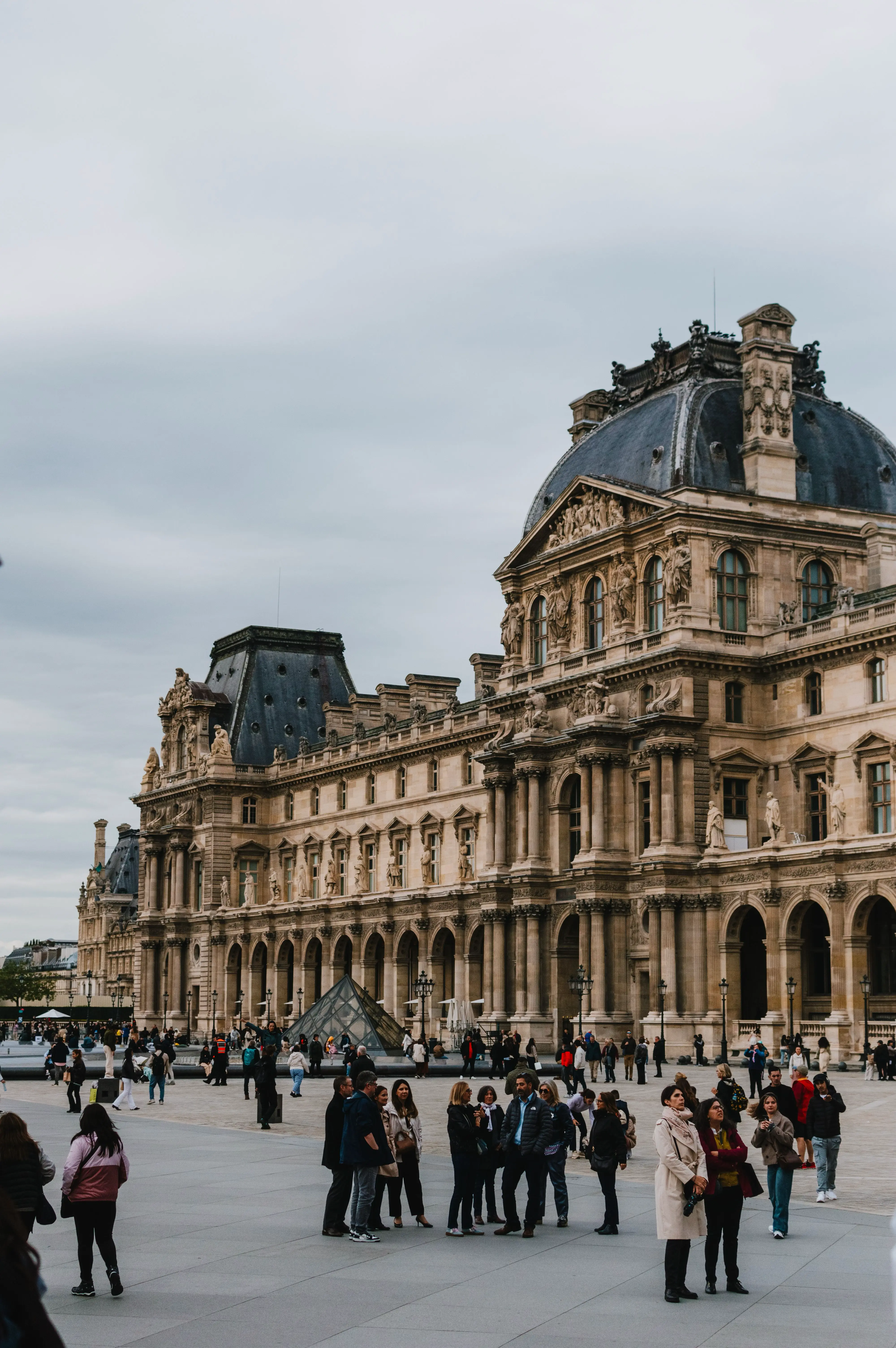
It sits east of where most people picture Paris — walking to Notre-Dame or the Louvre is a committed journey, not a stroll
The affordability that defined the neighborhood a decade ago is largely gone; rents have followed the hype
Weekend crowds on the canal banks are heavy enough to make the area feel like a different city from Monday to Friday
If proximity to a historic center is your primary criterion, you will be quietly frustrated for the entire stay
The neighborhood has never pretended to be convenient for everyone — it just suits the people it suits extremely well.
Finding an Apartment Here and What to Expect
Availability in the 10th is genuinely better than most arrondissements, which matters when you are searching from abroad with a fixed start date.
Turnover is consistent — the mix of young professionals and expats on fixed contracts means listings open regularly throughout the year
Furnished apartments aimed at stays of one to three months are easier to find here than in the more stable residential arrondissements to the west
Rue des Vinaigriers, Rue Beaurepaire, and the streets immediately north of the canal basin offer the densest cluster of mid-range furnished options
Browse fully furnished apartments in France and filter for the 10th to see current stock across price points
For expats who need both a liveable base and a city that does not put them to sleep by 9pm, the canal neighborhood still makes the argument.
Making Canal Saint-Martin Your Paris Home Base
Canal Saint-Martin rewards the expat who wants to live in Paris rather than simply visit it. The neighborhood offers a rare combination of genuine local character, practical amenities, and a social scene that does not require a guidebook to navigate. Whether you are relocating for work, taking an extended sabbatical, or testing out life in France before committing to something more permanent, the 10th arrondissement gives you enough of the city to feel embedded without the tourist-trap fatigue that wears down residents in more central districts.
The furnished rental market here moves quickly, and the best apartments — those with canal views, decent light, and a washing machine that actually works — do not stay listed for long. Knowing what you want before you start searching saves weeks of back-and-forth with landlords and agencies. Think about your commute, your noise tolerance, and whether you need outdoor space, then filter accordingly.
When you are ready to take the next step, browse fully furnished apartments in the city and use the arrondissement filter to narrow your search to the 10th. Turnover in this neighborhood is consistent, which means fresh listings appear regularly and you are unlikely to find yourself stuck waiting for something suitable to come up.