Maya
Culture & Exploration Editor ·
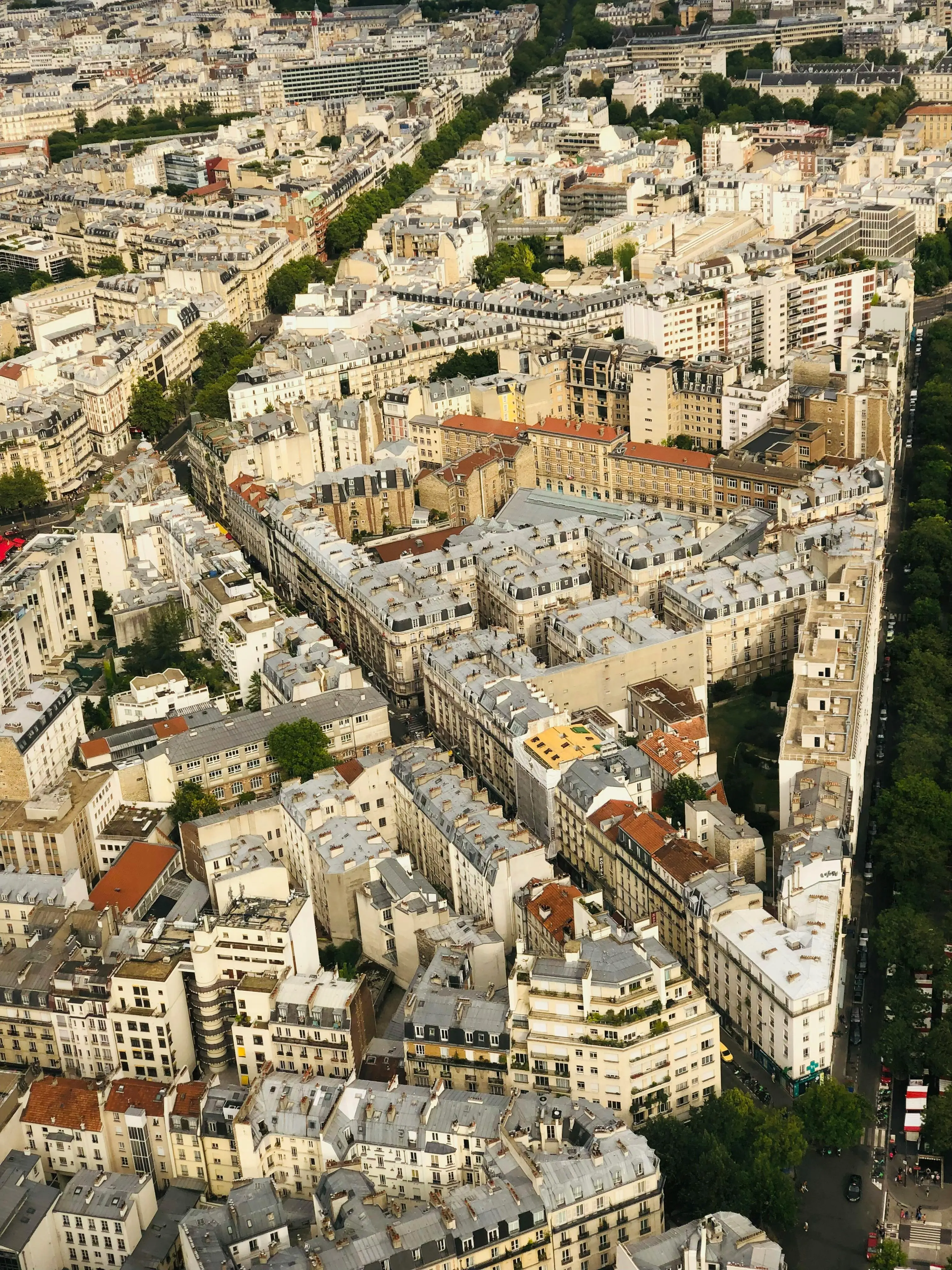
Few neighborhoods in Paris balance history, culture, and everyday energy quite like Paris Le Marais. Located in the 3rd and 4th arrondissements on the Right Bank of the Seine River, this historic district blends 17th-century private mansions, vibrant Jewish heritage, cutting-edge art galleries, and one of the city’s most dynamic dining scenes. The le marais area is also known for its trendy boutiques, vintage shops, and a thriving LGBTQ+ community that has shaped the present day identity of the marais district since the 1980s.
In this guide to le Marais Paris, you’ll discover:
The architectural beauty of Place des Vosges and its royal origins
The Jewish quarter along Rue des Rosiers
World-class museums like the famous Picasso Museum and Musée Carnavalet
Independent concept stores like Merci on Rue des Francs Bourgeois
Cocktail bars such as Le Mary Celeste and La Belle Hortense
Work-friendly cafés and stylish stays ideal for longer trips
Whether you’re planning a weekend in Paris or searching for a culturally rich base in central Paris, the le marais neighborhood offers narrow streets, historic buildings, and a creative pulse that’s difficult to match anywhere else in the city.
What Makes Le Marais One of the Most Fascinating Areas in Paris?
The Le Marais neighborhood stands out in Paris because it feels layered rather than polished. Within just a few blocks in the Marais area, you’ll move from medieval alleyways to grand 17th-century courtyards, from independent fashion boutiques to quiet historic buildings tucked behind heavy wooden doors. Unlike wide Haussmann boulevards elsewhere in central Paris, this historic district still preserves its narrow streets and intimate scale.
From Marshland to Aristocratic Quarter
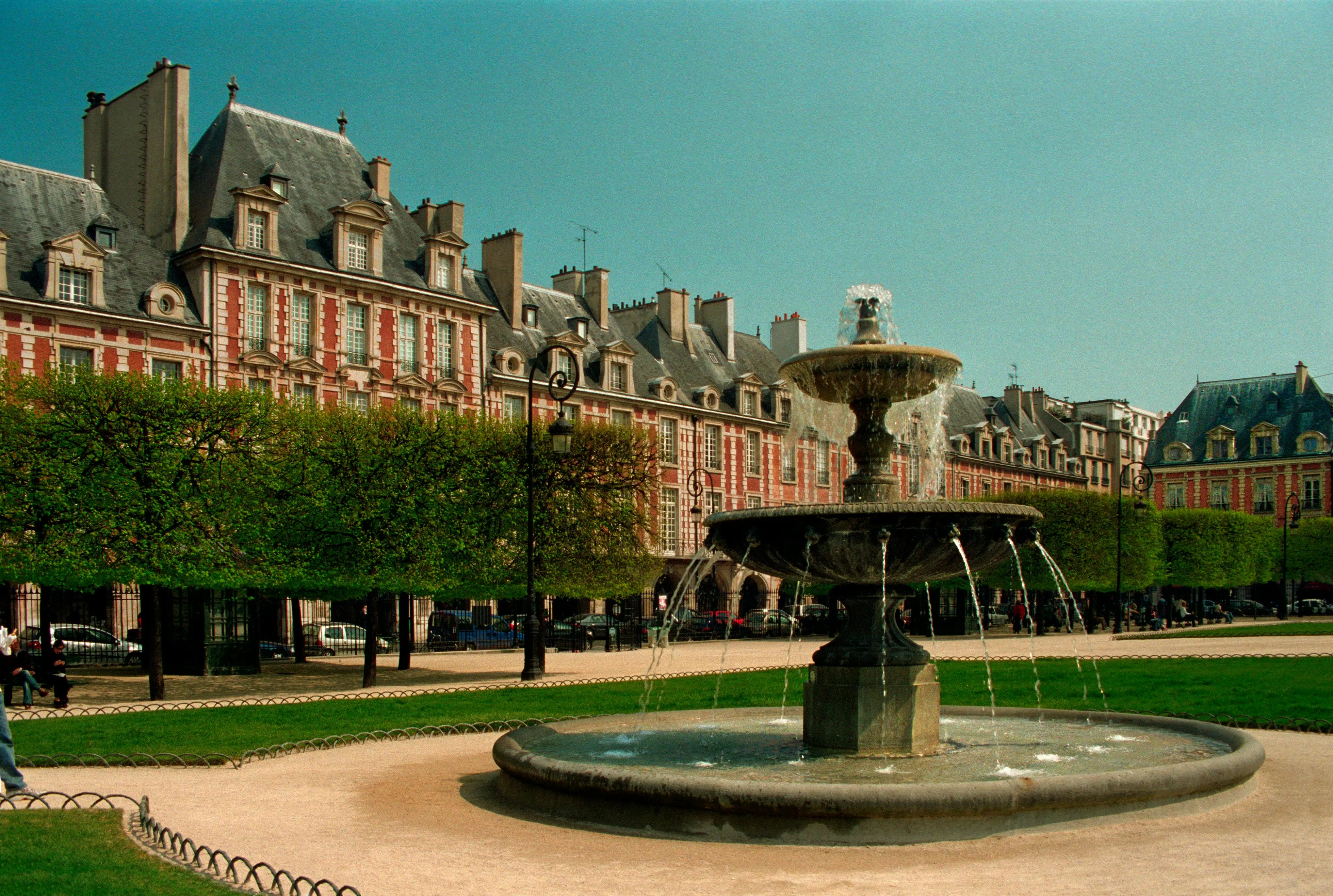
The marais district began as marshland outside the medieval walls of Paris. By the Middle Ages, the Temple Quarter had formed here, and many religious institutions established roots in the area. Over time, wealthy families and members of the French nobility built elegant Hôtels Particuliers — private mansions that still define the architecture of the Le Marais area today.
You’ll notice these grand residences everywhere:
Hôtel de Sully – A striking 17th-century Baroque mansion that now serves as headquarters for the Centre des Monuments Nationaux. Walk through its courtyard to access Place des Vosges.
Hôtel de Sens – One of the rare medieval fortified church residences in Paris, dating to the late 15th century.
Hôtel de Saint-Aignan – A beautiful Parisian mansion that now houses the Musée d’Art et d’Histoire du Judaïsme.
These hôtels de prestige were originally built for the French nobility before the French Revolution reshaped Parisian society. After aristocrats fled the area, the marais district became more working-class — and later, in the 1960s, it underwent major restoration efforts to preserve its historic buildings and cultural significance.
The Present Day Energy of the Marais Area
Today, the marais area feels like a living timeline of Paris. One moment you’re standing in a courtyard once occupied by royalty; the next, you’re browsing a modern art exhibition or sipping espresso at a minimalist coffee shop.
Local favorites worth weaving into your first walk:
Boot Café (Rue du Pont aux Choux) – A tiny coffee shop carved into a former cobbler’s space. Espresso ~€2.50.
Merci (Rue de Bretagne) – A concept store beloved by fashion lovers for curated home goods and clothing.
Marché des Enfants Rouges (Rue de Bretagne) – The oldest covered market in Paris, perfect for fresh produce, Moroccan tagines, or Italian pasta plates under €15.
This contrast — aristocratic architecture beside contemporary art galleries, quiet courtyards beside buzzing cafés — is what makes le marais paris feel unlike any other neighborhood in Paris. It’s not just preserved history. It’s history actively lived in.
Place des Vosges and the Historic Heart of the Marais District
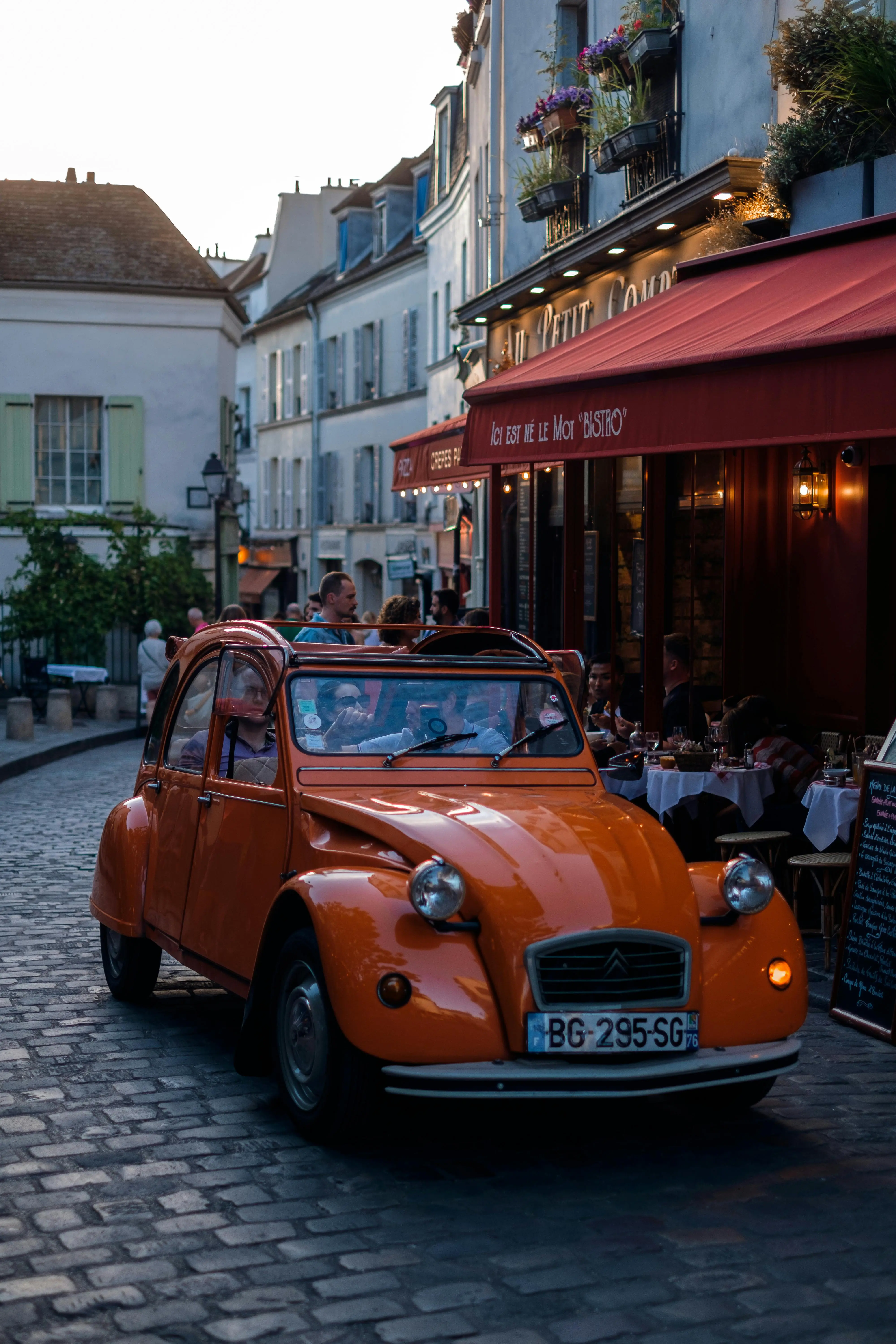
If there’s one place that defines the elegance of the Marais district, it’s Place des Vosges. Tucked within the le marais area, this perfectly symmetrical square anchors the neighborhood both geographically and historically. Surrounded by red-brick façades and arcaded walkways, it remains one of the most refined public spaces in Paris — and one of its most photographed.
Why Place des Vosges Still Feels Timeless
Built under Henry IV in the early 17th century, Place des Vosges (often simply called des vosges) is the oldest planned square in Paris. Its uniform architecture marked a turning point in urban design and attracted members of the French nobility who built Hôtels Particuliers around its perimeter.
Key highlights around Place des Vosges:
Maison de Victor Hugo – Located at No. 6, where Victor Hugo lived and wrote parts of Les Miserables. Entry is free; temporary exhibitions rotate throughout the year.
Hôtel de Sully – Accessible via a discreet courtyard passage connecting directly to des vosges. Its gardens provide a quieter vantage point of the square.
Manicured lawns and central fountains perfect for a picnic or relaxed people-watching afternoon.
You’ll notice how the arcades shelter small galleries and cafés. Grab a takeaway espresso from a nearby coffee shop on Rue de Turenne (~€3) and sit beneath the chestnut trees for a classic Paris pause.
Where to Eat and Drink Around Des Vosges
The streets radiating from place des vosges offer some of the best dining in the le marais neighborhood — intimate, character-filled, and often independent.
Robert et Louise – Rustic wood-fired meats and classic French dishes. Expect €25–35 per main.
La Belle Hortense – A hybrid wine bar and bookstore, ideal for natural wines and quiet evenings. Glasses start around €6–8.
La Perle – Casual terrace setting for drinks and light bites; great for late afternoon sun.
Just a short walk away, Rue de Birague leads toward Hôtel de Ville and eventually connects you deeper into central Paris.
Place des Vosges isn’t just beautiful — it’s a reminder that the Le Marais area has long been a stage for culture, literature, and architectural ambition. It’s where aristocratic Paris met artistic Paris, and that balance still defines the Marais district today.
Art Galleries, Museums & Cultural Institutions in the Le Marais Area
The cultural density of this part of Paris is one of the reasons visitors keep returning. Within a few blocks, you move from revolutionary history to modern creativity, from preserved interiors to bold artistic experimentation. The museums here are not massive complexes — they are refined, walkable, and deeply connected to the surrounding streets.
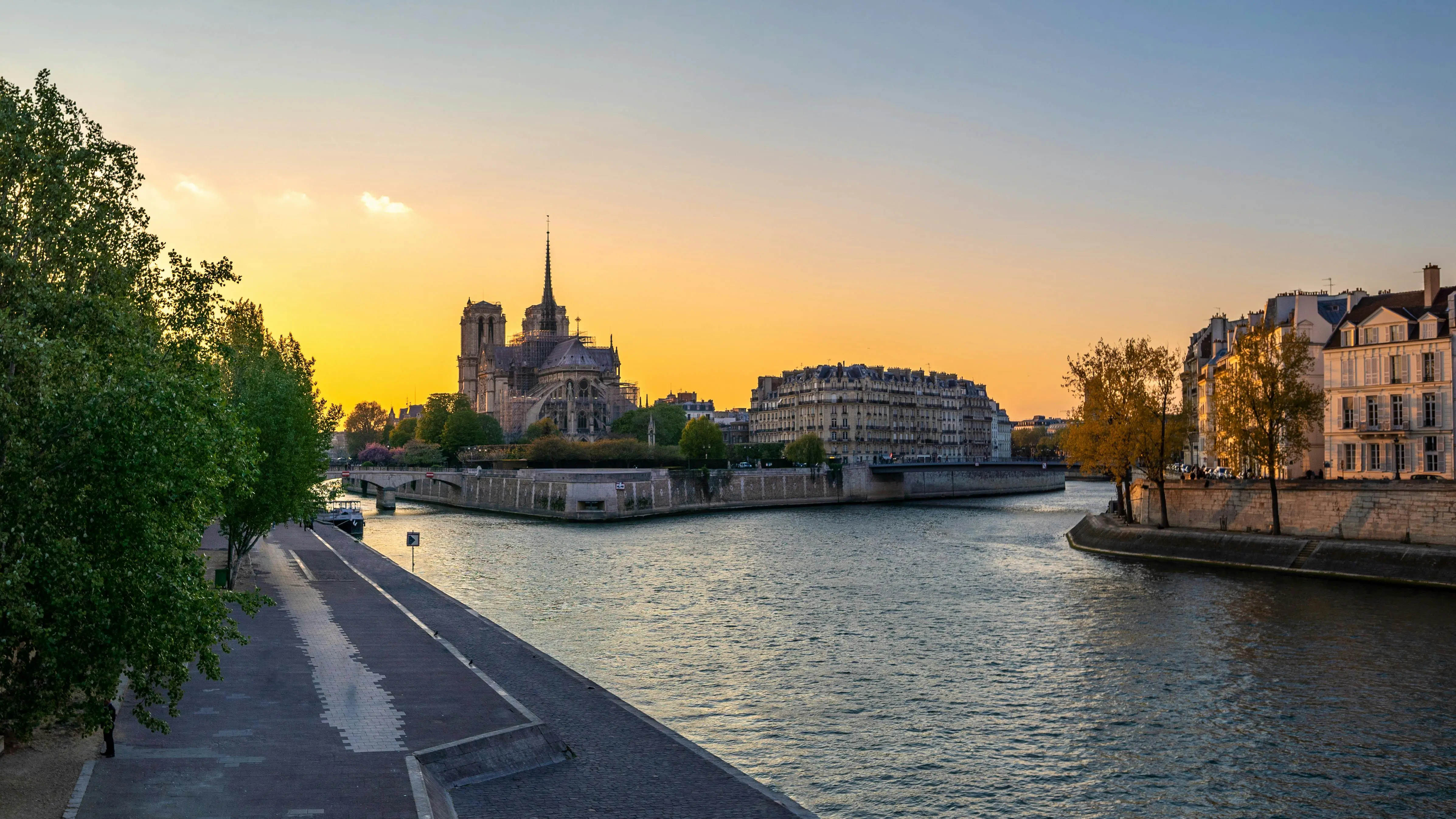
Musée Picasso & Modern Art in Paris
The Musée Picasso, often referred to as the Famous Picasso Museum, sits inside the elegant Hôtel Salé. It houses France's Largest Collection of works by Pablo Picasso, spanning paintings, sculptures, and personal archives.
Inside you’ll find:
Early Blue Period pieces
Cubist experiments
Sculptural works
Carefully curated Temporary Exhibitions
Tickets are around €14, and weekday mornings are the calmest time to visit.
Afterward, walk toward Rue Vieille du Temple and pause at Boot Café, a small Coffee Shop ideal for decompressing after gallery time (espresso ~€3).
Musée Carnavalet & the Story of Paris
If you want context before diving deeper into the neighborhood, Musée Carnavalet delivers a sweeping narrative of Paris from medieval times through the Present Day.
Highlights include:
Artifacts connected to the French Revolution
Period rooms reconstructed from aristocratic homes
Personal belongings of major literary figures
Urban design transformations across centuries
Entry to the permanent collection is free, making it one of the most accessible cultural stops in this area of Paris.
From here, stroll toward Haut Marais and explore smaller design studios and concept spaces that extend the museum experience into daily life.
Musée d'Art et d'Histoire du Judaïsme (d'histoire du judaïsme)
The Musée d'Art et d'Histoire du Judaïsme focuses on Jewish Art, identity, and cultural evolution across Europe. Rather than presenting isolated objects, the museum builds a narrative around migration, memory, and creativity.
Expect:
Religious and ceremonial artifacts
Fine Art collections
Thoughtful Temporary Exhibitions
Educational displays contextualizing Jewish life in France
Allow 90 minutes to explore comfortably.
When you exit, walk toward Rue des Rosiers for lunch at L’As du Fallafel (~€10–12) or stop into Yann Couvreur for refined desserts if you prefer something lighter.
Contemporary Art & Centre Pompidou
Just west of the Marais Area rises the unmistakable façade of the Centre Pompidou — a landmark of Modern Architecture in Central Paris. Its exterior pipes and structural framework make it one of the most visually distinct buildings in the city.
Inside you’ll find:
Major collections of Modern Art
Rotating Contemporary Art installations
Performance spaces
Rooftop views across Paris toward Notre Dame and even glimpses of the Eiffel Tower
Tickets are approximately €15–17. Even if you skip the interior, the public plaza outside the Centre Pompidou is a gathering space for street performers and creatives.
Between Rue des Archives, Rue du Temple, and Haut Marais, you’ll discover:
Many Contemporary Art Galleries
Independent design studios
Concept exhibition spaces blending Fashion and Art
Pop-up installations showcasing emerging talent
The Marais Area doesn’t separate history from experimentation. It layers them. From Musée Carnavalet to Musée Picasso, from Jewish Art collections to bold Contemporary Art Galleries, this Historic District continues to define the creative identity of Paris.
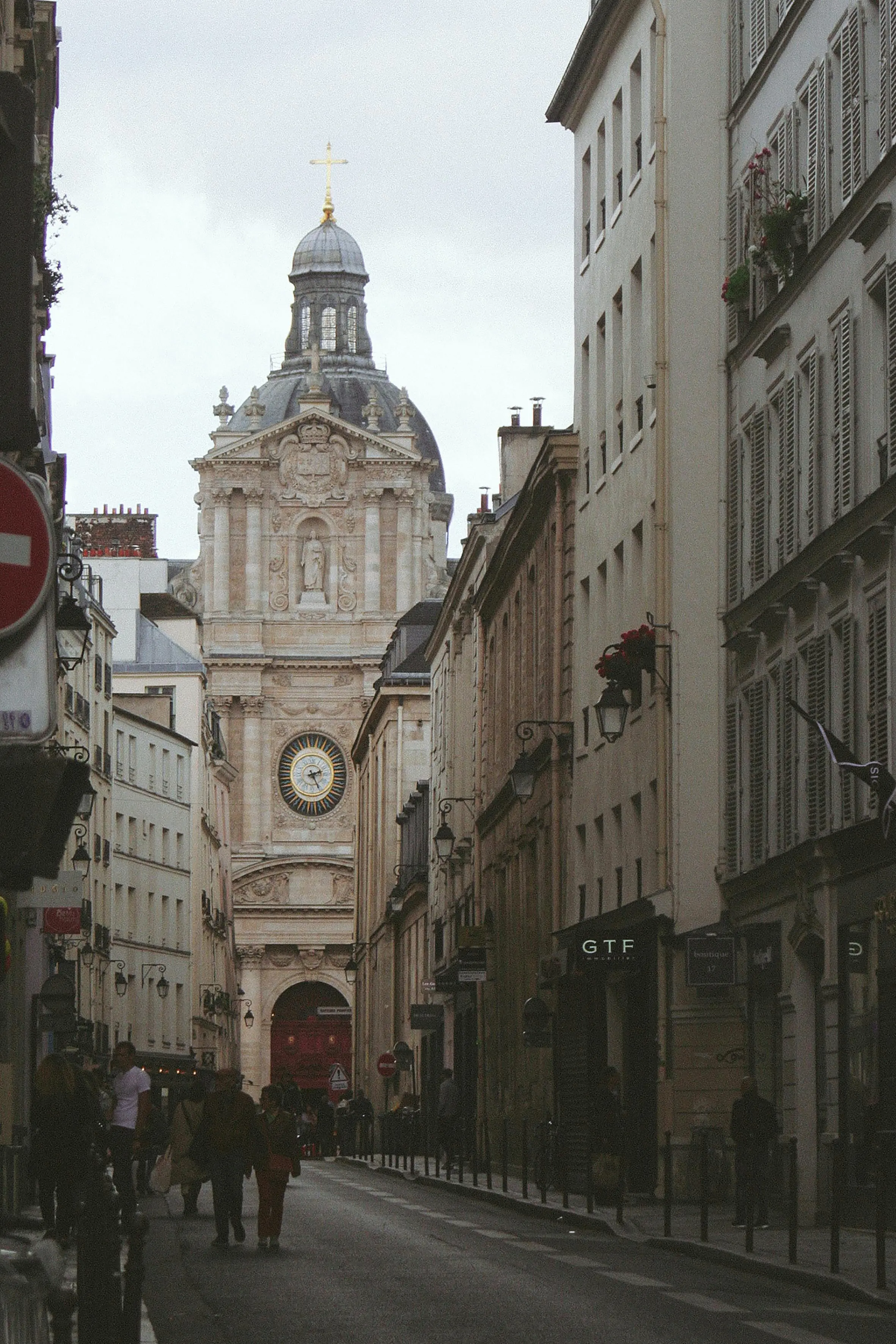
Together, these institutions offer a layered understanding of Paris — political, artistic, and cultural — without requiring long metro transfers or overwhelming itineraries. In this part of the city, museum visits feel integrated into the street life rather than separated from it.
The Jewish Quarter & Rue des Rosiers: Culture, Community & Flavor in the Marais District
Few streets capture the layered identity of the Marais District like Rue des Rosiers. Located in the heart of the historic Jewish Quarter, this stretch of the Marais Area reflects centuries of resilience, culture, and culinary tradition. The Jewish Community has maintained a strong presence here for generations, and the cultural imprint remains visible in bakeries, bookshops, memorial plaques, and family-run businesses.
This part of the Le Marais Area is not just historically significant — it’s alive, active, and central to everyday life in Paris.
Jewish Community & Cultural Institutions
The Jewish Community established deep roots in the Marais District long before the neighborhood became trendy. Today, that legacy is preserved and explored through institutions such as:
Musée d’Art et d’Histoire du Judaïsme, housed in Hôtel de Saint Aignan, featuring collections under D’Histoire du Judaïsme that document Jewish Art and European Jewish history. Entry: €10–12.
Historic synagogues and memorial sites throughout the Jewish Quarter.
Cultural events that highlight Jewish heritage within the broader Marais Area.
You’ll also notice how the Jewish Quarter intersects with contemporary Paris — blending heritage with present day energy rather than freezing it in time.
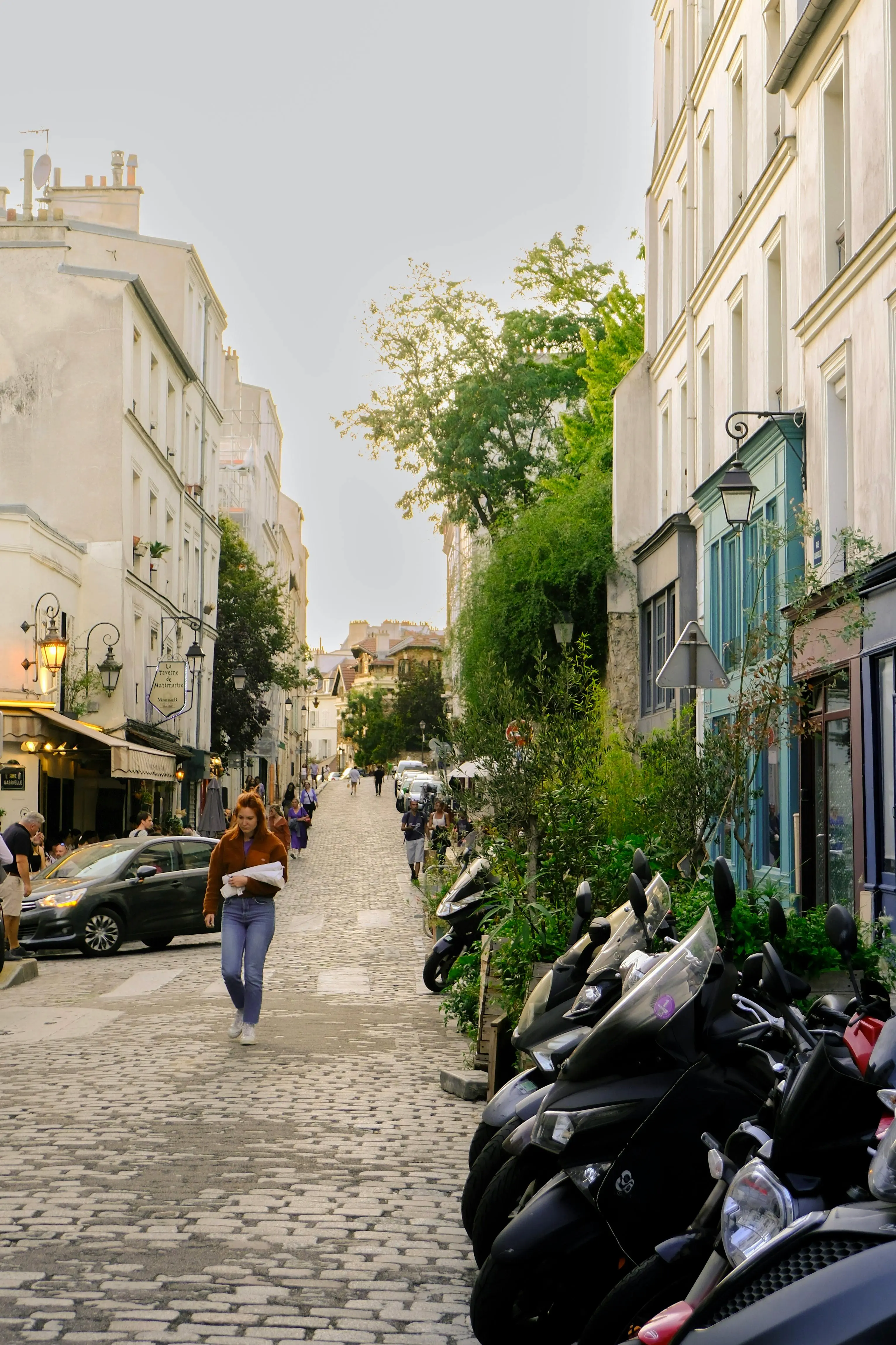
Rue des Rosiers: Where History Meets Everyday Dining
Rue des Rosiers is best known for its falafel institutions, but its appeal goes far beyond one dish. This street remains one of the most visited culinary corridors in Paris — and for good reason.
Local favorites include:
L’As du Fallafel – The iconic stop for falafel sandwiches (~€10–12). Lines move quickly.
Sacha Finkelsztajn – A classic bakery offering sweet treats and traditional Jewish pastries.
Yann Couvreur nearby for refined desserts and modern pastry creations.
Le Mary Celeste – A cocktail-forward Wine Bar just off Rue Vieille du Temple serving small plates (~€8–14).
If you prefer something more traditional, walk toward Rue du Temple and settle into Chez Janou for Provençal cuisine or Bistrot des Tournelles for a well-executed French menu (mains ~€18–28).
Coffee Shops & Casual Stops Nearby
The Marais Area has no shortage of quality stops between museums and shops.
Boot Café – Tiny specialty Coffee Shop hidden in a former cobbler’s workshop (~€3 espresso).
Used Book Café – Quiet space for reading or remote work, especially in early afternoons.
Café Camille – Classic terrace setting ideal for people-watching along Rue des Francs Bourgeois.
The Jewish Quarter blends history, food, and community in a way that few neighborhoods in Central Paris manage to sustain. Within a few blocks, you can move from Jewish Art collections to Modern Art spaces, from heritage bakeries to Contemporary Art Galleries.
In the Marais District, identity isn’t preserved behind glass — it’s lived on the street.
Marché des Enfants Rouges & Rue de Bretagne
No retail walk through the Marais Area feels complete without time on Rue de Bretagne, home to the historic Marché des Enfants Rouges. Founded in 1615, it’s the oldest covered market in Paris, and it still functions as a daily food hub rather than a tourist prop.
Inside Marché des Enfants Rouges, go beyond generic browsing and head straight to:
Chez Alain Miam Miam – Legendary sandwiches layered with roasted vegetables and cured meats (around €9–12). Expect a line; it moves quickly.
Traiteur Marocain – Moroccan tagines and couscous plates (~€13–15) served hot and generously portioned.
Little Apple – Speciality hamburgers, fries, and desserts (~€14–16).
Fresh Produce vendors selling seasonal fruit, cheeses, and charcuterie if you’re assembling a picnic for Place des Vosges.
Step outside the market and explore the broader retail stretch of Rue de Bretagne:
La Chambre aux Confitures – Artisanal jam shop with tasting options; jars from €7–10.
Le Repaire de Bacchus – Reliable Wine Bar and wine merchant with bottles starting around €8–12 and knowledgeable staff.
Maison Plisson (nearby on Boulevard Beaumarchais) – Gourmet grocery offering premium Fresh Produce, baked goods, and ready-made dishes.
If you’re craving something sweet after browsing, walk toward Pierre Hermé for refined macarons or stop by Yann Couvreur for pastry classics reimagined.
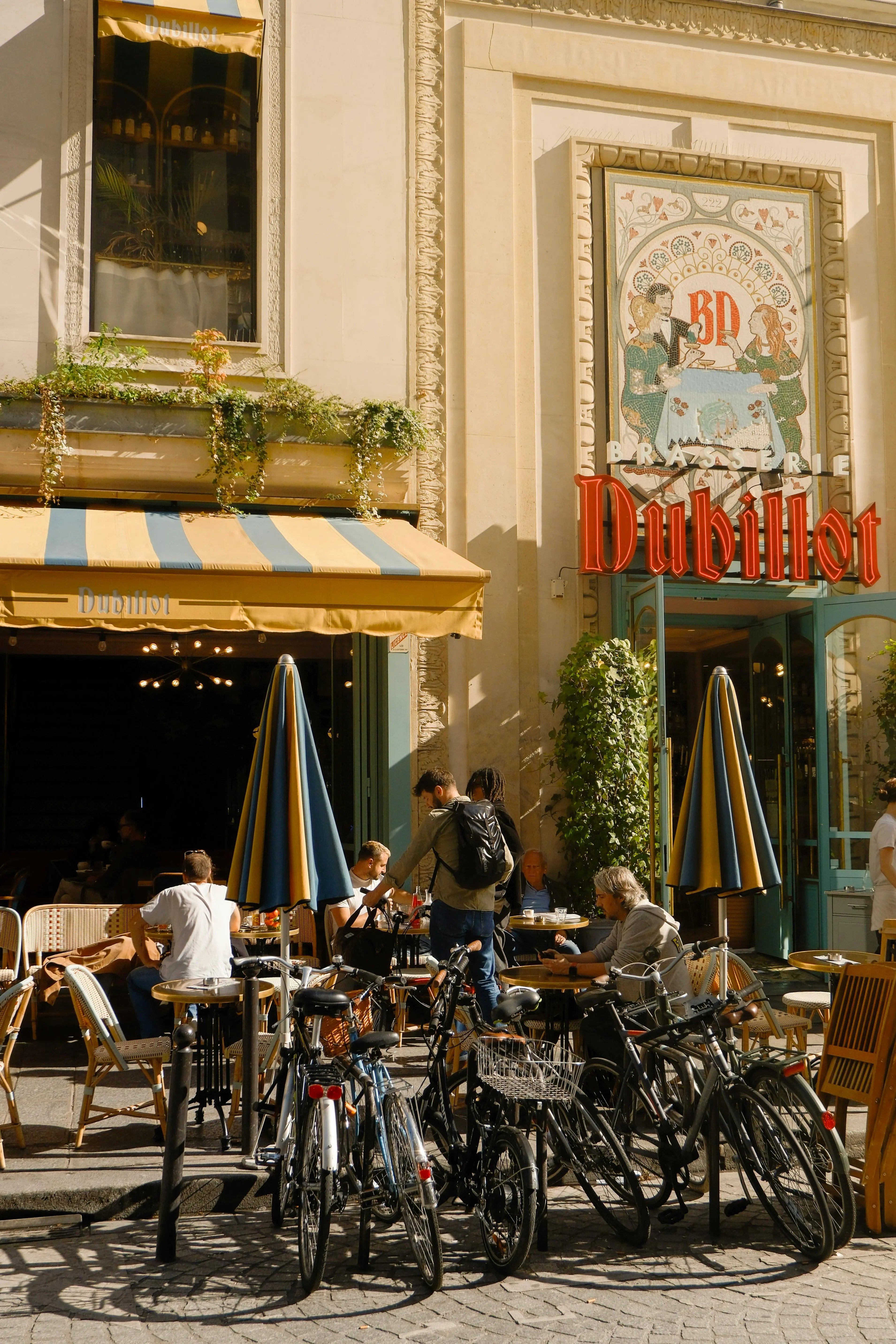
Why the Marais District Remains a Shopping Destination
The Marais District is not defined by department stores or global chains. It’s defined by precision and personality. Former Hôtels Particuliers now house Fashion Boutiques. Courtyards conceal design ateliers. Narrow Streets like Rue Vieille du Temple and Rue du Temple blend Vintage Shops with Contemporary Art Galleries.
For Fashion Lovers, a short curated route could look like this:
Start at Merci for Concept Store inspiration.
Hunt for Vintage pieces at Thanx God I’m a VIP.
Finish with a glass at La Belle Hortense, a hybrid Wine Bar and bookstore tucked near Rue Vieille du Temple.
The retail rhythm of the Marais Area reflects the neighborhood itself — historic on the outside, forward-looking inside. Shopping here feels exploratory rather than commercial, and that’s precisely why the Marais District continues to lead style culture in Paris.
The LGBTQ+ Scene & Nightlife in the Le Marais Neighborhood
The Le Marais Neighborhood has been the center of LGBTQ+ life in Paris since the 1980s. Around Croix de la Bretonnerie and stretching toward Rue des Archives, rainbow flags hang year-round, and inclusivity is woven into the daily rhythm of the area. This part of the Le Marais Area is known not only for history and design, but for community, visibility, and celebration.
Croix de la Bretonnerie & Many Gay Bars
The stretch near Croix de la Bretonnerie is home to many gay bars, late-night terraces, and longstanding community spaces. This concentration makes it one of the most recognized LGBTQ+ zones in Paris.
Well-known spots include:
COX – Casual, lively, and welcoming; drinks around €7–9.
Raidd Bar – Known for its playful shower shows and upbeat atmosphere.
Tango (La Boîte à Frissons) – A historic dance venue attracting mixed crowds across generations.
There are many gay bars clustered within just a few blocks, making bar-hopping easy without taxis or long walks. The annual Pride March often passes nearby, and Nuit Blanche events frequently animate this section of Paris late into the night.
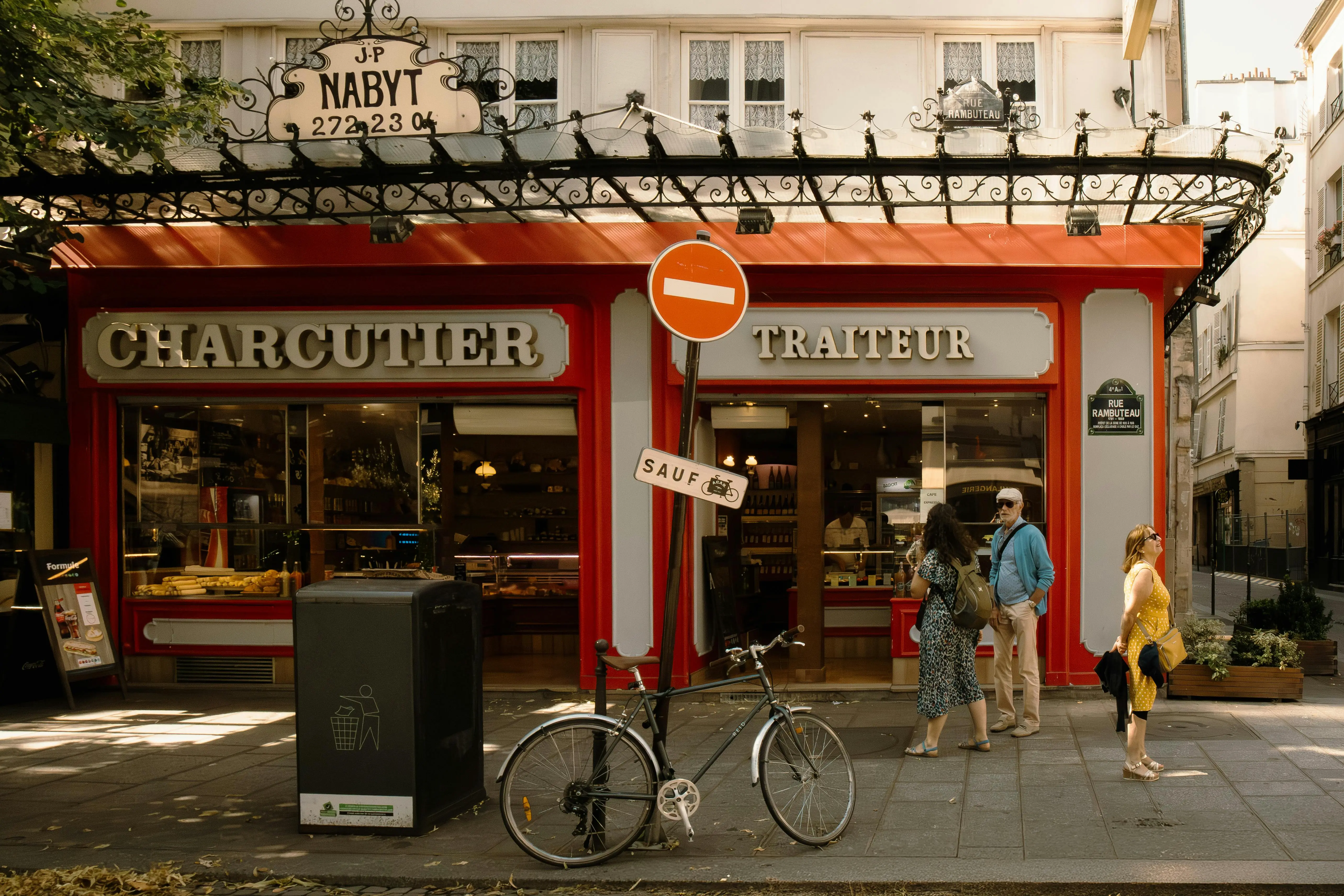
Daytime Culture & Community Spaces
By day, the same streets feel relaxed and residential. Independent bookstores, cafés, and small creative studios line the sidewalks. This balance between nightlife and daytime normalcy is part of why Le Marais Paris feels livable rather than performative.
Grab a table at:
Used Book Café for a quiet coffee shop session (espresso ~€3).
The Coffee for specialty coffee and brunch plates (~€14–18).
From here, it’s a short walk toward Hôtel de Ville, where public events and seasonal installations often draw locals and visitors alike.
The LGBTQ+ presence isn’t an isolated pocket — it’s integrated into the fabric of the neighborhood. In present day Paris, this blend of openness and history gives Le Marais its distinctive personality.
A Self-Guided Walking Tour Through the Le Marais Area
One of the best ways to understand Le Marais is on foot. The streets are compact, layered, and full of architectural surprises. This Walking Tour through the Le Marais Area connects history, culture, food, and everyday Paris life — without repeating the museum-heavy core you’ve already explored.
Set aside 2–3 hours and wear comfortable shoes.
Stop 1: Hôtel de Ville to Rue des Archives
Begin at Hôtel de Ville, the monumental City Hall of Paris. This square regularly hosts public exhibitions, seasonal installations, and cultural events.
From there:
Walk north along Rue des Archives, a quieter stretch that gives you a feel for residential life in the Le Marais Area.
Notice the restored façades and preserved Historic Buildings that reflect post-1960s conservation efforts.
This section of the Walking Tour introduces the rhythm of daily Paris beyond museum entrances.
Stop 2: Sainte Croix de la Bretonnerie & Croix de la Bretonnerie
Continue toward Sainte Croix de la Bretonnerie, one of the liveliest arteries in this part of Paris. The church of Sainte Croix de la Bretonnerie adds architectural contrast to the surrounding boutiques and cafés.
Just nearby, Croix de la Bretonnerie marks the heart of the LGBTQ+ scene, where rainbow crossings and inclusive storefronts reflect the Present Day identity of Le Marais.
Pause for:
A terrace coffee at Le Loir dans la Théière (~€6–10 for coffee and cake).
A browse through independent design stores and Trendy Shops along the same corridor.
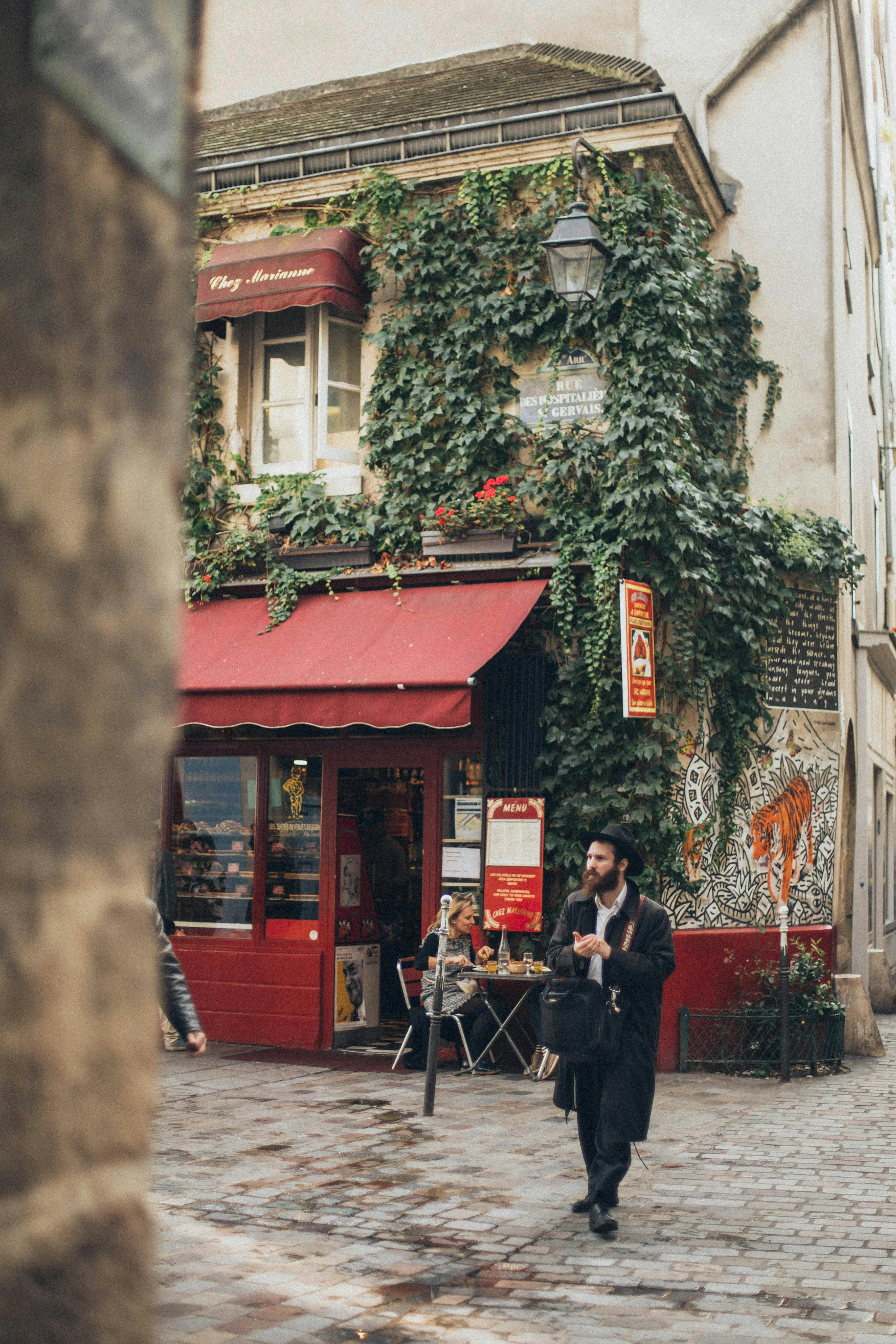
Stop 3: Rue Montmorency & Medieval Traces
Turn toward Rue Montmorency, home to the house of Nicolas Flamel, often cited as one of the oldest surviving houses in Paris. The modest stone façade dates back to the early 15th century.
This stretch feels distinctly medieval, reminding visitors that before aristocratic residences and fashion boutiques, this was a dense urban quarter shaped by craft and trade.
Stop 4: Toward Place de la Bastille
Finish your Walking Tour heading east toward Place de la Bastille. While technically just beyond the core of Le Marais, it represents a pivotal chapter in French history.
At Place de la Bastille:
The July Column commemorates the Revolution of 1830.
The square connects directly to the events of the French Revolution.
From here, you can look back toward the Le Marais Area and appreciate how proximity to de la Bastille shaped the political and social transitions of the neighborhood.
This Walking Tour reveals something important: Le Marais is not a single attraction but a sequence of moments. From Hôtel de Ville to Sainte Croix de la Bretonnerie, from Rue Montmorency to Place de la Bastille, each turn shows a different layer of Paris — medieval, revolutionary, modern, and fully lived-in.
And if you’re still evaluating whether Paris suits your lifestyle, explore Charonne for a more quainter Parisian village vibe in our neighborhood guide for a deeper dive into Paris' many personalities and advantages.
Where to Stay in the Le Marais Area: Favorite Boutique Hotels & Work-Ready Apartments
Choosing where to stay in Le Marais shapes how you experience Paris. The streets are compact, the cafés are close, and cultural landmarks are within walking distance — but the right base determines whether your days feel effortless or logistical.
The Le Marais Area offers restored aristocratic residences, design-forward boutique properties, and furnished apartments suited for longer, work-friendly stays.
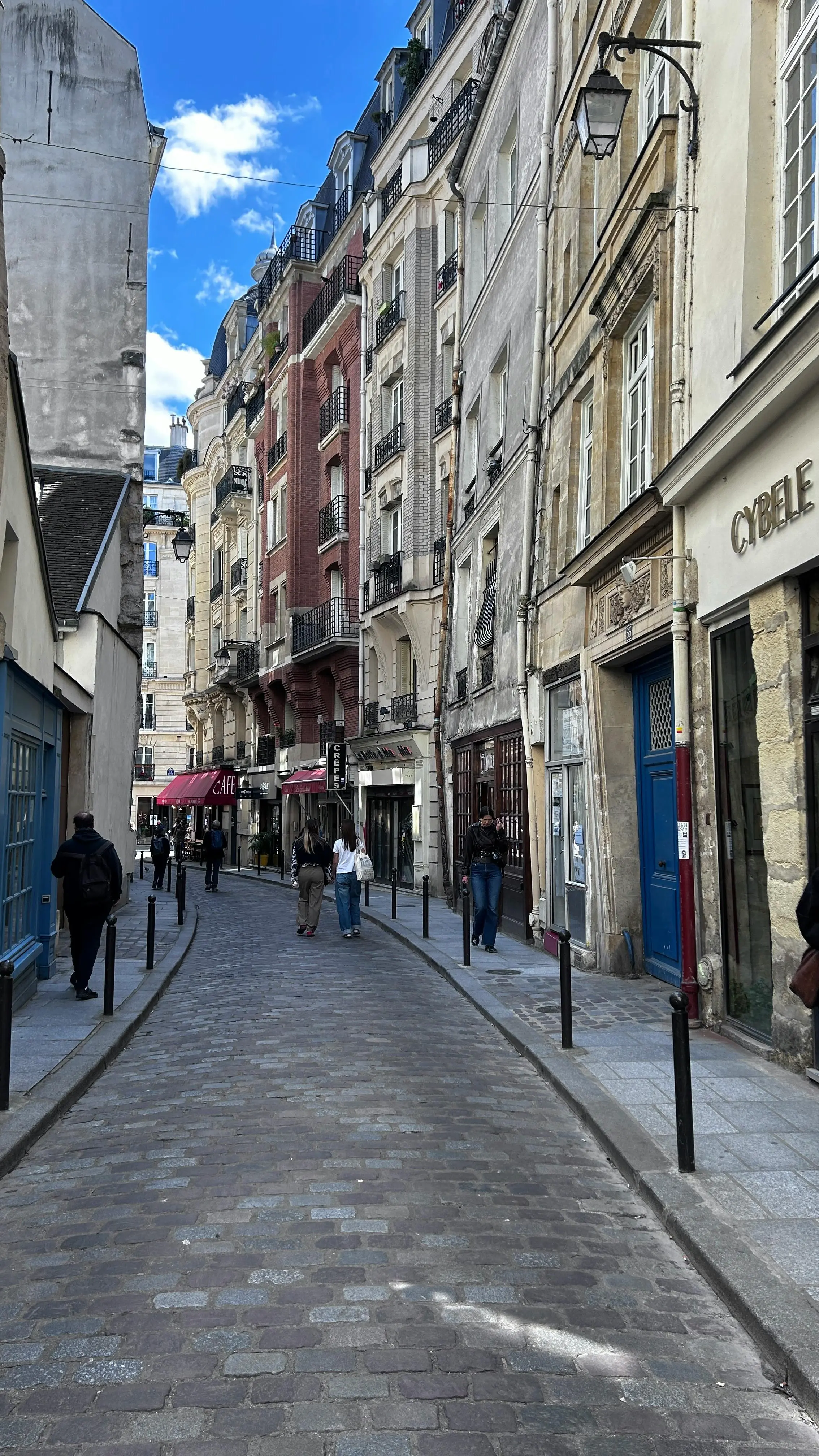
Favorite Boutique Hotels in the Le Marais Neighborhood
For travelers who prefer classic hotel service with character, the Le Marais Neighborhood delivers some of the most distinctive properties in Paris.
Recommended options:
Hôtel du Petit Moulin – Designed by Christian Lacroix inside a former bakery. Rooms from ~€280–350 per night.
Hôtel Caron de Beaumarchais – Inspired by 18th-century literary salons; intimate and refined. Rooms from ~€220–300.
Hôtel Jules & Jim in Haut Marais – Minimalist interiors and a peaceful courtyard; ideal for lighter stays.
These Favorite Boutique Hotels place you within walking distance of Hôtel de Ville, Sainte Croix de la Bretonnerie, and the cultural core of Le Marais.
Furnished Apartments for Longer Stays in Le Marais Paris
For longer visits — especially if you’re balancing exploration with remote work — furnished apartments in Le Marais Paris often provide more flexibility.
Look for:
High-speed internet
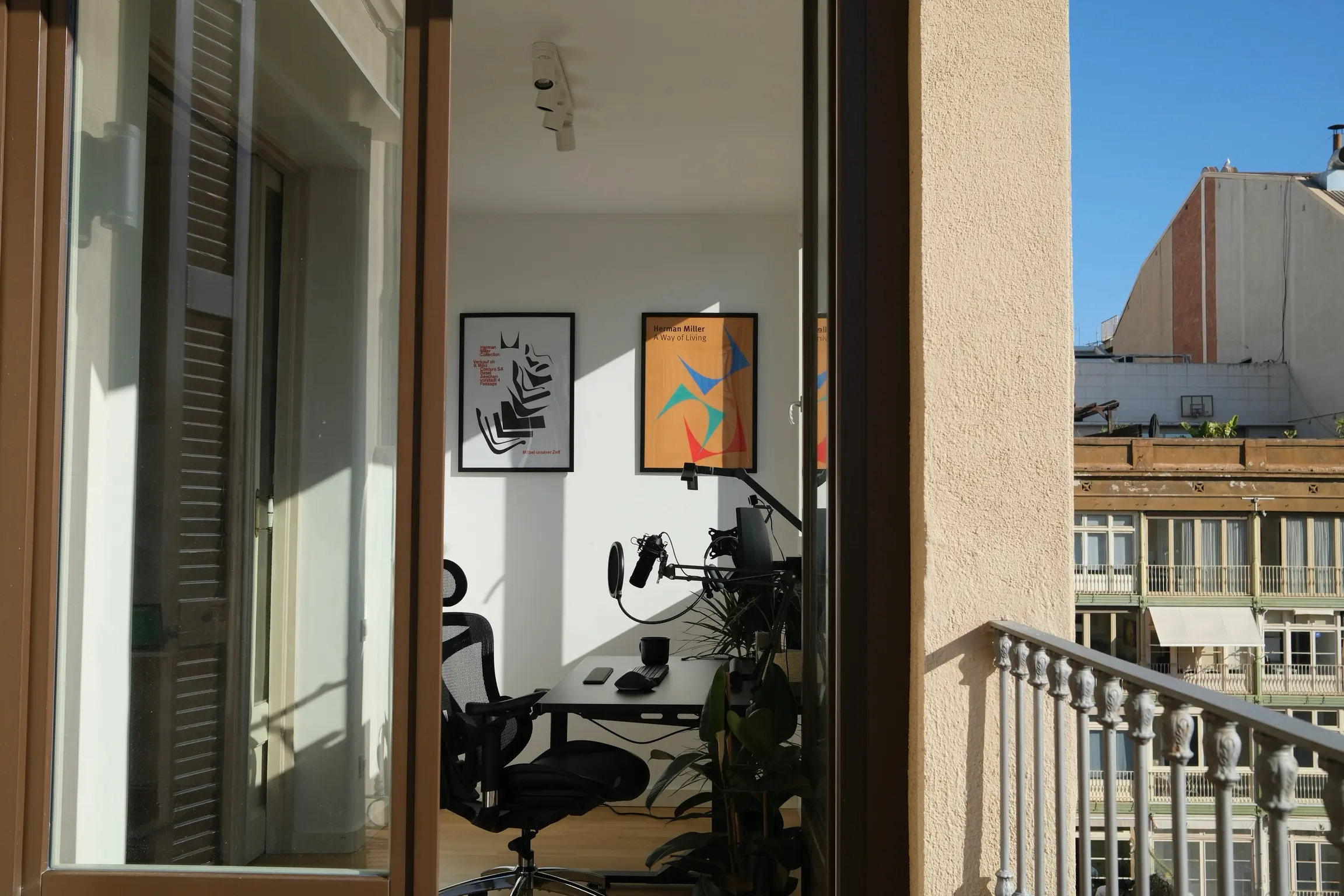
Dedicated desk space (not just a dining table)
Natural light for video calls
Proximity to Metro hubs near Place de la Bastille
Many apartments are located inside converted Private Mansions or preserved Historic Buildings, blending original beams and stone walls with modern infrastructure.
For professionals who want a workspace that matches the ambition of the neighborhood, RentRemote offers fully furnished apartments in Paris with dedicated workstations, ergonomic seating, and reliable connectivity — designed specifically for Remote Workers who don’t want to sacrifice productivity while exploring Paris.
The advantage of staying in Le Marais isn’t just location — it’s rhythm. Morning coffee shop sessions, midday museum visits, evening dinners near Croix de la Bretonnerie, all within a short walk. For travelers who want culture, connectivity, and convenience in one place, this neighborhood remains one of the most strategic bases in Paris.
Why Paris Le Marais Remains One of the Most Compelling Areas in Paris
Few neighborhoods manage to balance heritage and momentum the way Paris Le Marais does. In a compact stretch of the city, you encounter layered history, independent retail, vibrant nightlife, and cultural institutions that anchor the identity of modern Paris. The architecture may date back centuries, but the rhythm feels current.
This is a part of the city where mornings begin in a neighborhood Coffee Shop, afternoons unfold inside a museum, and evenings stretch across lively terraces. The density of experience — without the scale of larger districts — makes this corner of Paris especially walkable and easy to settle into.
Whether you’re visiting for a weekend or staying longer, the appeal lies in its versatility. You can explore design stores, discover pastry shops, visit landmark institutions, and still feel part of daily life rather than just passing through.
If your travels extend beyond the capital, you can also browse fully furnished apartments in France to maintain consistency in comfort and setup.