Lukas
Tech & Digital Nomad Cultural Editor ·
Bastille Paris is one of those rare corners of the city where history and everyday life collide in the best way possible. Once the site of a fortress-prison tied to the French Revolution, today the Bastille neighborhood is a lively, easily accessible district filled with markets, cafés, and late-night energy. You’re in central Paris, but without the polished, tourist-heavy feel of places like the Marais—this is where locals actually live, eat, and unwind.
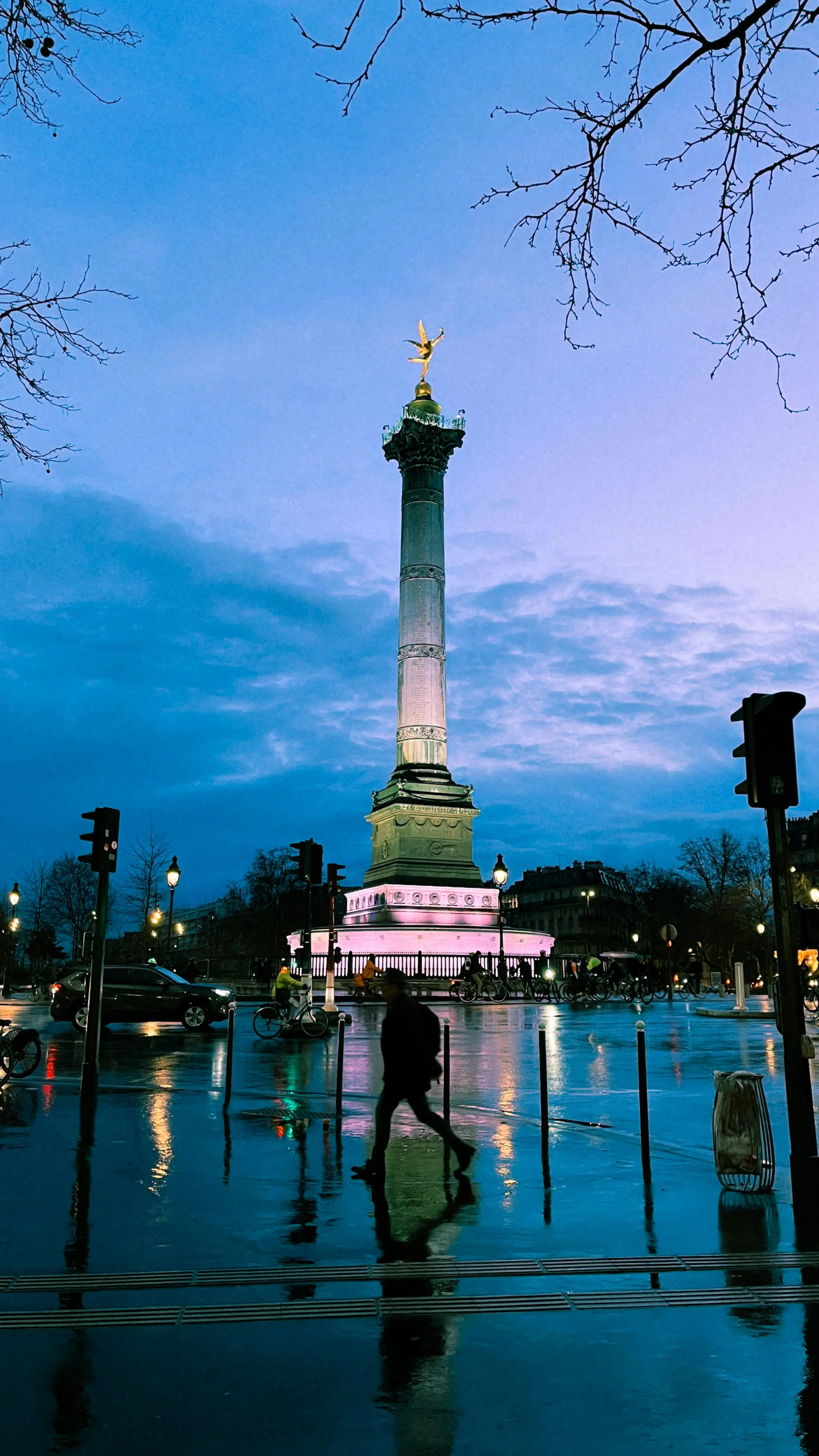
Spend a morning wandering the stalls at Marché d’Aligre, grab a coffee near Rue de la Roquette, then take a slow stroll along the elevated path of the Coulée Verte René-Dumont. By night, the streets around Place de la Bastille fill with bars and restaurants serving everything from classic French dishes to modern bistro menus.
Here’s what makes the Bastille area worth your visit:
Fresh food markets like Marché Bastille and Marché d’Aligre (meals from €6–€12)
Walkable streets lined with shops, hidden courtyards, and local bakeries
Cultural landmarks like Opéra Bastille and the Colonne de Juillet monument
A strong mix of history, nightlife, and everyday Parisian life
If you’re visiting Paris and want a neighborhood that balances culture, convenience, and real local character, Bastille is a great place to start.
Bastille Paris: Where History and Modern Paris Meet
Bastille Paris isn’t just another historic site—it’s a neighborhood where the past still shapes the rhythm of the present. What was once a fortress and state prison tied to the French Revolution is now a bustling center of cafés, monuments, and everyday city life. Walk through the Bastille area today and you’ll find layers of history embedded into the streets, from the former location of the Bastille fortress to the monument that now defines the square.
The Storming of the Bastille and the Rise of the French Revolution
The storming of the Bastille on July 14, 1789, marked a turning point in the revolutionary movement. What started as unrest quickly escalated into a defining moment in French history, as crowds targeted the fortress-prison that had come to represent royal authority.
The Bastille was originally built as a fortress, with work began in the 1300s to reinforce the city walls
Over time, it became a state penitentiary and symbol of control within French society
The storming itself was driven more by symbolism than strategy—the prison held only seven prisoners
Its fall sent a message across the country that power was shifting away from the monarchy
This single event helped ignite a broader revolution, influencing how people across the country viewed authority and governance.
Bastille Day and Why It Still Matters Today
Bastille Day, celebrated every July 14, commemorates this historic moment. It’s one of the most important national events in the country, marking both the storming of the Bastille and the ideals that followed.
Military parades and celebrations take place across Paris
Fireworks light up the skyline, often visible from central areas near the Seine
Public gatherings reflect the continued importance of liberty and collective identity
Even today, the Bastille area remains closely tied to political expression, with events and demonstrations often taking place nearby.
Place de la Bastille and the Colonne de Juillet Today
At the heart of the neighborhood sits Place de la Bastille, a central square that marks the former location of the prison. This isn’t a quiet historical plaque—it’s one of the most active public spaces in the city, constantly shifting between cultural events, protests, and daily Parisian movement.
The most prominent feature here is the Colonne de Juillet (July Column), a towering monument that commemorates the July Revolution of 1830. It stands as a reminder that Bastille’s role in shaping the country didn’t end in 1789—it continued to influence political life long after.
From Fortress to Symbol: What Remains Today
Although the original structure no longer stands, the site where the Bastille fortress once stood continues to carry meaning. The area has evolved, but the symbolism remains embedded in the landscape.
The former location of the Bastille is now part of a busy square and surrounding streets
Historical references to the prison and its role in the revolution are still present in the district
The legacy of the Bastille continues to represent resistance, change, and the reshaping of power
Nearby, you can also explore cultural landmarks that reflect how the city has evolved beyond its past:
The Opéra Bastille, a modern building that contrasts sharply with older structures in the city
The broader district, where historical layers blend with contemporary life
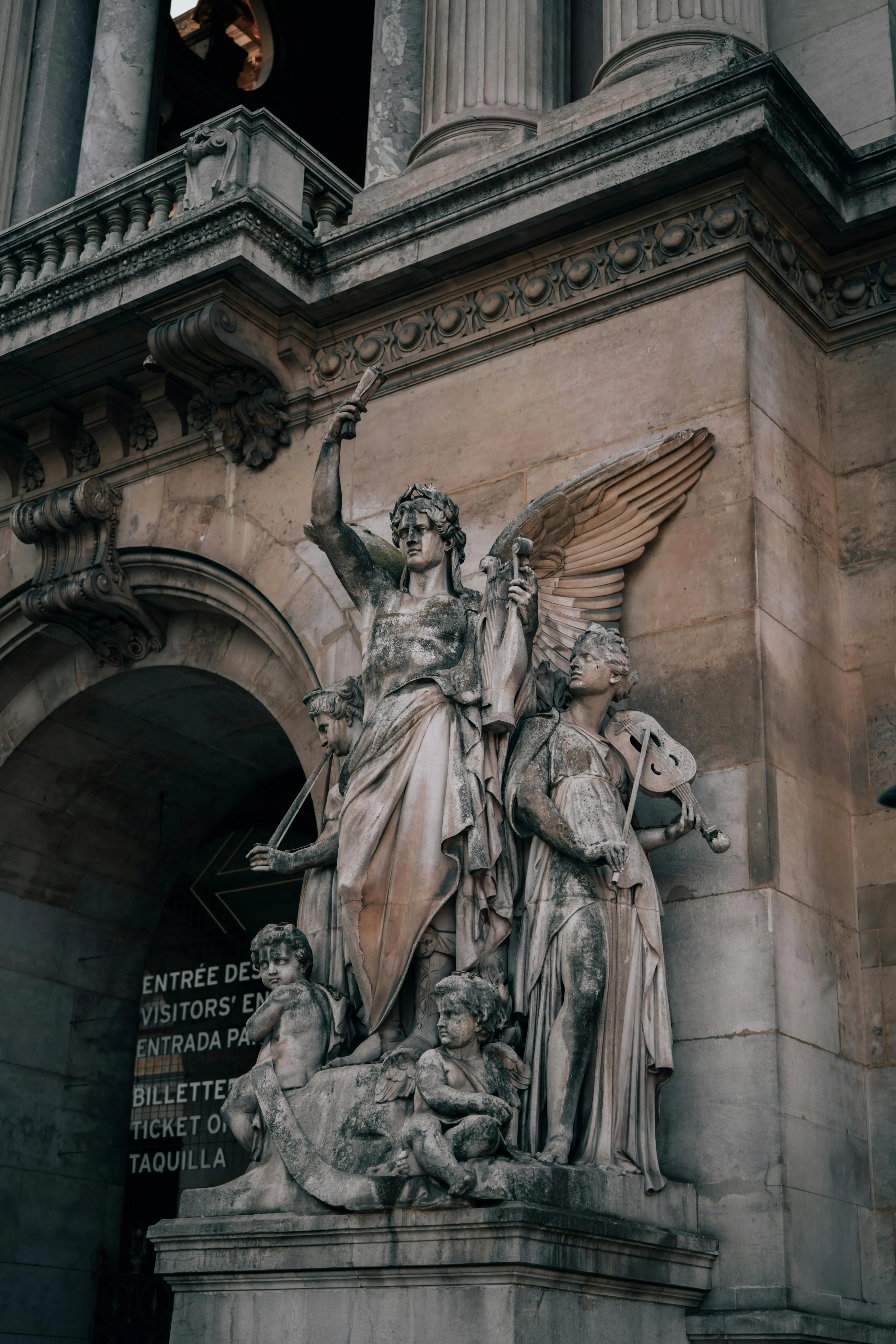
Easy routes toward landmarks like Palais Garnier, offering a glimpse into another side of Parisian history
Bastille’s transformation—from fortress to symbol—makes it one of the most meaningful places to explore in Paris. It’s not just about what once stood here, but what it came to represent: a shift in power, a change in direction, and a story that still shapes the city today.
What to Do in the Bastille Area: Markets, Streets, and Culture
Once you move beyond the monument and square, the Bastille area opens up into one of the most dynamic parts of the city. This is where daily life takes over—markets spill into the streets, cafés double as workspaces, and long boulevards lead you into pockets of calm you wouldn’t expect in central Paris. It’s a neighborhood best explored slowly, with time to wander, taste, and discover what’s around the next corner.
Marché d’Aligre and Marché Bastille: Food, Antiques, and Everyday Life
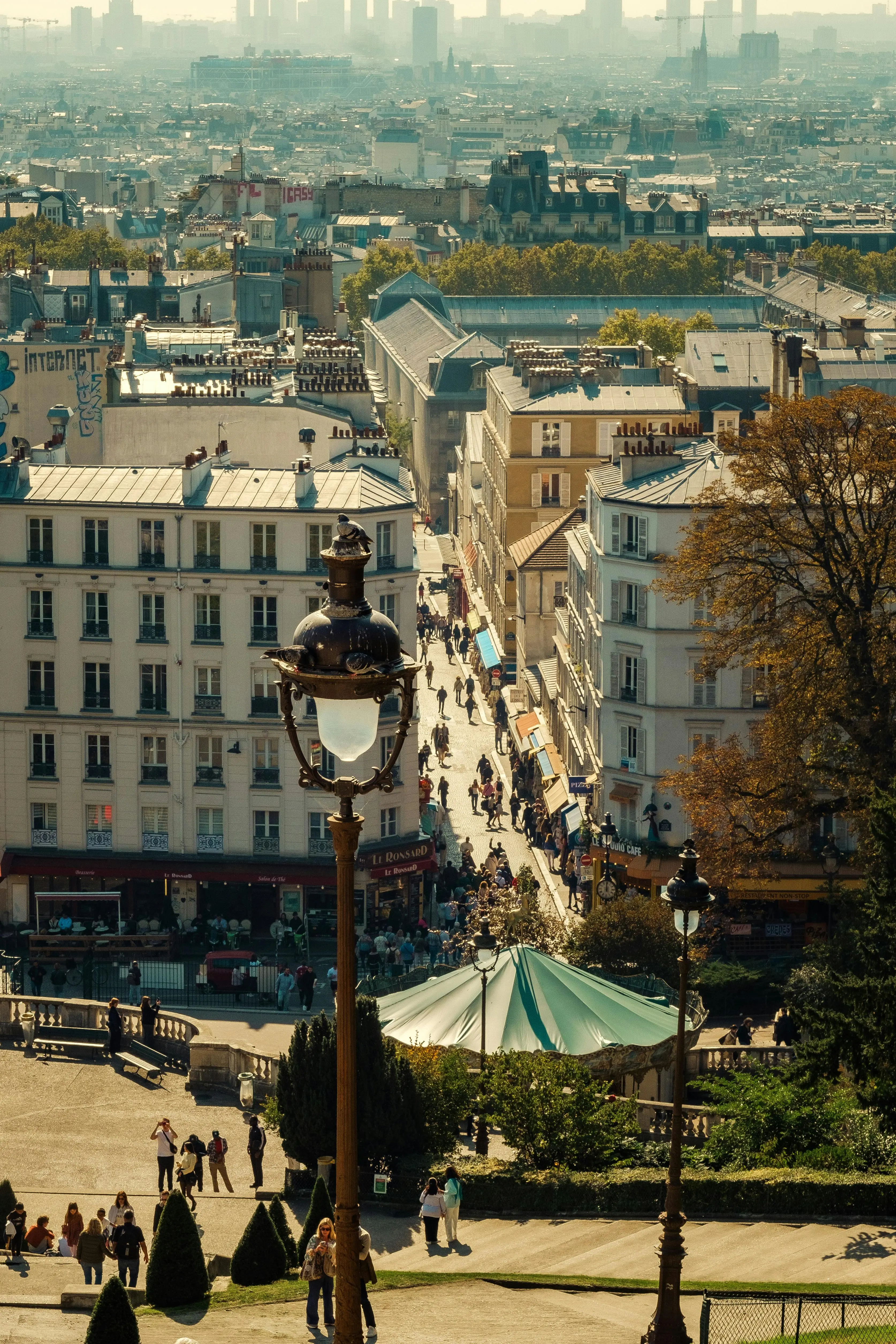
Markets are at the core of Bastille’s identity, and this is where the neighborhood feels most alive. You’ll find locals doing their weekly shopping alongside visitors sampling fresh food and browsing vintage finds.
Marché d’Aligre – open daily except Monday, with a mix of outdoor produce stalls and the covered Beauvau Market; expect cheeses (€4–€10), rotisserie chicken, and affordable wine
Le Baron Rouge (next to Marché d’Aligre) – casual wine bar where locals stand outside with oysters and a glass of red (€6–€12)
Marché Bastille – runs along Boulevard Richard-Lenoir on Thursdays and Sundays; one of the largest open-air markets in Paris with street food, flowers, and regional specialties
Arrive early for the best selection, especially on weekends when the streets fill quickly.
Coulée Verte René-Dumont: The Elevated Path Through the City
Just a short walk from the square, the Coulée Verte René-Dumont offers a completely different side of Bastille. This elevated path runs above the streets, cutting through greenery, quiet corners, and residential buildings.
Entry points near Avenue Daumesnil make it easily accessible from the Bastille neighborhood
Ideal for a morning stroll or a break between work sessions
Benches and shaded areas make it a good spot to pause with coffee or a book
It’s a calm contrast to the busy streets below and one of the most underrated walks in the city.
Rue Crémieux and Faubourg Saint Antoine: Streets Worth Exploring
Bastille’s character really comes through in its streets, especially once you move slightly away from the main square.
Rue Crémieux – a short, colorful street known for pastel houses and a quieter atmosphere; best visited early in the day
Faubourg Saint Antoine – historically linked to furniture makers and artisans; now home to design shops, concept stores, and hidden courtyards
Cour Damoye – a tucked-away passage near Place de la Bastille with galleries and small creative studios
This part of the district rewards curiosity—many of the best spots are just off the main streets.
Père Lachaise Cemetery and Local Cultural Stops
Within walking distance of Bastille, you’ll find cultural sites that add another layer to the neighborhood experience.
Père Lachaise Cemetery – one of the most famous cemeteries in the world, home to graves like Jim Morrison and Oscar Wilde; free entry
Atelier des Lumières – immersive digital art exhibitions set inside a former foundry; tickets around €15–€18
Canal Saint-Martin (a short walk north) – good for evening walks, casual drinks, and people-watching
These spots give you a break from the density of the Bastille streets while still staying close to the neighborhood.
Bastille isn’t about checking off landmarks—it’s about moving through different layers of the city. Markets, quiet paths, side streets, and cultural spaces all sit within walking distance, making it one of the most engaging areas to explore at your own pace.
Living in Paris Bastille: What It’s Like Day-to-Day
Spend more than a day in Paris Bastille, and the rhythm of the neighborhood starts to make sense. Mornings begin quietly with bakeries opening onto narrow streets, afternoons stretch into long café sessions, and by night, the Bastille area shifts into one of the city’s most social districts. It’s a neighborhood that balances everyday life with energy—central, but still grounded in local routines rather than tourist flow.
The Bastille Neighborhood Vibe
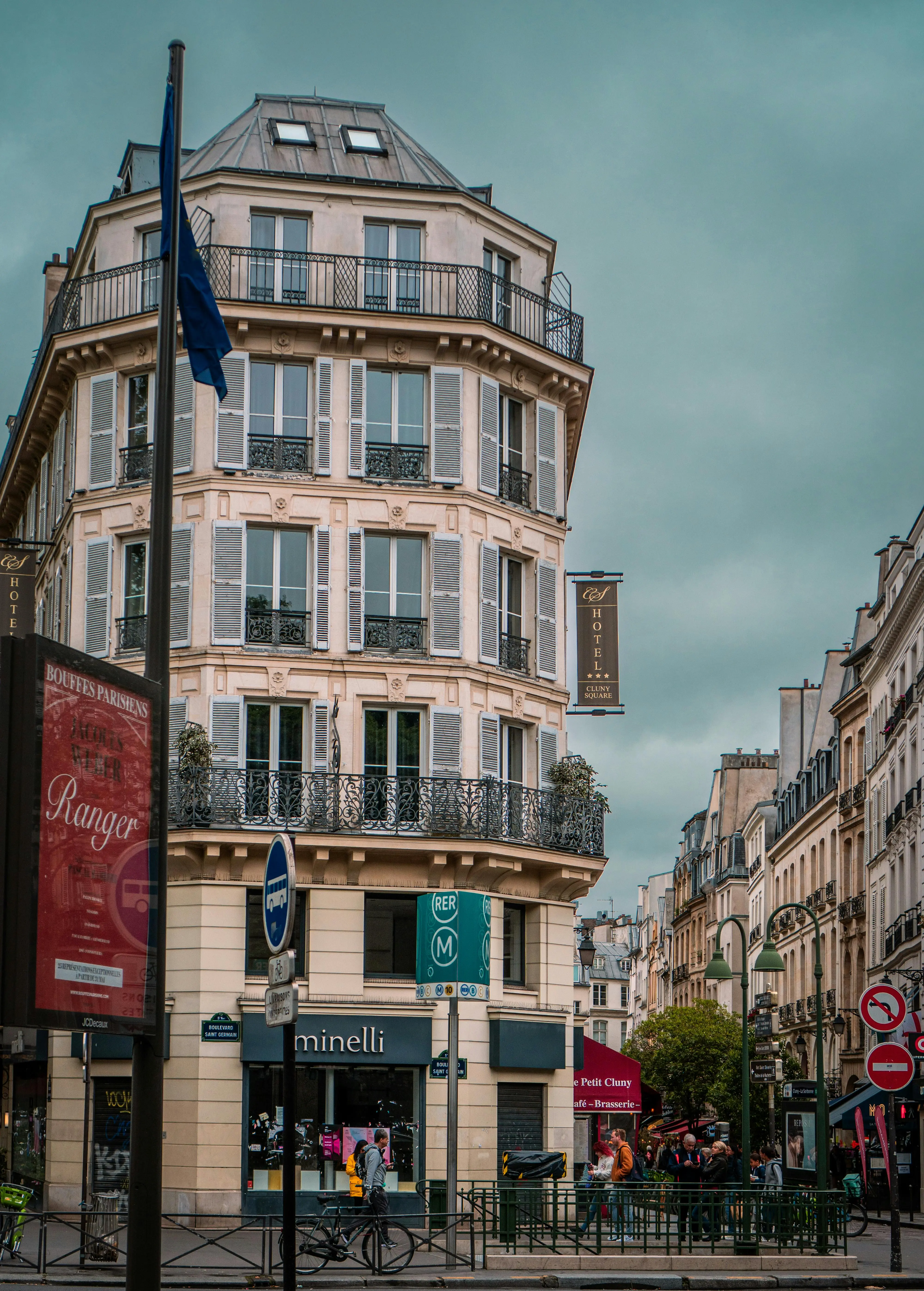
The Bastille neighborhood sits in the 11th arrondissement, known for its mix of old Parisian buildings and a more modern, lived-in atmosphere. Unlike polished districts nearby, this part of the city feels more relaxed and less curated.
Rue de Charonne – lined with independent boutiques, wine bars, and casual dining spots
Square Trousseau – a quieter green space where locals take a break from the pace of the streets
Rue Keller – known for smaller shops and creative storefronts, especially in the afternoon
The result is a district that feels social without being overwhelming, making it a great place to settle into daily life.
Cost of Living, Hotels, and Apartments
Bastille offers a more balanced price point compared to other central Paris neighborhoods like the Marais. You’re still in the center of the city, but with slightly more accessible options across hotels and longer stays.
Boutique hotels in the Bastille area: typically €120–€220 per night
Serviced apartments or longer stays: around €1,200–€2,000 per month depending on size and location
Hotel Fabric – a converted textile factory with rooms starting around €180/night
Hôtel Exquis – design-focused stay with rooms around €140–€200/night
For longer stays, the Bastille neighborhood is a great place to find apartments that feel more residential and less transient.
Cafés, Restaurants, and Classic French Dishes
Food is one of the strongest reasons to base yourself in Bastille. The neighborhood leans toward local dining rather than tourist menus, with a mix of traditional and modern options.
Café de l’Industrie – casual spot with a courtyard, serving classic French dishes like steak frites (€18–€25)
East Mamma – Italian favorite with long lines but strong value for pasta and pizza (€12–€18)
Clown Bar – known for seasonal menus and a more creative take on French food
Ble Sucré – a must-stop bakery for pastries and coffee (€3–€6)
You’ll find everything from quick bites to sit-down meals, all within walking distance, making it easy to build a routine around food.
The Bastille area is also well connected, making it easy to move across the city when needed, but still return to a neighborhood that feels consistent and easy to navigate.
Living here means stepping into a version of Paris that’s less about short-term visits and more about routine. It’s a place where mornings, meals, and workdays all fit together naturally—making Bastille one of the most practical and engaging areas to stay for longer periods.
Unique Experiences in the Bastille Area: Food, Culture, and Weekend Plans
Once you’ve settled into the rhythm of the neighborhood, Bastille becomes more than a place to stay—it turns into a great place to explore slower, more immersive experiences. This part of the district leans into culture, creativity, and hands-on activities that go beyond sightseeing. It’s where you can spend a full day moving between food, small venues, and local events without needing to leave the Bastille area.
Cooking Classes, Card Games, and Social Evenings
Bastille is one of the easiest neighborhoods in Paris to find experiences that feel interactive rather than passive. Cooking classes and social dining spots are especially popular for weekends or evenings.
Cook’n With Class Paris – small-group cooking class sessions focused on pastries and sauces (€90–€140)
La Cuisine Paris – hands-on classes near the river where you learn classic techniques and taste what you make
Les Niçois – a lively space where locals gather for drinks, small plates, and casual card games in the evening
Le Café des Anges – a relaxed bar where groups settle in for long dinners that stretch into the night
These experiences give you a way to connect with the food culture of the district beyond just eating out.
Live Music, Concerts, and Cultural Events
The Bastille area has a strong cultural calendar, especially if you’re in the city over a weekend. You’ll find everything from small performances to larger events spread across the district.
Badaboum – a well-known venue for concerts and DJ sets, with tickets usually €10–€25
Supersonic (nearby) – free-entry concerts most nights, focused on indie and alternative music
Opéra Bastille – continues to host large-scale performances and occasional concerts in a more formal setting
Seasonal events around the square – including open-air performances and cultural gatherings throughout the year
These venues add another layer to Bastille’s identity—it’s not just about history or food, but also about creative expression.
Small Discoveries: Shops, Streets, and Local Finds
Part of what makes Bastille a perfect place to spend time is how much you can discover without a plan. The district is full of smaller details that reveal themselves as you move through it.
Independent bookshops and design stores along quieter side streets
Vintage clothing shops tucked between cafés
Artisan spaces connected to the legacy of Faubourg Saint Antoine
Occasional pop-up markets and street events depending on the season
Take a slow stroll through the neighborhood, and you’ll notice how these smaller elements shape the experience just as much as the larger landmarks.
Bastille rewards time. Whether you’re taking a cooking class, catching a concert, or just moving between shops and cafés, the neighborhood offers enough variety to fill your days without feeling repetitive. It’s this mix of structure and spontaneity that makes it such a strong base for exploring Paris.
Bastille Area vs Marais vs Faubourg Saint Antoine: Which Neighborhood Fits You?
Choosing where to stay in Paris isn’t just about location—it’s about how you want your days to feel. The Bastille area offers a strong balance between energy and livability, but nearby neighborhoods like the Marais and Faubourg Saint Antoine each bring a different rhythm. This comparison helps you decide based on cost, atmosphere, and daily convenience.
Quick Comparison of Bastille, Marais, and Faubourg Saint Antoine
Neighborhood | Vibe | Average Stay Cost | Best For | Food & Café Scene | Walkability |
|---|---|---|---|---|---|
Bastille | Lively, local, balanced | €€ | Remote workers, long stays | Diverse, casual to upscale | 10/10 |
Marais | Trendy, historic, busy | €€€ | First-time visitors | Stylish cafés, boutique dining | 9/10 |
Faubourg Saint Antoine | Quiet, artisan, residential | €€ | Slower stays, creatives | Hidden spots, local bakeries | 9/10 |
Bastille Area: Central, Social, and Easy to Live In
The Bastille area stands out for how easily everything fits together. You’re in central Paris, but not overwhelmed by tourism. Streets stay active throughout the day, with a strong mix of cafés, restaurants, and bars.
Septime – refined dining without the stiffness, tasting menus around €60–€90
Le Chat Bossu – casual bistro with a local crowd and reliable lunch menus (€15–€20)
Square Maurice Gardette – a small park where locals relax between errands
This is a great place if you want easy access to everything without sacrificing daily comfort.
Le Marais: Historic Streets and Higher Prices
The Marais is one of the most recognizable districts in Paris, known for its preserved architecture and dense concentration of shops and cultural landmarks. It’s visually striking, but comes with higher costs and more foot traffic.
Carette (Place des Vosges) – classic Parisian café for pastries and tea (€8–€15)
Marché des Enfants Rouges – historic covered market with global food options (€10–€18)
Rue des Francs-Bourgeois – lined with shops and boutiques, often crowded
Best suited for shorter stays or first visits where being surrounded by landmarks is the priority.
Faubourg Saint Antoine: Artisan Streets and Quieter Living
Running east from Bastille, Faubourg Saint Antoine offers a more residential feel while staying close to the center. Historically known for furniture makers, it still carries a creative, workshop-driven identity.
Bleuet Coquelicot – bakery known for traditional breads and pastries (€3–€6)
Ground Control (nearby) – a large cultural space with food stalls and events (€10–€20)
Cour de l’Industrie – a hidden courtyard with artisan studios and galleries
This area works well if you want a slower pace without leaving the Bastille district entirely.
How to Choose Based on Your Stay
Choose Bastille if you want a mix of food, nightlife, and practical daily living
Choose Marais if your priority is historic surroundings and short-term exploration
Choose Faubourg Saint Antoine if you prefer quieter streets with local character
Explore Le Marais Paris in our neighborhood guide.
Each of these neighborhoods offers a different version of Paris, but Bastille remains one of the most balanced options—central, social, and easy to settle into for more than just a few days.
Getting Around Bastille Paris: Easy Access, Walkability, and Daily Movement
Getting around Bastille Paris is part of what makes it such a practical base. The neighborhood sits in a well-connected part of central Paris, where most daily needs are within walking distance and the rest of the city is just a short metro ride away. Whether you’re heading out for a morning coffee, crossing the river, or exploring another district, the Bastille area makes movement feel simple and efficient.
Metro, Bus, and Easy Access Across the City
Bastille is one of the most easily accessible neighborhoods in the city, with strong public transport connections that link you directly to key areas across Paris.
Bastille Metro Station – lines 1, 5, and 8 connect you to major parts of the city within minutes
Gare de Lyon (10-minute walk) – useful for regional trains across France and nearby countries in Europe
Bus routes along Boulevard Beaumarchais – a good alternative for slower, above-ground travel
From here, you can reach the Marais in under 10 minutes, the Seine in just a few blocks, and even larger landmarks without needing to rely heavily on transport.
Walking the Bastille Area and Beyond
The Bastille area is highly walkable, with wide boulevards and smaller side streets that make it easy to move between markets, cafés, and cultural spots. It’s one of the few places where you can structure your entire day without needing transport.
Walk straight toward the Seine for riverside views and quieter paths
Take a short stroll into the Marais for shops and galleries
Head toward Ledru-Rollin for a more residential feel with fewer crowds
The mix of busy and calm streets allows you to adjust your pace depending on the time of day.
Bike Routes, Canal Walks, and Slower Travel
If you prefer a slower way to move through the city, Bastille offers several options beyond walking.
Canal Saint-Martin route – ideal for a longer stroll or bike ride with water views and footbridges
Vélib’ bike stations – widely available throughout the district, with rentals starting around €3–€5
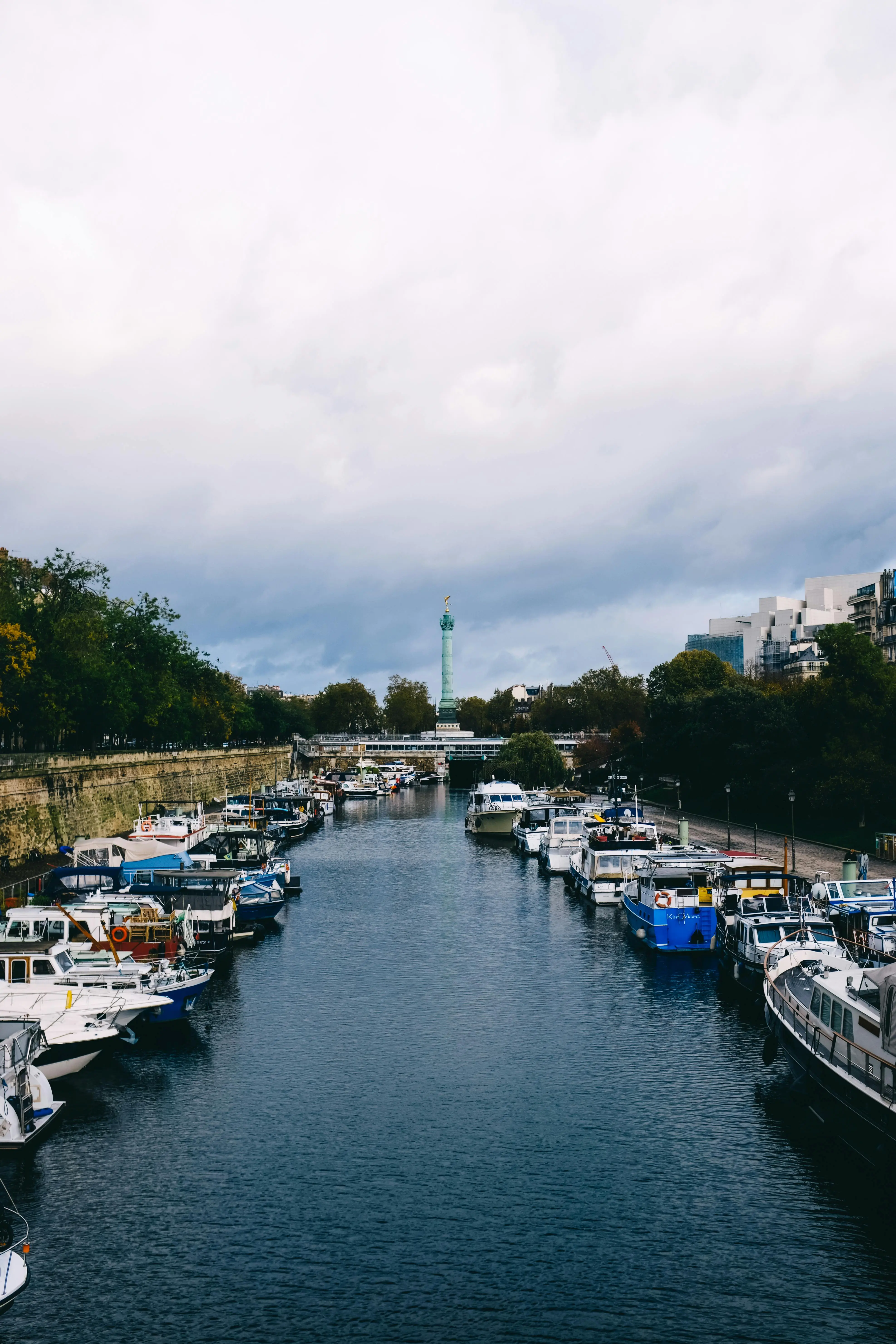
Port de l’Arsenal – a marina just south of Place de la Bastille where you’ll find pleasure boats and a quieter atmosphere
These routes give you a break from the busier streets and offer a different perspective on the city.
Practical Tips for Daily Movement
Avoid peak metro hours (8–10 AM, 5–7 PM) for a more comfortable ride
Choose side streets over main roads for quieter walks
Keep a flexible route—many of the best places in Bastille are found between planned stops
Bastille’s location and layout make it one of the easiest neighborhoods to navigate in Paris. Whether you’re walking, cycling, or using public transport, getting around feels intuitive—letting you focus more on experiencing the neighborhood and less on figuring out how to move through it.
Louis XIV, Louis XVI, Palais Garnier, and the Storming of the Bastille: Where to See This History in Paris Bastille
You don’t need to revisit the same history to understand it—you can move through the city and connect the dots across real locations. Bastille Paris makes more sense when you see how figures like Louis XIV and Louis XVI, the storming of the Bastille, and later cultural landmarks like Palais Garnier all fit into a broader story of power, change, and modern Paris. This section helps you explore that story without repeating it.
A Walking Route Linking Louis XIV, Louis XVI, and the Bastille Area
Instead of focusing on one site, take a short route through the Bastille area and nearby districts to understand how these figures shaped the city.
Start at Place de la Bastille – the former location of the Bastille fortress and a key site tied to Louis XVI and the revolutionary movement
Walk toward Rue Saint-Antoine – historically connected to royal routes and the movement between eastern Paris and the center
Continue toward the Marais – where aristocratic buildings reflect the world shaped under Louis XIV
This route shows how the Bastille wasn’t isolated—it was part of a wider system of control, movement, and eventually, resistance.
From the Storming of the Bastille to Bastille Day Celebrations Today
Rather than retelling the storming of the Bastille, it’s more useful to understand how it lives on in the city today.
Bastille Day (July 14) – the most visible continuation of the event, with celebrations across Paris and France
Public gatherings near the Bastille area – often tied to political expression and national identity
Fireworks visible from central spots along the Seine or nearby bridges
The storming became more than an event—it became a symbol that still shapes how the country celebrates and expresses itself.
Palais Garnier and Opéra Bastille: Two Eras of French Culture
To understand how Paris evolved after the revolution, it helps to compare cultural landmarks from different eras.
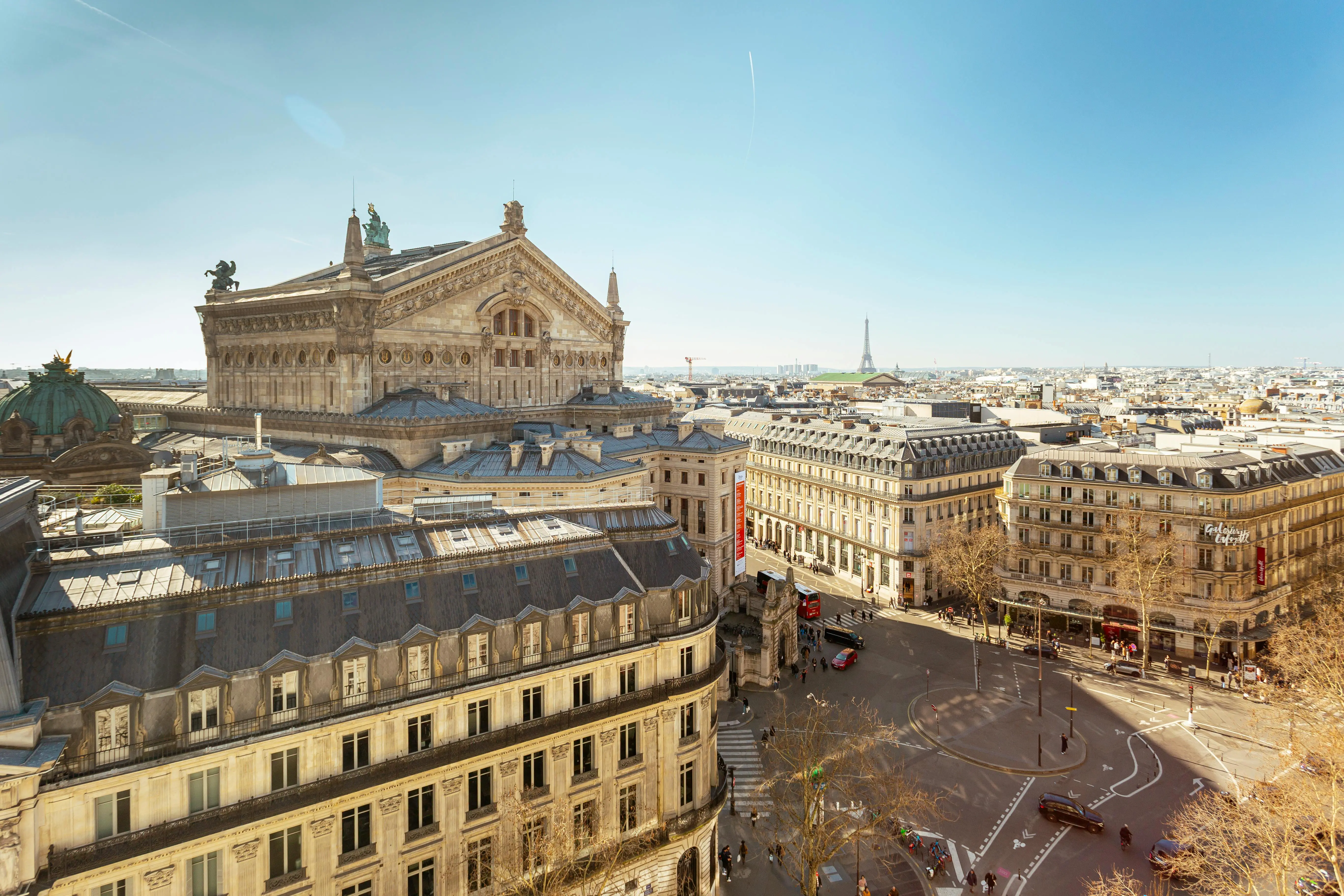
Palais Garnier – a 19th-century opera house known for its elaborate design and grand interiors (entry ~€15)
Opéra Bastille – a modern building located near Place de la Bastille, representing a shift toward accessibility and contemporary design
Together, they show how French culture moved from royal spectacle toward a more public-facing, modern identity.
Where to Experience This History
If you want to connect these ideas without repeating the same historical narrative, focus on places that reflect the evolution of the district.
Bibliothèque de l’Arsenal – a quiet spot near the Bastille area with archives and exhibits tied to literature and political thought
Square Henri-Galli – a small green space where remnants of the Bastille can still be seen
Théâtre de la Bastille – a modern venue that reflects ongoing cultural expression in the district
These locations let you understand the Bastille’s role in shaping French society without needing to revisit the same story again.
Bastille Paris works best when you see it as part of a larger system—one shaped by monarchy, revolution, and modern culture. By moving between these places, you’re not just learning history—you’re experiencing how it continues to influence the city today.
Where to Stay in Bastille Paris: Apartments, Hotels, and Work-Ready Spaces
If you’re planning to visit Bastille Paris for more than a couple of days, where you stay starts to shape your entire experience. The neighborhood is well located in the center of the city, making it a perfect place to balance exploration with everyday comfort. Unlike more tourist-heavy districts, Bastille offers a mix of hotels and apartments that feel connected to real life in the district rather than short-term turnover.
Hotels in the Bastille Area: What to Expect
Hotels in the Bastille area tend to be smaller, design-focused, and better value than nearby parts of the city. You’re not paying for proximity to one major monument—you’re paying for access to a neighborhood that actually works day to day.
Hôtel International Paris – simple, well located, rooms from €130–€180/night
Hôtel des Arts Bastille – budget-friendly option with compact room layouts (~€110–€150/night)
Oh La La! Hotel Bar Paris Bastille – modern interiors, overlooking Place de la Bastille (~€160–€220/night)
Most hotels here are located on quieter streets just off the main square, which makes a noticeable difference at night.
Apartments and Longer Stays in Bastille Paris
If you want more space and flexibility, apartments are the better option—especially in a neighborhood like Bastille where daily life matters.
Studios and one-bedroom apartments: €1,200–€2,000/month
Larger apartments (2–3 rooms): €2,000–€3,500/month depending on location
Look for places near Ledru-Rollin or east toward Faubourg Saint Antoine for quieter surroundings
Apartments give you the ability to settle into the district—shop at local markets, cook, and build a routine instead of constantly moving.
What to Look for in a Bastille Apartment
Not all spaces are designed equally, especially in older Paris buildings. Choosing the right setup makes a big difference.
A real workspace (not just a dining table)
Strong WiFi connection (some buildings still struggle here)
Good natural light for long days indoors
Bedrooms facing inner courtyards instead of main streets
These small details are what turn Bastille from a short visit into a place you can actually live and work comfortably.
The Smarter Option for Remote Work in Bastille
If you’re planning a longer stay, it’s worth avoiding trial-and-error setups. Many travelers underestimate how much their space affects productivity until they’re already in the middle of a workweek.
That’s where work-ready apartments come in—spaces that are already designed with proper desks, ergonomic seating, and reliable connectivity. Explore fully furnished apartments in Paris.
These setups remove the friction of daily work, letting you focus on enjoying the neighborhood instead of fixing your environment.
Why Bastille Is a Great Place to Base Yourself
Bastille stands out because it offers something many parts of the city don’t: balance. You’re in a central location with easy access to major areas, but the district still feels grounded and local.
Walkable streets with shops, cafés, and services nearby
Quick access to both historic and modern parts of the city
A neighborhood that supports both short visits and longer stays
If you’re looking for a great place to stay that doesn’t feel staged or overly polished, Bastille Paris delivers something more useful—a space where you can settle in, explore, and actually enjoy the rhythm of the city.
Why Bastille Paris Is One of the Best Places to Stay in Paris
Bastille Paris brings together everything that makes the city work—history, movement, food, and everyday life—without feeling overly curated. You’re standing on the former location of a fortress that shaped the French Revolution, yet surrounded by cafés, shops, and streets that feel lived in rather than staged. That balance is what defines the neighborhood.
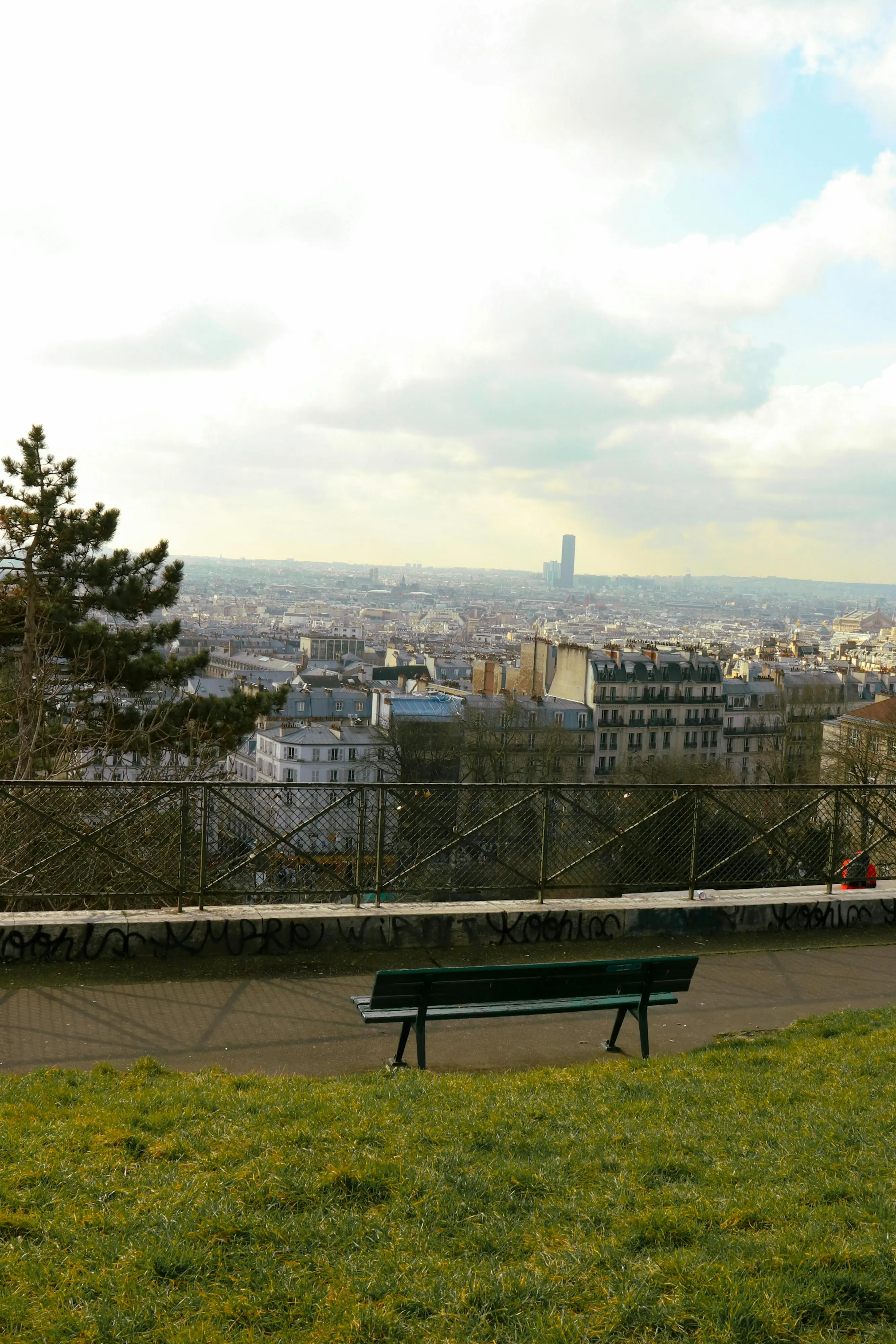
What makes Bastille stand out isn’t just its past—it’s how easy it is to build a routine here. You can start your day at a local market, spend hours exploring the district, and still have the rest of Paris within easy reach. The neighborhood is well located in the center, but avoids the constant churn you’ll find in more crowded areas like the Marais.
It’s also one of the few places where short stays and longer visits both make sense. Whether you’re here for a quick trip or settling in for a few weeks, Bastille adapts easily. The mix of hotels, apartments, and work-friendly spaces makes it a practical choice for different types of travelers.
Central location with strong transport connections
A neighborhood that blends monument-level history with modern life
Plenty of restaurants, bars, and local spots without inflated prices
A setting that works for both exploring and staying
If you’re visiting Paris and want a great place that feels authentic, connected, and easy to navigate, Bastille is a strong choice. And if you’re planning to stay longer in town, it’s worth looking into fully furnished apartments in France that let you experience the neighborhood beyond a short visit.