
Daniel
Productivity & Remote Living Analyst ·
Miami works for remote workers — until it doesn't. The city has the weather, the energy, and increasingly the infrastructure for longer stays, but location is the heaviest differentiator in what you'll actually pay and how you'll actually live. A monthly rental in Brickell is a different proposition from one in Little Havana, and the gap isn't just about price. This guide covers where to base yourself, what things cost at ground level, which neighbourhoods trade convenience for quiet, and what the fully furnished market actually looks like month to month.
What monthly rentals miami actually cost by neighbourhood — with specific ranges, not vague averages
Where to stay in Downtown Miami, Brickell, and beyond for remote work
Miami Beach: what you get for the premium and when it's worth paying
Little Havana and the Design District — the overlooked and the overhyped
Amenities that matter: heated pool, hot tub, free parking, in unit laundry
How to read a furnished listing before you commit to a month
What Monthly Rentals Miami Actually Cost — and Why the Range Is So Wide
The overall median rent in Miami sits at $3,100 per month, but that number tells you almost nothing useful. Short-term furnished rentals in central areas run from $2,800 to $4,250 per month — and luxury buildings in high-demand pockets push well past $4,000 for a standard one bedroom. Mid-tier urban areas, by contrast, stay in the $2,000 to $2,780 range for one-to-three-bedroom options. The city isn't uniformly expensive; it's selectively expensive, and knowing which side of that line you're on before you book is the whole game.
The Turn-Key Rental Model: What's Usually Bundled
Most fully furnished monthly listings in Miami bundle more than just the furniture — and understanding what's included changes the real comparison price.
Utility fees, free wi fi, and cable are typically folded into the rental price on 30-day-plus stays — what looks like a high headline rate is often all-in
Building amenities — heated pool, hot tub, gym, concierge — are standard in Brickell and Edgewater towers; less so in smaller walk-ups in Wynwood or Little Havana
In unit laundry is increasingly common in newer builds; older Miami Beach apartments often use shared laundry, which matters more at six weeks than at six days
Secure parking — or any parking — is not guaranteed; confirm before signing if you have a car, because street parking in Miami Beach and Downtown is not a viable daily strategy
The per night equivalent on a monthly rental usually comes in well below what a hotel or short-term platform charges for the same address — the maths strongly favour committing to 30 days if you know you'll be here that long.
Property Type and What It Actually Costs You
Property type and layout significantly dictate price premiums, and the Miami market is blunter about this than most cities.
Studios and one bedroom units with a king bed in Brickell: $2,800–$3,600/month depending on floor height and bay views
One bedroom with a queen size bed in Wynwood or Midtown: $2,200–$2,800/month — lower entry point, similar work-from-home functionality
Two-bedroom units with a queen size sofa bed for a second occupant: $3,400–$4,500/month in most urban neighbourhoods — the per-person cost drops sharply if you split
Entire property rentals — house or townhouse in Coconut Grove or Coral Gables — can hit $5,000–$7,000/month but include private pool and genuine quiet
The honest version: if you're solo and working remotely, a one bedroom in a mid-tier building beats both extremes — the studio is a compromise and the luxury two-bed is a vanity purchase unless someone is splitting it with you.
Downtown Miami and Brickell City Centre: Where Remote Work Infrastructure Is Strongest
Downtown Miami and Brickell function almost as one district for day-to-day living, but they have genuinely different characters. Brickell is polished, corporate, and walkable in a way that most of Miami simply isn't. Downtown is grittier, more transit-accessible, and significantly cheaper — but you'll notice the difference at street level after 8pm.
Brickell City Centre: Walkability That Miami Rarely Delivers
Brickell City Centre isn't just a mall — it's the reason Brickell is the most self-contained neighbourhood in the city for someone who doesn't want to drive every time they need groceries or a coffee.
Brickell City Centre — Whole Foods, Equinox, and a full retail floor within a single climate-controlled complex; useful as a daily anchor, not just a weekend destination
Coyo Taco Brickell — lunch runs $15–$18, reliable fast WiFi, stays open late; better for a quick working lunch than a four-hour session
Monthly rentals in Brickell: $3,200–$4,250/month for a one bedroom with city views or Biscayne Bay aspect — king size bed, modern appliances, and fast wi fi are standard at this price point
SLS Brickell pool deck — if your building doesn't have a rooftop heated pool, day passes exist; around $50 on weekdays
Brickell is the most frictionless base in Miami for remote work — the trade-off is that it's the most corporate-feeling neighbourhood in the city, and if you wanted that energy you'd have stayed home.

Downtown Miami and the Bayside Marketplace: Access Without the Brickell Premium
Downtown Miami is conveniently located for Metromover access, the Pérez Art Museum Miami, and Biscayne Bay waterfront — and it costs less than Brickell while being a 10-minute walk away.
Pérez Art Museum Miami — free on the first Thursday and second Saturday of each month; worth building into your week, not just your tourist list
Bayside Marketplace — waterfront, lively at weekends, useful for orientation when you first arrive; not a place for daily work errands
Monthly rentals in Downtown: $2,400–$3,200/month for a one bedroom; private balcony and bay views are achievable at the upper end of this range
Metromover is free and connects Downtown to Brickell in under five minutes — if you're in Downtown and your coworking space is in Brickell, this removes the commute concern entirely
Downtown makes most sense if you want lower rent and don't need the Brickell postcode — just go in with realistic expectations about street-level atmosphere on weekday evenings.
Most Brickell one-bedroom units at the $3,500 price point come with one bathroom, and while that works fine for a solo renter, couples who keep different schedules will want to filter specifically for the one-and-a-half-bath layouts that do exist in the same price range at Icon Brickell.
For current availability, browse fully furnished apartments in Miami filtered by neighbourhood and move-in date.
Miami Beach Monthly Rentals: Bay Views, Heated Pool, and Ocean Access
Miami Beach is not a neighbourhood in any normal sense — it's an island, and that geography shapes everything about what it costs and what it feels like to live there for a month. You're paying for the ocean view, the walking distance to the water, and the atmosphere of Ocean Drive and South Beach — and in peak season, that premium is substantial.
South Beach and Ocean Drive: The Postcode Everyone Wants
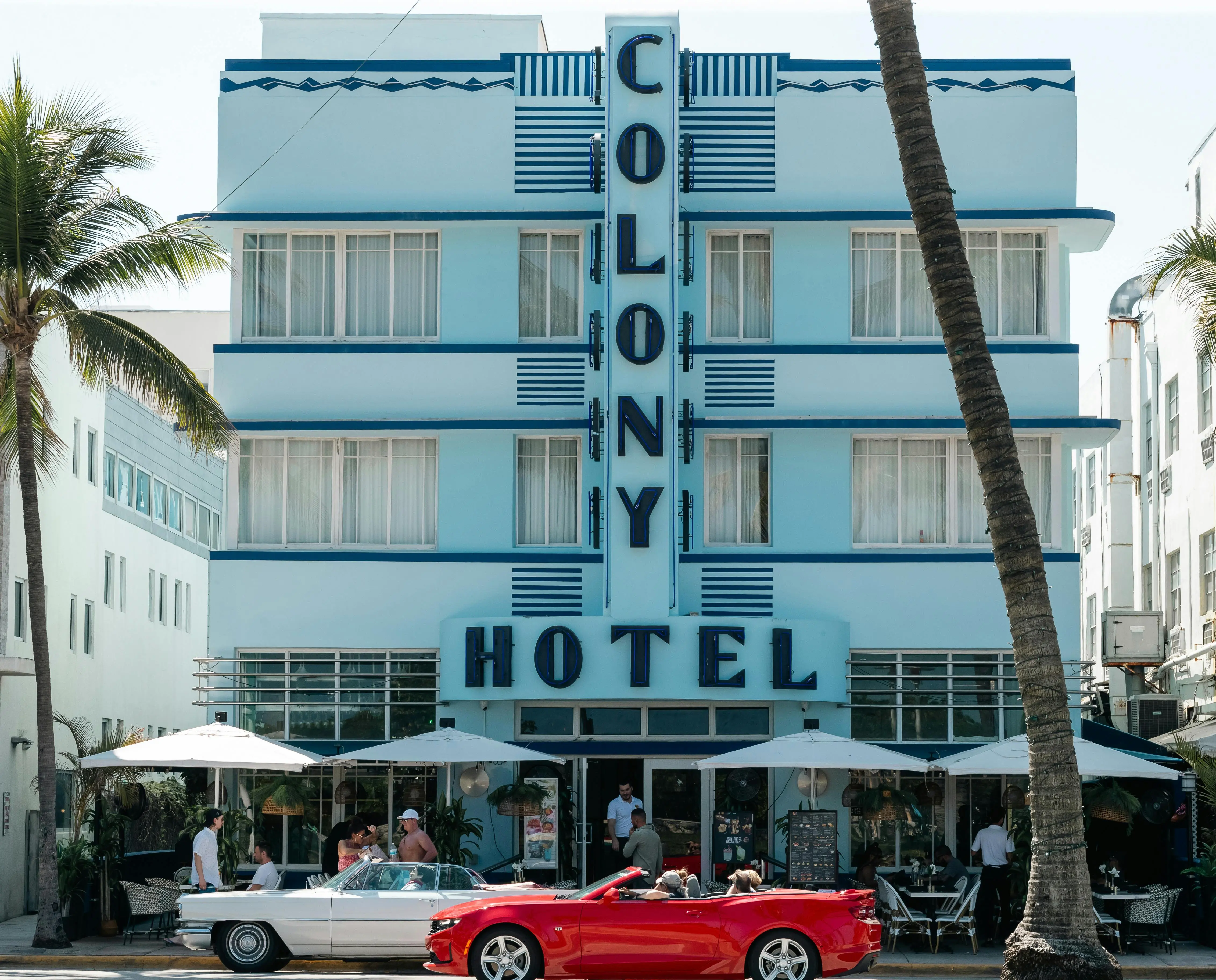
South Beach delivers the Miami experience that most people picture — breathtaking ocean views, beach amenities within three blocks, and the Art Deco streetscape that makes Ocean Drive immediately recognisable — but the reality of living here month-to-month is noisier than the Instagram version.
Monthly rentals in South Beach: $3,200–$4,500/month for a one bedroom; ocean view units command the top of that range, and you can see the price difference from your window
Lido Bayside — dinner $30–$50 per person; reliable, unfussy, and a 10-minute walk from most South Beach apartments
Beach amenities — chair and umbrella rental, volleyball courts, lifeguards — are genuinely good here and justify a premium if outdoor time is part of your work rhythm
Air conditioning is non-negotiable in any Miami Beach unit from May through October — confirm it's included in operating costs before you book, not after
South Beach is the right choice if the beach is a daily fixture for you, not an occasional treat — at these prices, it needs to earn its place in your routine.
Mid-Beach and North Beach: Quieter and More Liveable at Lower Cost
Mid-Beach trades Ocean Drive's energy for an actual quiet neighborhood feel — and for remote workers who need five focused hours before they go anywhere near the water, that trade is a good one.
Monthly rentals in Mid-Beach: $2,600–$3,400/month — meaningfully cheaper than South Beach for the same island access
Café Prima Pasta — neighbourhood Italian institution, dinner $25–$40; the kind of place you go twice a week rather than once a trip
Smart TV, in unit laundry, and a king size bed are more consistently available in Mid-Beach's newer condo stock than in converted South Beach Art Deco buildings
Free parking is more viable here than in South Beach — some mid-rise buildings include one spot, which in Miami is a genuine financial consideration
If the difference between South Beach and Mid-Beach pricing is $600–$800 a month, that gap is better spent on a nicer unit or a decent coworking membership — the ocean is the same water from either end of the island.
One-bedroom apartments on Collins Avenue between 15th and 20th Street regularly command $4,500 to $5,500 per month precisely because they come with breathtaking ocean views that you can see from the bed — not just the balcony.
Neighbourhood Comparison: Monthly Rentals Miami at a Glance
The High-End Tier: Where Convenience Has a Price Tag
If your work demands a frictionless setup and you'd rather pay more than think about logistics, Brickell and South Beach are the only two neighbourhoods worth shortlisting.
Brickell runs $3,200–$4,250 for a one-bedroom and earns it: walkable errands, Brickell City Centre for groceries and coffee, and the most pedestrian-friendly streets Miami has to offer
South Beach sits in the same price band at $3,200–$4,500, but the calculus is different — you're paying for ocean access, not urban convenience
Both neighbourhoods have a high tourist footprint, which means noise, foot traffic, and restaurant queues that don't follow a Monday-to-Friday logic
Brickell suits a remote worker who needs to concentrate; South Beach suits someone who needs the beach to feel like themselves.
Browse Miami homes near this area
The Middle Ground: Beach Access Without the South Beach Premium
Mid-Beach and North Beach are the most underrated options on this list — you're still on the island, still within reach of the water, and you're paying noticeably less for a quieter, more residential experience.
Mid-Beach and North Beach rent for $2,600–$3,400, a meaningful discount on South Beach for roughly the same Atlantic coastline
Free parking is genuinely more common here, which matters if you're renting a car for day trips around South Florida
The trade-off is transit: you're more car-dependent than in Brickell or Downtown Miami, and the walkable amenities are thinner
For stays of four weeks or longer, the residential pace here is an asset, not a compromise
If South Beach felt right but the price or the energy didn't, Mid-Beach is where you look next.
Browse Miami homes near this area
The Budget-Conscious Picks: Lower Rent, Real Trade-Offs
Wynwood, Downtown Miami, and Coconut Grove each come in under $3,000 at their floor, but they're solving for very different problems and shouldn't be treated as interchangeable alternatives.
Wynwood starts at $2,200 and delivers genuine walkability to independent cafés, galleries, and the Wynwood Walls — unusually good by Miami standards, though the neighbourhood is still car-dependent for anything outside it
Downtown Miami ($2,400–$3,200) is the transit option: the free Metromover and proximity to Pérez Art Museum Miami make it functional without a car, but the street-level experience is patchy
Coconut Grove ($2,800–$4,500) spans the widest price range on this list and rewards people who genuinely want quiet — leafy streets, private pools in more listings, and almost no reason to rush anywhere
None of these three neighbourhoods are nightlife picks; if that matters to your month, South Beach or Wynwood's edge are better bets
Explore Brickell in our neighbourhood guide
When comparing Miami monthly rentals across neighbourhoods, Wynwood runs about $2,800 for a one-bedroom while comparable space in Doral comes in closer to $1,900 — a $900 monthly gap that adds up fast over a three-month stay.
Browse Miami homes near this area
Little Havana and Calle Ocho: The Most Cost-Effective Short Term Rentals with Free Parking
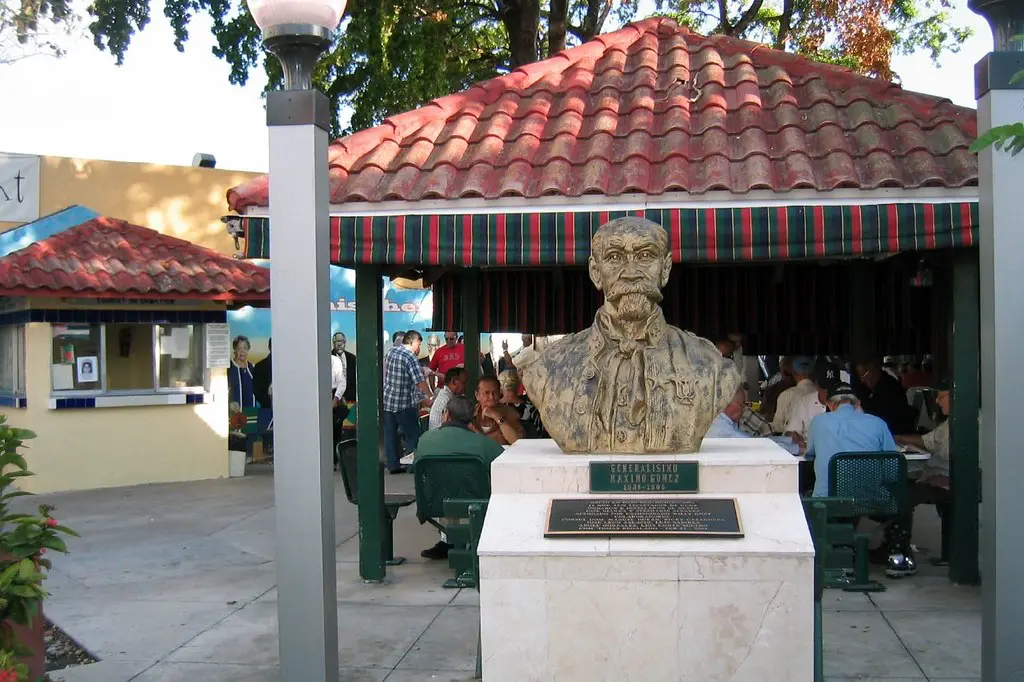
Little Havana is the most Miami-specific neighbourhood experience you can have as a longer-term resident — and the most overlooked for monthly rentals. The trade-off is real: it's less walkable for remote-work infrastructure, the café culture is traditional rather than laptop-friendly, and getting anywhere else in the city requires a car. What you get in return is a prime location for understanding the city at a human scale, rents that undercut Brickell by a significant margin, and food that earns its reputation.
Calle Ocho: Where to Eat, Where to Work, What It Actually Costs
Calle Ocho is the main artery through Little Havana, and it rewards the people who stay long enough to stop treating it like a tourist corridor.
Versailles Restaurant — Cuban lunch $12–$18; a Miami institution that's genuinely popular with residents, not just visitors; go early or queue
Ball & Chain — live music most nights, cocktails $14–$18; better as an evening anchor than a work spot, but useful to have nearby
Monthly rentals in Little Havana: $1,800–$2,600/month for a one bedroom — the lowest rates for a miami apartment within 3 miles of Downtown, and the entire property options here are more available than in central Brickell
Coffee maker, smart tv, and a queen size bed are standard in furnished listings; dedicated workstations are less consistent — ask specifically if remote work is your primary purpose
Little Havana is a genuine neighbourhood in a city that has very few of them — if that matters to you more than a lobby concierge and a heated pool, the rent differential makes the decision straightforward.
Many Little Havana studios priced around $1,600 per month include a queen size sofa bed in the main room rather than a dedicated bedroom, which is fine for one person but becomes genuinely cramped if a guest visits for more than two nights.

Design District: Bay Views, High Prices, and the Limits of Aesthetic Living
The Design District is conveniently located between Wynwood and the Upper Eastside, and it looks extraordinary — but it's built around retail and restaurants, not residents, and the monthly rental market reflects that.
Monthly rentals in the Design District: $3,000–$4,200/month — you're paying for the address and the city views, not for practical daily amenities
Michael's Genuine Food & Drink — dinner $35–$60 per person; one of Miami's most consistently good restaurants and worth the budget once a month, not weekly
Building amenities in newer Design District towers include rooftop heated pool, hot tub, and secure parking — these are bundled at the premium end of the rent range
Fast wi fi and air conditioning are universal in this price bracket; the honest gap is in grocery access, which requires a car or a ride unless you're committed to delivery
The Design District is the right base if aesthetics genuinely affect how you work and you're willing to pay for them — it's the wrong base if you've convinced yourself you'll walk to things you'll actually drive to.
How to Book a Monthly Rental in Miami Without Getting Burned
Miami's short-term rental market is competitive in a way that rewards people who move fast and punishes people who wait for a deal that isn't coming. The city is consistently ranked among the most expensive rental markets in Florida, and the gap between what looks available online and what's actually available can cost you two weeks and several hundred dollars.
What Fully Furnished Monthly Rentals Miami Actually Cost
The line between a vacation rental, a short-term rental, and a monthly furnished apartment is blurry in Miami — and the distinction affects both your price and your rights as a tenant.
Stays under 30 days are technically vacation rentals — they're taxed differently and priced accordingly, often at a nightly rate that looks reasonable until you multiply it by 30
True monthly rentals (30 days and over) carry standard tenant protections under Florida law and are almost always cheaper per night than any short-term equivalent
Furnished condo rentals on platforms like RentRemote sit in the monthly category — a fully equipped kitchen and in-unit laundry are standard at this tier, not upsells
Confirm the minimum stay in writing before paying a deposit — some Downtown and Miami Beach listings advertise as monthly but default to 28-day cycles that reset your pricing
The 30-day threshold is the most important number in this city's rental market — cross it and the economics shift in your favour by a margin that matters.
Timing, Availability, and When to Book
Miami doesn't have an off-season in the way that most cities do, which means the window where demand drops and rent follows is shorter and less predictable than people expect.
Peak season runs November through April — beachfront property in Miami Beach and Brickell condo towers both hit maximum rent during this period, often 20–30% above summer rates
June through September is the honest window for better rates — humidity is real, hurricane season is real, but the city functions normally and the deals on furnished apartments are genuine
Book at least 6–8 weeks ahead for peak season; 3–4 weeks is workable in summer if you're flexible on exact location
Last-minute monthly bookings in Miami are possible but you will be choosing from what others passed on — that's occasionally a hidden gem, more often a reason someone else passed
If your dates are fixed and your neighbourhood preference is specific, early is always right — this city's inventory at the furnished monthly tier is smaller than the volume of searches for it.
Always verify that free Wi-Fi is hardwired or at least router-based in the unit itself — several Brickell listings advertise it but deliver only a shared lobby signal that drops completely above the 10th floor.
What to Verify Before You Pay
A Miami rental listing can look complete and still leave out the four things that determine whether you can actually work and live there comfortably.
Fast wi fi is advertised on almost every listing — ask for a speed test screenshot, not a promise; 100 Mbps is the minimum for reliable video calls, and some older condo buildings in Miami Beach cap out below that
Pets allowed status is inconsistent building by building in Miami, even within the same street — confirm directly with the owner, not the platform, because building bylaws override what a host posts
Pool and amenities access — many condo buildings offer a pool, gym, and terrace, but guest use policies vary; some require advance registration, others restrict access in peak months
Parking costs in Brickell and Downtown Miami Beach can add $200–$350/month — this is rarely included and almost never mentioned upfront unless you ask
The listings that get flagged in reviews are almost always the ones where the Wi Fi underdelivered and the parking cost surprised someone on arrival — ask both questions before you send money.
Living in Miami Month to Month: What Daily Life Actually Costs
Miami Beach and beautiful beaches are the image — the reality of month-to-month life here involves grocery prices that run higher than most of Florida, a car or transport strategy that has to be decided on day one, and a food scene that can eat your budget faster than rent if you're not paying attention.
Groceries, Food, and the Menú del Día That Doesn't Exist
Miami doesn't have a cheap lunch culture the way that Latin American cities do — the influence is there in the food, but the pricing is American, and the gap between cooking and eating out is wider than most cities its size.
Presidente Supermarket (multiple locations, closest to Little Havana and Hialeah) — best value grocery chain in Miami for produce and Latin staples; 30–40% cheaper than Publix on comparable items
Publix is the default for most furnished apartment renters given its distribution across the city — a full weekly shop runs $80–$120 for one person; a fully stocked kitchen for a week costs less than two dinners out in Wynwood
KYU Miami (Wynwood) — lunch $20–$30 per person; one of the city's best restaurants for the price if you go at lunch rather than dinner, when the same dishes cost significantly more
Coffee at independent cafés runs $5–$7 per cup across most of the city — Panther Coffee (Wynwood, $5–$6) is the benchmark; it's good, it's reliable, and it has the Wi Fi speed to back up the laptop crowd that fills it by 10am
The people who control their spending in Miami are almost always the ones who cook four nights a week from a fully equipped kitchen — the restaurants here are worth the money, but not six nights out of seven.
Getting Around Without a Car
Miami is not a walking city, but it's also not as car-dependent as its reputation suggests if you choose your location carefully and accept that some trips will take longer than they should.
The Metromover is free, covers Downtown and Brickell, and is genuinely useful — if your apartment is located within three blocks of a Metromover stop, you can operate car-free in the core of the city without inconvenience
The Miami Metrorail connects Downtown to Coral Gables, Little Havana, and Miami International Airport — a monthly pass runs $112, covers both Metrorail and Metrobus, and is worth it if your base is south of the Design District
Uber and Lyft surge in Miami Beach on Friday and Saturday nights — budget $20–$35 each way during peak hours if you're staying on the Beach and socialising in the city
Cycling is viable on the Venetian Causeway and through parts of Miami Beach but requires a realistic assessment of heat and distance — easy access to the beach by bike is one of the genuine advantages of a South Beach or Mid-Beach apartment location
If your apartment is in Brickell or Downtown with Metromover access, skip the car entirely — the parking fees alone at $250/month make the decision financially obvious.
Coyo Taco on NW 2nd Avenue doubles as a coffee bar from early morning, which makes it a reliable first stop before 9am when most of Wynwood's dedicated cafés are still pulling their shutters up.

Beaches, Parks, and What's Actually Free
The beautiful beaches here are public, free, and within reach of every neighbourhood covered in this guide — that's not a small thing when the city's indoor entertainment runs expensive.
South Pointe Park (South Beach tip) — free entry, ocean views, good running paths, never as crowded as the main beach strips; best on weekday mornings before the family crowds arrive
Virginia Key Beach Park — $8 entry by car, free on foot or bike; quieter than Miami Beach proper, better for swimming, and genuinely uncrowded on weekday afternoons
Bayfront Park (Downtown) — free, sits directly on Biscayne Bay, has shade and benches; useful for a midday break if you're based in a Downtown condo without outdoor space
The main beach strip on Ocean Drive draws vacation crowds and weekend traffic — go early or go to the less-photographed stretches north of 21st Street where the same sand is half as busy
Miami's outdoor infrastructure is one of the honest arguments for the city's rental premium — El Retiro Park doesn't exist here, but the Atlantic Ocean does, and it's free every morning of your stay.
Practical Notes Before You Arrive: Hot Tub Access, Parking, and What to Confirm in Writing
Miami rewards people who have sorted the basics before landing — the city moves fast, the neighbourhoods feel different enough that a wrong first choice costs you time and money to correct, and some friction points are easy to eliminate in advance.
The Neighbourhoods Worth Skipping for Monthly Stays
Not every Miami neighbourhood that looks good in a listing photo is a neighbourhood you'd want to base yourself in for a month.
South Beach (Ocean Drive strip) — the most iconic beach location in Florida, and genuinely difficult to live in for more than a week; the weekend night traffic, the permanent vacation energy, and the tourism pricing on everything from coffee to groceries make sustained remote work hard
Overtown and parts of Liberty City — rents are lower and the city's history is present in ways you won't find in Brickell, but infrastructure gaps, limited walkable food options, and safety considerations in certain blocks make this a poor choice for a first stay in Miami without local knowledge
Doral — technically Miami-Dade County, easy access to MIA airport, lots of shopping, affordable — but it's suburban in a way that removes every reason to be in Miami rather than any other Florida city
The base matters more in Miami than in most cities its size because the neighbourhoods don't blend into each other — you are in one of them, and the gaps between them require a car or a plan.
What a Good Furnished Apartment Actually Includes
Miami's furnished monthly rental market is better than most comparable American cities, but "furnished" covers a range from genuinely move-in-ready to a mattress and a coffee maker in an otherwise empty condo.
A fully stocked kitchen means cookware, utensils, plates, and at minimum a drip coffee maker — confirm this specifically because a fully equipped kitchen in a Miami condo listing sometimes means appliances and nothing else
In-unit washer and dryer is the single most important amenity for stays over three weeks — shared laundry in a Miami building at peak summer occupancy is the detail that turns a good apartment into a frustrating one
Jacuzzi and pool access at premium Brickell and Miami Beach buildings are real amenities worth having — the pool in a well-located building substitutes for the beach on the 10 days a month when getting to the beach is more effort than it's worth
Bedrooms with blackout curtains are less standard than you'd expect in a sunny city — ask for this specifically if you need morning sleep, especially in Miami Beach-facing apartments where sunrise comes early and hard
Explore Coconut Grove in our neighbourhood guide if you want the full breakdown of which buildings in Miami's most in-demand area consistently deliver on what their listings promise.
Safety, Neighbourhoods, and What the Data Doesn't Tell You
Miami's safety picture is specific to block and time of day in a way that city-wide statistics flatten into uselessness — what matters is what the street feels like at 11pm on a Tuesday, not what the annual crime index says.
Brickell, Coconut Grove, Coral Gables, and mid-Miami Beach are all low-friction neighbourhoods for solo travellers and remote workers — walking at night is normal and the lighting infrastructure in these areas is adequate
Little Havana is safe along Calle Ocho and the main arterials — side streets after dark require the same awareness you'd apply in any urban neighbourhood, which is less alarming than the online forums make it sound
Downtown Miami after office hours empties faster than you'd expect — the streets are quieter than Brickell from 9pm onward, which is either peaceful or isolating depending on what you're looking for
The standard advice applies everywhere: keep your phone in your front pocket on the beach and on the Metrorail, store valuables out of sight in any car, and treat tourist-heavy areas at night — particularly around Ocean Drive — with the same wariness you'd give any high-volume entertainment district
Miami's safety reputation in online forums often reflects someone's experience of Ocean Drive at 2am on a Saturday — that is a specific experience, not a city-wide condition.
Is Miami the Right City for Your Next Month Abroad?
Miami works for remote workers who are honest about what they're trading. The rent is high by Florida standards and real by any standard — a good furnished apartment in a walkable neighbourhood starts at $2,800/month in summer and climbs from there. The infrastructure, the weather from November through April, and the quality of the food and outdoor life justify that number for people who will actually use the city.
Miami monthly rentals tend to book out 6 to 8 weeks in advance for January and February, so if you are targeting snowbird season, locking in your unit by late November is not optional — it is necessary.
If the trade-offs land in your favour, find your fully furnished apartments in the USA and book the month before peak season starts — October is the sweet spot the spreadsheet and the weather both agree on.