
Daniel
Productivity & Remote Living Analyst ·
Miami works — but it works differently than most cities people compare it to. The no state income tax and year-round sun are real advantages; the cost of living and the traffic are real costs. This guide is for people who are seriously considering moving to Miami, FL and need more than a highlights reel. What follows covers where to actually live, what things cost, what the weather demands of you, and how the city runs day-to-day.
The best neighbourhoods for remote workers — and who each one suits
What living in Miami costs, with honest rent and utility figures
The Miami weather reality, including humidity and hurricane season
How public transportation works and why most people still drive
The food scene, cultural life, and the laid back lifestyle trade-offs
What the job market looks like if you're not fully remote
Living in Miami: What the City Is Actually Like
Miami is not one city — it's a collection of distinct neighbourhoods held together by highways, and which part of greater Miami you land in determines almost everything about your daily experience. More than 70% of residents identify as Hispanic or Latino, Spanish is widely spoken across most of the city, and the Cuban coffee culture alone is worth understanding before you arrive: this is a city where cafés exist for conversation first and caffeine second.
The magic city earned its reputation as an international city not just from tourism but from decades of international trade, finance, and immigration. That mix shows up in the food, the music, and the way local businesses operate. The Calle Ocho Festival in Little Havana draws over a million visitors and is the most visible expression of what makes this city genuinely unlike other US cities — but it's the ordinary Tuesday afternoon at a ventanita that tells you more about how Miami actually runs.
The cost of living runs about 21% above the national average, making Miami the 10th most expensive city in the country. A single adult needs roughly $100,000–$117,000 a year to live comfortably; a family of four is looking at over $230,000. Those numbers are not low. But Florida's lack of a state income tax softens the blow for anyone coming from New York, California, or similarly taxed states — and that's a real, calculable difference, not a talking point.
The Cultural Mix That Shapes Daily Life
Living here means the city's Latin identity is not background colour — it's the foreground, and it changes how you shop, eat, and socialise.
Versailles Restaurant — Little Havana institution, Cuban lunch under $15, always full by noon
Ball & Chain — live salsa on Calle Ocho, drinks from $12, the real calle ocho festival energy on any given Friday
Wynwood Walls — free to walk, best before 10am before tour groups arrive; the art galleries around it are the reason Wynwood exists
If you speak Spanish, Miami opens up significantly; if you don't, you'll manage fine in most professional settings, but some neighbourhoods and most local businesses will feel more opaque.
Job Market and Why People Are Moving Here
Miami saw a 60% jump in relocations in 2022, and most of those people were not moving for the job market — they were bringing remote jobs with them, or chasing the tax advantage.
Unemployment sits at about 4.2%, fractionally above the national average of 4.1% — not a reason to move here for a job, but not a red flag either
Strong sectors: hospitality, healthcare, finance, education — the Frost School of Music at UM and arts institutions like the Florida Grand Opera anchor a real creative economy
The Florida Grand Opera and New World School of the Arts are significant employers and cultural anchors — relevant if you work in arts administration or education
Tech and finance have been growing since 2020, though salaries often lag behind equivalent roles in other US cities
If you're fully remote, the income tax savings and quality of life case is strong; if you're job-hunting locally, research specific sectors before committing to the relocation process.
Miami Weather, Air Conditioning, and Hurricane Season: What No One Tells You Before You Move
Miami's weather is genuinely beautiful for about six months of the year and genuinely demanding for the other six. This is a tropical monsoon climate, and the distinction matters — it's not just "warm and sunny." Average daily highs hit 91°F in summer, with humidity that makes 85°F feel like more. Miami gets around 250 days of sunshine per year, which is the part that photographs well; the rest is what shapes your monthly utility bill.
Air Conditioning: The Hidden Monthly Cost
Running air conditioning in Miami is not optional — it's a utility cost as fixed as rent, and it's higher than most people from other US cities budget for.
Average monthly utilities: $150–$350, driven almost entirely by AC usage from May through October
Older building, higher bill — check AC unit age before signing any lease; window units in older apartments are significantly less efficient
Some furnished apartments include utilities; worth paying a premium for this between June and September
Florida Power & Light is the main provider — budget $200/month as a baseline in summer, not $100
The electricity bill alone is enough to change which apartment makes financial sense — factor it before comparing rent prices.
Miami Weather in Hurricane Season
Hurricane season runs June through November, which overlaps almost entirely with the wet season — so the period when you're already running AC hardest is also when you need to know what to do if a storm arrives.
Miami-Dade County has a structured evacuation zone system — know your zone before you need it, not during a watch
Most years bring heavy rain and some flooding, not a direct hurricane hit — but 2017 (Irma) and 2022 (Ian, further north) are reminders that preparation is not paranoia
Renters insurance with hurricane coverage costs roughly $20–$40/month and is worth every dollar
Visiting Miami in January tells you almost nothing about what it's like to live here in August — and August is when you find out what your tolerance for heat and humidity actually is.
State Income Tax, Housing Costs, and the Real Cost of Moving to Miami
Florida's lack of state income tax is the number most people cite first, and it's a legitimate financial advantage — especially if you're leaving a high-tax state. Someone earning $150,000 in New York pays roughly $9,000–$12,000 in state income tax annually. In Florida, that number is zero. That's real money. The question is whether Miami's housing costs absorb that saving before it reaches your account.
State Income Tax Savings vs. Housing Reality
No state income tax is the headline; the median home value sitting above $600,000 and rents up 30% since 2020 is the fine print.
Average monthly rent: $1,700–$2,100 depending on neighbourhood — Brickell and Miami Beach run higher, South Miami and North Miami lower
Median home price: above $600,000, with property taxes in Miami-Dade County averaging around 1% of assessed value annually
Affordable housing is scarce — Miami-Dade County has an active affordable housing programme but waitlists are long and income limits apply
For remote workers earning above $100,000, the income tax saving typically outpaces the rent premium versus mid-tier cities — below that threshold, the maths get tighter
Run your own numbers before relocating: the income tax benefit is real, but it doesn't automatically make Miami cheap — it makes Miami cheaper than it looks when compared to New York or Los Angeles, not cheaper than the national average.
What a Realistic Monthly Budget Looks Like
Miami's cost of living hits hardest in housing and dining out — groceries and transport are more manageable if you're disciplined about both.
Rent (1-bed, mid-range neighbourhood): $1,800–$2,200/month
Utilities (including AC): $150–$350/month — higher in summer, unavoidable
Groceries: roughly 10–15% above the national average at standard supermarkets; Publix is the default, Presidente Supermarket is cheaper for Latin staples
Eating out: Cuban lunch counters and local spots keep costs reasonable at $10–$15; the tourist season price premium hits restaurant districts like South Beach hardest
The people who find Miami financially workable are generally those who cook most of their meals, have a fixed remote income above $90,000, and don't live in the neighbourhoods that attract the tourist season markup.
Best Neighbourhoods for Remote Workers: Miami Beach, Coconut Grove, and Beyond
Where you live in greater Miami is more consequential than in most cities — the neighbourhoods are far enough apart and traffic is bad enough that being on the wrong side of downtown changes your daily life. Here's an honest breakdown of who each area suits, followed by a comparison table.
Neighbourhood | Monthly Rent | Vibe | Best For | Key Advantage |
|---|---|---|---|---|
Brickell | $2,200–$3,200 | Finance district energy, walkable core | Professionals, finance workers | Metromover access, walkable to downtown Miami |
Wynwood | $2,000–$2,800 | Art and creative scene, loud on weekends | Creatives, younger remote workers | Best café and gallery density in the city |
Coconut Grove | $1,900–$2,600 | Quiet, green, bohemian | Long stays, families, anyone wanting calm | Oldest neighbourhood in Miami, best tree cover |
Miami Beach / South Beach | $2,400–$3,500+ | Tourist-facing, loud, beautiful | Short stays, social lifestyle | Beach access, nightlife, iconic architecture |
Coral Gables | $2,000–$3,000 | Quiet, residential, Mediterranean-style | Families, private schools access | Proximity to University of Miami, calm streets |
Little Havana | $1,500–$2,000 | Local, Cuban-influenced, authentic | Budget-conscious remote workers | Lowest rents near downtown with real character |
Miami Beach and South Beach: The Gap Between Visiting and Living
South Beach is one of the most recognisable neighbourhoods in the world — and one of the hardest to actually live and work from.
Rents from $2,400/month for a studio; anything facing the water or on Collins Ave runs significantly higher
Industrious — coworking day pass from $25, reliable AC and WiFi, but it fills during tourist season
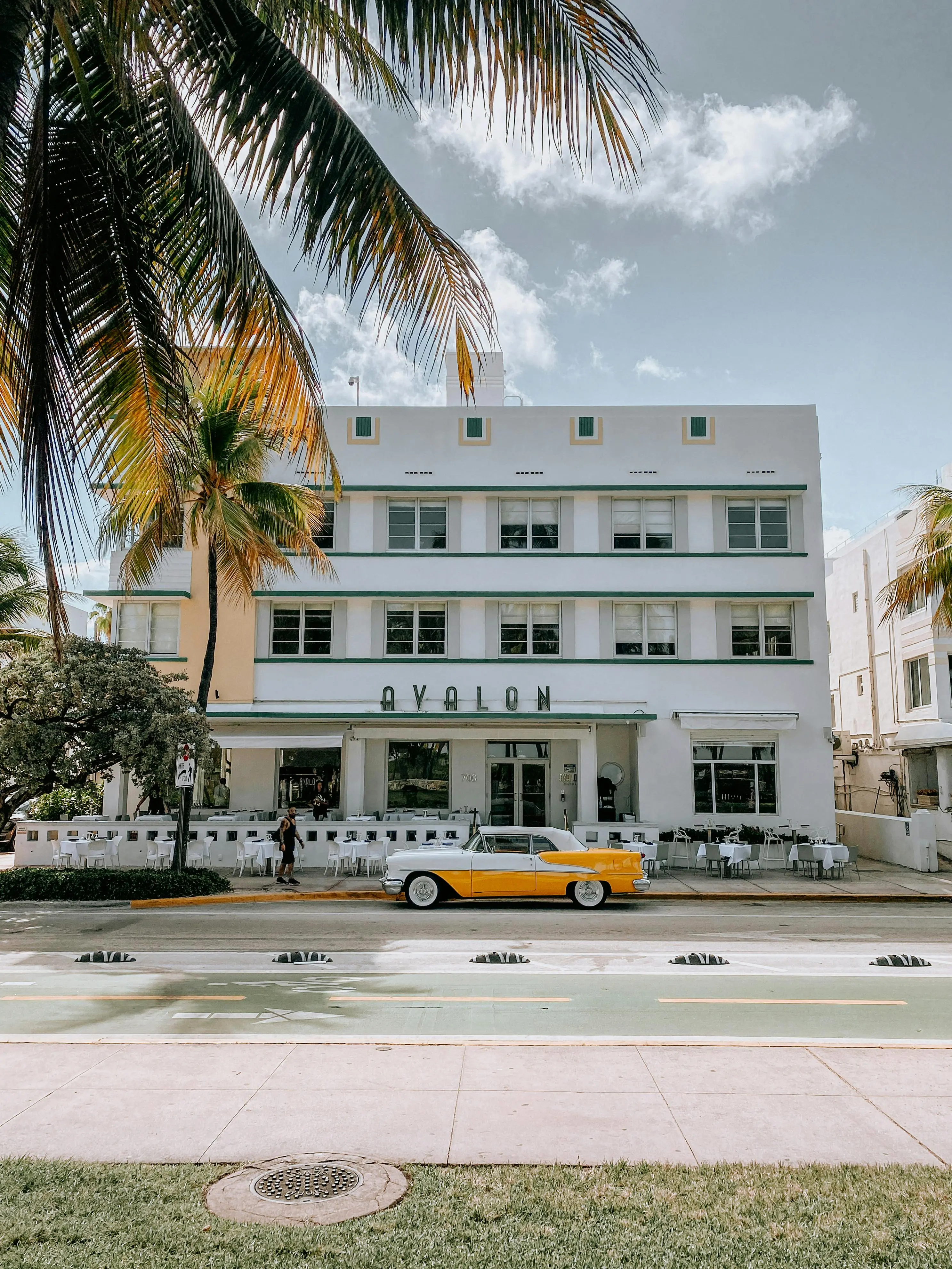
Art Deco architecture and beach access are genuine quality-of-life assets — the tradeoff is noise, tourist traffic, and restaurant prices calibrated for visitors not miami residents
The MacArthur Causeway connects Miami Beach to downtown Miami — beautiful drive, 25-minute commute on a bad day
Miami Beach works as a base if you have the budget and can structure your work around the energy — it's not the right call for anyone who needs silence before noon.
Browse Miami homes near this area
Coconut Grove: The Laid Back Lifestyle That Actually Delivers
Coconut Grove is the oldest continuously inhabited neighbourhood in Miami and it still operates at a pace the rest of the city has mostly abandoned — which is either its main selling point or its main flaw, depending on your personality.
Kojin — breakfast and lunch, under $20, shaded terrace, genuinely quiet on weekday mornings
1-bed apartments from $1,900/month; less supply than Brickell or Wynwood, so good units go quickly
CocoWalk — open-air shopping and dining hub, walkable from most Grove apartments, dead after 9pm
Closest thing to the laid back lifestyle Miami promises — green streets, water views, no club noise
If you want the Explore Coconut Grove in our neighbourhood guide before committing, the neighbourhood rewards longer stays far more than weekend visits.
Browse Miami homes near this area
Wynwood and Brickell: For Different Reasons, Both Work
Wynwood suits remote workers who want café culture and creative energy around them; Brickell suits those who want walkability, building amenities, and proximity to downtown Miami without the South Beach premium.
Panther Coffee Wynwood — best espresso in the city, $4–$5, go before 11am for a seat
Wynwood studios from $2,000/month; newer buildings have better soundproofing — ask specifically before signing
Coyo Taco — Wynwood lunch staple, tacos from $5, outdoor seating fills fast on weekends
Brickell 1-beds from $2,200/month; building gyms, pools, and doormen are standard at this price point — check if utilities are included
Browse fully furnished apartments in Miami across both neighbourhoods — the difference in what you get per dollar is significant and worth comparing side by side before deciding.
Public Transportation, Air Conditioning in Your Car, and Getting Around Miami FL
Miami's public transportation network exists and works — it just doesn't cover enough ground to make most people car-free. Residents spend an average of nearly 40 minutes in traffic daily, which puts Miami in the company of Los Angeles and other US cities where driving is the default and the cost.
Public Transportation: Free Where It Exists, Limited Where It Doesn't
The Metromover is free, covers downtown Miami and Brickell, and is genuinely useful if you live and work in that corridor — outside it, the picture changes quickly.
Metromover: free, automated, runs through downtown Miami and Brickell — the only part of the system that's both convenient and reliable for remote workers
Miami Trolley: free on weekdays, covers several key neighbourhoods including Wynwood, Coconut Grove, and Coral Gables — useful for short hops, not cross-city commutes
Metrorail: connects Miami International Airport (one of the major airports in South Florida) to downtown and Coral Gables — $2.25/trip, limited network
Fort Lauderdale is 30 miles north — Tri-Rail connects both cities but runs infrequently; most people drive the I-95
If you're choosing a neighbourhood specifically to avoid owning a car, Brickell is your best option — everywhere else in Miami-Dade County will eventually make you feel the absence.
Driving and Air Conditioning: The Daily Cost of Car Ownership
Owning a car in Miami means budgeting for the car, the insurance (Florida rates are among the highest in the country), and the air conditioning you will run every time you get in it.
Car insurance in Florida averages $250–$350/month — significantly above the national average, driven by weather risk and high accident rates
Parking in Brickell and South Beach: $150–$300/month for a dedicated spot, or street parking that requires real patience
Gas is roughly at the national average; the cost is mileage from sitting in traffic rather than pump price
The people who navigate Miami best on a budget tend to live in Brickell or downtown, use the Metromover for daily movement, and only drive when they need to reach South Miami, Coral Gables, or the beaches — not as a daily default.
Finding an Apartment in Miami: What the Listings Don't Tell You
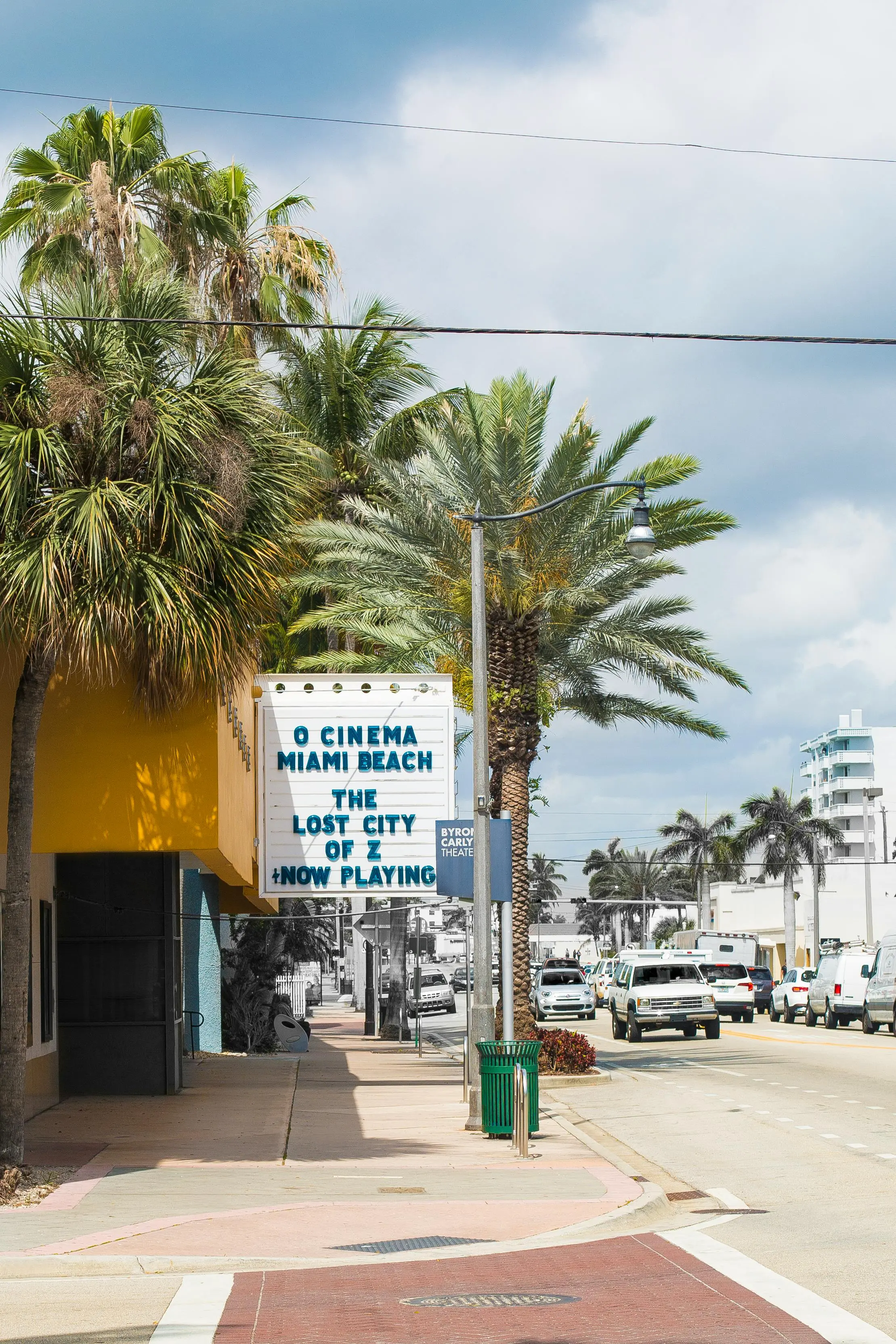
Miami's rental market moves fast, and the gap between what's listed and what's liveable is wider here than in most cities. Furnished apartments — the kind that are actually move-in ready for remote workers, not just "furnished" with a mattress and a microwave — get snapped up quickly, especially in Brickell and Wynwood during the winter months when seasonal renters flood in from the northeast.
Where to Look First — and What to Skip
The best furnished apartments in Miami rarely stay listed long enough for you to be leisurely about it — if you see something that fits, apply the same day.
Brickell City Centre area — 1-bed furnished from $2,800/month; the convenience premium is real but worth it if you're not buying a car
Wynwood and Edgewater — 1-bed furnished from $2,400/month; more personality, less walkability for daily errands
Little Havana — studios from $1,600/month furnished; the most affordable entry point close to the downtown area, though the infrastructure for remote workers is thinner
Short-term lease minimums are typically 30 days; anything marketed as "weekly" in Miami is usually temporary accommodation priced like a hotel
If you're still deciding between neighbourhoods, book a furnished apartment for 30 days in Brickell first — it gives you the easiest base to explore from while you figure out where you actually want to land.
Timing Your Arrival Around the Rental Market
Miami's rental market has a seasonal logic that new residents often learn the hard way: arriving in November without a lease signed is arriving into peak competition.
November through March: highest demand, highest prices — snowbirds and short-term renters drive up competition for furnished units
June through September: slower market, more negotiating room, but you're arriving into the full force of hurricane season and heat that makes apartment hunting genuinely exhausting
April and May are the sweet spot — post-snowbird, pre-summer, and landlords are more willing to negotiate on price or lease length
If your move date is flexible, April gives you a calmer rental market and a few weeks of genuinely pleasant weather before the summer heat settles in for good.
Mail Forwarding and the Practical Admin of Arriving
Setting up mail forwarding before you arrive saves you more headaches than almost any other pre-move task — Miami's condo buildings vary enormously on how they handle package delivery.
USPS mail forwarding: $1.10 for identity verification online, takes 7–10 business days to activate — do this before you leave
Many Brickell and Edgewater condo buildings have dedicated package rooms; older buildings in Little Haiti and Little Havana often don't
Florida driver's licence: required within 30 days of establishing residency — bring your out-of-state licence, proof of residency, and Social Security card to a Miami-Dade Tax Collector office
Vehicle registration in Florida is also required within 30 days — Florida insurance rates apply immediately, which affects your monthly budget more than most new residents expect
The admin of arriving in a new city is rarely glamorous, but Miami is an easy city for most of it — the DMV offices are plentiful, the processes are straightforward, and most of it can be front-loaded into your first week.
Explore fully furnished apartments in Miami to find move-in-ready options across Brickell, Wynwood, Edgeworth, and beyond.
Food, Culture, and What Miami Actually Rewards You With
Miami offers something that few cities of its size can match: a food and cultural scene that's genuinely rooted in the people who live here, not built for tourism. The great food isn't in the hotel restaurants — it's in Little Havana at 7am and in Little Haiti on a Tuesday night.
Where to Eat Like You Live Here
The restaurants that matter in Miami are rarely the ones with a line out the front on a Saturday — they're the ones locals return to on a Wednesday without thinking twice.
Old's Havana Cuban Bar & Cocina, Little Havana — Calle Ocho institution with authentic Cuban food, generous portions, and live music daily. Order the passion fruit mojito.
Chef Creole, Little Haiti — Haitian food from $12; griot and rice that you'll think about for weeks, neighbourhood spot with no tourist traffic
Kush Wynwood — burgers from $15, local craft beer; one of the few Wynwood spots that predates the art district's commercialisation and still feels like it
Grocery stores like Publix in Brickell cover the basics reliably — weekly shop roughly $80–120/person depending on how often you cook
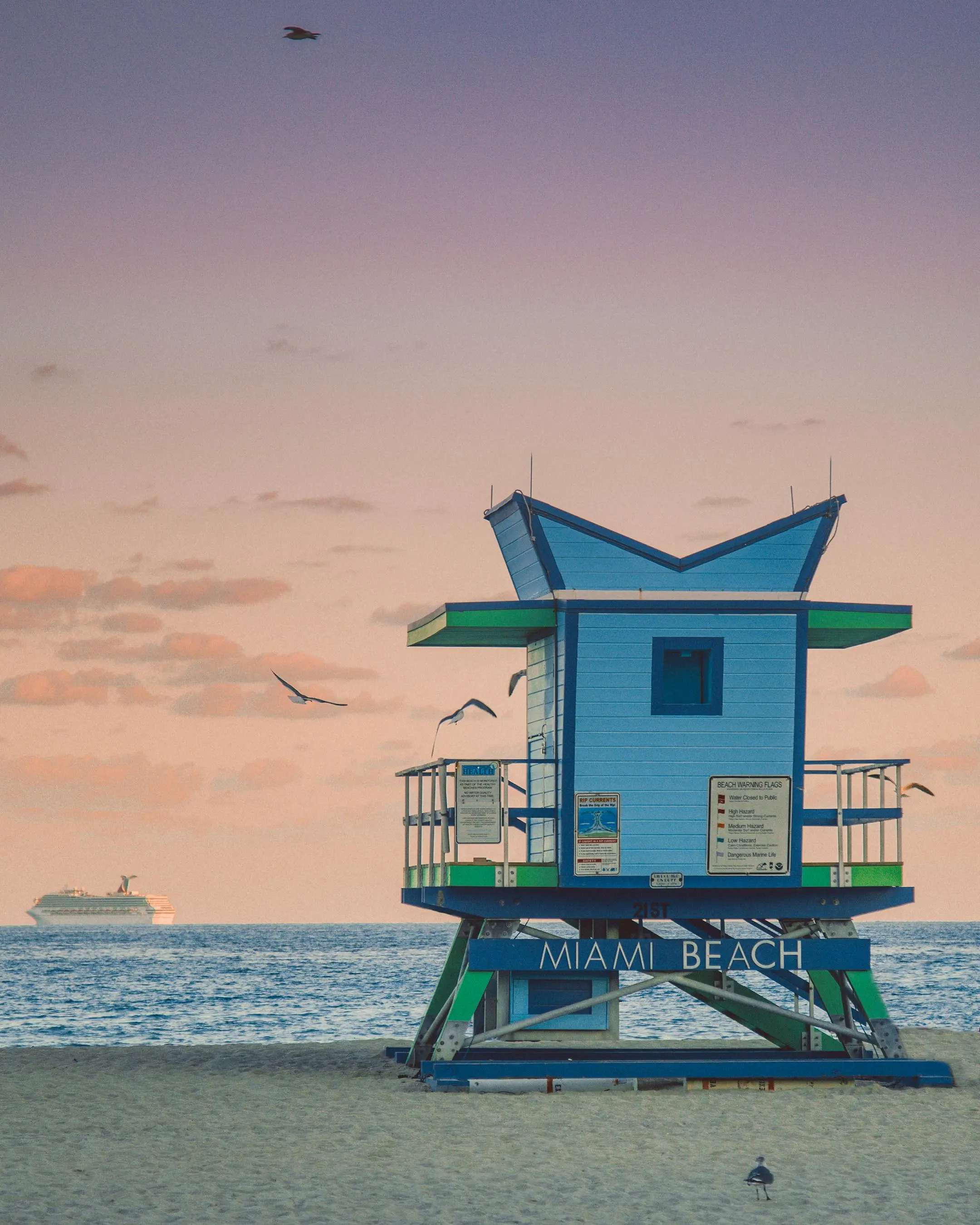
The year round sunshine means outdoor eating is genuinely practical ten months of the year — but avoid the peak of summer heat at outdoor tables between noon and 4pm unless you enjoy eating while sweating.
Culture That's Worth Knowing About Before You Arrive
Miami's cultural infrastructure is more serious than its reputation suggests, and if you only engage with South Beach and the art fairs, you'll miss the part of the city that actually has depth.
Adrienne Arsht Center for the Performing Arts — one of the largest performing arts centres in the US; home to performing arts conservatories and resident companies including the Miami City Ballet and Florida Grand Opera; tickets from $25
Pérez Art Museum Miami — $20 general admission, free on the first Thursday of each month; genuinely strong collection, not just a social media backdrop
New World Center in South Beach — the performing arts conservatories connection here is direct; this is where some of the country's best young classical musicians train and perform; free WALLCAST concerts on the lawn outside
Little Haiti Cultural Center — free or low-cost events, rotating exhibitions, and live music; the most honest representation of one of Miami's most misunderstood neighbourhoods
The beautiful beaches and the nightlife get the attention, but the city's performing arts scene and neighbourhood cultural centres are what make longer stays feel like more than an extended vacation.
Top Tips for Settling Into Miami Without the Common Mistakes
Miami has a fair share of friction points that catch new arrivals off guard — not because the city is difficult, but because it operates on its own logic, and the faster you understand that logic, the less money and time you waste adjusting to it.
Weather: What Year Round Sunshine Actually Means Day to Day
Year round sunshine in Miami is real, but it comes with a summer that runs from May through October and makes outdoor work and errands genuinely uncomfortable for months at a stretch.
Winter months (December–March): 70–80°F, low humidity, the best weather in the country — this is when Miami earns every positive reputation it has
Summer heat peaks July–September: 90°F+ with humidity that makes it feel over 100°F — schedule outdoor time before 10am or after 6pm
Hurricane season runs June 1–November 30; most remote workers do not experience a major storm, but renter's insurance that covers hurricane damage is not optional here
Flip flops work year round for casual errands, but business casual in Miami still means closed-toe shoes in most office and coworking environments
The best time to visit Miami is also the most expensive time to live there — the winter months align exactly with peak rental demand, which is a trade-off worth planning around rather than discovering on arrival.
Transportation Methods: The Honest Hierarchy
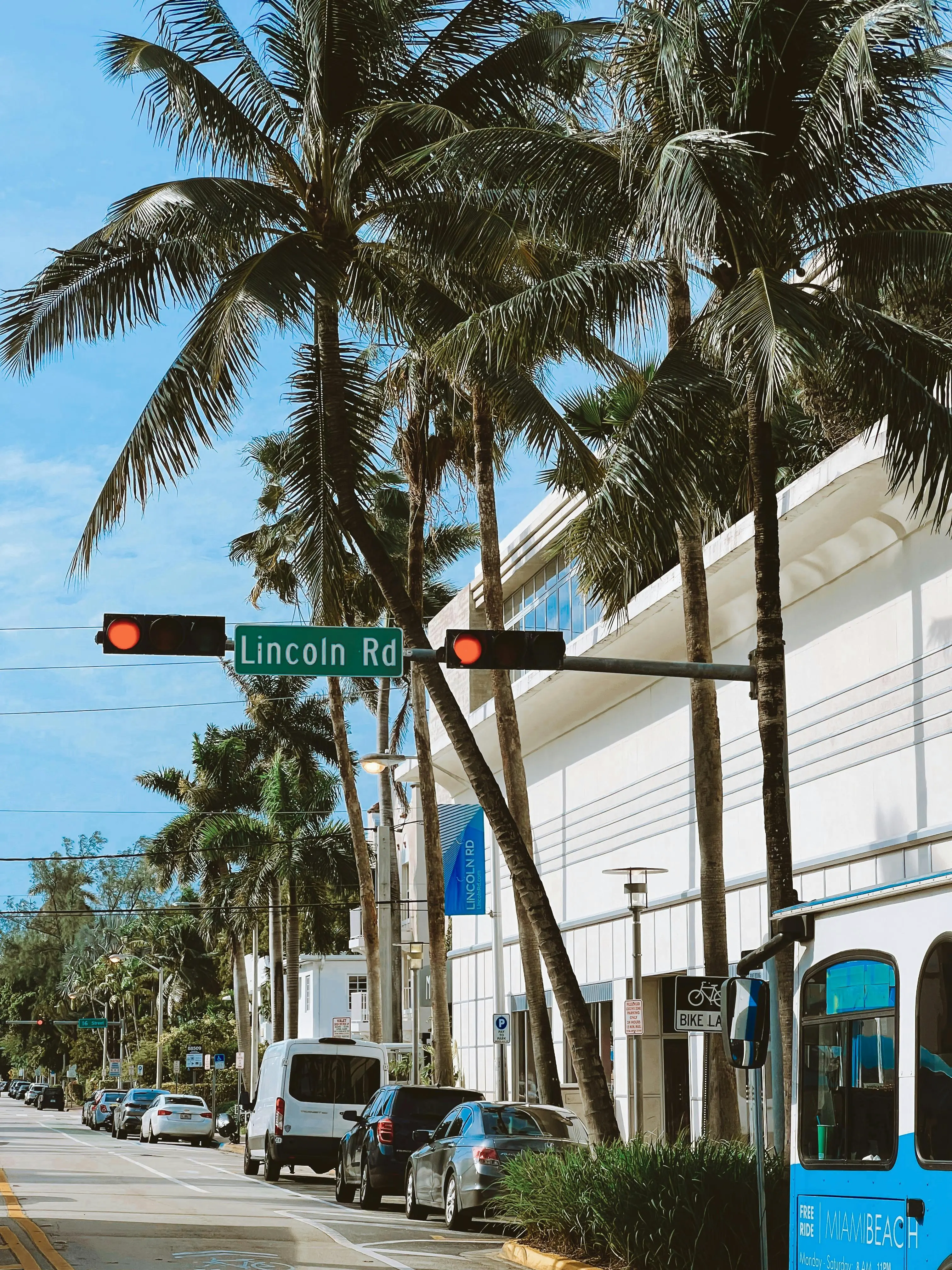
The transportation methods available in Miami range from excellent to barely functional depending on where you live, and choosing your neighbourhood based on transportation access is one of the highest-leverage decisions you'll make.
Car: still the default for most of Miami-Dade County; heavy traffic on I-95 and the Palmetto Expressway is worst 7–9am and 5–7pm — build this into every time estimate
Rideshare (Uber/Lyft): easily accessible from most neighbourhoods, averages $12–20 for most intra-city trips; more predictable than driving yourself during peak congestion
Cycling: genuinely viable in flat Miami Beach and parts of Coconut Grove; Citi Bike Miami has 100+ stations, $30/month membership — useful for the great beaches and local errands, not cross-city movement
Ft Lauderdale and the broader South Florida region: if you're taking meetings or day trips north, Tri-Rail is more reliable than driving I-95 at rush hour, but the schedule limits spontaneity
Public transit in Miami rewards people who live along the Metrorail and Metromover corridors and punishes everyone else — if car-free living is non-negotiable for you, Brickell is the only neighbourhood where it actually works without daily compromise.
Safety and Neighbourhoods: What New Residents Get Wrong
Miami's best neighborhoods and its rougher patches sit closer together than in most American cities, and new residents often misjudge the geography in both directions — overcautious about some areas, incautious about others.
Wynwood, Edgewater, and the downtown area are safe for walking during the day; late nights on side streets in any of these areas require the same judgment you'd apply in any major city
Little Haiti has a reputation that lags significantly behind its current reality — it's gentrifying quickly, and the cultural centre and food scene there are worth your time
South Beach late-night: the great beaches are peaceful; the Ocean Drive strip after midnight is loud, tourist-heavy, and the source of most noise complaints from people staying nearby
Petty theft from cars is Miami's most common crime category — leave nothing visible on your seat, ever, in any neighbourhood
Miami's safety picture is not dramatically different from any other major American city, but it is unevenly distributed — the best neighborhoods for remote workers are genuinely safe, and the precautions that apply are mostly common sense.
Final Verdict: Who Miami Actually Works For
The Remote Worker Who Actually Thrives Here
Miami rewards people who adapt to the city rather than fight it — and if you can do that, the payoff is real.
Car-free living is genuinely possible in Brickell; everywhere else requires a vehicle or serious compromise
The international mix — Latin American, Caribbean, European — creates a cultural texture most American cities can't match
Year-round sunshine and beach access mean your baseline quality of life stays high even on ordinary weekdays
The food scene, from Little Havana to Wynwood, takes time to learn but punishes people who stop exploring too early
The remote workers who stay longest are rarely the ones who came for the weather — they're the ones who got hooked on something they didn't expect to find.
The Trade-Offs You Have to Accept
Miami asks for real concessions, and pretending otherwise sets people up for a bad first six months.
Summer heat and humidity from June through September is genuinely punishing — outdoor productivity drops hard
Home and renter's insurance costs in South Florida are high and rising, and they affect your real monthly budget
Outside Brickell, car dependency adds cost, time, and friction that remote workers from walkable cities underestimate
The city's cultural depth — its Spanish-language spaces, its immigrant histories — isn't handed to you; you have to go looking
Miami isn't a city that hides its flaws, and the people who stay are the ones who decided the flaws were worth it.

Find Your Base in Miami
Where you land in Miami shapes almost everything — neighbourhood choice here matters more than in most cities.
Brickell studios suit solo remote workers who want walkability and a proper city feel without a car
Coconut Grove one-beds offer a quieter, greener alternative with enough cafés and co-working options to stay productive
Furnished apartments let you test a neighbourhood properly before committing to a longer lease
Miami Beach works for a stint, but the noise and tourist density make it harder to build a real working rhythm
Find your base with fully furnished apartments in the United States — from Brickell studios to Coconut Grove one-beds, ready when you are.