Lukas
Tech & Digital Nomad Cultural Editor ·
Miami works on longer stays in a way that short visits never reveal. The city has real infrastructure for remote workers — fast internet, genuine coworking density, and a furnished rental market that has grown significantly since 2020. The trade-off is price: rent in Miami sits above most other Florida cities, and the neighbourhoods that look appealing on Instagram are often the ones that make the budget uncomfortable by month two. This guide cuts through that. It tells you where to base yourself, what to actually pay, and what each area costs you beyond the rent.
Which Miami neighborhoods suit remote workers versus tourists
What furnished rentals actually cost per month, by area
Where to eat, work, and grocery shop without burning your budget
How to search and add dates efficiently on rental platforms
The honest trade-offs in Miami Brickell, Wynwood, Miami Beach, and beyond
What extended stay and temporary housing options exist right now
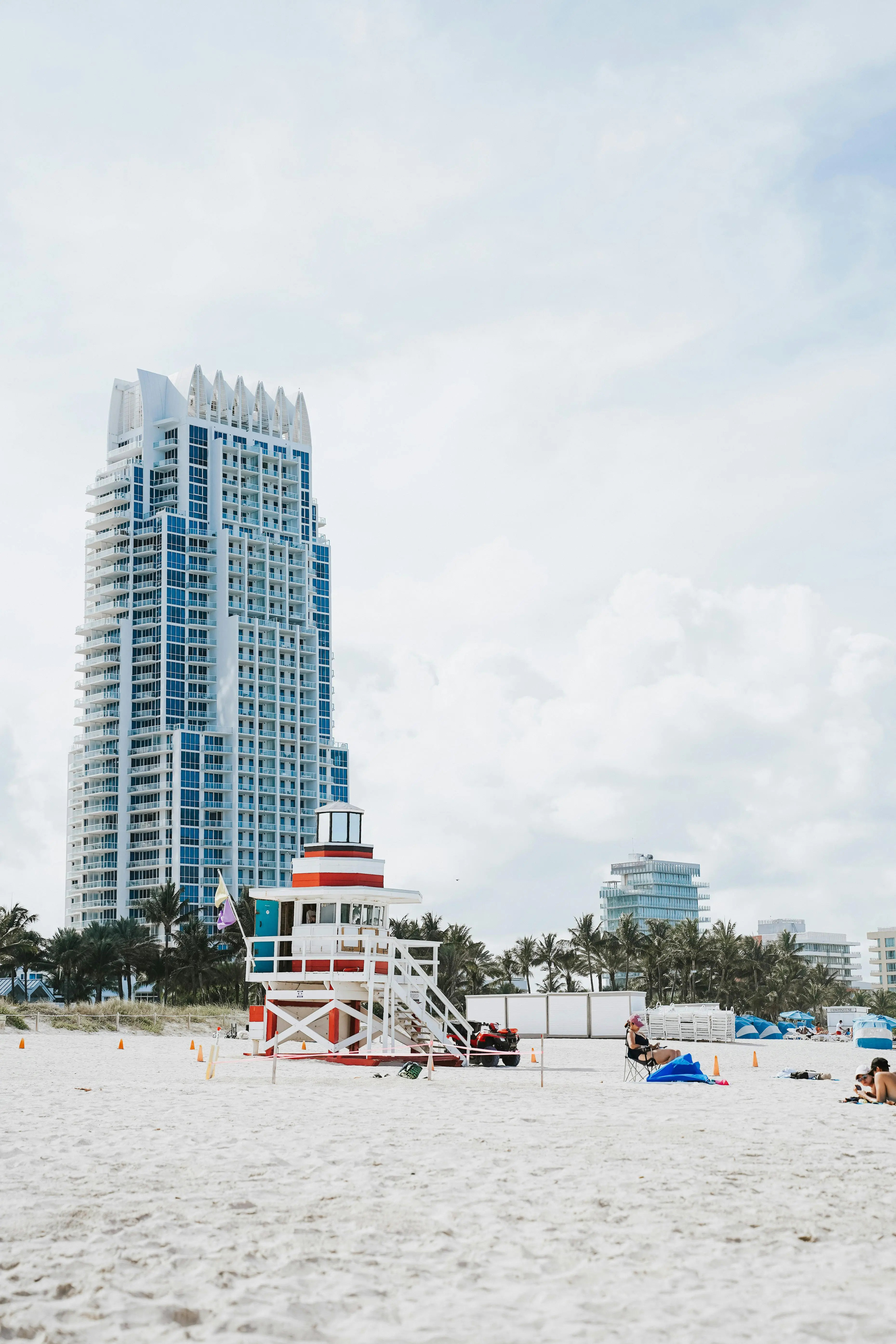
Finding Long Term Rentals in Miami Miami: What You Need to Know
The Miami rentals market does not reward casual searching. Listings move fast, prices vary by block rather than by neighbourhood, and the difference between a furnished rental with good light and a overpriced box with a balcony photo is not always obvious from a thumbnail. You need to search with dates already set — platforms bury the better-value rentals available under "flexible" searches, and the real monthly rates only show once you add dates and a stay length of 30 days or more.
Furnished apartments in Miami split into two clear tiers. The first is short-term furnished stock — units priced for Airbnb-style turnover, where the monthly rate drops only marginally from the nightly equivalent. These are fine for two weeks; they become expensive at six. The second tier is proper extended stay inventory: apartment rentals with monthly pricing built in, typically managed by property companies rather than individual hosts. This is where the value is, and it requires a different search approach than a standard holiday rental platform.
What Furnished Rentals Cost Across Miami FL Right Now
Prices shift by neighbourhood more than by apartment size — a studio in Brickell costs more than a one-bedroom in Little Havana, and that gap is worth understanding before you start filtering.
Brickell / Downtown Miami: studios from $2,400/month furnished, one-bedrooms from $3,000/month — premium furnished stock, high demand
Wynwood / Midtown: studios from $2,100/month, one-bedrooms from $2,700/month — more character, slightly better value
Miami Beach / South Beach: studios from $2,600/month, one-bedrooms from $3,400/month — the beach premium is real and unforgiving
Little Havana / West Miami: studios from $1,600/month, one-bedrooms from $2,000/month — the city's best-value furnished rentals, if you can find them
The gap between Little Havana and South Beach is nearly $1,000 a month on a studio before you've made a single spending decision — that's $12,000 over a year of identical work output.
How to Search for Rentals Available for 30+ Days
The search behaviour that wastes the most time is browsing without committing dates — rental platforms rank differently once you add dates and a minimum stay, and the furnished apartments with genuine monthly pricing become visible.
Set your arrival and departure dates first — every major platform reorders results once you add dates, surfacing inventory that was previously ranked below short-term listings
Filter for "monthly" or "extended stay" specifically — these are different inventory pools on most platforms, not just longer Airbnb bookings
Search Miami FL by neighbourhood rather than city-wide — city-wide results skew toward high-turnover tourist stock
Check for "utilities included" in the listing details — furnished rentals in Miami vary widely on this, and the ones that include utilities are better value than they look at headline price
If a listing does not state a monthly rate directly, the nightly price multiplied by 30 is almost always higher than what you'd pay with a proper extended stay agreement — ask before assuming.
Wynwood is the obvious pick if art and music matter to your daily rhythm — you are within a ten-minute walk of Art Basel satellite venues, record stores, and live sets that run until 2am on weekends.
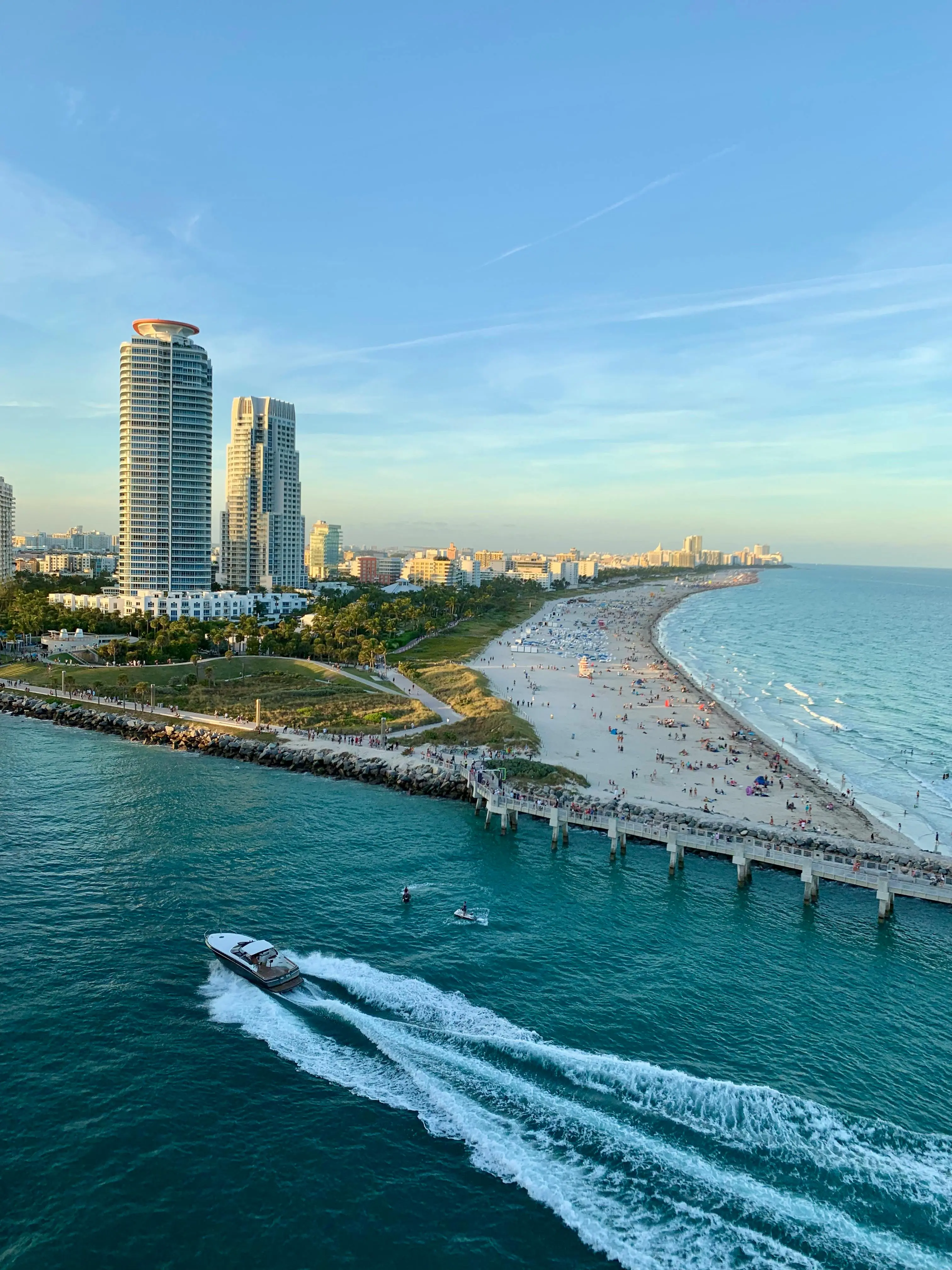
The Best Miami Neighborhoods for Remote Workers: Honest Trade-Offs
Every area in Miami has a version of itself that the rental photos show and a version that you discover by week two. The neighbourhoods below are the ones where remote workers actually stay for more than a month — not where they visit for a weekend.
Neighbourhood | Monthly Rent (Studio) | Vibe | Best For | Key Advantage |
|---|---|---|---|---|
Brickell | $2,400–$3,200 | Finance-district energy, high-rise | Corporate remote workers, routine-driven | Best public transit access in Miami |
Wynwood | $2,100–$2,800 | Creative, loud on weekends | Designers, creatives, café workers | Highest café and coworking density |
Miami Beach | $2,600–$3,600 | Tourist-facing, beach-adjacent | People who will genuinely use the beach daily | Beautiful beaches within walking distance |
Little Havana | $1,600–$2,200 | Residential, neighbourhood-feel | Budget-conscious, long stays | Best value housing in Miami |
Coconut Grove | $2,200–$2,900 | Quiet, green, slower pace | Families, longer-term residents | Walkability and parks without tourist noise |
Miami Brickell: Best Infrastructure, Least Personality
Miami Brickell is where you go when you want the city to work like a machine — the Metrorail, the grocery stores, the coworking spaces, the decent restaurants are all within a ten-minute radius, and nothing about that changes on a Tuesday versus a Saturday.
Brickell City Centre — groceries, pharmacy, and a Whole Foods on level two; the only Miami location where you can handle all errands without a car
Pipeline Brickell Coworking — day passes from $35, reliable gigabit fibre, quieter than Wynwood options on weekday afternoons
Sanpocho Restaurant — Colombian restaurant open late, mains around $14, one of the few places in Brickell that doesn't feel like an expense account dinner
One-bedroom furnished apartments from $3,000/month in the Financial District core — the towers on Brickell Avenue cost more than the streets one block west
Brickell gives you everything except the sense that you're living in Miami rather than an interchangeable high-rise city — whether that matters depends on why you're here.
Wynwood: Creative Energy That Has a Price by Thursday Night
Wynwood is the right base if café culture and walkable creative infrastructure genuinely matter to your daily rhythm — but the weekend noise level is not a minor inconvenience, it is a structural fact of the neighbourhood.
Panther Coffee — the best espresso in the neighbourhood, $4 flat whites, gets crowded after 10am; arrive early or lose a table
The LAB Miami — coworking and event space, day passes from $30, genuinely good community if you want it
KYU Miami — lunch mains from $16, outdoor seating with murals, best on weekday lunches before the tourist groups arrive
Studios in Wynwood from $2,100/month furnished — NW 2nd Avenue has the best mix of price and walkability
If you're working 9–5 Monday to Friday, Wynwood is close to ideal; if you keep different hours or need quiet evenings, look one neighbourhood east or west before committing.
Wynwood is the clearest win for renters who care about art and music — the First Saturday Art Walk draws thousands, and live venues like Gramps are a five-minute walk from most apartments in the neighborhood.
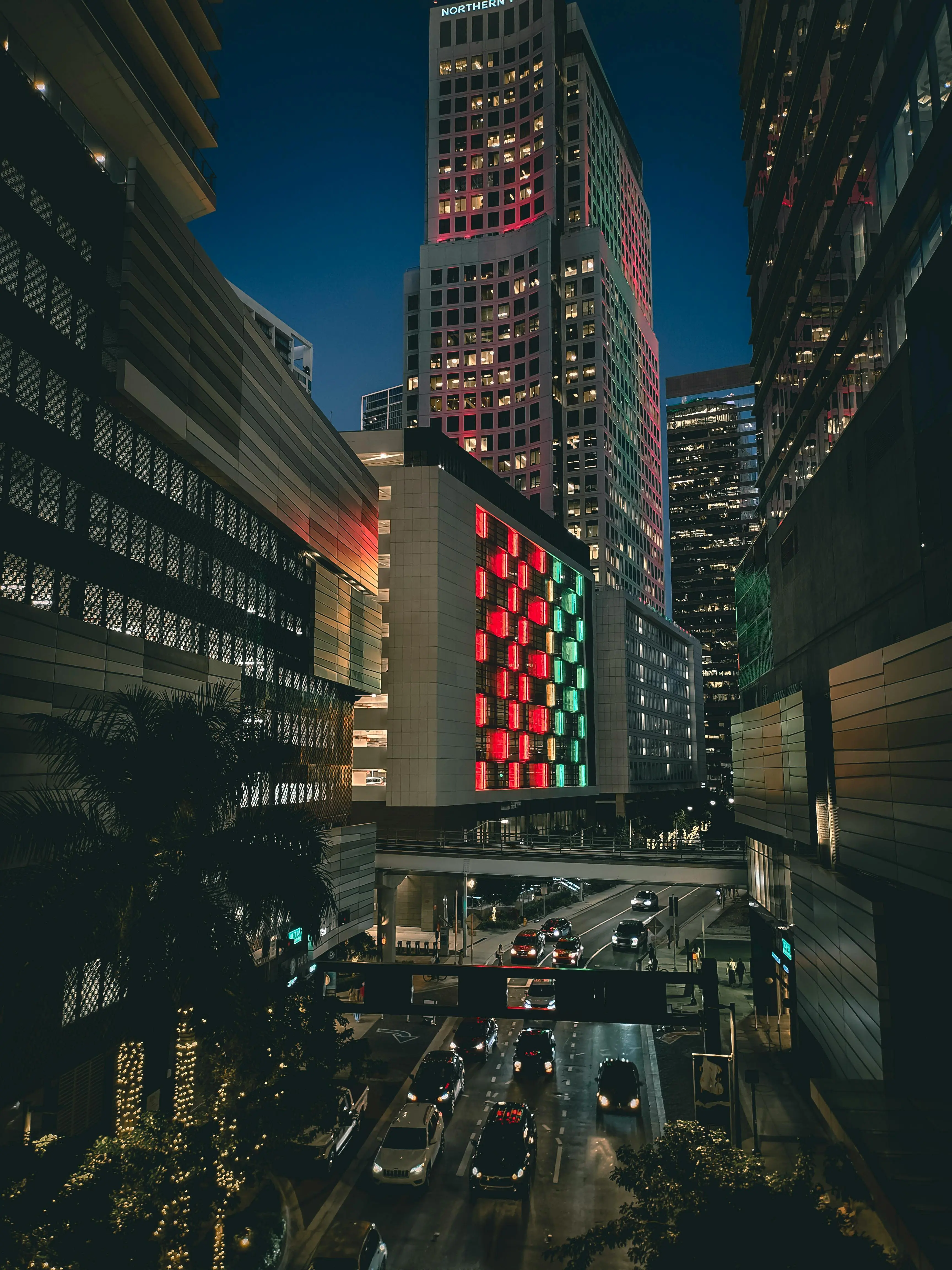
For the full breakdown of what each of these areas looks like on the ground, explore our Miami neighbourhood guide — it covers streets, transport links, and monthly living costs in more detail than the overview above.
Housing in Miami: Furnished vs. Unfurnished and What That Choice Costs You
The decision between furnished and unfurnished housing in Miami is less complicated than it sounds: if you're staying under six months, a fully furnished apartment wins on total cost every time, and the arithmetic becomes obvious once you price the alternative.
An unfurnished one-bedroom in Brickell rents from around $2,200/month, which sounds better than the $3,000+ furnished equivalent until you factor in a mattress ($500–$800), a desk setup ($300–$600), kitchen basics ($200–$400), and the time cost of buying and selling all of it on Facebook Marketplace at either end of the stay. At a three-month stay, the furnished rental is cheaper. At six months, it's roughly break-even. Beyond that, the maths shifts.
What Come Fully Furnished Actually Means in Miami Listings
Not every listing that claims to come fully furnished delivers the same standard — the phrase covers everything from hotel-grade turnkey apartments to a mattress, a camping chair, and optimism.
Expect at minimum: bed, sofa, dining table, and a kitchen with basic equipment — if a listing photo shows no desk, there probably isn't one
Premium furnished apartments in Brickell and Edgewater typically include a dedicated workspace, faster internet (200Mbps+), and in-building gym access — these command a $200–$400/month premium over basic furnished stock
Check whether linens, towels, and cleaning supplies are included — in extended stay and temporary housing, they usually are; in converted Airbnb-style listings, sometimes not
Utilities included is worth $150–$250/month in real value, given Miami's air conditioning costs — always confirm before signing
The furnished rentals worth paying for are the ones where you arrive with a laptop and a suitcase and start working the same day — anything that requires a trip to IKEA on day one is not actually furnished for remote work.
Temporary Housing and Extended Stay Options in Miami
Temporary housing in Miami sits between a hotel and a full lease — it's the right category if you need flexibility but want a proper apartment rather than a hotel room.
Extended Stay — extended stay apartments in Brickell from $2,800/month, all-inclusive pricing, minimum 30-day bookings
Sentral Miami — furnished studio and one-bedroom apartments from $2,500/month in Coconut Grove, coworking lounge included
Corporate housing companies in Downtown Miami typically require a 30-day minimum but offer month-to-month flexibility after that — better than a fixed lease if your timeline is uncertain
Short-term furnished options in North Beach and Mid-Beach run $200–$400/month cheaper than South Beach equivalents for nearly identical quality
The extended stay category is where the best-value furnished rentals available in Miami actually live — it just takes a more deliberate search to find them, because they're not always on the first platform you check.
A furnished apartment in Brickell runs $2,800–$3,500/month and lets you make it your home from day one without buying a single piece of furniture.

If you're ready to start narrowing down options, browse fully furnished apartments in Miami filtered for 30-day-plus stays — the inventory looks different from the standard short-term search.
Rentals in Miami: What Different Neighborhoods Actually Cost to Live In
Rent is the headline number, but it's not the full story. Miami neighborhoods like Downtown Miami, Little Havana, and Miami Beach have meaningfully different day-to-day costs — and those differences compound over a month in ways that the rental price alone won't tell you.
Daily Costs in Miami Brickell vs. Wynwood vs. Little Havana
The gap in grocery prices, restaurant costs, and coffee between different neighborhoods like Brickell and Little Havana is wide enough to change the shape of a monthly budget.
Versailles Restaurant on Calle Ocho in Little Havana — Cuban lunch under $12, the most affordable sit-down meal in the city at this quality level
Milam's Market in Coconut Grove — independent grocery, prices roughly 15% below Whole Foods, worth the trip if you're cooking most meals
Coffee in Wynwood averages $4.50–$5.50 per drink; in Little Havana, a ventanita cortadito costs $1.50 — that's $90/month versus $22/month for a daily coffee habit
Restaurant mains in Miami Beach average $22–$28; in Wynwood, $16–$22; in Little Havana, $10–$14 — the same meal costs roughly double depending on where you eat it
If you're doing a genuine cost-of-living calculation for homes in Miami, the neighbourhood you pick for rent is also the neighbourhood you pick for groceries, coffee, and dinner — and the difference across Miami FL areas adds up to $600–$900 a month before you've made any unusual spending decisions.
Transport Costs and Getting Around Without a Car
Miami is not a walking city in the way that New York or Chicago is, but it is more manageable without a car than most Florida cities — if you pick your base correctly.
Miami Metrorail monthly pass: $100 — covers Brickell, Downtown Miami, Coconut Grove, and the airport; essentially useless for getting to Miami Beach or Wynwood
Citi Bike Miami — $30/month for unlimited 30-minute rides; genuinely useful in Brickell, Wynwood, and along the waterfront corridors
Rideshare (Uber/Lyft) from Wynwood to Downtown Miami runs $10–$14 each way — at five trips a week, that's $200–$280/month, which changes the calculus on a cheaper apartment further out
Miami Beach is effectively a separate island — getting on and off requires either a car, a rideshare, or accepting that the MacArthur Causeway Citi Bike route is your commute
Brickell is the only neighbourhood in Miami where you can genuinely live without a car or significant rideshare spending — everywhere else involves making peace with either the cost or the time.
Renters who make Coconut Grove their home typically pay $2,800–$3,500/month for a one-bedroom, but get walkable streets and bayfront parks that Brickell simply cannot offer at the same price.
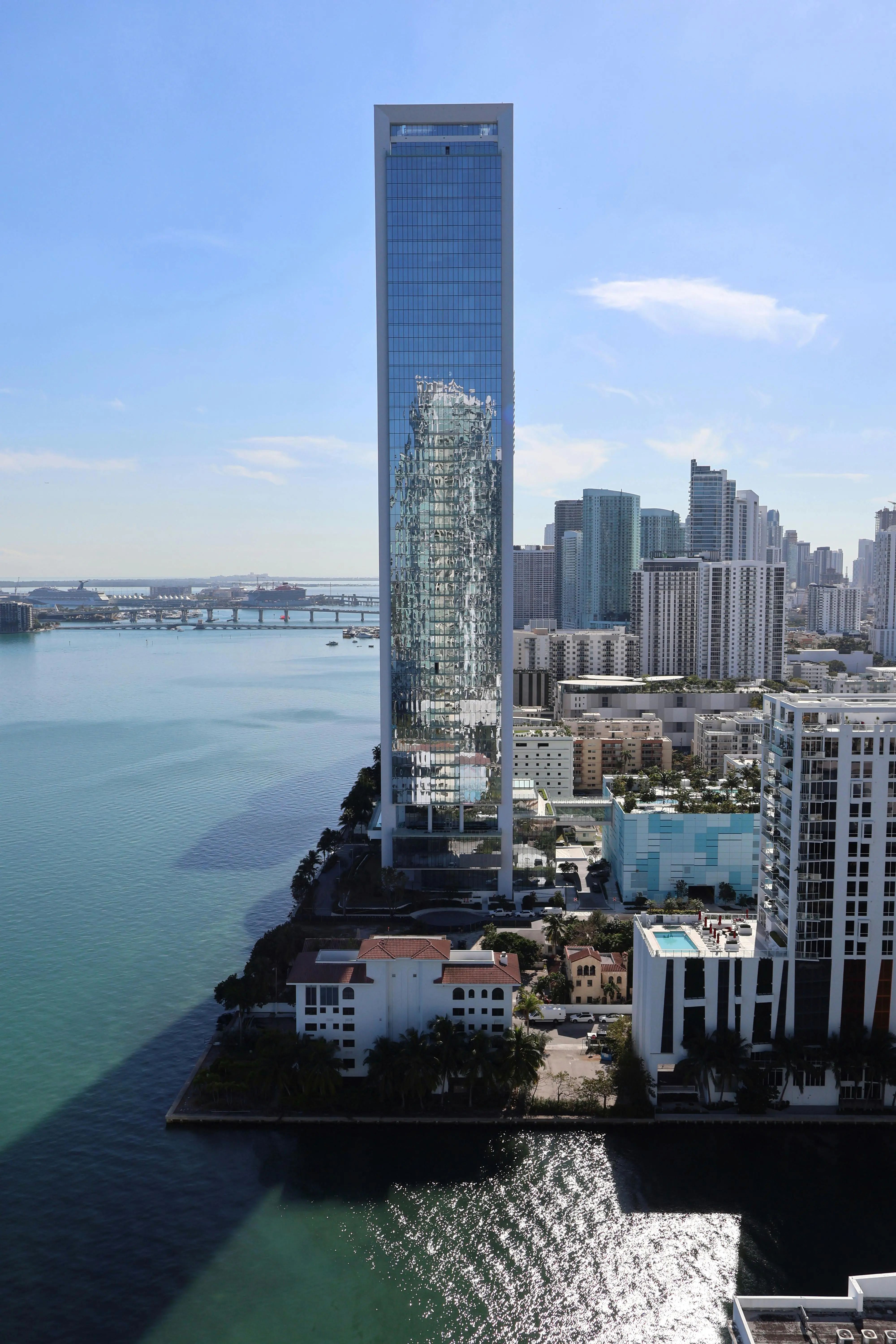
What to Expect When Moving to Miami as a Remote Worker
Moving to Miami is not the same as moving to a city that rewards patience and slow orientation — this place has a pace to it, and if your setup isn't working from day one, you'll feel it. The logistics matter more here than in most cities.
Setting Up Your Workspace When You Arrive
Miami apartments that advertise "fast WiFi" are not all telling the same story — verify before you sign anything longer than a month.
maman, Wynwood — flat whites $5, dedicated WiFi password per table, reliable upload speeds; best before noon on weekdays when the creative crowd takes over
Pipeline Miami, Brickell — coworking day pass $30, dedicated desks $400/month, conference rooms available; more corporate than creative, which suits some rhythms
Coworking spaces in Miami run $300–$500/month for a dedicated desk — cheaper than renting a larger apartment to get a quiet room, if your current place can't deliver silence
Most furnished apartments in Miami include internet in the rent; still worth asking the specific provider — AT&T; Fiber and Comcast deliver very differently in different buildings
Your first week is essentially an audit — if the internet drops twice before Thursday, that's your answer, and it's better to know it before week four.
Grocery Shopping and Daily Routines by Neighbourhood
Daily life in neighborhoods like Downtown Miami and Brickell looks different from daily life in Coral Gables or Little Havana — the infrastructure exists everywhere, but the rhythm doesn't.
Publix Brickell — full-size supermarket, reliable for weekly shops; more expensive than Sedano's in Miami's western neighbourhoods but you save 20 minutes in transit
Sedano's, Calle Ocho — Cuban staples, produce, and prepared foods at prices that make Publix feel gratuitous; $60 weekly shop here versus $95 at a Brickell Whole Foods
Coral Gables has the Miracle Mile area for restaurants and small grocers — quieter than Brickell for lunch breaks, and the University of Miami campus nearby keeps the café density high
Wynwood's closest full supermarket requires a rideshare or a 20-minute walk — this is the neighbourhood's most consistent practical frustration for monthly renters
Picking your grocery store before you pick your apartment sounds excessive until you've done three Uber trips to Whole Foods in a week and done the maths.
South Florida, Miami in particular, hits 90°F with 80% humidity from June through September, which adds $150–$200/month to your electric bill compared to what most newcomers budgeted.
Schools, Universities, and the Wider Community
Miami's academic infrastructure shapes certain neighbourhoods in ways that matter even if you don't have children or study there yourself.
Florida International University anchors the western end of Miami-Dade County — apartments near Florida International are cheaper and surrounded by a younger, more transient population that suits some remote workers fine and others not at all
University of Miami sits in Coral Gables — the neighbourhood around it has great schools, quieter streets, and a walkability that the rest of Miami doesn't always deliver
Edgewater and Midtown attract a younger professional crowd that doesn't orbit either university — it's the demographic for people who want art, music, and nightlife adjacent without the full South Beach premium
If you're moving to Miami with a partner or family considering school access, Coral Gables and South Miami consistently rank above neighborhoods like Downtown or Wynwood for the combination of great schools and reasonable apartment sizes
Renting an apartment in Miami without a U.S. credit history usually means landlords will ask for two to three months of deposit upfront, so budget for that before you arrive.
The University of Miami's presence in Coral Gables specifically keeps that neighbourhood's café and coworking infrastructure above what you'd expect for its size — it's worth factoring in if focused daytime work is your priority.
Finding the Right Rental: What the Search Process Actually Looks Like
The difference between a good rental and a frustrating one in Miami is mostly process — the inventory is there, but the way it's surfaced varies enormously by platform and by how specific your search parameters are.
Short-Term Versus Long-Term: Where the Value Breaks
Short-term rentals in Miami are priced for people who have no choice — if you have flexibility on dates and commitment, you should never pay those rates.
Short-term rentals listed at $3,800/month for a Miami Beach studio often drop to $2,700–$2,900 when you request a 60-day minimum directly with the host — the gap is real and consistent
Platforms filtering for 30+ day stays surface different inventory: proper Miami apartments set up for monthly renters rather than tourist turnovers with welcome baskets and checkout checklists
Furnished apartments in Miami on month-to-month terms usually include utilities — unfurnished rentals on annual leases don't, and the FPL electricity bill in a Miami summer can add $120–$180 to your monthly spend
The sweet spot for apartments for rent in Miami on an extended basis is 60–90 days: long enough to negotiate a monthly rate, short enough to stay flexible if the neighbourhood doesn't suit
A 30-day stay at a tourist rate and a 60-day stay at a monthly rate in the same building can differ by $800 — the negotiation is worth having before you commit.
What Furnished Apartments in Miami Actually Include
Fully furnished doesn't mean the same thing across Miami's rental market — know what you're comparing before the price starts looking like the only variable.
Miami bedroom apartments in newer Brickell towers typically include gym access, pool, and concierge — bedroom apartments in Edgewater or Wynwood buildings may have none of these but cost $400–$600 less per month
RentRemote's fully furnished apartments in Miami are verified for remote work — WiFi speed, dedicated workspace, and kitchen equipment confirmed before listing, which removes the most common arrival frustrations
Check whether the listed apartment includes parking — in Brickell and Downtown Miami, building parking adds $150–$250/month if it's not bundled, and street parking in those neighbourhoods is not a realistic alternative
Air conditioning is non-negotiable in Miami Florida — confirm the system is split-unit or central, because window units in a Miami summer are a different experience
The checklist matters more in Miami than in most cities because the gap between a well-equipped furnished apartment and a poorly equipped one has real daily consequences when it's 89°F and your WiFi is dropping.
Using a licensed Florida real estate agent for your lease gives you legal peace of mind — they are required to disclose flood zone status, which landlords on Facebook Marketplace routinely omit.
Neighbourhoods Worth Considering Beyond the Obvious Four
The top neighborhoods in most Miami guides are Brickell, Wynwood, South Beach, and Little Havana — but neighborhoods like Downtown Miami have specific advantages that those four don't, and some quieter options suit remote workers better than any of them.
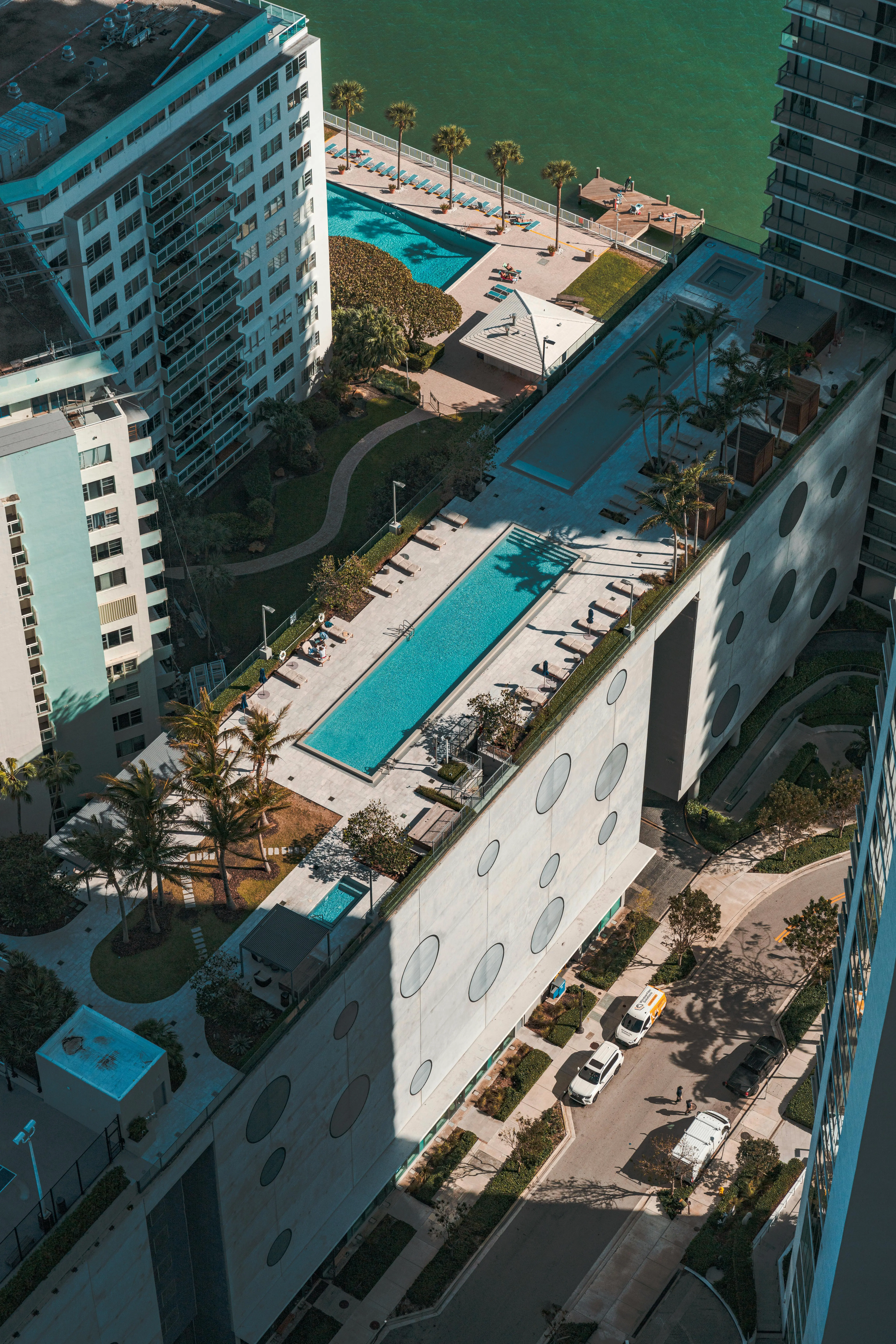
Edgewater sits between Wynwood and Downtown Miami on Biscayne Bay — newer high-rise buildings, water views, and a calmer street-level feel than Wynwood; studios from $2,200/month
Coral Gables offers a genuinely walkable grid, tree cover that most of Miami lacks, and proximity to the University of Miami's resources — 1-bed apartments for rent here run $2,400–$2,900/month, and the change of scenery from Downtown or Brickell is real
Coconut Grove is the most underrated base in this guide to Miami: quieter than Brickell, better access to public green space than Wynwood, and Metrorail-connected; 1-beds from $2,500/month
Midtown Miami sits between Wynwood and Edgewater — access to the Design District, slightly cheaper than Wynwood's premium streets, and a better grocery situation than either
Coconut Grove and Coral Gables are where people end up after they've done a month in Brickell and realised that a view of the bay is less useful than a street they actually want to walk down at 7pm.
Making Miami Work Long-Term: The Things No Listing Tells You
A guide to Miami that stops at rent prices and neighbourhood vibes is doing you a disservice — the details that determine whether a three-month stay feels productive or grinding are specific to how this city operates.
Weather, Seasonality, and When to Arrive
Miami Florida's weather is not a backdrop — it actively shapes your schedule, your electricity bill, and the street-level experience of every neighbourhood you're considering.
Hurricane season runs June through November — most furnished apartments in Miami include building insurance, but confirm your personal contents are covered if you're working with equipment worth protecting
January through April is the best working weather in Miami: low humidity, 75–82°F, and the outdoor café culture that makes this city worth its rent prices is fully operational
June through September is cheaper for apartments in Miami — landlords negotiate more, short-term rentals soften in price, and the trade-off is afternoon thunderstorms that end your outdoor work plans at 3pm daily
South Beach becomes functionally difficult in July and August — the tourist volume combined with the heat makes it a poor choice for anyone who needs focused work output; neighborhoods like Downtown Miami or Coral Gables hold up better
Arriving in February and leaving before June is not a cheat code — it's the answer to why so many remote workers treat Miami as a winter base rather than a year-round one.
Long-timers joke that only in Miami, Miami can you swap a co-working space in Brickell for a beach chair in South Beach in under 25 minutes — and mean it as a serious productivity argument.
The Social Infrastructure and Work-and-Play Balance
Miami has a work-and-play reputation that's earned, but the city rewards people who build structure around it rather than waiting for the city to impose structure on them.
Ball & Chain in Little Havana — live salsa from 7pm, no cover on weekdays, and $9 mojitos; the kind of place that makes a Tuesday feel less like a Tuesday
Delano, South Beach — pool bar, $14 cocktails, and a crowd that skews toward people who take their leisure as seriously as their work; good for switching off, not for spontaneous laptop sessions
Art, music, and gallery events cluster around Wynwood Walls on the first Saturday of each month for Art Walk — free entry, dense foot traffic, and the best version of the neighbourhood's social scene in a single evening
Coworking spaces in Miami often host networking events — Pipeline Miami and similar venues run weekly mixers that are more useful than they sound if you're three weeks into a solo stint and want actual conversation
Most Florida Miami leases require proof of renters insurance before move-in, and policies here typically run $15 to $25 per month — cheap enough that skipping it is not worth the risk during hurricane season.
Buying a SunPass transponder in your first week saves you real money — commuting from home in Kendall to downtown Miami via the Turnpike adds up to over $80/month without one.
Is Miami the Right Base for You? Frequently Asked Questions
Miami works best for remote workers who have made a decision and committed to it — a neighbourhood, a duration, a budget. The people who find it frustrating are usually the ones who arrived with vague plans and let the city's pace make decisions for them.
If you need silence, a car-free life, and cheap daily costs, Miami is not your city. If you need warmth, genuine energy, fast internet, and a furnished apartment that feels like home from day one, it delivers more consistently than almost anywhere else in the United States.
The reader this guide is written for is someone making a real decision, not scouting a holiday. Miami rewards that seriousness. Show up with a plan, and the city will hold up its end.
Start Your Long-Term Miami Rental Search with Confidence
Miami is one of the most dynamic long-term rental markets in the country, and navigating it successfully comes down to preparation. Whether you're relocating for work, spending an extended season, or simply testing the city before committing to a lease, knowing your neighborhoods, your budget, and your non-negotiables will save you time and money. The fully furnished apartment inventory here has expanded dramatically, and the right place is out there — it just won't wait around for you.
Use this guide as your starting framework, but don't stop here. Prices shift by season, availability changes weekly, and new buildings enter the market regularly. Set up alerts, talk to locals, and move with intention when you find something that fits. Miami rewards decisive renters.
If Miami turns out not to be the right fit, or if you're weighing it against other cities, you can explore fully furnished apartments in the country to compare options across different markets — all in one place, with the same standard of quality and flexibility you'd expect from a serious long-term rental search.
Frequently Asked Questions About Long-Term Rentals in Miami
What is considered a long-term rental in Miami?
In Miami, a long-term rental is generally any lease of 30 days or more, though most landlords and property managers prefer commitments of three to six months at minimum. This distinction matters legally, as short-term rentals under 30 days are heavily regulated or outright banned in many Miami neighborhoods. If you're planning an extended stay, always clarify the minimum lease term upfront before applying.
What is the average cost of a furnished long-term rental in Miami?
Pricing varies significantly by neighborhood, unit size, and included amenities. In 2024, a furnished one-bedroom in areas like Brickell or South Beach typically ranges from $2,800 to $4,500 per month, while neighborhoods like Little Havana or Edgewater may offer comparable units closer to $2,000 to $3,000. Expect to pay a premium of roughly 15 to 30 percent over unfurnished units for full furnishings and utility-inclusive arrangements.
Is it better to rent furnished or unfurnished in Miami for a long stay?
For stays under 12 months, furnished rentals almost always make more financial sense when you factor in the cost of buying, storing, and eventually selling furniture. For stays of a year or more, unfurnished units typically offer lower monthly rates and more stability. Many long-term renters in Miami start furnished and transition to unfurnished once they know the city and have found their preferred neighborhood.
Which Miami neighborhoods are best for long-term renters?
Brickell suits professionals who want walkability and a central location, while Coral Gables and South Miami appeal to those looking for quieter, tree-lined streets with a suburban feel. Wynwood and Edgewater attract creatives and younger renters who want proximity to culture and nightlife without South Beach prices. Families often gravitate toward Coconut Grove or Pinecrest for their school options and community feel.
How far in advance should I start looking for a long-term rental in Miami?
Ideally, begin your search four to eight weeks before your intended move-in date. Miami's rental market moves quickly, especially in the October through March high season when demand spikes from seasonal residents and corporate relocations. Searching too early means listings you find won't be available by the time you're ready, while searching too late narrows your options considerably and increases the pressure to settle.