A Guide to the Miami Countryside: South Dade Farms, Nature Spots, and Rural Escapes
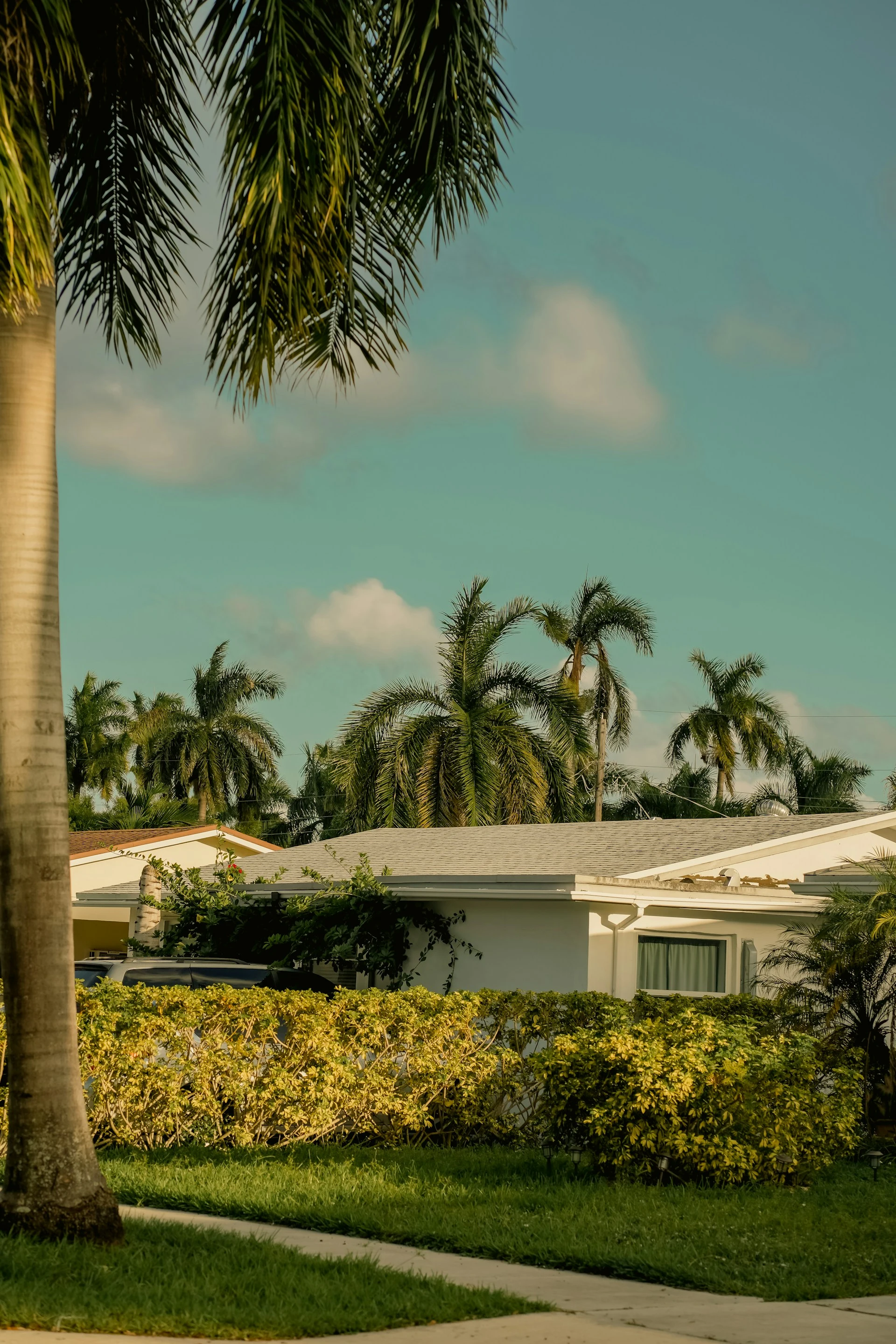
Just beyond the dense neighborhoods of Greater Miami, the Miami countryside opens into wide fields, family-run farms, and pockets of quiet nature shaped by generations of growers. This rural stretch of South Florida feels worlds away from the coast, offering slower mornings, fresh fruit harvested on-site, and a look at traditions that shaped Miami long before the skyline grew tall. For visitors looking for something beyond beaches and nightlife, Miami’s countryside is a chance to discover fresh air, open space, and a landscape rooted in everyday local life.
Families, photographers, and travelers who like to explore without crowds will find simple routes, seasonal produce, and warm community culture throughout South Dade. Much of the region still revolves around long-standing agricultural work — and that’s exactly what makes it worth the drive.
A few places that immediately stand out:
-
Historic farmland in Redland and Homestead
-
Roadside fruit stands selling tropical harvests and preserves
-
Quiet pockets of nature ideal for unhurried mornings

Miami Countryside: What Defines South Florida’s Rural Side?
The rural edges of the Miami Countryside feel completely different from the waterfront districts most travelers know. Out here, you’ll see open horizons, quiet nurseries, and small agricultural communities that have shaped South Florida for generations. This isn’t a resort-style experience—it’s a close look at how people work the land, grow tropical fruit, and maintain traditions that predate modern Miami.
Where You’ll Find Sprawling Farmland in Miami-Dade
The communities at the southern edge of Miami-Dade hold some of the region’s most authentic rural landscapes. This is where visitors can find sprawling farmland, explore quiet backroads, and walk through areas shaped by long-standing grower families.
What to expect in the farmland zones:
-
Sections of sprawling farmland stretching across Redland and Homestead
-
Narrow roads where you can stroll past nurseries, groves, and working fields
-
A mix of farmland operations—tropical fruit growers, nurseries, and small animal farms
These stretches of farmland set the tone for the Miami Countryside—quiet, open, and rooted in tradition. They’re a reminder that just beyond the city, South Dade still moves to a slower, steadier rhythm.
Unique Ecosystems That Border Miami’s Countryside
Just beyond the groves, the Miami Countryside merges with wetlands, prairies, and habitats that make South Dade one of the most unique ecosystems in the region. The shift from farmland to wilderness is fast and dramatic, offering plenty of quiet corners to explore.
Highlights of the rural ecosystem:
-
Landscapes that transition from fields to wild nature within minutes
-
Birdlife, small animals, and native vegetation that thrive near the Everglades edge
-
Open-air spots ideal for photography, wandering, and low-key adventure
This blend of rural fields and wild habitats creates a landscape you won’t find anywhere else in Greater Miami. It’s the kind of place where a short detour rewards you with wide views, fresh air, and room to explore without crowds.
South Dade: Miami’s Countryside Hub for Local Farms & Berry Farm Stops
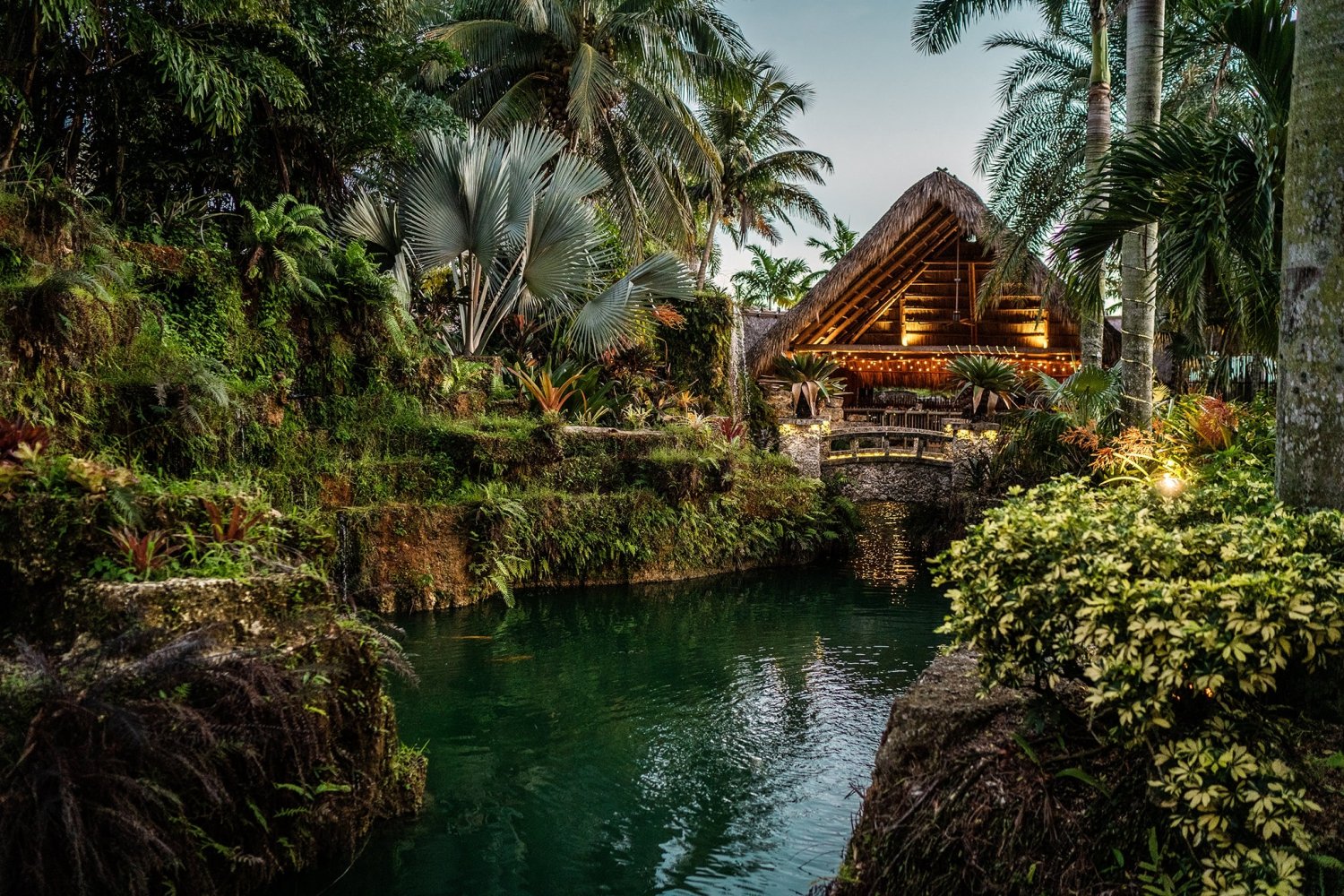
South Dade is the core of the Miami Countryside, where fields, groves, and family-run operations create a quiet counterpoint to the city. Much of Miami’s countryside character comes from this region’s working farms, fruit growers, and outdoor markets that have been operating for decades. It’s spacious, agricultural, and full of places where visitors can taste, walk, and explore the rural side of South Florida.
Local Farms You Shouldn’t Miss
South Dade has some of the most recognizable local farms in the region, ranging from fruit orchards to tropical nurseries. It's the best place to stop at a berry farm, try seasonal exotic fruit, or walk through groves that have been part of the community for generations.
Worth a stop:
-
The Berry Farm – Known for strawberry picking, seasonal berries, a sunflower field, and weekend activities for families.
-
Robert Is Here Fruit Stand – A South Florida institution offering rare exotic fruit, milkshakes, and a small animal area that kids love.
-
Fruit & Spice Park – A unique 37-acre park with more than 500 varieties of tropical plants and guided tasting tours.
-
Knaus Berry Farm – Famous for cinnamon rolls, U-pick strawberries, and old-school charm during the harvest season.
These places capture how deeply woven agriculture remains in South Dade — a landscape shaped by growers, harvests, and community tradition.
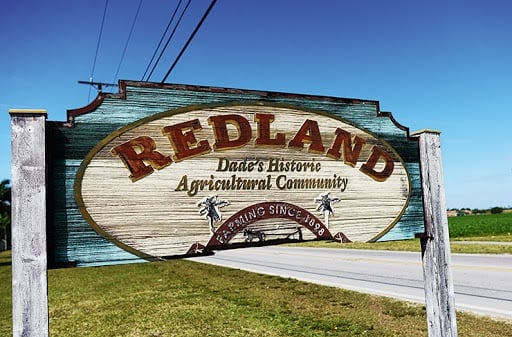
Redland: The Agricultural Heart of Miami’s Countryside
Redland sits at the center of the region’s historic farming district, offering long stretches of farmland, old groves, and nurseries that supply much of Miami-Dade. It’s a quieter pocket where visitors can drive slowly, stop at roadside stands, and see how local growers keep rural culture alive.
Notable stops in Redland:
-
Schnebly Redland’s Winery & Brewery – Tropical fruit wines, craft beer, and a lush garden setting.
-
RF Orchids – One of Florida’s oldest orchid nurseries, known for its greenhouse tours and rare varieties.
-
Redland Market Village – A blend of Latin food stalls, produce vendors, and local crafts open year-round.
-
Monkey Jungle Area Drive – Not the attraction itself, but the surrounding roads offer some of the most scenic rural drives in Redland.
-
Redland Community Farm & Market – A community-driven spot focused on organic produce and sustainable agriculture.
Redland offers the quietest version of the Miami Countryside — a place to slow down, taste something seasonal, and spend time in open air that hasn’t changed much in decades.

Everglades National Park & Biscayne Bay: Two National Parks Near Greater Miami
The Miami Countryside connects directly to two of the most significant protected areas in the region: Everglades National Park and Biscayne Bay. Together, these two national parks form a natural border around South Dade and offer some of the most distinctive unique ecosystems in the United States. Their landscapes shift from freshwater marshes to coastal waters within minutes, giving visitors a rare chance to explore wilderness right beside rural farmland.
Everglades National Park: Trails, Wildlife & Wide-Open Nature
South Dade is the closest urban gateway to the Everglades, making it easy to spend a quiet morning surrounded by wetlands, sawgrass prairies, and native wildlife. The park is enormous, but the Homestead entrances are especially accessible for families and travelers who want shorter trails or ranger-led programs.
Good places to start:
-
Ernest F. Coe Visitor Center – The main entrance near Homestead with exhibits, rangers, and maps for planning your route.
-
Anhinga Trail (Royal Palm) – A short boardwalk trail where visitors often see alligators, wading birds, and other animals up close.
-
Gumbo Limbo Trail – A shaded tropical hardwood hammock walk suitable for all ages.
-
Shark Valley** (north side)** – A classic biking loop offering sweeping Everglades views, best visited early in the day.
-
Flamingo Marina – Quiet, scenic, and known for birdwatching, boat rentals, and gentle coastal breezes.
The Everglades offer the widest sense of space in South Florida—a place where water, sky, and wildlife meet in some of the region’s most unforgettable scenery.
Biscayne Bay National Park: Water, Islands & Coastal Beauty
Just east of the Miami Countryside, Biscayne Bay introduces a completely different landscape—clear shallows, mangrove forests, and offshore islands that feel removed from the city. It's one of the few national parks focused almost entirely on water, making it ideal for low-key exploration and quiet coastal mornings.

Popular areas and activities:
-
Dante Fascell Visitor Center** (Homestead Bayfront Park)** – Exhibits, films, and easy access to ranger programs.
-
Kayak or paddle routes – Calm waterways perfect for beginners who want to explore mangrove tunnels and shoreline habitats.
-
Boca Chita Key – A scenic island with a lighthouse, picnic areas, and wide beauty views across the bay.
-
Elliott Key – The park’s largest island, great for hiking short nature loops or spending an unhurried afternoon near the water.
-
Guided boat tours – A relaxed way for visitors to learn about marine life, reefs, and park history.
Biscayne Bay feels like a quiet counterpoint to the Everglades—saltwater instead of marsh, islands instead of prairies, and a sense of openness that pairs well with a slow morning in the countryside.
Beyond Miami Beach: Rural Spots for Culture, Local Traditions & Outdoor Fun
South Dade’s rural edges provide a mix of outdoor gathering places, community events, and small venues that feel far removed from the rhythm of Miami Beach. Here, weekends revolve around seasonal harvests, shaded picnic areas, and laid-back spaces shaped by longstanding local families.
Family-Friendly Outdoor Stops & Community Venues
These are welcoming places for people of all ages—easy to reach, relaxed, and built around simple activities like tasting fruit, watching live demonstrations, or spending unhurried time outdoors.
Good choices for groups:
-
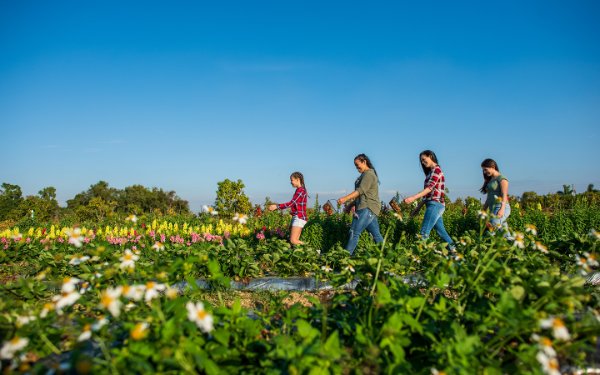
The Berry Farm (Homestead) – Play areas, open seating, and seasonal sunflower paths.
-
Redland Farm Life – A small educational site with gardens and friendly farm animals.
-
Earth Learning’s Redland Center – Community garden programs focused on sustainable growing practices.
-
Homestead Bayfront Park – Shallow swimming areas and shaded lawns near the water.
-
Fruit & Spice Park – A large international plant collection with guided walks and weekend programming.
These stops show a softer side of the rural area—places that are easygoing, open, and suited for a morning or afternoon with kids or out-of-town guests.
Seasonal Festivals, November Harvests & Local Traditions
South Dade’s event calendar reflects its agricultural history. When autumn arrives, markets and festivals pick up, and by November, many growers celebrate the busiest part of the year. These gatherings offer food, music, and a closer look at the area’s heritage.
Annual highlights:
-
Redland Heritage Festival – Historic displays, local dishes, and community performances.
-
Knaus Berry Farm Season Opening – A well-loved moment when cinnamon rolls and strawberry picking return.
-
Redland Market Village Weekend Fair – Food stalls, live music, and produce vendors with a wide range of options.
-
Fruit & Spice Park’s Tropical Fruit Events – Tastings and curated walks led by local guides.
-
Holiday programs at Robert Is Here – Seasonal shakes, live demonstrations, and casual outdoor seating.
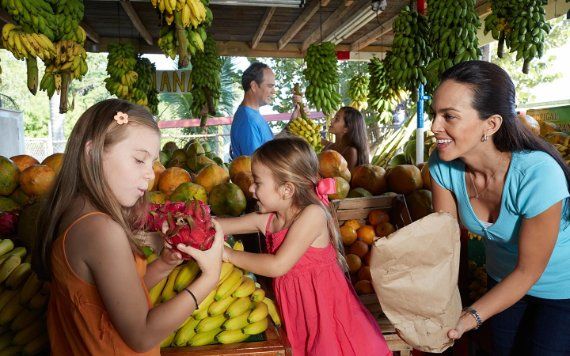
These gatherings blend food, music, and long-standing customs, making them a comfortable way to experience this part of the region.
Homestead & Redland vs. the Everglades vs. Miami Beach — Choosing the Right Experience
Visitors to rural South Dade often weigh three options: the agricultural districts, the wetlands to the west, and the shoreline to the east. Each offers a different pace—one shaped by growers, one defined by protected landscapes, and one rooted in coastal life. Your choice comes down to how you prefer to spend your day.
Quick Comparison Table
| Area | Ideal For | Outdoor Experience | Food & Dining | Overall Feel |
|---|---|---|---|---|
| Homestead & Redland | Groups, relaxed travelers, food-minded guests | Short walks, roadside stops, orchard visits | Bakeries, fruit stands, casual eateries | Rural and unhurried |
| The Everglades (west) | Wildlife fans, photographers | Boardwalk routes, lookouts, open wetlands | Limited; mostly simple café options | Quiet and expansive |
| Miami Beach (east) | First-time guests, nightlife fans | Beach walks, coastal viewpoints | International dining, waterfront restaurants | Lively and urban |
| Each option offers its own advantage, whether you prefer quiet backroads, broad horizons, or a coastline with plenty going on. |
Suggested Itineraries Based on Your Travel Style
A few simple combinations make planning easier, especially if you're heading south for a day trip.
For relaxed outings:
-
Morning at Fruit & Spice Park
-
Lunch at Chefs on the Run
-
Easy stroll at Homestead Bayfront Park
For outdoor-focused travelers:
-
Boardwalk walk at Anhinga Trail
-
Lunch at a small Latin café nearby
-
Sunset stop at Flamingo Marina
For those exploring local food stops:
-
Shakes at Robert Is Here
-
Warm pastries from Knaus Berry Farm (seasonal)
-
Early dinner in downtown Homestead
If you want an easy base for exploring both coasts and countryside routes, you can browse fully furnished apartments in Miami to find places suited for longer stays and flexible days.
Where to Eat: Dining Options, Exotic Fruit Stands & Farm Cafés
Food is one of the strongest reasons to explore the Miami Countryside. South Dade’s growers and small producers supply much of the region’s tropical fruit, and many farms now run cafés, markets, and tasting counters built around what’s in season. From exotic fruit stands to family-run restaurants, you’ll find simple dishes that highlight Redland and Homestead’s long agricultural history.
Farm Cafés & Seasonal Spots
These countryside stops keep menus tied to the land. Most dishes revolve around berries, mango, and other produce harvested within a few miles—sometimes within a few steps.
Good places to start:
-
Knaus Berry Farm – Known for cinnamon rolls, U-pick strawberries, and a seasonal counter serving fresh shakes.
-
The Berry Farm Café – Open-air seating with strawberry shortcake, berry smoothies, and simple farm-style breakfasts.
-
Robert Is Here – Tropical fruit milkshakes, fresh-cut exotic fruit, and sandwiches made with local ingredients.
-
Farmhouse Miami** (Redland)** – A rustic spot serving sandwiches, baked goods, and weekly specials tied to local harvests.
/cdn.vox-cdn.com/uploads/chorus_image/image/57136439/AlexTphoto.com___Liz_Hogan___23131_SW_154th_St_1_HighRes.0.jpg)
These cafés are casual and welcoming, offering the kind of fresh, uncomplicated dishes that feel right in the middle of farm country.
Rural Restaurants & Family-Run Spots
Beyond farm cafés, South Dade has a handful of restaurants where long-running family kitchens reflect the area’s culture. Expect homestyle cooking, open seating, and menus shaped by tropical produce.
Local favorites:
-
Chefs on the Run (Homestead) – Caribbean-inspired dishes, sandwiches, and seasonal specials featuring local produce.
-
**El Valle BBQ **(Redland) – Open-air Cuban barbecue with slow-smoked meats and weekend crowds.
-
Taco Rico** (Homestead)** – A long-standing Mexican restaurant with handmade tortillas and familiar comfort dishes.
-
La Michoacana Paletería – Fruit paletas, mini-cones, and ice creams influenced by local harvests.
-
La Casita Original – Classic Cuban fare near farmland routes, perfect after a long day of exploring.
These places are simple, flavorful, and connected to the community—good stops for visitors who want a taste of everyday South Dade after visiting farms and nature spots.
Planning Your Day: How to Visit the Miami Countryside Smoothly
Exploring South Dade is easiest when you know how the roads connect and which areas are better early in the day. Traffic patterns change quickly, some places require a short wait, and many outdoor stops run on simple schedules. With a little planning, the rural parts of Miami become a comfortable and unhurried day trip.
How to Plan Your Route Across West, East & North South Dade
Distances in this area are short, but timing still matters—especially if you’re pairing a grove visit with coastal stops or a short walk near Homestead Bayfront Park. These routes also help travelers who want to avoid backtracking.
Practical tips:
-
Start west if you want cooler mornings for short walks.
-
Head east after lunch for breezier afternoons near the water.
-
Spend time in the north end only if you’re combining your day with a Miami Beach stop.
-
Some roads move slowly based on harvest seasons or weekend activity.
-
A few parks post hours that change through the year, so check ahead.
Planning lightly around these patterns gives you more time to enjoy your day without rushing between stops.
What to Pack & What People Often Forget
South Dade is sunny, breezy, and open. Many travelers arrive prepared for fruit stands, but fewer pack for long stretches outdoors. Bringing a few basics makes the countryside feel more comfortable.
Helpful things to bring:
-
A refillable water bottle — easy to forget and useful all day
-
Closed shoes for short walks and uneven paths
-
A small cooler for local fruit or baked goods
-
Sunscreen and a hat for open-air routes
-
A notebook or camera if you like to document your travel memories
If you’re traveling with families, consider packing light snacks; some outdoor spots have limited menus, especially on weekdays.
Practical Details: Reservations, Timing & Contact Information
A few countryside spots operate informally, but others run busy weekends with steady foot traffic. Knowing what needs a quick hold or a call ahead can make the day smoother.
What to know:
-
Some farm cafés ask guests to reserve a table during peak weekends.
-
Event spaces in Redland may post seasonal schedule updates online.
-
A handful of places share updates via social pages rather than websites.
-
If you need to confirm something specific, you might have to email the venue directly.
-
Parking tends to be simple and open-air, but lots fill faster during festivals.
If you want a comfortable base between Homestead, Redland, and the coastal parks, you can browse fully furnished apartments in the United States for longer stays with predictable comfort.
Exploring Homestead: A Rural Base for Miami Countryside Day Trips
Homestead sits close to fields, groves, and open-air markets, making it one of the easiest areas to settle into while exploring South Dade. The town has a relaxed rhythm—wide streets, long-standing family businesses, and a mix of places where travelers can stop for baked goods, fruit drinks, or simple meals between outings.
Those spending a full day south of the city often describe Homestead as a comfortable midpoint: close to the coastline to the east, farmland to the west, and the agricultural district just a few minutes away. It’s a place where guests can move at their own pace and still find small spots worth returning to, whether it’s a latin bakery, a quiet park, or a weekend fair.
If you want a clearer sense of how the town fits together—its routes, clusters of shops, and easy stopovers—our neighborhood guides to Miami are a helpful way to plan a smoother countryside experience.