Top 10 Places to Visit in Mexico City
Mexico City—often called Ciudad de México—is a city where every block tells a different story. Ancient roots from the old Aztec capital shape the historic center, while leafy districts like Roma Norte and La Condesa offer cafés, galleries, and some of the best street food in the country.
If you’re planning your first time visit or lining up your next trip, the city rewards slow wandering, museum hopping, and long afternoons spent eating your way through local markets.
Between reliable public transportation, lively plazas, and neighborhoods designed for walking, exploring the city feels surprisingly easy. This guide brings together essential stops, markets, parks, and cultural landmarks to help you map out your ideal trip to Mexico City—from world-class museums to everyday street vendors.
At a Glance:
-
Must-see sights across the Centro Histórico
-
Markets, museums, and food experiences worth planning ahead
-
Neighborhoods with character and great cafés
-
Easy routes for walking, exploring, and discovering tacos
Historic Center & Centro Histórico Icons
The historic center—the beating heart of Mexico City—is where centuries of architecture, markets, and ceremonial spaces overlap. It’s the best starting point for a first time visit, especially if you enjoy dense streets, monumental plazas, and easy public transportation links to the rest of the city. This is the side of Centro Histórico where ancient ruins sit steps from neoclassical palaces, and where everyday life blends with some of the city’s most important cultural sites.
Key Places to Explore
A compact route covering essential landmarks.
-
Zócalo** (Main Square)** — the massive civic hub surrounded by the Metropolitan Cathedral and government buildings.
-
National Palace / Palacio Nacional — Rivera’s murals depicting Mexican history, a highlight of any trip to Mexico City.
-
Templo Mayor — excavations revealing the sacred heart of the Aztec capital.
-
Torre Latinoamericana / Mirador Torre Latino — a classic viewpoint for sunset or night panoramas.
-
Palacio de Bellas Artes (10–12 minutes away) — perfect to pair with your historic-center day.
-
Active street vendors offering fruit cups, esquites, and grilled corn along Calle Madero.
Food & Coffee Recommendations
Reliable nearby stops for a break between sights.
-
Café de Tacuba — historic dining room serving enchiladas, pozole, and classic plates.
-
**El Cardenal **(Centro) — famous for breakfast; expect conchas, hot chocolate, and carnitas.
-
Churrería El Moro** (Eje Central)** — churros and hot chocolate close to Bellas Artes.
-
Café Regina — quiet corner for coffee a few blocks off the main square.
-
Taquería Los Cocuyos — tiny, iconic stand known for some of the best tacos in the area.
Quick Stops & Museums
Small but worthwhile spots to round out your visit.
-
Museum of the Templo Mayor — artifacts from the site itself.
-
MUNAL (10 minutes north) — national fine-arts collection.
-
Casa de los Azulejos — a tiled 18th-century palace with a Sanborns café inside.
-
Pinacoteca Virreinal — colonial religious art in a quiet gallery setting.
The Centro Histórico rewards slow walking and repeated visits—an essential anchor for understanding the rhythm, heritage, and everyday life of this city.
Chapultepec Park: Museums, Lakes, and the City’s Green Core
Few urban parks in the world compare to Chapultepec Park—formally the Bosque de Chapultepec. Spread across multiple sections, it offers museums, lakes, shady walking paths, food stalls, and one of the most iconic viewpoints in all of Mexico City.
It’s the place you go when you want culture and greenery in the same afternoon, and it’s easily reached by public transportation from almost anywhere in the city. For many visitors, this area becomes one of their favorite places to return to throughout the trip.
Major Landmarks to Explore: Chapultepec Castle and Beyond
A mix of history, architecture, and open-air routes worth planning ahead.
-
Chapultepec Castle — perched on Chapultepec Hill, this former imperial residence offers sweeping views and elegant rooms.
-
Museo Nacional de Antropología / Museo Nacional de — one of the best museums in the country, with must-see exhibits on pre-Hispanic cultures.
-
Museum of Modern Art — strong collection of Mexican modern art, including works by artists like Remedios Varo.
-
Tamayo Museum — contemporary pieces in a beautifully designed space surrounded by pines.
-
Chapultepec Lake — rowboats, relaxed paths, and benches ideal for a mid-day break.
-
Botanical Garden — quiet trails perfect for a gentler walk between stops.
-
Smaller spaces like the Museo de Historia Natural are an easy add-on if you want something quieter and family-friendly.
At the edge of the Bosque de Chapultepec, the Museo Nacional de Antropología is often described as one of the most important museums in the world, and an easy half-day plan from almost anywhere in the city.
Food, Coffee, and Relaxed Stops
Places within or just outside the park to recharge.
-
LagoAlgo — waterfront dining with calm views, good for a slower lunch.
-
Del Bosque — spacious café near the lake with pastries and open seating.
-
Qūentin Café** (Polanco)** — a short walk north of the park, known for some of the best coffee in the area.
-
Casa Licha Pozole (San Miguel Chapultepec) — classic Mexican plates, perfect before or after museum-hopping.
-
Street vendors inside the park selling fruit, aguas frescas, and roasted nuts.
Easy Routes & Ways to Explore
Choose a route that fits your travel style.
-
Half-day culture loop: Modern Art Museum → Tamayo → Anthropology Museum
-
Viewpoint route: Ascent to Chapultepec Castle for wide-open city views
-
Slow nature walk: Botanical Garden → Lake → shaded paths in Section One
-
Museum-focused day: Anthropology → Museum of Modern Art → nearby cafés
Whether you’re here for art, quiet corners, or wide lawns, Chapultepec Park is a great option for balancing movement and downtime during your trip.
Even if you don’t go inside every building, just moving through the Bosque de Chapultepec gives you a sense of how much green space Mexico City protects in its core.
Palacio de Bellas Artes & the Surrounding Art District
This area around Palacio de Bellas Artes is one of the most architecturally striking corners of Ciudad de México. The building itself is famous for its domes and mosaics, but the surrounding blocks are just as compelling—lined with cultural institutions, bookstores, cafés, and smaller galleries that highlight everything from muralism to contemporary design. It’s a compact zone where visitors can move easily between performances, exhibitions, and open public spaces, making it a natural stop on any trip to Mexico.
What to Explore Around Bellas Artes
A cluster of cultural sites within a few minutes’ walk.
-
Bellas Artes — the landmark palace known for murals, performances, and rotating exhibitions.
-
Rivera, Orozco & David Siqueiros murals — some of the best examples of 20th-century Mexican storytelling.
-
Palacio Postal — ornate interiors worth a quick stop, ideal for photos and architectural detail.
-
MUNAL (Museo Nacional de Arte) — a major museum with an exceptional historical collection.
-
Alameda Central — tree-lined paths, fountains, and shaded benches perfect for a mid-day reset.
Food, Coffee & Nearby Break Spots
Places to stop between museums and galleries.
-
El Cardenal (Palma) — classic dishes like caldo, enchiladas, and warm sweet bread.
-
Café Regina — cozy corner spot for coffee and pastries.
-
Don Porfirio Café — located inside the Sears building with a direct terrace view of Bellas Artes.
-
Taquería Arandas — quick tacos if you want something fast before your next walk.
-
Pastelería Ideal — enormous old-school bakery perfect for sampling local sweets.
Where to Discover Local Art
Small spaces showcasing neighborhood creativity.
-
Museo de Arte Popular — colorful pieces celebrating craft traditions, textiles, and folk design.
-
Casa del Lago Juan José Arreola** (nearby in Chapultepec’s first section)** — rotating exhibitions and cultural programming.
-
Independent galleries along Calle Revillagigedo — ceramics, illustration, and small-format pieces.
This district blends performance halls, historic facades, and pockets of local art, all within a few compact blocks—one of the easiest areas to explore without needing much planning.
Casa Azul & Coyoacán Essentials
Coyoacán is one of the most charming corners of the city—a neighborhood known for leafy plazas, craft markets, and some of the most beautiful streets in Mexico. It’s quieter than the center, yet packed with culture, especially around Casa Azul, home to the legendary Frida Kahlo.
Many travelers consider this area an easy half-day plan, blending museums, cafés, and relaxed strolling. If you're planning a trip to Mexico City, this is where you slow down and take in local life.
What to See Around Casa Azul
A cluster of essential stops within a short walk.
-
Frida Kahlo Museum** (Casa Azul)** — vibrant interiors, personal artifacts, and a beautiful space that captures the artist’s life.
-
Mercado de Coyoacán — a lively market for snacks, juice stands, crafts, and everyday ingredients from local vendors.
-
Jardín Centenario — a leafy plaza ideal for people-watching and resting between museum visits.
-
Parroquia San Juan Bautista — a landmark church with centuries of history.
-
Fonoteca Nacional — exhibitions and sound installations in a quiet courtyard.
What to Eat and Drink
Great food stops close to the museum and market.
-
Tostadas Coyoacán (inside Mercado de Coyoacán) — a super popular stand offering tostadas loaded with ceviche, chicken tinga, or vegetables.
-
Café Avellaneda — specialty coffee from independent roasters in a small, warm shop.
-
Corazón de Maguey — mezcal-focused spot with regional plates; ideal for a late lunch.
-
Churrería General de la República — churros and chocolate just steps from the plaza.
-
Antojitos Mexicanos** “El Jardín”** — casual bites perfect if you want to eat between stops.
Beautiful Streets Worth Exploring
Areas that show the neighborhood’s character.
-
Calle Francisco Sosa — tree-lined, quiet, and filled with colonial houses.
-
Calle Londres — colorful facades near Casa Azul.
-
Calle Caballo Calco — smaller galleries and studios with local crafts.
-
Hidalgo & Allende corridor — bookstores, cafés, and relaxed weekend energy.
Easy Ways to Move Around
Simple routes to help you plan your visit.
-
Ride the Metro to General Anaya or Coyoacán stations and walk 10–15 minutes.
-
Use rideshare for direct access to Casa Azul if traveling during peak heat.
-
Explore the core on foot; the area is compact and safe during the day.
-
Combine Coyoacán with nearby San Ángel if you want to continue your explore day.
Coyoacán brings together culture, markets, and calm streets—making it one of the easiest and most enjoyable areas to include on your next trip.
Spending a few hours between the market and Casa Azul is one of the easiest ways to see how Frida Kahlo’s story still shapes this part of the city, especially when you slow down, eat in local fondas, and let the plazas fill in the rest of the picture.
Roma Norte: Cafés, Galleries, and the Best Tacos in Ciudad de México
Roma Norte is one of the most enjoyable neighborhoods for travelers who like long walks, steady café stops, and access to some of the best tacos in Ciudad de México. The tree-lined streets feel residential but lively, filled with design studios, small restaurants, and open-air terraces. For anyone planning a first time visit or building a relaxed day inside a longer trip to Mexico, Roma Norte offers a balance of neighborhood charm and easy movement.
Food Tour Routes Through Roma Norte & La Condesa
Roma Norte and nearby La Condesa are two of the easiest places to plan a casual food tour. The area is compact, safe for walking, and packed with restaurants that blend regional styles with local creativity.
Where to Stop on a Self-Guided Route:
-
Taquería Orinoco — a reliable stop for northern-style tacos.
-
Taquería El Califa — well-known for quality meats and quick service.
-
El Pescadito — Baja-style fish tacos perfect for a lighter stop.
-
Panadería Rosetta — pastries and coffee ideal for starting the morning.
-
Mercado Roma — food stalls, drinks, and plenty of indoor seating.
Guided Options Worth Considering:
-
Evening taco tastings around Álvaro Obregón
-
Small-group routes that combine tacos, tostadas, and mezcal
-
Street-level introductions to regional dishes from independent vendors
This neighborhood is excellent for visitors who like sampling multiple dishes without much planning.
Modern Art, Bookstores & Independent Galleries
Roma Norte has a deep cultural streak—galleries, workshops, and bookstores that highlight local art and everyday creativity. Many of these spots sit close together, making it easy to move between them.
Meaningful Stops:
-
Galería OMR — contemporary exhibitions from Mexican and international artists.
-
Casa Lamm — cultural center with rotating shows in a historic mansion.
-
Cafebrería El Péndulo — bookstore + café with live music on some evenings.
-
Casa Bosques — art publications and beautiful design objects.
These spaces are ideal for slow browsing and discovering the softer cultural side of the neighborhood.
Where to Walk, Eat, and Slow Down
Roma Norte is built for moving at an easy pace. Wide sidewalks, leafy canopies, and small parks make it ideal for an afternoon break.
Great Walking Routes:
-
Plaza Río de Janeiro — a relaxed square perfect for reading or people-watching.
-
Avenida Álvaro Obregón — cafés, bars, and steady foot traffic.
-
Parque España — just across the border in Condesa, shaded and peaceful.
-
Calle Colima — design shops, boutiques, and everyday energy.
Reliable Spots to Eat or Grab Coffee:
-
Madre Café — bright interior and a well-rounded menu.
-
Lalo! — excellent breakfast and mid-day plates.
-
Chiquitito Café — neighborhood favorite for espresso drinks.
-
Contramar — seafood institution known for tuna tostadas and long lunches.
For travelers who value calm corners as much as lively avenues, Roma Norte is a natural fit and a great option to include on your next trip.
If Roma Norte’s cafés, galleries, and easy evenings feel like your kind of base, explore our fully furnished apartments in Mexico City and pick a place that keeps you close to the action but gives you a quiet corner to reset between days out.
Mercado de Coyoacán: Street Food Tour Routes & Local Flavors
Surrounded by colorful stalls and long-standing vendors, the market is one of the liveliest corners of la ciudad de México. Locals come here for quick bites, fresh produce, casual counters, and ingredients that reflect the everyday rhythm of the south side of the city. Travelers often mix this stop into a broader street food tour, since it’s a compact place where familiar dishes sit beside regional specialties.
What to Try Inside the Market
Specific stalls worth seeking out during your visit.
-
Tostadas Coyoacán — consistently busy counter serving tinga, ceviche, and mushroom options.
-
Agua Fresca stands — classic flavors like jamaica, horchata, and lime with chia.
-
Carnitas Victoria — tender pork cooked in copper pots, served in simple tortillas.
-
Pozole Doña Guille — homestyle bowls with red or white broth.
-
Fruit stalls — mango with chili, pineapple, and seasonal offerings ready to eat on the spot.
Extra Stops Just Outside the Market
Close-by favorites that pair well with a tasting route.
-
Churrería General de la República — popular for crisp churros and hot chocolate.
-
Café Avellaneda — tiny but thoughtful coffee spot known for a beautiful space and careful brewing.
-
Corazón de Maguey** (plaza area)** — mezcal-forward menu ideal before continuing your tour around Coyoacán.
How to Make the Most of Your Visit
Helpful tips for timing and flow.
-
Go earlier in the day if you prefer calmer aisles.
-
Carry small bills—many vendors are cash-only.
-
If you want a guided tasting, reserve in advance, especially on weekends.
-
The market is in a great location, making it easy to pair with nearby plazas, cafés, or quieter streets.
Even with its busy energy, this cluster of stalls and nearby shops remains one of the favorite places for travelers who want an easy, flavorful experience in the south of the city.
What to See on Your First Time Around Paseo de la Reforma and Zona Rosa
The stretch between Paseo de la Reforma and Zona Rosa offers one of the strongest introductions to the city for anyone visiting Mexico for the first time. Wide avenues, open plazas, and reliable metro access make this area ideal for sightseeing, casual stops, and a mix of daytime and night energy. It’s also an area where hotels, cafés, and everyday conveniences sit close together—useful for travelers who want an easy base with a great location.
Evening Stops and Landmarks Along Paseo de la Reforma
This iconic avenue is lined with monuments, green pockets, and open spaces that stay active from morning through late evening.
Places to Explore:
-
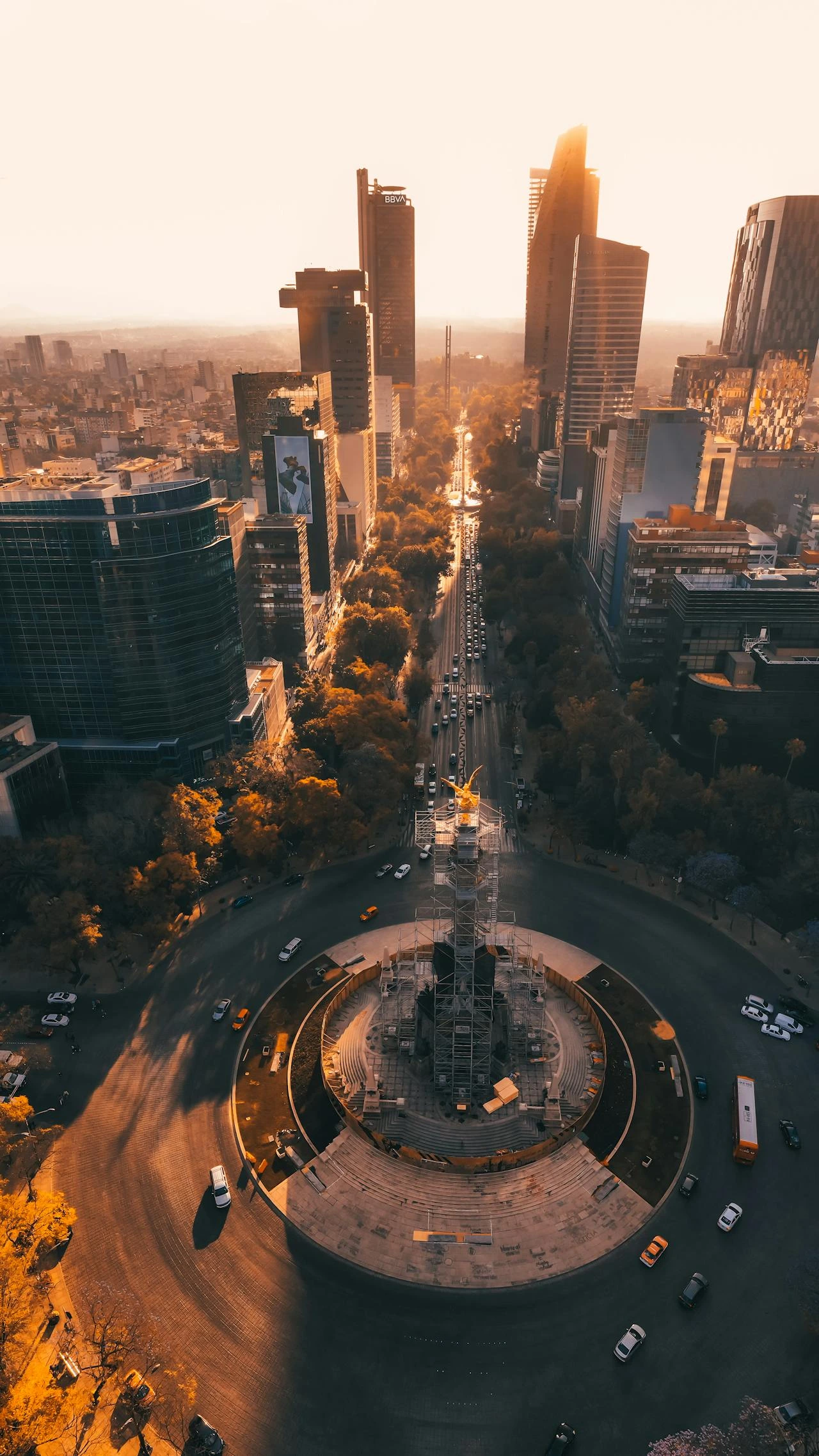
Ángel de la Independencia — a major landmark frequently surrounded by locals taking photos and gathering on weekends.
-
Glorieta de las Mujeres que Luchan — a powerful symbol with steady foot traffic and public displays.
-
Reforma corridor cafés — several quality stops for coffee, especially around Río Lerma and Río Tíber.
-
Main plaza areas near Reforma 222 — open-air seating, shopping, and relaxed corners for people-watching.
If you prefer a guided experience, consider a short tour that covers Reforma’s monuments around sunset.
Where to Spend Time in Zona Rosa
Zona Rosa is known for its upbeat atmosphere, independent shops, Korean eateries on Londres Street, and an easy mix of daytime flow and late night movement.
Recommended Stops:
-
Biwon — popular Korean restaurant with generous plates.
-
Ambar — rooftop cocktail bar with wide views and steady music.
-
Paseo de Insurgentes side streets — casual places to eat, relax, or browse small retailers.
Travelers often find this part of the city inspired by its blend of cultures and long-standing businesses.
Hotels With a Great Location for a First-Time Stay
This zone has several hotels known for easy movement, reliable service, and access to Reforma without long commutes.
Options to Consider:
-
Hotel Geneve — historic property with classic interiors and direct access to Zona Rosa.
-
City Express Plus Reforma — modern rooms near key avenues and public transit.
-
NH Collection Reforma — polished rooms and quick access to cafés and restaurants nearby.
-
Stanza — straightforward, comfortable, and close to many essentials.
These stays work well for travelers who want convenience, fast transportation access, and enough nearby options to build flexible days.
Xochimilco & Its Colorful Trajineras
South of the main tourist zones, Xochimilco offers a completely different rhythm from the rest of Mexico City. The canals, gardens, and floating boats—known as colorful trajineras—create a festive atmosphere that blends tradition, music, and local gatherings. It's one of the most distinctive experiences in the city, especially for travelers who want something lively and memorable.
Where to Start Your Trajinera Experience
Several embarcaderos (boat docks) offer different styles of trips—from calm, scenic rides to energetic outings with floating mariachis.
Recommended Embarcaderos:
-
Embarcadero Nativitas — the most popular choice with consistent service and well-organized departures.
-
Embarcadero Cuemanco — quieter, ideal for those wanting a more relaxed route.
-
Embarcadero Salitre — good balance of atmosphere and easier parking access.
-
Embarcadero Nuevo Nativitas — clean docks and easier pricing for small groups.
Most rides last between one and two hours, depending on how much you want to explore.
What to Expect on the Canals
Trajineras move slowly through narrow waterways lined with gardens, small islets, and boats selling snacks or drinks. The energy ranges from calm to celebratory, depending on the day and time.
Things You’ll See Along the Way:
-
Floating vendors selling quesadillas, tacos, and simple plates you can eat right on the trajinera.
-
Boats with mariachis available for live songs.
-
Quiet canal branches with thick greenery and calmer water.
-
Painted boats with personal names and bright decorations.
If you want a more structured outing, booking a guided tour can be helpful, especially if you’d like stories and context for each canal route.
Tips to Make the Visit Smoother
Small adjustments help visitors enjoy Xochimilco with less stress.
-
Go earlier in the day if you prefer a quieter float.
-
Bring cash—most embarcaderos do not accept cards.
-
If you’d rather eat before you board, small restaurants near the embarcaderos serve basic set menus and freshwater drinks.
-
Confirm the rate before boarding, as pricing varies between docks.
-
Reserve a private trajinera in advance if visiting on weekends or holidays.
-
Consider pairing your visit with lunch in nearby San Gregorio or San Luis.
With its festive charm and slow-moving canals, Xochimilco remains one of the most unique experiences in the city, especially for travelers who want something beyond typical urban routes.
Teotihuacan Pyramids: Day Trip from Mexico City to a UNESCO World Heritage Site
Just outside Mexico City, the Teotihuacan pyramids give you a completely different sense of scale than anything inside the capital. This ancient urban complex was once one of the largest cities in the world, and a visit here helps you see how deep the region’s history runs beyond modern Mexico City. It’s a classic day trip: early start, wide views, and a late return to the city’s restaurants and cafés.
Getting from Mexico City to Teotihuacan
Reaching San Juan Teotihuacan is straightforward, whether you’re traveling independently or joining a small group.
Common Ways to Go:
-
Direct bus from Mexico City’s North Bus Terminal – regular departures, affordable, and easy for most visitors.
-
Organized day trip from central Mexico City – transport plus guide, sometimes including a stop for lunch or crafts.
-
Private driver or rideshare – more expensive, but flexible if you’re traveling as a group.
-
Early-morning departures – best if you want cooler weather and fewer people on the pyramids themselves.
From central Mexico City, most routes take about 60–90 minutes, depending on traffic.
What to See at the Teotihuacan Pyramids
Once you arrive, the size of the site becomes obvious: long avenues, massive structures, and layers of detail that reward slow exploration.
Key Areas to Focus On:
-
Pyramid of the Sun – the largest structure, with views over the Avenue of the Dead.
-
Pyramid of the Moon – slightly smaller but dramatic, especially from the base looking back toward the complex.
-
Temple of the Feathered Serpent – intricate stone carvings and important ceremonial remains.
-
Avenue of the Dead – the main axis tying the core structures together.
-
Interpretive centers and signage – useful to understand the history without needing extra resources.
Teotihuacan is recognized as a UNESCO World Heritage Site, which is why so many visitors include it in their first extended stay in Mexico City.
Practical Tips for a Smooth Visit
A bit of preparation makes the day feel much easier, especially if you’re heading back to Mexico City the same evening.
Things to Keep in Mind:
-
Bring a hat, sunscreen, and water—the sun can be intense even on cooler days.
-
Wear sturdy shoes; surfaces can be uneven and dusty.
-
Some experiences, like hot-air balloon flights, must be reserved in advance.
-
A guided tour can help you connect the structures to specific periods and stories.
-
Plan a simple meal nearby or wait until you’re back in Mexico City for more varied options.
For many travelers, this is one of the most memorable days of their time in Mexico City—a chance to step out of the modern capital and into an ancient urban landscape that still shapes how the region understands itself.
What It Costs to Stay in Mexico City: Hotels, Areas, and Daily Spending
Travel budgets in Mexico City vary depending on where you stay and how much comfort you want, but most visitors find the city surprisingly affordable compared to other major capitals. Whether you’re here for a quick run through major attractions or a longer stay focused on cafés, slow mornings, and exploring plazas, there’s a wide spread of accommodation options that match different rhythms.
Average Prices for Hotels in Mexico City
Rates fluctuate by season, but these ranges reflect typical pricing for properties across central Mexico City.
Hotel Price Guide:
-
Budget hotels: $45–$70 USD per night, usually simple rooms near metro stations.
-
Mid-range hotels: $80–$130 USD per night, often with a restaurant, gym access, or a small workspace.
-
Boutique & design properties: $150–$220 USD per night, with stylish rooms, upgraded bedding, and calm interiors.
-
Premium stays near Reforma: $220–$300 USD per night, suited for travelers wanting fast transport and a great location.
Many visitors choose something in the mid-range, which balances comfort, Wi-Fi stability, and easy access to central routes.
Where to Stay for Convenience and Comfort
These areas tend to offer reliable stays, strong transit connections, and easy access to cafés and essentials.
Recommended Stretches:
-
Zona Rosa & Reforma corridor — ideal for accessible transit and business-friendly hotels.
-
Condesa-Adjacent (without naming the banned districts directly) — leafy avenues and plenty of cafés to settle into for coffee or light meals.
-
Polanco edges — pricier, but known for quiet streets and polished hotel standards.
-
Centro area around Avenida Juárez — practical for visitors who want to stay close to historic landmarks without high rates.
Travelers often leave comments praising the affordability and space available in many hotels compared to what they’d get in other global cities.
For travelers working remotely, especially those planning stays longer than a few days, RentRemote helps you find furnished apartments with reliable Wi-Fi, quiet work areas, and locations that make everyday movement around the city easier. It’s a practical option for people who prefer a home-style setup over traditional hotels, particularly if you’re balancing work hours with time spent exploring different neighborhoods.
Daily Costs to Expect in Mexico City
While spending varies widely, most visitors find that day-to-day expenses in Mexico City stay manageable.
Typical Day-Rate Breakdown:
-
Transport: $1–$8 USD, depending on whether you use the metro or rideshare.
-
Casual meals: $7–$14 USD per meal at simple eateries.
-
Cafés & drinks: $3–$5 USD for espresso drinks; more for pour-overs.
-
Evening outings: $15–$30 USD depending on the venue.
-
Attractions & local tours: $10–$40 USD depending on what you choose.
Visitors often feel inspired by how far their budget stretches, especially with so many affordable dining spots and public spaces.
Why Mexico City Rewards Curious Travelers
Mexico City has a way of pulling visitors back—its mix of large parks, historic layers, and lived-in moments gives every day a different shape. Whether you start in the Centro Histórico, spend an afternoon inside the Bosque de Chapultepec, or head out to the Teotihuacan pyramids, the contrast between ancient and contemporary Mexico is clear from the first morning. Many travelers say that seeing the gardens around Chapultepec Castle and the color and emotion inside the Frida Kahlo Museum changed how they understood the city.
This guide brings together the places that define Mexico City for newcomers and repeat visitors alike. If you’ve explored a corner we didn’t include, feel free to comment—each post gets updated over time with traveler insights, and your experience helps others plan better.
For long-stay visitors ready to settle into a comfortable base, you can also look through ourfully furnished apartments in Mexico to find a place that supports your working rhythm as much as your exploring rhythm.