Maya
Culture & Exploration Editor ·
Mexico City in winter is not a compromise — it's a deliberate choice. From November through February, the air is cleaner, the crowds are thinner, and the rent is negotiable in ways it isn't during peak season. The trade-off is that you're moving to a city of 22 million people, and it will take you two or three weeks to find your rhythm. This guide is for people who want to use that time well.
Which neighborhoods actually work for remote work — and which ones are tourist traps
What a realistic monthly budget looks like in 2026
How the digital nomad visa works and whether you need one
Where to find coworking spaces and cafes with reliable WiFi
How to build a nomad community from scratch in a city this size
What the Mexico City digital nomad scene looks like compared to Playa del Carmen and Puerto Vallarta
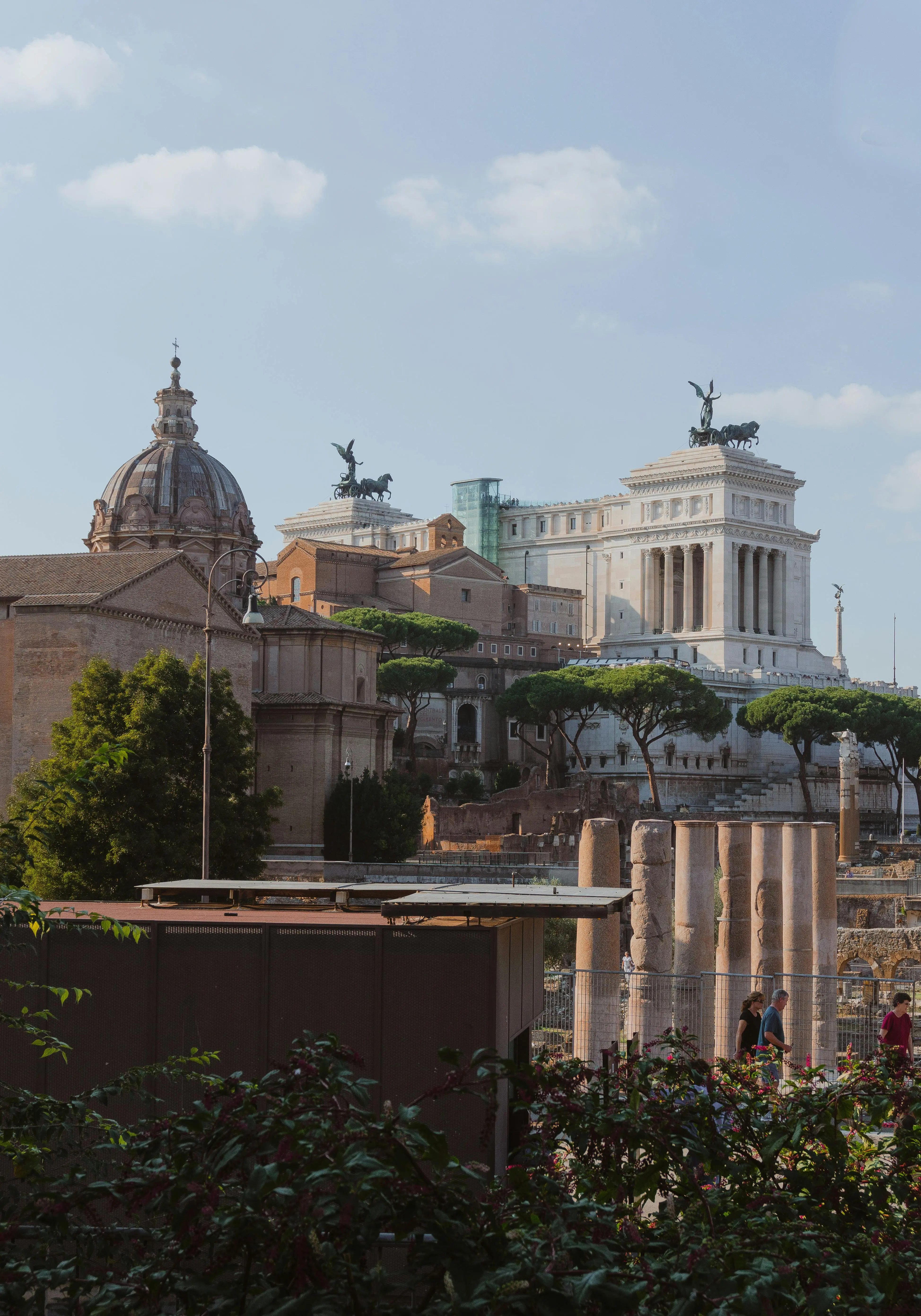
Why Mexico City Works as a Digital Nomad Destination in 2026
Most digital nomad destinations sell you one thing — Playa del Carmen sells beach access, Puerto Vallarta sells resort infrastructure. Mexico City sells you a functioning metropolis at a fraction of what a comparable European city would cost, and that difference is felt every single day.
The Infrastructure Case for Mexico City as a Digital Nomad Destination
This city has the bones that most nomad destinations don't — fast metro lines, a dense café culture, and a coworking scene that grew up around locals, not expats.
Internet speed in Roma Norte and Condesa averages 80–150 Mbps at most coworking spaces — enough for video calls without thinking about it
Mexico City Metro — 25 pesos per ride (about $1.25), covers most neighborhoods you'll actually use
Coworking day passes run $8–$15 USD in most neighborhoods; monthly desks from $120 USD
Electricity and internet are rarely a problem in the central colonias — outages happen but they're not the defining feature of life here
The infrastructure argument for Mexico City isn't that it's perfect — it's that the gaps are manageable, and the cost savings are not marginal.
Mexico City vs. Playa del Carmen and Puerto Vallarta for Digital Nomads
Playa del Carmen and Puerto Vallarta are easier to arrive in, but harder to actually live in for a month — the tourist economy shapes everything, including the rent.
Playa del Carmen 1-bed furnished: $1,200–$1,800/month in winter; Mexico City equivalent: $700–$1,100/month
Puerto Vallarta coworking day pass: $20–$30 USD; Mexico City: $8–$15 USD
In Playa del Carmen, most cafes cater to tourists — the price of a flat white reflects that
Mexico City has a local professional class using the same coworking spaces you will — that changes the energy entirely
If you want to feel like a tourist who works remotely, Playa del Carmen is fine. If you want to feel like someone who actually moved somewhere, Mexico City is the better decision.
Mexico City is consistently ranked among the top five cities in the world for cost-adjusted quality of life for remote workers, sitting comfortably below Lisbon and Bali on monthly burn rates.
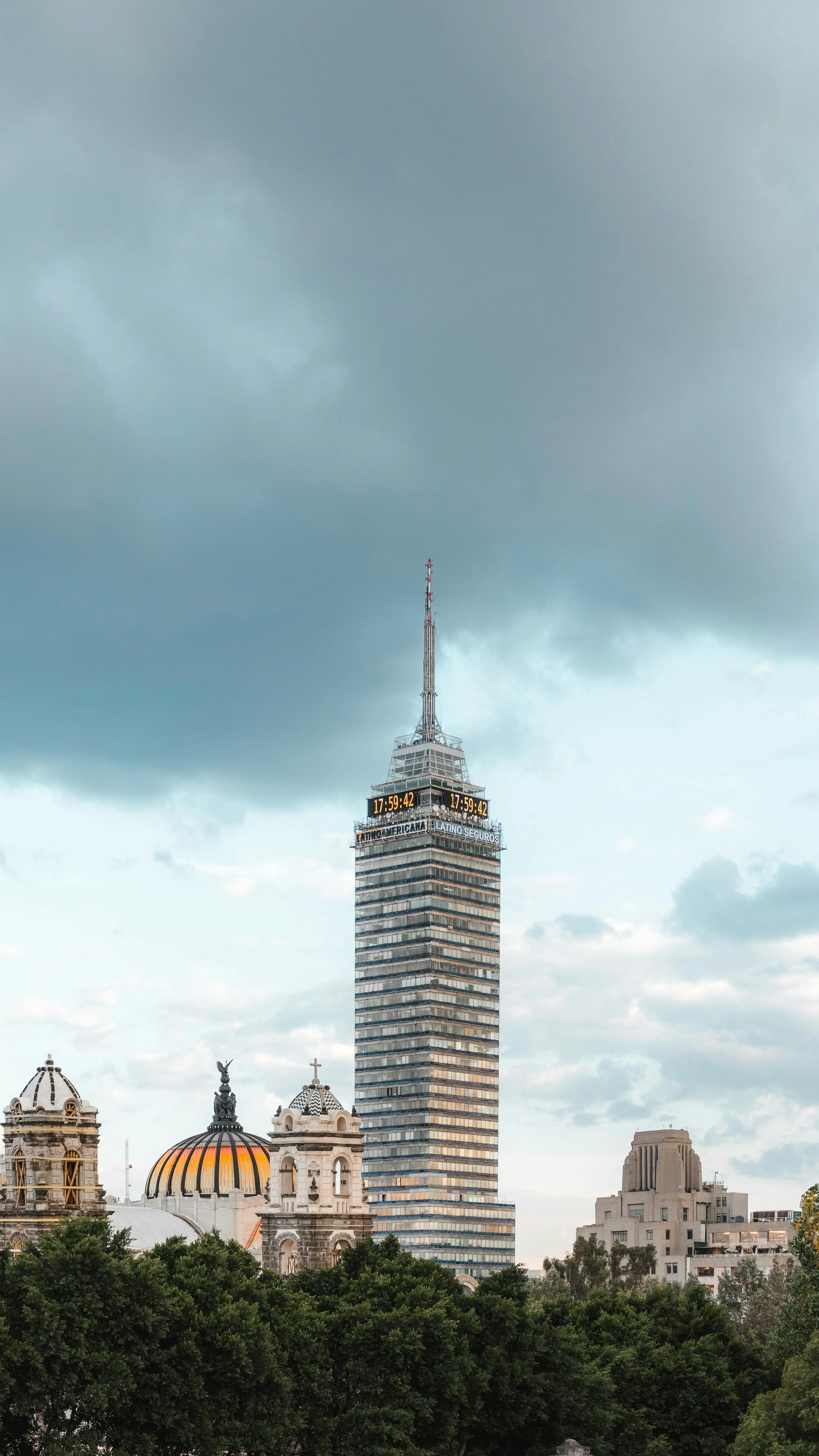
Best Neighborhoods in Mexico City for Digital Nomads
The neighborhood you pick in Mexico City will shape everything else — your commute to a coworking space, your coffee options at 7am, how loud your apartment is at midnight. Get this right before you book anything.
Neighbourhood | Monthly Rent (1-bed) | Vibe | Best For | Key Advantage |
|---|---|---|---|---|
Roma Norte | $800–$1,100 USD | Café-dense, walkable, creative | First-time Mexico City nomads | Highest café and coworking density |
Condesa | $900–$1,300 USD | Quieter, tree-lined, residential | Long stays, families, light sleepers | Parks within walking distance |
Polanco | $1,200–$2,000 USD | Corporate, expensive, polished | Business travelers, higher budgets | Best security, fastest wifi in apartments |
Juárez | $650–$900 USD | Gritty edges, strong local feel | Budget-conscious nomads, solo travelers | Best value closest to Roma |
Coyoacán | $600–$850 USD | Historic, quieter, very local | Writers, introverts, long stays | Lowest noise, strong community feel |
Roma Norte: The Default Base for Digital Nomads in Mexico City
Roma Norte works for most digital nomads on arrival because it removes every friction point — cafes, coworking, grocery stores, and good restaurants are all within a 10-minute walk of any apartment on Calle Orizaba or Calle Álvaro Obregón.
Blend Station Roma — coworking day pass $10 USD, fast WiFi, good natural light, gets full by 10am on weekdays
Café Toscano — flat whites 65 pesos, reliable WiFi, better before noon before the lunch crowd arrives
Furnished studios from $800/month on Calle Orizaba; 1-beds from $950/month
Mercado Medellín is a 12-minute walk — local produce, prepared food, and a sense of who actually lives here
Most nomads who plan a month in Roma Norte end up staying six weeks — the neighborhood doesn't give you reasons to leave.
Explore Roma Norte in our neighbourhood guide
Condesa: Quieter, Greener, and Worth the Extra $100
Condesa is Roma Norte with the volume turned down — same walkability, fewer crowds, and Parque México as a standing desk option when your apartment walls close in.
Público Condesa — monthly desk from $130 USD, good AC, never as crowded as Roma spots
Parque México — free, open daily, a legitimate place to work outside when the weather cooperates
1-beds on Avenida Ámsterdam from $950–$1,200/month — the circular street is as good as it looks on a map
Fewer all-night bars than Roma Norte — this is a feature, not a flaw, depending on your schedule
If you're staying more than five weeks, the quieter streets justify the small rent premium over Roma Norte.
Juárez: The Honest Budget Neighborhood Option
Juárez sits directly between Roma and the historic center, and the rent reflects the fact that it isn't quite either — but for budget-conscious digital nomads, that middle-ground position is actually ideal.
WRK WORK — coworking space on Calle Havre, $8 USD day pass, solid internet speed, very local crowd
Studios from $650/month; 1-beds from $780/month — these prices are consistent through winter
Mercado José Luis Cuevas — local market, comidas corridas from 60 pesos, a genuine alternative to tourist-facing restaurants
Zona Rosa is adjacent — that means more foot traffic and noise on weekends, worth knowing before you book
Juárez is not as polished as Roma, but the internet speed is the same and the rent difference funds three extra weeks of staying in Mexico.
Roma Norte has the most rental options for digital nomads landing mid-season — furnished studios on Airbnb average around $900 USD per month, while direct leases on Inmuebles24 can drop that to $650.
Browse fully furnished apartments in Mexico City
Mexico Digital Nomad Visa: What You Actually Need for Winter 2026
The digital nomad visa question in Mexico is less dramatic than it sounds, because most remote workers never need one — but understanding your options before you arrive saves you a real headache at immigration.
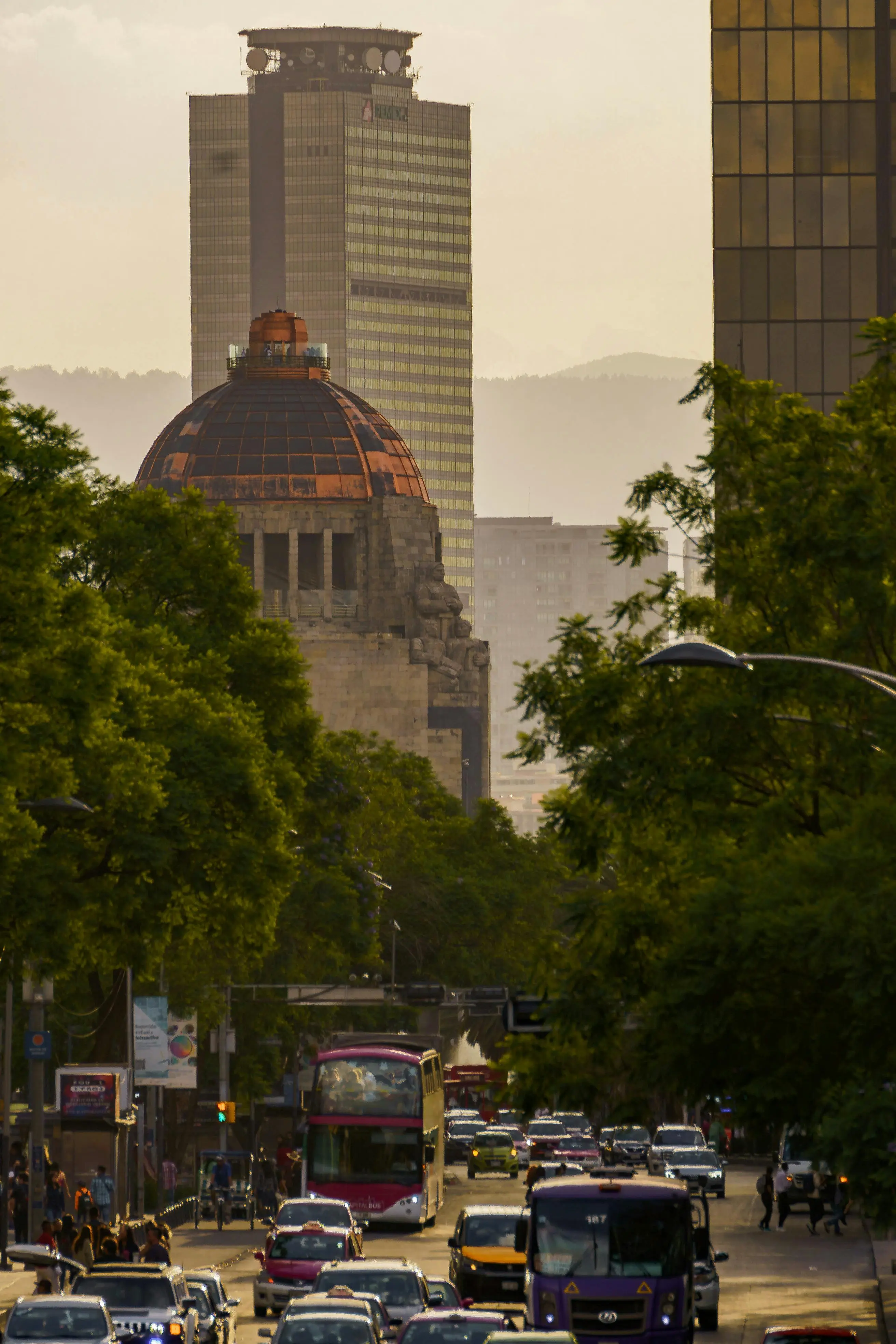
The Temporary Resident Visa: Who It's Actually For
Mexico's Temporary Resident Visa is the closest thing the country has to a formal digital nomad visa, and it's worth understanding before you book a six-month stay.
Validity: 1–4 years, renewable; you apply at a Mexican consulate before departure, not on arrival
Income requirement: approximately $2,600 USD/month in demonstrated remote income (bank statements for 6 months)
Cost: roughly $40–$150 USD depending on consulate and duration
Processing time: 2–6 weeks — apply before you book flights, not after
If you're staying longer than six months or want the right to open a local bank account, the Temporary Resident Visa is the correct path; for anything shorter, the tourist entry below is simpler.
Your visa options as a North American or European national are straightforward — most people enter on a tourist permit valid for 180 days, which the immigration officer at Benito Juárez assigns at the border.
Tourist Entry: The Practical Mexico Digital Nomad Visa Alternative
Most digital nomads in Mexico enter on a tourist card — the FMM — which gives you up to 180 days and requires no application process beyond showing up.
FMM tourist entry: 180 days, granted on arrival at no cost — the number of days is written on the form at immigration, so watch what they stamp
No proof of remote work required; no income threshold to meet
You cannot legally work for Mexican clients on a tourist entry — for international clients, the enforcement is theoretical
Border runs to renew are not officially endorsed and increasingly scrutinised — if you plan to stay 6+ months, get the Temporary Resident Visa before you leave home
The nomad visa question in Mexico is really a question about duration — under 180 days, the tourist entry works for almost everyone; beyond that, file the paperwork.
Building a Nomad Community in Mexico City in 2026
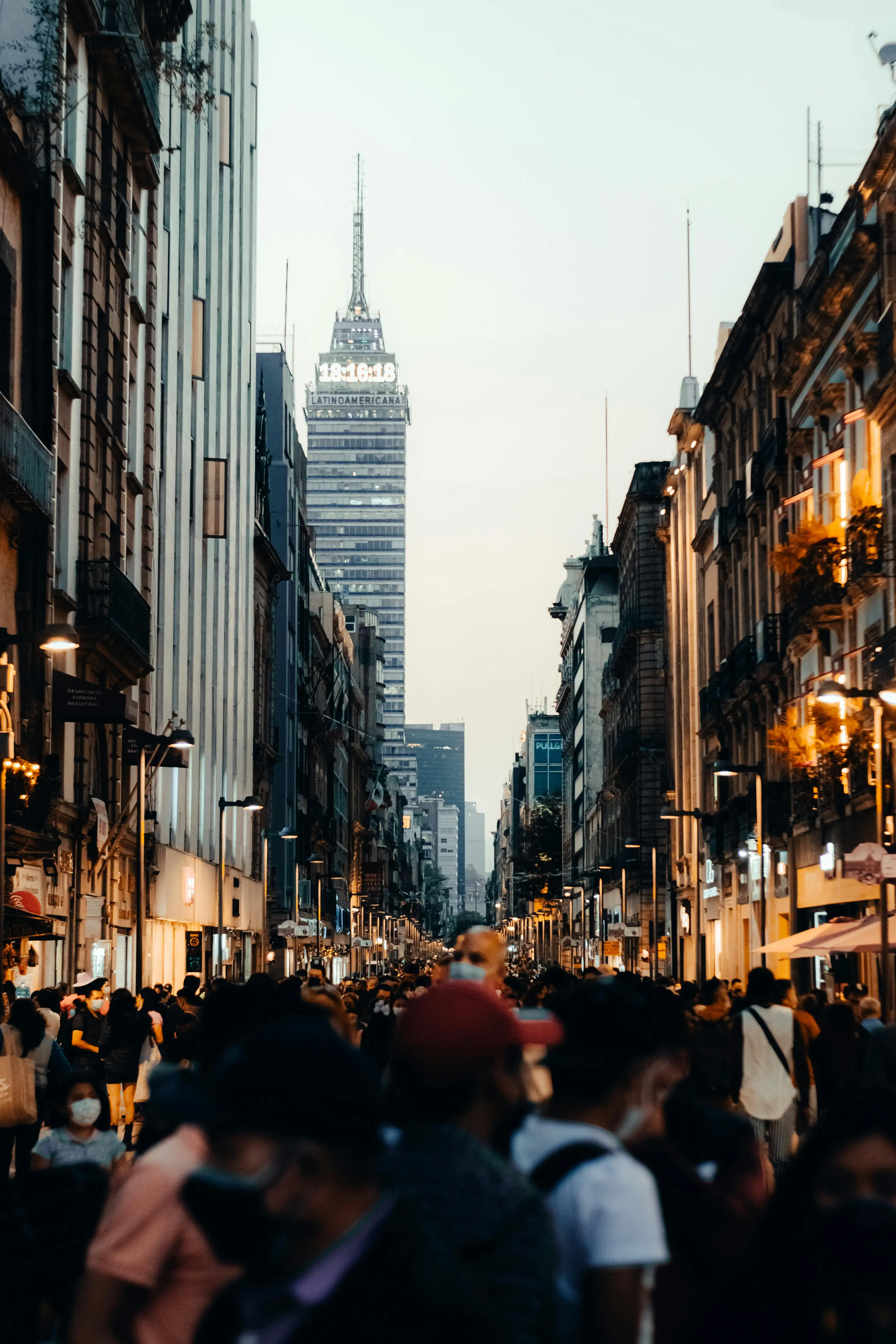
Mexico City is large enough that you won't accidentally meet everyone — you have to be intentional about building a digital nomad community, and the infrastructure to do it is already in place.
Where the Digital Nomad Community Actually Gathers
The nomad community in Mexico City concentrates in a handful of coworking spaces and recurring events — if you show up to the right places in the first two weeks, the rest happens faster than you'd expect.
WeWork Reforma — monthly desks from $200 USD, large enough that you'll meet new people every week, good for structured networking
Antimateria — pay-per-hour model (39 pesos/hour), free drinks included, genuinely social atmosphere unlike most coworking spaces
Nomad List and Meetup.com both have active Mexico City digital nomad groups — check the events calendar before you arrive, not the week you get here
Facebook groups like "Mexico City Expats & Digital Nomads" move fast — apartment leads, event invites, and Spanish tutor recommendations all appear there first
The digital nomad community here is not a curated expat bubble — it's a mix of Mexican remote workers, international nomads, and local freelancers, which makes it more useful and more honest than what you'll find in Playa del Carmen.
Anticafé in Colonia Juárez runs great weekly meetups for remote workers — the Wednesday evening session regularly pulls 30 to 50 people, and the 89-peso hourly rate includes unlimited coffee.
Spanish, Local Integration, and Why It Changes Your Stay
You can survive Mexico City without Spanish — the tourist infrastructure in Roma Norte is genuinely bilingual — but surviving and living are different things, and Spanish is the gap between them.
L&C Spanish School — group Spanish classes from $80 USD/month, afternoon schedules that work around remote hours
Local language exchange meetups happen weekly in Roma Norte cafes — free, and the fastest way to meet non-nomad Mexico City residents
Most coworking staff in Roma and Condesa speak English — but landlords, local markets, and plumbers often don't
Duolingo gets you to ordering coffee; a month of classes gets you to negotiating your rent renewal
The digital nomads who enjoy Mexico City most are almost always the ones who invested two weeks in Spanish early in their stay — it changes the texture of every single day.
Internet, Coworking Spaces, and Getting Work Done in Winter 2026
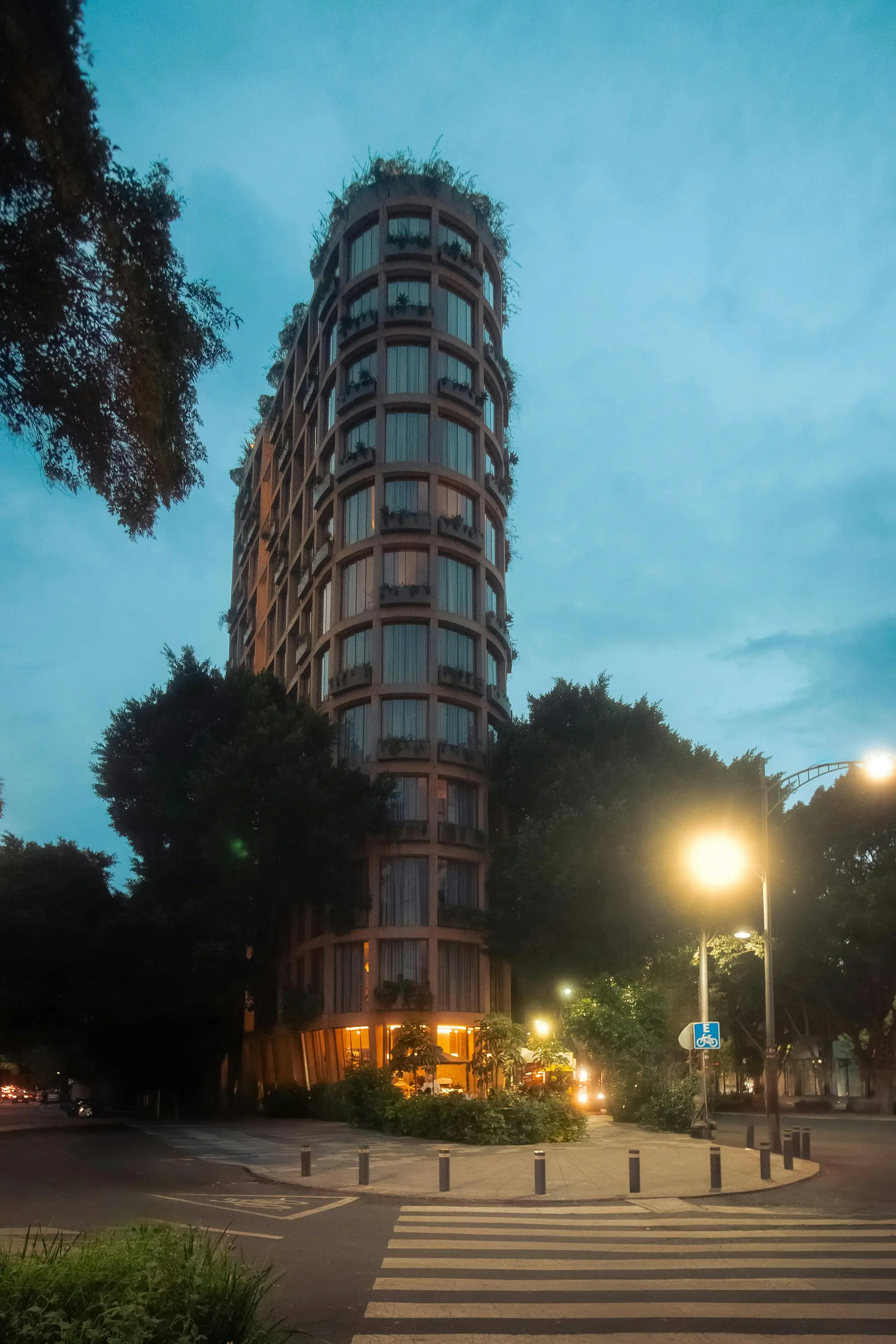
The coworking spaces in Roma Norte and Condesa were built for people who actually work in them, not for people who want a backdrop for LinkedIn photos — and that difference is felt within an hour of sitting down.
Coworking Spaces Worth Paying For
Day passes in Mexico City are priced for daily use, not for tourists sampling the nomad lifestyle between museum visits.
Colony Spaces Colima — day pass $9 USD, fiber internet averaging 120 Mbps, private phone booths available, genuinely quiet after 10am
Spaces Polanco Arquímedes — monthly desk from $180 USD, high-spec meeting rooms, the kind of space you use when a client call has to look professional
Homework Polanco — $12 USD day pass, rooftop terrace that actually has shade, popular with Mexican creative freelancers rather than nomad tourists
Most coworking spaces in Roma and Condesa offer fiber connections with dedicated bandwidth — not shared residential WiFi running through a café router
If your work requires video calls before noon, book a private booth in advance — the open-plan spaces fill up by 9:30am in winter when the nomad population is at its highest.
Internet Infrastructure in Apartments
Fiber availability in Mexico City is high enough in Roma Norte, Condesa, and Polanco that you should not accept an apartment without it — landlords who offer "good internet" without a fiber contract are describing something different to what you need.
Telmex and Izzi both offer fiber to apartment buildings in Roma Norte and Condesa — confirm which provider is in the building before you sign anything
Download speeds of 100–200 Mbps are standard in furnished apartments marketed to remote workers; anything under 50 Mbps is a red flag in these neighborhoods
Ask for a speed test screenshot before committing to a temporary stay — legitimate landlords expect this question and have the answer ready
Mobile backup matters: Telcel's 4G LTE coverage is reliable across central Mexico City, and a local SIM with a 50GB data plan costs around $15 USD/month
WeWork's co-working space on Paseo de la Reforma offers day passes for around 350 pesos and has private phone booths, which makes it worth the premium over cheaper spots if you have back-to-back client calls.
Internet is not an amenity in Mexico City's furnished apartments — it's infrastructure, and the buildings that understand that will say so in the listing without you having to ask.
Cafés That Work for Deep Work
Not every café with WiFi is a place you can spend four hours without someone hovering — knowing which ones are is the difference between a productive morning and a wasted one.
Buna Café Roma — single-origin coffee from 65 pesos, no time pressure, strong WiFi, better for solo work than group calls
Café Nin in Juárez — 70-peso cortados, consistent internet, less crowded than Roma Norte alternatives in the morning hours before 11am
Avoid cafés on Álvaro Obregón between noon and 2pm — the lunch foot traffic makes sustained concentration difficult even with headphones
The best co-working rhythm in Mexico City is a café for the first two hours, then a coworking space for the rest — most of the furnished apartments worth renting are within walking distance of both.
The public WiFi in Parque México is surprisingly reliable for quick calls, but you'll want a backup SIM from Telcel — a 30-day unlimited data plan runs around 300 pesos at any OXXO.
Visas, Safety, and Transport: What Actually Matters for a Winter Stay
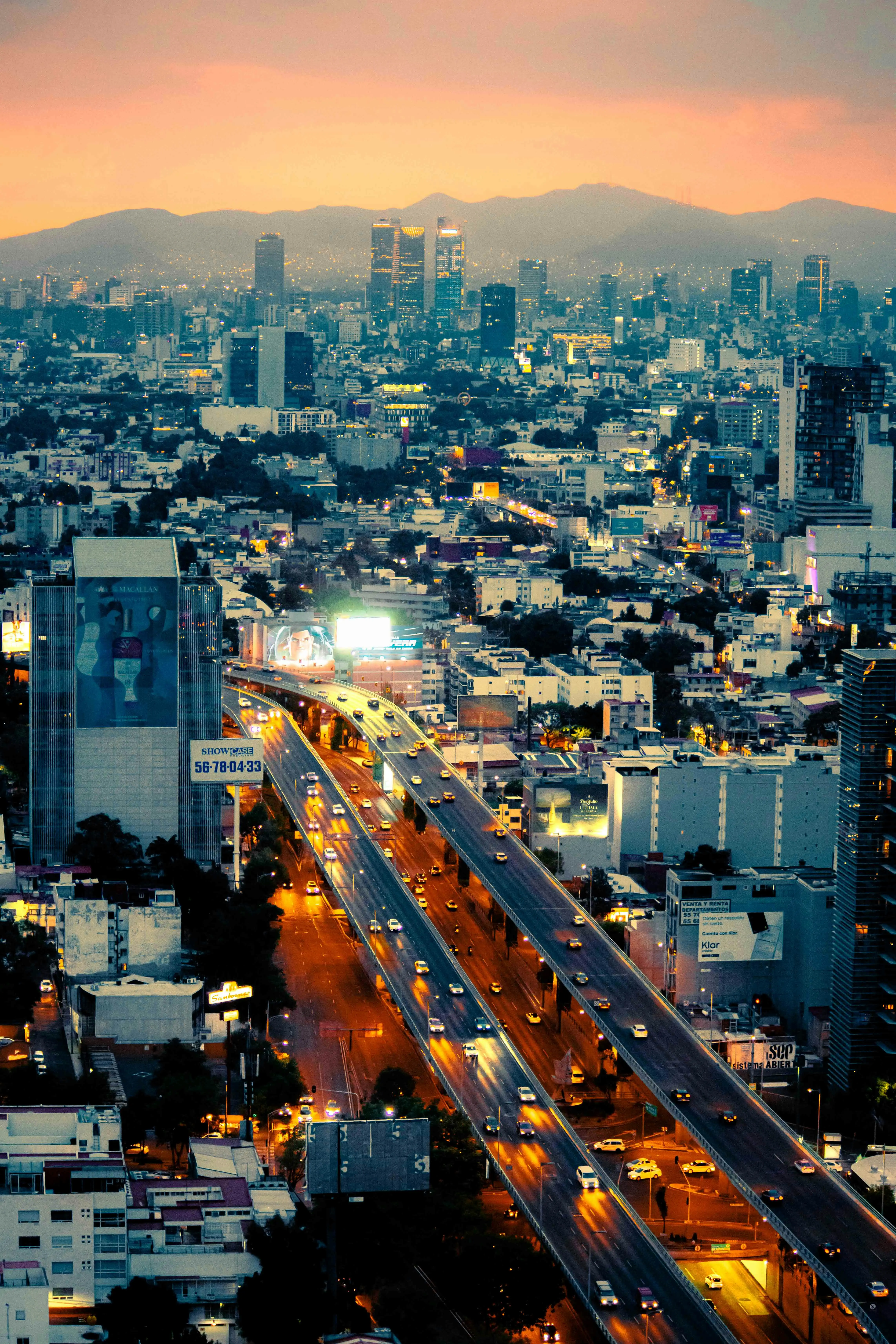
Most of what you've read about safety in Mexico City online was written by people who didn't live there — and most of what you've read about visas was written for a different kind of trip than a 90-day remote work stay.
The Visa Reality for Remote Workers
Mexico does not have a digital nomad visa, which sounds like a problem until you understand how the tourist entry card actually works in practice.
Most passport holders receive a 180-day tourist permit (FMM) on arrival — declare the full duration you intend to stay in mexico at the border, not 30 days out of habit
The FMM is the correct visa category for remote workers earning from abroad — you are not working in Mexico legally speaking, you are visiting while your employer or clients remain elsewhere
A temporary resident visa exists for longer stays beyond 180 days — you apply from your home country at a Mexican consulate, and it requires proof of income (roughly $1,620 USD/month minimum) and takes 2–3 weeks to process
Extensions inside Mexico are bureaucratically unreliable — if you plan to stay in mexico longer than 180 days, apply for the temporary resident visa before you arrive, not after
The visa situation in Mexico City is more straightforward than in most Southeast Asian alternatives, but only if you declare your intentions honestly at entry rather than trying to extend retrospectively.
Safety by Neighborhood: The Honest Version
Mexico City's safety situation is genuinely uneven by neighborhood — but the neighborhoods covered in this guide are not where that unevenness is concentrated.
Roma Norte, Condesa, Polanco, and Juárez have resident populations, active street life after dark, and consistent police presence — petty theft is the realistic risk, not violent crime
Street smarts that apply: use CABIFY or Uber rather than hailing street taxis, keep your laptop bag closed on Metro carriages during rush hour, and don't walk with your phone out in areas you don't know yet
Coyoacán feels safe and walkable in daylight hours — after dark, stick to the central plaza area around Jardín Centenario rather than the quieter residential streets east of the market
The safety concern that most affects remote workers is not crime but air quality — winter temperature inversions can trap pollution over the city, particularly in January; check the AIRE index before running outdoor errands on low-wind days
Getting a Tarjeta de Movilidad metro card at any major station takes under five minutes and makes it easy to avoid fumbling for cash on the platform during rush hour on Line 1.
The digital nomads who have the worst experiences in Mexico City are almost always the ones who made neighborhood and transport decisions based on cost alone — the $600/month apartment in a neighborhood not on this list exists for a reason.
Getting Around Without a Car
Transport in Mexico City is genuinely good inside the central neighborhoods — the problems start when you need to reach the airport or areas outside the Roma–Polanco corridor regularly.
The Ecobici bike-share scheme costs $300 pesos/month for unlimited 45-minute rides — it covers Roma, Condesa, Juárez, and Polanco entirely, and it's the fastest way to move between those neighborhoods at most hours
Metrobús Line 1 runs from Indios Verdes to El Caminero along Insurgentes — it connects Roma Norte directly to the airport corridor and costs the same 10-peso flat fare as the Metro
Uber pricing from Roma Norte to Benito Juárez International Airport runs $120–180 pesos depending on traffic — cheaper and more reliable than airport taxis for most arrivals and departures
Avoid the Metro during the 7:30–9:30am and 6–8pm windows if you're carrying a laptop — the carriages are not crowded, they are physically compressed, and theft risk rises accordingly
The transport infrastructure in Mexico City rewards the same decision that improves every other part of a winter stay here: pick the right neighborhood and you won't need to cross the city more than once or twice a week.
Mexico City's public metro system covers 12 lines and charges just 5 pesos per ride, making it cheaper to cross the entire city than to take a single Uber from Roma Norte to the airport.
Food, Culture, and the Parts of Mexico City That Make the Work Worth Doing
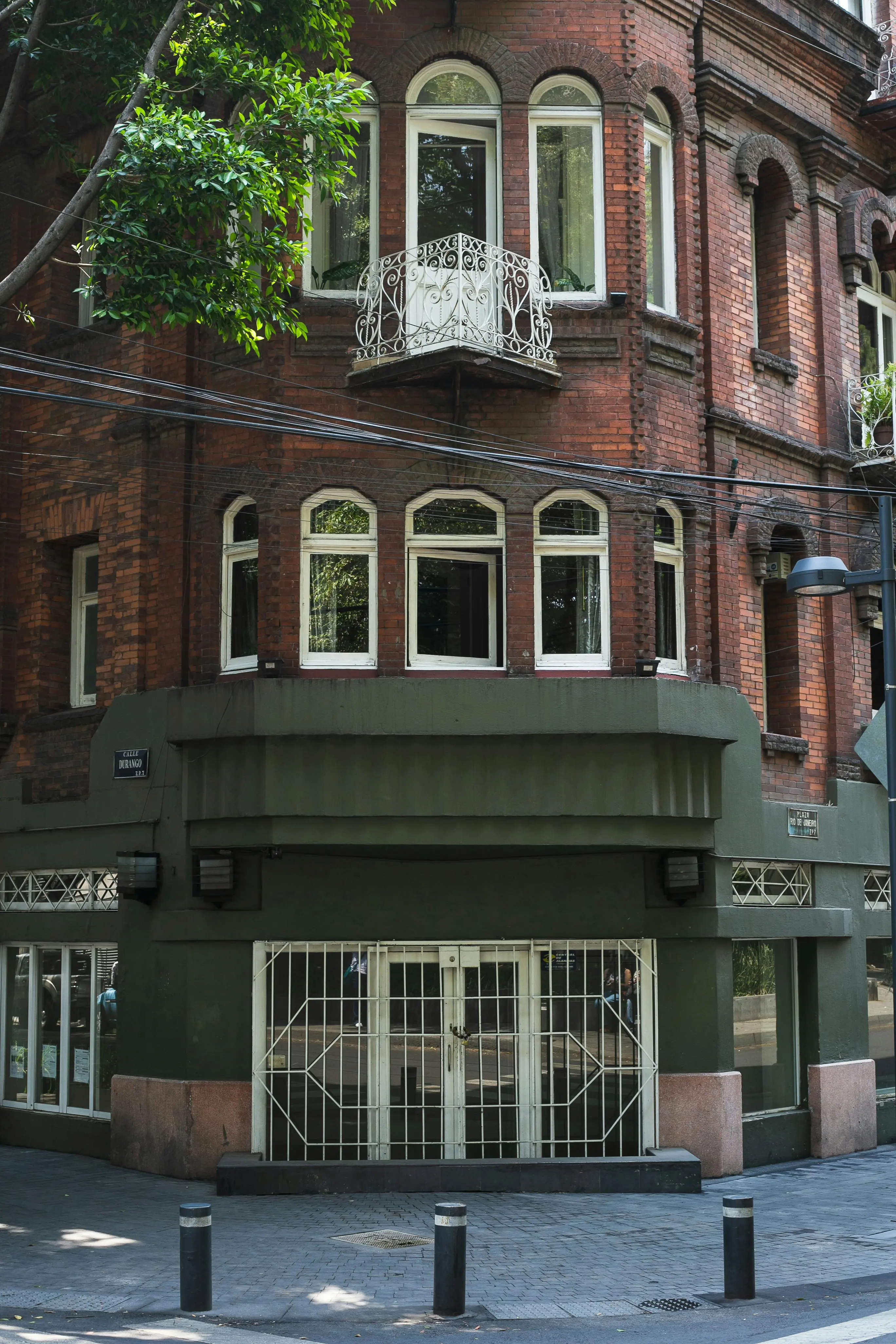
The food alone justifies the time zone — and saying that is not hyperbole when the alternative is a $14 grain bowl in Lisbon.
Eating Well Without Eating Expensively
The cultural divide between tourist food and local food in Mexico City is measured in meters, not miles — step off the main drag of any colonia and the prices drop by half.
Tianguis del Chopo area street stalls — tacos de guisado from 20 pesos each, the breakfast option that most locals in Roma use Monday through Friday
Contramar on Calle Durango — tuna tostadas at $80 pesos each, the most-recommended lunch by Mexico City residents who've stopped recommending it to tourists because the wait is now 45 minutes at 2pm; arrive at 1pm
Mercado de Jamaica — wholesale flower market with a food court that serves proper Mexican food to the vendors; a full comida corrida with soup, rice, protein, and tortillas costs 80 pesos, and no one there is catering to foreigners
The Menú del Día model exists in Mexico City under the name comida corrida — $60–90 pesos for a full multi-course lunch at independently owned spots, available between 1:30pm and 4pm
Food is one of the few areas where Mexico City genuinely has no competition among digital nomad bases at this price point — quality this high at this cost does not exist in European cities at comparable income levels, and it doesn't exist in Mexican beach towns either.
Pujol in Polanco holds a consistent spot in the World's 50 Best Restaurants list, but the tlacoyos at the Mercado de Medellín two kilometres away will honestly do more for your understanding of Mexican food.
Cultural Life That Doesn't Require a Day Off
The cultural infrastructure in Mexico City is dense enough that you absorb it by proximity — you don't have to plan museum days, you just have to leave the apartment.
Museo Soumaya in Polanco — free entry, one of the largest private art collections in Latin America, genuinely worth 90 minutes on a slow Tuesday when you need a break from screens
Cineteca Nacional in Coyoacán — arthouse and international cinema from $60 pesos, open-air screenings in winter when the weather is clear, the kind of cultural anchor that makes a city feel like a place worth living rather than just working from
The Sunday markets along Paseo de la Reforma close the road to cars — cycling or walking it from Chapultepec to the Centro Histórico is the one weekend activity that consistently re-orients remote workers who've gone too deep into their routine
Language exchange events at local bars in Roma — typically Wednesday evenings, free to attend, mix of locals and internationals, and a better introduction to Mexican culture than anything organised for expats specifically
The public plazas in Coyoacán fill with street food vendors every weekend, and a full tacos-and-tlayuda lunch for two rarely costs more than 150 pesos combined.
Winter 2026 is a great window to base yourself in Mexico City specifically because the rainy season ends in October, leaving December through February dry, sunny, and averaging 22°C most afternoons.
Mexico City in Winter 2026: Who It's Actually For
The Remote Worker Mexico City Actually Suits
This city works for people who want a real urban base, not a curated slow-travel experience with a coworking space bolted on.
Roma Norte and Condesa offer furnished apartments at rates that make a 90-day stay cheaper than a single month in most Western European cities
Infrastructure is functional and consistent — the kind that lets you work without thinking about whether work is possible
The food scene, the community, and the cultural density are substantive rather than performative
Visa logistics are manageable if you sort them before you land, not after
The remote workers who thrive here came looking for exactly what Mexico City offers — not a version of it adjusted for comfort.
Who Should Look Elsewhere
Mexico City will exhaust the wrong person before it ever rewards them, and that's worth saying plainly.
Small-town pace or absolute quiet: the city is loud by design, and no neighbourhood fully escapes it
Beach access: the nearest coast is hours away by road or a flight, not a weekend afternoon
Passive living: the city asks for active engagement with its size, its Spanish, and its transit system
Those who leave disappointed almost always came expecting something the city never claimed to be
Knowing what you actually need from a base matters more than chasing a destination that sounds right on paper.
If you plan to travel beyond Mexico City during winter 2026, Toluca airport is 90 minutes away and often has cheaper domestic flights to Oaxaca or Mérida than Benito Juárez International.
Making the Decision for Winter 2026
If substance over scenery is what you're after, this is the right city at the right time.
Winter 2026 pricing in Roma Norte and Condesa still favours renters over buyers — that window won't stay open indefinitely
The neighbourhood you choose shapes your working rhythm more than any coworking membership will
Furnished apartments in Mexico City allow 90-day stays that function like a proper relocation, not an extended holiday
Explore fully furnished apartments in Mexico and match your neighbourhood to how you actually work before availability tightens
The city doesn't need to sell itself — it just needs to be the right fit, and for the right remote worker, it clearly is.