Maya
Culture & Exploration Editor ·
Mexico City rewards people who stay long enough to stop feeling like a tourist. The first week you're navigating; the second week you're finding your café; by week three you're a local who knows which taquería opens at 7am and which Metro line to avoid at 8am. That's the slowcation premise — and Mexico City is one of the few megacities where it actually works. The infrastructure is there, the neighbourhoods are walkable, the cost of living is low enough to let you breathe, and the nomad community is established enough that you won't be figuring it out alone.
This digital nomad guide covers:
Which neighbourhoods suit different working rhythms — and what each one costs you
How to find accommodation that doesn't feel like a hotel after day five
The coworking spaces worth your money and the cafes that work just as well
What the visa situation actually means for your stay
How to stay safe and move around without overthinking it
Where the nomad community gathers and how to plug in fast
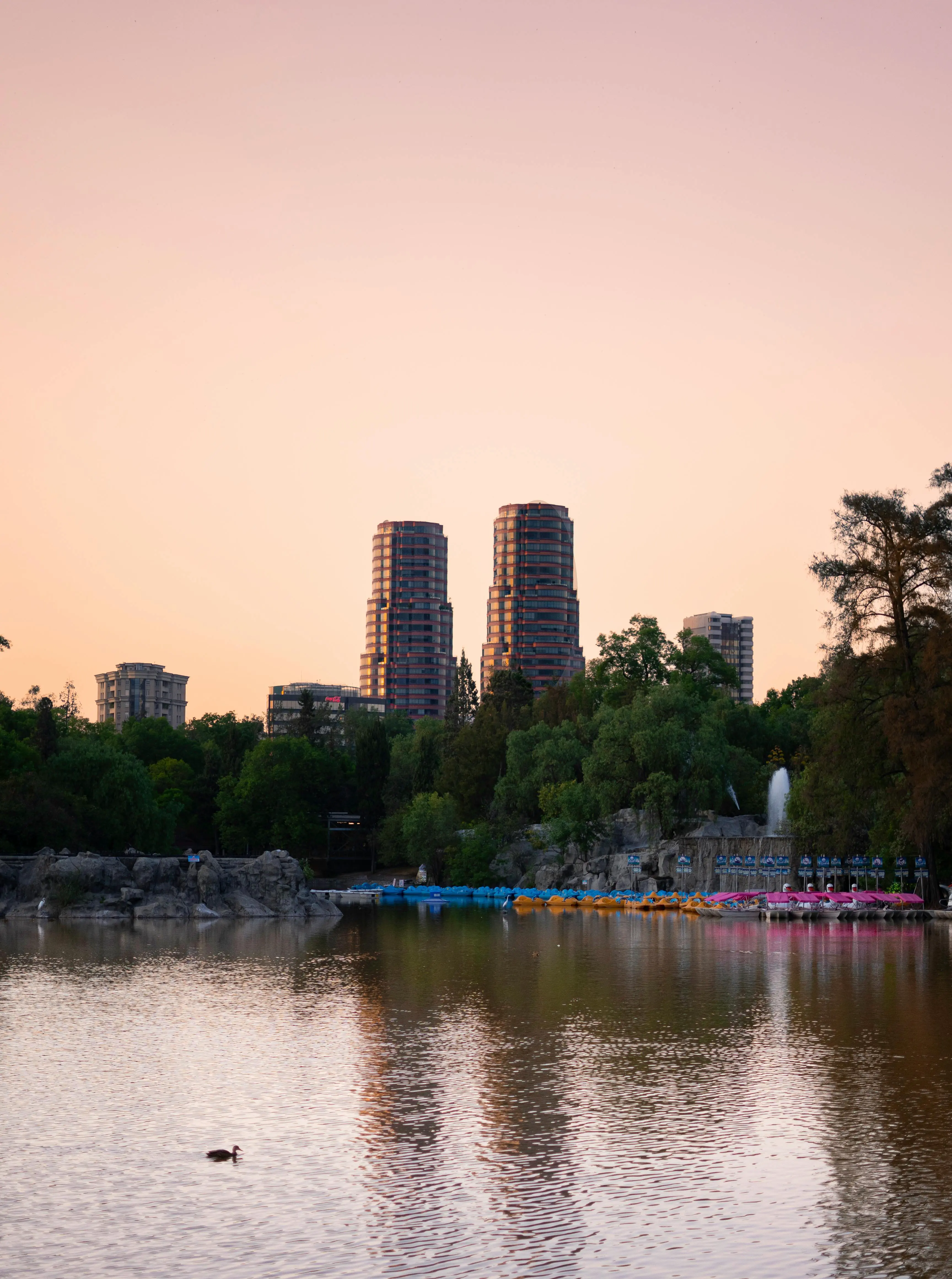
The Digital Nomad Guide to Choosing Your Mexico City Base to Work Remotely
Mexico City is not one city — it's a collection of towns that happen to share a Metro system. Where you stay in your first week will define your entire experience, and the wrong neighbourhood will cost you more than money.
Roma Norte: The Default Base for Most Digital Nomads
Roma Norte is where most digital nomads land first, and most of them don't regret it — but it's worth knowing what you're paying for.
Buna - Café Rico — flat whites from $60 MXN, reliable WiFi, power at most tables — best before noon before the laptop crowd turns it into a coworking space without the booking system
Studios from $12,000 MXN/month, 1-bed from $16,000 MXN/month on Calle Orizaba and surrounding streets
Mercado Medellín — local food market five minutes on foot, street food from $25 MXN — the opposite of tourist-priced
Weekend foot traffic on Álvaro Obregón increases significantly — side streets are quieter for morning work
Roma Norte gives you the easiest entry: walkable, well-stocked, full of people doing exactly what you're doing — which is either reassuring or claustrophobic depending on your personality.
Condesa: Quieter, Greener, Slightly More Expensive
Condesa sits next to Roma Norte but feels different — less café-per-block density, more parks, fewer people competing for the same table at 10am.
Parque España — free, shaded, walkable from most Condesa apartments — good for calls or thinking time between focus blocks
Boicot Café — specialty coffee from $80 MXN, strong WiFi, quieter than Roma equivalents on weekday mornings
1-bed apartments from $18,000–$22,000 MXN/month — the premium is real but the noise floor is lower
Avenida Ámsterdam loop — one of the few genuinely pleasant urban walking routes in the city, useful for clearing your head mid-afternoon
If you're doing deep work and need quiet mornings, Condesa earns the price difference; if you want maximum social density, Roma Norte is the better call.
Roma Sur and Narvarte: Where the Value Actually Is
Roma Sur and Narvarte are where Mexico City digital nomads move when they stop paying the newcomer premium and start optimising for actually living here.
Studios from $8,500 MXN/month in Narvarte — roughly 30% cheaper than equivalent Roma Norte units
Mercado Hidalgo — street food from $15 MXN, entirely local clientele, no English menus — the real version of what Roma Norte markets are trying to approximate
Still on the Pink Line Metro, so Roma Norte is eight minutes away when you want it
Fewer furnished options available — you'll need to look harder, but they exist
These neighbourhoods don't have Roma Norte's café density, but they have Roma Norte's access and a fraction of the social noise — which, by week six, you'll appreciate.
Polanco: High-End, Convenient, and Slightly Soulless for Long Stays
Polanco works if your work involves client meetings or you need a professional address — it doesn't work if you want to feel like you're actually living in Mexico.
1-bed apartments from $25,000 MXN/month — you're paying for proximity to corporate Mexico and the best hospital infrastructure in the city
Bosque de Chapultepec — one of the largest urban parks in Latin America, free to enter, two minutes from most Polanco apartments
English is widely spoken in shops and restaurants — easy for your first days, less interesting after two weeks
Street food options thin out significantly compared to Roma or Narvarte
Polanco is a great option for your first ten days while you find a longer-term place — it's not where you'll want to be in month two.
Neighbourhood | Monthly Rent (1-bed) | Vibe | Best For | Key Advantage |
|---|---|---|---|---|
Roma Norte | $16,000–$20,000 MXN | Café-dense, social, busy | First month, community-seekers | Highest walkability + café access |
Condesa | $18,000–$22,000 MXN | Green, quieter, residential | Deep work, longer stays | Lower noise floor than Roma |
Roma Sur / Narvarte | $8,500–$13,000 MXN | Local, low-tourist, calm | Value-optimised long stays | Same Metro access, 30% cheaper |
Polanco | $25,000–$35,000 MXN | Corporate, polished, international | Short stays, client meetings | Best hospital and services access |
Browse fully furnished apartments in Mexico City filtered by neighbourhood and stay length — it's the fastest way to compare what's actually available versus what's theoretically in your budget.
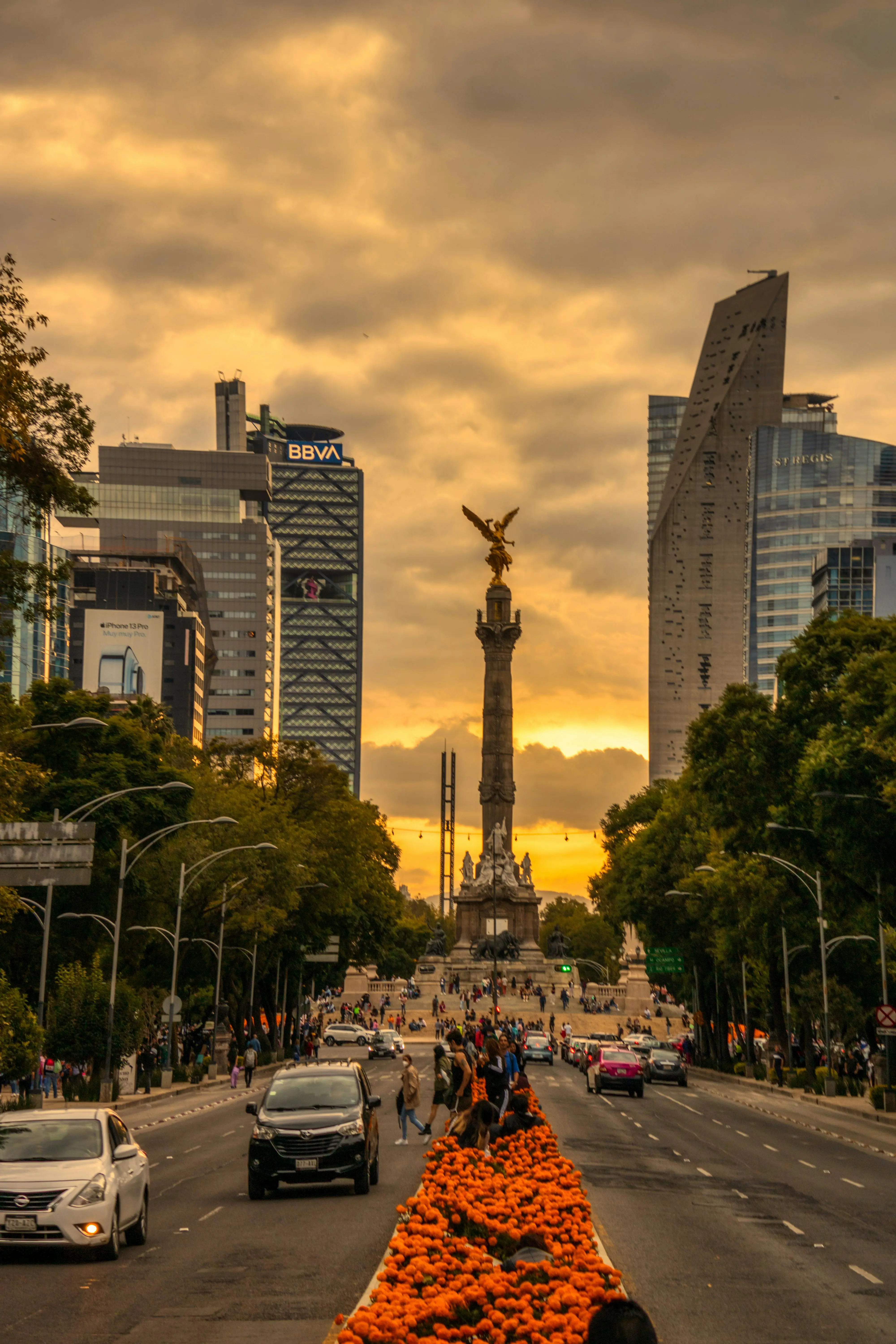
How to Find Accommodation for a Slowcation — Long-Term Rentals in Mexico City
The difference between a hotel stay and a slowcation is almost always the apartment. Once you have a kitchen, a desk, and a neighbourhood that feels like yours, the city opens up differently — and Mexico City's long-term rental market is more accessible than most people expect.
What Long-Term Rentals Actually Cost
The gap between short-term and long-term pricing in Mexico City is significant enough to change your budget math completely.
Airbnb for 30 nights in Roma Norte: $1,800–$2,400 USD — that's tourist pricing for a local city
Month-to-month furnished rental in Roma Norte: $800–$1,100 USD — same quality, different category
Narvarte furnished studio for three months: $450–$600 USD/month — at this price, the slowcation pays for itself against most European alternatives
Utilities (electricity, water, internet) typically run $50–$80 USD/month extra in fully serviced buildings
The city rewards commitment — every week you stay longer pushes the daily rate down, and Mexico City's cost structure means the savings are real, not marginal.
Where to Find Accommodation and What to Look For
Most good long-term furnished apartments in Mexico City aren't on the major tourist platforms — you have to know where to look, or use a platform built for this.
RentRemote lists fully furnished units with verified WiFi speeds — critical when you're working remotely and can't afford to discover the connection is unusable on day one
Facebook groups "Renta CDMX" — active market for direct landlord listings, negotiable on price for stays over 60 days, but requires more due diligence
Look for buildings with 24-hour security, in-unit washing machine, and a dedicated workspace — the "furnished" label in Mexico City can mean very different things
Colonia Roma, Condesa, and Narvarte have the highest density of nomad-ready furnished options — Polanco has supply but prices reflect it
A furnished apartment with reliable WiFi and a proper desk isn't a luxury in this context — it's the difference between working well and spending your afternoons hunting for somewhere your laptop can function.
Facebook groups like "Expats in Mexico City" can help you find month-to-month furnished rentals in Condesa for around 18,000 MXN — listings that never make it onto Airbnb.
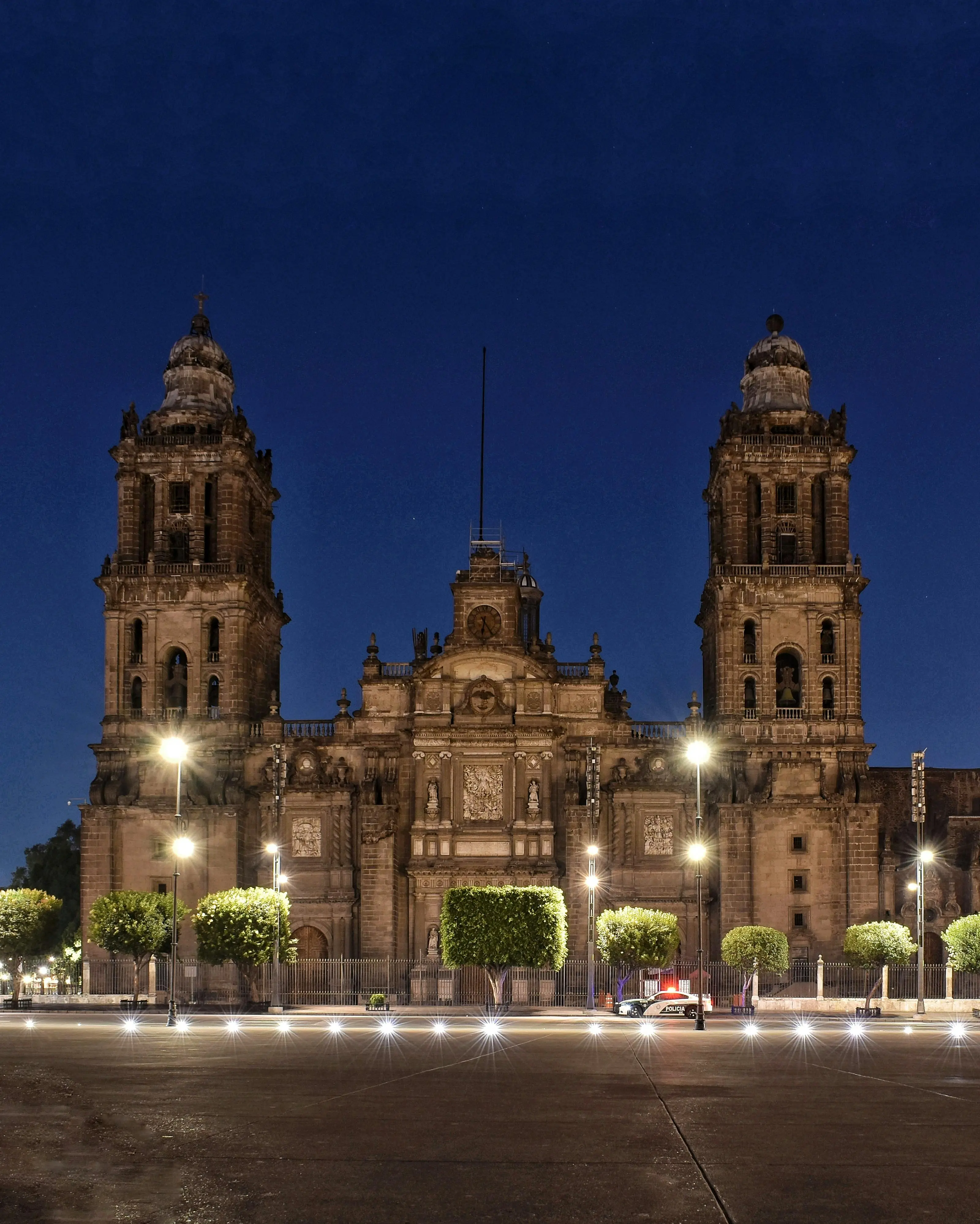
Coworking Spaces in Mexico City and Cafes That Actually Work
Mexico City has both — enough coworking spaces to give you options, and enough great cafes to make the choice genuinely difficult. The right answer depends on whether you need meeting rooms or just need somewhere quiet with good coffee and a table that's yours until you decide to leave.
The Best Coworking Spaces in Mexico for Focused Work
Dedicated coworking spaces in Mexico City tend to be cheaper than their European equivalents and better-equipped than most cafes — if you need co-working spaces with meeting rooms or a professional address, the value case is clear.
WeWork Reforma 156 — day passes from $350 MXN, hot desks and private offices, reliable fibre connection, meeting rooms bookable by the hour — the safest choice if you have a video call that can't fail
Ateneo de Virreyes — coliving and coworking in one building, day pass from $250 MXN, community events most evenings — works well if you've just arrived and want the nomad community built in
Centro Coworking Narvarte — monthly desk from $2,200 MXN, smaller and less polished than WeWork but a fraction of the price and full of people actually working in Mexico long-term
Most co-working spaces offer trial days — always check the WiFi yourself before committing to a monthly plan
If your work involves regular calls or you're managing a team across time zones, a dedicated coworking desk pays for itself in reliability alone — the monthly cost is lower than two bad connection days.
Cafes Worth Building Your Day Around
The best cafes in Roma Norte and Condesa are genuinely good — not "good for the price" but good in the way that makes you plan your morning around them.
Café Nin — Colonia Roma, pour-overs from $75 MXN, fast WiFi, natural light, gets busy after 11am — arrive at 9am and you'll have the best table in the city
Almanegra Café — specialty roaster in Condesa, $65–$90 MXN, no loud music, enough power outlets to matter — the kind of place where you'll find yourself staying three hours and feeling fine about it
Café Quentin — Narvarte, local crowd, $45 MXN espresso, no pretension, WiFi that works — proof that you don't need to pay Roma Norte prices for a great morning
Most Roma and Condesa cafes don't enforce time limits — but occupying a table solo from 8am to 2pm during a Saturday rush is a way to get quietly asked to move
Any honest digital nomad guide to Mexico City coworking needs to mention that Homework in Condesa charges around 3,500 MXN per month for a hot desk — half the price of comparable spaces in Lisbon or Medellín.
Rotate between two or three cafes across the week and you'll stay welcome — and you'll see enough of the neighbourhood to start feeling like you actually live here.
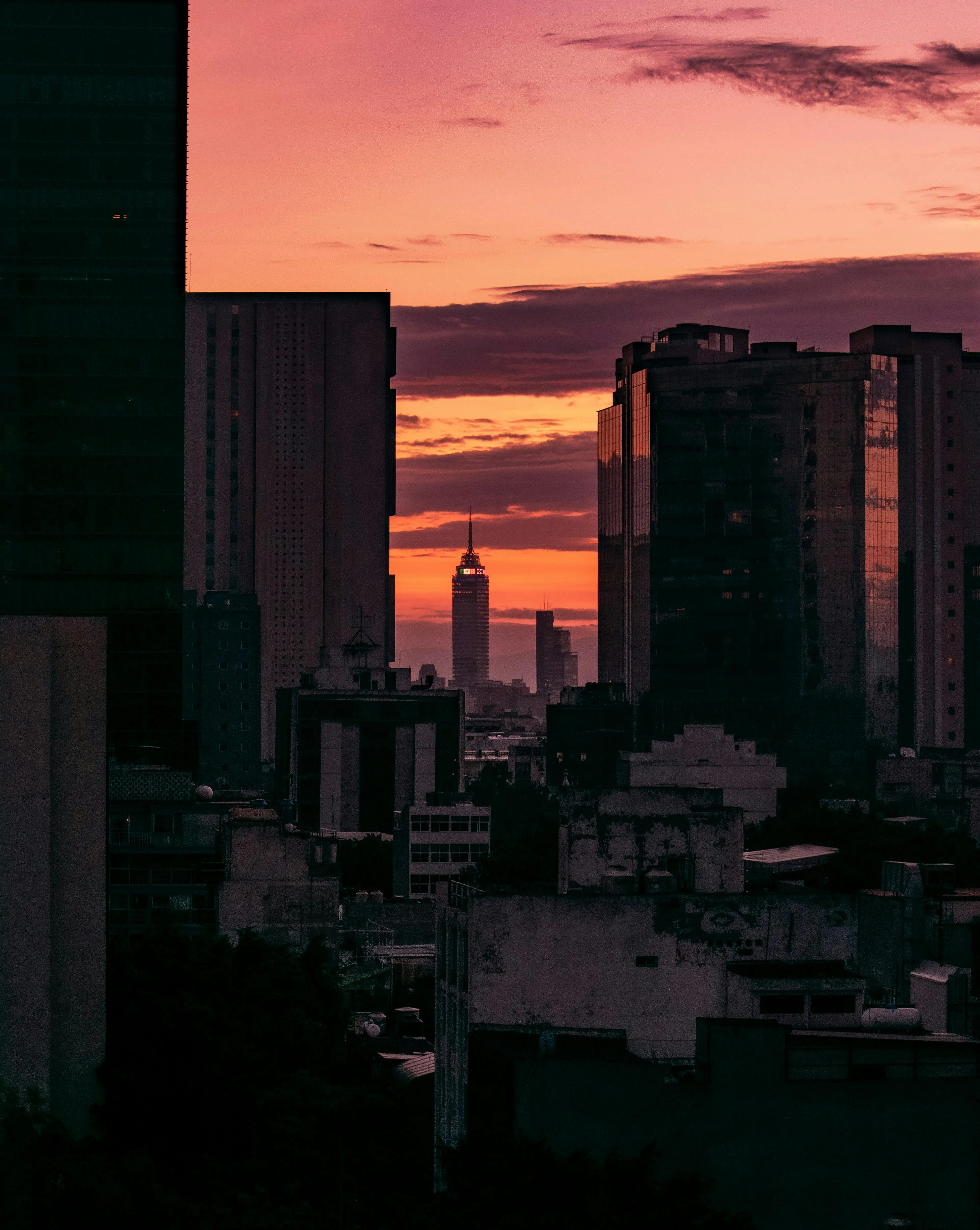
The Mexico Digital Nomad Visa Situation and What You Actually Need to Know
The visa situation in Mexico is simpler than most nomads expect — which is part of why so many people end up staying longer than they planned.
Understanding the Visa Situation for Digital Nomads in Mexico
Mexico doesn't have a dedicated digital nomad visa, but what it does have is a tourist entry that's long enough and flexible enough that most remote workers don't need anything else.
US, UK, Canadian, and most EU passport holders enter Mexico visa-free for up to 180 days — immigration officers at the airport set the number, and asking politely for 180 days usually works
You cannot work for Mexican clients or companies on tourist entry — remote work for foreign employers exists in a legal grey area that Mexico has not formally addressed, and enforcement is effectively zero
Extending beyond 180 days requires leaving the country — a weekend trip across the US border or to Guatemala resets the clock; most long-term nomads in Mexico plan one or two of these into their year
The Temporary Resident Visa is available for those who can show $2,000+ USD/month income — it allows 1–4 year stays and is worth the paperwork if you're planning to be in Mexico seriously long-term
Most people do a 90-to-180-day stay, leave briefly, and return — and the system works well enough that Mexico City consistently ranks among the top destinations for slow travel precisely because the entry friction is low.
Slow Travel vs. Tourist Visa: Planning Your Stay
The slow travel approach to Mexico City means treating your visa strategically from the start, not as an afterthought when the 180 days are almost up.
Ask for 180 days at the airport — always write "tourism" on the form, keep a return or onward flight booked, and have an accommodation address ready
Flights for border runs from Mexico City: Tijuana–San Diego from $800 MXN, Guatemala City from $1,200 MXN — plan one per visa cycle and budget it in from the start
The Temporary Resident Visa application must be done at a Mexican consulate in your home country before you travel — you can't convert tourist status from inside Mexico
IMSS (public health insurance) is available to Temporary Residents from around $500 MXN/month — cheap enough to be worth it if you're staying a year
No nomad guide to Mexico City is complete without flagging that the Temporary Resident Visa — which requires proving roughly 2,600 USD per month in income — is processed at a Mexican consulate in your home country, not on arrival in Mexico City.
Explore the Colonia Napoles neighbourhood guide for a detailed breakdown of what slow travel actually looks like on the ground in Mexico City's most nomad-dense colonia.
Getting Around Mexico City Without Losing Your Workday
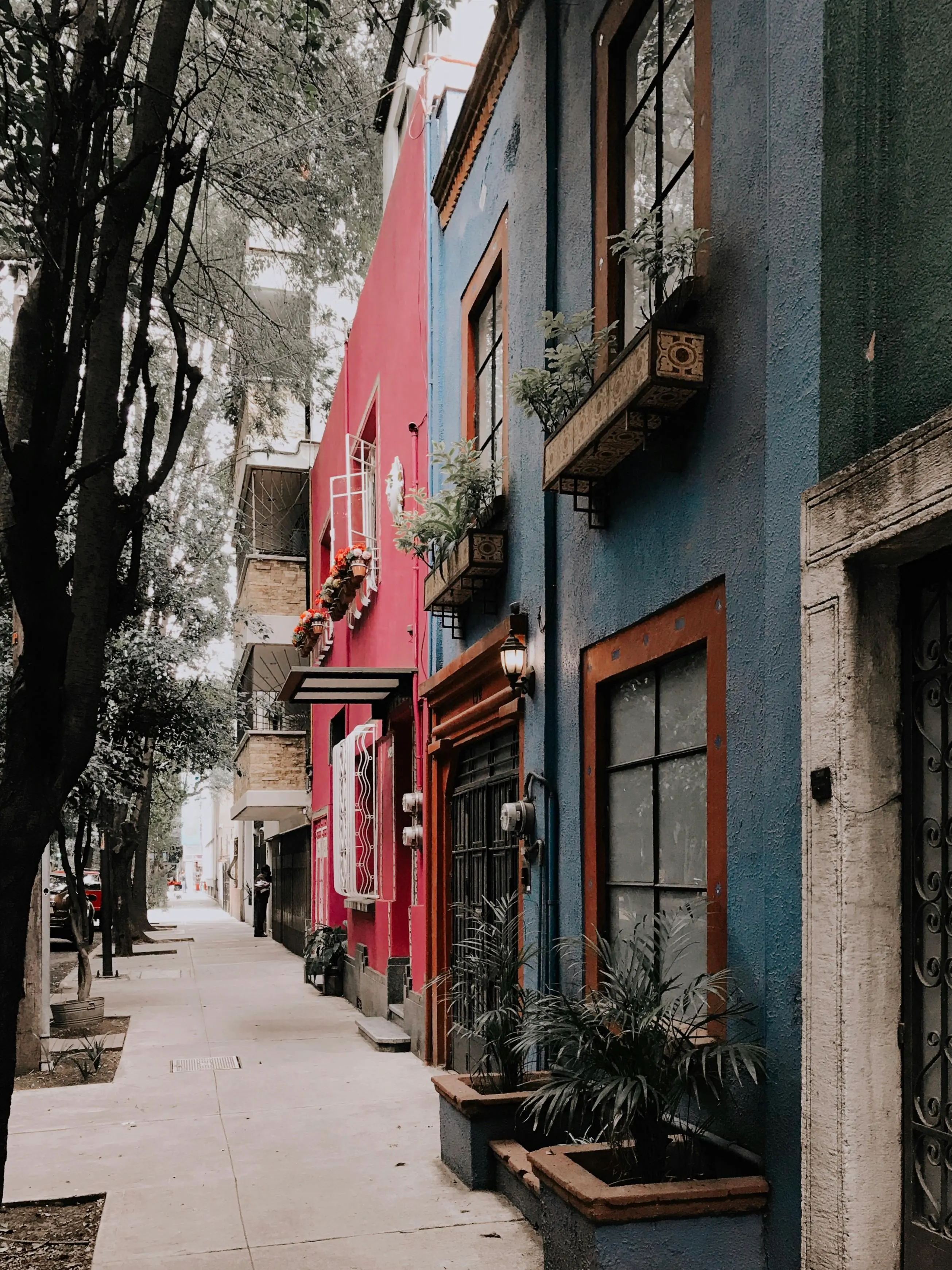
Mexico City's size intimidates people before they arrive and stops intimidating them about four days in — once you understand that you don't need to navigate the whole city, only the 20 blocks that become your actual life.
The Metro: Fast, Cheap, and Occasionally Unpleasant at Rush Hour
The Mexico City Metro is one of the most cost-effective transit systems in Latin America, and at $6 MXN per ride, you will stop thinking about it as a transport cost almost immediately.
Metro Insurgentes (Line 1) — central to Roma Norte, connects to Observatorio in the west and Pantitlán in the east; reliable enough for daily use
Avoid Line 1 between 8–9:30am and 6–8pm — the carriages are not designed for laptop bags and the crowd doesn't care about yours
Google Maps works well for planning Metro routes in Mexico City; the app accounts for transfers accurately and rarely gives bad advice on Line 3 or Line 7
A monthly Metro pass does not exist the way it does in European cities — you load a card (tarjeta de movilidad integrada) and pay per trip, which costs roughly $180–240 MXN/month for daily use
For most nomads based in Roma or Condesa, the Metro is backup transport — the neighbourhood itself covers most of what you need, and the Metro earns its place for longer crossings.
Metrobús, Uber, and the Bus Question
The Metrobús (Bus Rapid Transit) runs on dedicated lanes and is faster than it looks — Line 1 along Insurgentes connects Indios Verdes in the north to El Pedregal in the south and is genuinely useful if you're moving between colonias rather than staying in one.
Metrobús card (CDMX mobility card) costs $15 MXN to load; each trip is $6 MXN — same as Metro, different card
Uber averages $60–90 MXN for short cross-colonia trips and is reliable enough that most nomads use it for evening travel when the bus feels like the wrong call
The Ecobici bike-share system costs $573 MXN/year for unlimited 45-minute rides — if you're based in Roma, Condesa, or Polanco, this is the fastest way to move between cafés without dealing with traffic
Intercity bus travel from TAPO Terminal or Terminal Poniente — buses to Puebla depart every 30 minutes and cost $180–220 MXN; faster and cheaper than domestic flights for anything under three hours
The public Metrobús on Insurgentes Sur runs 24 hours on weekends and costs 6 MXN per ride, making it genuinely faster than an Uber for the Roma to Tlalpan corridor during Friday evenings.
The Moovit app will help you navigate the Metro system across all 12 lines — a single journey costs just 5 MXN and covers distances that would run 150 MXN in an Uber during peak hours.
Coworking, Cafés, and Reliable Internet in Mexico City
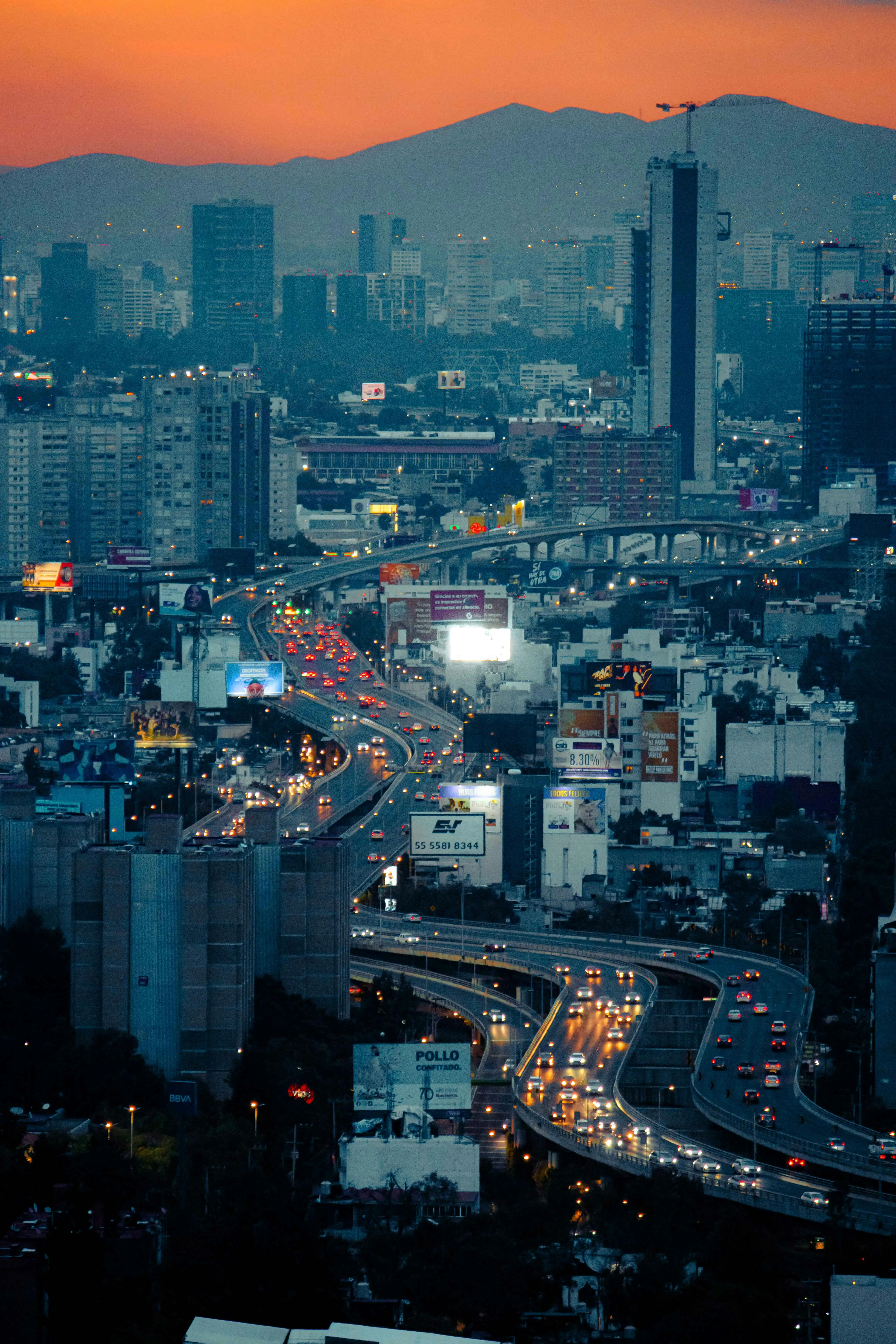
Reliable internet is the one non-negotiable, and Mexico City's infrastructure is good enough in the right colonias that most nomads never feel the friction — but "good enough in the right colonias" is doing a lot of work in that sentence.
Where to Work When Your Apartment Isn't Cutting It
There are plenty of cafés in Roma and Condesa that tolerate laptops, but tolerating laptops and being genuinely good for work are two different things — know which ones you're walking into.
Chiquitito Café, Colonia Condesa — $70 MXN cortados, fast WiFi, small enough that it fills by 10am; best used for focused morning sessions, not six-hour marathon days
Café Avellaneda, Coyoacán — $65 MXN pour-overs, quieter than anything in Roma on a weekday, genuinely good for deep work; the commute from Roma takes 25 minutes by Uber but earns itself back in uninterrupted hours
Homework Coworking, Polanco — day pass $250 MXN, monthly hot desk $3,500 MXN; this is the coworking space that actually has the density of a proper work environment rather than a café that tolerates laptops
Home internet: Telmex is the standard ISP and delivers 100–200 Mbps in Roma and Polanco reliably; Totalplay is the alternative and often faster in Narvarte — confirm speeds before signing any lease
Being digital nomad in Mexico City means treating your internet setup as infrastructure — the city supports remote work well, but you have to make deliberate choices about where you sit down to do it.
The Mexico City Digital Nomad Community
The digital nomad community in Mexico City is one of the most active in Latin America, and you will run into it whether you go looking or not — but going looking is faster.
Mexico City Nomads Meetup — events roughly twice monthly, usually held in Roma Norte or Condesa; check the Meetup app under "Mexico City digital nomad" for the current schedule
Nomads MX Facebook group — active, specific, and a better source for apartment leads than most listing sites; members share sublets and roommate situations that never make it onto Airbnb
Triver Coliving, Colonia Juárez — structured coliving with built-in community, from $18,000 MXN/month all-in; useful for the first 30 days when being able to connect with people in the building beats hunting for a social life from scratch
Being digital in CDMX means there are Slack communities, WhatsApp groups, and weekly coffee meetups — ask at any coworking space on day one and you'll have three invitations before lunch
The community self-selects for people who have decided to stay in one place for a while — it is not a backpacker scene, which is exactly why it works for nomads on a slower schedule.
Day Trips, Border Runs, and Leaving the City Without Losing Your Rhythm
One of the underrated advantages of basing yourself in Mexico City Mexico is what sits within three hours of it — and how easy it is to run short trips without derailing a full workweek.
The Day Trips Worth Planning Around
Puebla is the obvious first move, and it earns its reputation — but the trips that actually stick with most nomads are the quieter ones that don't appear on top-ten lists.
Teotihuacán — 50km northeast of Mexico City; bus from Terminal Norte for $72 MXN, 1 hour each way; go on a weekday before 9am and it's a different experience from the weekend crowds
Taxco, Guerrero — 3 hours by bus from Terminal Poniente, $300 MXN; a colonial silver town that rewards an overnight rather than a rushed day trip; good enough to build a Friday-to-Sunday around
Valle de Bravo — 2.5 hours west by bus ($220 MXN); a lake town that Mexico City residents actually escape to; quieter than Puebla, less photographed, and a reasonable place to work remotely for a long weekend if your accommodation has decent internet
Domestic flights from AICM Airport to Oaxaca City start at $900 MXN one-way with VivaAerobus — a 3-day Oaxaca run fits cleanly inside a Mexico City visa cycle and doubles as a visa-extension trip if you're timing things carefully
The trips that work best for nomads are the ones planned on a Tuesday for a Friday departure — Mexico City's transport infrastructure makes this kind of spontaneity realistic without it eating your work schedule.
Travel Insurance, Visas, and What Happens If Something Goes Wrong
Mexico doesn't require travel insurance for entry, which means most people arrive without it — and most people are fine, until they aren't.
Private hospital care in Mexico City is genuinely good but genuinely expensive without coverage — a visit to Hospital Ángeles Roma for anything beyond a consultation will cost $3,000–$8,000 MXN without insurance
Travel insurance for nomads: SafetyWing Remote Health starts at around $45 USD/month and covers Mexico; World Nomads is the alternative if you want higher adventure-sport coverage
The tourist visa situation is lower-friction than most destinations — you arrive, you get 180 days, and if you need more time the border run to Guatemala or the US is a known, documented process; the temporary resident visa is the right move if you're committing to more than one year
Start here with the temporary resident visa process: apply at a Mexican consulate in your home country, show $2,000+ USD/month income documentation, and allow 4–6 weeks for processing — it is not complicated, just sequential
Being able to handle a medical situation or a visa complication without panic comes down to decisions you make before you land — travel insurance is the one cost that nomads consistently say they regret skipping when they needed it.
Is Mexico City the Right Slowcation Base for You?
Who Mexico City Actually Works For
This city rewards nomads who want depth over breadth — it will frustrate anyone trying to treat it as a quick stop on a five-country sprint.
You need at least four to six months to get meaningful value from the learning curve
The city is too large and too layered to justify on a short timeline
It suits people willing to let neighbourhood rhythms become familiar rather than chasing constant novelty
Spanish improves here, slowly and genuinely, in a way that a tourist timeline never allows
If you are optimising for countries visited rather than places understood, book a flight to somewhere smaller.
What You Actually Get for Your Money
Mexico City delivers more city per dollar than almost anywhere else a remote worker could reasonably base themselves for half a year.
Remote work infrastructure — reliable internet, co-working spaces, café culture — is genuinely solid across most central neighbourhoods
The cost of living means your rent pays for itself fast compared to equivalent cities in Europe or North America
There is enough nomad community here that you can find people if you want them
There is also enough city to disappear into completely if you do not
The altitude takes a week to stop noticing, and by month two the food alone justifies the decision.
If you want to learn Spanish quickly, Mexico City is more effective than Oaxaca — the sheer number of daily interactions in markets, coffee shops, and Metro stations forces real conversational practice within the first two weeks.
Planning Your Mexico City Slowcation
Mexico City rewards the traveler who slows down. A week is enough to scratch the surface, but a month is where the real magic happens — when your local café starts saving your usual table, when you know which mercado has the best tlayudas, and when the chaos of the city starts to feel like a rhythm you actually understand. That shift from tourist to temporary local is what slowcationing is all about, and CDMX makes it unusually easy to get there.
The logistics are straightforward, the cost of living is forgiving, and the city itself is endlessly generous with its culture, food, and energy. Whether you're here for a month or quietly extending every few weeks because you can't quite bring yourself to leave, you'll find that Mexico City has a way of becoming home faster than almost anywhere else on the planet.
When you're ready to book your base, skip the hotels and start with a proper furnished apartment in a neighborhood that fits your working style. Browse fully furnished apartments in Mexico and give yourself the kind of setup that lets you stop thinking about logistics and start actually living in the city.
Frequently Asked Questions About Slowcationing in Mexico City
How long should I stay in Mexico City for a proper slowcation?
Most digital nomads find that one month is the sweet spot — long enough to settle into a routine, explore multiple neighborhoods, and feel genuinely at home without overstaying your visa-free allowance. If a month isn't possible, aim for at least three weeks to get past the tourist phase and into the slower, more rewarding rhythm the city offers.
Is Mexico City safe for digital nomads working remotely?
Like any major city, Mexico City has neighborhoods that are safer and better suited to daily nomad life than others. Areas like Roma Norte, Condesa, Polanco, and Coyoacán have well-established expat and nomad communities, good street-level activity, and reliable infrastructure. Staying aware of your surroundings and sticking to well-trafficked areas makes day-to-day life feel very manageable for most remote workers.
What is the internet connectivity like for remote work in Mexico City?
Internet speeds in furnished apartments and coworking spaces across popular nomad neighborhoods are generally strong enough for video calls, file sharing, and most remote work needs. It's always worth confirming fiber or high-speed connection with your landlord before booking, especially if you rely on large uploads or uninterrupted video conferencing throughout the day.
Do I need to speak Spanish to live comfortably in Mexico City?
You can get by without Spanish in the most popular expat neighborhoods, where English is widely spoken in cafés, coworking spaces, and restaurants. That said, even basic Spanish will dramatically improve your daily experience — from navigating markets to building genuine connections with locals — and Mexico City is honestly one of the best places in the world to pick it up quickly through immersion.
What is the average monthly budget for a digital nomad slowcationing in Mexico City?
A comfortable monthly budget ranges from around $1,500 to $2,500 USD depending on your neighborhood, lifestyle, and appetite. A furnished apartment in Roma or Condesa might run $800 to $1,400 USD per month, with food, transport, coworking, and leisure filling in the rest at remarkably low costs compared to most major cities. Travelers coming from Western Europe or North America consistently find that their money stretches significantly further here.