
Maya
Culture & Exploration Editor ·
Mexico City doesn't punish timing the way other destinations do — you won't arrive in a dead month where everything closes — but the difference between March and July is real. The best time to visit Mexico City falls between March and May, when jacaranda trees turn entire blocks purple and mornings stay dry. October and November work almost as well, especially if you want Day of the Dead without the spring break pricing. Summer brings afternoon rain that floods streets and traps you indoors after 3pm. Winter is dry and cool, but December through early February fills with holiday crowds, then empties into the city's quietest weeks.
This guide covers:
Month-by-month weather patterns and what they actually mean for your workday
Which cultural events are worth timing a trip around — and which ones just clog the Métro
When to find the best deals on apartments without sacrificing liveable weather
How altitude, pollution, and rain shape your daily routine more than temperature does
Real trade-offs between seasons: what you gain and what you lose by choosing one over another
Best Time to Visit Mexico City by Season: What the Weather Actually Does to Your Day
Mexico City sits at over 7,300 feet, which matters more than the calendar. The altitude keeps temperatures moderate year-round — you won't get European summers or Canadian winters — but it amplifies everything else. Pollution builds up on still days. Rain arrives like clockwork in summer. The dry season leaves your throat raw by February. What changes between seasons isn't whether you can go outside, but when you can go outside and what you need to plan around.
Spring (March–May): The Best Month Range for First-Timers
March through May delivers what most guides call "idyllic weather" — which translates to clear mornings, warm afternoons in the high 70s, and almost no rain until late May.
Beautiful weather in Mexico City means highs around 22°C from March through May — warm enough for terrace dining in Roma Norte but cool enough that walking from Reforma to Chapultepec doesn't leave you drenched.
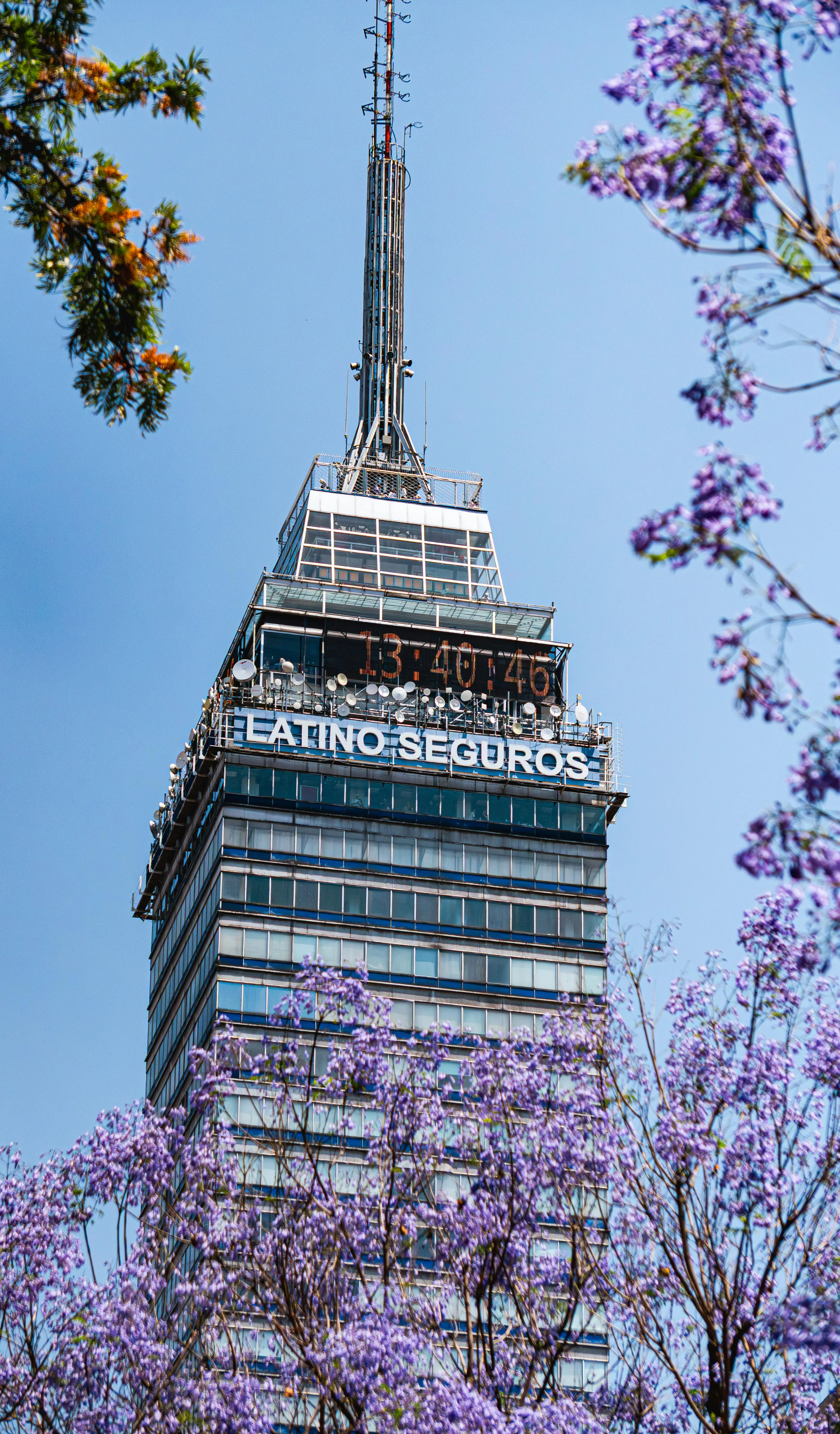
Jacaranda bloom peaks in March and April — Roma Norte and Condesa turn purple for about three weeks
Mornings stay dry and clear through early May, then afternoon clouds start building by mid-month
Temperatures range 70°F to 80°F — comfortable for walking all day without planning around heat
The Vive Latino festival happens in March at Foro Sol, which books out hostels in nearby Iztacalapa but barely affects central neighbourhoods
This is when you see the most remote workers arrive — the weather removes every excuse not to explore, and apartments in Polanco or Juárez fill up faster than other months.
Explore the neighbourhoods in our neighbourhood guide for a deeper look at where to stay, eat, and work.
Summer (June–August): The Rainy Season That Runs on a Schedule
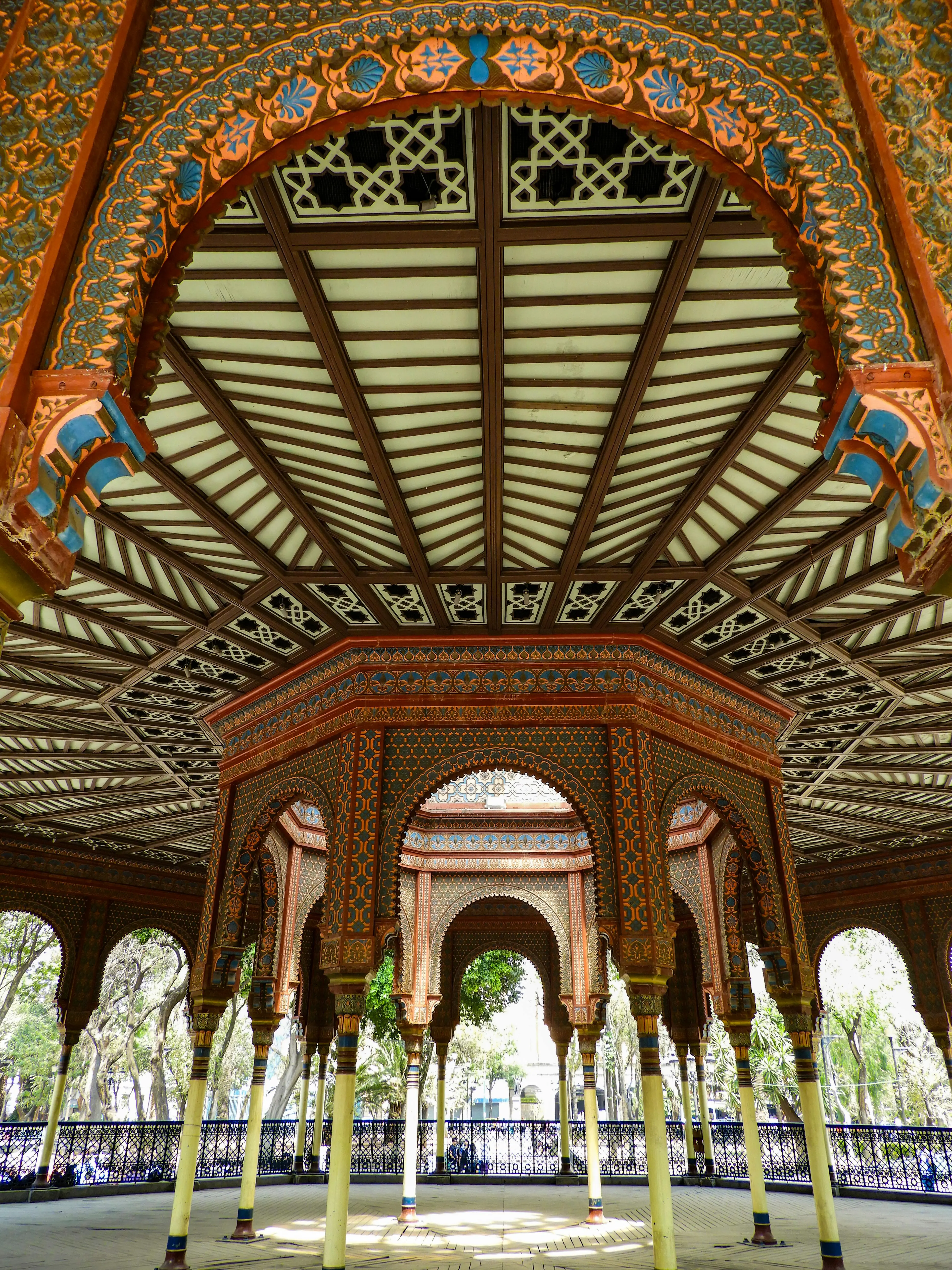
The rainy season delivers 85% of the city's annual rainfall between June and August, but it doesn't rain all day — it rains every afternoon, usually between 3pm and 7pm, hard enough to flood Paseo de la Reforma and strand you in whatever café you ducked into.
Mornings stay clear and pleasant — plan museum visits and Frida Kahlo Museum trips before 2pm
Afternoon thunderstorms cause traffic delays and flood poorly drained streets — don't schedule meetings after 4pm if you're crossing neighbourhoods
Hotel rates drop 20–30% in July and August, and month-long apartment rentals become easier to negotiate
June brings Pride Month celebrations and the Zona Rosa parade, but also marks the start of consistent afternoon downpours
Summer works if you're fine treating afternoons as coworking time — just don't expect to see Teotihuacan or Xochimilco without cutting the trip short when the sky opens up.
Autumn (September–November): When Cultural Events Justify the Timing
September through November brings two things: the tail end of rainy season in September, then the city's best stretch of cultural events from October onwards, starting with Día de la Raza and building to Día de los Muertos in early November.
September 16 is Mexican Independence Day — Zócalo fills for the Grito ceremony the night before, and the entire historic centre becomes impassable
Rain tapers off by late September, and October delivers warm days with almost no afternoon storms
Día de los Muertos (November 1–2) floods the city with altars, parades, and cemetery visits — Mixquic and Coyoacán become tourist traps, but neighbourhood ofrendas in Roma stay authentic
Fewer tourists visit in early November compared to spring, but accommodation prices spike during Day of the Dead weekend
If you time a trip around one event in Mexico City, make it Día de los Muertos — but book your apartment a month early, because the city knows what it has.
Winter (December–February): Cold Nights, Dry Days, and Two Distinct Waves
Winter splits into holiday chaos in December, then a quiet lull from mid-January through February that most guides ignore — which makes it the best time to visit Mexico if you want the city to yourself and don't mind bringing a jacket.
December fills with Las Posadas celebrations, Día de los Reyes (Three Kings Day) on January 6, and tourists on winter break — prices peak until January 10
Temperatures drop to the low 40s°F at night and reach the 60s°F during the day — cold enough that cafés without heating feel unpleasant by 8pm
Mid-January to mid-February is the city's quietest stretch — hotel rates drop, flights from the US cost less, and central neighbourhoods empty out before spring break crowds arrive in March
The dry season leaves the air dusty and pollution worse on still days — your throat will feel it by the end of the month
Winter months reward people who want elbow room at Museo Nacional de Antropología and cheaper apartments in Polanco — just pack layers, because the altitude makes 50°F feel colder than it should.
Month-by-Month Breakdown: The Best Time to Visit Mexico for Your Priorities
Choosing when to visit Mexico City depends less on weather — which stays moderate year-round — and more on what disrupts your routine. Some months deliver cultural events worth planning around. Others just cost more without giving you anything extra. May is the hottest month, but it's still only mid-80s°F. January is the coldest, but "cold" means bringing a sweater. What actually changes month to month: crowds, prices, and whether you can walk outside after 3pm without an umbrella.
December February is when air quality worsens — thermal inversions trap smog over the valley, and you'll see the mountains from Reforma only 2-3 days per week instead of daily.
March April brings the warmest pre-rain temperatures — you'll get 26°C afternoons in Coyoacán without the July downpours that flood low-lying streets near La Merced by 4pm.
January: Post-Holiday Quiet After Three Kings Day
January starts with Día de los Reyes on the 6th — bakeries sell rosca de reyes (sweet bread with a hidden figurine), families gather, and the holiday season finally ends — then the city empties out and becomes cheaper than any other winter month.
Holiday crowds leave by January 10, and accommodation prices drop until spring break starts in March
Temperatures range from low 40s°F at night to mid-60s°F during the day — you'll want a jacket after sunset
Dry air gets worse as the month progresses, and pollution builds up on windless days
Cultural events slow down after Kings Day, making this a functional month for work rather than sightseeing
This is the best time to visit if you want cheaper rent in Roma or Condesa and don't need perfect weather — just a city that isn't packed.
February: The Last Quiet Month Before Spring Crowds Arrive
February extends January's quiet streak until the last week, when spring break starts trickling in from US universities — if you're booking an apartment, do it before February 20 to avoid the price jump.
Weather stays dry and cool, with daytime highs in the mid-60s°F and chilly nights
Pollution often peaks in February due to temperature inversions that trap smog — check air quality before planning outdoor day trips
Fewer tourists means shorter lines at Palacio de Bellas Artes and easier reservations at Pujol
Month-long apartment rentals become harder to negotiate after mid-month as landlords anticipate spring demand
February works if you want budget-friendly accommodation and can tolerate air quality that occasionally forces you indoors — it's not the most beautiful month, but it's one of the cheapest.
March: Jacaranda Bloom and the Start of Peak Season
March marks the beginning of the best time to visit Mexico City — jacarandas bloom, weather turns warm without getting hot, and spring break crowds fill central neighbourhoods by mid-month.
Jacaranda trees peak in late March, turning streets in Roma, Condesa, and San Ángel purple for about three weeks
Temperatures climb to the high 70s°F, and rain stays away until late in the month
The Vive Latino festival in mid-March draws music fans but doesn't disrupt neighbourhoods outside the venue
Spring break starts around March 10 and runs through early April, pushing up prices at hostels and short-term rentals
If you're visiting for the first time and want Mexico City at its most photogenic, this is the month — just book housing early, because everyone else knows it too.
April: Peak Spring Weather Before the Heat Builds
April delivers what March promises: clear skies, warm days in the low 80s°F, and the last full month before rainy season starts.
Semana Santa (Holy Week) usually falls in April, filling the city with domestic tourists and closing some businesses from Thursday through Sunday
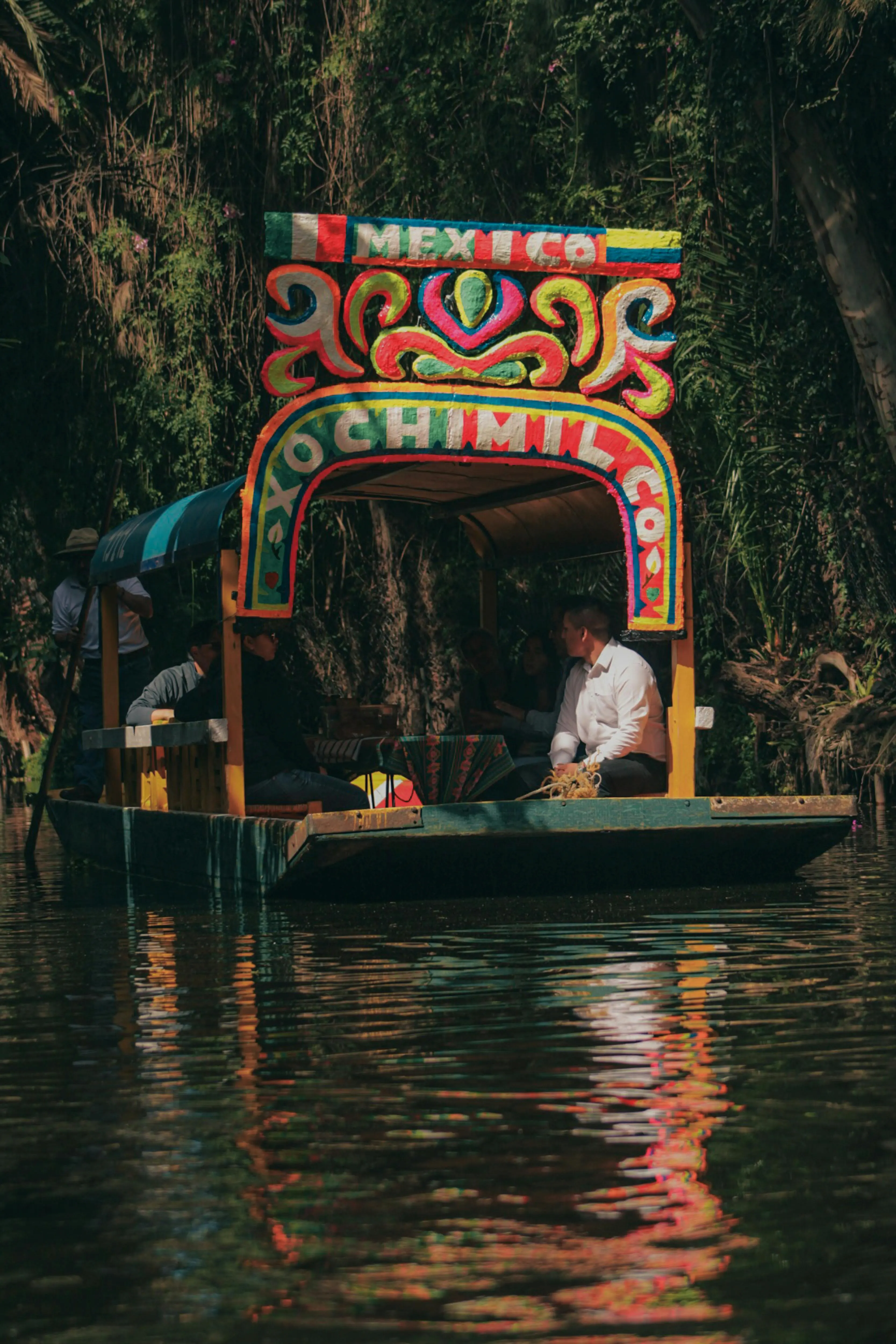
Weather stays dry and warm, making this ideal for day trips to Teotihuacan or Xochimilco for a colorful boat ride
Prices stay elevated through the month, especially during Holy Week when Mexican families travel
Air quality improves compared to winter months as wind picks up before rainy season
April works if you don't mind paying peak-season rates — the weather justifies it, and you're less likely to have plans derailed by afternoon storms than you would be a month later.
May: The Hottest Month Before Rain Starts
May is typically the hottest month in Mexico City, with daytime temperatures reaching the mid-80s°F — which sounds mild but feels heavier at altitude — and rain beginning in the last week as a preview of summer.
Cinco de Mayo (May 5) is a bigger deal in the US than in Mexico City — some bars run specials, but it's not a city-wide event
The Feria de las Culturas Amigas at the end of May celebrates international food and culture in Centro Histórico
Late May starts seeing afternoon clouds and occasional rain — a warning that the rainy season is coming
Prices begin to drop slightly as fewer travellers want to risk the start of summer storms
May makes sense if you want good weather without March and April crowds — but if rain starts early, you'll spend the last week of your trip indoors.
When to Visit Mexico City for Festivals and Cultural Events Worth Timing Your Trip Around
Most cultural events in Mexico City don't require advance planning — you can stumble into neighbourhood festivals, art fairs, and food markets any month — but a few justify building your entire trip around them. Día de los Muertos in early November is the obvious one. Mexican Independence Day on September 16 fills the Zócalo but becomes a logistics nightmare if you're anywhere near Centro. The rest fall into a middle category: worth experiencing if you're already in town, not worth suffering crowds or price spikes to catch.
Día de los Muertos (November 1–2): The One Festival That Justifies the Timing
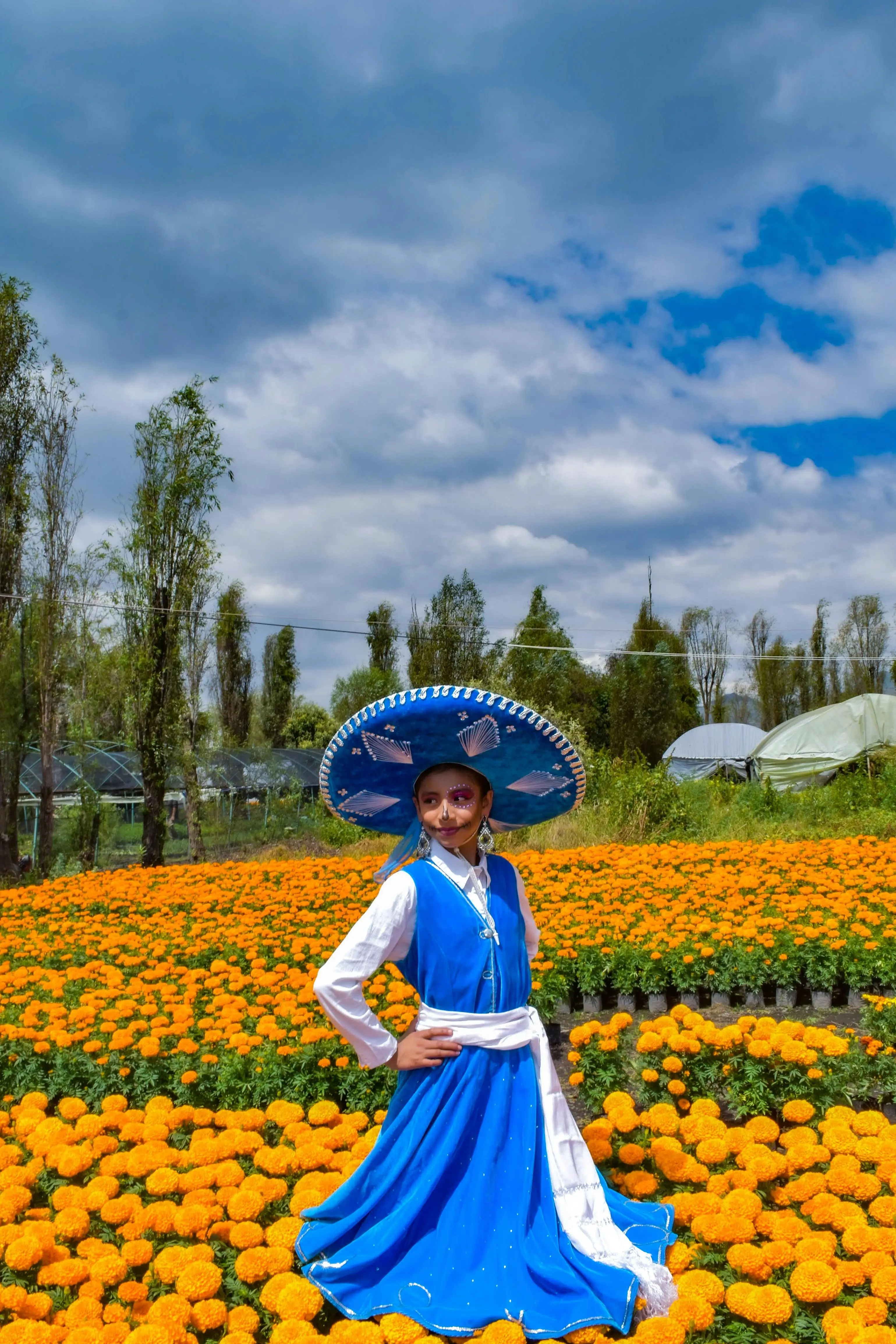
Día de los Muertos transforms the city for three days — altars appear in every neighbourhood, cemeteries fill with families, and the Day of the Dead celebrations overflow from tourist zones into residential streets where the tradition still means something.
Cinco de Mayo gets far less attention in Mexico City than in the US — you'll find bigger crowds at neighbourhood markets than in Centro Histórico, where most shops close early on May 5th.
The parade on Paseo de la Reforma didn't exist before the James Bond film but now draws massive crowds — skip it and visit neighbourhood ofrendas instead
Mixquic cemetery south of the city hosts the most traditional vigil, but expect tour buses and lines by 6pm
Prices for short-term rentals spike 30–40% for the weekend, and apartments in Roma book out a month early
Coyoacán market sells marigolds, sugar skulls, and pan de muerto — arrive before noon to avoid the crowds
If you time one trip around a cultural event in Mexico City, this is it — but book housing by early October, because the city knows what it has and prices accordingly.
Mexican Independence Day (September 16): Beautiful from a Distance, Chaos Up Close
Mexican Independence Day centers on the Grito ceremony in the Zócalo the night of September 15, when the president re-enacts the call to independence — which means fireworks, street closures, and crowds that make the entire historic centre impassable if you're trying to get anywhere.
The Zócalo and surrounding streets close by 4pm on September 15 — if you're staying in Centro, plan to stay put
Celebrations continue on September 16 with parades and festivals, but most businesses outside the centre operate normally
Día de la Raza on October 12 also marks a public holiday, though it's less disruptive than Independence Day
Book restaurants in advance if you're eating out on September 15 — most places near the Zócalo fill early
Independence Day works if you want to see the celebration — just don't schedule work calls or expect to move around the city easily for 36 hours.
Las Posadas and Three Kings Day: December Traditions That Shape the City's Rhythm
Las Posadas runs from December 16–24, re-enacting Mary and Joseph's search for shelter through neighbourhood processions, piñatas, and gatherings — it's less a single event than a daily ritual that makes December feel different from other months.
Neighbourhoods host nightly posadas with piñatas and tamales — Xochimilco and Coyoacán have some of the most traditional celebrations
Día de los Reyes (Kings Day) on January 6 closes out the holiday season with rosca de reyes — bakeries like Panadería Rosetta sell out by 10am
The holiday season brings domestic tourists and extended family visits, filling hotels and raising prices through January 6
Many businesses close or run limited hours between December 24 and January 2
December brings holiday crowds and higher prices, but the atmosphere justifies it if you want to see Mexico City during its most traditional season — just expect less productivity and fewer work-friendly cafés with open tables.
Best Deals and Budget-Friendly Times to Visit Mexico City Without Sacrificing Too Much
The cheapest times to visit Mexico City fall in the gaps between major events and weather extremes: mid-January through February after holiday crowds clear out, and July through August when afternoon rain keeps tourists away. You'll save 20–30% on fully furnished apartments in Mexico City, and flights from the US drop below $300 round-trip if you're flexible. But cheaper comes with trade-offs — February air quality gets rough, and summer rain floods streets most afternoons. The best deals aren't always the best months.
September November offers hotel rates 40% below high season — a room at Casa Goliana in Roma drops from $120 to $75 per night, though you'll trade savings for afternoon rain showers.
January Through Mid-February: Post-Holiday Lull Before Spring Demand
Accommodation prices drop sharply after Día de los Reyes on January 6 and stay low until spring break starts in March, making this the best time to visit Mexico if budget is your top priority.
Studios in Roma Norte drop from $900/month in December to $650–$700 in January
Flights from the US average $250–$350 round-trip, compared to $400+ during spring and holiday months
Fewer tourists mean easier reservations at indoor attractions like Frida Kahlo Museum without advance booking
Pollution worsens in February due to temperature inversions — expect hazy days that keep you indoors
This stretch works if you're fine with cool weather and occasional bad air quality in exchange for paying less — it's not the most beautiful time to visit, but it's the most affordable outside of summer.
Summer Months (July–August): Lower Rates, More Rain
Summer in Mexico City means afternoon thunderstorms that clear by 6pm and rental rates that drop 15–25% below spring highs — if you work mornings and don't mind wet afternoons, it's the best time to visit Mexico City for value without entering February's pollution season.
One-bedroom apartments in Condesa go from $1,100/month in April to $850–$900/month in July
Heavy rains hit between 4–7pm most days — plan calls before 3pm or after dinner
Pujol and Quintonil have more last-minute availability during these months
Warm days and cooler evenings mean mornings feel pleasant but afternoons get sticky before the rain
If you're already working remotely and care more about budget than weather, summer gives you clear skies until early afternoon and 30% cheaper rent — you just plan around the 4pm rain like everyone else does.
Shoulder Season Windows: Late August and Early June
The weeks right before and after summer rainy season offer lower prices without full rainy-season inconvenience — late August still gets afternoon storms, but early June stays mostly dry with spring-level pricing beginning to drop.
Studios in Roma Norte: $750–$800/month in early June vs $900–$1,000 in April
Flight prices drop 20% after Memorial Day weekend and before Independence Day crowds arrive in September
Early June catches the tail end of the dry season before heavy rains start mid-month
Late August rain becomes less predictable — some days stay dry, others flood by 3pm
These narrow windows give you most of spring's weather advantages at summer's price — but you need flexible travel plans since weather shifts quickly during transition months.
Practical Timing Considerations for Remote Workers Planning Extended Stays
Booking Mexico City as a remote base means thinking beyond tourist seasons — you need to account for altitude adjustment, internet reliability during storms, and when to lock in housing before the March–April price surge. The ideal time to visit depends on how long you're staying and whether you're optimising for weather, cost, or simply finding an available apartment.
When to Book Accommodation Before Prices Jump
Rental demand spikes starting late February when people search for March and April arrivals — if you want spring in Mexico City without paying peak rates, book at least six weeks ahead.
Book by mid-January for March arrival: studios in Condesa go from $850/month to $1,000+ after February 15
April and May fill fastest due to jacaranda trees and perfect weather — secure housing by early February
Summer months (June–August) stay flexible — you can book 2–3 weeks out and still find good options
Avoid booking December stays after October unless you're fine paying holiday premiums
Many travelers assume Mexico City rentals stay available year-round at stable prices, but March–April inventory tightens fast and landlords raise rates once they know demand is coming.
Altitude Adjustment and When It Matters Most
Mexico City sits at 7,350 feet — closer to Denver's altitude than sea level — and your first three days will feel slower no matter when you arrive, but altitude hits harder during dry winter months when air is thinner.
First 2–3 days: expect fatigue, light-headedness, and poor sleep regardless of season
Winter months (November–February) feel more intense due to lower humidity and thinner air at high altitude
Cardinal Casa de Café in Roma Norte: strong coffee $2, but ease into caffeine the first week
Avoid heavy meals and alcohol your first 48 hours — digestion slows at altitude
People underestimate altitude adjustment because Mexico City doesn't look like a mountain town — but you're working at the same elevation as Bogotá, and your body will remind you during week one.
Internet Reliability During Rainy Season
Summer storms bring brief power flickers and slower internet between 4–7pm in older buildings — if you take calls during those hours, confirm backup power and wired connections before booking.
Buildings in Polanco and Santa Fe have better backup generators than older Roma or Condesa apartments
Coworking spaces like WeWork Reforma (day pass $18) stay online during storms
Most interruptions last under 10 minutes, but budget 15–20 minutes of buffer before important calls from June through September
Test your connection during the first afternoon storm — if it drops twice, find a coworking space for critical calls
Rain doesn't make Mexico City unworkable for remote workers, but it does make afternoon Zoom calls slightly less predictable than they'd be in Lisbon or Barcelona during the same months.
Seasonal Events Worth Planning Around (or Avoiding)
Mexico City's event calendar shapes pricing and crowd density more than weather does — Día de Muertos and Formula 1 week make certain neighbourhoods unworkable, while September's Independence Day celebrations shut down Roma and Condesa for a long weekend. If you're staying more than two weeks, knowing when people gather helps you plan around the chaos or book early if you want to see it.
The last Sunday of each month closes Paseo de la Reforma to cars from 8am to 2pm — thousands of cyclists take over the road, and street vendors set up between the Angel of Independence and Chapultepec.
Día de Muertos (Late October–Early November): Worth Experiencing Once
Day of the Dead transforms the city from October 31 through November 2, and while it's Mexico City's most photogenic week, it's also when altars crowd cafés and pan de muerto takes over every bakery counter.
A colorful boat ride through Xochimilco costs 400-600 pesos per hour on weekends, but you'll pay 300 pesos or less if you go on a Tuesday morning when the canals are quieter.
Accommodation books out by mid-September for this period — if you want to be here, commit early
Panadería Rosetta: pan de muerto $4, best version in the city, line starts at 7am
Mixquic cemetery vigil on November 1: most authentic altar tradition outside the city centre, buses leave from Tasqueña
Coworking spaces get quieter — many locals take the week off and tourists fill cafés
If you've never celebrated Día de Muertos in Mexico, this is the place to do it — just don't expect to get much work done between altar visits and pan de muerto bakery runs.
Independence Day (Mid-September): Loud, Festive, Impossible to Ignore
September 15–16 brings fireworks, street closures, and crowds to the Zócalo and surrounding neighbourhoods — remote work becomes difficult if you're anywhere near Centro or on Reforma.
Book accommodations away from Reforma, Zócalo, and Alameda if you need to work during this period
Fireworks start September 15 at 11pm and continue sporadically through the 16th — sleep suffers if you're in Centro
Most restaurants close or operate limited hours on the 16th — stock groceries ahead
Streets reopen by September 17, but neighbourhood hangovers linger through the weekend
Independence Day is unavoidable if you're here in mid-September, but you can mitigate it by staying in Polanco or further south in Coyoacán where celebrations stay smaller.
Formula 1 Mexico City Grand Prix (Late October): Pricing Spike in Polanco
F1 week inflates hotel and short-term rental prices across the city, especially near the Autódromo Hermanos Rodríguez — even if you're not attending the race, you'll pay for it in accommodation costs.
Polanco and Condesa rates jump 40–60% during race weekend (typically last weekend of October)
Book at least two months ahead if you're arriving during this week — inventory disappears by September
Traffic near the circuit (east side of the city) becomes unmanageable Thursday through Sunday
If you're indifferent to F1, push your arrival to the first week of November and avoid the pricing surge
Many travelers forget about F1 until they see October prices and wonder why a studio in Roma costs $1,400 for one week — this event affects the entire city, not just racing fans.
Mexico City is a great city for remote workers who need reliable wifi and walkable neighbourhoods — Condesa and Roma have more coworking spaces per block than Polanco, and rent runs 30% cheaper.
Final Take: Who Should Visit When
The best time to visit Mexico City depends on whether you prioritise weather, cost, or crowds — and no single month delivers all three. March through May offers blooming jacaranda trees, comfortable warm days, and the most consistent work conditions, but you'll pay $200–$300 more per month than if you arrived in July. If you need budget over blue skies, book January or summer and plan around afternoon rain or pollution. If you want a perfect trip that balances weather and livability, late March through April is as close as Mexico City gets. But the city works year-round if you know what each season costs you — there's no wrong time, just different trade-offs. Browse fully furnished apartments in Mexico and choose your season based on what matters most.