Lukas
Tech & Digital Nomad Cultural Editor ·
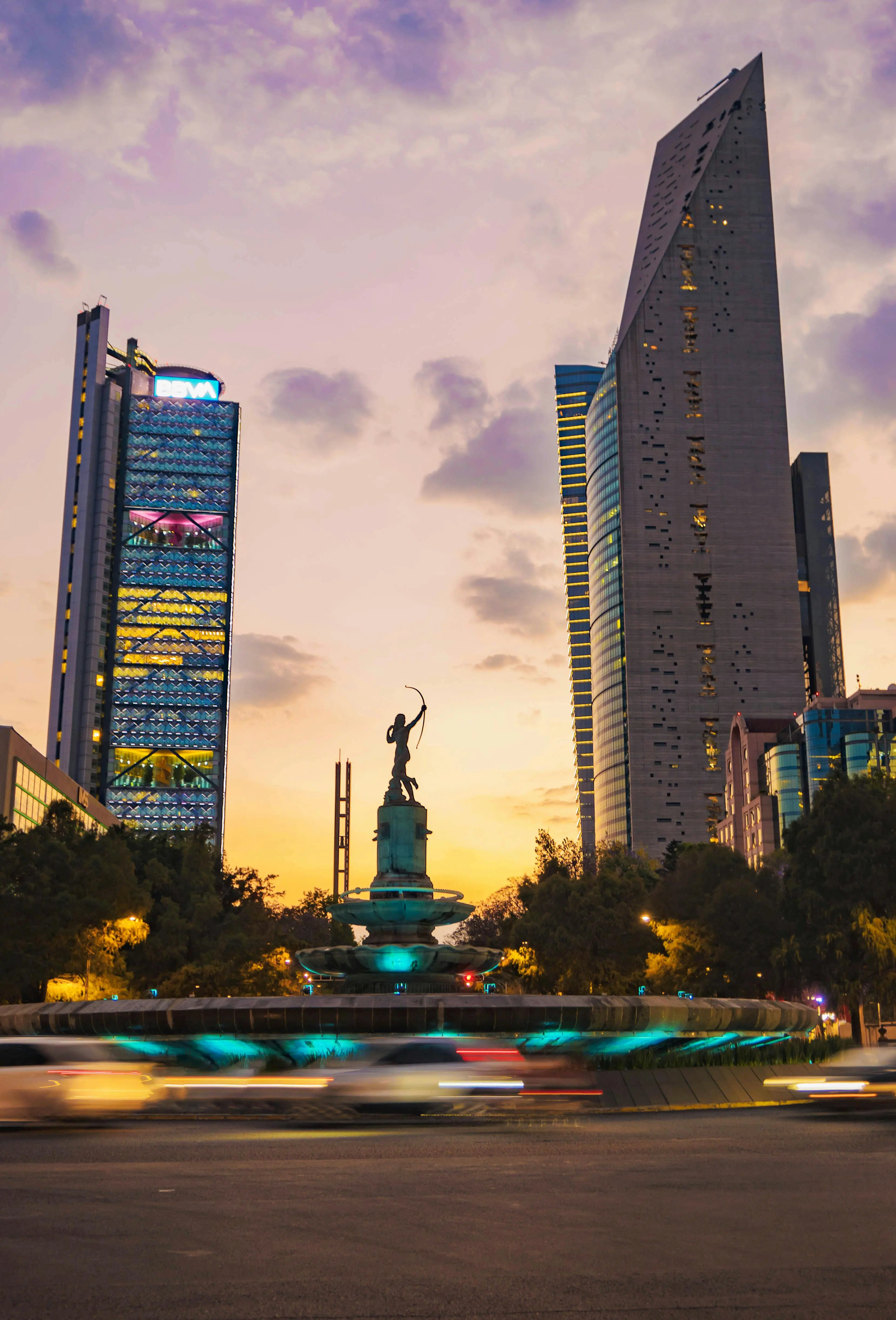
Mexico City sprawls across volcanic valleys with 22 million people, tree-lined streets that shift from colonial architecture to brutalist towers, and neighborhoods where you can walk to tacos at 2 a.m. or third-wave coffee at 7 a.m. The city works for remote workers and extended stay travelers because the infrastructure is already here — high-speed internet is standard, coworking spaces cluster in central districts, and furnished rentals have replaced the need for hotels. You get more space, better amenities, and actual neighborhoods instead of tourist corridors.
This guide covers:
Where to book short term rentals and what each neighborhood actually offers
Types of rentals from serviced apartments to unfurnished month-to-month units
Building amenities that matter — gyms, coworking spaces, rooftop pools
Pricing across neighborhoods with real monthly rent ranges
How to choose based on work needs, lifestyle, and budget
What's included in furnished rentals and what you'll need to add
Best Neighborhoods for Short Term Rentals in Mexico City
Mexico City's rental market concentrates in walkable central neighborhoods where you're never more than five blocks from a cafe, market, or metro station. These areas dominate because they offer a vibrant culture — restaurants, coworking spaces, parks, and grocery stores cluster within a 15-minute walk. Neighborhoods further out require cars or long metro rides, which defeats the point of living centrally.
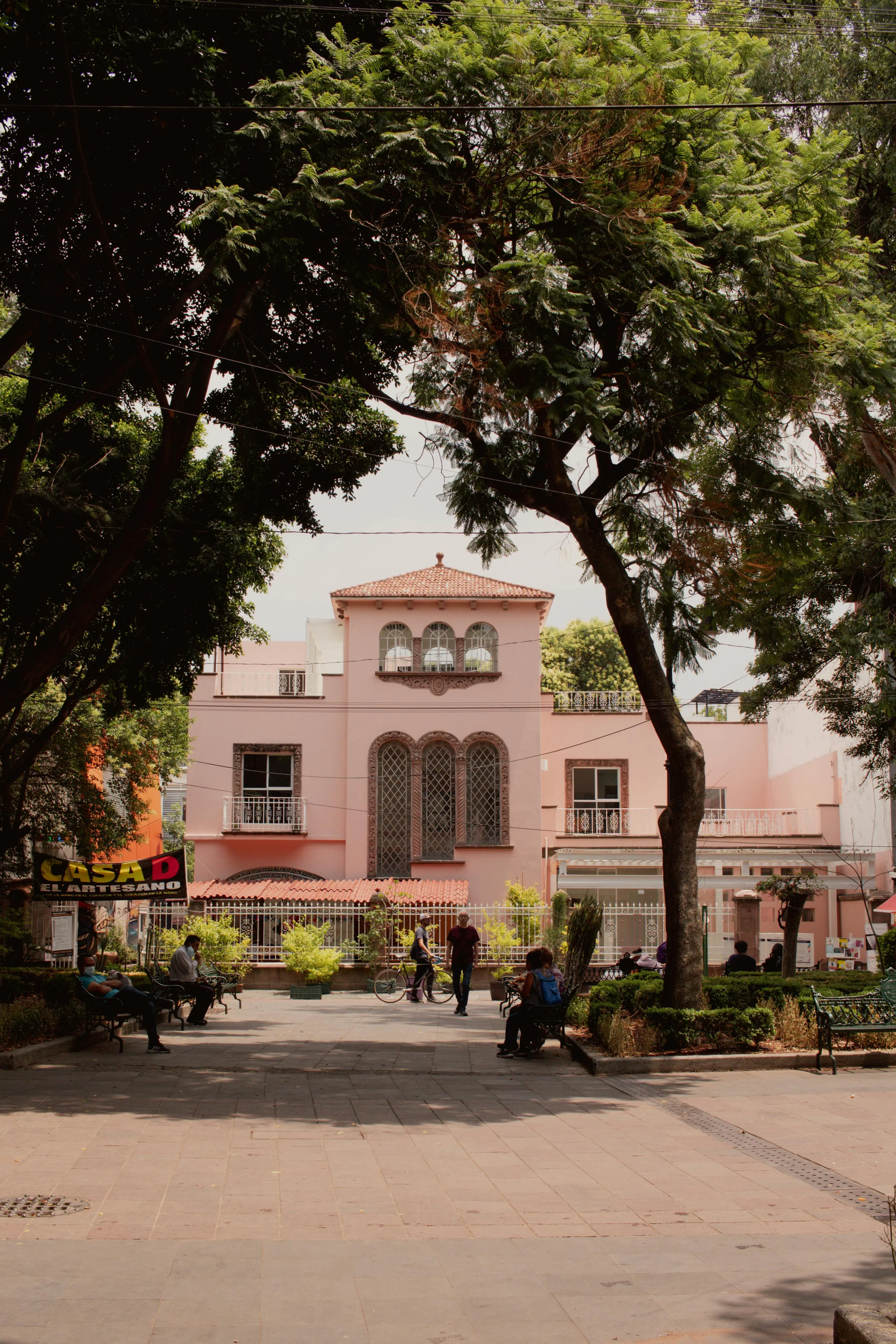
Roma Norte: Cafes, Coworking, and Tree-Lined Walks
Roma Norte is where digital nomads land first. The neighborhood is situated in the heart of downtown Mexico City along Avenida Álvaro Obregón, a tree-canopied street lined with cafes, bookstores, and restaurants. You'll find coworking spaces like WeWork Álvaro Obregón (day passes from $25) and Impact Hub Roma (monthly memberships from $180). Furnished studios here start at $900 per month, one-bedrooms at $1,200.
Café Nin — specialty coffee from $3, reliable Wi-Fi, open until 8 p.m.
Mercado Roma — indoor food hall with tacos from $2.50, Thai food from $8, craft beer from $4
Parque México — central park with running paths, weekend markets, and morning yoga groups
Expendio de Maíz — upscale Mexican dining, entrees from $12-$18
Metro Insurgentes — Line 1 access, 15-minute ride to Centro Histórico
The area fills with remote workers year-round, making it easy to meet people but harder to find quiet. Weekends bring street festivals and bar crowds until 2 a.m. If you need silence for calls, choose buildings on side streets north of Álvaro Obregón.
Condesa: Parks, Running Routes, and Residential Calm
Condesa sits west of Roma with wider streets, more green space, and fewer tourists. The neighborhood wraps around Parque España and Parque México, giving you continuous tree cover and running loops. Rentals here lean residential — fewer hostels, quieter evenings, better for long stays. Studios start at $950, one-bedrooms at $1,300.
Buna Café — coffee from $3, breakfast plates from $7, laptop-friendly until 7 p.m.
Panadería Rosetta — pastries from $2.50, guava rolls, 8 a.m. opening
Ojo de Agua — vegetarian dining, lunch combos from $9
Nevería Roxy — ice cream from $3, local favorite since 1946
Metro Chilpancingo — Line 9 access, connects to southern districts
Condesa works best if you enjoy walkability over nightlife. The restaurant scene rivals Roma but skews more date-night than bar-hop. Buildings here tend to be older with high ceilings and vintage tile, which means character but sometimes dated plumbing.
Polanco: Corporate Housing and High-End Amenities
Polanco caters to corporate housing and business travelers who need proximity to offices in Paseo de la Reforma. The neighborhood offers serviced apartments with hotel-like services — housekeeping, 24-hour concierge, building gyms. Furnished one-bedrooms start at $1,800 per month, two-bedrooms at $2,500. Providers like Blueground and Uliv dominate this market with fully equipped units that include linens, kitchenware, and high-speed internet.
Avenida Presidente Masaryk — luxury shopping, designer stores, international brands
Parque Lincoln — weekend farmers market, jogging paths, dog park
Pujol — Michelin-level dining, tasting menus from $120
Quintonil — upscale Mexican, entrees from $25-$40
Metro Polanco — Line 7 access, quick connection to airport via Line 5 transfer
Polanco lacks the street-level energy of Roma or Condesa but offers safety, modern infrastructure, and proximity to international schools. Choose this neighborhood if you're relocating with family or need a polished, low-friction living experience.
Juárez: Budget-Friendly and Centrally Located
Juárez bridges the gap between budget and location. The neighborhood sits between Roma and the Historic Center, offering cheaper rent without sacrificing walkability. Studios start at $700, one-bedrooms at $1,000. The trade-off is less polish — older buildings, fewer expats, more local flavor.
Mercado San Cosme — produce, street food, quesadillas from $1.50
Chez Vous #Timecafé — coffee from $2.50, sandwiches from $5
Monumento a la Revolución — landmark, observation deck, metro hub
La Roma — cocktail bar, drinks from $6, live music weekends
Metro Revolución — Line 2 access, direct route to airport
Juárez works for travelers seeking value and don't mind grittier streets. The neighborhood has pockets of gentrification near Plaza de la República, but it's still transitional. Walk main avenues at night and skip side streets after dark.
Historic Center: Culture and Tourist Energy
The Historic Center offers colonial architecture, museums, and constant foot traffic. Rentals here cluster near Zócalo and Palacio de Bellas Artes, putting you steps from major cultural attractions. Studios start at $650, one-bedrooms at $950. The area gets loud — street vendors, traffic, weekend protests.
Café El Popular — 24-hour diner, chilaquiles from $4
Mercado de San Juan — gourmet market, exotic meats, cheeses from $8/lb
Torre Latinoamericana — observation deck with city views, entry $8
Pastelería Ideal — bakery since 1927, pastries from $1
Metro Allende — Line 2 access, connects to southern and western districts
Living in Centro works for short stays when you want cultural immersion and don't mind noise. Long-term residents tend to move to quieter neighborhoods after a month. The area empties at night, so stick to well-lit streets if you're walking after 10 p.m.
Choosing a neighborhood comes down to budget and lifestyle. Roma and Condesa offer the most complete package for remote workers — cafes, coworking, walkability. Polanco delivers corporate housing with premium amenities. Juárez and Centro cut costs but require more navigation. Explore Roma Norte in our neighborhood guide for detailed breakdowns of blocks, buildings, and what each street offers.
Browse Mexico City homes near this area
Types of Mexico City Apartments and Short Term Rentals
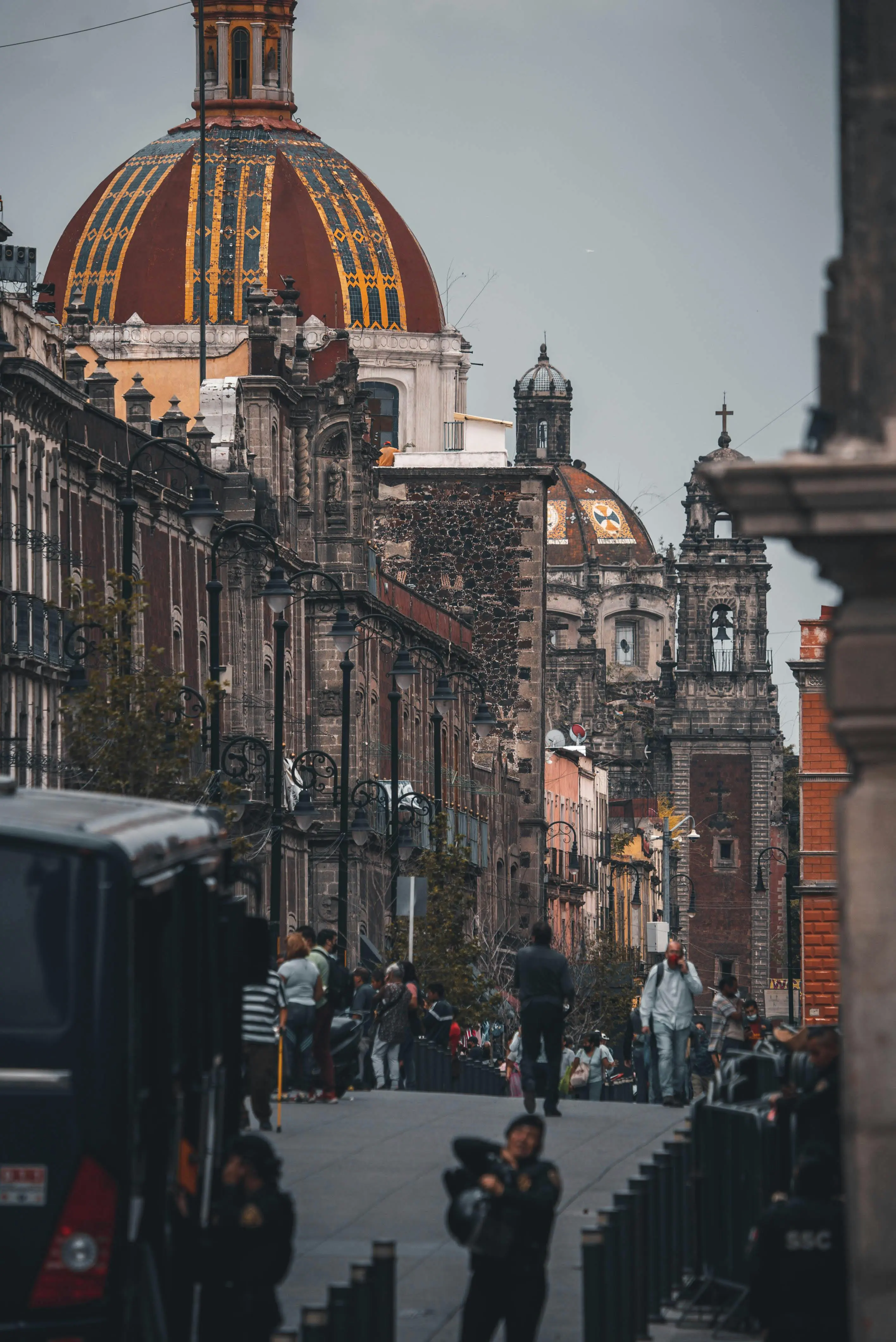
Mexico City's rental market splits between serviced apartments, traditional furnished rentals, and unfurnished month-to-month leases. Each type serves different stay lengths and budgets. Understanding what's included saves you from surprise costs when you book.
Serviced Apartments: Hotel Services with Kitchen Space
Serviced apartments combine the layout of a rental with hotel-like amenities — housekeeping, concierge, maintained building features. Providers like Blueground and Uliv furnish units with linens, kitchenware, and decor, then add services like 24/7 support and flexible lease terms. These properties cluster in Polanco and Roma Norte, targeting corporate housing and extended stay professionals.
Monthly rent: $1,500-$3,000 for studios and one-bedrooms
Includes: fully equipped kitchen, high-speed Wi-Fi, weekly housekeeping, building gym access
Minimum stay: typically 30 days, though some allow weekend bookings
Best for: business travelers, relocations, anyone avoiding hotel costs for stays over two weeks
Parking: often available for $100-$150 per month in building garages
Serviced apartments cost more than traditional rentals but eliminate setup time. You arrive, unpack, and start work. No furniture hunting, no utility contracts, no hunting for a coffee maker. The trade-off is less neighborhood character — these buildings lean modern and corporate.
Furnished Rentals: Full Kitchens and Remote Work Setup
Traditional furnished rentals dominate platforms like Airbnb and Booking.com. These properties include furniture, kitchen basics, and internet but skip daily housekeeping. Landlords list through property management companies or rent directly, offering more flexibility than serviced apartments. You'll find these units across all price ranges and neighborhoods.
Monthly rent: $700-$2,000 depending on neighborhood and size
Includes: furniture, kitchen appliances, internet (confirm speed before booking), linens
Minimum stay: varies from one week to one month, with discounts for longer bookings
Best for: digital nomads, remote workers, travelers staying one to six months
Utilities: sometimes included, sometimes billed separately ($30-$60/month typical)
Furnished rentals give you more neighborhood options and better pricing than serviced apartments. Fully furnished apartments in Mexico City through platforms like RentRemote include dedicated workstations and ergonomic furniture tailored for remote workers, solving the laptop-on-couch problem that plagues most Airbnbs.
Corporate Housing: Expat Packages and Long-Term Flexibility
Corporate housing targets professionals relocating for work assignments lasting three months to two years. These rentals bundle furniture, utilities, and services into fixed monthly rates, simplifying expense reports. Properties concentrate in Polanco and Santa Fe, near business districts and international schools.
Monthly rent: $2,000-$4,000 for one- and two-bedroom units
Includes: all utilities, internet, parking, housekeeping, building amenities
Lease terms: flexible from one month to one year, with corporate billing options
Best for: company-sponsored relocations, executives, families with school-age children
Pets: often allowed with deposit ($200-$500 typical)
Corporate housing prioritizes convenience over cost. You pay premium rates for zero friction — someone else handles maintenance, utilities, and logistics. This works when companies cover expenses but less so for independent remote workers.
Platform Rentals: Airbnb, Booking.com, and RentRemote for Curated Stays
Major platforms offer the widest selection of Mexico City apartments, from budget studios to luxury penthouses. Airbnb lists over 19,700 active properties as of early 2026, with concentrations in Roma, Condesa, and Polanco. Plum Guide curates luxury options with verified photos and stricter quality standards, though listings number in the dozens rather than thousands.
Nightly rates: $40-$150 for studios, $80-$300 for one-bedrooms, with monthly discounts of 20-40%
Average booking window: 30 days in advance
Cancellation policies: vary by host, from flexible (full refund up to 24 hours before) to strict (50% refund up to one week before)
Guest reviews: read carefully for Wi-Fi complaints, noise issues, and actual location details
Regulations: Mexico City caps short-term rentals at 180 nights per year per property, though enforcement is inconsistent
Platform rentals work best when you have time to research hosts and read reviews. Look for properties with 50+ reviews averaging 4.8 or higher. Confirm internet speed in writing before booking — hosts often claim "high-speed" for connections under 10 Mbps, which won't handle video calls.
The right rental type depends on stay length and work needs. Stays under one month lean toward serviced apartments or platform rentals. One to six months favor traditional furnished rentals with remote work features like on RentRemote. Corporate housing makes sense only when companies pay or when you need zero-setup convenience for family relocations.
Building Amenities That Matter for Digital Nomads and Remote Workers
Building amenities separate functional rentals from frustrating ones. Mexico City's newer apartment complexes compete on features like rooftop pools, coworking spaces, and package storage. Older buildings offer high ceilings and architectural detail but skip modern conveniences. Knowing what you actually need avoids paying for amenities you'll never use.
Internet Speed and Backup Connectivity
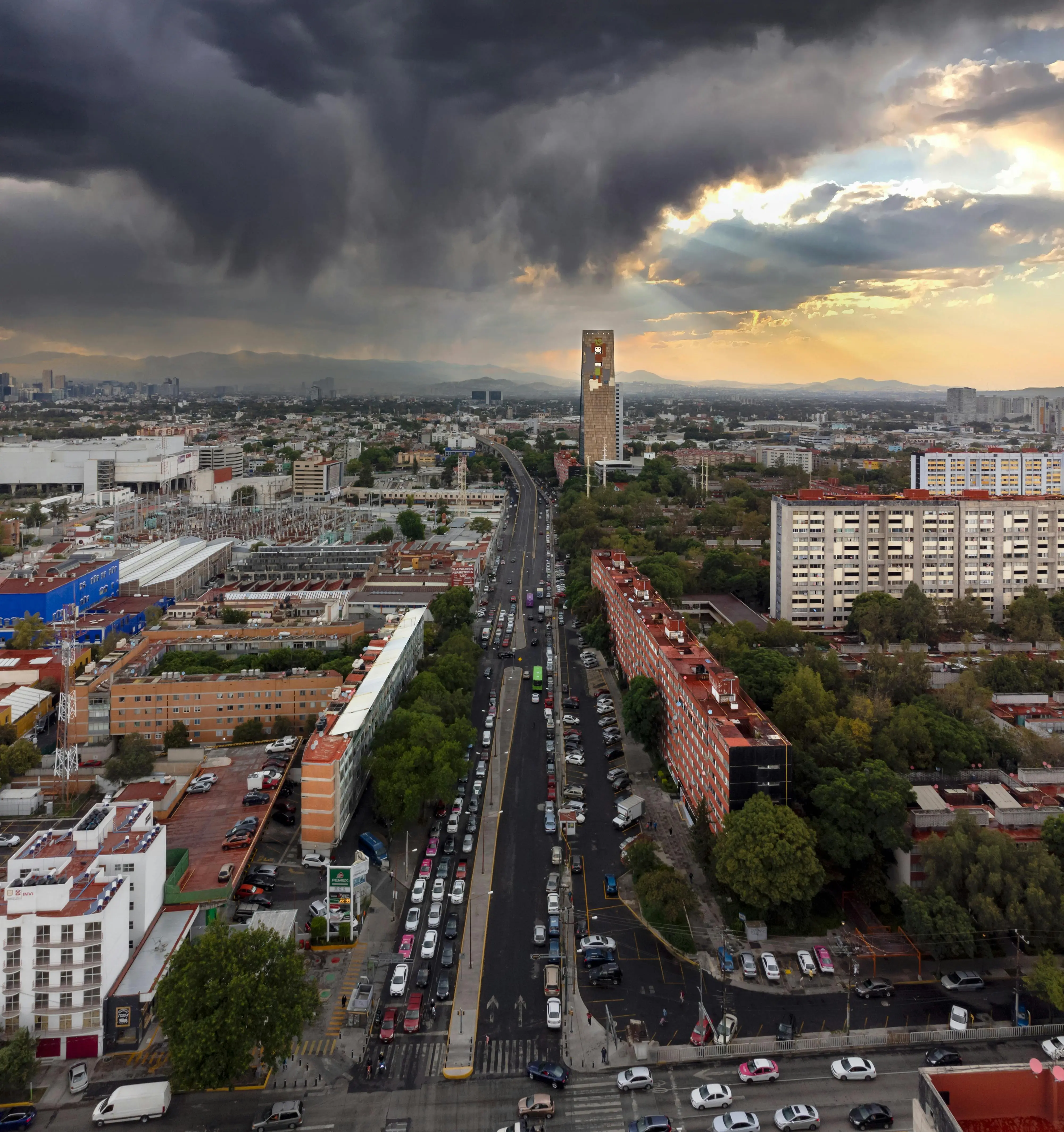
High-speed internet is the baseline requirement for remote work. Most short-term rentals claim to provide it, but "high-speed" means different things. You need at least 25 Mbps download for video calls, 50+ Mbps for consistent performance. Buildings with fiber-optic connections from Izzi or Totalplay deliver 100-300 Mbps reliably.
Test before committing: ask hosts for speed test screenshots showing both download and upload rates
Backup options: Telcel prepaid SIM cards with 20 GB data cost $15-$20 and work as hotspot backup
Coworking as backup: day passes at Central W ($20) or The Pool ($25) solve connectivity emergencies
Peak hours: internet slows 6-9 p.m. when neighbors stream video; schedule calls earlier
Router placement: ask if you can move the router to your work area for better signal
Many properties provide high-speed internet as standard, especially those marketed to remote workers. Buildings with dedicated workstations and ergonomic furniture signal that the landlord understands remote work needs.
Dedicated Workspace and Ergonomic Furniture
Working from a couch destroys your back and focus within days. Look for rentals with actual desks, office chairs, and task lighting. RentRemote properties include dedicated workstations as standard, recognizing that "laptop-friendly" doesn't mean comfortable for eight-hour work days.
Desk size: minimum 120 cm wide to fit laptop, monitor, and notebook
Chair quality: test for lumbar support and adjustable height; cheap chairs cause back pain by week two
Natural light: windows near workspace reduce eye strain and improve mood
Outlets: verify at least two power outlets within desk reach
Door: separate workspace from bedroom if possible to maintain work-life boundaries
Studios and one-bedrooms rarely have dedicated office space, but corner desks near windows work better than dining tables. Ask hosts for workspace photos before booking — listing photos often skip this detail.
Building Gym and Fitness Areas
On-site gyms save time and monthly costs. Mexico City gym memberships run $30-$60 per month at chains like Sports World, while building gyms are free for residents. Quality varies from a treadmill in a basement room to full weight rooms with city views.
Equipment check: ask hosts for gym photos showing actual machines and free weights
Hours: confirm 24-hour access or note restricted hours (many close 10 p.m.-6 a.m.)
Crowds: newer buildings in Polanco and Roma fill during morning and evening peaks
Alternatives: outdoor gyms in Parque Chapultepec offer free equipment and morning classes
Running routes: tree-lined Condesa and Roma streets work better than gyms for cardio
Building gyms matter most for stays over one month when establishing routine. Short stays make external gyms or parks easier than navigating building access policies.
Rooftop Spaces and Private Outdoor Areas
Outdoor space improves quality of life in dense urban neighborhoods. Some rentals feature private balconies, while others offer shared rooftop terraces with city views. These spaces work for morning coffee, evening relaxation, or escaping small apartments after full work days.
Private balconies: studios with balconies rent for $50-$100 more per month than identical units without
Shared rooftops: common in Roma and Condesa buildings, often include grills and seating areas
Pool access: some properties include rooftop pools, though these close during winter months (November-February)
City views: upper floors in Polanco and Reforma offer volcano views on clear days
Furniture: bring cushions if rooftops lack seating; most offer only concrete benches
Private outdoor spaces add value during long stays but aren't essential for short trips. Prioritize workspace and internet quality first, outdoor access second.
Parking and Vehicle Storage
Parking adds $100-$200 monthly in secure building garages. Street parking in Roma and Condesa is chaotic and risky — cars get broken into, tickets are common, and spots disappear by 8 a.m. Most travelers skip cars entirely, using metro, Uber, and walking instead.
Building garages: confirm availability when booking; many buildings have waitlists
Security: gated garages with 24-hour attendants reduce break-in risk
Size restrictions: some garages can't fit large SUVs or trucks; confirm clearance height
Guest parking: visitor spots fill quickly in evenings and weekends
Alternatives: Metro (ride from $0.25), Uber ($3-$8 across central neighborhoods), and bike lanes make cars optional
Budget travelers can skip parking costs and use public transit. Families or those traveling outside the city need garage access but should confirm it's included before signing leases.
Laundry: In-Unit, Building, or External
Laundry setups vary widely. Newer buildings include washers and dryers in units or offer shared facilities on each floor. Older buildings lack laundry entirely, requiring trips to local lavanderías ($8-$12 per load, wash and fold service available).
In-unit machines: standard in Polanco serviced apartments, rare in Roma/Condesa rentals under $1,500/month
Shared facilities: building laundry rooms cost $2-$3 per load, often coin-operated
Lavandería service: drop-off locations charge by weight ($1 per kg), with 24-hour turnaround
Hand-washing: sinks and racks work for small loads but struggle with jeans and towels
Frequency: plan on laundry runs every 7-10 days to avoid accumulation
In-unit laundry is a luxury worth paying for on stays over two months. Shorter stays can manage with building facilities or external services without major inconvenience.
Amenities matter more the longer you stay. Prioritize internet, workspace, and air conditioning first — these affect daily productivity. Gyms, pools, and outdoor spaces improve quality of life but aren't deal-breakers. Parking only matters if you're driving, which most central neighborhood residents don't.
What You'll Pay: Pricing Across Mexico City Neighborhoods
Rent in Mexico City varies by neighborhood, property type, and lease length. Monthly rates offer steep discounts over nightly bookings — expect 30-40% savings when you book 30+ nights. Average daily rates range $113-$152 across central neighborhoods, while monthly furnished studios start at $650 in budget areas and exceed $1,500 in Polanco.
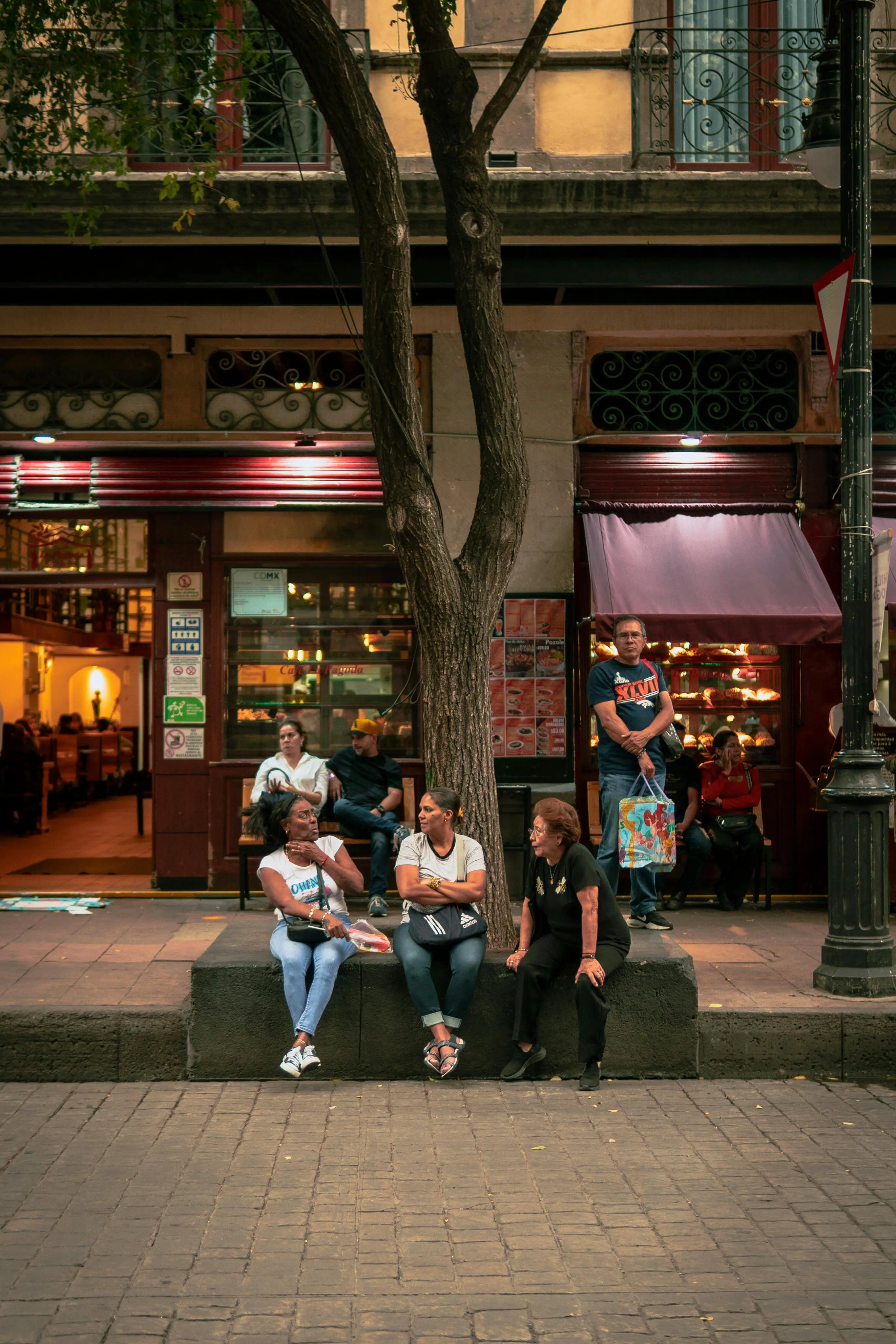
Monthly Rent by Neighborhood and Unit Type
Central walkable neighborhoods command premium pricing but deliver better value than staying in hotels or outlying areas with long commutes. Here's what you'll actually pay per month:
Neighborhood | Studio | 1-Bedroom | 2-Bedroom | Vibe | Best For |
|---|---|---|---|---|---|
Roma Norte | $900-$1,400 | $1,200-$1,800 | $1,800-$2,800 | Cafe culture, coworking, nightlife | Digital nomads, young professionals |
Condesa | $950-$1,500 | $1,300-$2,000 | $2,000-$3,000 | Tree-lined parks, quieter residential | Remote workers, runners, families |
Polanco | $1,500-$2,200 | $1,800-$2,800 | $2,500-$4,000 | Corporate, upscale shopping, modern | Business travelers, expat families |
Juárez | $700-$1,100 | $1,000-$1,500 | $1,500-$2,200 | Budget-friendly, central location | Budget travelers, long-term stays |
Historic Center | $650-$1,000 | $950-$1,400 | $1,400-$2,000 | Cultural attractions, tourist energy | Short stays, culture seekers |
These ranges reflect fully furnished rentals with internet included. Add $100-$200 for units with parking, $200-$400 for serviced apartments with housekeeping. Utilities (water, gas, electricity) run $30-$60 monthly when not included.
What's Included in Base Rent
Fully furnished rentals include the basics for comfortable extended stays. You'll find furniture, kitchen equipment, and internet, but the quality and completeness vary by landlord. Standard inclusions across most properties:
Kitchen: refrigerator, stove, microwave, cookware, plates, glasses, utensils
Bathroom: towels, bath mat, toilet paper (initial supply), basic toiletries
Bedroom: bed frame, mattress, linens, pillows, closet or wardrobe
Living area: couch or chairs, coffee table, TV (usually smart TV with streaming apps)
Internet: Wi-Fi router with speeds varying 10-100+ Mbps (confirm before booking)
Utilities: sometimes included, sometimes billed separately; clarify in lease
Higher-end serviced apartments add housekeeping (weekly or biweekly), toiletries restocked monthly, and 24/7 support for maintenance issues. Budget rentals may skip extras like coffee makers, desk lamps, or extra blankets — bring or buy these locally at Walmart or Liverpool department stores.
Additional Costs to Budget
Base rent doesn't tell the full story. Add these costs to your monthly budget for accurate planning:
Security deposit: one month's rent typical, refundable if you don't damage the unit
Cleaning fee: $50-$100 one-time charge for initial and final cleaning
Utilities (if separate): $30-$60 for water, gas, electricity in typical one-bedroom
Internet upgrade: $20-$40 monthly if existing speed isn't sufficient for work
Parking: $100-$200 monthly for secure building garage spot
Pet deposit: $200-$500 one-time fee if bringing cats or dogs
Groceries: $200-$400 monthly depending on cooking vs. dining out habits
Transportation: $30-$80 monthly for metro passes, bikes, or occasional Ubers
Total monthly cost for a one-bedroom in Roma Norte runs $1,400-$2,000 including rent, utilities, groceries, and transit. Polanco jumps to $2,200-$3,200. Juárez drops to $1,200-$1,700. These numbers assume moderate spending — cooking most meals, using public transit, skipping luxury purchases.
How to Find Better Deals
Longer stays unlock better rates. Most landlords discount heavily for bookings over 30 days, with additional breaks at 60 and 90 days. Here's how to negotiate and find savings:
Book direct: contact property managers through RentRemote or direct listings to skip platform fees (10-15% on Airbnb)
Off-season disc ```html ounts: November-February sees fewer tourists; landlords offer 15-20% off monthly rates
Extend upfront: commit to 3-6 months and ask for 10-15% discount on total
Flexibility on move-in: offer to start mid-month or fill gaps between bookings for better pricing
Pay in pesos: settle rent in local currency to avoid credit card foreign transaction fees (2-3%)
Bundle utilities: negotiate all-inclusive rent to simplify budgeting and avoid surprise charges
Corporate housing providers like Stay Awhile and Urbvan Living cater to business professionals with flexible month-to-month leases, though rates run 20-30% higher than direct rentals. Worth it if your company pays or you need zero commitment. If building amenities matter less than location, consider older walk-ups in Condesa or San Miguel Chapultepec — same neighborhood access at 25% less rent.
Booking Short Term Rentals in Mexico City: What Actually Works
Mexico City's rental market mixes formal platforms with informal Facebook groups and WhatsApp landlord networks. Digital nomads and travelers seeking furnished options face scattered listings, inconsistent pricing, and variable reliability. Knowing where to book and how to vet properties saves time and money.
Best Platforms for Mexico City Apartments
Different platforms serve different needs. Airbnb dominates short-term stays under 30 days but charges guests service fees of 10-15%. Furnished finder sites and corporate housing specialists handle extended stays with better monthly rates. Here's where to start your search:
RentRemote: vetted fully furnished apartments in Mexico City with transparent pricing and no hidden platform fees. Start by exploring apartments in Condesa Mexico City.
Airbnb: widest selection for stays under one month; filter for "monthly discounts" to find flexible hosts
Booking.com: aparthotels and serviced apartments with hotel-like amenities and daily housekeeping
Furnished Finder: targets traveling professionals with 30+ day minimum stays and direct landlord contact
Facebook Groups: "Mexico City Digital Nomads" and "Expats in CDMX" post sublets and direct rentals; vet carefully
Local agencies: Homyspace and Nestpick offer curated listings with English support
For stays over three months, consider traditional rental sites like Inmuebles24 or Vivanuncios, though most require Mexican bank accounts and local guarantors. Corporate housing through Blueground eliminates paperwork but costs $2,000-$3,500 monthly for one-bedrooms in prime neighborhoods.
Red Flags to Watch For
Scams exist but aren't rampant. The bigger risk is paying for something that doesn't match photos or promised amenities. Protect yourself by spotting these warning signs before booking:
No video tour: legitimate landlords provide walkthrough videos showing actual unit condition
Payment only via wire transfer: scammers avoid traceable platforms; use credit cards or PayPal when possible
Prices far below market: if Condesa studios list at $500 when others run $900+, it's likely fake
Vague location descriptions: "near Roma" could mean 30-minute walk; demand exact address before committing
Landlord won't video chat: honest property managers confirm details over WhatsApp video without hesitation
No written lease: verbal agreements leave you unprotected; insist on contracts even for month-to-month stays
Check Google Street View to verify the building exterior matches listing photos. Read recent reviews on multiple platforms — not just the booking site. Ask landlords about internet speeds with proof (screenshot of speed test results) and confirm Wi-Fi works in all rooms, not just the living area.
Questions to Ask Before You Book
Clarify these details upfront to avoid surprises on arrival day. Copy this checklist and email it to landlords when requesting more information:
What's the exact internet speed, and can I see a recent speed test screenshot?
Are utilities (water, gas, electricity) included, or billed separately each month?
Is there a workspace with desk and ergonomic chair suitable for full-time remote work?
What's the cancellation policy if I need to leave early or extend my stay?
Is there 24/7 building security, or does the unit have additional locks/alarm systems?
How close is the nearest metro station, and what's the walk like at night?
Does the building allow guests overnight, or are there visitor restrictions?
What's included in the kitchen beyond basics — coffee maker, blender, toaster?
Is there laundry in-unit, in-building, or do I need to find a nearby lavandería?
Are pets allowed, and is there an additional deposit or monthly fee?
Most responsive landlords answer within 24 hours. Slow or evasive replies signal potential issues. Professional property managers maintain spreadsheets with this information ready to share. If someone can't confirm internet speeds or utility costs, move to the next listing.
When to Book for Best Availability
Mexico City doesn't have extreme high and low seasons like beach towns, but timing affects inventory and pricing. Peak months see tighter availability:
January-March: digital nomads escaping Northern Hemisphere winters; book 4-6 weeks ahead
September-October: fall arrivals after summer heat; moderate availability, standard pricing
November-December: holidays bring tourists but not long-term renters; last-minute deals possible
April-June: rainy season starts in May; fewer travelers, better negotiating leverage
Book 2-3 months ahead if you want specific neighborhoods like Roma Norte or Polanco. One month notice works fine for Narvarte, Portales, or areas outside the digital nomad core. Last-minute bookings (under two weeks) limit options but occasionally unlock desperate landlords willing to discount 20-30% to fill vacancies.
Safety and Practical Considerations for Extended Stay Rentals
Mexico City's size intimidates first-time visitors, but day-to-day safety in residential neighborhoods is manageable with basic awareness. Properties in Condesa, Roma, Polanco, and Coyoacán feel as safe as major U.S. or European cities. Security features vary widely by building and price point.
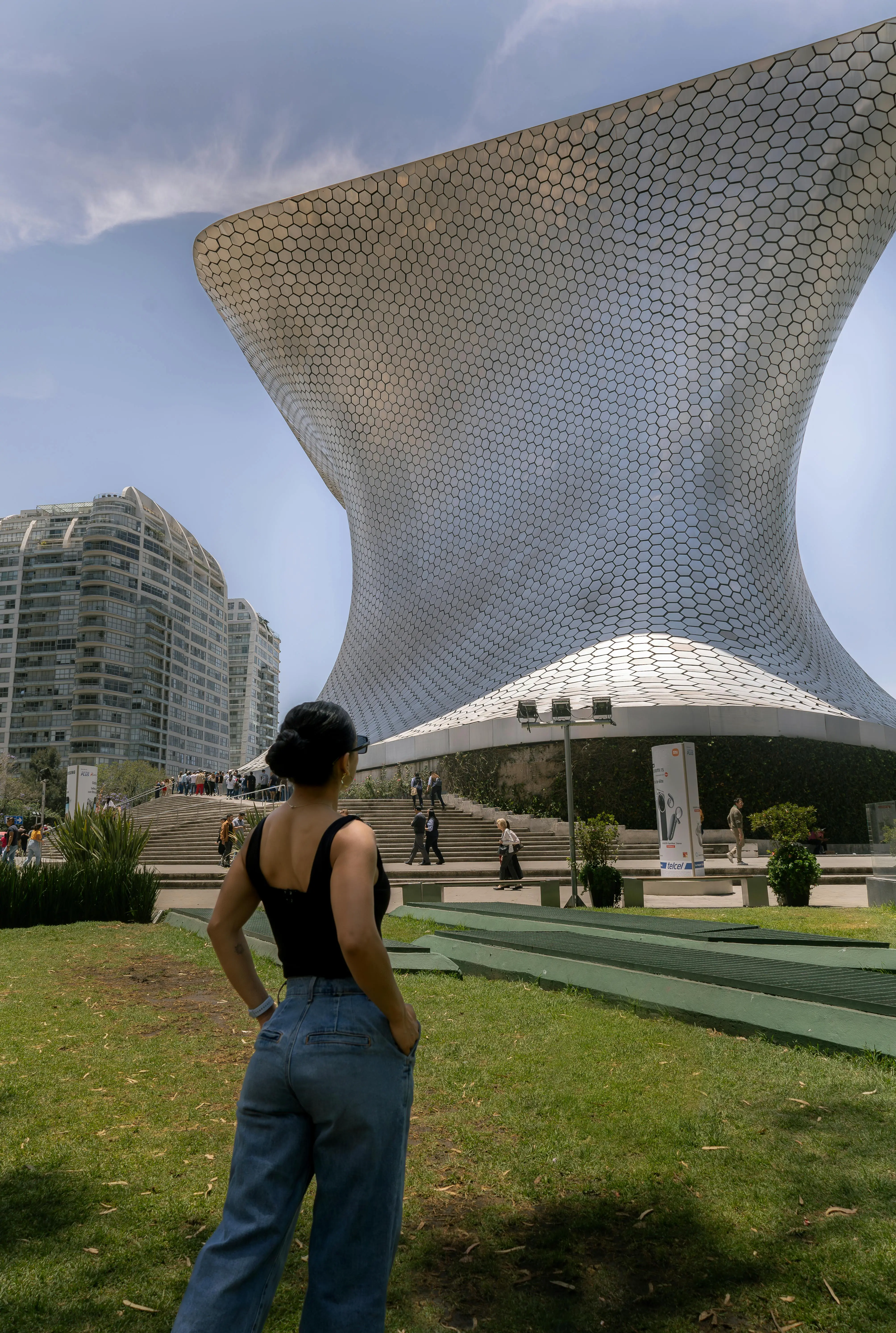
Building Security Features to Prioritize
Apartment buildings in Mexico City range from modern high-rises with full-time guards to older walk-ups with simple door locks. Higher rent usually includes better security infrastructure. Look for these features when comparing properties:
24/7 doorman or security guard at main entrance
Controlled access with key fobs, intercoms, or visitor sign-in logs
CCTV cameras covering lobby, elevators, parking garage, and building perimeter
Reinforced apartment door with deadbolt and peephole
Window locks or bars on ground-floor and accessible units
In-building parking with gated access (adds $100-$200 monthly)
Emergency contact system for maintenance and security issues
Buildings in Polanco, Santa Fe, and newer developments in Roma often include these amenities standard. Older structures in Centro Histórico, Juárez, or Doctores may have minimal security — confirm specifics before booking. Torre Manacar in Nápoles and Parques Polanco offer comprehensive building security with concierge services and controlled underground parking.
Neighborhood Safety Patterns
Safety varies dramatically by neighborhood and even by block. Polanco and Condesa feel walkable at midnight. Doctores and Tepito require more caution after dark. General patterns across the city:
Safest zones: Polanco, Lomas de Chapultepec, Santa Fe, Coyoacán, San Ángel, Roma Norte
Generally safe with awareness: Condesa, Juárez, Del Valle, Narvarte, Benito Juárez
Mixed safety (block-dependent): Centro Histórico, Cuauhtémoc, Álamos, Portales Norte
Exercise caution: Doctores, Guerrero, Tepito, Iztapalapa — better for experienced locals
Street crime targets tourists displaying wealth — expensive cameras, jewelry, phones out while walking. Residential areas see fewer incidents than tourist centers like Zócalo or Palacio de Bellas Artes. Take Uber or Didi after 10 p.m. instead of walking alone. Use ATMs inside banks or shopping centers during business hours.
Health and Infrastructure Basics
Water quality, air pollution, and healthcare access matter for extended stays. Mexico City sits at 7,350 feet elevation — expect shortness of breath the first week. Infrastructure challenges to prepare for:
Tap water: not potable; all apartments use garrafones (5-gallon jugs) for drinking, $2-$3 delivered from bottled water suppliers like Purificadora de Agua La perla or Natural Water
Air quality: November-April sees heavy smog; check daily AQI on AirVisual app; consider air purifier for bedroom
Power outages: rare in wealthy neighborhoods, occasional in older areas; keep phone charged and know where circuit breaker is located
Earthquake preparedness: building codes strict post-1985; know your unit's evacuation route and meeting point
Healthcare: private clinics like Hospital ABC offer English-speaking doctors; consultations $40-$80 without insurance
Pharmacies like Farmacias Similares and Farmacia Guadalajara sell common medications over the counter for $3-$15. Bring prescription copies for controlled substances. Download offline maps for metro and neighborhoods in case internet fails.
Insurance and Documentation
Standard travel insurance doesn't cover extended stays over 90 days. Digital nomads need specialized policies that include housing, liability, and medical coverage. Key policies to secure before arrival:
Renters insurance: covers personal belongings and liability; $15-$30 monthly through SafetyWing or World Nomads
Health insurance: either travel medical (under 90 days) or international health (90+ days); budget $50-$150 monthly
Trip interruption: protects advance rent payments if you must leave early due to emergency
Theft coverage: replaces laptop, phone, camera if stolen from apartment or while traveling
Mexico requires tourist visa (FMM form) valid 180 days for U.S., Canadian, and EU citizens. You get it free at the airport. For stays over six months, apply for temporary residency at Mexican consulates before arrival — costs $300-$500 and allows legal work. Keep rental contracts and proof of address for visa extensions or banking needs.
Daily Life in Mexico City for Digital Nomads and Remote Professionals
Living in Mexico City long-term means navigating grocery shopping, coworking spaces, social routines, and local cultural norms. The city rewards those who learn basic Spanish and engage with neighborhoods beyond the expat bubble. Daily rhythms differ from U.S. or European cities — breakfast runs late, dinner starts at 9 p.m., shops close Sundays.
Grocery Shopping and Food Costs
Mexico City offers everything from sprawling supermarkets to neighborhood tiendas selling single eggs and loose cigarettes. Where you shop determines your monthly food budget. Options by price and selection:
Mercados: neighborhood markets with fresh produce $0.50-$2/kg, meat, tortillas, flowers; try Mercado Roma or Mercado Medellín
Superama/Superama City Market: upscale chains in Polanco and Roma with imported goods; weekly shop $50-$80
Chedraui/Soriana: mid-range supermarkets with reasonable prices; weekly groceries $30-$50
Walmart/Bodega Aurrerá: cheapest bulk options; $25-$40 weekly for staples
Oxxo/7-Eleven: convenience stores on every block; overpriced but open 24/7 for emergencies
Online delivery: Cornershop and Rappi deliver groceries from any store; $3-$5 delivery fee, arrives in 1-2 hours
Cook at home and spend $200-$300 monthly. Eat out frequently and hit $500-$700. Street tacos run $0.75-$1.25 each at places like Tacos El Güero in Condesa. Sit-down meals cost $8-$15 at neighborhood fondas, $20-$35 at trendy restaurants in Roma. Coffee shops like Café Negro charge $2.50-$4 for espresso drinks.
Coworking Spaces and Remote Work Infrastructure
Reliable internet matters more than apartment size for remote professionals. Most rentals include basic Wi-Fi, but speeds vary 10-100 Mbps. Test streaming and video calls before committing. When home internet fails or you need focused work environment, coworking spaces fill the gap:
WeWork Reforma: $250-$350 monthly for dedicated desk, fast internet, meeting rooms; locations across Polanco and Cuauhtémoc
Impact Hub CDMX: $180-$280 monthly; community-focused space in Roma Norte with events and networking
The Pool Polanco: $200-$300 monthly; rooftop workspace with city views and weekly social events
Centro de Innovación BBVA: free coworking in Santa Fe for banking customers; quiet and professional
Coffee shops with good Wi-Fi: Blend Station ($3-$5 for all-day coffee and workspace), Quentin Café in Juárez
Day passes run $15-$25 at most coworking spaces. Many cafes tolerate laptop workers if you buy drinks every 2-3 hours. Libraries like Biblioteca Vasconcelos offer free Wi-Fi and quiet zones but close at 7 p.m. Confirm your apartment's internet speed supports video calls before skipping coworking memberships.
Transportation and Getting Around
Mexico City's metro system covers 226 stations across 12 lines. Rides cost $0.25, making it the cheapest urban transit in North America. Buses, Metrobús, and bike-sharing supplement the metro. Here's what works for different neighborhoods:
Metro: fast and cheap but crowded 7-10 a.m. and 5-8 p.m.; avoid rush hour when possible; women-only cars reduce harassment
Metrobús: dedicated bus lanes on major avenues like Insurgentes; $0.30 per ride; less crowded than metro
Ecobici: bike-sharing with 480+ stations in central neighborhoods; $25 yearly membership, 45-minute rides free
Uber/Didi: $3-$7 for cross-neighborhood trips; surge pricing during rain or peak hours adds 30-50%
Ciclovía: Sundays close Reforma to cars for cyclists and pedestrians 8 a.m.-2 p.m.; free bike rentals at Ciclovía Reforma
Walking works well within neighborhoods. Roma to Condesa takes 20 minutes on foot. Polanco to Centro requires transit — 35-minute metro ride or $5 Uber. Budget $30-$80 monthly for transportation depending on how often you leave your neighborhood. Avoid driving — parking costs $100+ monthly and traffic wastes hours daily.
Social Life and Community
Digital nomads congregate in Roma and Condesa, creating built-in social networks. Facebook groups, Meetup events, and coworking happy hours provide easy entry points. Weekly events to check out:
Tuesday trivia nights at Pata Negra in Condesa; $5 cover, mix of expats and locals
Thursday language exchanges at Casa del Poeta in Coyoacán; free, practice Spanish with native speakers
Weekend markets: Bazar Sábado in San Ángel, Lagunilla Market for antiques
Running clubs: Nike Run Club CDMX meets Wednesday evenings in Chapultepec Park; free, all levels welcome
Salsa classes: Mama Rumba offers beginner lessons Thursdays; $8 drop-in rate
Learning Spanish accelerates integration. Apps like iTalki connect you with Mexican tutors for $8-$15 hourly. International House Mexico offers immersion courses starting at $200 weekly. Even basic phrases transform daily interactions and unlock neighborhoods beyond the English-speaking zones.
Mexico City vs. Other Mexican Cities for Short Term Rentals
Mexico City competes with Guadalajara, Monterrey, Playa del Carmen, and Oaxaca for digital nomad attention. Each city offers different lifestyles, costs, and infrastructure. Understanding how Mexico City compares helps you choose the right base for your needs.
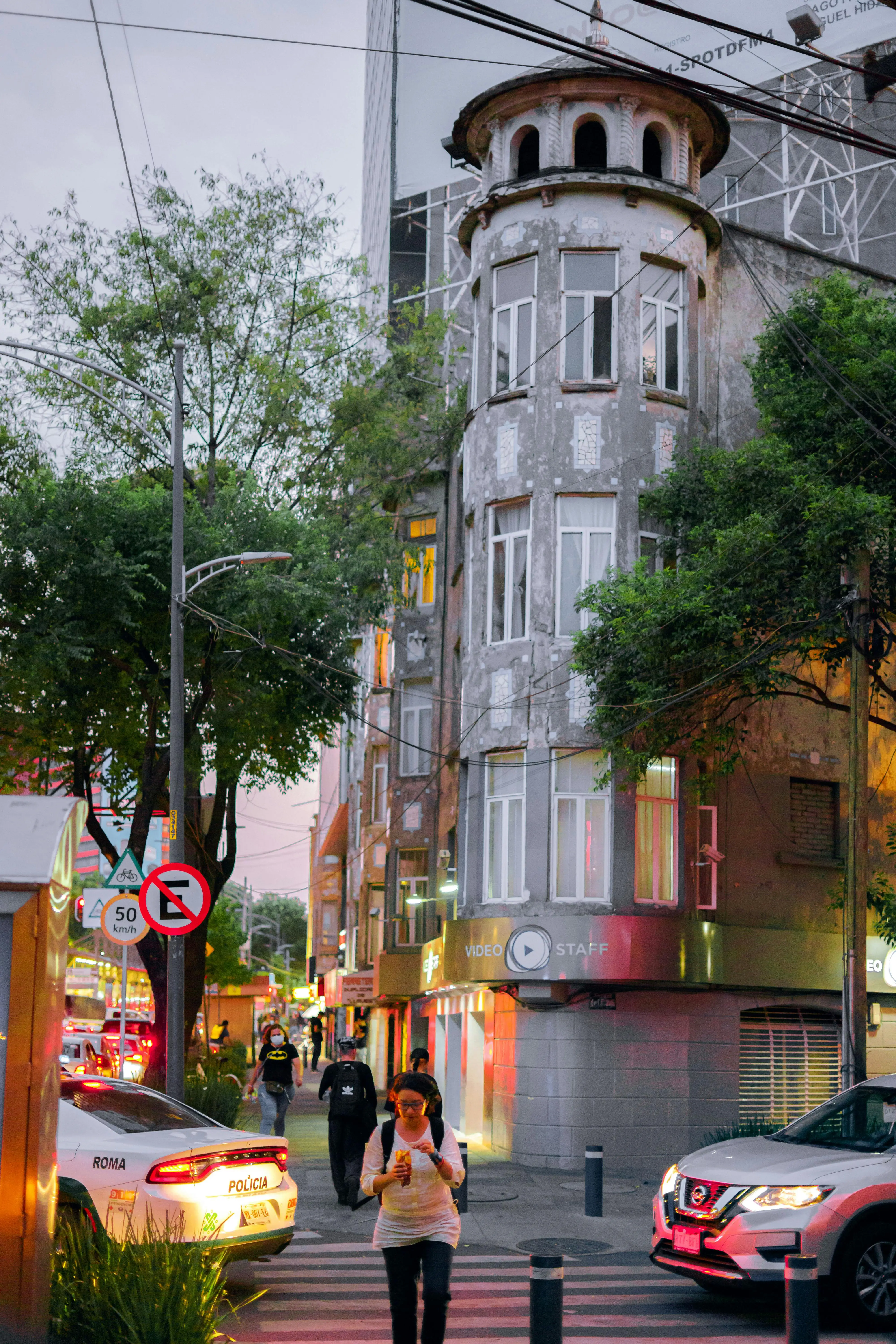
Mexico City vs. Guadalajara
Guadalajara runs 20-30% cheaper than Mexico City for comparable apartments. One-bedrooms in trendy Chapultepec or Americana neighborhoods rent for $600-$900 monthly versus $800-$1,200 in Mexico City's Roma Norte. But Guadalajara's smaller expat community means fewer English-friendly services and coworking options.
Cost advantage: Guadalajara wins on rent, food, transportation
Cultural depth: Mexico City offers world-class museums, dining, nightlife; Guadalajara feels more traditional
Weather: Guadalajara stays warmer year-round; Mexico City has distinct seasons and cooler nights
Digital nomad infrastructure: Mexico City has 5x more coworking spaces and faster internet penetration
Airport connections: Mexico City's MEX airport serves 100+ international destinations; Guadalajara's GDL has 40+
Choose Guadalajara for lower costs and authentic Mexican culture without tourist crowds. Pick Mexico City for career networking, cultural events, and established remote work communities. Both cities work well for extended stays — Guadalajara suits slower-paced lifestyles while Mexico City rewards ambitious professionals seeking opportunities.
Mexico City vs. Beach Towns
Playa del Carmen and Tulum dominate digital nomad conversations but differ radically from Mexico City living. Beach rentals cost similar or more than Mexico City but offer smaller apartments and limited cultural activities. Comparison breakdown:
Rent: Playa one-bedrooms run $800-$1,400; Tulum hits $1,000-$1,800; Mexico City offers more space for the same price
Lifestyle: beach towns focus on wellness, yoga, diving; Mexico City emphasizes art, food, history, nightlife
Work infrastructure: Mexico City's internet reliability beats beach towns; power outages more common on coast
Year-round viability: Mexico City works all 12 months; beach towns get humid May-October with mosquitoes and hurricanes
Community depth: beach town expat communities skew transient; Mexico City builds longer-term professional networks
Beach towns suit travelers seeking relaxation and outdoor activities. Mexico City attracts professionals building businesses, learning Spanish, or working full-time remote jobs requiring stable internet. Weekend trips to Oaxaca, Puerto Escondido, or Mazatlán satisfy beach cravings without compromising work quality.
Why Choose Mexico City
Mexico City rewards long-term residents in ways smaller cities can't match. The advantages compound over months:
Career opportunities: multinational companies, startups, freelance clients concentrated in the capital; networking events weekly
Cultural access: 150+ museums, nightly concerts, film festivals, art galleries, theater performances across all genres
Food diversity: every regional Mexican cuisine plus international options; world's best tacos and affordable fine dining
Healthcare quality: top private hospitals with English-speaking specialists; medical tourism destination for procedures
Transportation: metro, buses, bikes make car-free living easy; domestic flights to anywhere in Mexico under $100
Weather stability: mild year-round; rainy afternoons May-September but mornings stay clear for work
Neighborhood variety: move between Polanco, Roma, Coyoacán without leaving the city; refresh your environment while keeping same routines
Mexico City works best for professionals planning 3-12 month stays who want urban amenities, cultural immersion, and career development. It's not a paradise beach escape — it's a vibrant, complex city that rewards engagement and punishes passivity. If you thrive in places like Berlin, Barcelona, or Bangkok, Mexico City delivers similar energy at lower cost.
Making Mexico City Work for Your Extended Stay
Short term rentals in Mexico City unlock one of North America's most dynamic urban experiences without requiring year-long leases or local guarantors. The city combines affordability with world-class culture, making it perfect for remote workers, corporate housing needs, and anyone seeking immersive Latin American living. Success depends on choosing the right neighborhood, understanding true costs, and integrating into local rhythms.
Roma Norte and Condesa dominate expat conversations, but neighborhoods like Narvarte, Del Valle, and Coyoacán offer equal quality at 25-40% lower rents. Polanco provides luxury and safety at premium prices. Centro Histórico works for culture seekers willing to trade modern amenities for colonial architecture and market access. Match your budget and lifestyle to the right zone — the city's geographic diversity means you'll find your ideal spot without compromising on location or amenities.
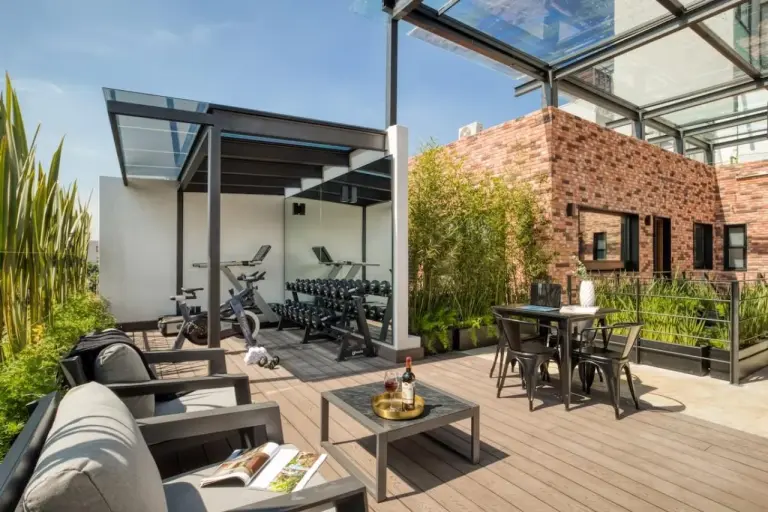
Booking through vetted platforms protects against scams and ensures you get advertised features like reliable Wi-Fi, fully equipped kitchens, and building security. Direct rentals save platform fees but require more due diligence. Either path, confirm internet speeds, clarify utility costs, and inspect units virtually before arrival. Most problems stem from mismatched expectations, not malicious landlords.
Daily life becomes manageable once you establish routines. Learn where to shop for groceries, which coworking spaces match your work style, and how to navigate the metro system. Basic Spanish opens doors — literally and figuratively — making everything from apartment repairs to social invitations easier to navigate. The city rewards residents who engage beyond tourist zones and expat bubbles.
Mexico City isn't a short-term escape — it's a serious place to live, work, and build community. The scale intimidates at first, but neighborhoods feel small once you know your local taquería, corner store, and regular café. If you're planning an extended stay anywhere in the country, explore fully furnished apartments in Mexico to compare options across cities.
The infrastructure supports long-term stays better than beach towns while costing less than U.S. or European capitals. With planning, flexibility, and willingness to adapt, Mexico City becomes home — not just a temporary stop between destinations.