
Daniel
Productivity & Remote Living Analyst ·
Mexico City has quietly become one of the most practical places in the world to base yourself for a month or more. With a wide range of neighborhoods, flexible rental formats, and prices that still undercut many major global cities, monthly rentals here appeal to everyone from remote professionals and expats to students and slow-traveling families. The catch? Where you live matters more than almost anything else.
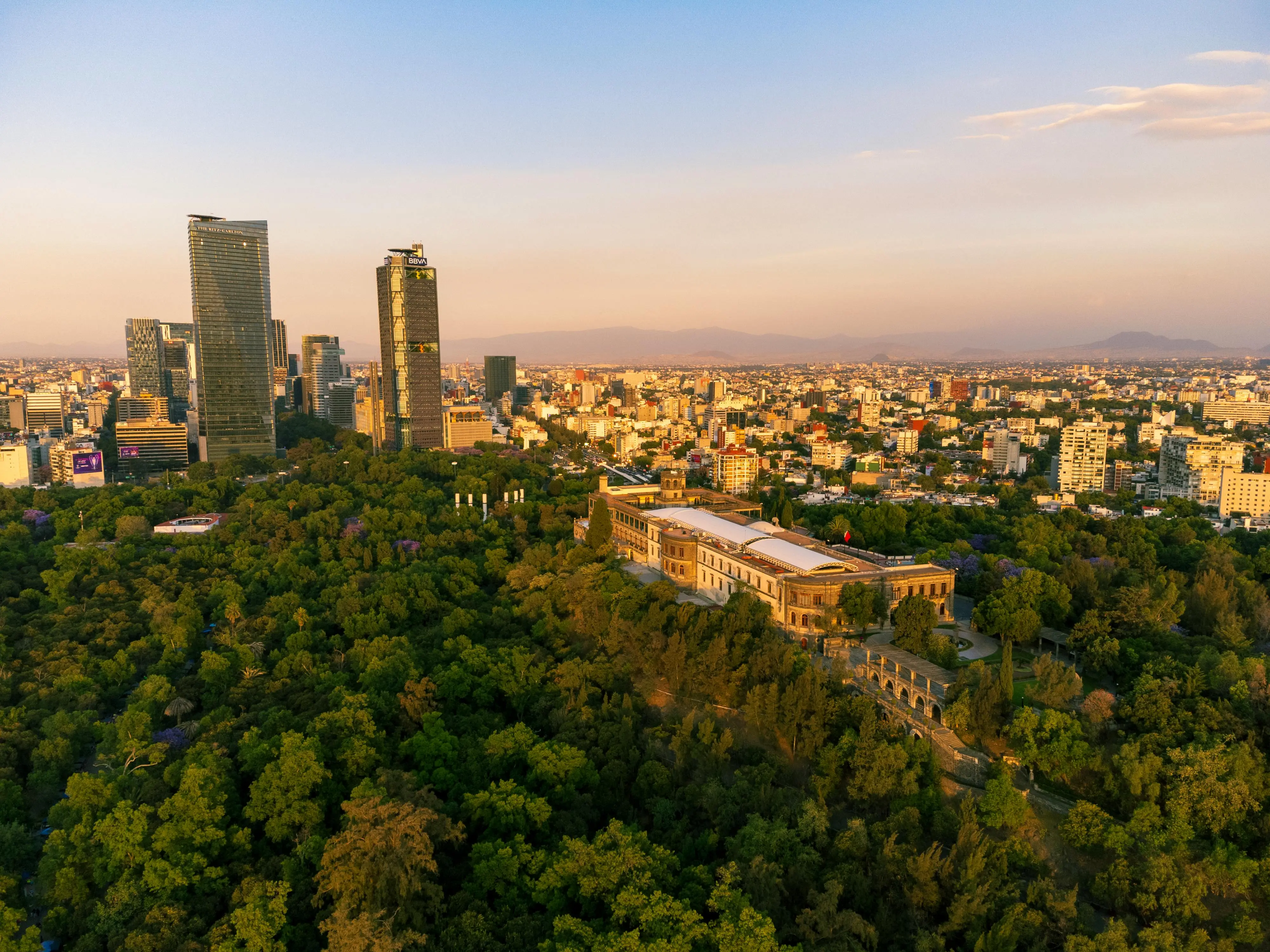
Rental prices in Mexico City vary sharply by colonia. A furnished apartment in Roma Norte or Condesa can feel worlds apart—financially and culturally—from a similar unit just a few metro stops away in San Rafael or Narvarte. Walkable streets near Parque México, café clusters along Álvaro Obregón, or residential blocks close to Avenida Presidente Masaryk all come with very different trade-offs in cost, noise, and space.
Before committing, it helps to understand how monthly rentals actually work on the ground—what’s included, what isn’t, and which neighborhoods truly fit the way you want to live.
In this guide, you’ll find:
-
What “monthly rentals” mean in Mexico City and how they differ from long leases
-
Which neighborhoods make the most sense for longer stays
-
Realistic monthly rent ranges, from budget to premium
-
How furnished, serviced, and room rentals compare for flexibility and comfort
Understanding Mexico City Monthly Rentals
Monthly rentals in Mexico City sit in a sweet spot between short-term stays and traditional long-term leases. For remote workers, they offer flexibility without the friction that usually comes with renting in a major city. Instead of signing a 12-month contract or dealing with guarantors, many monthly rentals are designed for people staying 30 days or more.
What “Monthly Rentals” Mean in Mexico City
Monthly rentals typically refer to apartments or rooms rented for 28–90 days, often fully furnished and ready to live in. These units are common in neighborhoods popular with expats and remote workers, such as Roma Norte, Condesa, and parts of Polanco.
Most monthly rentals include:
-
A fully functional kitchen with basic appliances
-
A private bathroom and furnished living space
-
Wi-Fi suitable for video calls and daily work
-
Flexible move-in and move-out dates
Many are located just a short walk from cafés like Cucurucho Café, Blend Station, or Café Avellaneda, making it easy to structure your workday without commuting far.
How Monthly Rentals Differ From Traditional Leases
Traditional rentals in Mexico City often require an aval (a local guarantor who owns property in the city). Monthly rentals usually bypass this requirement entirely, replacing it with:
-
Higher but predictable deposits
-
All-inclusive pricing models
-
Platform-based booking with upfront details
This is one reason monthly rentals have grown rapidly in recent years, especially among remote professionals arriving from abroad.
Why Monthly Rentals Work Well for Remote Workers
For people working online, monthly rentals reduce uncertainty. You can test a neighborhood, confirm internet reliability, and adjust your setup without locking yourself into a long-term contract.
Remote workers often choose monthly rentals near:
-
Coworking hubs along Avenida Álvaro Obregón
-
Metro-connected areas like Insurgentes, Chilpancingo, or Sevilla
-
Residential blocks close to parks such as Parque México or Parque España
This setup makes it easier to balance focused workdays with walkable evenings and social life.
Monthly rentals aren’t just about flexibility — they’re about giving yourself room to work comfortably while learning how the city actually functions day to day.
Mexico City Apartments: What You Can Rent by the Month
Monthly rentals in Mexico City come in several formats, and choosing the right one depends on how you work, how much privacy you need, and how long you plan to stay. For remote workers, the decision often comes down to balancing space, quiet, and location rather than just price.
Entire Apartments for Remote Professionals
Renting an entire apartment is the most popular choice for remote workers who need privacy and a consistent work setup. These units usually include a separate bedroom, a private bathroom, and enough space to set up a proper workstation without competing with daily life.
Entire apartments are common in neighborhoods like Condesa, Roma Sur, and San Rafael, especially on calmer residential blocks a few streets away from main avenues. Areas near Plaza Río de Janeiro, Parque Pushkin, or quieter streets behind Avenida Cuauhtémoc are often favored for their balance of calm and connectivity.
Typical advantages include:
-
More control over noise and lighting
-
Space for a dedicated desk or monitor setup
-
Better long-term comfort for calls and deep work
Rooms in Shared Apartments
Renting a room can be a practical option for remote workers prioritizing budget or social interaction over space. Rooms are more widely available than entire apartments, especially in central districts, which increases flexibility when availability is tight.
Shared apartments are common in Roma Norte, Centro, and parts of Doctores, often within walking distance of local markets like Mercado Medellín or neighborhood bakeries such as Rosetta Panadería (for mornings before work). Utilities and internet are usually split, which helps keep monthly costs lower.
This option works well if you:
-
Want lower rent with central access
-
Don’t need complete privacy during work hours
-
Prefer built-in social interaction
Houses and Larger Units
Houses and larger units are less common in the city center but appear more frequently in outer neighborhoods or quieter zones like Del Valle or parts of Coyoacán. These rentals often offer multiple bedrooms, balconies, and sometimes parking, which appeals to remote workers traveling with partners or families.
Larger units are often located near calmer streets close to Viveros de Coyoacán or residential pockets near Avenida División del Norte, where daily life feels slower without sacrificing connectivity.
Common features include:
-
Multiple rooms for work and living separation
-
More storage and natural light
-
Better value per square meter further from the core
Choosing the right apartment type is less about status and more about how you plan to live day to day. Once you know whether you need privacy, space, or flexibility, the rest of the decision becomes much easier.
Furnished Apartments for Monthly Living
For remote workers, furnished apartments are often the most reliable way to live comfortably in Mexico City without losing momentum during the first weeks. These apartments are designed for people staying long enough to settle into routines — not just pass through — which makes them a strong fit for monthly rentals.
In practice, furnished apartments tend to be concentrated in central, walkable neighborhoods where daily life doesn’t require long commutes. Areas around Condesa, Roma Norte, and San Rafael offer a steady mix of residential streets, grocery stores, cafés, and transit access that works well for longer stays.
What You Can Expect in a Furnished Apartment
Furnished apartments aimed at monthly stays go beyond the basics. Most are set up for real, day-to-day living rather than weekend travel.
Typical features include:
-
A fully equipped kitchen with full-size appliances and storage
-
A private bathroom with consistent hot water
-
Separate sleeping and living areas, even in studio layouts
-
Reliable Wi-Fi suitable for video calls and cloud-based work
-
Tables or desks that can realistically support a work setup
Many furnished units sit within a short walk of places like City Market Polanco, Superama Condesa, or local panaderías such as Panadería Rosetta or La Boheme, making it easy to build a routine that doesn’t revolve around delivery apps.
Why Remote Workers Gravitate Toward Furnished Rentals
For remote professionals, the main appeal is speed and predictability. Furnished apartments remove the early friction that often comes with arriving in a new city — sourcing furniture, testing internet, or discovering that a “workspace” is actually a bar-height table.
Work-friendly furnished apartments are often located near:
-
Coworking corridors along Avenida Álvaro Obregón and Insurgentes
-
Residential streets close to Parque México or Parque España for midday breaks
-
Transit-connected blocks near Sevilla or Chilpancingo metro stations
This balance makes it easier to structure a workday around your neighborhood rather than planning your life around long commutes.
How RentRemote Fits Into the Picture
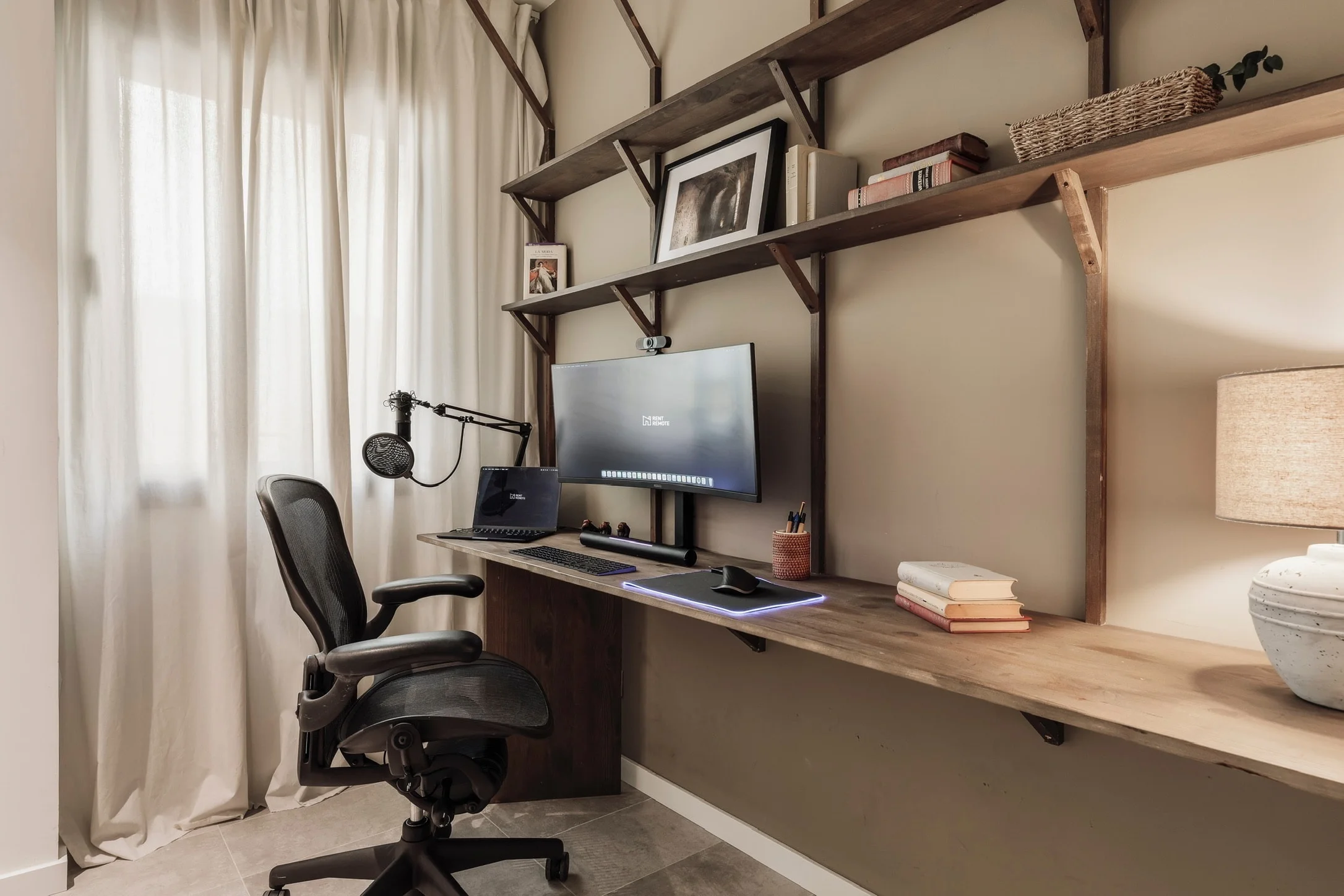
This is where platforms like RentRemote become useful. Instead of sorting through generic listings, RentRemote focuses on furnished apartments that are already configured for remote work — with verified Wi-Fi, proper desks, ergonomic chairs, and layouts that support focused work.
RentRemote listings are typically selected in neighborhoods where monthly living makes sense, prioritizing:
-
Quiet residential blocks over high-traffic streets
-
Apartments with space to separate work and rest
-
Buildings close to groceries, cafés, and public transportation
For remote workers who want to avoid trial-and-error housing, this approach reduces risk while keeping flexibility.
Cost and Value Considerations
Furnished apartments usually carry a premium — often 15–25% higher than unfurnished units — but for monthly stays, that cost often balances out. Utilities, internet, furniture, and faster move-in all reduce hidden expenses and time lost setting up.
For many remote workers staying one to three months, furnished apartments offer the cleanest entry point into Mexico City life without overcommitting. Exploring fully furnished apartments in Mexico City through RentRemote can remove much of the guesswork while keeping flexibility intact.
Serviced Apartments in Mexico City
Serviced apartments sit between hotels and traditional monthly rentals, offering a more structured living experience for people who want consistency without long-term commitments. In Mexico City, they’ve become a practical option for remote workers who value reliability, on-site services, and predictable living conditions while they get to know the city.
These properties are typically located in central districts where access to daily services, public transportation, and commercial areas is already built in. You’ll find many serviced apartments in Condesa, Polanco, Santa Fé, and Reforma-adjacent zones, where buildings are designed to support longer stays rather than short tourist visits.
What Defines a Serviced Apartment
Unlike standard rentals, serviced apartments are professionally managed and come with bundled facilities that simplify day-to-day life.
Common features include:
-
Weekly or daily cleaning services
-
On-site reception or building staff
-
Laundry facilities within the building
-
Secure entry systems and elevators
-
Consistent internet infrastructure across units
Many serviced properties are located close to grocery chains like Chedraui Selecto or La Comer, and within walking distance of cafés that work well for short work breaks, such as Café Nin, Quentin Café, or Buna in more commercial areas of the city.
Why Remote Workers Choose Serviced Apartments
For remote professionals, serviced apartments remove many of the unknowns that come with renting in a new country. Internet reliability, maintenance response times, and building security are usually standardized across the property.
They are especially appealing if you:
-
Need a stable home base while managing a demanding work schedule
-
Prefer predictable services over sourcing help independently
-
Want to live close to offices, coworking hubs, or major transit corridors
Buildings near corridors like Reforma, Insurgentes, or business-focused districts tend to attract professionals who want to stay connected to the wider city without long daily commutes.
Cost and Value Compared to Other Rentals
Serviced apartments are usually priced higher than standard monthly rentals, reflecting the added services and facilities. In Mexico City, they often fall in the mid-to-high range, especially in neighborhoods with strong commercial interest.
That said, the value becomes clearer when you factor in:
-
Included services that reduce out-of-pocket costs
-
Less time spent managing utilities or repairs
-
A smoother transition into living in Mexico
For remote workers prioritizing stability while they learn how the city works, serviced apartments can be a great option before deciding whether to move into a more traditional rental later on.
Short Term Rentals vs Monthly Rentals in Mexico City
For remote workers arriving in Mexico City, the choice between short term rentals and monthly rentals often shapes the entire experience of living in the city. Both options exist in nearly every major district, but they serve very different purposes once work routines, costs, and comfort come into play.
Short term rentals are designed for flexibility and speed, while monthly rentals are better suited for people who want a stable home base and fewer surprises over time.
When Short Term Rentals Make Sense
Short term rentals are usually rented by the night or week and are common across the city, especially in areas with high tourist interest. They work well if you’re still evaluating where you want to live or need a temporary setup before committing to a longer stay.
They are most useful if you:
-
Need a place immediately upon arrival
-
Want to test internet quality and noise levels firsthand
-
Plan to move neighborhoods after a few weeks
Short term rentals are plentiful around busy corridors like Reforma and Centro Histórico, where it’s easy to live close to museums, restaurants, and major transit lines. Many listings are located near supermarkets such as Soriana Híper or Walmart Express, making short stays more convenient.
That said, short term rentals often come with higher nightly rates, limited storage, and layouts that aren’t ideal for full workdays.
Why Monthly Rentals Work Better for Remote Workers
Monthly rentals are structured around longer stays and day-to-day living. Instead of rotating guests, these homes are meant to be lived in, which usually means better layouts, more storage, and fewer disruptions.
Monthly rentals are a strong fit if you:
-
Want a consistent work setup and reliable Wi-Fi
-
Prefer quieter residential streets
-
Plan to stay in the same place for at least a month
In many parts of the city, hosts offer meaningful discounts for longer stays. On popular platforms, it’s common to see 20–50% price reductions once you cross the 28-day mark, especially in professionally managed properties.
Using Platforms to Compare Options
Most people find both short term rentals and monthly rentals through online platforms rather than local agencies. The difference lies in how you use the site.
For better results:
-
Adjust your search dates beyond 30 days to unlock lower pricing
-
Use filters to confirm internet, kitchen access, and workspace details
-
Read listing details carefully to confirm what’s included
Many remote workers start with a short term rental, then redo their search after arriving to find a monthly option that better fits their needs once they understand the city’s rhythm.
Choosing between short term rentals and monthly rentals isn’t just about flexibility — it’s about deciding how settled you want to feel while living and working in Mexico City.
Public Transportation and Location Considerations
For remote workers living in Mexico City, public transportation plays a bigger role than many expect. Even if you work from home most days, being well connected makes daily errands, coworking visits, and social plans far easier. Choosing a location with strong transport links often matters more than being right in the city center.
Mexico City’s transit network is extensive, affordable, and widely used across districts, making it possible to live comfortably without relying on a car.
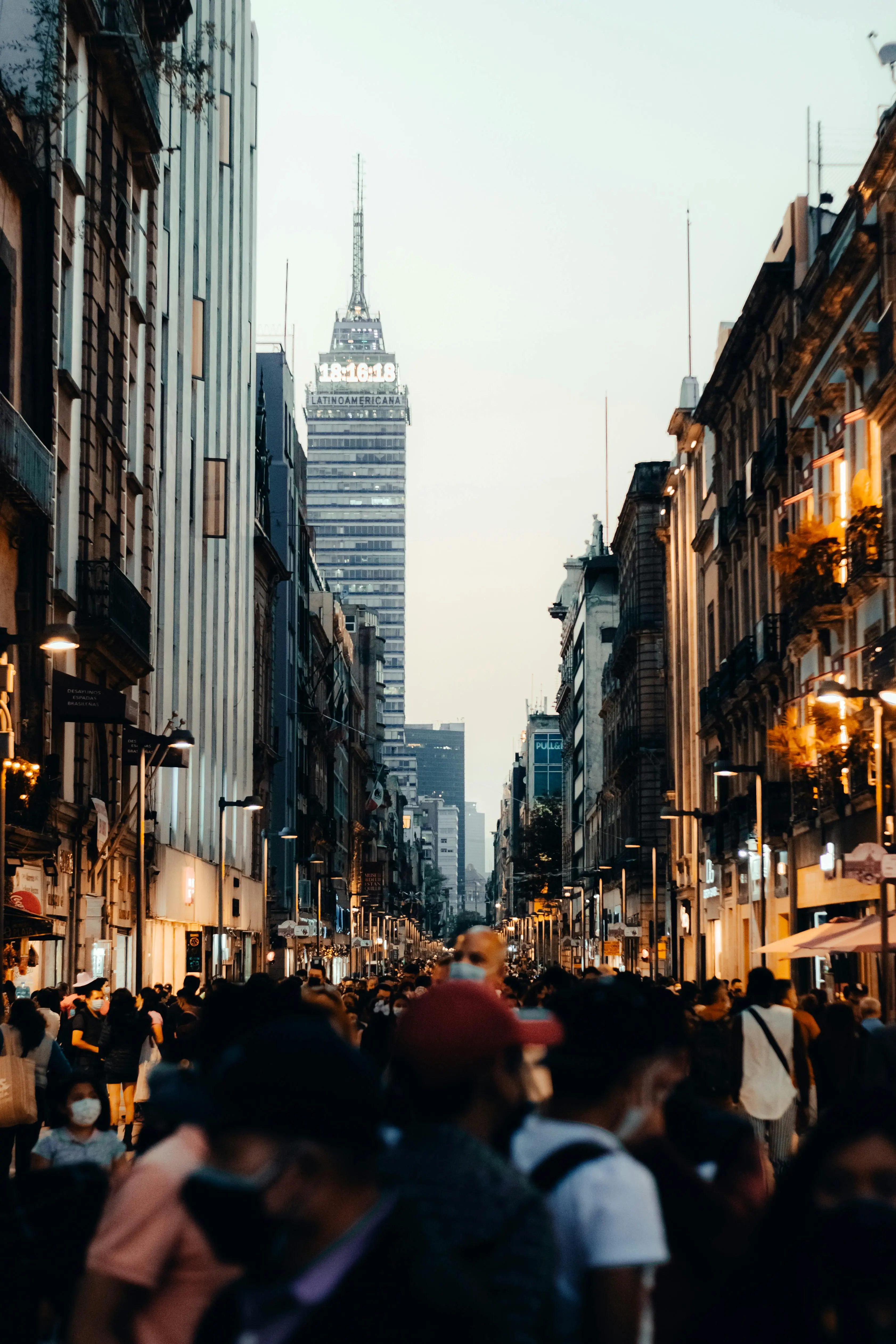
Metro and Bus Access Across the City
The metro is the backbone of daily mobility in the city. With multiple lines crossing central and residential areas, it’s often the fastest way to move between neighborhoods during peak hours.
Useful things to know:
-
A single ticket is inexpensive and works across the network
-
Trains run frequently throughout the day
-
Major transfer stations connect multiple lines, reducing travel time
Bus routes complement the metro, especially in areas where stations are spaced farther apart. Lines running along major avenues such as Eje Central or Avenida Universidad help bridge gaps between residential blocks and commercial zones.
Why Location Matters for Monthly Living
When you’re staying for a month or longer, living close to transit changes how the city feels day to day. Apartments located near metro stations or well-served bus routes often save time and reduce daily friction.
Remote workers tend to prioritize locations that are:
-
Within a short walk of a metro stop
-
Close to grocery stores, pharmacies, and cafés
-
Positioned between residential streets and main transport corridors
Living near stations like Zapata, or Patriotismo makes it easier to move across the city while still enjoying quieter surroundings at home.
Balancing Commute, Noise, and Comfort
Not every well-connected area feels the same. Properties directly on major avenues may offer convenience but come with more noise, while places a few blocks inside residential zones tend to be calmer.
Many people look for homes:
-
Located one or two blocks away from main roads
-
Close enough to transit without being on top of it
-
Surrounded by everyday services rather than nightlife
This balance allows you to live comfortably, focus during work hours, and still reach other parts of the city easily when you need to.
Good public transportation access doesn’t just expand where you can go — it expands where you can comfortably live. For remote workers, choosing the right location often means fewer compromises between productivity and daily life.
Comparing Neighborhoods for Monthly Living in Mexico City
Choosing where to live in Mexico City has a direct impact on how workable your days feel once the novelty wears off. Over a full month, things like access to groceries, walkable cafés, quiet streets, and nearby places to take meetings outside the house start to matter more than décor or trendiness. Some neighborhoods feel compact and energetic, others slower and more residential — and that difference shows up quickly when you’re working remotely.
Below is a practical, neighborhood-by-neighborhood look at how some of the city’s most popular areas actually function for month-long living.
Living in Roma Norte: Central, Social, and Always Moving
Roma Norte is one of the most popular districts for expats and remote workers because daily life happens right outside your door. The area is dense and walkable, with cafés, bakeries, and casual work spots packed into almost every block. Homes here tend to be smaller, but the trade-off is convenience.
On a typical weekday, people grab coffee at places like Cucurucho, Café Nin, or Avellaneda, work a few hours at home, then step out to Blend Station or Homework for meetings. Groceries are easy to manage thanks to Mercado Medellín, Sumesa, and late-night convenience stores scattered throughout the area.
Roma Norte suits people who:
-
Prefer to live centrally and walk everywhere
-
Don’t need large living spaces
-
Enjoy an active, social environment after work
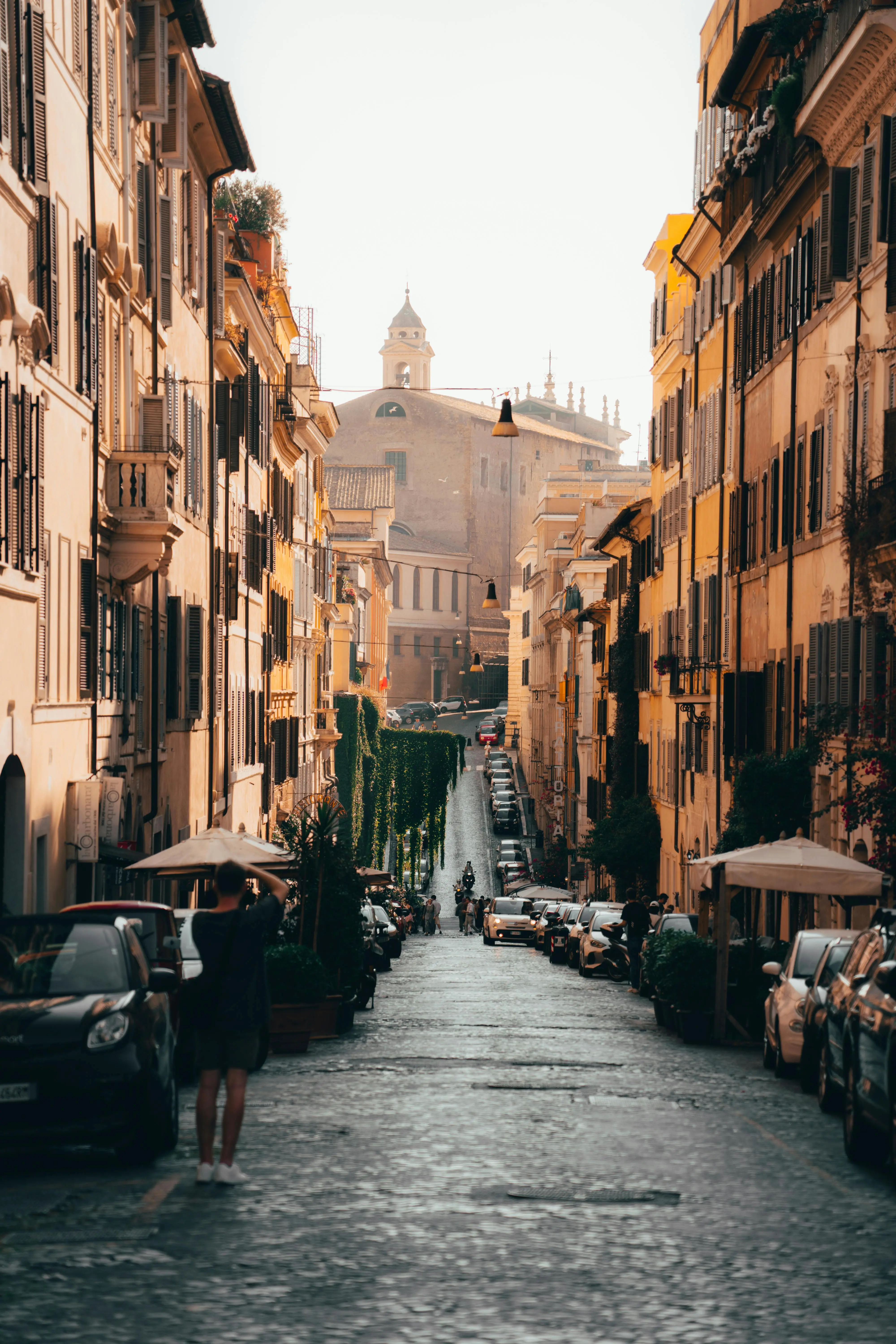
Living in Roma Sur: More Space, Quieter Routines
Roma Sur sits just south of the busiest parts of Roma Norte and feels noticeably calmer. The streets are wider, buildings are more residential, and homes are often larger — which makes a difference when you’re working from home five days a week.
Daily routines here tend to revolve around neighborhood cafés like Café Vegetal, small produce shops along Baja California, and green breaks near Parque Pushkin. Coworking spaces are still accessible, but evenings are quieter and more predictable than further north.
Roma Sur works well if you:
-
Want more room to live and work
-
Prefer quieter nights
-
Still want to stay close to central districts
Browse Mexico City homes near this area
Living in Condesa: Green Streets and Longer-Stay Comfort
Condesa is often chosen by people staying a bit longer or traveling with partners or families. The neighborhood is structured around parks and residential streets, which makes it easier to build a routine that doesn’t revolve around nightlife.
Morning walks around Parque México, grocery runs to City Market or Sumesa, and coffee stops at places like Chiquitito Café or Boicot Café are part of daily life. The area also has a steady supply of calm cafés suitable for light work sessions without feeling rushed.
Condesa tends to appeal to:
-
Couples or families
-
Remote workers who value calm over buzz
-
People staying a month or more
Living in Polanco: Space, Services, and Modern Buildings
Polanco operates on a different rhythm. Homes are larger, buildings are newer, and services are more standardized. Many people living here structure their days around residential comfort rather than café hopping.
Daily life often includes shopping at Palacio de Hierro Food Hall, walking along Avenida Presidente Masaryk, and working primarily from home rather than shared spaces. The area has fewer casual coworking cafés, but better in-building services and more predictable conditions.
Polanco suits:
-
Professionals prioritizing space and building quality
-
People who work mostly from home
-
Those comfortable with higher monthly budgets
Neighborhood Comparison at a Glance
| Area | Avg. Home Size (m²) | Typical Monthly Range (USD) | Avg. Bedrooms | Parking Availability | Evening Noise |
|---|---|---|---|---|---|
| Roma Norte | 45–65 | 1,200–2,000 | 1 | Low | High |
| Roma Sur | 65–85 | 900–1,500 | 1–2 | Moderate | Low–Moderate |
| Condesa | 70–100 | 1,300–2,200 | 1–2 | Moderate | Low |
| Polanco | 80–120 | 1,800–3,000+ | 1–2 | High | Low |
| Each of these neighborhoods offers a different version of life in the city. If you want to go deeper into how one area actually feels day to day — from cafés to work spots to grocery runs — it’s worth exploring Roma Sur in our neighborhood guide before deciding where to base yourself for the month. |
How to Find the Right Monthly Rental Without Wasting Time
Once you narrow down where you want to base yourself, the real work begins. Most people don’t struggle because there aren’t enough options — they struggle because it’s difficult to tell which places will actually work as a home for a full month. The difference usually comes down to how you search, what you prioritize, and how closely you read what’s being offered.
One important fact to keep in mind is that many listing platforms reward visibility rather than suitability. That means the first results aren’t always the best fit — just the most promoted.
Use Search Tools More Intentionally
If listings feel repetitive or irrelevant, it’s usually a signal to change how you’re searching rather than where.
A few adjustments that consistently help:
-
Shift move-in dates slightly and redo search results
-
Expand your price range by a small amount to surface new properties
-
Sort by newest listings instead of “most viewed”
-
Apply filters for essentials rather than extras
This approach is especially useful when you’re looking for new properties that haven’t been saturated with short-stay demand yet.
Focus on Amenities That Support Daily Life
Over a full month, comfort comes from basics done well. The most livable homes tend to be clear about what they include and how the space actually functions.
Amenities worth prioritizing include:
-
A usable kitchen that supports regular cooking
-
A bedroom setup that allows real rest
-
Enough space to separate work and downtime
-
Internet that’s described clearly, not vaguely
-
Layouts that feel practical rather than staged
Homes that describe amenities precisely tend to offer a better experience overall.
Read Listing Details Like a Checklist
This is where many people rush — and where problems usually show up later. Pay attention to how listings talk about the space.
Helpful details include:
-
What’s included in the monthly price
-
How utilities are handled
-
Whether furniture and appliances are suited for longer stays
-
Who the place is best suited for
If details feel thin or evasive, it’s often better to keep moving.
Where RentRemote Fits Into the Process
This is where tools designed for longer stays can simplify things. Instead of browsing hundreds of mixed-use listings, RentRemote focuses on homes set up for month-long living, with clear details around layout, amenities, and what’s actually included.
Using a platform like RentRemote makes it easier to:
-
Compare homes side by side using consistent filters
-
Spot places designed for longer stays rather than short visits
-
Identify options that feel like a home, not a stopover
For people planning a longer experience in Mexico, especially if work is part of the equation, exploring fully furnished apartments in Mexico through RentRemote can reduce trial and error and help you focus on places built for everyday life.
Match the Place to the Experience You Want
At this point, it helps to step back and check in with what you want at the heart of the experience. Some people want space and quiet. Others care more about being near activity or sharing a place with other students or professionals. There are many types of homes that can work — but not all will feel right for how you plan to spend your days.
The places that work best for longer stays tend to be honest about who they’re for, clear about what they include, and designed to support real routines over a full year of changing needs.
Choosing the Right Monthly Rental in Mexico City
Finding the right place for a longer stay in Mexico City is less about chasing the “best” listing and more about aligning expectations with how the city actually works. Housing varies sharply by district, layout, and building type, and those differences become more noticeable once daily routines settle in. What feels exciting for a few nights may not hold up over several weeks of work, cooking, and downtime.
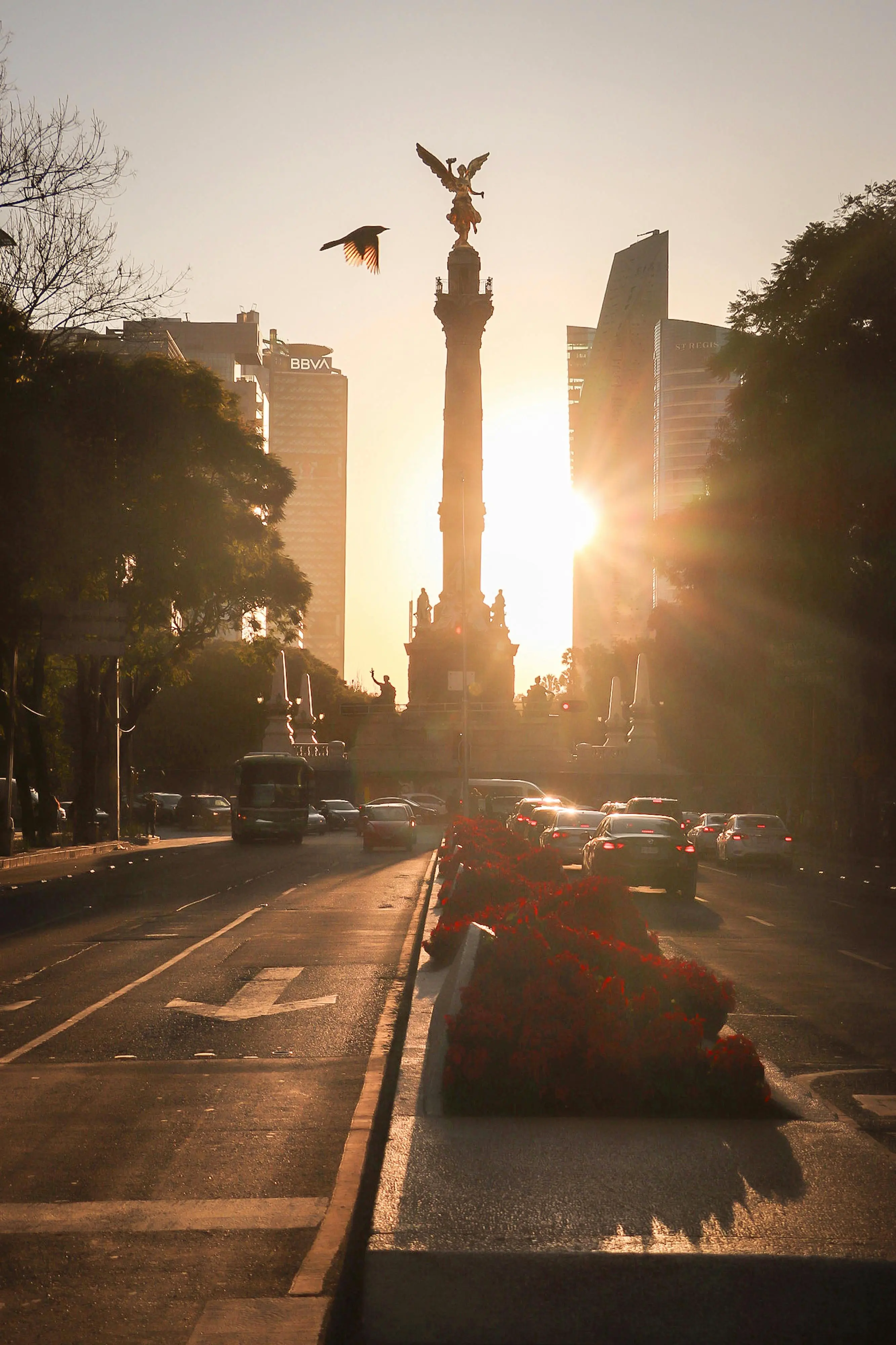
The most successful long stays usually come from being clear on a few fundamentals: how much space you need, how important quiet is, whether you’ll work mostly from home, and how much flexibility you want if plans change. Paying attention to details like layout, included amenities, and surrounding services often matters more than price alone.
Mexico City rewards people who approach housing deliberately. With the right preparation and tools, it’s possible to find a place that supports both productivity and daily life, making the city feel less like a temporary stop and more like a place you can genuinely settle into.