
Daniel
Productivity & Remote Living Analyst ·
Mexico City is not cheap in the way it used to be. Gentrification has pushed rents in Roma Norte and Condesa up nearly 60% in recent years, and digital nomads are a significant reason why. But the city still costs a fraction of what you'd spend in New York or London — and for remote workers earning in dollars or euros, the purchasing power is hard to argue with. The question isn't whether Mexico City is affordable. It's whether the version of it you want to live in fits your budget.
What you actually spend day to day on food, transport, and accommodation
How neighbourhood choice shapes your monthly costs
Where the hidden costs appear — and which ones catch people off guard
What a budget, mid-range, and comfortable remote-work setup actually costs
Free and low-cost activities that don't feel like compromises
Whether tap water, transport, and safety add to your real spend
Is Mexico City Expensive Compared to Other Major Cities?
Compared to New York, Mexico City is about 60% to 70% cheaper overall — and rent runs up to 80% less. Compared to other Latin American capitals, it's a different story: Mexico City now ranks as one of the most expensive cities in the region, ahead of Bogotá and Lima on most categories. That tension is what makes budgeting here confusing. The city is cheap relative to North America and Western Europe, and expensive relative to where it was five years ago.
The number that matters most is what neighbourhood you're in. A furnished one-bedroom in Polanco costs $1,500 USD or more per month. The same quality apartment in Narvarte runs $450 to $700 USD. That single decision — neighbourhood — accounts for more of your monthly spend than food, transport, and entertainment combined. Housing costs in Mexico City consistently account for over 60% of most budgets, which means optimising everything else while paying Polanco prices is a losing strategy.
The comida corrida — a three-course set lunch — costs around $3 to $5 USD at a local spot, and street food like tacos al pastor runs MX$22 ($1.26) each. A full taco meal lands between $3.75 and $6.32. On average, travellers spend around $22 USD per day on food, which is low by any standard. Transport is nearly free: a single Mexico City Metro ride costs MX$5 ($0.28). Where Mexico City starts to feel expensive is when you're eating at the kind of places that opened because of remote workers — and paying the prices they set.
Mexico City Cost at a Glance: What Each Budget Level Actually Gets You
The gap between budget and mid-range in Mexico City is not just comfort — it's neighbourhood, food quality, and how much time you spend managing friction.
Explore Mexico through our neighbourhood guide for a deeper look at where to stay, eat, and work.
Budget travellers spending $54/day get a hostel dorm bed, street food three times a day, Metro-only transport — workable, but not comfortable for more than a week
Mid-range spend of $75 to $150/day gets a private room or Airbnb from $21 to $26/night, sit-down lunches, and occasional Uber rides
Comfortable remote-work setup: $1,000 to $2,000/month all-in, depending heavily on rent — the food and transport costs are almost a rounding error
Luxury daily spend can reach $544/day, but that involves five-star hotels and restaurants in tourist areas — irrelevant to anyone staying more than a long weekend
The $1,000/month figure is real but tight — it assumes a less central neighbourhood, cooking some meals, and no car. At $1,500/month you have genuine comfort in a city that feels, day to day, like a tremendous deal.
Compared to other major capitals in the country, Mexico City sits at the higher end for accommodation but is noticeably cheaper than Monterrey or Guadalajara for eating out — a sit-down lunch at a comedor in Roma Norte runs around 80–120 MXN versus 150 MXN for the same meal in Monterrey's Barrio Antiguo.
Mexico City Budget Breakdown: Daily Costs by Category
These are the numbers that actually govern your spend — not the headline averages, but the category-by-category decisions that compound into your monthly total.
Category | Budget (per day/month) | Mid-Range | What Drives the Difference |
|---|---|---|---|
Accommodation | $9–$12/night (hostel dorm) / $270–$360/month | $21–$49/night / $630–$1,470/month | Neighbourhood above all else — Narvarte vs. Roma Norte vs. Polanco |
Food | $5–$8/day — street food and local markets only | $15–$25/day — mix of sit-down and street food | Whether you eat where locals eat or where expats eat |
Transport | $0.28/Metro ride — under $5/day | $5–$15/day — Metro plus Uber or Metrobús | How far you live from where you work and socialise |
Activities | $0–$5/day — free museums on Sundays, parks | $5–$20/day — ticketed museums, nightlife areas | Museum timing (Sunday free entry) and how often you go out |
Utilities (monthly) | Often included in furnished rentals | $50–$90/month when separate | Whether your rental includes them — always confirm before signing |
Water | $10–$20/month — bottled water or filter | Same — tap water is not drinkable for most people | Tap water is unsafe to drink — this is a fixed cost, not optional |
Food Costs: Where the Mexico City Food Scene Actually Saves You Money
The food scene in Mexico City rewards the decision to eat where it's been eaten for decades, not where it opened last year for people like you.
Medellín Market — comida corrida around MX$80–MX$100 ($4–$5), three courses, no pretence
El Huequito — tacos al pastor from MX$22 ($1.26) each, one of the oldest taco spots in the Centro, cash only
Affordable street food at any taqueria on a side street: a full meal of five tacos for MX$110 ($6.32) — eating at local markets costs less than cooking yourself
Sit-down restaurants in Roma Norte and Condesa: expect $15–$30 USD per person — the food is excellent but you're paying the neighbourhood rate
The decision to eat street food at least once a day saves roughly $10 to $15 USD — which is $300 to $450 over a month, or the difference between a hostel dorm and a private room.
Transport Costs: Public Transport Is Not a Compromise Here
Public transport in Mexico City is so cheap that taking it instead of Uber is less a budget decision and more just a sensible habit once you know the system.
Mexico City Metro: MX$5 ($0.28) per ride — buy a Tarjeta de Movilidad Integrada for MX$15 ($0.85) once, top it up as needed
Metrobús: MX$6 ($0.30) per ride, tap-to-pay with the same card — covers routes the Metro doesn't reach
Uber: roughly $3–$6 USD for most cross-neighbourhood rides — useful at night, expensive if it becomes your default
Car rental: rarely worth it in the city — traffic is punishing, parking costs add up, and public transportation covers most needs
If you're in Roma Norte or Condesa and your work and social life are within walking distance, you can spend under $15 USD on transport for an entire month.
If you eat street food for at least two meals a day — tacos al pastor in Condesa or tlayudas near Mercado Jamaica — you can keep your daily food spend under 150 MXN without trying hard.
Mexico City Cost of Accommodation: Budget, Mid Range, and Luxury Options
Accommodation costs are where Mexico City trips up people who budgeted based on what they read three years ago. The affordable accommodation still exists — but it's not in the neighbourhoods most remote workers want to be in, and the central options have moved significantly on price.
Rental prices in Roma Norte, Condesa, and Polanco have risen nearly 60% in recent years. A furnished apartment in Roma Norte now starts around $1,100 USD per month for a one-bedroom — and that's the entry point, not the average. Narvarte and Doctores are the practical alternatives: Narvarte in particular gives you good infrastructure, quieter streets, and rents in the $450 to $700 USD range without feeling like a compromise. It's not Roma Norte, but it's 20 minutes from it on the Metro.
For short stays, a hostel dorm bed costs around $9 to $12 USD per night — workable for a week, not sustainable as a remote work base. Private rooms on Airbnb run $21 to $26 per night, and budget hotels start around $49. The maths changes at three weeks: a furnished monthly rental wins from roughly day 21, and the quality difference is substantial.
Affordable Accommodation Options Beyond the Central Neighbourhoods
The further you're willing to be from Roma Norte's café circuit, the further your rent goes — and the tradeoff is usually just time on the Metro, not quality of life.
Narvarte furnished apartments — $1,200–$1,700/month, quiet streets, good local markets, 15 minutes by Metro to Roma Norte
Budget hotels near Centro Histórico — from $49/night, walking distance to major sites but loud and not ideal for long-term work
Hostel dorms in Roomies Hostel — $19–$24/night, social, useful for the first few nights while you find a longer-term arrangement
Fully furnished monthly rentals in Roma Norte or Condesa: $1,100–$1,500+ USD — fully furnished apartments in Roma Norte are the fastest way to compare what's actually available at each price point
Accommodation prices in Mexico City have a floor, not a ceiling — decide your neighbourhood first, then work backwards from the rent to see what the rest of your budget looks like.
Boutique guesthouses in Roma Norte around 900–1,200 MXN per night are great value compared to equivalent properties in Polanco, which often charge 2,500 MXN or more for a similar room and breakfast.
What Gentrification Has Done to Accommodation Prices in Practice
The impact of digital nomads and remote workers on Mexico City's rental market is not abstract — it's in the numbers, and it falls on the people who were here before.
Roma Norte and Condesa rents up ~60% in recent years — a one-bedroom that was $700/month in 2019 is $1,100–$1,400/month now
The median local salary in Mexico City sits around $250–$300/month — which means central rents are structurally inaccessible to most residents
Polanco remains the premium end: $1,500+ USD for a furnished one-bedroom, with no signs of softening
Imported goods — including specialty groceries and electronics — cost 10% to 20% more than in the US due to tariffs, which adds up if you're recreating a North American lifestyle
This doesn't make Mexico City not worth it — it makes it worth being honest about who's pushing the prices, and choosing your neighbourhood accordingly.
What to Budget to Visit Mexico City: Museo Nacional de Antropología and Free Attractions
The best argument for Mexico City as a destination is not just what things cost — it's how much of the city's actual substance is free or nearly free. This is not a list of budget compromises. The Museo Nacional de Antropología is one of the world's great museums. Chapultepec Park is 686 hectares of usable urban space. Neither costs you much.
Chapultepec Park and Free Activities Worth Planning Around
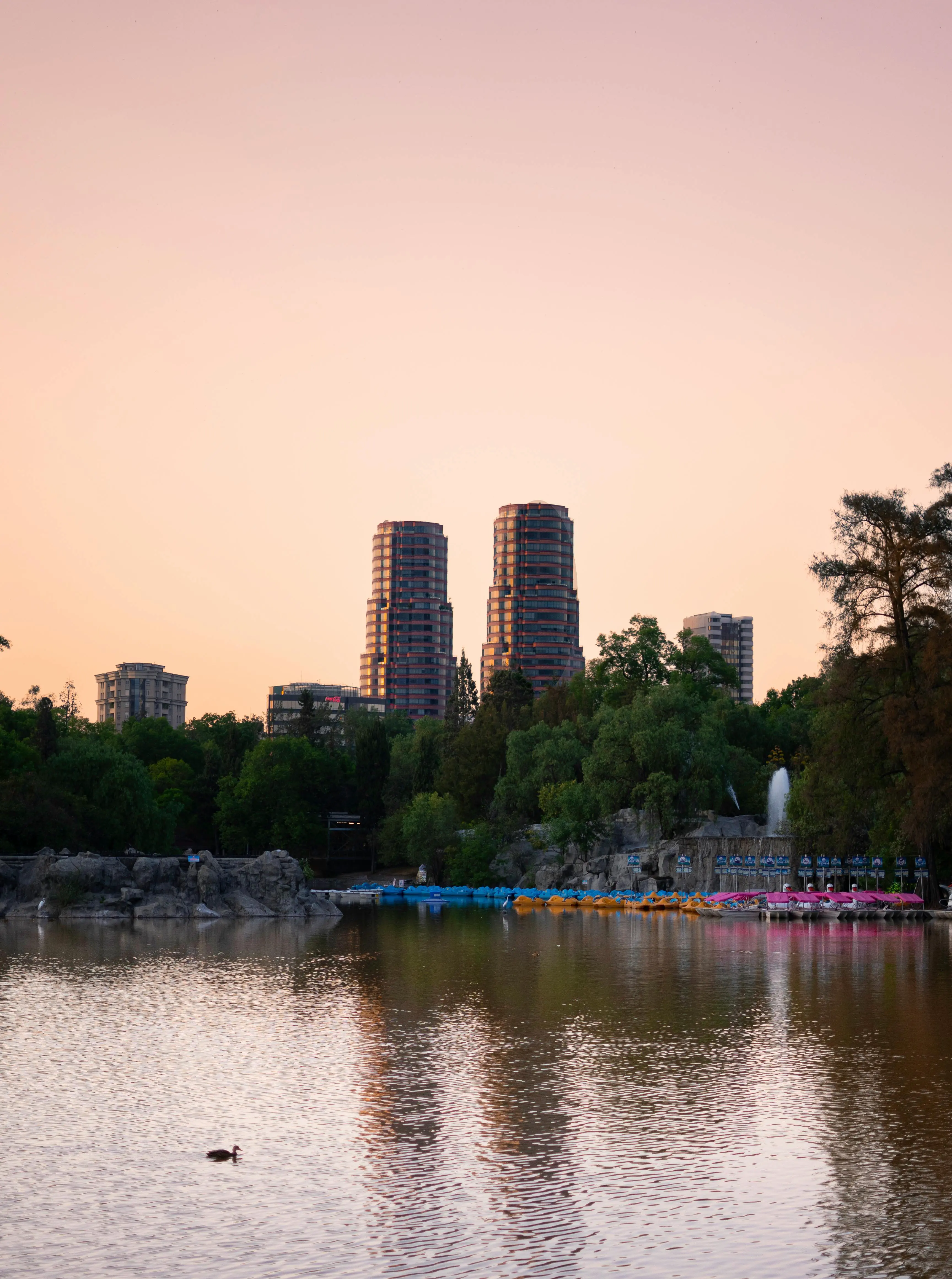
Chapultepec Park is free every day, but Sunday is when it becomes a full city event — and also when the Museo Nacional de Antropología admission drops to zero.
Chapultepec Park — free entry daily, rent a rowing boat for around MX$100 ($5), best on weekday mornings before families arrive on weekends
Museo Nacional de Antropología — MX$85 ($4.25) on weekdays, free on Sundays — go early Sunday or accept a crowd
Palacio de Bellas Artes — free to enter the ground floor galleries, MX$85 to access upper floors — worth the full ticket for the murals alone
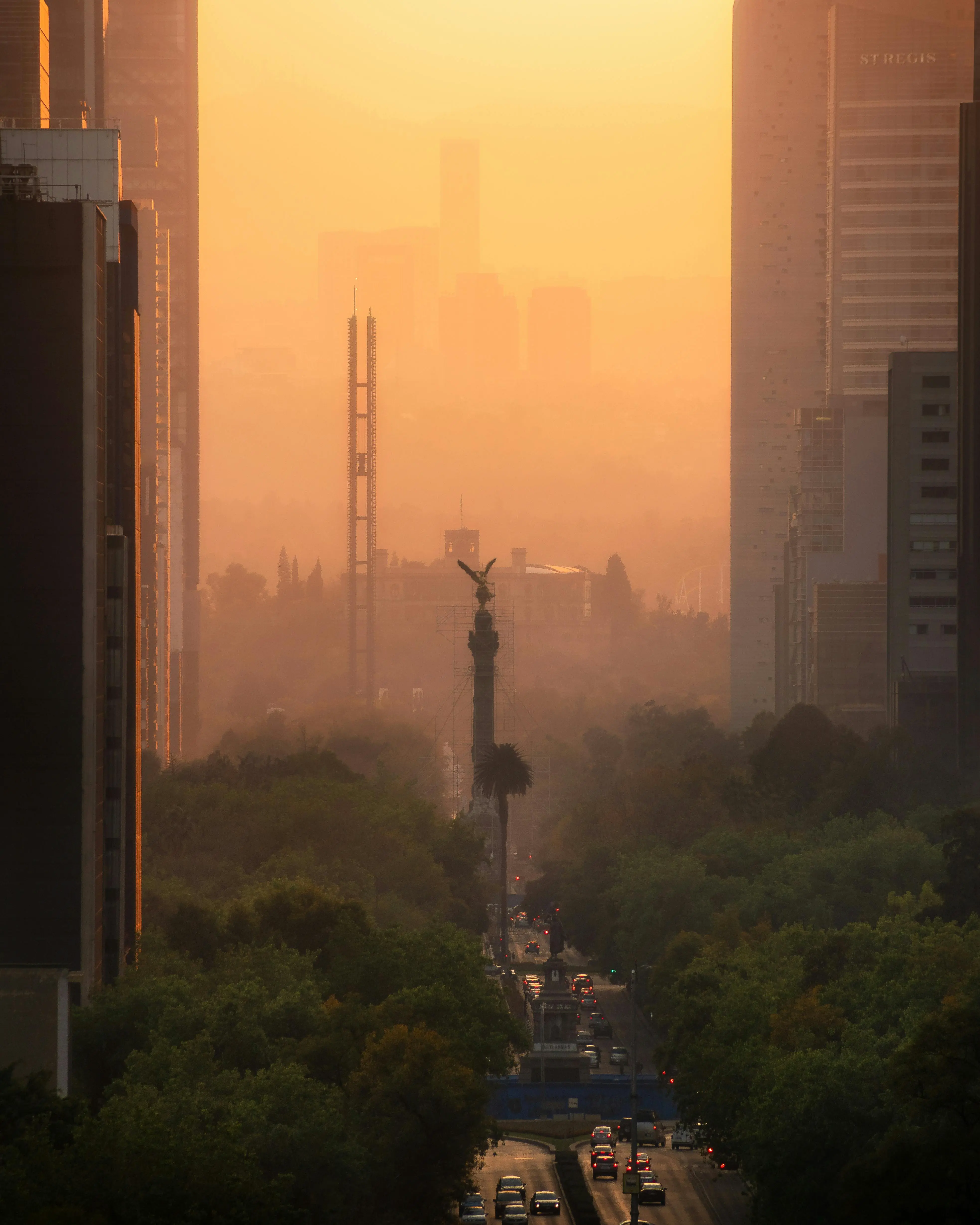
Free activities on Sundays include free admission at most national museums and free cycling lanes on Paseo de la Reforma — a genuine city-level perk, not a tourist gimmick
Most people skip the free museum Sunday because they don't plan around it — look up the exact times before your trip to Mexico, because the hours shift seasonally and the crowds at Museo Nacional de Antropología are real.
The area around Palacio de Bellas Artes is packed with affordable street food stalls where a quesadilla or taco costs 15–25 MXN, so a full lunch between sightseeing stops rarely exceeds 80 MXN.
When You Visit Mexico City Matters for Your Budget
Timing a trip to Mexico City affects accommodation prices more than most people account for when setting their travel budgets.
Semana Santa (Holy Week, March/April) — hotels and short-term rentals spike, tourist areas are at peak crowding, and the best deals disappear two months out
Rainy season (June–October) — lower accommodation prices in some cases, and the city's jacaranda season (February–March) draws visitors willing to pay for it
November through February: dry season, comfortable temperatures, and more negotiating room on monthly furnished rentals — landlords feel the slowdown
Excluding flights, daily costs don't shift dramatically by season — but accommodation prices in peak periods can add $20–$40/night to what you'd otherwise pay
If your remote work schedule is flexible, arriving in late January for a monthly stay gets you dry weather, manageable crowds, and landlords who are more willing to talk on price.
How to Book Accommodation in Mexico City Without Overpaying
The listings you find on Airbnb and short-term rental platforms are not representative of what Mexico City accommodation actually costs — they represent what visitors who don't know the market are willing to pay. The longer you plan to stay, the more that gap matters.
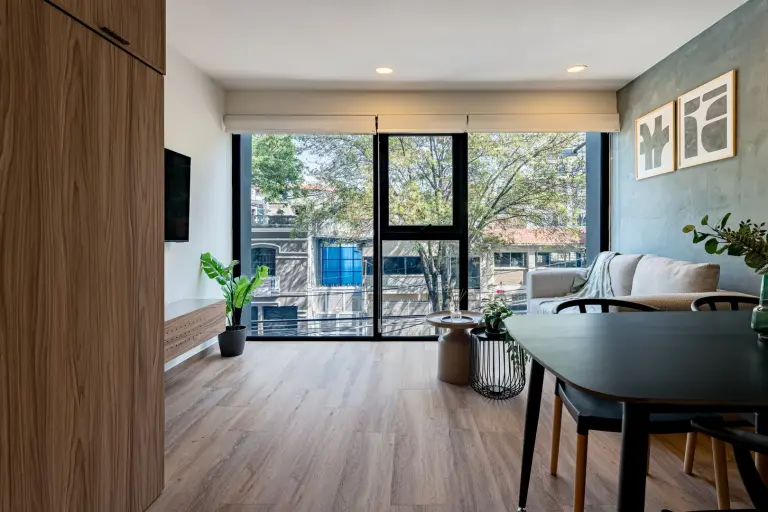
Short Stays vs. Monthly Rentals: The Numbers
A furnished room booked week-to-week costs roughly twice what a monthly lease on the same room costs — and that math holds across every neighbourhood.
Airbnb studio in Roma Norte: MX$1,200–MX$1,800/night ($60–$90) — fine for a week, expensive for a month
Monthly furnished studio in Roma Norte: MX$12,000–MX$18,000/month ($600–$900) — the same quality apartment, roughly half the per-night rate
Monthly room in a shared apartment in Condesa: MX$7,000–MX$10,000/month ($350–$500) — utilities often included, bills split across residents
Fully furnished apartments in Mexico City — the platform consolidates monthly-rate inventory so you're not negotiating piecemeal
If you're staying more than three weeks, the furnished apartment wins on price without exception — the question is only which neighbourhood and which floor plan suits your work routine.
Which Neighbourhoods Give You the Best Value Per Peso
Location in Mexico City is a cost decision as much as a lifestyle one — cheaper rent on the periphery means more money and time spent on transportation every week.
Roma Norte and Condesa: MX$14,000–MX$22,000/month ($700–$1,100) for a one-bedroom — walkable, high café density, you'll spend less on transport
Narvarte: MX$10,000–MX$15,000/month ($500–$750) — quieter, fewer tourists, genuinely local feel, a 15-minute walk to Roma Norte
Centro Histórico: MX$8,000–MX$13,000/month ($400–$650) — lowest rents in a central location, louder at night, less walking-friendly for grocery runs
Polanco: MX$20,000–MX$35,000/month ($1,000–$1,750) — the most expensive neighborhoods in the city, priced like a European capital, worth it only if you're working with clients in the area
Most remote workers land in Roma Norte or Narvarte after one week of trial and error — the neighbourhoods absorb daily life without friction, and the rent difference between them is worth testing before committing to a long stay.
Budget at least 270 MXN per person for entry to Casa Azul, Frida Kahlo's home in Coyoacán — it is one of the most visited museums in the city and worth booking online in advance to avoid the queue adding extra travel time to your day.
What a Realistic Weekly and Monthly Budget Looks Like
The number people search for — "how much does Mexico City cost per day" — doesn't have a single answer, but it has honest ranges depending on how you actually live in the city versus how you visit it.
A Cost Breakdown by Category
These are real figures for someone working remotely on a mid-range budget, not backpacker minimums or expat excess.
Category | Budget (per month) | Mid-Range (per month) | What drives the difference |
|---|---|---|---|
Accommodation | MX$8,000 ($400) | MX$16,000 ($800) | Neighbourhood and whether utilities are included |
Food and groceries | MX$4,000 ($200) | MX$8,000 ($400) | How often you eat at a restaurant vs. cook vs. use markets |
Transportation | MX$400 ($20) | MX$1,500 ($75) | Metro daily vs. Uber mixed with metro |
Coworking / cafés | MX$1,500 ($75) | MX$4,000 ($200) | Dedicated desk vs. café-hopping with daily coffees |
Entertainment / nights out | MX$1,000 ($50) | MX$4,000 ($200) | Mezcal bars in Condesa vs. local cantinas |
Museums and activities | MX$200 ($10) | MX$800 ($40) | Using free Sunday admission vs. paying every visit |
Monthly total | ~MX$15,100 ($755) | ~MX$34,300 ($1,715) | Lifestyle choices compound faster than rent difference |
Where People Actually Overspend Without Realising
The meal prices are low — that part of Mexico City's reputation is accurate — but the drinks and the Ubers quietly eat through a budget that looks generous on paper.
A mezcal at La Clandestina in Condesa costs MX$80–MX$120 ($4–$6) — three rounds on a Friday night and you've spent more than a full day's food budget
Uber from Roma Norte to the airport: MX$200–MX$350 ($10–$17) — budget visitors consistently underestimate how frequently they take it when the metro feels like effort
Specialty coffee at Buna Café in Roma Norte runs MX$80–MX$110 ($4–$5.50) per cup — fine occasionally, expensive as a daily work habit
Eating at a restaurant with table service adds roughly 30–40% to a meal that would cost MX$60 ($3) standing at a taco counter — this is not a tip, it's how the pricing works
If you're honest about the drinks and the transport decisions, Mexico City is still significantly cheaper than any comparable European or North American city — the budget just doesn't run itself.
Getting Around Mexico City: Transportation Costs Explained
The metro is how this city moves, and at MX$5 per ride (roughly $0.25), it's the single biggest cost advantage Mexico City has over every other major world capital where remote workers tend to cluster.
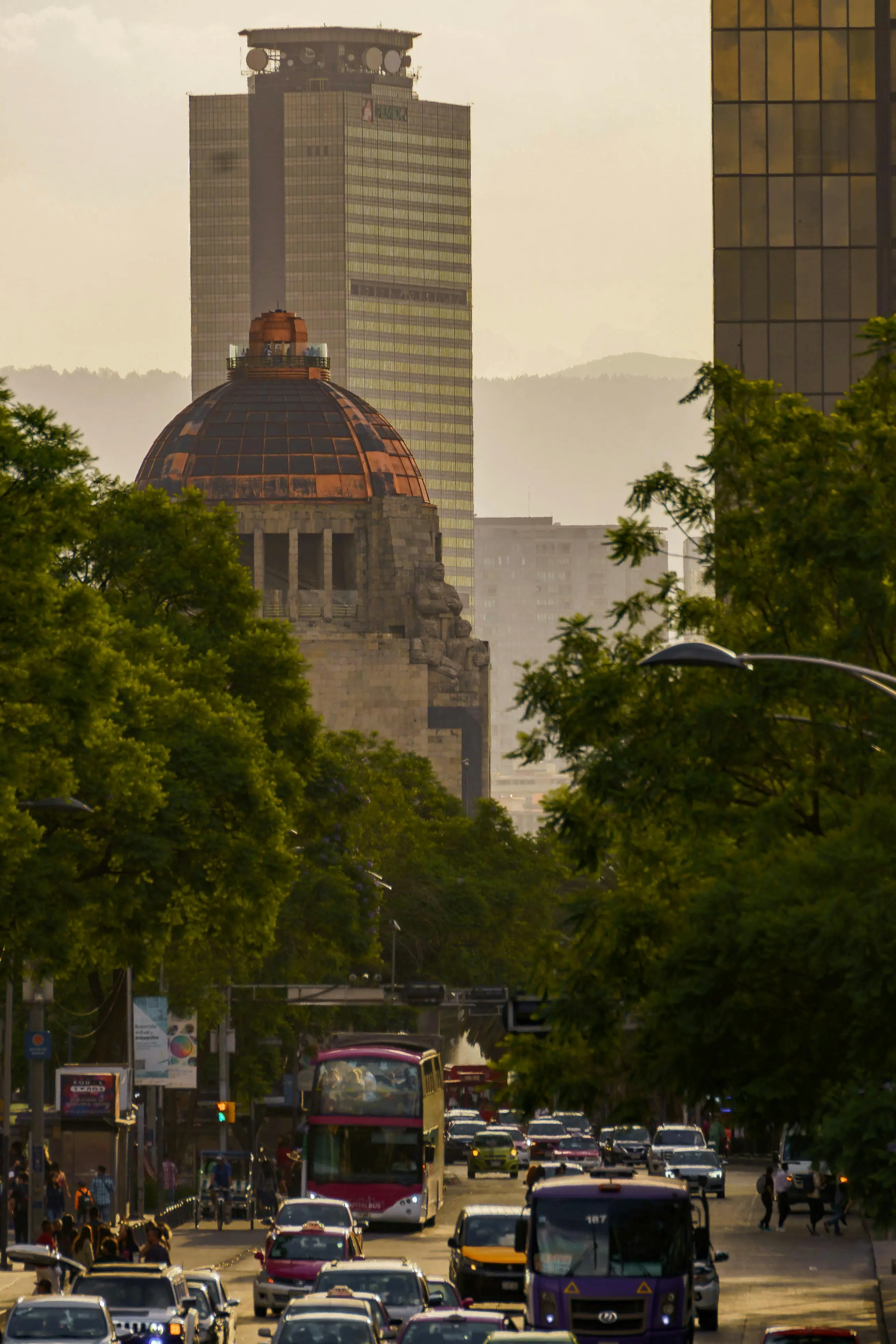
Metro, Bus, and Uber: What Each Costs and When to Use Them
The metro covers most of the city you'll actually use as a remote worker — the gaps are where Uber earns its place in your budget.
Mexico City Metro single journey: MX$5 ($0.25) — no daily cap, no weekly pass, just the cheapest urban rail fare of any major city in the world
Metrobús (BRT bus system): MX$6 ($0.30) per journey — requires a rechargeable card, covers corridors the metro doesn't reach including Insurgentes and Reforma
Uber: MX$60–MX$120 ($3–$6) for most cross-neighbourhood trips — reasonable for a single person, expensive if you're doing it four times a day
Ecobici bike-share: MX$479/month ($24) for unlimited 45-minute rides — covers Roma Norte, Condesa, Polanco, and Juárez without touching the metro
If your apartment is in Roma Norte or Condesa, Ecobici plus occasional metro covers most of your week — and the monthly transportation spend drops below MX$600 ($30) without much effort.
Getting to and from the Airport on a Budget
The airport transfer is one of the few moments in Mexico City where the cheap option genuinely competes with the convenient one.
Mexico City Metro Line 5 to Terminal 1: MX$5 ($0.25) — direct from central neighbourhoods, but involves a change at Pantitlán which is busy and confusing the first time
Authorised airport taxi to Roma Norte: MX$350–MX$450 ($17–$22) — buy the ticket inside the terminal before you exit, never negotiate outside
Uber from central neighbourhoods to the airport: MX$200–MX$350 ($10–$17) — only works departing, not arriving (Uber pickups from the airport are restricted)
AIFA (Felipe Ángeles International Airport): a bus from the city centre costs MX$130 ($6.50), but it's 50km north — only relevant if your flight forces it
The easiest way to save money on getting around is to load a rechargeable Metro card — a single journey costs just 5 MXN, which makes the entire network one of the cheapest urban transit systems in the Americas.
Most remote workers on a monthly stay use the metro to arrive and Uber to leave — the asymmetry is just how the airport access works, and budgeting MX$400 round-trip is realistic.
Practical Tips That Actually Affect Your Budget: Tap Water, Transport, and More
None of these are secrets — they're just the things that take a week of living here to figure out, and knowing them in advance removes friction from every purchase decision.
Markets vs. Supermarkets: Where Your Grocery Money Goes Further
The price gap between a local market and a Chedraui supermarket is real, but the supermarket saves time — which matters when you're working a full remote schedule.
Mercado de la Ciudadela near Centro Histórico: produce is 30–50% cheaper than supermarkets, open daily, small stalls with no fixed prices on everything
Tianguis Cultural del Chopo: Saturday only, Buenavista neighbourhood — not a food market, but the cheapest place to buy second-hand books, electronics, and clothes if you need to kit out for a long stay
Chedraui and Walmart exist throughout the city — prices are consistent, produce quality is lower than markets, but the time cost of market shopping adds up across a week
Tortillería on any residential street: fresh tortillas at MX$18–MX$22/kg ($0.90–$1.10) — the most cost-efficient staple in the city, and they're on every other block in residential neighborhoods
The honest approach for remote workers: use the market for produce twice a week, the supermarket for everything else, and eat at the taco counter for lunch rather than cooking it — the maths works out cheaper and faster.
Tap water in Mexico City is not safe to drink, so carrying a filtered water bottle — brands like LifeStraw or Grayl work well — saves you 20–40 MXN daily that you would otherwise spend on single-use plastic bottles at OXXO.
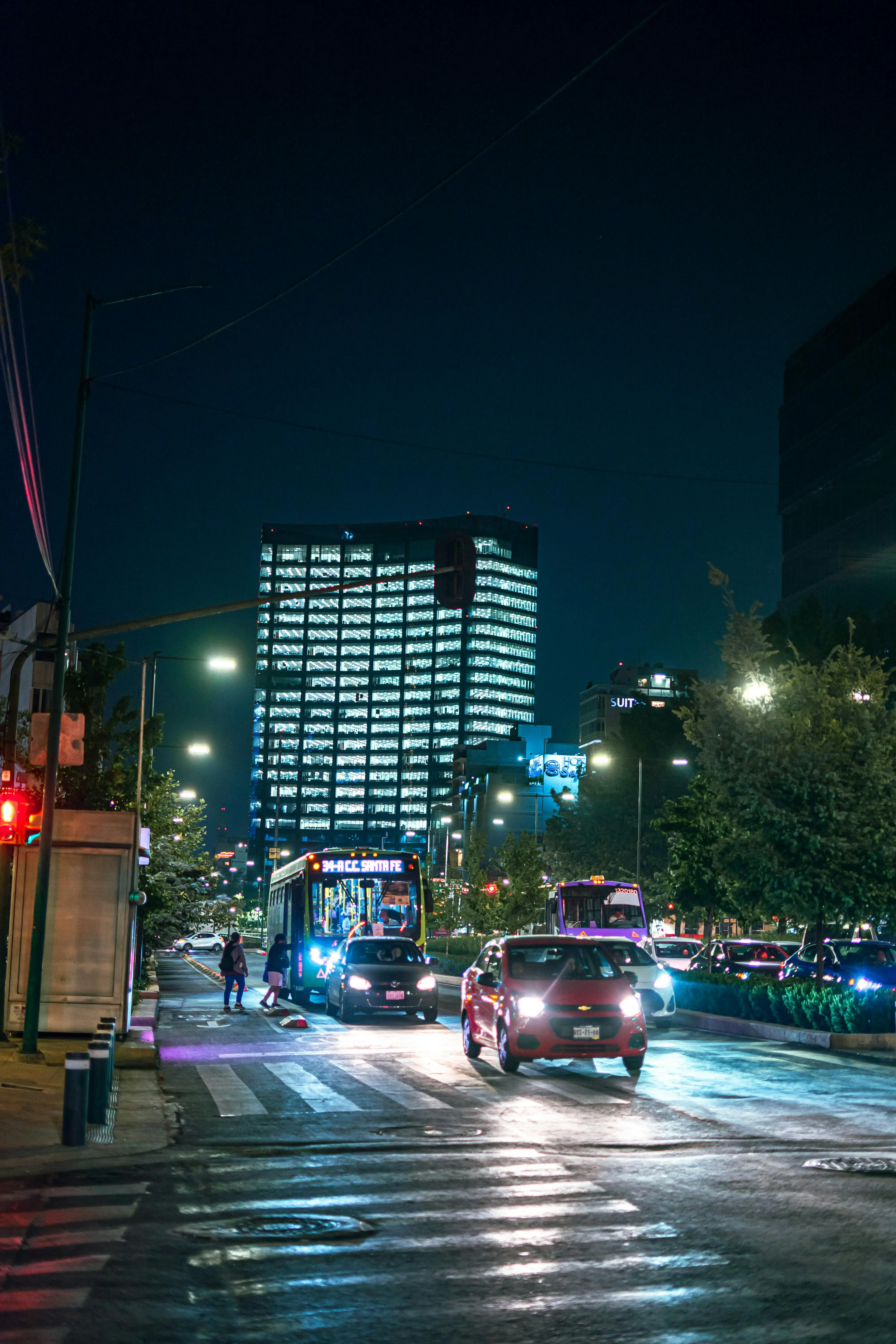
Free Museums and What They Actually Cost You in Time
Mexico City has some of the best museums in the world, and several are free on Sundays — but "free" doesn't account for the hour you spend waiting in a queue.
Museo Soumaya in Polanco: free every day, no reservation required — one of the most architecturally striking buildings in the city, with a Rodin collection that surprises most visitors
Museo del Carmen in San Ángel: MX$85 ($4.25) on weekdays, free Sunday — significantly fewer visitors than the Antropología, worth it for that reason alone
Museo Frida Kahlo in Coyoacán: MX$270 ($13.50) — not free on Sundays, reservations required, sells out days in advance; budget the ticket and book early
Most national museums are free on Sunday, but hours typically run 10am–5pm — arriving after 2pm on a Sunday means less crowd and the same free admission
If you plan to spend money on museums across a month, MX$800–MX$1,000 ($40–$50) covers every paid admission worth having — and Sundays handle the rest for free.
Is Mexico City Worth It for a Trip to Mexico? Who the City Suits
How Long You Need to Stay Before Mexico City Makes Financial Sense
A week in Mexico City is an expensive experiment; a month is when the economics actually work in your favour.
At one week, you're paying tourist-rate accommodation, eating in the obvious restaurants, and burning time on logistics you haven't figured out yet
At one month, furnished apartment costs drop significantly, and you start cooking, commuting, and spending like a resident rather than a visitor
A realistic mid-range monthly budget of $1,500–$1,800 USD covers a well-located furnished apartment, quality food, and regular cultural spending
That budget delivers a standard of living — neighbourhood quality, food scene, infrastructure — that few cities of this scale can match at anywhere near the price
If you earn in dollars or euros and spend in pesos, Mexico City is one of the most cost-effective places in the world to base a remote work life — but only if you give it enough time to stop feeling foreign.
What Mexico City Rewards and What It Punishes
Mexico City suits people who find energy in urban density and adapt fast; it actively frustrates people who need predictability and quiet.
The altitude sits at 2,240 metres and hits some arrivals hard for the first week — headaches, fatigue, and shortness of breath are common before acclimatisation
Central neighbourhoods like Roma and Condesa run loud through the night; this is not a city that quiets down at 10pm
If you're used to a smaller European city where transport runs on a schedule and infrastructure is consistent, the informality here will wear you down
If those trade-offs don't bother you, the combination of cultural depth, food quality, and cost-of-living is genuinely hard to replicate anywhere else at this scale
The people who thrive here long-term aren't the ones who tolerate Mexico City's friction — they're the ones who stop noticing it.
For anyone interested in architecture and culture, Palacio de Bellas Artes alone justifies the trip — entry to the main hall is free, and the murals by Diego Rivera and David Alfaro Siqueiros are genuinely world-class.
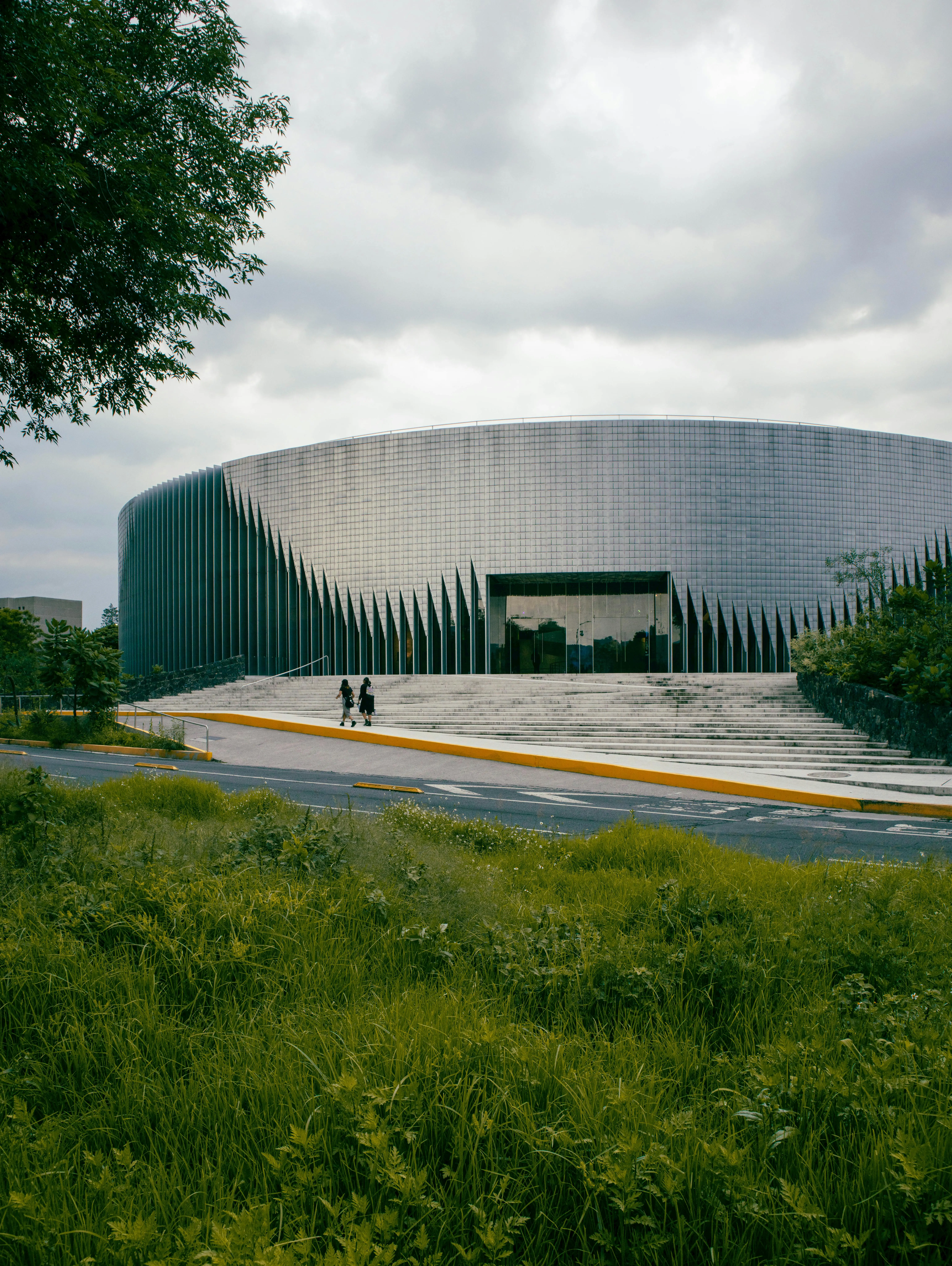
Finding the Right Base Before the Best Options Disappear
Mexico City's furnished rental market moves faster than most remote workers expect, and neighbourhood choice makes or breaks the experience.
Roma Norte and Condesa offer the best walkability and café infrastructure for remote workers, but available monthly inventory turns over quickly
Polanco suits people who want quieter streets and proximity to international amenities, at a moderate price premium over Roma
Coyoacán and Narvarte attract longer-term residents looking for neighbourhood character without the tourist density of the central colonias
Booking a month-long furnished stay before arrival — rather than deciding on the ground — protects you from settling for whatever is left in an unfamiliar city
Explore fully furnished apartments in Mexico to find monthly stays across the city's best neighbourhoods before the best inventory goes.