Maya
Culture & Exploration Editor ·
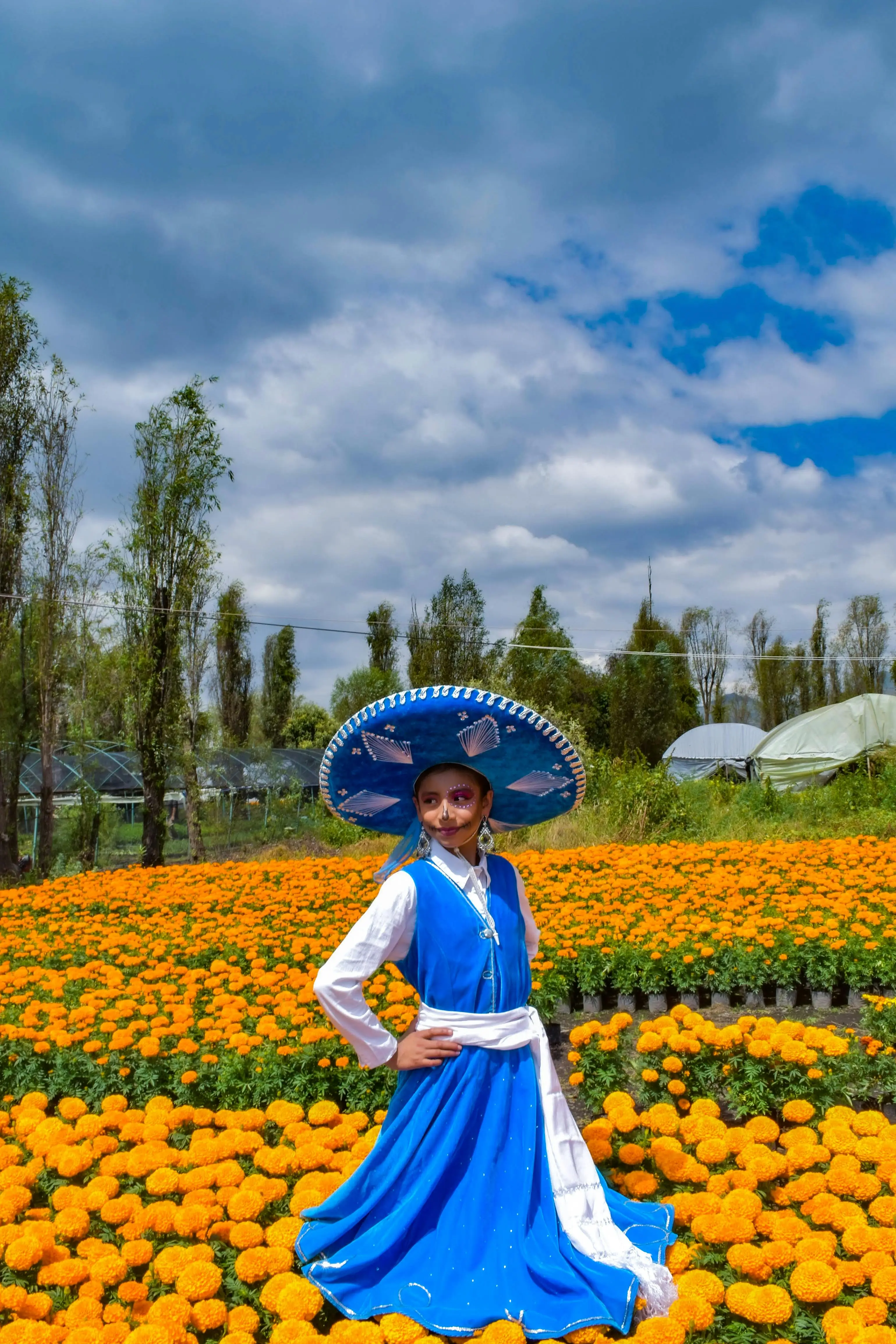
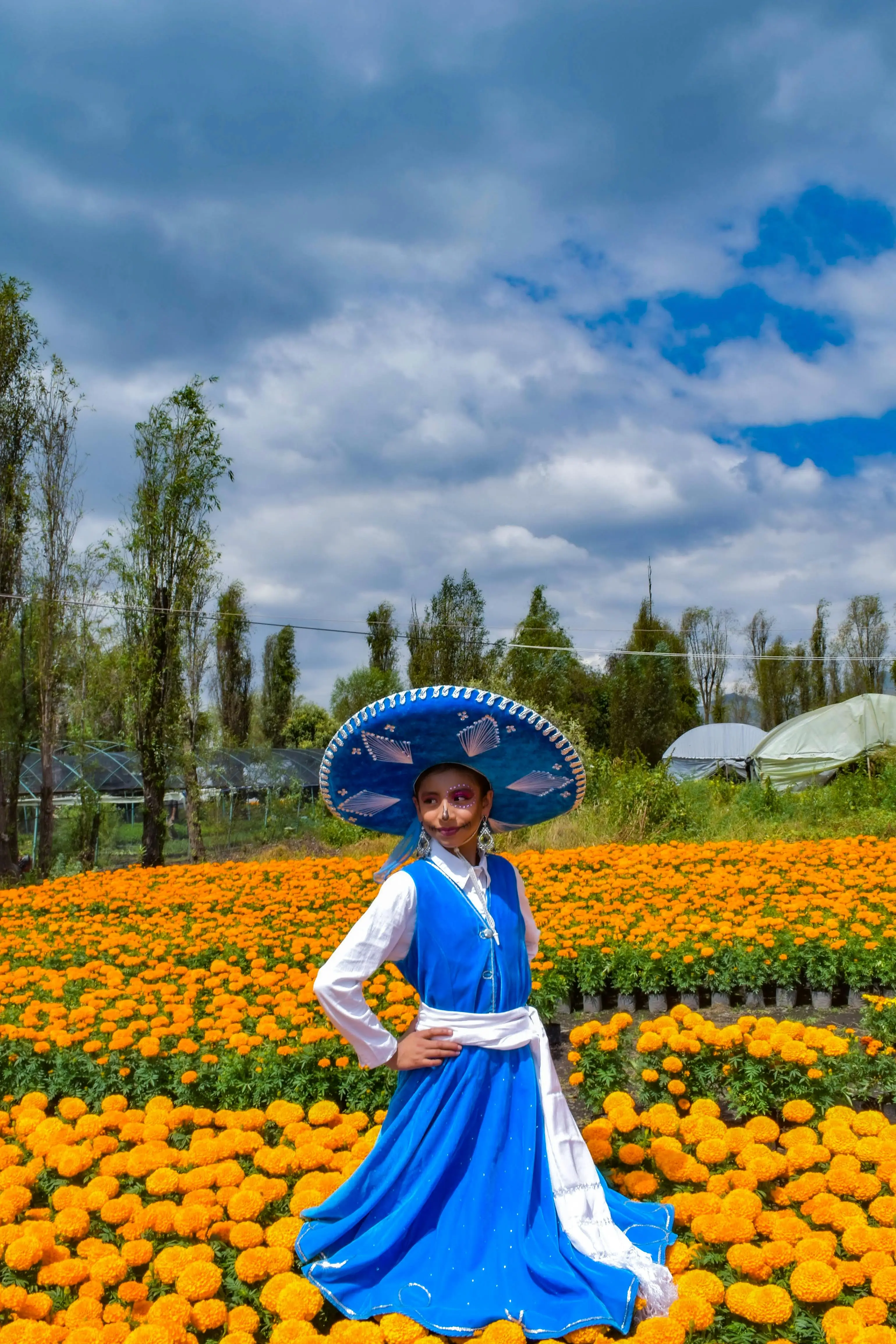
Mexico City is a major city that doesn’t try to impress you all at once—and that’s exactly why it works. With more than 21 million people, it’s one of the largest cities in the world, and every neighborhood operates on its own rhythm. Ancient Aztec ruins sit beside colonial plazas. Visiting during Día de los Muertos offers a chance to experience one of Mexico City's most vibrant and colorful cultural celebrations, with decorations and festivities throughout the city. Street food stalls thrive next to fine dining restaurants. Art deco buildings, modern art spaces, and everyday local life blend into something that feels lived-in rather than staged.
This guide to Mexico City is written for travelers who want depth, not checklists. It’s for those planning to visit Mexico City and wondering how to balance landmarks with neighborhoods—or deciding where to stay in Mexico City without losing time to traffic or tourist traps. The focus is practical, walkable, and grounded in real places locals actually use.
In this guide, you’ll find:
-
Historic sites in the historic center, including the city’s main square and major landmarks
-
Cultural highlights like Chapultepec Castle, world class museums, and modern art spaces
-
Food experiences ranging from street food stalls to cocktail bars and rooftop views
-
Neighborhood walks through Roma Norte, Condesa, and San Ángel
-
Tips for moving around a huge city using public transportation and Uber
It’s a city you don’t rush. The more time you give it, the more it gives back.
Introduction to Mexico City: A Local’s Perspective on the World’s Most Vibrant Metropolis
Mexico City is a metropolis that defies easy definition—a place where every street corner tells a different story and every neighborhood pulses with its own energy. As the largest city in Latin America and a designated UNESCO World Heritage Site, it’s a destination that rewards curiosity and a willingness to explore beyond the obvious. Here, ancient Aztec ruins rise beside colonial cathedrals, while art deco buildings and bold modern art galleries line leafy boulevards.
To visit Mexico City is to step into a world where history and creativity are woven into daily life. The city’s historic center is anchored by the grand Plaza de la Constitución, with the Palacio de Bellas Artes gleaming nearby and the iconic Paseo de la Reforma stretching toward the skyline. Just steps away, you’ll find the Templo Mayor—one of the most impressive archaeological sites from the Aztec Empire—reminding you that this city’s roots run deep.
But Mexico City is as much about the present as the past. The street food scene is legendary, from al pastor tacos sizzling at late-night stalls to the famous hot chocolate served at classic cafés. Trendy coffee shops and fine dining restaurants fill neighborhoods like Roma Norte and La Condesa, where art deco buildings and vibrant street art create a backdrop for everyday life. Take a street food tour to sample the best of Mexican cuisine, or simply wander and let your senses guide you.
Culture lovers will find world class museums at every turn, from the Museo Nacional de Antropología—home to treasures from across Mexico’s civilizations—to the Frida Kahlo Museum, also known as Casa Azul or the Blue House, which offers an intimate look at the life and work of Frida and her husband Diego Rivera. Don’t miss the energy of a Lucha Libre match at Arena Mexico, or the chance to stroll through Chapultepec Park, the city’s green heart.
Whether you’re here for the art, the food, the history, or the sheer thrill of exploring a city that never stands still, Mexico City is absolutely worth visiting. Stay in Mexico City for a few days or a few months—there’s always another neighborhood to discover, another market to browse, another mural to admire. With its blend of ancient and modern, tradition and innovation, this is a city that invites you to slow down, look closer, and experience Latin America’s most vibrant capital like a local.
Historic Center Highlights: The City’s Main Square and Beyond
The historic center is where Mexico City feels most layered. This compact area packs together political power, religious landmarks, and some of the city’s most important archaeological discoveries. It’s busy, loud, and constantly moving—but it’s also one of the best places to understand how Ciudad de México came to be. Plan to arrive early here; mornings are calmer, cooler, and far easier to explore on foot.
Plaza de la Constitución and the Metropolitan Cathedral
Often called the Zócalo, Plaza de la Constitución is the city’s main square and one of the largest public squares in the world. This is where daily life, protests, celebrations, and national ceremonies all collide.
Right beside it stands the Metropolitan Cathedral, the oldest and largest cathedral in the Americas. Step inside to see baroque altars, chapels sinking slightly into the former lakebed, and a quiet contrast to the chaos outside. Look up front for the enormous Mexican flag, raised and lowered every day.
Practical tips
-
Free entry to the cathedral
-
Best visited before 10am
-
Expect security checks during major events
National Palace and Diego Rivera’s Murals
The National Palace stretches along the eastern edge of the main square and remains an active government building. Inside, you’ll find some of the most important murals by Diego Rivera, depicting Mexico’s history from the Aztec Empire through revolution and modern times.
The murals are powerful, dense, and surprisingly accessible—even if you don’t know much about Mexican history yet.
What to know
-
Free entry with ID
-
Closed on Mondays
-
Allow at least 45 minutes
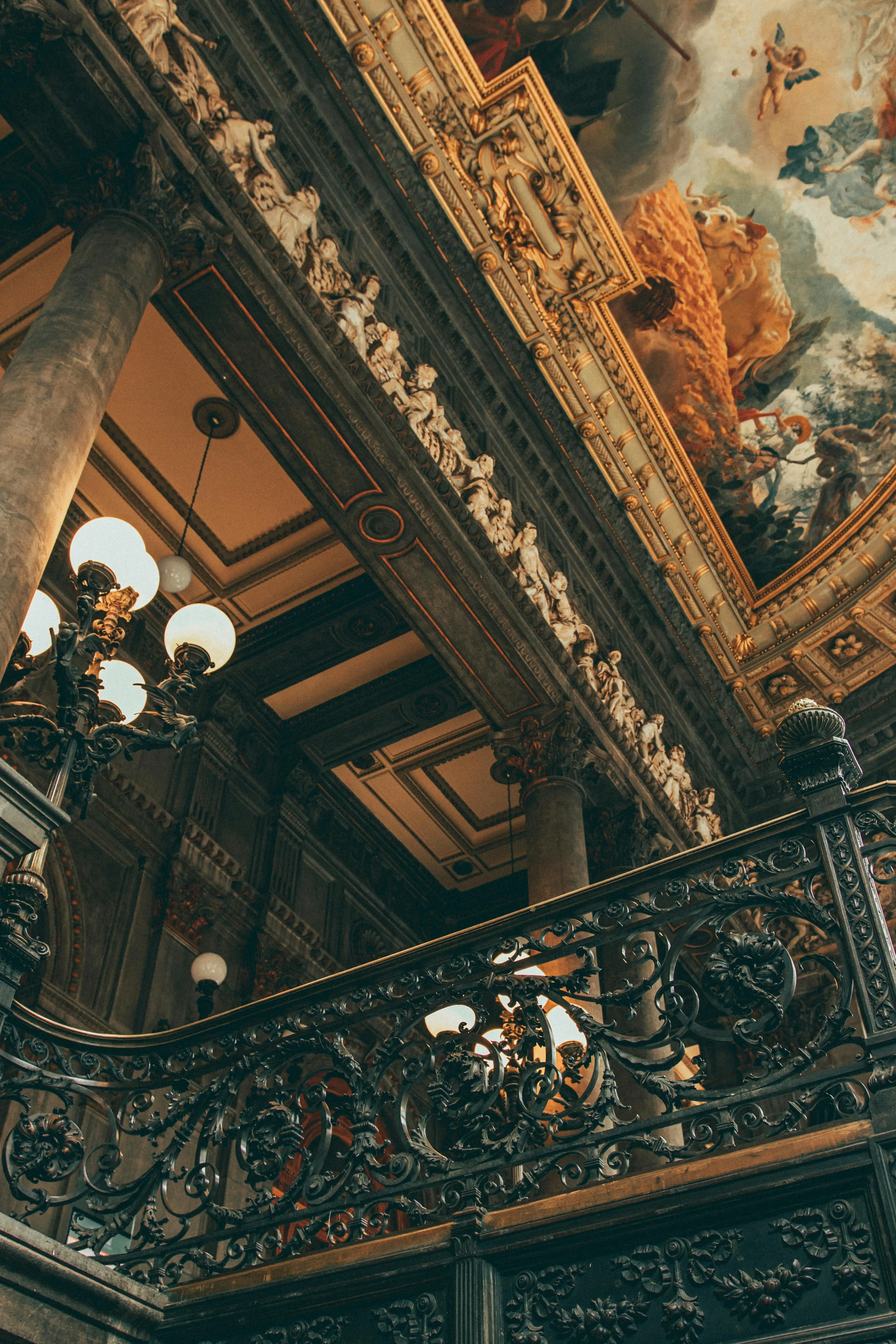
Templo Mayor and Ancient Aztec Ruins
Just steps from the cathedral, Templo Mayor reveals the remains of the sacred center of the Aztec capital, Tenochtitlán. This is one of the most impressive archaeological sites within a modern city anywhere in the world.
You’ll see excavated temples, skull racks, and ceremonial platforms—evidence of a civilization that once dominated much of Latin America.
What to know
-
Entry around 90 MXN
-
On-site museum included
-
Combine with a short walk through nearby streets selling books, coins, and antiques
The historic center isn’t just about ticking off main attractions. It shows how modern life layers directly on top of ancient foundations. Once you’ve walked the square, explored the cathedral, and stood among the ruins, the rest of the city starts to make a lot more sense.
Chapultepec Park and Museums: How the City Slows Down
In a major city as dense and fast-moving as Mexico City, Bosque de Chapultepec plays a different role than a typical tourist park. This is where locals come to reset. Runners loop shaded paths before work, families picnic on weekends, and museum visits are folded into everyday routines. It’s less about ticking off sights and more about understanding how culture and public space intersect here.
Chapultepec Castle and Views Over the City
Rising above the trees, Chapultepec Castle is best approached for its setting rather than its exhibits alone. The walk uphill offers one of the few elevated perspectives in a mostly flat city, with views stretching across Paseo de la Reforma toward the skyline.
Inside, the focus is on how power and history have shifted over time, but even a short visit feels worthwhile for the terraces alone.
Helpful to know
-
Entry is inexpensive and capped daily
-
Midweek mornings are quietest
-
Combine with a walk rather than rushing through
National Museum of Anthropology: Context, Not Just Artifacts
The National Museum of Anthropology, also known as the Museo Nacional de Antropología, isn’t a museum you rush. It’s the place that makes the rest of the city legible. From the Aztec Empire to earlier civilizations, the exhibits provide context for everything you’ll see later—from ruins in the historic center to symbols embedded in modern architecture.
Locals often recommend picking just a few halls rather than attempting everything in one visit.
Planning tips
-
Expect to spend at least two hours
-
Shaded courtyard makes a good pause point
-
Best paired with a long walk afterward
Everyday Chapultepec: Lakes, Paths, and Local Life
Beyond museums, the park itself is the experience. Paddle boats drift across the lake, street vendors sell snacks, and shaded benches fill with people taking breaks from the city. This is where local life becomes visible in small ways—families, couples, and solo walkers all sharing the same space.
It’s also one of the easiest places to slow your pace without leaving the city.
Why this area matters
Chapultepec shows how Mexico City balances scale with livability. Instead of being cordoned off for tourists, it functions as a shared space—one that blends culture, movement, and rest. Spending time here makes the city feel more human and far less overwhelming.
Street Food in Mexico City: How the City Actually Eats
Street food in Mexico City isn’t a side attraction—it’s infrastructure. Meals happen standing up, leaning against counters, or perched on plastic stools. Vendors specialize in one thing, do it all day, and sell out when it’s gone. This is where Mexican cuisine shows its everyday logic: fast, affordable, and deeply regional.
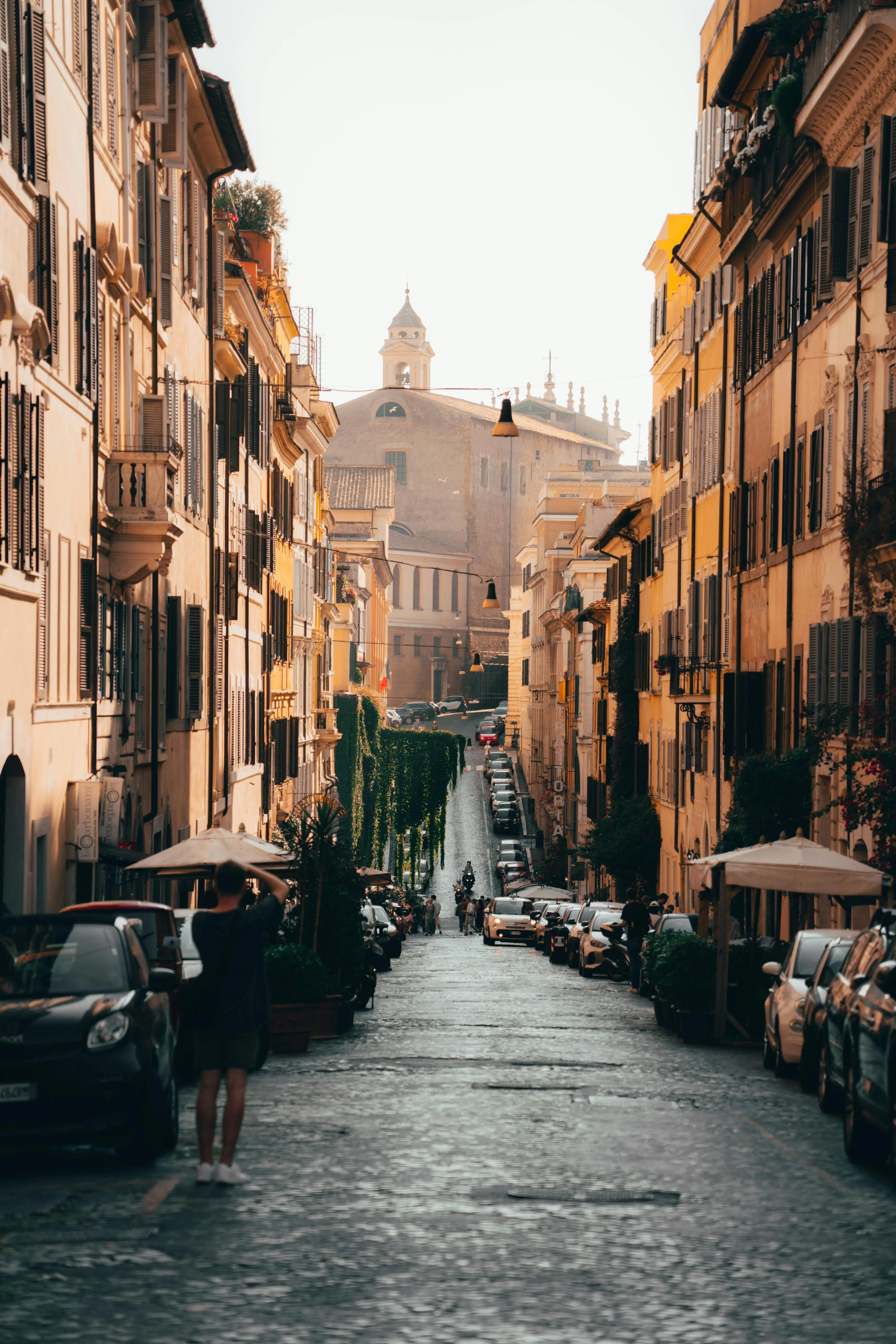
Tacos al Pastor and the Corner Stand Economy
The most recognizable sight is the vertical spit—layers of marinated pork turning slowly, pineapple on top. Al pastor tacos are everywhere, but quality varies block by block.
Reliable spots locals return to:
-
El Vilsito (Narvarte) – late-night favorite, tacos around 25 MXN
-
Taquería Los Cocuyos (historic center) – compact menu, consistently good
-
El Huequito (multiple locations) – cleaner setup, slightly higher prices
Most stands operate on rhythm rather than schedules. When you see a crowd, that’s your signal.
Markets That Go Beyond Snacks
For a broader view of street food stalls, markets matter more than single vendors. They’re also easier places to try multiple dishes without hopping neighborhoods.
-
Mercado de San Juan – known for specialty meats and ingredients you won’t see elsewhere
-
Mercado de Coyoacán – tostadas, tortas, and aguas frescas in a single loop
-
La Merced – chaotic, enormous, and closer to wholesale than curated
Prices stay low, portions are generous, and menus rarely change.
El Moro, Churros, and Hot Chocolate as a Ritual
Some foods are less about hunger and more about habit. El Moro has been part of that rhythm since the 1930s. Locals stop in after dinner, before heading home, or late at night.
At Churrería El Moro, the order rarely changes:
-
Fresh churros, plain or filled
-
Thick hot chocolate, served several styles (Spanish is the richest)
It’s casual, fast, and unpretentious—exactly why it works.
Street Food Tours vs. Wandering Solo
A street food tour makes sense if it’s your first visit or if you want context quickly. Guides explain regional differences, sourcing, and what to avoid. Expect to pay more, but also to try things you wouldn’t order blind.
If you go solo:
-
Eat where turnover is high
-
Stick to cooked foods
-
Follow office workers at lunch
Both approaches are valid; they just serve different travel styles.
From Street Food to Fine Dining (Without Switching Cities)
One of the defining features of Mexico City is how easily you move between informal and high-end eating. The same neighborhoods known for tacos also host fine dining, cocktail bars, and bakeries with international reputations.
That contrast is normal here—not a special occasion.
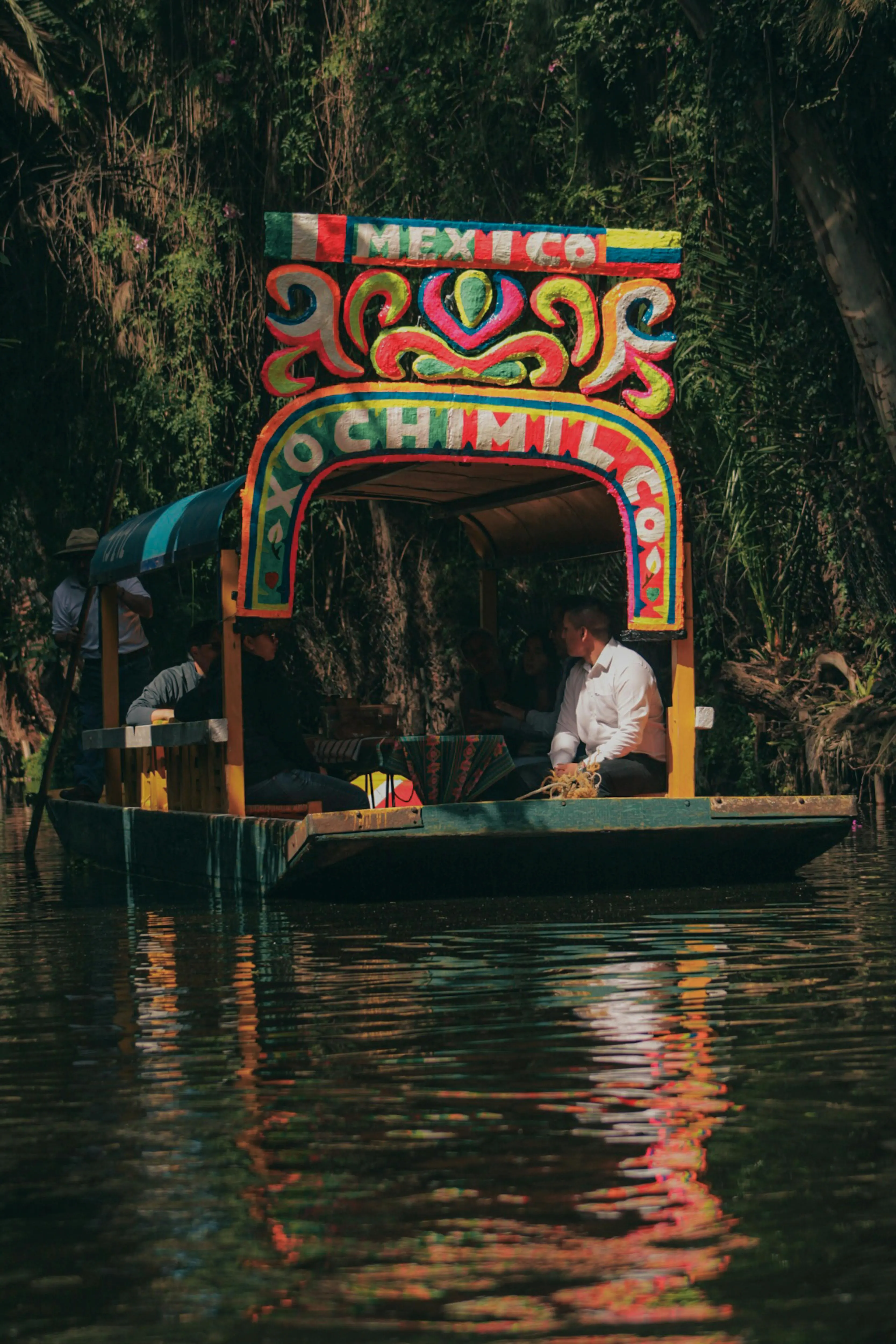
Roma Norte: Where to Stay in Mexico City for Local Life and Cool Places
If you’re choosing where to stay in Mexico City, Roma Norte is the easy answer for people who want the city to feel walkable instead of logistical. The streets are lined with restored art deco buildings, small parks, and cafés that function like informal coworking. Plaza Rio de Janeiro, a picturesque square and central gathering spot in Roma Norte, is perfect for people-watching and experiencing the neighborhood's character. You can spend a full day here without “commuting” across town, which matters in a huge city where traffic can quietly eat your plans.
Plaza Río de Janeiro and the “sit-and-watch” center of the neighborhood
Plaza Río de Janeiro is the kind of spot that turns a busy trip into something calmer. It’s not a landmark you photograph and leave—it’s where you stop between errands, coffee, and dinner. Go late morning or early evening and you’ll catch the neighborhood’s real rhythm: dog walkers, street musicians, couples on benches, and friends meeting before heading out.
Nearby streets worth wandering slowly:
-
Orizaba (leafy, residential, great for architecture spotting)
-
Álvaro Obregón (cafés, restaurants, constant movement without feeling chaotic)
-
Colima (design shops, small galleries, easy people-watching)
Explore Roma Norte in our neighborhood guide.
Coffee shops and trendy coffee shops that actually work for a workday
Roma Norte is full of coffee shops, but only a few consistently feel comfortable for a longer sit. These are the places people return to for laptop time, not just a quick espresso.
Reliable picks:
-
Café Nin – calm energy, strong pastries, good for a slow morning
-
Blend Station – plenty of seating, steady WiFi, easy for a few focused hours
-
Buna – quality coffee, quieter corners, consistent service
-
Panadería Rosetta – famous for pastries (go early), best as a short stop rather than an all-day setup
Small but real tactic: on weekdays, aim for a seat before lunch. After that, the neighborhood fills up fast.
Local art without turning it into a museum day
Roma Norte is great for “drop-in” culture—short visits that don’t consume half your day. If you want local art and art galleries without a heavy itinerary, use Roma as your base and do quick stops between meals.
Good options in and around Roma:
-
Galería OMR (nearby) – contemporary program, easy to browse
-
Kurimanzutto (nearby) – one of the best-known contemporary galleries in the city
-
Pop-up exhibition spaces along Colima and Córdoba (watch for posters and weekend openings)
Cocktail bars and rooftop bars for an easy night out
Roma Norte does evenings well because you don’t have to “go out-out” to enjoy it. Most nights start with a drink and a walk, then turn into dinner somewhere close by. For cocktail bars, the sweet spot is early evening when it’s lively but not packed.
A few dependable styles to look for here:
-
Mezcal-forward menus with seasonal ingredients
-
Low-light bars built for conversation
-
Casual wine bars that feel social without being loud
For views, the best rooftop bars tend to sit on the edges of Roma and neighboring corridors—good for sunset, less ideal for late-night noise.
Why it works when you visit Mexico City for more than a weekend
Roma Norte is one of the few areas where you can stack your day naturally—coffee, a park break, a gallery stop, dinner, then drinks—without constantly thinking about transport. That’s why it’s a common base for longer stays: you can keep plans simple and still feel like you’re getting depth.
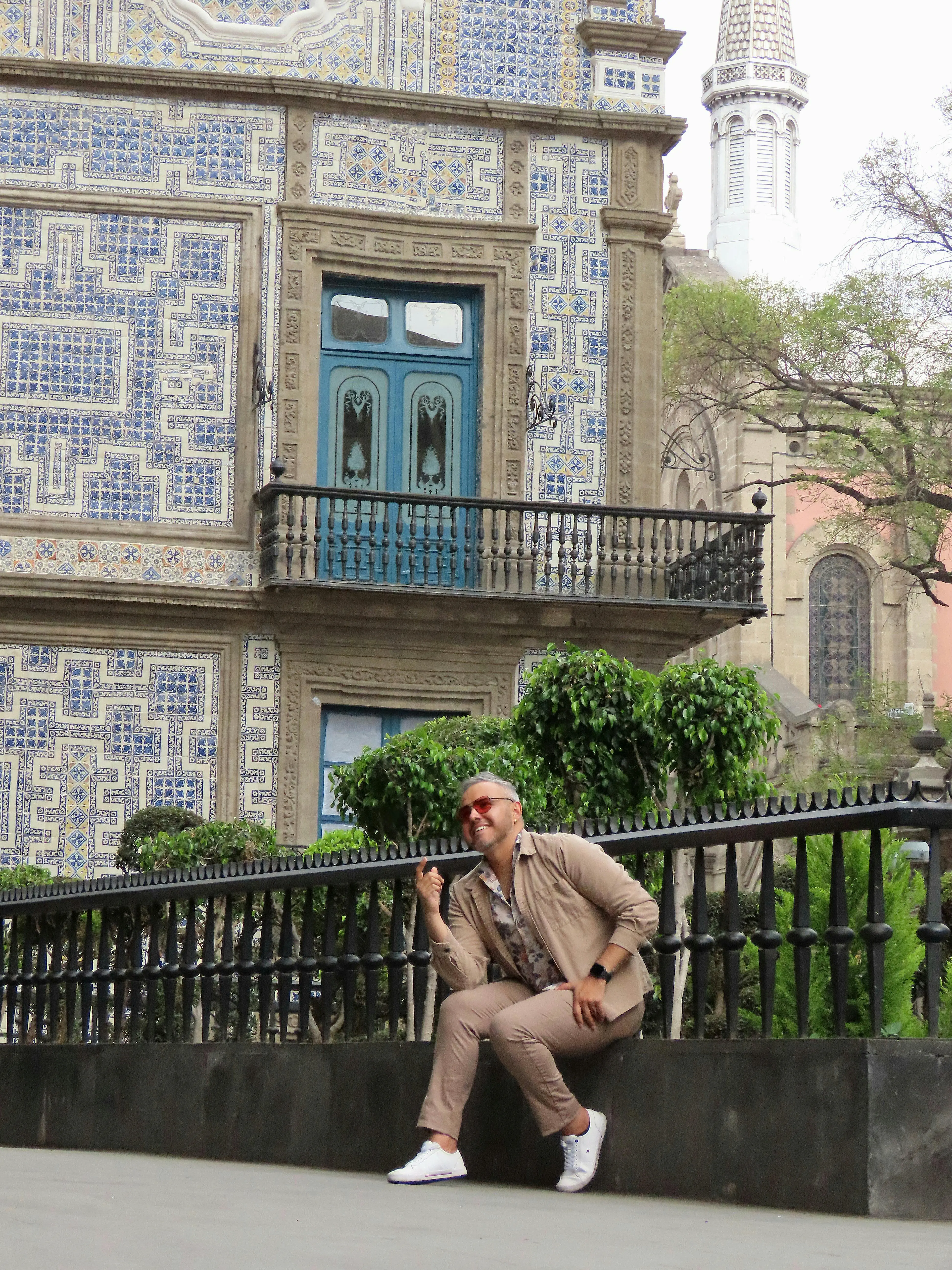
San Angel: A Slower Side of the City Built Around Art and Tradition
San Angel feels deliberately unhurried. Cobblestone streets, low colonial houses, and shaded plazas give this southern neighborhood a rhythm that’s noticeably different from the city center. It’s the kind of place people come to wander without a plan, especially on weekends, when markets and courtyards pull local families outdoors.
Plaza San Jacinto and the Weekend Bazaar
At the heart of San Angel is Plaza San Jacinto, best known for its Saturday art bazaar. Painters, printmakers, and craftspeople set up beneath the trees, selling original work rather than souvenirs. Prices vary widely, but even browsing gives a sense of how deeply local art is woven into daily life here.
Surrounding streets are lined with small galleries, bookstores, and cafés that feel rooted rather than trendy. This is one of the easiest places to experience Mexico City without feeling rushed.
Casa Estudio Diego Rivera and Artistic Legacy
Just a short walk away is Museo Casa Estudio Diego Rivera, a museum dedicated to the personal and professional lives of Diego Rivera and Frida Kahlo. Unlike the Blue House, this space focuses on their working lives and architectural experimentation.
The site offers insight into Rivera’s creative process and his relationship with Kahlo—who later became his husband Diego Rivera’s most enduring collaborator and counterpart. It’s quieter, more reflective, and easier to visit without crowds.
Food Stops That Match the Pace
San Angel isn’t about chasing the newest opening. Meals here are slower and often traditional.
Worth planning around:
-
El Cardenal (San Ángel location) – classic breakfasts and long lunches
-
San Ángel Inn – historic setting, best enjoyed for the atmosphere
-
Small cafés tucked along Altavista for simple coffee and people-watching
This neighborhood works best if you let it take half a day rather than squeezing it between other plans.
Cool Places in Mexico City That Break the Usual Rhythm
Some experiences in Mexico City don’t fit neatly into museums or neighborhoods. These are the cool places people remember long after the trip—because they’re participatory, slightly chaotic, or visually unforgettable. Parque Mexico in Condesa is a vibrant park known for its lively atmosphere, recreational activities, and as a favorite spot for both locals and visitors to relax and people-watch.
Xochimilco Canals and Floating Weekends
A UNESCO World Heritage Site, Xochimilco preserves remnants of ancient waterways once used by the Aztec Empire. Today, visitors rent colorful trajineras and drift through canals with food, music, and passing mariachi bands.
Practical notes:
-
Boats are rented by the hour
-
Go earlier in the day for a calmer experience
-
Bring snacks or buy from passing vendors
It’s social, loud, and unlike anything else in the city.
Lucha Libre at Arena Mexico
Seeing lucha libre live at Arena Mexico is part sport, part theater. Masks, chants, and dramatic storylines pull the crowd into the show, even if you’ve never watched wrestling before.
Tickets are affordable, matches are frequent, and the experience is more about atmosphere than understanding the rules.
Paseo de la Reforma and Iconic Views
Walking along Paseo de la Reforma connects several of the city’s most recognizable landmarks. The Angel de la Independencia acts as both monument and meeting point, especially on weekends.
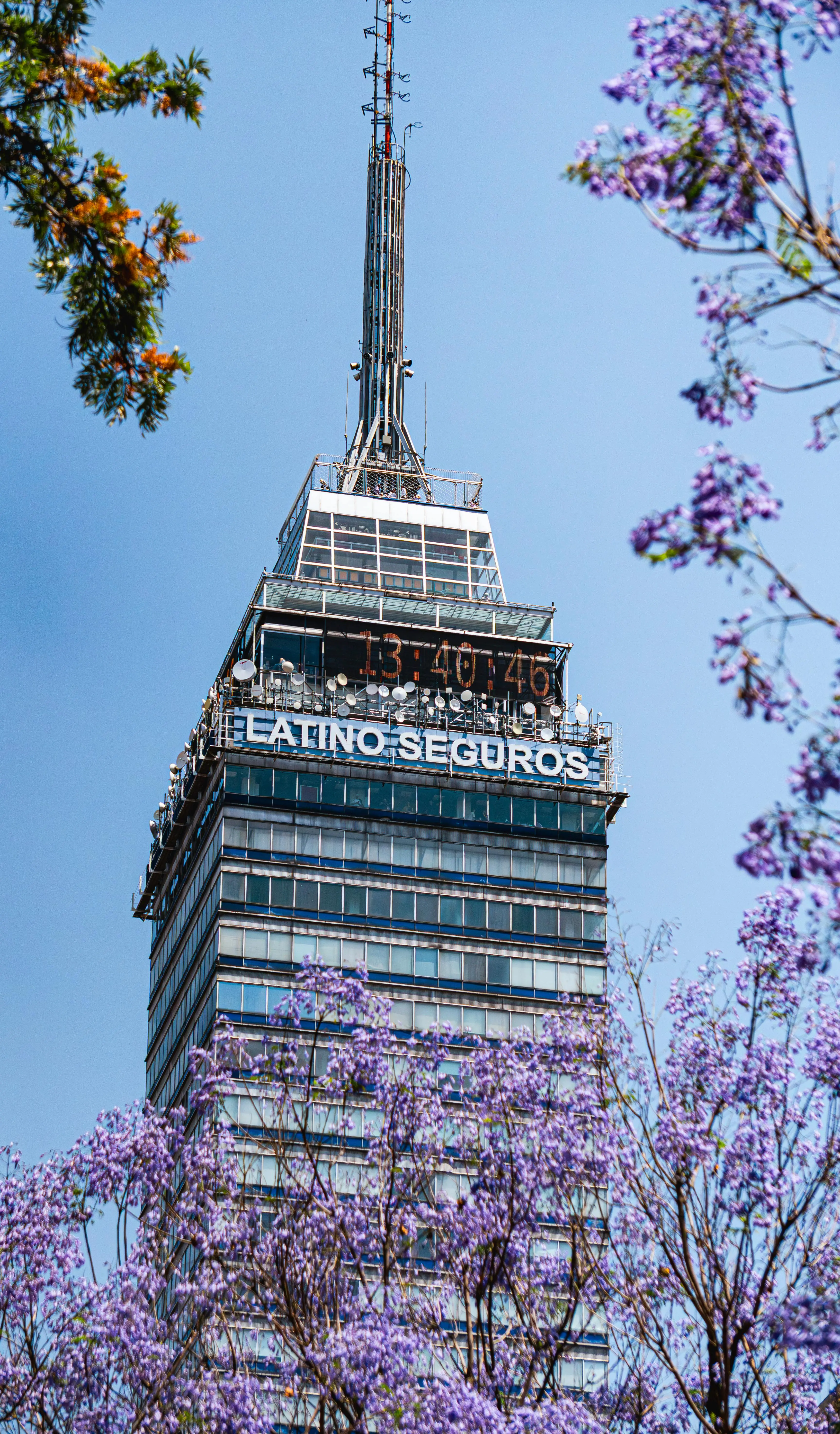
For a wider perspective, head up the Latin American Tower, where the observation deck offers sweeping views across one of the world’s largest urban areas. It’s one of the best ways to understand the scale of the city.
Why These Places Work Together
What ties these experiences together isn’t location—it’s contrast. Canals, wrestling arenas, and skyline viewpoints show how varied the city’s social life really is. They add energy to a trip without requiring deep planning or cultural prep.
Cool Places in Mexico City: What to Actually Do (and When to Do It)
Some of the most memorable experiences in Mexico City aren’t tied to neighborhoods or long itineraries. They’re standalone moments—things you plan one part of the day around, then let the rest unfold naturally. These cool places work because they’re visual, participatory, and easy to slot into a short stay or a longer base if you’re trying to explore Mexico City without rushing.
Xochimilco: A UNESCO World Heritage Site Best Done Midday
Xochimilco is one of the most social experiences in the city and a UNESCO World Heritage Site that still feels actively used rather than preserved behind glass. The canals trace agricultural systems from the Aztec Empire, making this one of the most impressive archaeological sites still woven into daily life.
How to do it well
-
Go late morning or early afternoon
-
Rent a trajinera by the hour (prices are negotiable)
-
Bring food or buy from boats selling snacks and drinks
It’s loud, communal, and very different from anything else you’ll do when you visit in Mexico City.
Lucha Libre at Arena Mexico: Nighttime Energy Without Planning
Seeing lucha libre at Arena Mexico is one of the easiest high-impact nights you can plan. Matches are theatrical, fast-paced, and welcoming even if you don’t understand the rules.
Practical notes
-
Tickets are inexpensive and widely available
-
Shows run several nights a week
-
Buy a mask outside the arena for atmosphere
It’s less about sport and more about collective energy—something that feels distinctly rooted in Latin America.
Palacio de Bellas Artes and the City’s Cultural Core
The Palacio de Bellas Artes anchors the city’s artistic identity. Even if you don’t attend a performance, stepping inside connects you to Mexico’s tradition of fine arts, murals, and public culture. Murals by Diego Rivera and others sit at the intersection of politics and creativity.
Pair this with a short walk through nearby streets for architecture and street-level detail rather than treating it as a single stop.
Chapultepec Castle and Bosque de Chapultepec at a Human Pace
Inside Bosque de Chapultepec, the experience isn’t just the greenery—it’s elevation. Chapultepec Castle, also known as Castillo de Chapultepec, offers one of the best views over the largest city in the country.
Best approach
-
Arrive early for quieter paths and clearer views
-
Spend time on the terraces rather than rushing interiors
-
Walk afterward instead of exiting immediately
This is one of those places that’s absolutely worth visiting even on a shorter trip.
Angel de la Independencia and the Latin American Tower at Sunset
Walking along Paseo de la Reforma connects several symbolic landmarks. The Angel de la Independencia works as a natural meeting point, especially in the early evening.
For scale, head up the Latin American Tower. The observation deck makes sense of the city’s size in a way maps never do, especially as lights start coming on.
Frida Kahlo Museum and Casa Azul (Plan Ahead)
The Frida Kahlo Museum, also called Casa Azul or the Blue House, sits in Coyoacán and requires advance tickets. It’s a museum dedicated to her life and work, offering personal context rather than broad art history.
If tickets are sold out, pair the neighborhood visit with nearby markets and cafés instead of forcing the stop.
Parque Lincoln and Parque México for Low-Effort Evenings
Not every cool experience needs planning. Parque Lincoln and Parque México are best in the late afternoon, when locals slow down after work. Sit, walk, watch—this is where local life becomes visible without effort.
They also work well if you’re trying to balance sightseeing with rest.
Getting Between Cool Places Without Losing Time
Because this is a major city, distance matters. Use public transportation for longer corridors, but rely on Uber for evenings or tight schedules. Walking works best in compact areas like Roma Norte, La Condesa, and the historic core.
These experiences don’t need to be stacked. Pick one or two per day and let the rest of the time breathe—that’s when the city opens up.
If you want to base yourself close to many of these experiences without spending half your trip in traffic, certain neighborhoods make daily exploring much easier.
Explore Roma Norte in our neighborhood guide to see how walkability, cafés, parks, and nightlife stack up in real life.
Where to Stay in Mexico City: Choosing the Right Base for Your Trip
Where you stay in Mexico City shapes how much of the city you actually experience. Distances are real, traffic is unpredictable, and even great plans can fall apart if your base doesn’t match your pace. Most travelers end up choosing neighborhoods that let them walk for everyday needs and use transport only when it counts.
Roma Norte and La Condesa: Walkable and Social
Roma Norte and La Condesa are popular for a reason. They’re compact, green, and easy to navigate on foot. Cafés, parks, restaurants, and bars are spaced closely enough that days unfold naturally instead of feeling scheduled.
These neighborhoods work especially well if you want to mix sightseeing with downtime—coffee in the morning, a park break in the afternoon, and dinner nearby without planning transport.
Polanco: Museums, Dining, and a Quieter Evenings
Polanco suits travelers who prefer wider streets, polished surroundings, and proximity to major museums. It’s less spontaneous than Roma or Condesa, but comfortable for longer stays, especially if fine dining and cultural institutions are high on your list.
Centro Histórico: Central but Demanding
Staying near the historic center puts you close to major landmarks, but the tradeoff is noise and crowds. It works best for short stays or if you plan to focus heavily on the historic core rather than neighborhood life.
San Ángel and Coyoacán: Slower, More Residential
San Ángel and nearby Coyoacán appeal to travelers who want a calmer pace and don’t mind being farther from the city’s core. These areas are best if you enjoy markets, museums, and quieter evenings over nightlife.
If you’re planning to spend more than a few days in the city, choosing the right base can save hours each week.
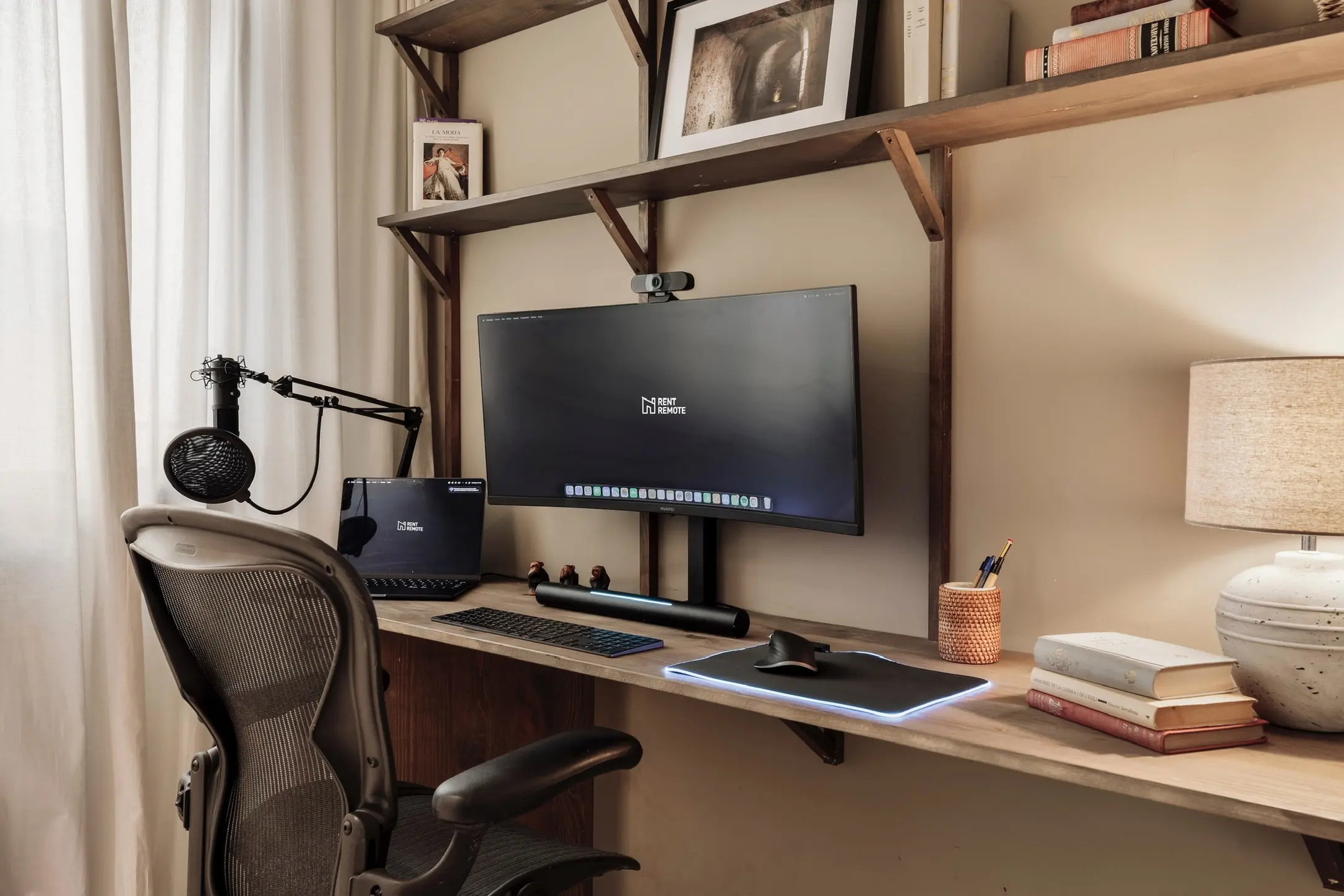
Browse fully furnished apartments in Mexico City designed for longer stays, remote work, and walkable neighborhoods.
Wrapping Up: Giving Mexico City the Time It Deserves
Mexico City isn’t a place you conquer in a checklist. It’s a city that opens up when you slow down—when you balance landmarks with neighborhoods, planned experiences with unplanned moments. From ancient ruins and public squares to parks, markets, and everyday routines, the most rewarding parts of the city tend to happen between the highlights.
The key is pacing. Pick a few cool things to do, give yourself room to wander, and choose a base that lets the city come to you rather than the other way around. Whether you’re here for a long weekend or settling in for a longer stay, the experience improves dramatically when logistics fade into the background.
If Mexico City is just the start, RentRemote also offers fully furnished apartments in Mexico, making it easier to explore other cities while keeping the same level of comfort and flexibility.