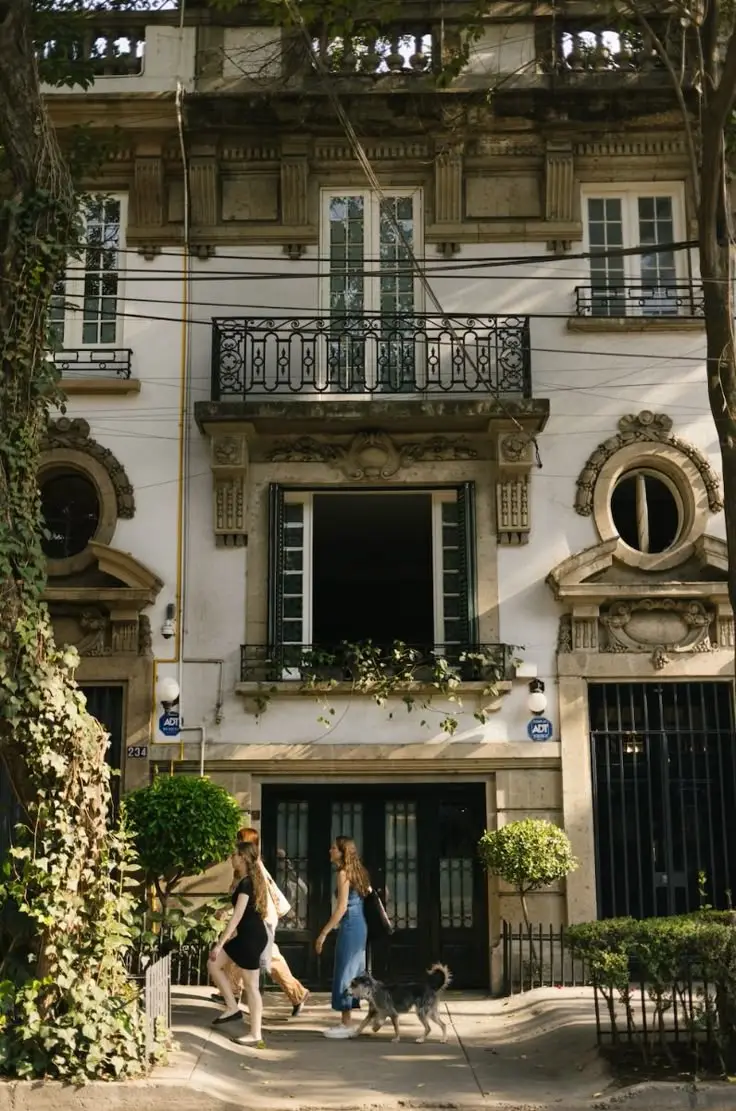
Is Mexico City Worth Visiting? A Digital Nomad’s Guide to CDMX
You’ve heard the hype: the street tacos, the WiFi cafés, the colonial charm that somehow survives the chaos. But is Mexico City worth visiting if you’re a remote worker with a laptop and a long to-do list?
Let’s break it down. Visiting Mexico City means diving into a mix of ancient ruins and rooftop coworking spaces, where your morning might start with a $2 espresso and end with a rooftop mezcal in Roma Norte. It’s not always smooth — traffic, crowds, and elevation can surprise you — but if you know what to expect, the city gives back.
A few things to consider before you pack:
-
Daily budget ranges from $40–$70 for meals, transit, and a decent Airbnb
-
The city’s rich history is everywhere — from Aztec ruins to art deco bars
-
Day trips to Teotihuacan or Puebla offer culture breaks without leaving Mexico entirely
Ready to decide if it’s your next base? Let’s dive in.

What Makes Mexico City a Must-See Destination for Digital Nomads
There’s a reason so many nomads visit Mexico City and end up staying longer than planned. Between the incredible food scene, world-class museums, and endlessly walkable neighborhoods like Roma Norte and La Condesa, the city packs in culture, color, and comfort in equal measure.
The Best Museums and Rich History of an Ancient Aztec Capital
Is Mexico City worth visiting? Ask any local guide or first-timer and you’ll hear the same thing: this is a city layered with ancient temples, colonial relics, and modern imagination. It was once the capital city of the Aztec, and today it’s a metropolis where ancient civilizations sit beside street murals and glass skyscrapers.

For culture-focused nomads, some of the best museums in Latin America are packed into a few square kilometers:
-
Museo Nacional de Antropología – unmissable for its vast collection of Mesoamerican artifacts and rich history
-
Templo Mayor – the excavated ruins of a sacred Aztec site, steps from the main square and government buildings
-
Palacio de Bellas Artes – an architectural masterpiece with Diego Rivera murals inside
-
Jumex Museum – Jumex museum highlights minimalist modern art, right near Paseo de la Reforma
-
Frida Kahlo Museum – in colorful Coyoacán, a personal, poetic look into the artist’s life (book early—many visitors try)
Local tip: Most museums are walkable from key areas like Roma Norte, Centro Histórico, and Polanco — and many offer free Sundays if you're here long-term.
The Best Restaurants in Mexico City Start With the Streets
If exceptional food is part of your travel checklist, Mexico City doesn’t disappoint. This major city is known worldwide for its culinary range — and your pesos go a long way.

You’ll find:
-
Street vendors selling tacos al pastor, gorditas, or elote for under $2
-
Most restaurants in La Condesa and Roma Norte use fresh local ingredients and seasonal menus
-
Tasting menus at high end restaurants like Pujol, Rosetta, or Quintonil range from $90–$150 — and are ranked among the best in the world
-
Markets and taquerías are open late — ideal for digital nomads who work odd hours and snack accordingly
Whether you're grabbing lunch between calls or splurging for a Friday night reward, Mexican cuisine is wildly affordable, creative, and is absolutely one of my favorites.
Why La Condesa, Roma Norte, and Other Neighborhoods Matter
A big part of visiting Mexico City — especially as a nomad — is knowing where to base yourself. Each area of the city offers a different vibe, and most are better suited to working travelers than any other major city we’ve reviewed.
Here's how neighborhoods compare:
-
Roma Norte: Hip, walkable, filled with coworking cafés and murals. Great for creative types and remote teams.
-
La Condesa: Quiet streets, boutique Airbnbs, and tons of trees. This is your safe, stylish home base with lush greenery and a laptop-ready brunch spot on every block.

-
Coyoacán: Artistic, chilled-out, and home to the Frida Kahlo Museum. Feels more like a village inside the big city.
-
Polanco: Upscale, modern, near Chapultepec Park, and full of high end restaurants (and embassy housing).
-
Juárez: Slightly grittier than La Condesa, but full of hidden gems, nightlife, and affordable long-stay rentals.
Best for:
-
Culture nerds → Historical center, Templo Mayor, main attractions
-
Foodies → Roma Norte, La Condesa, and Polanco
-
Nature breaks → Chapultepec Park, which is also home to the royal residence and multiple incredible museums
Working Tip: All of these areas are safe for solo travelers and easy to walk or bike through. You'll find coworking spaces in each — or you can set up at a café with solid WiFi and order a cold brew for under $3.
Day Trips and Must-Visit Escapes from the City
Need a break from the pace of the city? Mexico City is a hub for easy, low-cost day trips that take you deep into history, nature, or neighborhood color.
Top picks for most visitors:
-
Teotihuacan – Climb pyramids built long before the Aztecs. Just 1 hour from the center.
-
Xochimilco – Float through canals on colorful boats, picnic-style, with mariachi music and micheladas
-
Tepoztlán – A mountain town with spiritual energy and a weekend market full of local ingredients
-
Puebla – A UNESCO World Heritage Site known for mole poblano, talavera pottery, and colorful streets
These aren’t tourist traps, they’re living places that feel like real getaways. They’re what make a trip to Mexico City feel flexible, not overwhelming.
Why Mexico City Wins Over Digital Nomads
-
You get major highlights without paying Paris prices
-
There's exceptional food on every corner, from taco stands to tasting menus
-
The best museums in Latin America are just a few blocks apart
-
You’re surrounded by energy, color, and creativity — but also nature and parks when you need to reset
-
It’s a big city with soul, and that makes all the difference
Whether you're hopping over from Los Cabos, planning a longer stay after San Miguel de Allende, or choosing your first remote-work base in Mexico — this is a place that stays with you.

The Trade-Offs to Know Before You Go
Even if Mexico City tops your destination list, it’s good to know what you’re walking into — literally. The city is vibrant, but also complex, layered, and not always smooth around the edges. Before you visit Mexico City, here’s what to keep in mind so you can plan smart and stay comfortable.
Is Mexico City Safe? It Depends on Where You Are
Safety in Mexico City isn’t a simple yes or no — it varies block by block. That’s true in many cities, but especially here, where the vibe can shift quickly between tourist areas and local zones.
Here’s a quick breakdown of popular neighborhoods:
-
Polanco, Roma Norte, Juárez – generally safe, easy to navigate, and well-lit at night
-
Centro Histórico – packed during the day, but near the main square and government buildings, it can feel sketchy at night
-
Paseo de la Reforma – wide, walkable, and usually full of pedestrians and cyclists — but avoid empty patches late at night

Safety precautions:
-
Use apps like DiDi or Uber instead of hailing street taxis
-
Don’t flash your phone or camera in quiet streets
-
Skip large protest zones, especially near Mexican government offices
-
Trust common sense and follow what locals are doing
Air Pollution, Noise, and the Hustle of a Big City
If you’re coming from quieter cities or the coast, air pollution and sensory overload can hit hard during your trip to Mexico City.
Here’s what to expect:
-
Air quality dips during dry season (Nov–May), especially mid-day. Apps like AirVisual can help you track it.
-
Traffic = noise. Some areas — like Roma and Centro — are charming, but also loud. Bring earplugs if you're sensitive.
-
It gets incredibly crowded. Museums, metro stations, even sidewalks can feel packed. If you’re visiting during holidays or events, plan your timing carefully.
Still, most people find a rhythm. Between midday strolls in Chapultepec Park and quieter cafés tucked off the main roads, there are plenty of places to catch your breath.
Gentrification and the Cost of Being the "Next Big Thing"
Mexico City has become a magnet for creatives, freelancers, and nomads — and like many different cities facing global attention, it’s changed fast.
Here’s what’s happening:
-
Rent has jumped in popular neighborhoods like Roma Norte and Juárez. What cost $500/month a few years ago might now be $1,000+.
-
Short-term Airbnb listings have outpaced long-term rentals, making it tougher to find stable housing.
-
Locals are responding. In some different regions of the city, you may see signs protesting tourism or calling for rent controls.
None of this means you shouldn’t visit Mexico City — but it does mean being thoughtful. Stick to longer stays when you can, explore beyond the Instagrammable zones, and tip well.

One more thing to note before you go:
-
Tap water is not safe to drink. Buy bottled or use a filtered dispenser (most Airbnb hosts provide them).
-
You can easily walk most central neighborhoods, but always stay aware of surroundings — especially after dark.
-
Not all day trips start from the same terminal — research your route in advance for places like Teotihuacán or Puebla.
If you are the careful kind and want to know everything there is to know about Mexico City, explore our full guide into the worst time to visit Mexico City to know what to expect in the Aztec capital every month of the year, from the best weather to the most touristy times of the year.
No city is perfect — but Mexico offers more when you know what to expect. These aren’t deal breakers. They’re just the real picture behind the gorgeous rooftop shots and taco reels. Come prepared, stay alert, and you’ll find it all a little easier to navigate.
Is Mexico City Worth It for Digital Nomads?
If you’re trying to figure out whether Mexico City is the right base for your remote life, here’s the short answer: yes — if you know how to navigate it. Between fast WiFi, affordable meals, and endless cultural energy, this city hits a sweet spot for digital nomads.
It’s not as cheap as Southeast Asia, but it’s more livable than many North American cities. And with great public transportation and tons of work-friendly cafés, you’ll settle in fast.

Strong Remote-Work Infrastructure and Café Culture
You won’t have to ask twice if the WiFi’s good — most short-term rentals in Mexico City offer 50–200 Mbps, and many come with designated workspaces. If you’re the coworking type, you’ll find familiar names and local options:
-
WeWork (Juárez and Reforma locations)
-
Selina (downtown, with built-in nomad community)
-
Homework (Roma Norte – clean, quiet, fast)
Prefer a good coffee and a corner table? These cafés are local favorites for laptop sessions:
-
Quentin Café – minimalist, strong espresso, chill vibe
-
Cardinal Casa de Café – cozy with great service, especially for longer work blocks
-
Blend Station – huge open layout, tons of outlets, excellent cold brew
You'll see other nomads set up around 10am and ride the caffeine wave straight through lunch. It’s part of the rhythm here.

Mexico City Uber, Tacos, and Affordable Living
Mexico City isn’t “cheap,” but it’s good value. Especially if you plan smart. The cost of living varies by neighborhood and lifestyle — but you can definitely keep things reasonable.
What daily life might look like:
-
Rent: $700–$1,300/month for a 1-bedroom in Roma Norte or Juárez
-
Lunch out: $5–$7 for a solid menú del día
-
Mexico City Uber: $3–$6 for most in-town rides
-
Public transportation: ~$0.30 on the metro or metrobus
-
Street food: Tacos for $1.50 or less (and yes, they’re amazing)
Compared to New York City or London, your wallet will breathe easier. Compared to Medellín, it’s a little pricier — but the cultural access and convenience often tip the scale.
Exceptional Food, Art, and Day Trips Out of the City
You’re here to work — but also to live. That’s where Mexico City shines. The pace is fast, but the lifestyle has range: modern conveniences, local color, and weekend getaways that feel like full resets.

What makes the quality of life stand out:
-
Exceptional food is everywhere — from cozy taco counters to upscale restaurants in Polanco or Roma
-
Cultural calendar is packed: Day of the Dead, design fairs, art walks, and indie markets
-
Day trips are easy and refreshing:
-
Teotihuacán – pyramids and epic views
-
Tepoztlán – mountain town with mystical energy
-
Xochimilco – wild weekends, floating canals, and big group energy
-
And then there’s the vibe. You’ll meet musicians, coders, writers, and marketers from all over the world. There’s an expat and creator scene that’s friendly but not forced. You’ll probably meet your next best friend over a mezcal tasting or mural walk.
Looking to stay a little longer? Check out RentRemote's apartments in Mexico City — fully furnished, WiFi‑verified, and digital-nomad approved.

How Long Should You Stay — And Where?
Whether you're planning to visit Mexico City for a quick taste or thinking about putting down roots for a while, how long you stay can really shape your experience. Some travelers come for street food and stay for the art, others plan a weekend and find themselves exploring day trips for weeks. Here's how to approach your stay — and where to base yourself depending on your timeline.
3–5 Days in Mexico City: Visit Chapultepec Park, Street Food Stalls, and Diego Rivera Murals
Short on time but big on curiosity? A 3–5 day trip is enough to hit personal favorites while still leaving room for that one spontaneous detour that turns into a story.
Ideal home base:
-
Centro Histórico — near Diego Rivera murals, the National Palace, and unbeatable tacos
-
Roma — walkable, relaxed, and full of espresso bars for remote work on the go
Top picks for a quick trip:
-
Walk Chapultepec Park, visit the castle, and wander the lakeside paths
-
Grab mouth watering al pastor at El Huequito or El Tizoncito
-
Visit the Frida Kahlo Museum in Coyoacán (tickets book out fast)
-
Take a half-day tour to Teotihuacán if you're craving a city escape
Bonus: With so much packed into this city, you’ll leave full — literally and culturally.
1–2 Weeks in Mexico: Day Trips, Art Deco Buildings, and Local Immersion
With 7–14 days, you can start living like a local. You’ll have enough time to split your energy between museums, coworking cafés, and day trips to nearby towns. Plus, you’ll have space to appreciate Mexico City’s little details — like the art deco buildings lining quieter streets in Condesa and Juárez.
Great places to add to your list:
-
Coyoacán – charming, historic, and perfect for slow café mornings
-
San Ángel – weekend art markets, shady plazas, and a more traditional feel
-
Paseo de la Reforma – bike it on Sundays or stroll it for gallery-hopping and people-watching
-
Street food detours: look for tlacoyos, pambazos, and gorditas tucked into local corners

This is the time to:
-
Work half-days, explore neighborhoods in the afternoon
-
Try language exchanges or rooftop coworkings
-
Enjoy that sweet rhythm between productivity and discovery
Long Stay (1 Month+): Frida Kahlo Museum Regulars and Weekly Day Trips Out of the City
Planning to stay a while? Good choice. Once you spend days here beyond the tourist rush, you get to see what really makes this city addictive — the blend of routine and surprise, of local rituals and new discoveries.
Where to live:
-
Escandón – calm, creative, and well-connected
-
Narvarte – a little under-the-radar, but home to some of the best tacos in Mexico
-
Juárez – full of co-working cafés and boutique energy, a favorite among long-term nomads
What makes long stays special:
-
Weekly visits to the Frida Kahlo Museum or new Rivera exhibits
-
Weekly day trips to Tepoztlán, Puebla, or weekend art fairs in San Ángel
-
Meeting a best friend at a film screening or local music night
Long-term travel tips:
-
Rent monthly to cut costs
-
Join local WhatsApp or Facebook nomad groups
-
Find balance between work and exploring new parts of the city
Compare Polanco to other neighborhoods in our digital nomad neighborhood breakdown to find your best base.

No matter how long you decide to visit Mexico City, the trick is to leave a little unscheduled time. That’s when the unexpected stuff happens — the neighborhood block party, the pop-up jazz night, the stand with mouth watering tamales you find on your way to somewhere else.
One of my favorite things about Mexico is that it never fits into a box — and that’s exactly why it works.
So... Is Mexico City Worth Visiting? Final Take
Mexico City isn’t subtle — and that’s kind of the point. It’s loud, colorful, unpredictable, and packed with street tacos, massive murals, and late-night energy that just doesn’t quit. If you visit Mexico City expecting polish and perfection, you might be overwhelmed. But if you show up ready for contrast, culture, and a few chaotic moments, it’ll probably be one of the most memorable places you’ve worked (or wandered) from.
When Mexico City Works for You
You’ll love it if you:
-
Prefer noise, movement, and personality over peace and quiet
-
Are curious about new flavors and local routines
-
Want to work near strong WiFi and stronger coffee
-
Don’t mind adjusting for altitude or the occasional burst of rainy season drizzle
When It Might Not Be the Right Fit
-
You’re looking for clean air and nature trails outside your window
-
You prefer slower-paced towns or beachy vibes (in that case, try Oaxaca or Mérida)
-
You’re sensitive to traffic, noise, or fast-moving city life
For digital nomads who thrive in big, buzzing cities with layered stories and surprising side streets, Mexico City offers an unmatched blend of workability and wonder. It won’t always be easy — but it will absolutely be worth it.
Is Mexico City starting to sound real good? Check out furnished apartments in Mexico with fast WiFi, full kitchens, and everything you need to work — and live — comfortably.
