
Daniel
Productivity & Remote Living Analyst ·
Mexico City is one of those destinations where your stay shapes your entire trip—from morning coffee in leafy neighborhoods like La Condesa to late nights exploring bars near Roma Norte or the Historic Center. Choosing between a hotel and an apartment isn’t just about price—it’s about how you want to live in the city, even if it’s just for a few days.
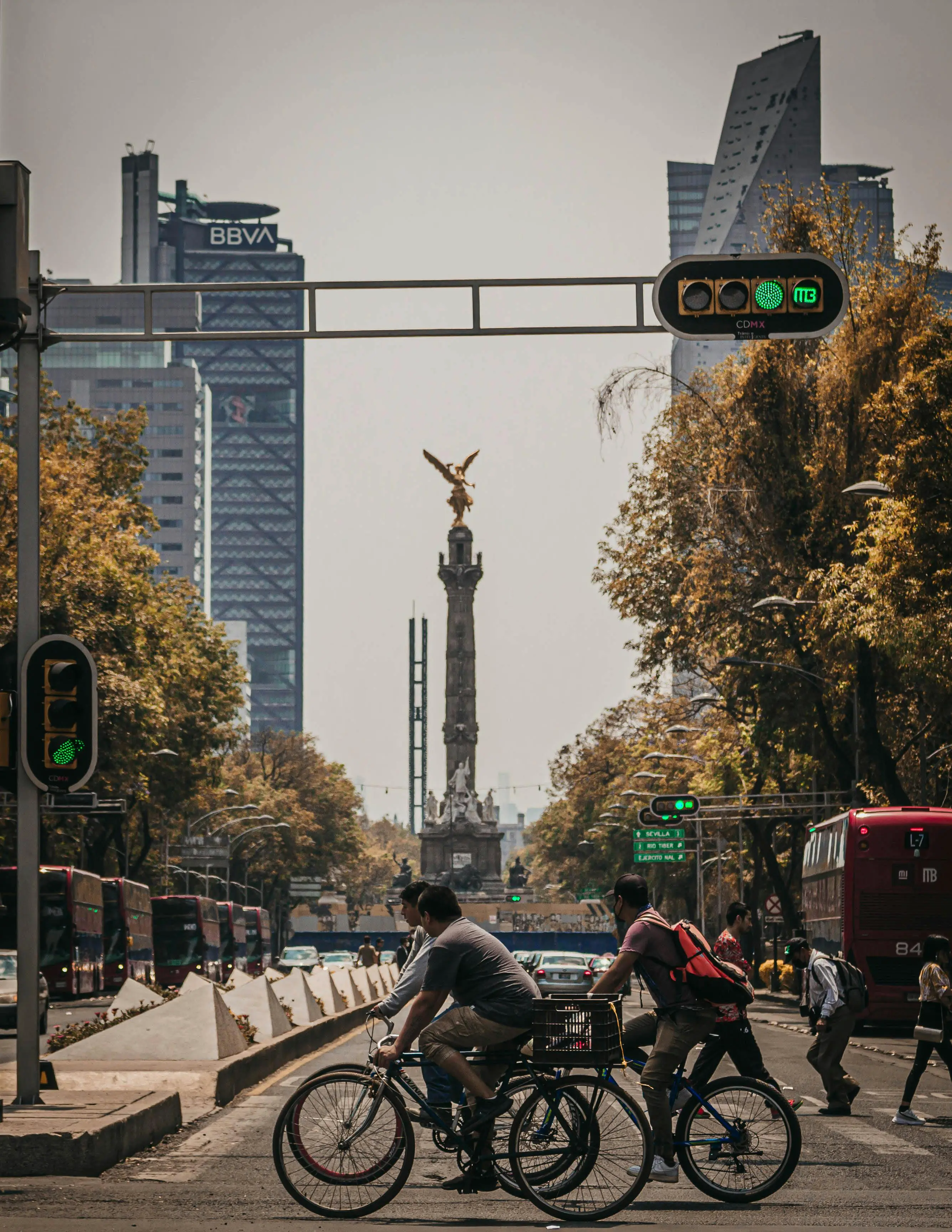
Before booking, here’s what actually matters:
Trip length: A short city break vs a week-long stay changes everything
Location: Staying near Chapultepec Park, Paseo de la Reforma, or in walkable neighborhoods like La Condesa and Roma Norte
Space and comfort: Hotel rooms vs apartments with more space and common areas
Food and daily life: Eating out at local restaurants vs cooking in a full kitchen
Work needs: Reliable WiFi and quiet setups for video calls
Whether you’re visiting for business, traveling with family, or planning a longer stay in Mexico, this guide breaks down what to expect—and helps you choose the option that fits your trip, not just your budget.
Hotel vs Apartment in Mexico City: Key Differences That Actually Matter
Choosing between a hotel and an apartment in Mexico City isn’t just about where you sleep—it’s about how you experience the city day to day. Whether you’re grabbing coffee in La Condesa, walking through Chapultepec Park, or heading out for dinner near Roma Norte, your stay will shape your rhythm.
Space, Privacy, and Layout: Why Apartments Offer More Space
The biggest difference you’ll notice right away is space.
Apartments:
Separate living areas, bedrooms, and common areas
Ideal for families or longer stays
More space to unpack, relax, and recharge
Hotel rooms:
Compact and efficient
Designed for shorter trips and quick turnover
For example, staying in an apartment in La Condesa means you can start your morning with a walk in Parque México, grab coffee at Café Toscano, and come back to a full living space instead of a single room. After a long day exploring, having that extra space makes a noticeable difference—especially if your trip lasts more than a few nights.
Service vs Independence: What You Gain (and Lose)
Your daily routine in the city will look very different depending on your choice.
Hotel stays:
Breakfast included or available on-site
Daily cleaning and fresh towels
Easy access to amenities without planning
Apartments:
Full control over your schedule
Kitchen facilities or a full kitchen to prepare meals
A more local experience in residential neighborhoods
If you’re staying near Roma Norte, you could walk to Panadería Rosetta for breakfast or pick up fresh ingredients from Mercado Medellín and cook at home—something you simply can’t do in most hotels. This flexibility becomes valuable during longer stays or if you prefer mixing restaurant meals with home-cooked food.
Safety and Peace of Mind: Hotel vs Air BnB Considerations
Safety is a key factor for many travelers visiting Mexico City.
Hotels in Mexico City:
24/7 security and staffed reception
Reliable standards and consistent service
Great for travelers who don’t want to worry about logistics
Air bnb and some apartments:
Quality and security can vary
Some properties may have noise issues or unclear management
Important to verify reviews and exact location on Google Maps
For first-time visitors, staying near Paseo de la Reforma or close to Chapultepec Park in a well-reviewed hotel offers convenience and peace of mind. On the other hand, a professionally managed apartment in neighborhoods like Polanco or La Condesa can give you both security and a more local lifestyle—especially if you choose the right property.
At the end of the day, it comes down to what matters more on your trip: the ease and structure of a hotel, or the space, flexibility, and local feel of an apartment.
Cost Breakdown in Mexico City: Where Your Money Actually Goes
In Mexico City, the real cost of your stay isn’t just what you pay per night—it’s how your daily routine in the city adds up. From morning coffee runs to late-night food stops, your choice between a hotel and an apartment directly impacts how much you spend (and how much control you have over it).
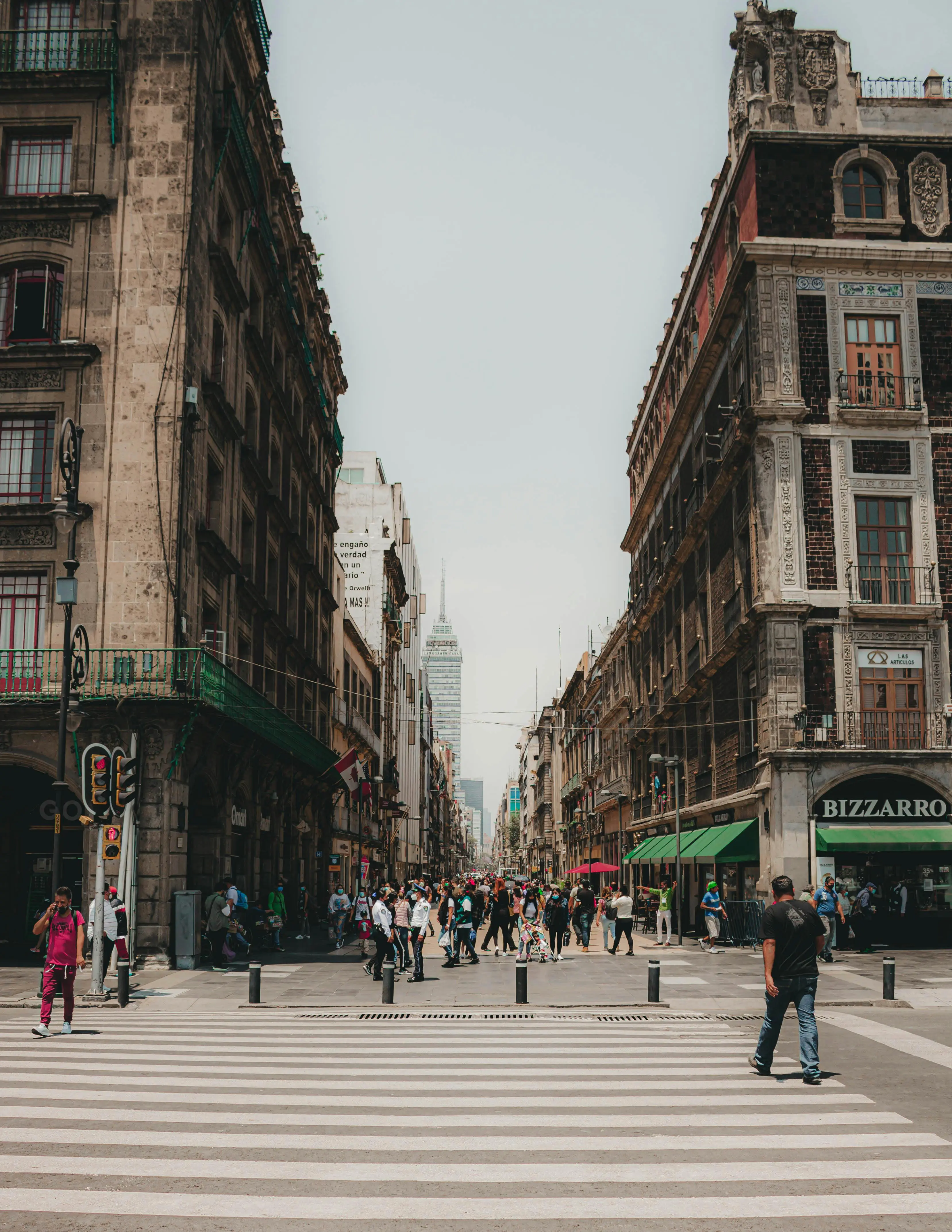
Daily Spending: Hotels Add Up Faster Than You Think
With a hotel, convenience often comes with hidden costs throughout your trip:
Breakfast routines:
Hotel breakfast vs grabbing something quick at Ojo de Agua or Blend Station
Meals throughout the day:
Eating out for every meal near busy areas like the Historic Center
Late-night food:
Ordering in or heading out again instead of having food at home
For many travelers, this means spending more money simply because there’s no alternative to eating out.
Apartments Give You Control Over Your Budget
An apartment changes how you move through the city—and how you spend:
Start your morning with groceries from Mercado Roma instead of paying for breakfast daily
Cook simple meals or snacks between exploring neighborhoods
Keep drinks, coffee, and essentials at home instead of buying everything outside
This level of control becomes especially important during a longer trip or even a one-week stay, where small daily costs quickly add up.
The “Multiple Rooms” Problem for Families and Groups
If you’re traveling with family or in a group, hotels can become expensive in a different way:
You may need multiple hotel rooms
Limited shared space means less comfort
Harder to coordinate meals, rest, and downtime
Apartments solve this by offering:
Shared common areas
Multiple bedrooms
One central space to rest after a long day exploring the city
This makes a big difference after visiting large areas like Chapultepec Park, where having a comfortable place to rest matters more than just having a bed.
Time Is Money: Location and Movement in the City
Where you stay in Mexico City affects both your spending and your energy:
Staying in a convenient location reduces transport costs
Being within walking distance of cafés, parks, and restaurants saves time
Apartments in residential neighborhoods often keep you closer to everyday essentials
For example, staying in the general vicinity of Roma Norte or Juárez means you can walk to cafés, grab food nearby, and avoid constant rides across the city.
Hotels vs Apartments: Real Value Over a Full Trip
Cost Factor | Hotel | Apartment |
|---|---|---|
Daily meals | Higher (restaurants only) | Lower (cook + eat out mix) |
Group travel | Multiple rooms needed | Shared space |
Flexibility | Fixed | Full control |
Daily routines | Spend more by default | Spend by choice |
In Mexico City, hotels make things easy—but apartments give you control. And over the course of a full trip, that control is often what keeps your budget (and your energy) in check.
Best Choice for Business Travelers in Mexico City: Hotels vs Apartments for Remote Work
Mexico City isn’t just a cultural destination—it’s a growing hub for business travelers, remote professionals, and founders who need to stay productive while on the move. Whether you're working near Paseo de la Reforma or settling in for a full week of remote work, your setup directly impacts your output.
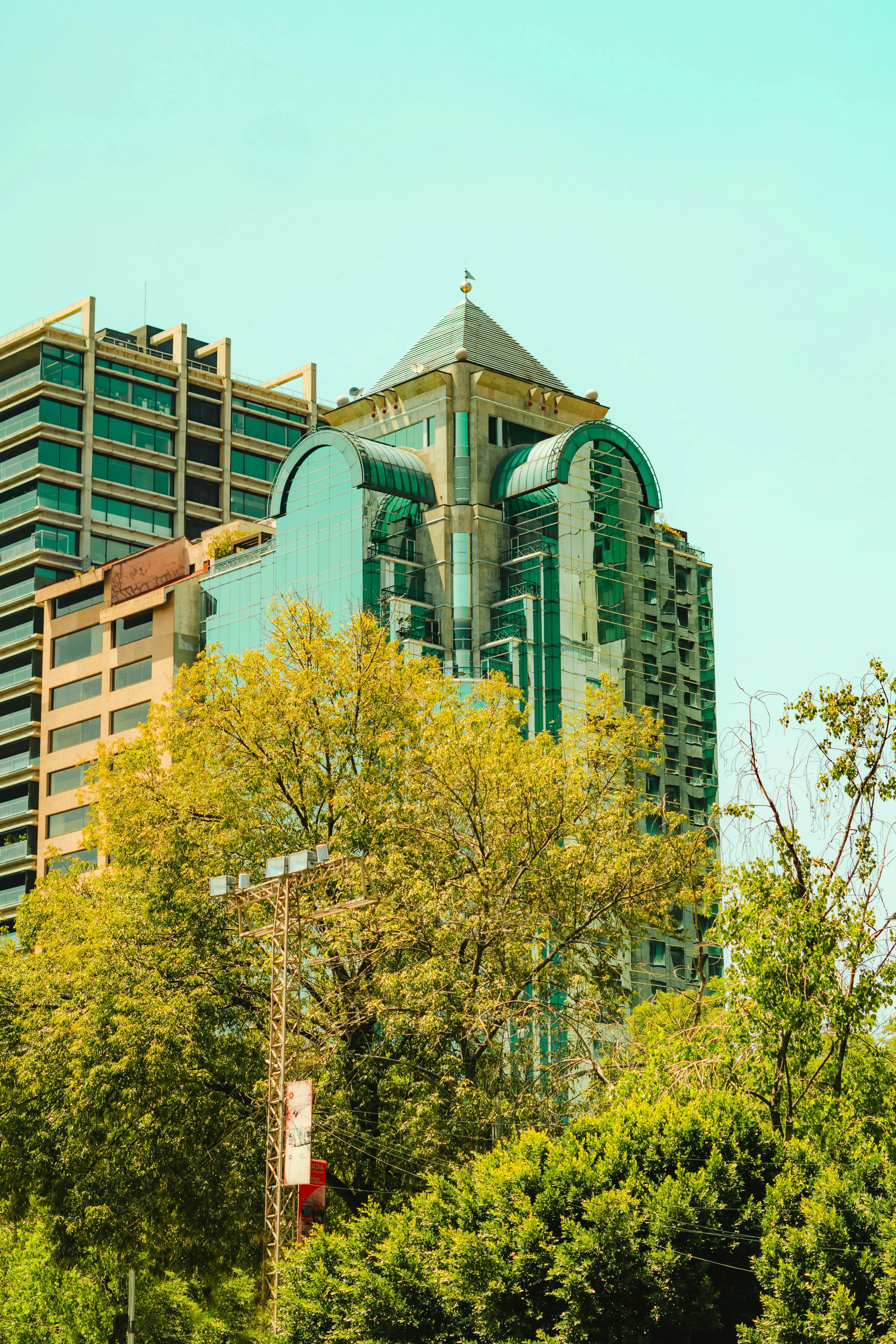
Hotel Setups for Business Travel: Convenience Without Control
For short trips, a hotel offers a convenient location and predictable experience:
Close to offices and business districts
Fast check-in and daily service
Breakfast ready before meetings
But when it comes to actual work:
Hotel rooms often lack proper desk setups
Limited space makes long work sessions uncomfortable
Not ideal for frequent video calls or deep focus
After a long day in meetings, working from a small hotel room can quickly feel restrictive.
Apartments for Remote Work: Built for Focus and Flexibility
An apartment in Mexico City is better aligned with how modern business travelers actually work:
Dedicated workspaces with reliable WiFi for video calls
More space to separate work, rest, and daily life
Full kitchen and common areas to structure your day
In neighborhoods like La Condesa, you can:
Start your morning working from home
Step out to nearby cafés like Chiquitito Café for a reset
Take a walk through Chapultepec Park between meetings
This balance is what makes longer stays sustainable.
The Smarter Option for Work-Ready Stays
The challenge with typical Air bnb listings is inconsistency—many aren’t designed for work, even if they look good online.
If your trip includes serious work, the safest approach is choosing a professionally set-up apartment with:
Verified high-speed internet
Ergonomic workstations
Quiet environments for focus
That’s exactly where platforms like RentRemote come in—offering fully furnished apartments in Mexico City designed specifically for remote work, so you don’t have to guess if your setup will actually support your schedule.
When Hotels Still Make Sense
A hotel is still a good place if:
Your trip is under 3–5 days
Your schedule is meeting-heavy
You don’t need to work outside standard hours
When Apartments Are the Better Choice
An apartment is the better option if:
You’re staying a week or longer
You rely on video calls and focused work sessions
You want more space and control over your routine
For modern business travelers in Mexico City, it’s no longer just about where you stay—it’s about whether your environment supports how you work.
Best Neighborhoods in Mexico City: Where You Stay Changes Everything
In Mexico City, your location can make or break your trip. The difference between spending 40 minutes in traffic vs being able to walk to cafés, parks, and restaurants every day is huge—especially if you're staying for a week or mixing work with exploring.
Here’s how to choose the right area based on how you actually want to live in the city.
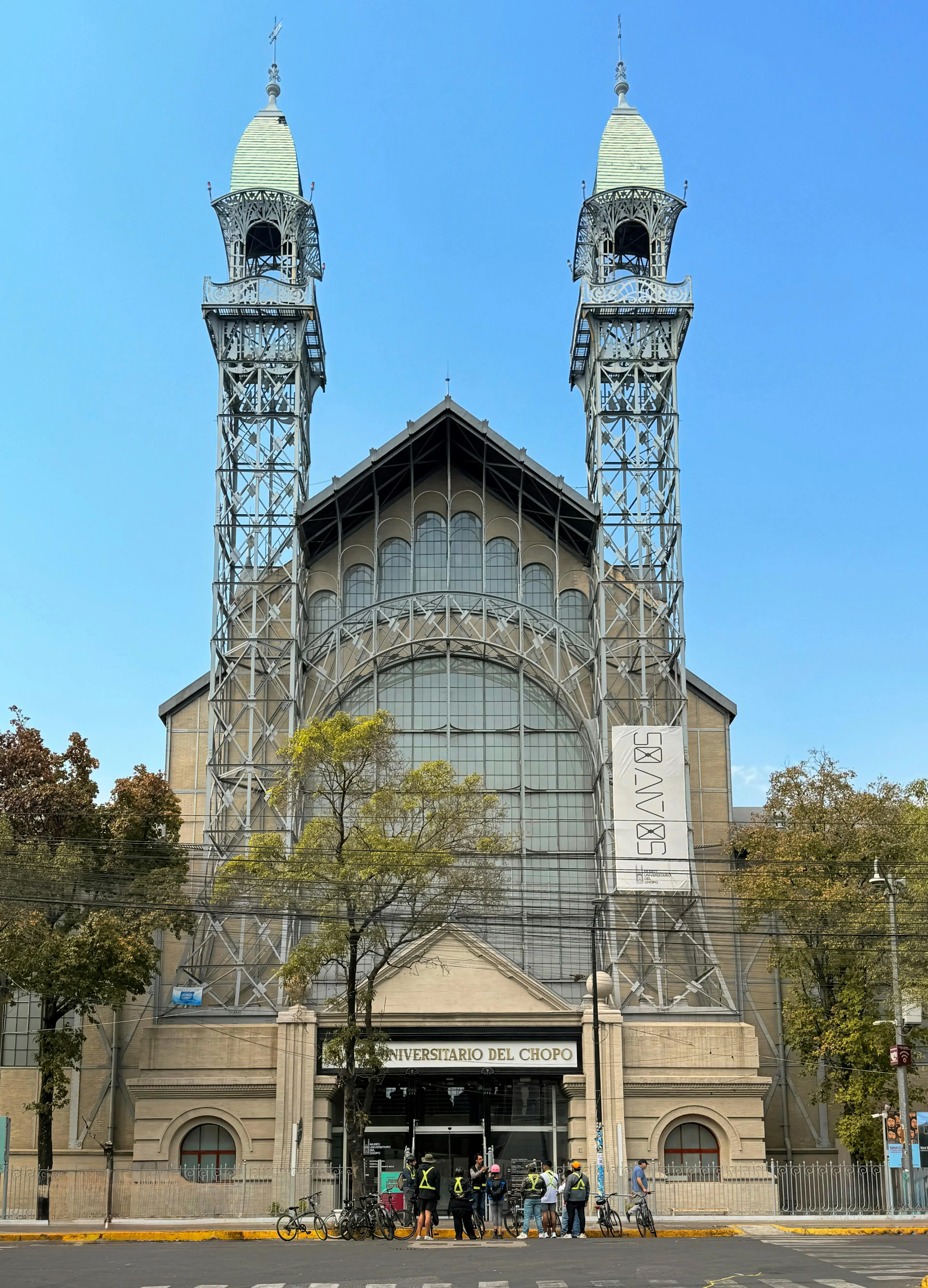
La Condesa: A Good Place for Walkability, Cafés, and Daily Routine
La Condesa is one of the most balanced neighborhoods in Mexico City—and a good place if you want your trip to feel effortless.
Morning walks through Parque México or Parque España
Coffee stops at Café Avellaneda or Boicot Café
Easy access to casual restaurants, bakeries, and bars
Everything is within walking distance, which means you can:
Grab breakfast nearby instead of planning your day around it
Take breaks during work or rest days without leaving your area
Avoid constant Uber rides across the city
This neighborhood is ideal if you want to settle into a routine rather than rush through your trip.
Roma Norte: Best for Food, Culture, and Exploring
If your priority is food and culture, Roma Norte is one of the best neighborhoods in Mexico City.
Start your day at Panadería Rosetta for breakfast
Walk to Mercado Medellín for local ingredients or snacks
Book dinner at Máximo Bistrot or Contramar
Roma Norte is perfect for travelers who:
Want to try different restaurants every day
Enjoy exploring streets filled with galleries and cafés
Don’t mind a slightly busier, more energetic environment
It’s also well positioned in the general vicinity of other central neighborhoods, making it easy to explore without long commutes.
Historic Center: Best for Landmarks and Short Stays
The Historic Center is where most tourists stay during their first visit to Mexico City.
Walking access to the Zócalo, Palacio de Bellas Artes, and major museums
Plenty of hotels and some apartment options
Easy to explore key landmarks in one day
But there are trade-offs:
Busy streets and less quiet at night
Fewer relaxed cafés or parks compared to other neighborhoods
This area works best if your trip is short and focused on sightseeing rather than settling into a daily routine.
Browse Mexico City homes near this area
Polanco: Upscale Living and Business Access
Polanco offers a more upscale experience and is often chosen by business-focused travelers.
Close to offices and corporate spaces
Access to quieter streets and premium amenities
You’re also near the northern edge of Chapultepec Park, which is great for:
Morning walks before meetings
Taking a break from a busy schedule
Polanco is ideal if your priority is comfort, access, and a more polished environment.
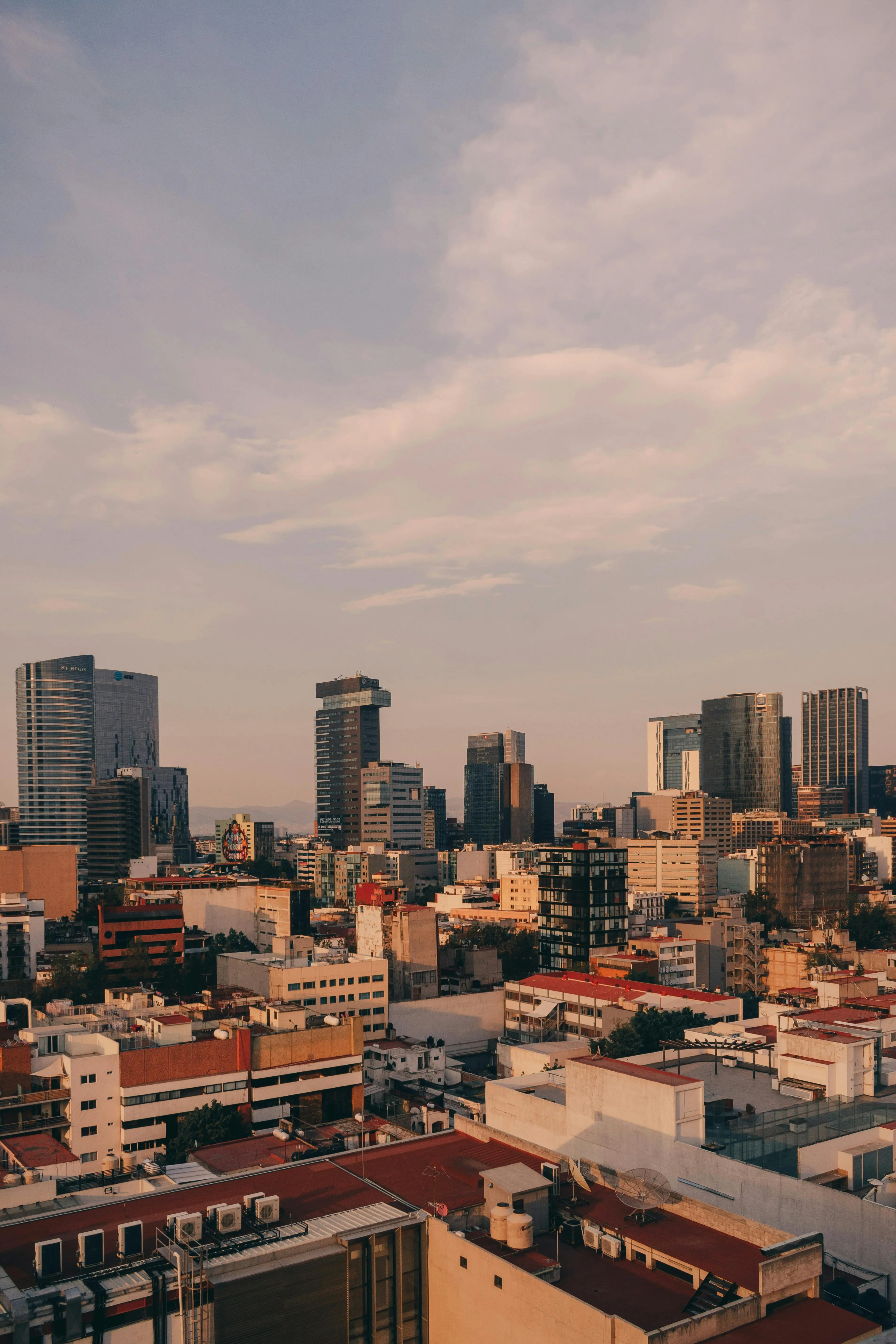
Juárez: Central, Practical, and More Affordable
If you're looking for something in the middle of everything:
Juárez sits between Roma Norte and Paseo de la Reforma
More affordable options compared to neighboring areas
Growing number of cafés, restaurants, and bars
It’s a practical choice if you want:
A central base without paying premium prices
Easy access to multiple neighborhoods
A mix of local life and convenience
How to Choose Based on Your Trip
Want a balanced lifestyle + walkability: La Condesa
Focused on food and exploring: Roma Norte
Short stay + major landmarks: Historic Center
Business + upscale comfort: Polanco
Central + better value: Juárez
In Mexico City, the best neighborhood isn’t the most famous—it’s the one that fits how you want to spend your days. Choose that, and everything else about your stay becomes easier. Explore Roma Norte and Polanco in our neighborhood guide.
Apartments vs Air BnB in Mexico City: What You Should Be Aware Of Before Booking
At first glance, booking an apartment in Mexico City often means going straight to Air bnb. But not all apartments are the same—and this is where many travelers get it wrong. The difference between a well-managed apartment and a random listing can completely change your trip.
The Reality of Air BnB in Mexico City
Air bnb is widely used across Mexico City, but the experience can vary more than most travelers expect.
Here’s what people often run into:
Listings that look great online but feel different in person
Noise issues, especially in busy neighborhoods or buildings with thin walls
Lack of consistent standards across properties
Limited support if something goes wrong during your stay
For example, a place that seems like a good place on the site might be located near busy streets or nightlife, making it harder to rest—especially if you're staying for more than a few days.
Safety, Trust, and Why Some Travelers Worry
One of the biggest concerns with Air bnb in Mexico City is trust.
Not all hosts are professional operators
Security features can vary from one property to another
Some travelers report feeling unsure about access, building security, or management
This is why many travelers—especially families or first-time visitors—prefer staying in environments where standards are clearer and support is available.
What to Look for in an Apartment (If You Choose One)
If you decide to book an apartment, there are a few things you should always check:
Verified reviews across multiple stays
Exact location pinned and checked on Google Maps
Clear details about building access and security
Reliable WiFi if your trip includes work or video calls
Proper kitchen facilities or a full kitchen if you plan to stay longer
Being aware of these details helps you avoid choosing the wrong property.
A Better Way to Book Apartments Without the Guesswork
Instead of relying on inconsistent listings, many travelers now look for:
Professionally managed apartments
Properties designed for longer stays
Spaces built with work, comfort, and daily living in mind
This is where platforms like RentRemote stand out—offering fully furnished apartments in Mexico designed for people who want reliability, comfort, and a setup that actually supports how they live and work.
When Air BnB Still Works
Air bnb can still be a good option if:
Your trip is short
You’ve carefully checked reviews and details
You’re comfortable taking a bit more risk for flexibility
Choosing an apartment in Mexico City isn’t just about the listing—it’s about the level of trust behind it. And that’s what separates a smooth trip from a frustrating one.
How to Set Up an Apartment in Mexico City: Real Costs, Workspaces, and Daily Life
If you’ve decided to go with an apartment in Mexico City, the next step isn’t just booking—it’s setting yourself up properly. This is where many travelers either unlock a great experience… or end up frustrated because the setup doesn’t match their routine.
What It Actually Costs to Live in an Apartment (Beyond the Nightly Rate)
The real cost of an apartment in Mexico City depends on how you live day-to-day.
Here’s what to expect over a full week:
Groceries vs eating out:
Shop at Mercado Medellín or Sumesa (La Condesa) for basics
Mix home-cooked meals with eating at local restaurant spots
Coffee and work breaks:
Daily cafés like Blend Station or Café Nin can add up if you rely on them
Transport vs walkability:
Staying in a central location reduces transport costs and time
A big advantage is control:
You decide when to eat, rest, or go out
You’re not locked into hotel schedules or relying on restaurant meals
This is especially useful if you’re balancing work and exploring during your trip.
Setting Up Your Work Routine (Without Losing Focus)
For digital nomads and business travelers, your apartment needs to function as a real workspace.
Here’s what matters most:
Strong WiFi that can handle multiple video calls
A proper desk setup (not a kitchen counter)
Enough quiet to stay focused during the day
Some apartments in Mexico City now include:
Dedicated workstations
Ergonomic chairs
Separate areas for work and rest
If you’ve ever tried working from a noisy café or cramped hotel room, you’ll know how quickly productivity drops without the right setup.
Best Coworking Spaces in Mexico City
Even with a great apartment, having access to coworking spaces helps maintain structure and meet other professionals.
Here are some of the best options:
WeWork (Paseo de la Reforma)
Ideal for business-focused stays
Strong amenities and reliable internet
Selina (Downtown / Historic Center)
Mix of hostel, coworking, and community
Good for meeting other travelers
Público (Roma Norte)
One of the most design-focused spaces in the city
Great environment for deep focus
These spaces give you flexibility when you need a change from working at home.
Everyday Setup: Living Like a Local (Without Getting It Wrong)
To make your apartment work smoothly, it’s about small details:
Use Google Maps to check your exact location before booking
Stay within walking distance of essentials like cafés, grocery stores, and parks
Choose a property in neighborhoods where daily life is easy—not just central
For example:
In La Condesa, you can walk to parks, cafés, and grocery stores easily
In Roma Norte, everything from food to coworking is within reach
This reduces friction in your daily routine and helps you stay consistent.
The Smarter Way to Book (Especially for Work Trips)
One of the biggest mistakes travelers make is assuming every apartment is work-ready.
In reality:
Many Air bnb listings are not designed for productivity
Some lack proper amenities or consistent quality
You may not know what you’re getting until you arrive
That’s why many remote professionals now choose:
Professionally managed apartments
Spaces designed specifically for work and longer stays
Reliable setups with everything ready from day one
Platforms like RentRemote focus on this exact need—offering fully furnished apartments in Mexico that are already set up for work, so you don’t have to figure it out after arrival.
Setting up the right apartment in Mexico City isn’t complicated—but it requires being intentional. Get the setup right, and your trip becomes smoother, more productive, and far more enjoyable.
Conclusion: The Stay That Fits Your Routine Wins
The best choice usually comes down to what happened on your last trip and what you want to fix this time. Some people want structure. Others want flexibility, a better setup, and fewer interruptions during the week.
That’s the part many guides never explain well enough. They compare nightly rates, then stop. But the better question is what helps you settle in faster, spend less mental energy, and make the most of the destination without constantly adjusting.
For some people, that means a simpler setup near daily essentials. For others, it means a place where they can cook, reset, and work without feeling boxed into one small corner of a room. There’s no single answer for the whole world, but there is a smarter answer for the kind of stay you’re actually planning.
The useful move is to search less for the “perfect” listing and more for the setup that matches your routine. That becomes even more important if you’re comparing independent hosts, larger operators, or companies managing multiple units.
And yes, price still matters. Some options look cheap, feel cheap, and create cheap headaches later. The best outcome is not the lowest rate on paper. It’s the one that gives you the least friction once you arrive.
That’s the part travelers usually learn the hard way. Hope doesn’t book the right stay. Better filters do.