
Daniel
Productivity & Remote Living Analyst ·
Living in Mexico City can still be a smart move for remote workers who want big-city energy without New York or San Diego-level monthly costs. For a single person, a realistic budget often lands around $1,600 to $2,200 per month depending on rent, neighborhood, and how often you eat out. Housing remains the biggest variable: recent cost-of-living data puts a one-bedroom apartment around 20,479 MXN in the city center and 13,353 MXN outside it, while the Metro fare is 5 MXN per ride, which helps keep transportation costs low.
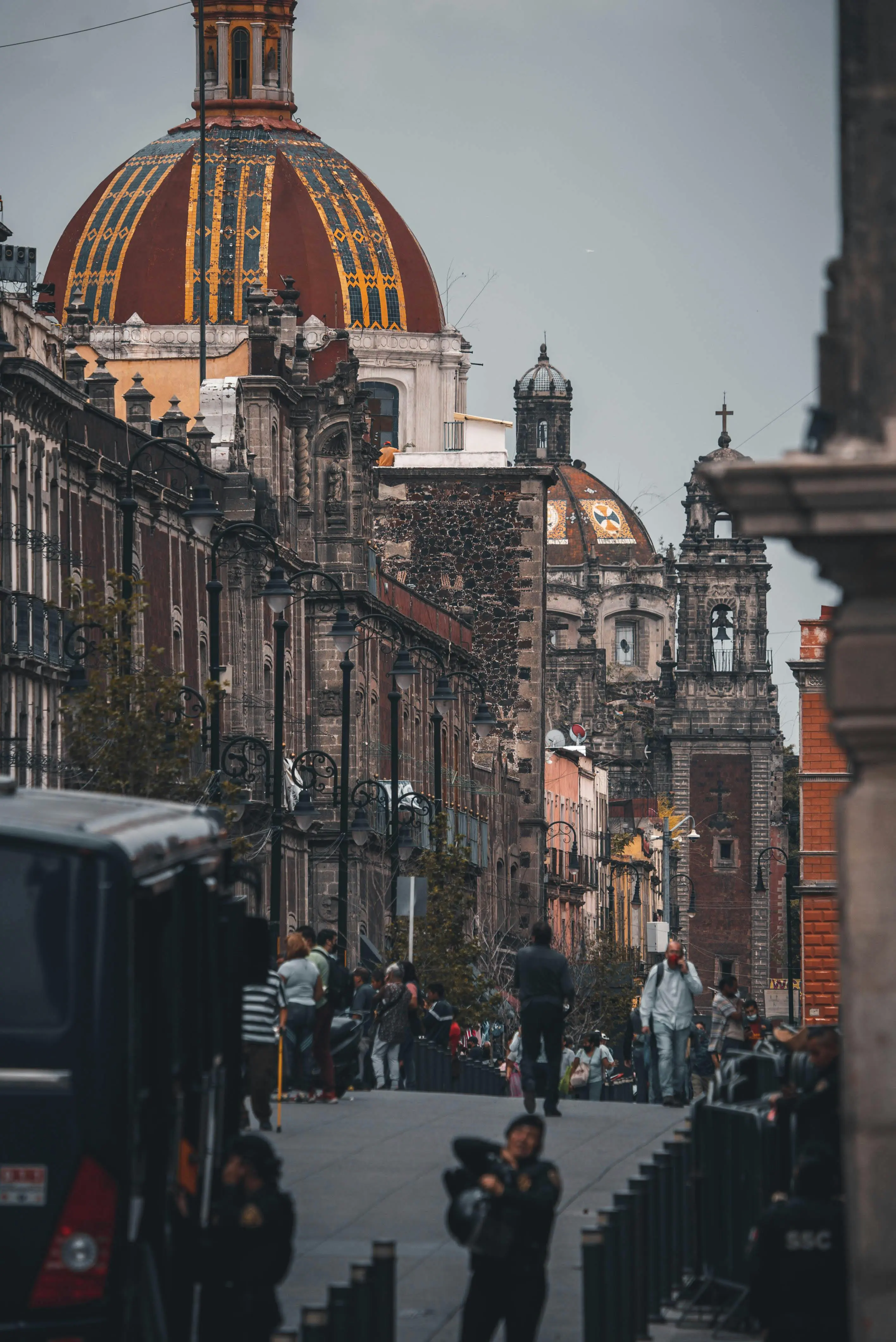
This guide will help readers figure out what that budget actually gets them in real life, whether that means café-hopping through Roma Norte, renting near coworking-friendly Condesa, grabbing produce at Mercado Medellín, or choosing a less central area to save money and still stay connected. That practical, lifestyle-first angle fits RentRemote’s voice: specific, useful, and grounded in how nomads actually live.
What this guide will cover:
realistic monthly costs for a single remote worker
rent by neighborhood, including central vs more affordable areas
grocery, dining, transportation, and healthcare costs
where Mexico City fits against other popular Mexico bases like Playa del Carmen and Puerto Vallarta
how to save money without giving up comfort, walkability, or workspace quality
Cost of Living in Mexico City: What You’ll Spend Monthly
Understanding the cost of living in Mexico City starts with one simple question: what kind of lifestyle are you trying to build? This is one of the largest cities in Latin America, which means your monthly costs can shift dramatically depending on where you live, how often you eat out, and whether your setup is optimized for remote work or patched together day by day.
Estimated Monthly Costs for a Single Person
For most remote workers, estimated monthly costs fall between $1,600 and $2,200, including rent, food, transportation, and basic utilities. That range reflects a lifestyle that balances comfort with practicality—think a walkable neighborhood, regular café stops, and occasional coworking days.
A typical breakdown looks like this:
Rent: $600–$1,500 (depending on neighborhood and building quality)
Food: $150–$300 for groceries, plus $100–$250 eating out
Transportation: $20–$60 using public transportation and occasional rideshares
Utilities + WiFi: $70–$120 combined
Coworking or cafés: $50–$150 depending on usage
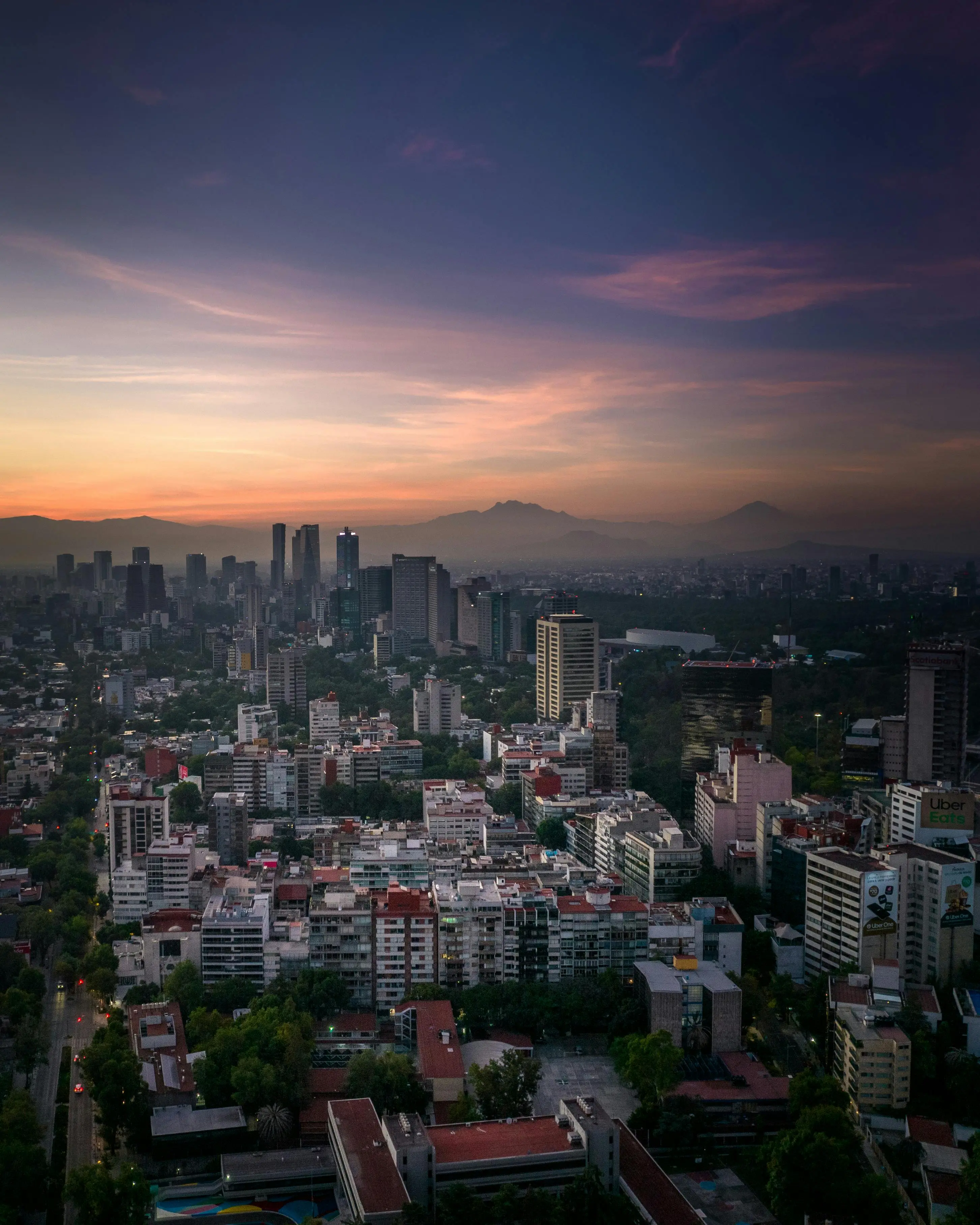
Compared to major U.S. hubs like San Diego, the overall cost is considerably cheaper—often by 30% to 70%—while still offering the infrastructure of a global capital. That balance is a big reason why Mexico City continues to attract both digital nomads and long-term expats.
Monthly Expenses by Lifestyle Tier
Not all budgets translate into the same daily experience. Here’s how monthly expenses typically scale:
Budget ($1,200–$1,600):\ Shared or smaller apartments outside the city center, frequent use of public transport, cooking at home with ingredients from local mercados, and occasional street food meals.
Comfortable ($1,600–$2,500):\ A private one bedroom apartment, mix of groceries and dining out, occasional coworking, and living in or near popular areas like Roma or Condesa.
Premium ($2,500+):\ Larger apartments in high-demand neighborhoods, frequent dining at a mid range restaurant, regular Uber use instead of public transportation, and more premium healthcare or insurance options.
Why Mexico Cost Is Lower Than the U.S.
The broader Mexico cost advantage comes down to everyday categories staying consistently low. Food, transportation, and services all cost less than in most large cities in the United States, even as demand increases.
For example:
Dining out is often 50% cheaper, with casual meals starting around $6
Public transportation costs remain among the lowest globally
Local services—from cleaning to repairs—are priced for the local economy, not international demand
Even though Mexico City is considered an expensive city by national standards, it still ranks among the most affordable cities globally when compared to similar metropolitan areas.
The result is a city where many remote workers can live comfortably, not by cutting corners, but by spending differently.
As you’ll see next, the biggest lever in shaping your total cost of living is where—and how—you choose to rent.
Housing Costs in Mexico City: Rent, Neighborhoods, and Where to Live
If there’s one category that defines the cost of living in Mexico City, it’s rent. Housing costs vary more than anything else, and the difference between neighborhoods can swing your monthly costs by hundreds of dollars. For remote workers, that choice also shapes your daily routine—walkability, access to cafés, and proximity to coworking spaces all factor into how livable a neighborhood feels.
Rent Prices by Area: City Center vs. Outer Neighborhoods
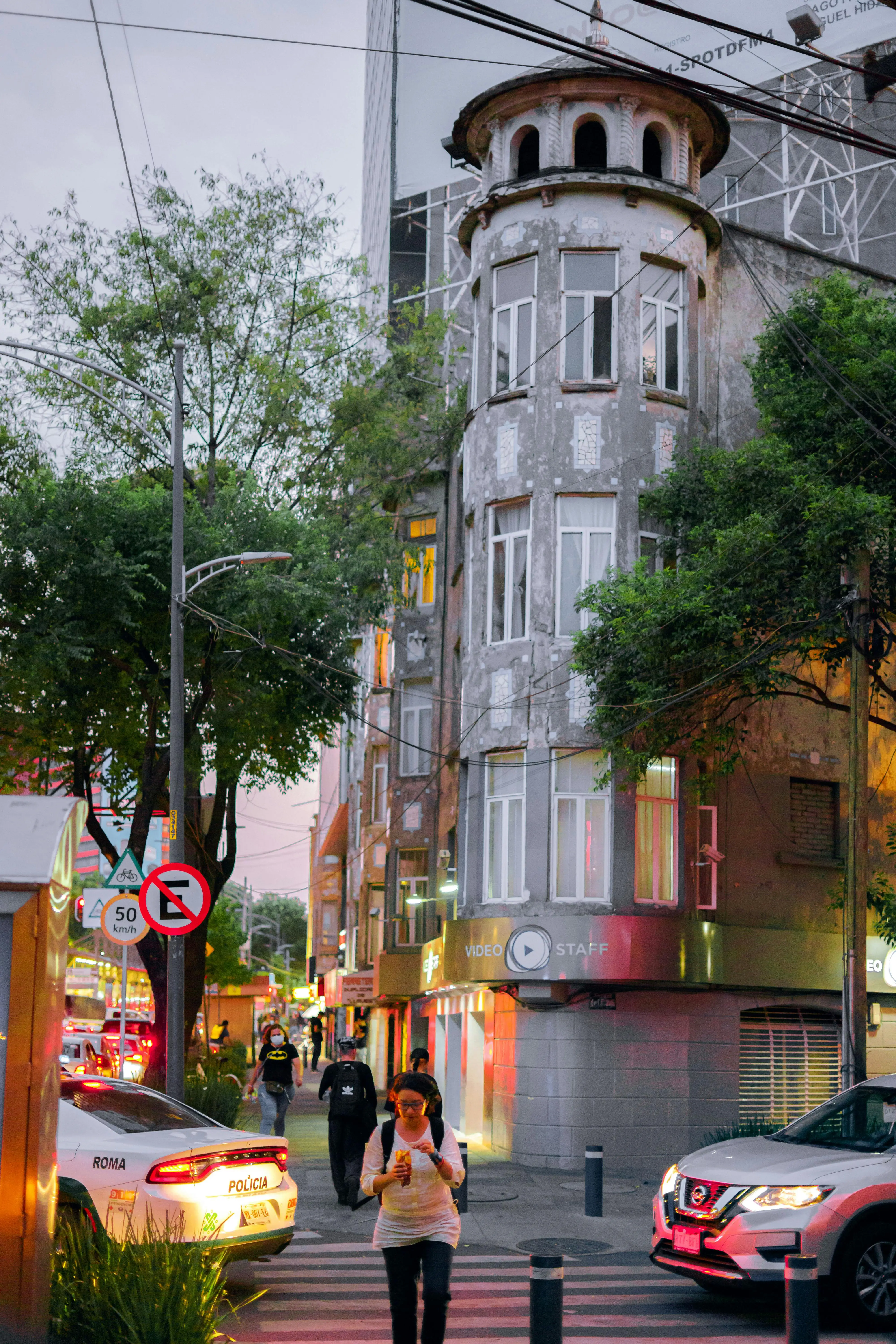
In the city center, especially in neighborhoods like Roma Norte and Condesa, rents reflect high demand from digital nomads, creatives, and expats. A one bedroom apartment here typically ranges from $800 to $1,500+ per month, depending on building quality and amenities.
Move slightly outward, and the numbers shift:
Mid-range areas (Narvarte, Escandón): $600–$900
More affordable zones (Portales, Doctores): $400–$700
Emerging areas (San Rafael): Often a balance between price and location
These areas are still well connected by public transport, which means you can save on rent without sacrificing access to the rest of the city.
Browse Mexico City homes near this area
One Bedroom Apartment Cost Breakdown
Across Mexico City, the average rent for a one bedroom apartment sits around $600, but that figure hides a wide range:
$400–$500: Older buildings or less central neighborhoods
$680–$830: Mid-tier areas with better finishes
$800+: Popular areas with modern amenities and strong demand
In neighborhoods like Roma and Condesa, it’s common for prices to climb even higher, especially for furnished units designed for short- to mid-term stays.
Neighborhood Comparison: Cost vs. Lifestyle
Here’s how a few popular areas stack up for remote workers:
Neighborhood | Average Rent | Vibe | Best For |
|---|---|---|---|
Roma Norte | $900–$1,500 | Trendy, café-heavy, highly sought | Nomads and creatives |
Condesa | $1,000–$1,500 | Green, walkable, polished | Expats and long stays |
Coyoacán | $600–$900 | Historic, slower pace | Writers and quieter routines |
Narvarte | $600–$850 | Residential, affordable | Budget-conscious professionals |
Each of these neighborhoods offers different tradeoffs. Roma and Condesa are among the most popular areas for remote workers, while places like Narvarte or Coyoacán give you more space for a lower cost.
If you want to explore the café scene, parks, and daily rhythm of one of these areas in more depth, you can explore Roma Norte in our neighborhood guide.
Browse Mexico City homes near this area
Renting as a Remote Worker
For remote workers, rent isn’t just about price—it’s about functionality. Many apartments in Mexico City still aren’t designed with work in mind, which means you’ll often need to choose between convenience and comfort.

A few things to look for:
Reliable WiFi (not always guaranteed)
Enough space for a proper desk setup
Natural light if you’re spending full workdays inside
Noise levels, especially in central neighborhoods
Coworking-friendly neighborhoods like Condesa and Roma Norte make it easier to balance both, with options like Blend Station (Condesa) or Impact Hub (Roma) offering consistent alternatives when your apartment setup falls short.
For those who want a more seamless experience, fully furnished apartments in Mexico City with built-in workstations can remove the guesswork entirely.
How Housing Shapes Your Cost of Living
Housing is easily the largest driver of your overall cost of living, but it’s also where you have the most control. Choosing a slightly less central neighborhood—or simply a better-designed space—can mean the difference between stretching your budget and actually enjoying your time in the city.
Once rent is locked in, the rest of your living expenses become much easier to manage.
Food, Grocery Prices, and Daily Living Expenses
Food is where the cost of living in Mexico City starts to feel genuinely favorable. Whether you’re cooking at home or eating out, prices stay consistently lower than in most large cities, and the quality rarely feels like a compromise. For remote workers, this means you can spend less while eating better—especially if you lean into local habits.
Grocery Prices and Local Markets
Monthly grocery spending for a single person typically ranges from $150 to $300, depending on how often you shop at supermarkets versus local markets. The difference is noticeable.
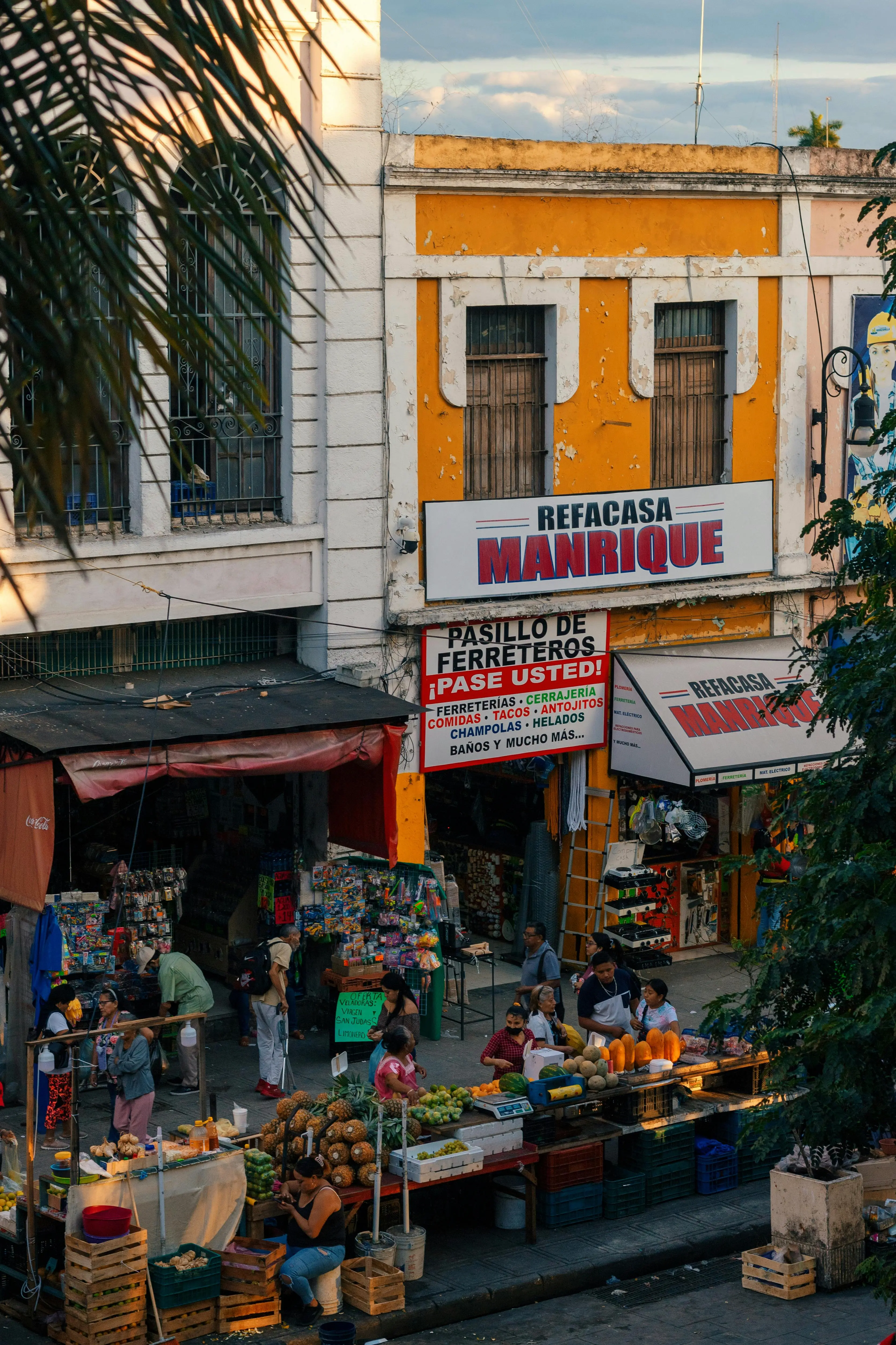
Shopping at places like Mercado de San Juan (known for specialty ingredients) or Mercado de Portales can cut your grocery bill by 10–20% compared to chains like Walmart or Soriana. You’ll also find fresher produce and more variety.
Typical grocery prices include:
A dozen eggs: ~$1.50–$3
Chicken breast (1 kg): ~$5–$6
Fresh produce (weekly basics): $15–$25
For everyday staples, neighborhood spots like Sumesa (Condesa) or smaller tiendas often strike the best balance between convenience and cost. Over time, many expats realize that adapting to local mercados is one of the easiest ways to save money without sacrificing quality.
Cost of Eating Out
Eating out is a regular part of life in Mexico City, not a luxury. The range is wide, but even frequent dining won’t break your budget.
Street food: $2–$5 per meal
Casual local restaurants: $6–$10
Mid range restaurant: $25–$40 for two people
Domestic beer: $2–$3
For reliable, everyday options:
El Huequito (Condesa) for tacos al pastor under $5
Taquería Orinoco (Roma Norte) for a slightly more modern take
Fonda Margarita (Del Valle) for traditional breakfast plates
Street food remains one of the most accessible parts of the city. Tacos often cost under $1.50 each, and vendors in busy areas tend to have high turnover, which keeps food fresh.
Daily Food Habits and Real Costs
Most living expenses around food come down to routine. A typical week might include:
Cooking at home 3–4 days
Eating out 2–3 times
Occasional café stops during workdays
Mixing groceries with local dining keeps your total monthly expenses predictable while still allowing flexibility. Even regular café visits—especially outside the most central areas—tend to stay affordable compared to U.S. standards.
Where Food Fits into Your Cost of Living
Food is one of the easiest categories to control. Unlike rent, which is fixed, your spending here can scale up or down depending on your habits.
In a city known for amazing food and accessibility, it’s entirely possible to keep your cost of living low while still enjoying a high-quality diet. That balance is a major part of why living in Mexico continues to appeal to both digital nomads and long-term residents.
Transportation Costs and Public Transportation in Mexico City
Getting around is one of the easiest places to keep your cost of living low. Public transportation in Mexico City is extensive, fast enough for daily use, and priced far below most large cities. For remote workers who choose central neighborhoods, it often becomes a backup rather than a necessity.
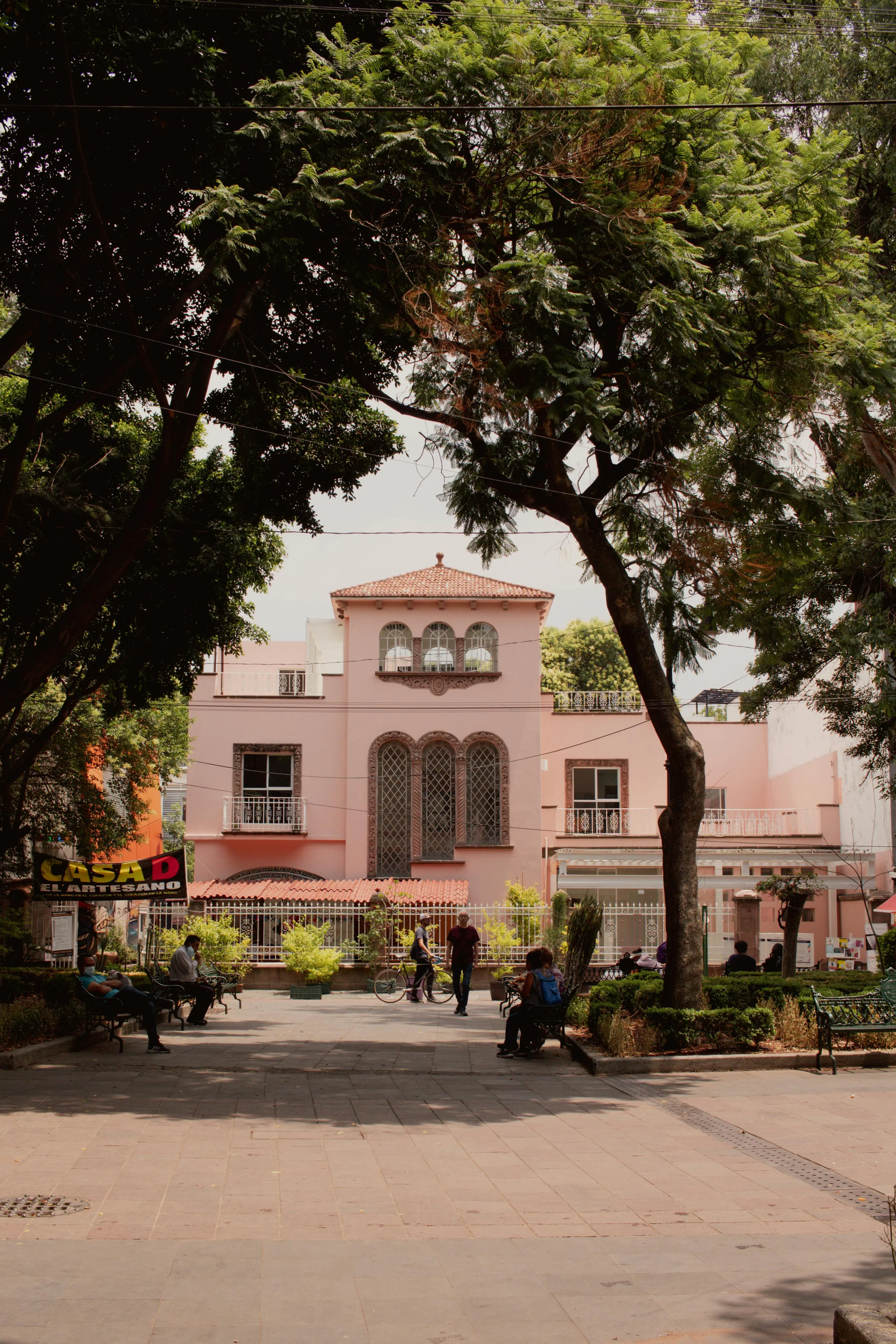
Public Transportation Costs and How It Works
The city’s transit system includes the Metro, Metrobús, RTP buses, and light rail. For most residents, the Metro and Metrobús do the heavy lifting.
Typical transportation costs look like this:
Metro (public transport): ~$0.30 per ride
Metrobús: ~$0.30–$0.50 per ride
Monthly public transportation pass (approx.): $14–$17
The system runs across most of the city, connecting key districts like Centro Histórico, Narvarte, and Coyoacán without requiring a car. Stations like Insurgentes and Balderas act as major hubs, making transfers relatively straightforward.
For remote workers living near the city center, commuting often means short trips rather than long daily rides, which keeps overall transportation costs minimal.
Ride-Sharing and Getting Around at Night
Ride-hailing apps like Uber and DiDi are widely used and still considered low cost compared to the U.S.
Short rides: ~$3–$5
Airport trips: ~$10–$20 depending on distance
They’re especially useful late at night or when moving between neighborhoods that aren’t directly connected by the Metro. Areas like Juárez or San Rafael are particularly easy to navigate with a mix of ride-sharing and public transport.
Owning a Car in Mexico City
While owning a car is possible, it’s rarely necessary for most expats or remote workers.
Costs to consider:
Gasoline: ~$1.01–$1.23 per liter
Insurance and registration
Traffic congestion in large cities
Parking can also be inconsistent in older neighborhoods, especially in Roma and Condesa. For most people, relying on public transportation and ride-sharing is both cheaper and less stressful.
Walkability and Daily Movement
Many of the most popular areas for digital nomads are highly walkable. Condesa’s tree-lined streets, Roma Norte’s café clusters, and parts of Escandón all allow you to handle daily errands on foot.
For a change of pace, routes like:
Parque México → Avenida Ámsterdam loop (Condesa)
Alameda Central → Bellas Artes corridor (Centro)
offer easy, pedestrian-friendly movement through the city without relying on transit at all.
Where Transportation Fits into Your Cost of Living
Compared to housing or food, transportation is one of the smallest pieces of your overall cost of living. Most residents spend under $50 per month unless they rely heavily on ride-sharing.
The combination of low prices, wide coverage, and walkable neighborhoods makes it easy to stay mobile without increasing your monthly costs—a key advantage when compared to most cities in the United States or even other parts of Latin America.
Healthcare Costs in Mexico City: Public and Private Healthcare Options
Healthcare is one of the clearest advantages when evaluating the Mexico cost of living. Across the country, healthcare costs are typically 75% to 85% lower than in the United States, and that difference shows up immediately in everyday services like doctor visits, medications, and specialist care. For anyone considering living in Mexico, this category often shifts from a major expense to something far more manageable.
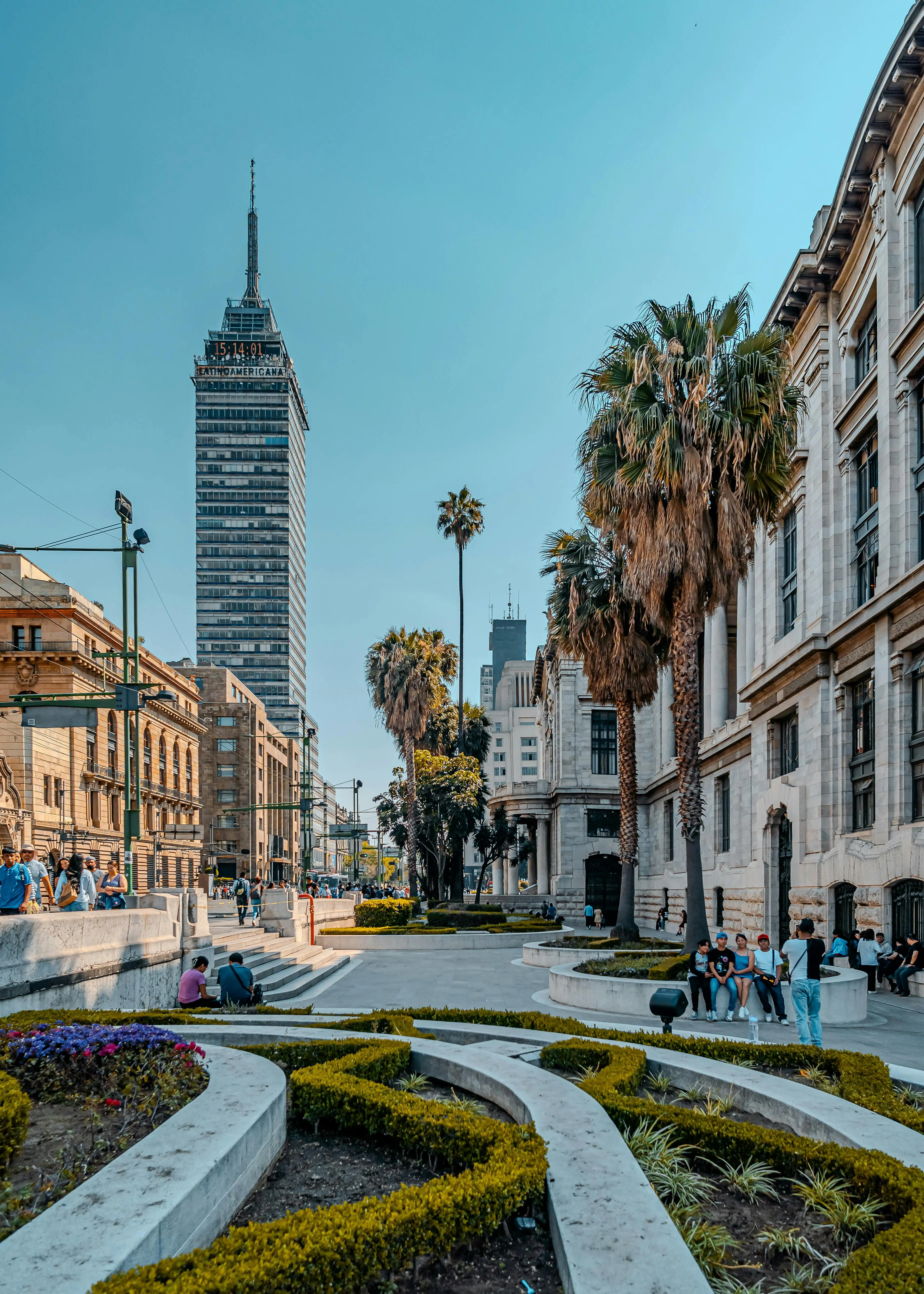
Public Healthcare in Mexico: Access and Affordability
Mexico’s public healthcare system is available through programs like IMSS (Instituto Mexicano del Seguro Social), which many residents and expats choose to join. Monthly contributions usually range from $40 to $60, depending on age.
Public hospitals and clinics are located throughout Mexico City, including areas like Hospital General de México near Doctores and Centro Médico Nacional Siglo XXI in Roma Sur. These facilities offer comprehensive care, but wait times can vary, especially in larger cities.
For those planning long-term stays in the country, public healthcare can significantly reduce overall healthcare costs, particularly for routine care and basic treatments.
Private Healthcare and Private Insurance
Many expats and professionals opt for private healthcare, which remains highly affordable compared to U.S. standards. Mexico has a strong network of private hospitals and clinics, many with internationally trained doctors.
Typical prices include:
Doctor visits: $25–$50
Specialist consultations: $40–$80
Diagnostic tests at private facilities: often 50–70% lower than U.S. rates
Well-known private hospitals in Mexico City include:
Hospital Ángeles (multiple locations)
ABC Medical Center (Observatorio and Santa Fe)
To access these services more consistently, many residents purchase private insurance, which generally costs $50 to $150 per month. This is considerably cheaper than similar plans in the United States, where monthly premiums can reach several hundred dollars.
Medications, Prescription Costs, and Everyday Care
Pharmacies are widely available across the city, and prescription medications are often much cheaper than in the U.S. Large chains like Farmacias del Ahorro and Farmacias Similares provide affordable options, sometimes with on-site consultations.
Basic health needs—whether it’s antibiotics, routine checkups, or preventive care—are easy to manage in Mexico. Many clinics also offer walk-in services, which helps keep healthcare costs predictable and low.
Mental Health and Specialist Services
Access to mental health services has improved in recent years, particularly in central neighborhoods. Clinics and independent practitioners in areas like Condesa and Juárez offer therapy sessions in both Spanish and English.
Specialist care, including dermatology, dentistry, and physiotherapy, is also widely available. Even without insurance, the cost of these services remains far lower than in most large cities in the United States.
How Healthcare Fits into the Cost of Living
When looking at the overall cost of living in Mexico City, healthcare is one of the few categories where you can expect both lower prices and high-quality care. Across Mexico, the combination of accessible public systems and affordable private options makes it easier to maintain a comfortable lifestyle without the financial pressure seen in other countries.
For many expats, this balance is a major reason why living in Mexico continues to feel sustainable over the long term.
Mexico City vs Playa del Carmen, Puerto Vallarta, and San Miguel de Allende: Which Is More Affordable?
Choosing between Mexico City and other popular destinations in Mexico often comes down to lifestyle versus cost. While the capital is one of the more dynamic and expensive cities in the country, it still competes closely with places like Playa del Carmen, Puerto Vallarta, and San Miguel de Allende when you factor in access, infrastructure, and daily prices.
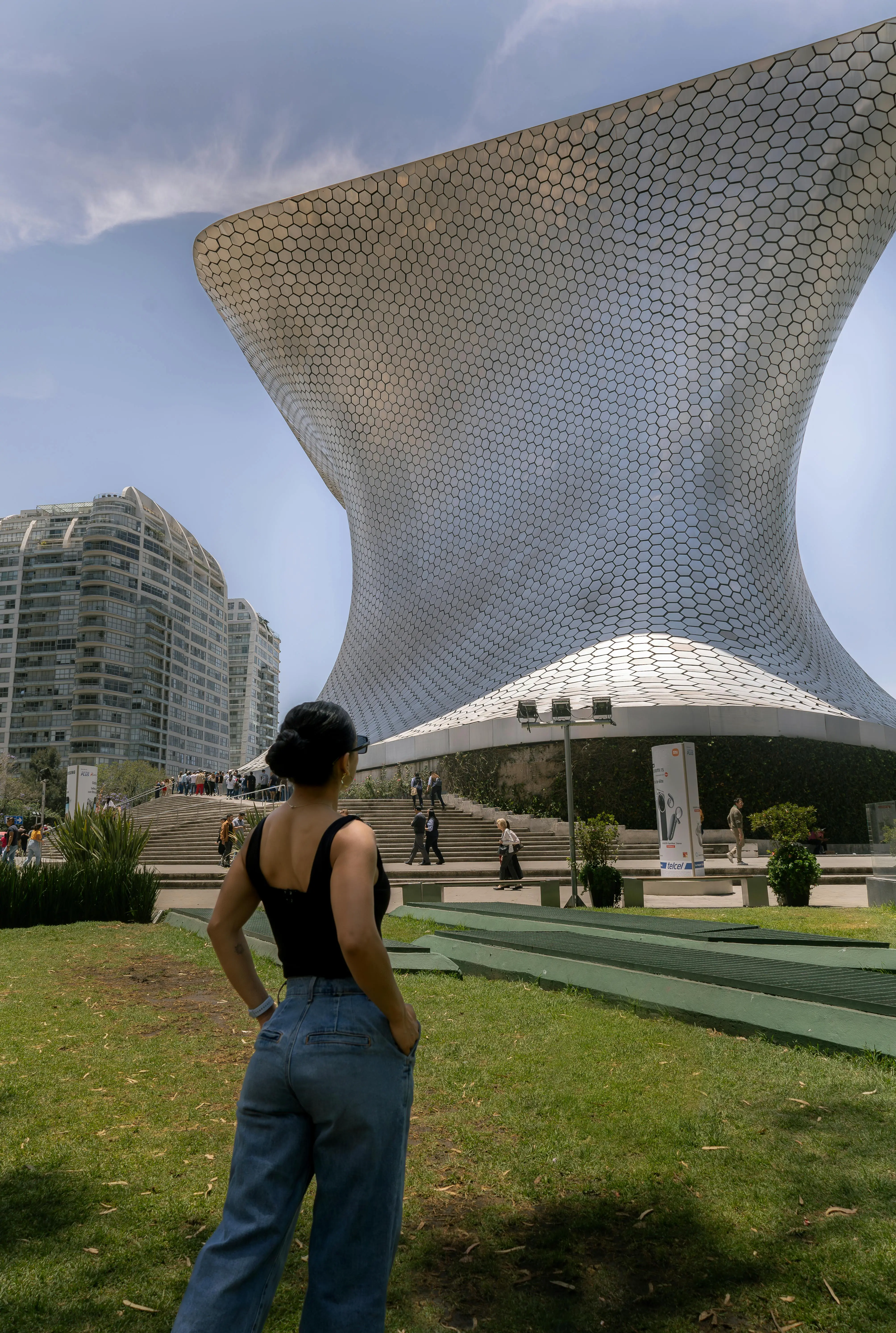
Mexico City vs Playa del Carmen
Playa del Carmen sits in the Riviera Maya and is known for beach access, nightlife, and a strong expat presence. However, its popularity has pushed prices upward in recent years.
Rent in central Playa del Carmen often rivals or exceeds central Mexico City
Dining and imported goods tend to cost more due to tourism demand
Seasonal pricing fluctuations are common
While Playa offers proximity to the coast and elements of Mayan culture, Mexico City typically delivers better value for everyday living expenses, especially outside the most central neighborhoods.
Mexico City vs Puerto Vallarta
Puerto Vallarta is another coastal favorite, particularly among retirees and long-term expats. It offers a slower pace but comes with tradeoffs in affordability.
Higher rent in beachfront or highly sought zones
Imported goods and restaurant prices often elevated
Smaller city infrastructure compared to Mexico City
For those prioritizing urban energy, coworking options, and connectivity, Mexico City remains one of the most affordable cities at scale. Puerto Vallarta, while appealing, can feel more like a resort economy than a balanced urban environment.
Mexico City vs San Miguel de Allende
San Miguel de Allende is widely considered one of the most beautiful smaller cities in Mexico, but it is also among the least affordable for long-term stays.
Housing costs are often higher than expected due to international demand
Limited inventory drives up rent prices
Daily costs can feel disproportionate to the size of the city
Despite its charm and historic appeal, San Miguel often ranks among the more expensive cities in the country. In contrast, Mexico City offers more flexibility across neighborhoods and budgets.
Mexico City vs Costa Rica and Other Countries in Latin America
Compared to destinations outside Mexico, such as Costa Rica, the difference in cost becomes even more pronounced.
Housing and food costs are significantly lower in Mexico
Healthcare and services remain more affordable
Broader range of price points across neighborhoods
Across Latin America, Mexico City consistently stands out as one of the most affordable cities that still delivers the infrastructure of a global capital.
Where Mexico City Fits Among Affordable Cities
Mexico City occupies a unique position. It is:
One of the largest cities in the region
Among the more affordable cities globally
A place where you can scale your lifestyle up or down depending on your budget
For those evaluating the broader Mexico cost of living, the capital offers a rare balance: urban density, cultural depth, and relatively low prices compared to similar large cities worldwide.
Local Perspective: Choosing Based on Lifestyle
If your ideal day includes:
Coastal mornings and beach walks → Playa del Carmen or Puerto Vallarta
Quiet streets and colonial architecture → San Miguel de Allende
Museums, cafés, and neighborhood variety → Mexico City
Areas like Juárez (near Reforma) or Escandón offer a middle ground—less saturated than Roma or Condesa, but still connected to everything that makes the city an attractive destination.
What This Means for Your Cost of Living
Across the country, Mexico offers a wide spectrum of living options. But for those who want both flexibility and value, Mexico City continues to deliver one of the strongest combinations of affordable living, accessibility, and opportunity.
The next step is understanding how to make that lifestyle sustainable day to day—without overspending or sacrificing comfort.
Living in Mexico: Daily Life, Average Salary, and What It Really Feels Like
Understanding the cost of living is only part of the picture. What makes living in Mexico sustainable long term is how those costs translate into daily life. Across the country, many expats find they can live comfortably not just because things are cheaper, but because the structure of everyday spending is different.
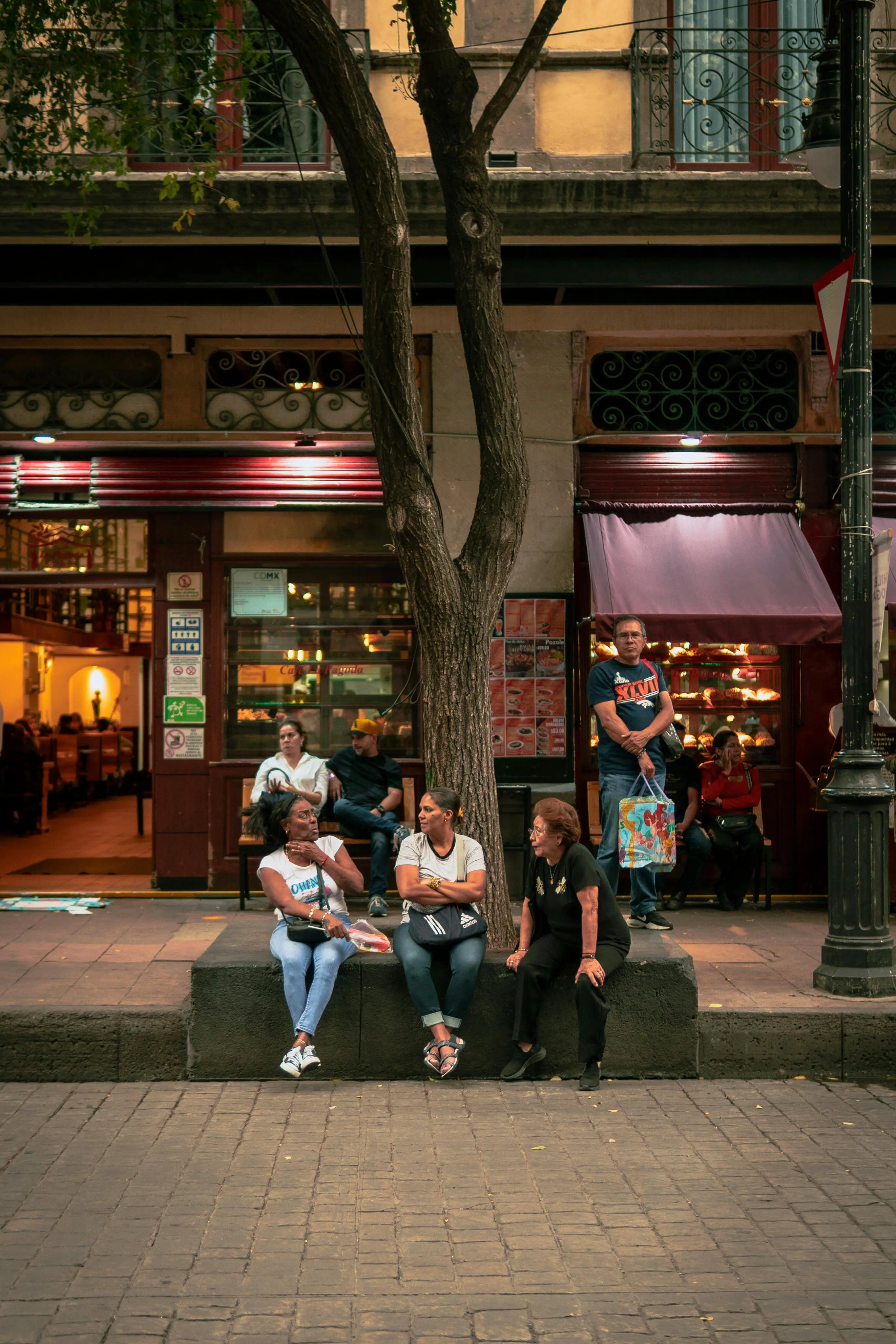
Average Salary vs Cost of Living in Mexico
The average salary in Mexico is significantly lower than in the United States, which explains why many services and everyday prices remain affordable. While local wages vary widely depending on the city and industry, this gap creates a favorable dynamic for those earning remotely.
Lower local wages → lower service costs
Competitive pricing across housing, healthcare, and dining
Strong value when earning in USD or EUR
This is one of the key reasons why Mexico continues to rank among the most affordable cities and regions globally, especially when compared to other large cities.
What Daily Life Actually Looks Like
Day-to-day living in Mexico City is shaped by neighborhood rhythms. Outside the most popular areas, life tends to feel more local and less transient.
A typical weekday might include:
Morning coffee at Café Avellaneda (Coyoacán), known for its precise brews
Midday errands around neighborhood bakeries and small shops
Evening walks through quieter plazas like Parque Hundido
In residential areas like Del Valle or Narvarte, you’ll notice fewer crowds and more consistency in pricing. These neighborhoods often offer a better balance between affordability and livability than more saturated zones.
Language, Culture, and Daily Interactions
While many people in central districts speak English, especially in hospitality and private services, having basic Spanish can make daily life significantly easier.
Ordering at local spots
Navigating services
Building relationships with neighbors
Mexico’s vibrant culture is felt in everyday interactions—street musicians, neighborhood events, and local traditions all contribute to a lifestyle that feels more engaged than transactional.
Safety, Security, and Practical Considerations
Like most large cities, safety varies by area. Central and well-trafficked neighborhoods tend to be reliable, while quieter or less familiar zones require more awareness.
Practical considerations include:
Choosing well-connected neighborhoods
Being mindful at night in less busy areas
Understanding local norms and routines
For most expats, the perceived risk decreases quickly once they settle into a neighborhood and establish routines.
Why Mexico Remains an Attractive Destination
Across Latin America, Mexico continues to stand out as an attractive destination for long-term stays. It offers:
A wide range of lifestyle options across cities and regions
A low cost structure compared to the U.S. and Canada
Access to both modern infrastructure and local experiences
Even as demand increases and prices rise in certain areas, the overall balance still allows many people to maintain a comfortable lifestyle without constant tradeoffs.
The Reality of Living in Mexico
The biggest shift is not just financial—it’s behavioral. Many expats find that adapting to local habits is what makes the difference:
Shopping locally instead of relying on imported goods
Choosing neighborhoods based on daily convenience, not just reputation
Prioritizing routine over novelty
That adjustment is what turns lower living expenses into a genuinely better way of living—not just a cheaper one.
For those planning a longer stay, understanding these patterns is just as important as knowing the numbers.
How to Save Money and Live Comfortably in Mexico
Settling into a new environment is where the real difference in your cost of living shows up. Across the country, those who adapt to local habits tend to reduce their living expenses significantly while still maintaining a comfortable lifestyle. The goal is not to cut corners, but to spend in ways that align with how people actually live day to day.
Practical Ways to Save Money Without Sacrificing Quality
Small shifts in routine can make a noticeable impact on your overall cost:
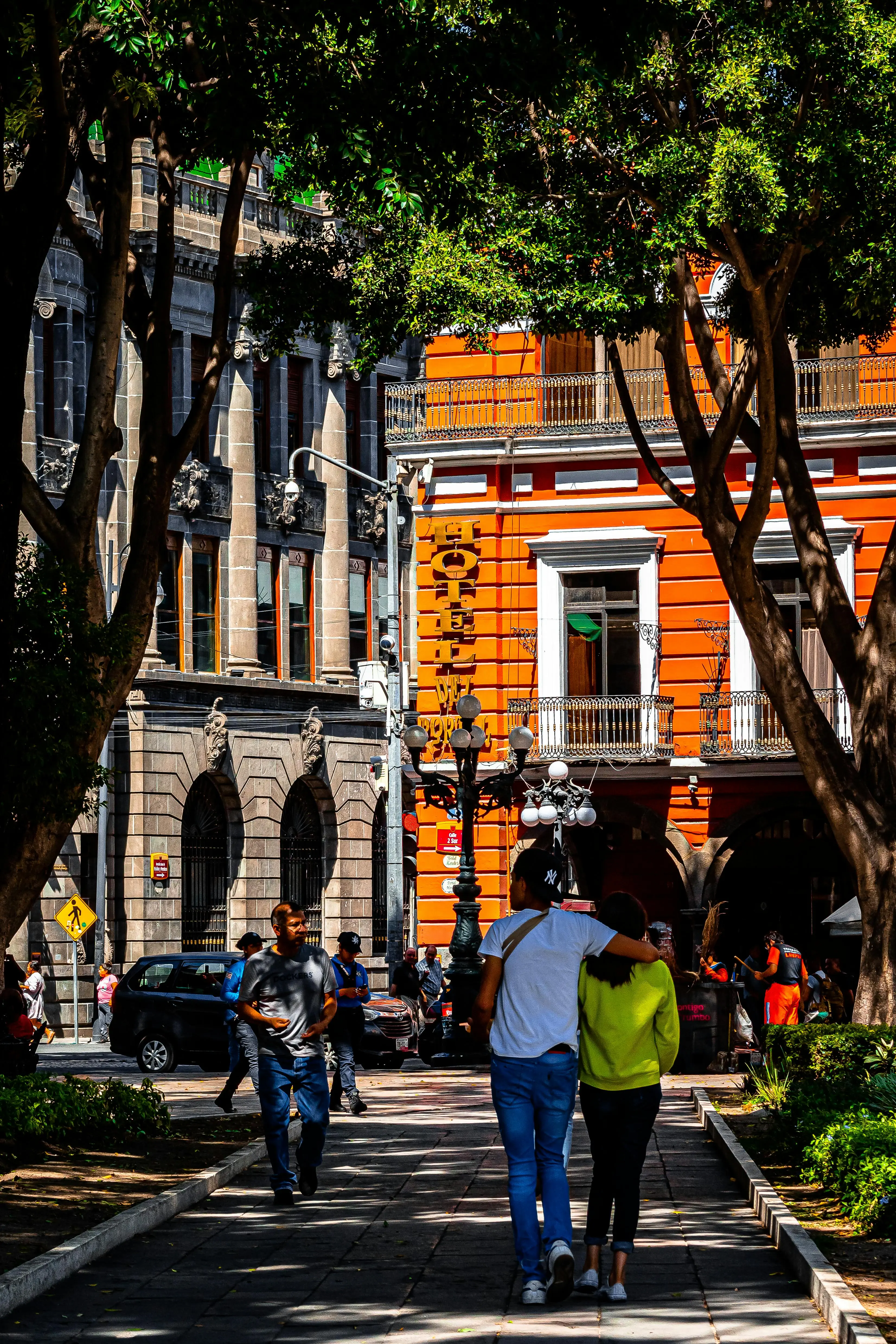
Shop at neighborhood produce stands for fresh produce instead of relying on imported goods
Visit smaller butcher shops for items like chicken breast, which are often priced more competitively than supermarkets
Eat your main meal at lunchtime, when menus are priced lower than evening service
Neighborhoods like Del Valle and Álamos are good examples of areas where everyday prices stay consistent and less influenced by short-term demand.
Adjusting Daily Habits
Long-term savings usually come from consistency rather than one-time decisions. Many most foreigners who stay beyond a few months shift toward:
Weekly grocery runs instead of daily convenience shopping
Local services rather than international chains
Choosing quieter residential zones over highly trafficked districts
These changes allow you to live comfortably without constantly tracking every expense.
Healthcare and Everyday Services
Routine services remain one of the most stable categories across Mexico. In addition to affordable doctor visits, even more complex treatments—such as hospital stays—are typically far less expensive than in the United States.
This consistency is one reason why many people find that maintaining a high standard of living here is more sustainable over time.
Language and Integration
While it is possible to get by in certain areas where people speak English, learning to speak Spanish opens up more affordable options and simplifies daily interactions. It also expands access to local services, where pricing is often more aligned with the broader economy.
Building a Sustainable Routine
Over time, the biggest savings come from familiarity. Knowing where to shop, when to go out, and how to navigate services reduces both friction and unnecessary spending.
This is what turns a lower cost of living into a genuinely better way of living—one that feels stable, not temporary.
Mexico as One of the Most Affordable Cities for Expats
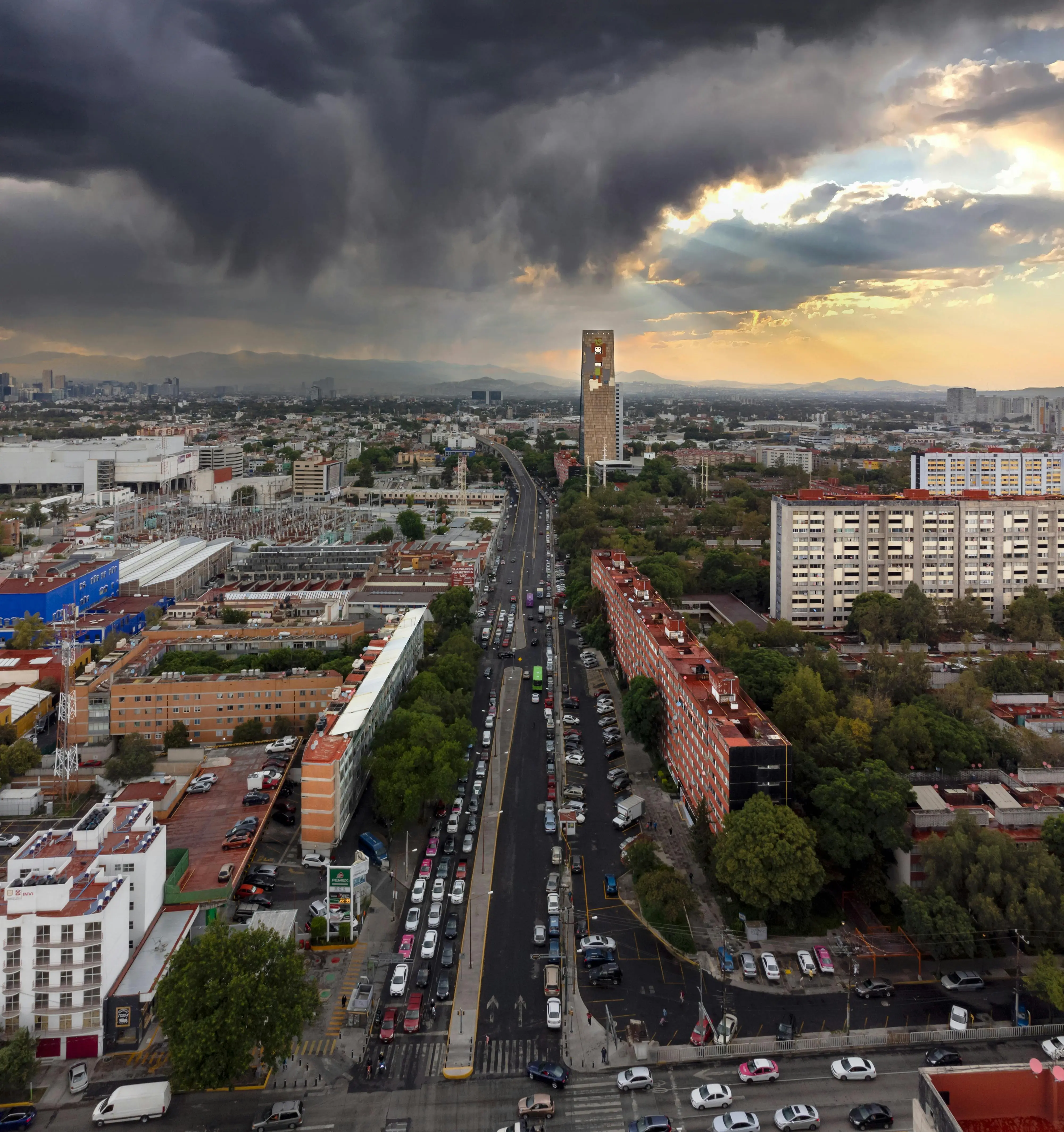
When comparing global destinations, Mexico continues to stand out as one of the most affordable cities for long-term stays. Across the country, the balance between income potential and daily prices allows many expats to stretch their budgets further than they could in most developed economies.
Why Mexico Stands Out
Several factors contribute to this positioning:
Lower overall cost of services and everyday goods
A wide range of housing and lifestyle options
Access to both urban centers and smaller cities with lower demand
Even as demand increases in certain regions, Mexico still offers a level of flexibility that is difficult to find elsewhere.
Comparing Mexico to Other Destinations
When placed alongside countries like Costa Rica, Mexico often delivers better value across multiple categories:
Housing tends to be more accessible
Healthcare systems are more affordable
Daily prices for goods and services remain lower
This combination allows for a lifestyle that is both practical and sustainable.
Where Mexico Fits Globally
Across different regions, Mexico maintains a strong position as a destination where expats can maintain quality without excessive spending. It is not always the cheapest option, but it consistently offers one of the most balanced experiences.
For those evaluating long-term options, the appeal comes from this balance—not just affordability, but the ability to build a routine that works.
Cost of Living in Mexico City: Final Thoughts for 2026
The cost of living in Mexico City continues to reflect a broader pattern seen across Mexico: lower overall costs, greater flexibility, and the ability to maintain a high quality of life without the financial pressure found in many other countries.
While some categories—particularly rent—have increased over time, the overall structure still allows for a lifestyle that feels both accessible and sustainable. For a single person, managing monthly expenses within a reasonable range remains achievable with the right approach to housing and daily spending.
Across Mexico, this balance is what keeps the country relevant for long-term stays. It is not just about spending less, but about getting more value from what you spend.
If you are planning a longer stay, fully furnished apartments in Mexico offer a practical way to settle in without the usual setup challenges.