Madrid is one of those rare European capitals where one day can still feel satisfying rather than rushed. The city is compact, remarkably walkable, and layered with history, food, and culture that rewards smart pacing over speed. If you’re wondering what to do in Madrid in one day, the goal isn’t to see everything—it’s to see the right things, in the right order.
This Madrid itinerary is designed around the city center, connecting major sights that sit within walking distance while leaving room for cafés, markets, and green spaces that make the day feel human rather than hectic. You’ll move through historic plazas, world-class art, and classic neighborhoods without doubling back or burning out.
In a single day, you can realistically experience:
-
Iconic plazas like Puerta del Sol and Plaza Mayor
-
A food stop at Mercado de San Miguel for tapas and local flavors
-
The heart of Madrid’s art scene along the Paseo del Prado
-
Time to reset in El Retiro Park, one of the city’s most loved green spaces
-
An evening walk through Gran Vía and the royal district at sunset
Whether you’re here for a few hours, a stopover, or the first day of a longer stay, this one day in Madrid guide focuses on flow, not frenzy—letting the city reveal itself naturally, one neighborhood at a time.
One Day in Madrid — How to Approach This Day Itinerary
Trying to squeeze Madrid into a single day works best when you stop thinking in terms of checklists and start thinking in terms of flow. This day itinerary is built around how the city actually moves—compact streets, well-connected plazas, and clusters of major sights that make it easy to see a lot without feeling rushed. For a one day visit, your biggest advantage is Madrid’s layout.
Most of the places you’ll want to see sit inside the city center, with short distances between them and plenty of cafés, benches, and shaded streets along the way. That means less time commuting and more time actually enjoying the city.
Getting Around the City Center
Madrid is one of Europe’s most walkable capitals, and for a one day in Madrid plan, walking is often faster than public transport.
-
Walking distance: Many major sights are 5–15 minutes apart, especially between Puerta del Sol, Plaza Mayor, and the Royal Palace area.
-
Metro: Cheap, clean, and easy to use if your feet need a break or you want to skip a longer stretch.
-
Taxis: Useful late at night or if you’re heading back to your accommodation after dinner.
-
Tourist bus: A low-effort option if you prefer not to walk, though it’s slower than covering the city center on foot.
Madrid’s streets are flat enough for relaxed strolling, and the constant presence of cafés makes it easy to pause without losing momentum.
Choosing a Smart Start and End Point
A good Madrid itinerary starts centrally and finishes somewhere atmospheric. Beginning near Puerta del Sol lets you orient yourself at the city’s geographical center, while ending near the royal district or Gran Via gives you sunset views, dinner options, and easy transport back.
To keep the day smooth:
-
Start early, before crowds peak in popular plazas
-
Group sights by neighborhood instead of zig-zagging
-
Save parks and open spaces for the afternoon lull
-
Leave evenings flexible for food, flamenco, or rooftop views
Approached this way, you can easily spend a full, rewarding day in Madrid without feeling like you’re racing the clock—just following a walking route that makes sense for the city itself.
Morning in the City Center — Puerta del Sol to Plaza Mayor
Madrid mornings move at a relaxed but purposeful pace. Shops open early, cafés fill quickly, and the historic core comes alive before tour groups fully take over. Starting your one day in Madrid here makes sense: you’re in the heart of the city center, surrounded by history, transport links, and streets that naturally funnel you toward the city’s most iconic squares.
This stretch is about orientation—understanding where you are, how Madrid fits together, and how easily the day will unfold on foot.
Puerta del Sol: Madrid’s Geographical Center
Puerta del Sol is more than a busy square—it’s the literal starting point of Spain’s road network. Look for the small plaque marking Kilometer Zero, where all distances in the country are measured from. It’s also where locals gather for New Year’s Eve, filling the square to eat twelve grapes at midnight.
What to notice here:
-
The famous strawberry tree statue (El Oso y el Madroño), a city symbol
-
The constant movement—commuters, performers, early shoppers
-
Easy access to nearby streets leading deeper into historic Madrid
Local breakfast ideas nearby:
-
Chocolatería San Ginés – Classic churros with chocolate, open early and ideal before walking
-
La Mallorquina – Traditional pastries if you prefer something lighter
Puerta del Sol can feel overwhelming later in the day, but in the morning it works perfectly as a calm starting point.
Plaza Mayor and Casa de la Panadería
A short walk from Sol brings you into Plaza Mayor, one of the city’s grandest public spaces. Dating back to the 16th century, the square has hosted everything from royal celebrations to public trials, giving it a layered, dramatic past.
At the center of the square:
-
Admire Casa de la Panadería, known for its painted façade
-
Watch the square slowly fill with locals, artists, and café staff setting up
For a late-morning pause:
-
Grab a quick coffee at one of the arcaded cafés (sit inside to avoid inflated terrace prices)
-
Wander just outside the square for better-value tapas and drinks
Nearby local spots worth stepping into:
-
Café del Art – Calm atmosphere just off the square
-
Los Austrias streets – Quieter lanes with traditional bars and bakeries
This area offers your first real sense of Madrid’s scale: historic, lively, and compact enough that the next stop is always just a few minutes away. From here, the city naturally pulls you toward food, neighborhoods, and culture—setting the tone for the rest of the day without rushing it.
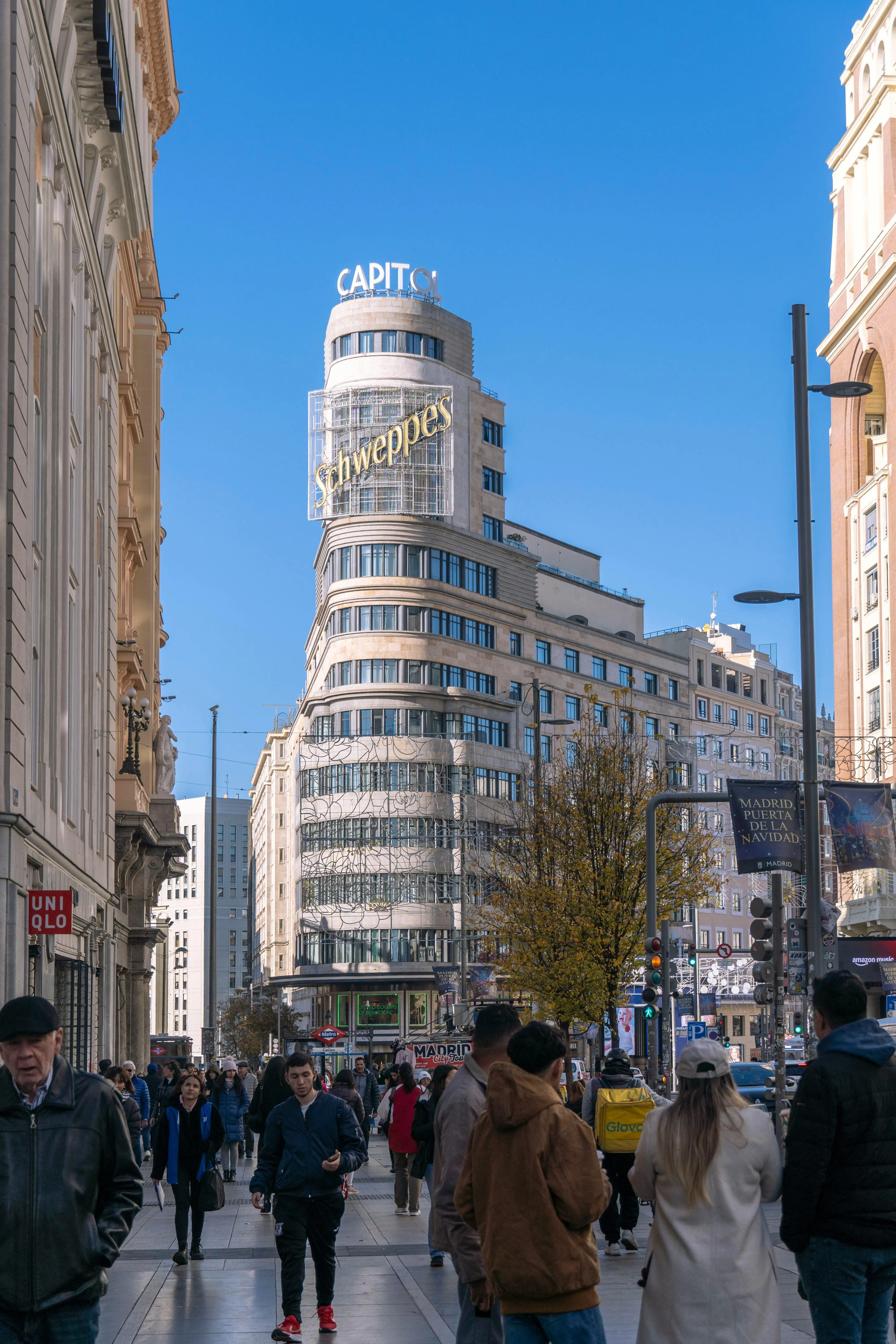
Late Morning Food Stop — Mercado de San Miguel
By late morning, Madrid’s appetite starts to wake up—and Mercado de San Miguel is one of the most efficient places to plug into it. Just steps from Plaza Mayor, this historic iron-and-glass market is known for high-quality tapas, regional specialties, and the kind of grazing-friendly setup that works perfectly in a one day in Madrid plan.
This is not a place to sit down for an hour-long meal. Think of it as a curated tasting loop: a few bites, a drink, and back out into the city before crowds peak.
What to Eat Inside the Mercado San Miguel
Rather than wandering aimlessly, head straight to a few stalls that consistently deliver:
-
Jamón Iberico at Encina – One of the best spots for expertly sliced Spanish ham, served simply and without fuss.
-
Seafood at Ostras Sorlut – Known for fresh oysters, shrimp, and Galician-style seafood if you want something light but indulgent.
-
Croquetas at Arzábal – Creamy interiors, crisp exteriors, and classic flavors done properly.
-
Tortilla Española at La Hora del Vermut – A solid choice if you want something filling without committing to a full plate.
-
Vermouth or Cava at the central wine bar – A small glass pairs well with savory bites and keeps things moving.
Portions are designed for sampling, so it’s easy to share and try multiple stalls without overdoing it.
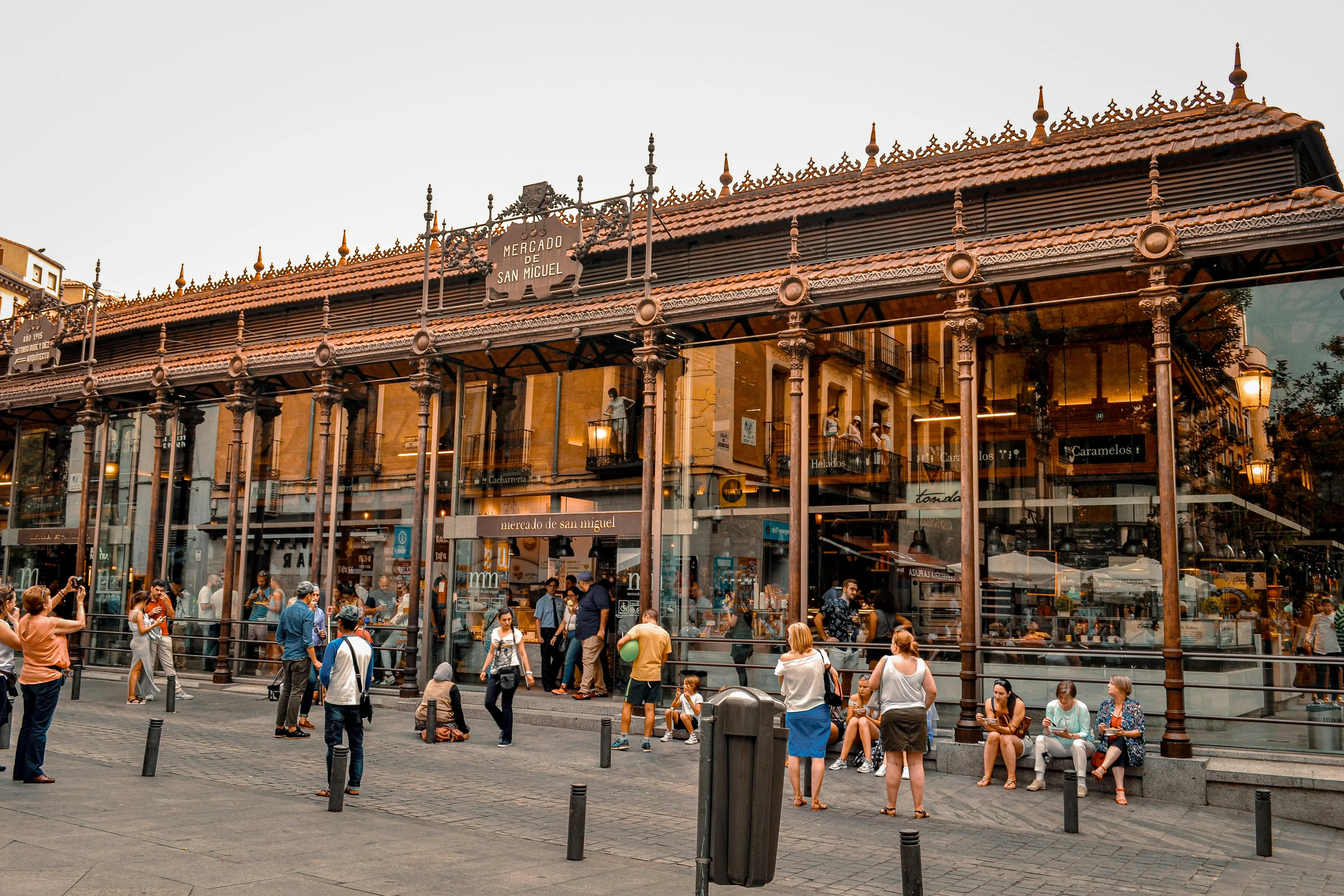
When to Go (and How to Enjoy It Without the Stress)
Timing makes or breaks this stop. Mercado de San Miguel fills up fast, especially around lunch.
To keep it enjoyable:
-
Arrive late morning or just before 1 pm
-
Eat standing at counters rather than hunting for tables
-
Avoid peak lunch hours if you don’t like crowds
-
Step outside between bites to reset and keep the visit relaxed
If it feels too busy, don’t force it—Madrid is full of great food, and this is only one stop in a longer day.
Handled right, Mercado San Miguel gives you a concentrated taste of Madrid’s food culture without slowing down your day itinerary. From here, the city naturally pulls you toward quieter streets, literary history, and plazas designed for lingering rather than lining up.
Midday Walk — Barrio de las Letras and Plaza de Santa Ana
After the energy of the market, Madrid rewards you with a slower, more intimate stretch. Barrio de las Letras sits just south of the main squares, and it’s one of the easiest places to feel the city’s cultural depth without stepping into a museum. Streets narrow, traffic fades, and the mood shifts from sightseeing to lingering—perfect timing for the middle of a one day in Madrid itinerary.
This neighborhood is compact, flat, and full of small details that make wandering feel purposeful rather than aimless.
See Barrio De Las Letras homes
Barrio de las Letras: Madrid’s Literary Quarter
Once home to writers like Miguel de Cervantes, this area still wears its history lightly. Look down as you walk—quotes from Spain’s literary greats are etched directly into the pavement, turning the streets themselves into a quiet gallery.
Don’t rush this part. A few blocks is all it takes to get the feel.
Local stops worth your time:
-
Café Central – A long-running jazz café with daytime coffee service; calm, classic, and a good reset after the market crowds.
-
Librería Desnivel – A thoughtfully curated bookstore with a café upstairs, ideal for a short pause and a browse.
-
Plaza de las Cortes – Less busy than nearby squares, good for a quick sit-down in the sun.
This is also a smart area to pop into small, independent shops—vinyl, books, and design stores dominate over souvenirs.
Plaza de Santa Ana: Tapas, Theaters, and Street Life
A few minutes’ walk brings you to Plaza de Santa Ana, one of Madrid’s most sociable squares. By midday, terraces fill with locals grabbing a drink or a light bite, and the square hums without tipping into chaos.
Good options for a relaxed tapas stop:
-
Cervecería Alemana – A classic for beer and simple tapas; dependable and unpretentious.
-
Lateral Santa Ana – A modern take on tapas if you want variety and smaller portions.
-
Vinoteca García de la Navarra** (nearby)** – Excellent wines by the glass if you’re leaning toward quality over quantity.
This area is also known for evening flamenco shows, especially in the surrounding Huertas streets. If you’re planning to pair dinner with a performance later, this is a good place to note options and come back after dark.
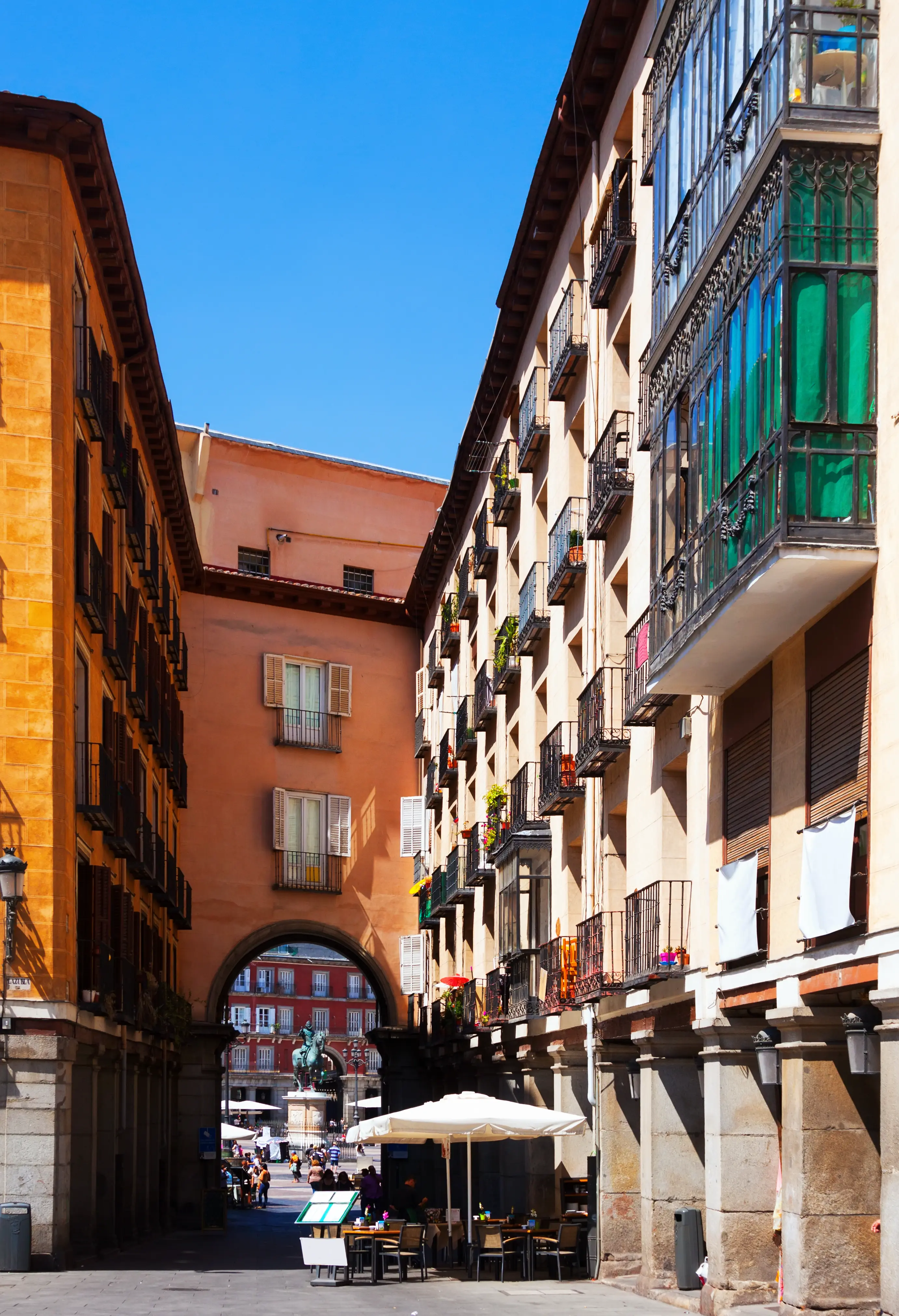
Barrio de las Letras and Plaza de Santa Ana offer a natural breather in your Madrid itinerary—cultural, walkable, and grounded in everyday city life. From here, the transition toward art museums and grand boulevards feels seamless rather than abrupt, keeping the day balanced as you move into the afternoon.
Afternoon Art Walk — El Prado and the Golden Triangle of Art
By early afternoon, Madrid naturally pulls you toward its cultural core: the stretch along the Paseo del Prado known as the Golden Triangle of Art. This area concentrates some of Europe’s most important art museums into a short, elegant walking route, making it ideal for a one day in Madrid plan that prioritizes depth over overload.
If you’re a history buff or even casually curious about Spanish art, this part of the day delivers context, not just paintings.
Museo del Prado and the Prado Museum
The Museo del Prado, often referred to as the Prado Museum, is one of the most significant collections of European art in the world. Even with limited time, it’s worth stepping inside to see the works that shaped Spain’s visual identity.
Focus your visit on a few highlights rather than trying to cover the entire museum:
-
Francisco de Goya – His later black paintings reveal a darker, deeply personal side of Spain’s most famous painter
-
Diego Velázquez – Court painter to the royal family, best known for Las Meninas
-
Peter Paul Rubens – Grand, dramatic works that reflect Spain’s imperial era
Plan for 60–90 minutes. That’s enough to absorb the atmosphere without burning out during a packed day itinerary.
Reina Sofía Museum and Thyssen-Bornemisza Museum
Just down the boulevard sits the Reina Sofía Museum, home to Picasso’s most powerful work, Picasso’s Guernica. Even if modern art isn’t usually your focus, this single piece alone justifies the visit.
Nearby, the Thyssen-Bornemisza Museum (often shortened to the Thyssen Museum) fills the gaps between classical and modern movements, making it a great alternative if the Prado feels overwhelming.
If time is tight:
-
Choose Museo del Prado for classical European masters
-
Choose Reina Sofía for 20th-century impact
-
Choose Thyssen Bornemisza Museum for balance
This cluster of major sights sits along a calm, tree-lined stretch of the city, making it easy to move between them without stress.
The Golden Triangle proves that you don’t need multiple days to engage with Madrid’s cultural weight. Handled thoughtfully, this afternoon adds real substance to your Madrid itinerary, setting up a more relaxed transition into gardens, monuments, and evening life.
Late Afternoon Reset — El Retiro Park
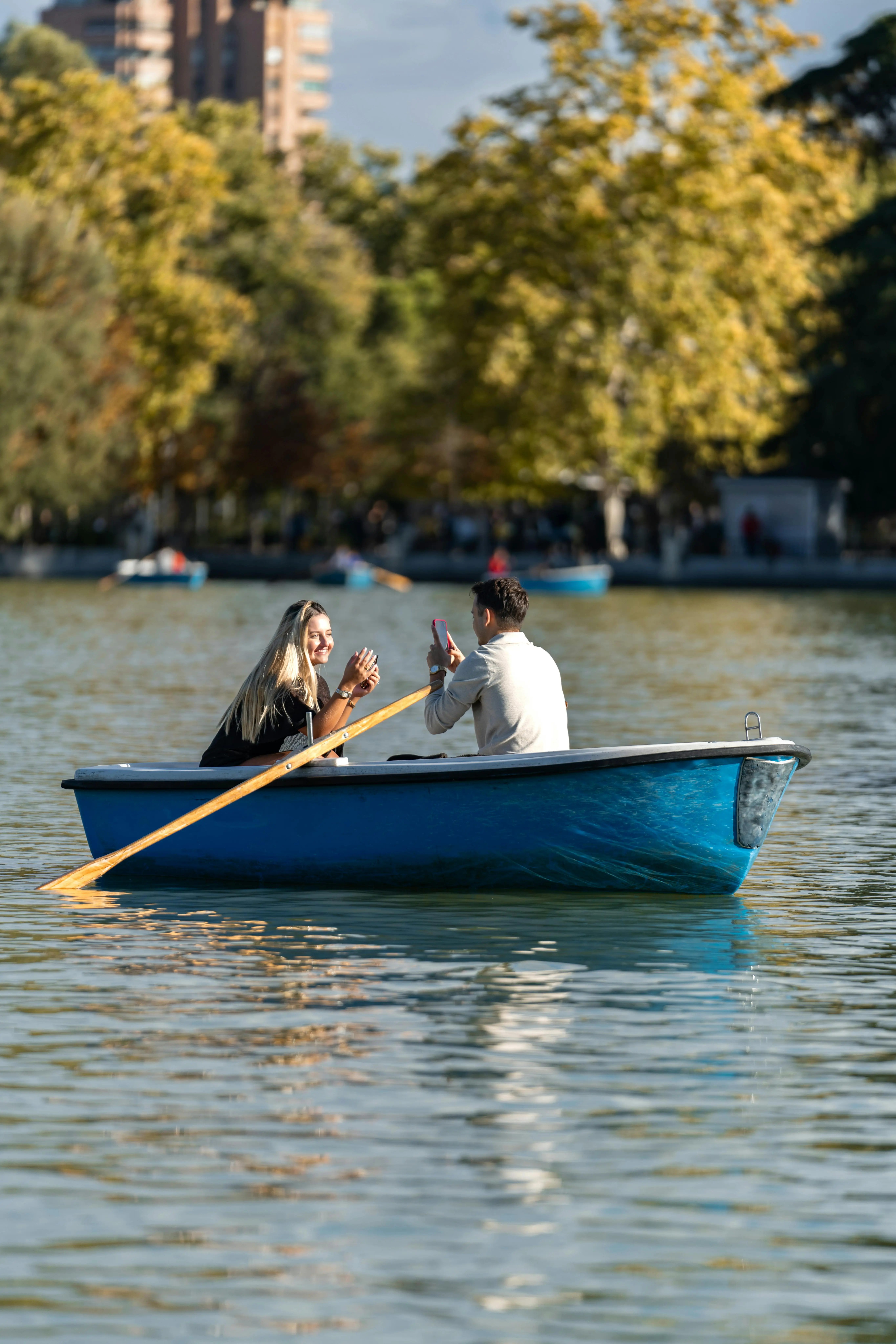
After museums and boulevards, Madrid gives you exactly what you need next: space. El Retiro Park is where the city exhales, and it’s an essential stop in any realistic one day in Madrid plan. Locals come here to slow down—reading on benches, rowing across the lake, or sitting quietly beneath trees that have watched centuries pass.
Recognized as a UNESCO World Heritage Site, this is not just a park but one of the city’s most cherished public spaces, and it’s remarkably easy to enjoy without a strict plan.
What to See Inside El Retiro
You don’t need to cross every path to appreciate El Retiro. A short loop covers the highlights and keeps the day balanced.
Make time for:
-
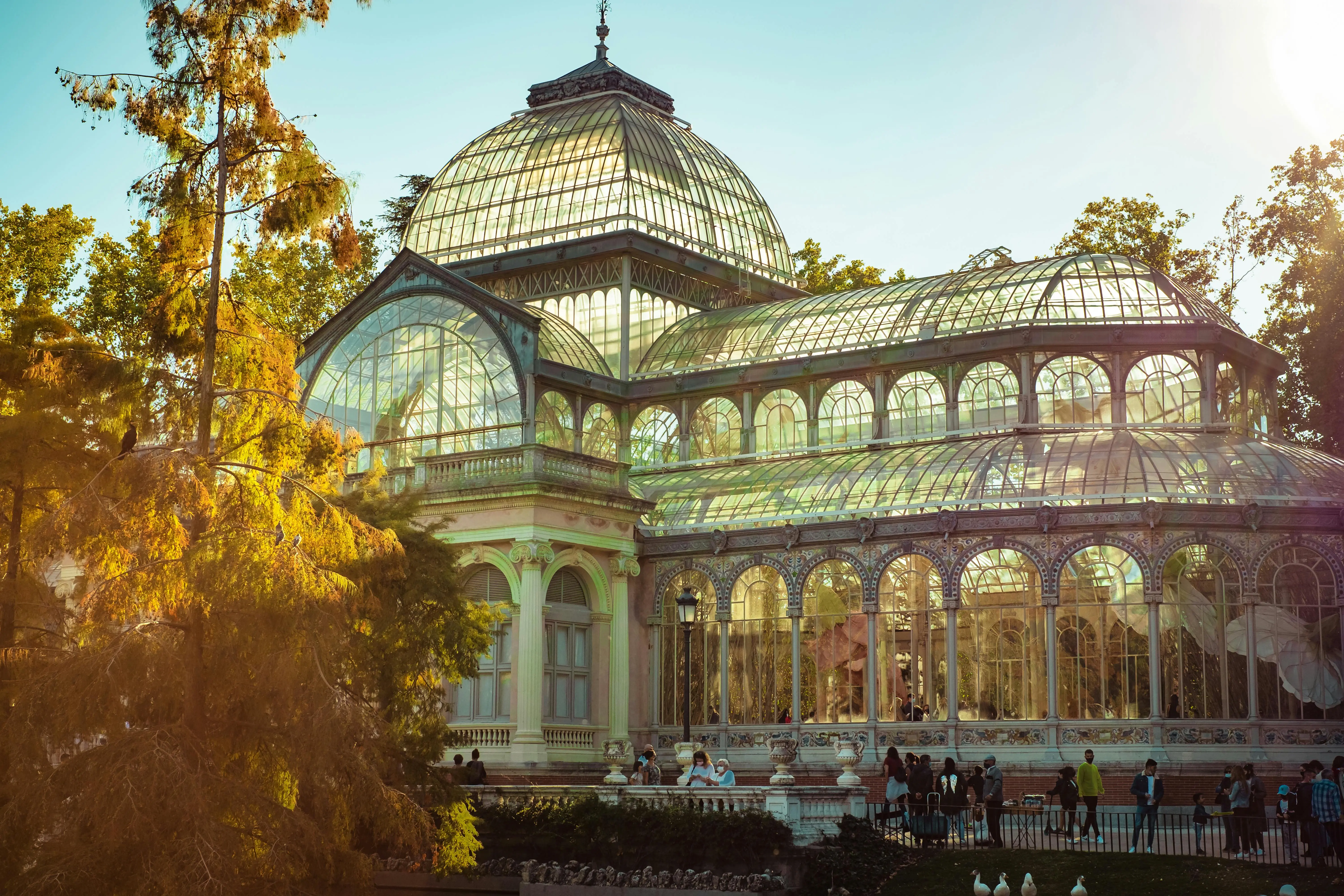
Crystal Palace – A glass-and-iron pavilion surrounded by water, often hosting rotating exhibitions and reflections that change with the light
-
The boating pond near the Alfonso XII monument – One of the liveliest corners of the park
-
The Rose Garden – Best in spring, but calm and elegant year-round
-
The statue of the Fallen Angel, one of the few public monuments in the world dedicated to this theme
These pockets of greenery and architecture are why many consider Retiro one of Madrid’s most beautiful gardens—it offers both grandeur and quiet without trying to impress.
Why Retiro Works So Well in a Day Itinerary
Placed between the art corridor and the evening walk, Retiro Park acts as a natural reset. The pace slows, the noise drops, and your feet get a break without cutting the day short.
It’s also:
-
Flat and easy to navigate
-
Well-connected to surrounding streets and museums
-
A place where locals and visitors mix naturally
If you’re traveling light or planning a longer stay, this area makes a strong base. Being close to green space is one of the easiest ways to make city living feel sustainable.
If you’re thinking about staying nearby, look for fully furnished apartments in Madrid that let you work and unwind without leaving your neighborhood—having a park like Retiro within walking distance changes how the city feels day to day.
As the afternoon light softens, exits from El Retiro Park guide you naturally toward fountains, grand avenues, and some of Madrid’s most photogenic landmarks—setting up the perfect transition into the evening.
Early Evening — Plaza de Cibeles to Gran Vía
As the afternoon light softens, Madrid shifts gears. Offices empty, terraces fill, and the city’s grand avenues begin to glow. This stretch—from Plaza de Cibeles to Gran Vía—marks a turning point in your one day in Madrid plan, where formal landmarks give way to energy, architecture, and movement.
It’s an easy transition on foot, and one of the most visually rewarding parts of the day.
Plaza de Cibeles and Its Iconic Surroundings
Plaza de Cibeles is one of Madrid’s most recognizable spaces, anchored by its ornate fountain and surrounded by some of the city’s most important buildings. The square feels ceremonial, even when traffic is flowing.
Take a few minutes to notice:
-
The Cibeles Fountain, a focal point for city celebrations
-
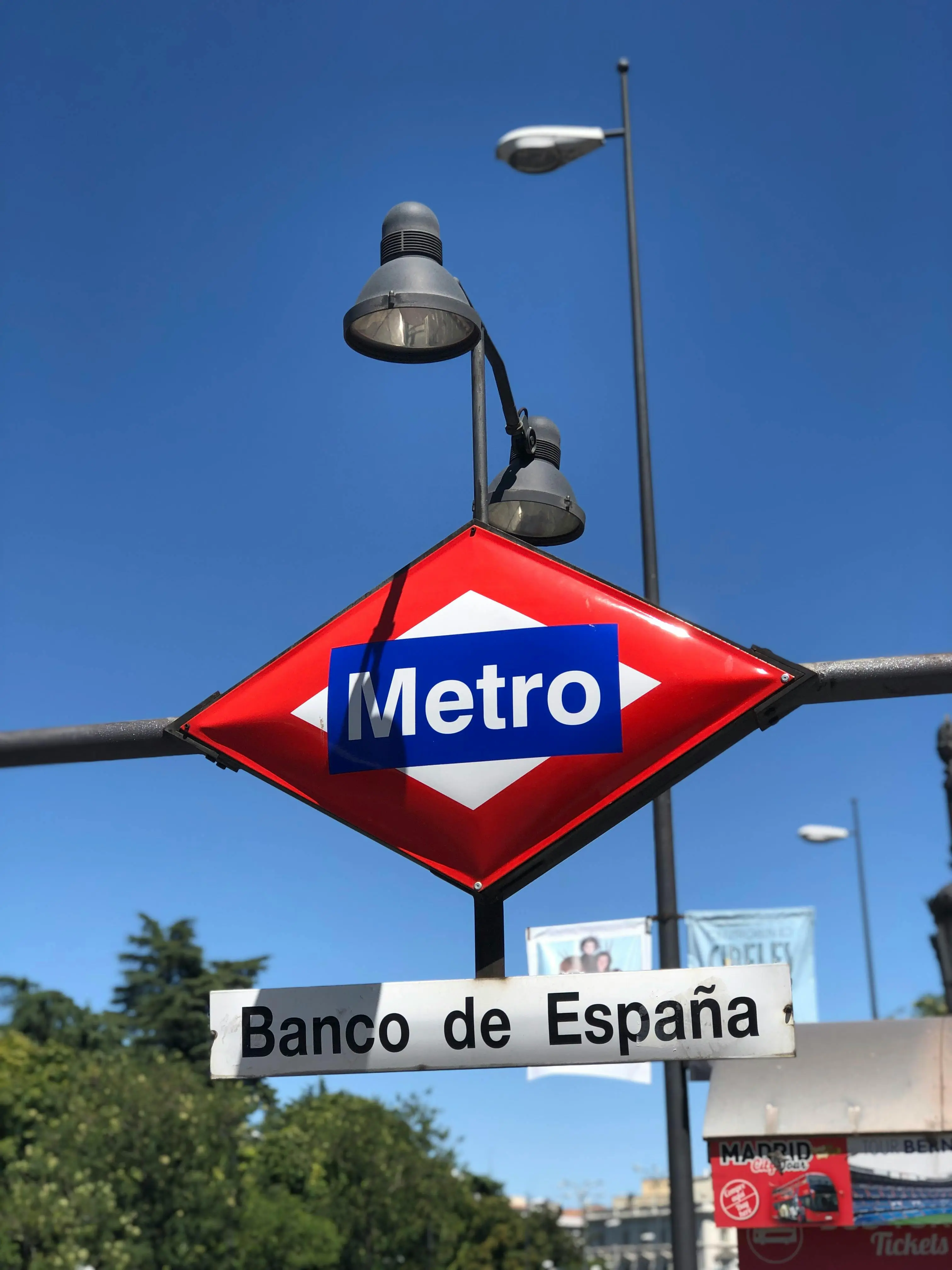
Banco de España, whose imposing façade hints at Madrid’s financial power
-
The former Palace of Communications (now City Hall), especially striking at sunset
A short walk away, the Neptuno Fountain sits at the edge of the Paseo del Prado, creating a visual dialogue between art, politics, and public life. Together, these monuments give context to how Madrid balances tradition with modern city rhythm.
Walking Gran Vía and Plaza de Callao
From Cibeles, the city pulls you naturally onto Gran Vía, Madrid’s most famous boulevard. Often compared to Broadway, this avenue is all about scale—early 20th-century architecture, glowing signage, and a constant flow of people.
Highlights along this walking route include:
-
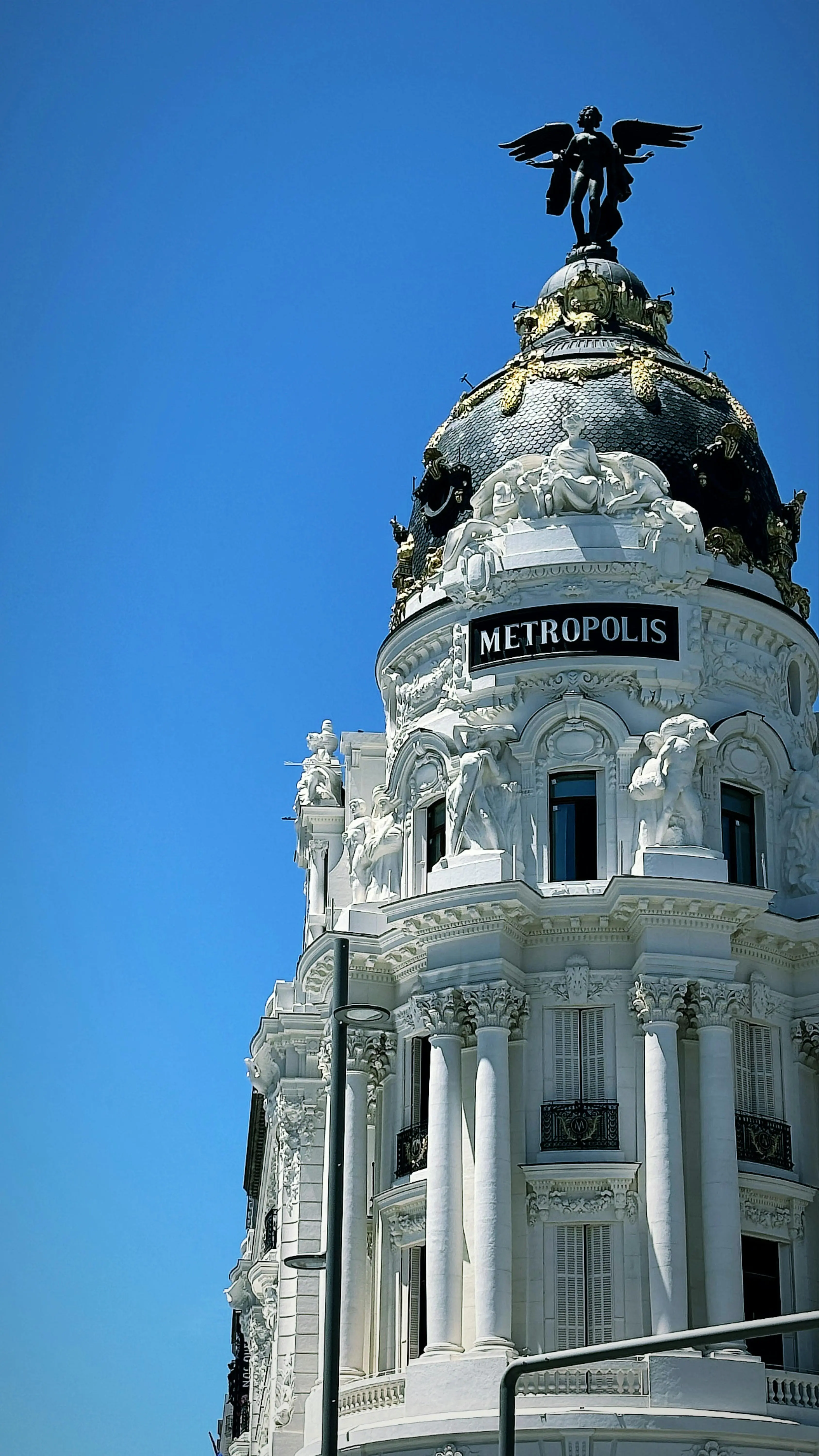
Historic façades like the Metropolis Building near the Cibeles end
-
Cinemas, flagship stores, and theaters lining the avenue
-
Plaza de Callao, a lively junction where Gran Vía opens up into a true urban stage
Callao works as a natural pause point. It’s a busy square, but one that captures Madrid’s everyday pulse rather than feeling staged.
If you’re ready to take things upward, several nearby buildings offer a rooftop terrace with panoramic views—ideal for a quick drink as the sky shifts colors. These spots can be busy, but they’re memorable if timed just before peak evening hours.
This section of the city shows why Madrid is so easy to enjoy in a short visit. Within a short walking distance, you move from ceremonial fountains to neon-lit streets, all without losing momentum. From here, the day flows naturally toward royal landmarks and sunset viewpoints, setting up a strong final act to your itinerary.
Sunset and Royal Madrid — Plaza de Oriente, the Royal Palace, and Almudena Cathedral
As evening approaches, Madrid becomes quieter, more ceremonial. The crowds thin, the light softens, and the city’s royal quarter comes into its own. This stretch—centered around Plaza de Oriente—adds historical weight and visual calm to a one day in Madrid plan, making it an ideal counterbalance to the buzz of Gran Vía.
Everything here sits close together, allowing you to slow your pace without losing momentum.
Plaza de Oriente and Madrid’s Royal Palace
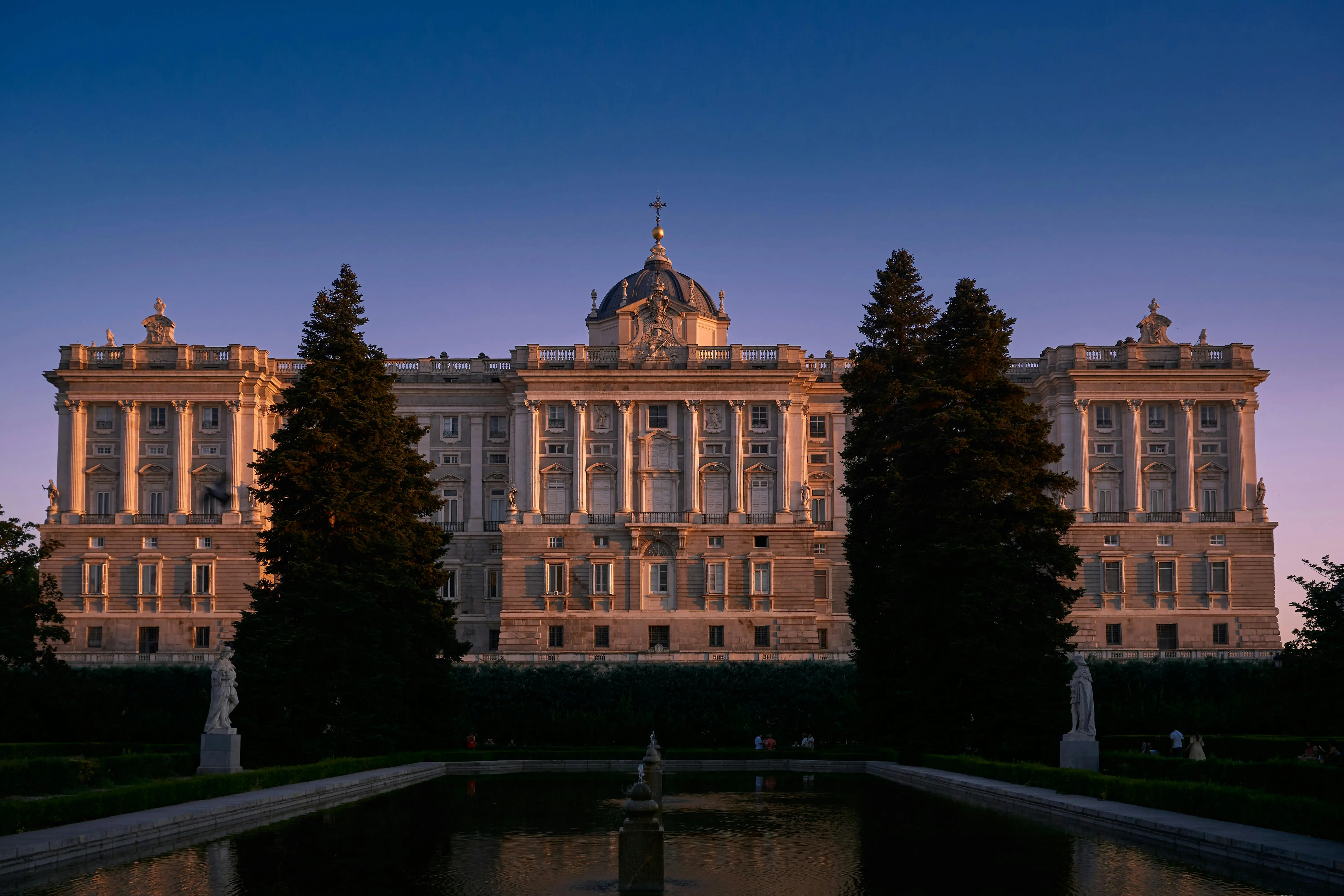
Plaza de Oriente opens onto one of the city’s most impressive landmarks: Madrid’s Royal Palace. Known locally as the Palacio Real, this vast complex is the largest functioning royal palace in Europe and remains the setting for official ceremonies involving Spain’s royal family.
Even if you don’t go inside, the exterior alone is worth the stop.
What makes this area special:
-
Sweeping views across the square toward the palace façade
-
Formal gardens framing the approach
-
The proximity of Teatro Real, adding to the sense of grandeur
The palace’s scale is easiest to appreciate at this hour, when tour groups have moved on and the space feels more reflective than imposing.
Almudena Cathedral and the Royal District
Directly opposite the palace stands Almudena Cathedral, a striking blend of neoclassical and modern elements. Its relatively recent completion contrasts with the historic weight of the surrounding buildings, offering a clear visual marker of Madrid’s evolving identity.
Step inside if time allows—the interior is lighter and more contemporary than many European cathedrals, and the quiet atmosphere suits the early evening hour.
Just beyond, streets lead toward Plaza de España, where the city opens up again. This square is anchored by a monument to Miguel de Cervantes and framed by imposing buildings that hint at Madrid’s 20th-century expansion.
Temple of Debod: A Different Kind of Sunset
A short walk uphill from Plaza España brings you to one of the city’s most unexpected sights: Templo de Debod. This ancient Egyptian temple, gifted to Spain, sits in a park overlooking the city and offers one of Madrid’s most memorable sunset views.
Why it works so well at this point in the day:
-
Open sightlines across the western skyline
-
Fewer crowds than central viewpoints
-
A quiet, contemplative atmosphere as daylight fades
From here, the day naturally reaches its end point—you’ve moved from Madrid’s busiest streets to one of its most peaceful vantage points without ever feeling rushed.
This royal district adds depth to your Madrid itinerary, grounding the day in history and ceremony before the city transitions fully into evening life. The final choice—dinner, flamenco, or a relaxed drink—now depends entirely on your energy level, not your schedule.
Dinner and Nightlife — Tapas Bars, Flamenco, and Late-Evening Madrid
Once the sun drops, Madrid doesn’t slow down—it changes tone. Even after a full day itinerary, the city still feels inviting rather than exhausting. This is when neighborhoods come alive with conversation, clinking glasses, and the easy rhythm that makes people want to visit Madrid again and again. For a one day in Madrid plan, dinner isn’t about formality; it’s about movement.
Madrid’s evenings work best when you lean into variety instead of committing to a single table.
Tapas Bars and Casual Dining
Tapas culture is built on hopping, not sitting. You’ll find many restaurants clustered close together, making it easy to sample without overthinking choices.
Good areas and spots to focus on:
-
Cava Baja** (La Latina)** – One of the city’s most famous streets for traditional tapas bars, ideal for a casual crawl
-
Plaza de Santa Ana** side streets** – Lively but still local, with classic bars and modern kitchens side by side
-
El Sur – A relaxed option for small plates if you want something unfussy
-
La Casa del Abuelo – Known for garlic shrimp and quick pours, great for a standing stop
Order a couple of plates, share, and move on. This rhythm keeps the evening light and avoids the feeling of falling into tourist traps that overpromise and underdeliver.
If seafood is calling, look for counters offering fresh seafood prepared simply—grilled prawns, clams, or anchovies work well late in the day.
Flamenco and Cultural Evenings
If you want something uniquely local, flamenco shows remain one of Madrid’s most immersive nighttime experiences. The neighborhoods of Huertas and the Austrias area host small venues where performances feel intimate rather than staged.
What to look for:
-
Short shows paired with dinner or drinks
-
Smaller rooms where the music fills the space naturally
-
Avoid venues advertising heavily on the street
These performances connect naturally to the artistic lineage you saw earlier in the Prado Museum and nearby art museums, creating a cultural throughline from afternoon to night.
Late Walks and Easy Endings
Madrid is comfortable at night, but common sense still applies. Stick to lit streets, keep valuables minimal, and use taxis if you’re moving far from your final stop. If you’re winding down on foot, areas near Plaza de Cibeles, Plaza de Callao, and along Gran Via stay active late and feel secure.
A quiet walk back toward Puerta del Sol brings you past the strawberry tree statue again, now lit softly against the night—an understated reminder of how much ground you’ve covered in just one day.
If this evening makes you think about staying longer, basing yourself somewhere central matters. Having the freedom to step out late and return easily changes how the city feels after dark. That’s why many travelers look for fully furnished apartments in Spain that balance comfort, location, and quiet when the night finally ends.
Madrid’s nights don’t demand energy—they reward curiosity. And even at the close of a packed day, the city still feels like a lovely place to linger rather than leave.
Safety, Timing, and Practical Tips for Visiting Madrid
Madrid is a city that’s easy to enjoy—even on a tight schedule—but a few practical considerations can make a one day in Madrid plan feel smoother and more relaxed. Whether you’re moving between major sights, hopping museums, or out late for dinner, understanding how the city works helps you stay focused on the experience rather than logistics.
Is Madrid Safe for Travelers?
For a large European city, Madrid is widely considered safe, including for solo travelers. That said, like anywhere popular, awareness matters—especially in crowded areas.
Keep these basics in mind:
-
Busy areas like Puerta del Sol, Plaza Mayor, and Plaza de Callao attract pickpockets
-
Keep valuables zipped and close in dense crowds
-
Use taxis at night if you’re heading to unfamiliar neighborhoods
-
Madrid’s Tourist Police (SATE) are available to help visitors if needed
If you visit Madrid during festivals or peak travel periods, simply staying alert goes a long way.
Best Time to Visit Madrid (and What to Expect)
Timing can dramatically shape your experience of the city—even if you’re only here for one day.
-
Spring (April–May) and Fall (September–October) are ideal: warm days, lighter crowds
-
Summer can be extremely hot, with temperatures often climbing past 32°C / 90°F
-
Winter brings fewer visitors and lower prices, though weather can be gray and rainy
If your itinerary includes outdoor highlights like Puerta de Alcalá, Plaza Cibeles, or lingering walks near Plaza España, shoulder seasons make everything more comfortable.
Museum Timing and Smart Choices
Madrid’s museums are world-class, but trying to do too much in one day leads to fatigue. Choose intentionally.
Helpful guidance:
-
Museo del Prado or the Prado Museum is best for classical European painting
-
Reina Sofía Museum focuses on modern works, including Picasso’s Guernica
-
The Thyssen Bornemisza Museum bridges both worlds with a manageable layout
If you’re short on time, skipping lines or choosing just one museum keeps your day itinerary balanced.
Walking, Transport, and Distance Reality
Madrid is famously walkable, but pacing matters. Most highlights sit within walking distance, yet distances can feel longer under midday sun.
To stay comfortable:
-
Follow a logical walking route rather than crisscrossing
-
Use the metro for longer jumps—it’s efficient and inexpensive
-
Save open-air areas like Retiro Park and its Crystal Palace for later in the day
Handled well, you can easily spend the day exploring without feeling worn down.
Madrid rewards travelers who move with intention rather than urgency. With smart timing, basic awareness, and realistic expectations, even a short visit captures the city’s depth—without sacrificing ease or enjoyment.
Where to Stay to Make One Day Feel Effortless
Where you stay shapes how your one day in Madrid actually feels. The right neighborhood keeps your day itinerary compact, walkable, and flexible—while the wrong one quietly eats into time and energy. For short stays, location matters more than amenities.
Madrid’s core neighborhoods each offer a different rhythm, and choosing well can make even a packed schedule feel unhurried.
Neighborhoods That Work Best for a Short Stay
If your goal is to see major sights without spending half the day in transit, these areas consistently perform best:
-
Centro (Sol–Austrias) – Ideal for early starts near Puerta del Sol and Plaza Mayor, and late returns after dinner. Streets stay lively, well-lit, and easy to navigate.
-
Prado–Recoletos – A calmer base near the Museo del Prado, Reina Sofía, and Thyssen Bornemisza Museum, with tree-lined streets that feel more residential at night.
-
Plaza España area – Well positioned between Gran Via, the royal district, and Templo de Debod, offering space and sunset views without constant foot traffic.
These neighborhoods sit close enough together that moving between them stays within walking distance, keeping the day fluid rather than fragmented.
If you want a deeper feel for how the historic core actually works—where it’s lively, where it’s quiet, and how the streets connect—explore Centro in our neighborhood guide before deciding where to stay.
What to Prioritize in Your Accommodation
For a short visit, simplicity wins. You don’t need excess space—you need a base that supports movement and rest.
Look for:
-
A central location that reduces backtracking
-
Quiet streets once the evening winds down
-
Easy access to cafés, bakeries, and late-night transport
Madrid stays active well into the night, and being able to retreat easily makes a noticeable difference after a full one day of exploring.
If you’re planning to extend your stay or want a base that balances comfort and productivity, choosing an apartment near these neighborhoods keeps everything within reach—without compromising on rest or routine. Explore Goya and Sol Centro on RentRemote's neighborhood guides to find the perfect pick for you.
A smart neighborhood choice doesn’t just save time. It changes how the city feels, even when you’re only here for a single day.
Madrid Itinerary: One Day That Actually Works
A smart Madrid itinerary shows that you don’t need extra days to understand the city—you just need the right sequence. When historic plazas, art, food, and green space are linked in a logical flow, one day in Madrid feels complete rather than rushed. From the energy around Puerta del Sol to quieter moments near Puerta de Alcalá or Plaza de España, the city reveals different sides without demanding constant motion.
What makes this approach work is balance. World-class collections at the Museo del Prado and the Reina Sofía Museum anchor the cultural side, while open spaces like El Retiro and its Crystal Palace offer room to reset. Add tapas, street life, and sunset views near the Royal Palace, and the day naturally finds its rhythm.
If you visit Madrid with intention, even a short stay delivers depth. The city doesn’t ask you to hurry—it simply rewards choosing well.