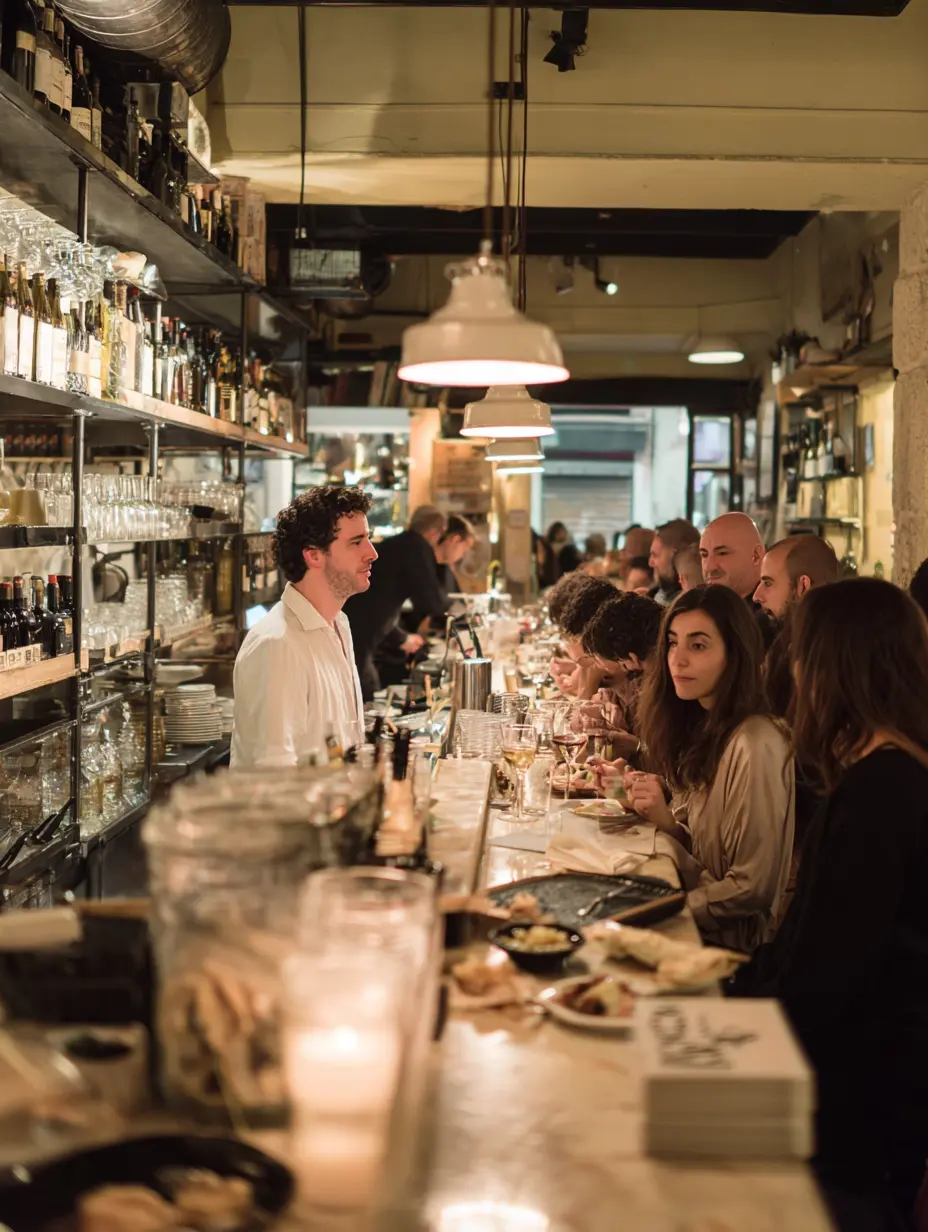
Madrid doesn’t wind down when the sun sets—it shifts gears. Madrid at night is when the city feels most itself, with locals heading out late, streets filling with conversation, and landmarks glowing under warm lights. For travelers and remote workers visiting Madrid, evenings unfold in layers: a relaxed early evening stroll, followed by food, culture, and, if you want it, a night that stretches well past midnight. This guide focuses on experiences that fit different rhythms—whether you’re easing into the night in Madrid or diving straight into its famous energy.
You’ll find options that balance culture, food, and fun, including:
-
Sunset viewpoints and illuminated iconic landmarks
-
Tapas crawls through historic neighborhoods and lively streets
-
Rooftop views and well-crafted drinks
-
Flamenco, theaters, and live music for a cultural night out
-
Late-opening museums and evening walks through the city center
From calm beginnings to high-energy finishes, this is a practical roadmap to things to do in Madrid at night—built for curiosity, not checklists.
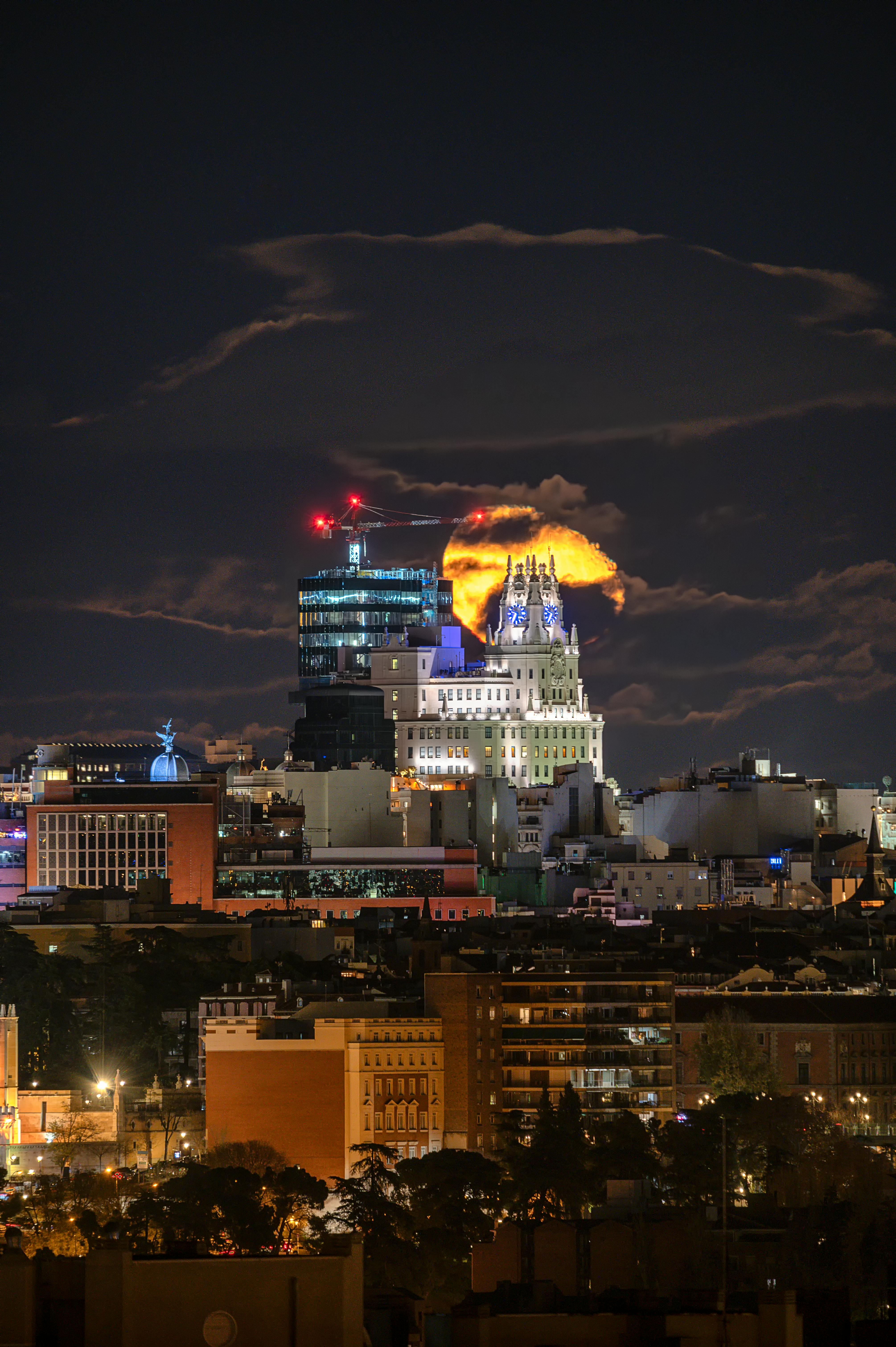
Early Evening in Madrid: Where the Night Begins
The early evening in Madrid is unhurried and social, setting the tone for a long night ahead. This is when locals step outside for a walk, meet friends, and ease into the rhythm of Madrid at night before dinner and late plans take over. For anyone visiting Madrid, this window is ideal for exploring the city on foot, soaking in views, and getting oriented before things get busy.
Sunset Views and Iconic Landmarks
Madrid’s historic core looks especially striking once the sun dips and the lights come on. These are some of the most rewarding early stops:
-
Templo de Debod – One of the best sunset spots in the Spanish capital, with views over the skyline
-
Royal Palace – Beautifully illuminated and perfect for a relaxed evening stroll
-
Plaza Mayor – Calm in the early hours, before nighttime crowds arrive
-
Puerta del Sol – A lively place to people watch as the city transitions into night
-
Puerta de Alcalá – One of Madrid’s most photographed landmarks after dark
Evening City Tours and Gentle Walks
If you want context without rushing, the early hours are ideal for structured exploration:
-
Evening city tour options that showcase illuminated buildings and major sights
-
Walks through Madrid de los Austrias, where historic streets tell the story of Madrid’s history
-
Routes linking plazas, old churches, and other iconic buildings in the city center
These quieter moments offer a chance to see how the Spanish people use public space—talking, strolling, and lingering outdoors.
Early evening is about orientation and atmosphere. It’s the calm foundation of a great night in Madrid, giving you time to enjoy the city before dinner, tapas, and late-night plans take over.
Enjoy Tapas the Local Way
Tapas are central to Madrid at night, shaping how locals eat, move, and socialize once the evening settles in. Rather than committing to one long meal, people enjoy tapas as a shared ritual—standing at the bar, ordering small plates, having a few drinks, and moving on when the mood shifts. For anyone visiting Madrid, this is one of the most natural ways to experience the city’s local cuisine and ease into the rhythm of the night in Madrid.
La Latina and Cava Baja: Classic Tapas Territory
The La Latina area remains one of the most reliable places for a traditional tapas crawl in the Spanish capital. The La Latina neighborhood fills quickly after sunset, with narrow streets buzzing and bars packed shoulder to shoulder.
-
Cava Baja is the heart of the scene, lined with historic taverns and modern favorites
-
Casa Lucas – Known for generous portions and bold flavors
-
La Perejila – Tiny, loud, and focused on simple, delicious tapas
-
Txakolina – A popular stop for seafood bites and quick glasses of wine
-
Posada de la Villa – One of the oldest restaurants in Madrid, good for a slower stop
Expect classic orders like patatas bravas, croquettes, mushrooms, and Iberian ham—delicious tapas designed to be shared. This part of the city center stays lively well into the night, making it ideal for a relaxed start to things to do in Madrid at night.
Plaza del Ángel and Las Letras: Tapas with Atmosphere
Just a short walk away, Plaza del Ángel and the Las Letras area offer a slightly different pace. Here, tapas culture mixes with literary history and a more polished bar scene.
-
Casa Alberto – Traditional dishes in a historic setting
-
Los Gatos – A classic stop for wine and small plates
-
Vinoteca Moratín – Great for pairing tapas with Spanish wines
-
Streets here are ideal if you want to sit, talk, and linger a bit longer
This zone is popular for early-to-mid evening activities, especially if you want tapas without the tight crowds of Cava Baja.
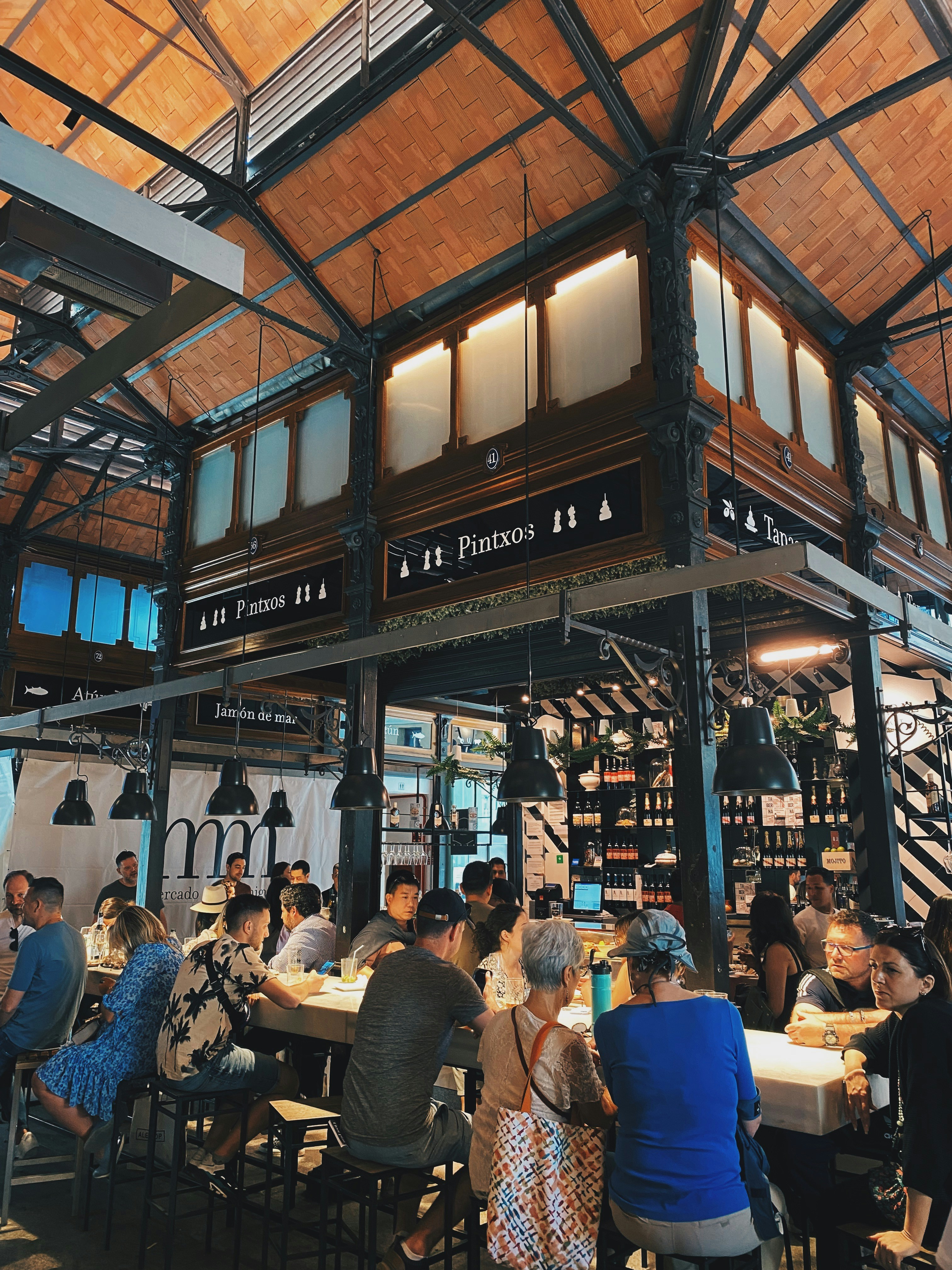
Mercado San Miguel and Guided Tapas Crawls
For variety in one place, Mercado San Miguel is a convenient stop, especially early in the night. Inside, you can sample multiple styles of tapas and snacks without committing to a full crawl.
If you want context and structure, guided tapas crawls are a strong option. A well-designed route usually includes:
-
Traditional tapas bars and long-standing taverns
-
Stops focused on quality, not volume
-
Explanations of how tapas evolved within Spanish culture
-
Time to understand pacing—when to eat, when to move on
These experiences work particularly well on your first Madrid adventure, helping you understand habits that differ from most cities.
Tapas aren’t about checking off dishes. They’re about flow—good food, shared plates, and conversation that stretches naturally into the rest of Madrid at night.
Cocktail Bars and Rooftop Views in Madrid
As the evening deepens, Madrid at night shifts from tapas to carefully mixed drinks and skyline views. The Spanish capital has built a strong reputation for inventive cocktail bars, many of which rival top spots anywhere in the world. Whether you prefer a hidden room with candlelight or a lively rooftop bar overlooking the city lights, this is one of the most popular evening activities for locals and visitors alike.
Best Cocktail Bars for a Late Start
Madrid’s cocktail scene blends classic technique with playful experimentation. Several venues have even earned recognition through a Spanish cocktail bar award, helping cement the city’s status as a serious drinking destination.
Recommended stops include:
-
Salmon Guru – Frequently listed among the best cocktail bars, known for creative menus and high-energy service
-
1862 Dry Bar – A refined option focused on classics done well
-
La Macera – Famous for house-infused spirits and delicious cocktails
-
Del Diego – Old-school atmosphere with flawless execution
These cocktail bars are ideal after a tapas crawl, offering a smooth transition deeper into Madrid at night.
Rooftop Bars and Skyline Views
Rooftop bars are one of the most enjoyable ways to see Madrid after dark. From above, the city feels calmer, with landmarks glowing below and conversations lingering late.
-
Círculo de Bellas Artes – One of the most popular rooftop spots, offering 360-degree views across the city center
-
Views stretching toward Gran Vía, Plaza de Cibeles, and surrounding rooftops
-
Best timing is just after sunset, when the skyline shifts from gold to deep blue
These rooftops are less about rushing and more about atmosphere—perfect for easing into a long night in Madrid.
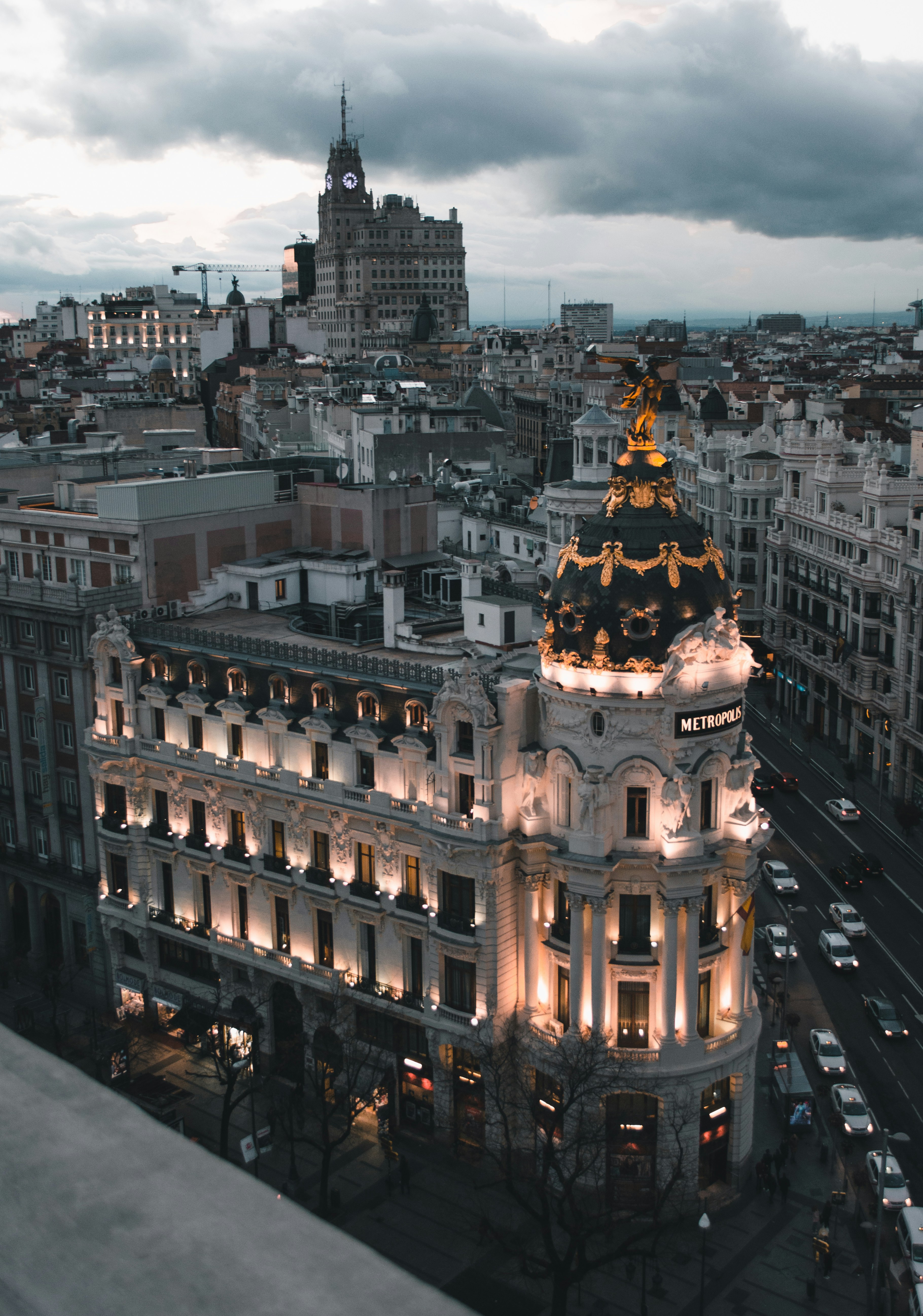
Whether you’re sitting above the streets or tucked into a dimly lit bar, this part of the night is about pace. A well-made drink, good conversation, and the sense that there’s no reason to hurry—one of the defining pleasures of Madrid at night.
Flamenco Show: A Night of Spanish Culture
As Madrid at night moves deeper into its cultural side, attending a flamenco show becomes one of the most meaningful evening activities you can choose. While flamenco has its roots in Andalusia, Spain’s capital has become one of the best places in the country to see top-tier artists in an intimate setting. Many of the most respected performers from across Spain come to Madrid, making these shows a highlight for anyone visiting Madrid.
Where to See Flamenco Performances in Madrid
Flamenco venues in Madrid are known as tablaos—small spaces designed to keep the focus on rhythm, emotion, and connection between performers and audience.
Well-known venues include:
-
Corral de la Morería – One of the most respected tablaos in the world, known for hosting elite performers
-
Cardamomo – A favorite for contemporary flamenco performances with a younger energy
-
Torres Bermejas – Recognizable for its Moorish-inspired interior and classic programming
These spaces attract both locals and travelers looking to experience Spanish culture beyond food and nightlife.
What to Expect from a Flamenco Night
A typical flamenco show features a small group of dancers, singers, and guitarists performing with raw intensity. There’s no amplification, no distractions—just rhythm, footwork, and emotion.
-
Shows usually last around one hour
-
Performances build gradually, moving from slower, expressive pieces to fast, powerful finales
-
The experience feels immersive, even if you’re unfamiliar with flamenco
For many travelers, flamenco becomes the emotional core of their night in Madrid—a moment of stillness and focus in a city otherwise defined by movement and noise.
Seeing flamenco live adds depth to your Madrid adventure, offering a cultural counterbalance to tapas, drinks, and nightlife. It’s a reminder that Madrid at night isn’t only about staying out late—it’s also about connecting with the traditions that shape the city.
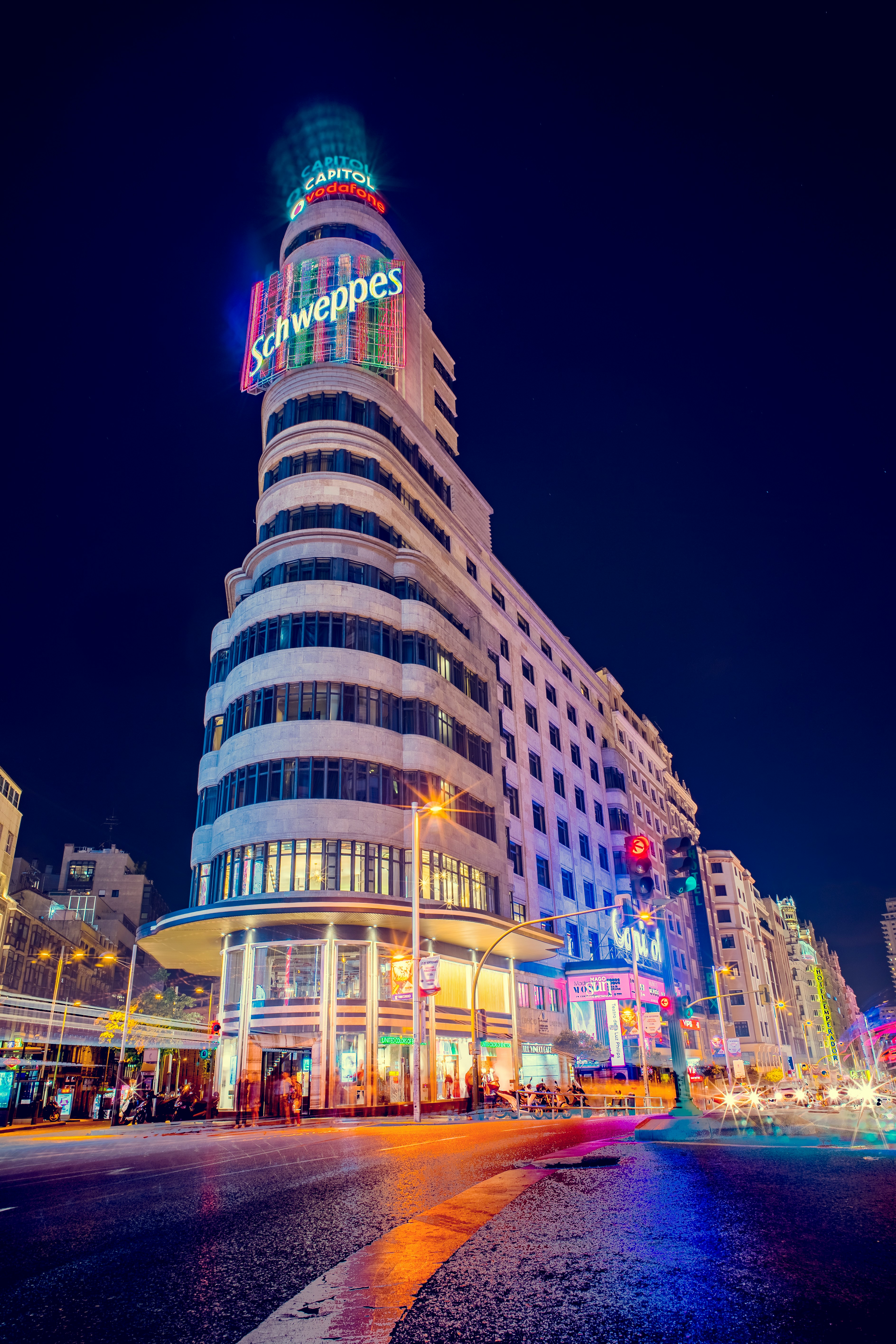
Gran Vía After Dark: Shows, Shopping, and City Energy
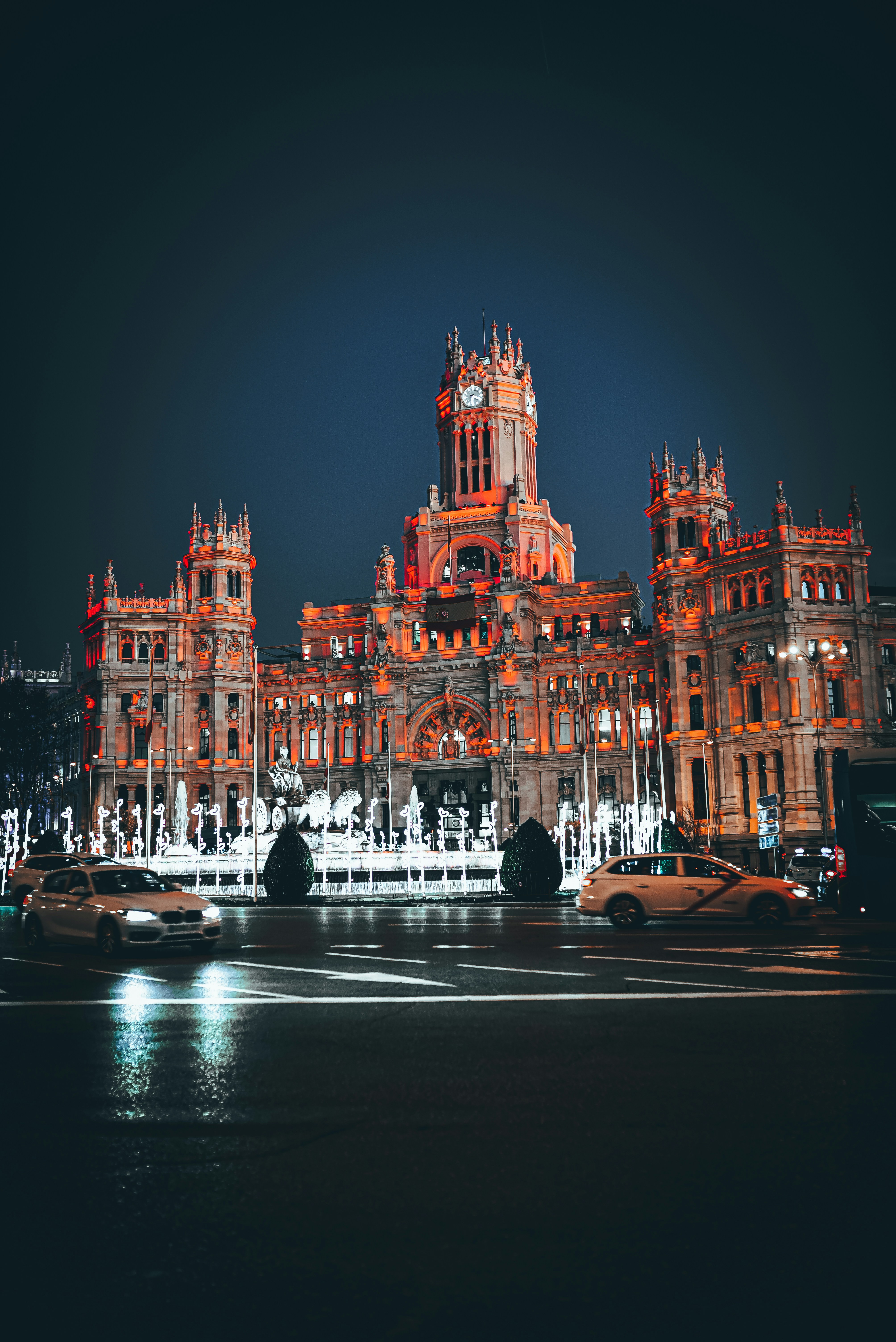
As the evening moves on, Gran Vía becomes one of the brightest arteries of Madrid at night. Often compared to Broadway, this stretch of the city center blends theaters, music, late shopping, and constant movement. It’s one of the easiest places to plug into the rhythm of the Spanish capital, especially if you want variety without committing to a single plan.
Theater, Music, and Nighttime Performances
Gran Vía is the heart of Madrid’s performing arts scene, offering options that range from large-scale productions to intimate concerts.
-
Musicals and plays running most nights of the week
-
Venues hosting live music and rotating performances
-
Access to classical music concerts at nearby auditoriums
-
A good option if you want structured evening activities that don’t revolve around bars
This area attracts a wide mix of locals and visitors, creating a lively but approachable atmosphere compared to quieter neighborhoods.
Night Shopping and City Lights
One reason Gran Vía stays busy is that the city doesn’t shut down early. Many shops remain open until around 9:30 p.m., making it easy to combine culture with a bit of browsing.
-
Fashion, bookstores, and flagship stores open late
-
Neon signs and illuminated facades that define the city lights
-
Easy walking routes toward Plaza España and other nearby streets
It’s a great place to wander without an agenda, especially if you enjoy watching the flow of people through one of Madrid’s most iconic corridors.
Looking to stay close to the action? Explore fully furnished apartments in Madrid designed for work-ready living and easy access to the city’s nightlife.
Gran Vía works well as a pivot point in the night—whether you’re heading toward shows, continuing on to dinner, or moving deeper into night in Madrid.
Famous Clubs and Late-Night Madrid
Madrid’s reputation for staying out late isn’t exaggerated. When dinner wraps up and bars begin to thin, the city shifts into its most energetic phase. This is where Madrid at night feels unapologetically alive, with long queues forming outside venues and music spilling onto the streets. Compared to most cities, nights here stretch further, and that late start is part of the appeal rather than a drawback.
Where the Night Goes Next
Madrid’s club scene is varied, social, and built around movement rather than settling in one place all night. Many people drift between venues, following music preferences or word of mouth.
Notable spots include:
-
Joy Eslava – One of the most historic names in Madrid’s nightlife, blending pop, electronic, and throwback sets
-
Multi-level venues where different rooms cater to different tastes
-
Clubs near Gran Vía and the city’s central districts that stay open until dawn
These are often counted among the best nightclubs in the city, especially for travelers who want a full-spectrum experience rather than a niche scene.
Music, Crowds, and Dance Floors
Clubs in Madrid don’t rush. Most spaces don’t properly fill until after 1 a.m., and peak energy arrives closer to 2 or 3. The atmosphere is social, loud, and built around shared momentum.
-
Packed dance floors late into the night
-
A mix of electronic, pop, reggaeton, and commercial hits
-
Occasional live music nights depending on the venue
This part of the night is about commitment—once you’re in, you’re staying awhile. For many visitors, this is the moment that defines a memorable night in Madrid.
Madrid’s club culture isn’t just about excess; it’s about endurance and flow. If you’re curious, patient, and open to going late, this side of the city reveals why its nightlife has a global reputation.
Culture at Night: Museums, Music, and Quiet Evening Activities
Not every night needs to revolve around bars or crowds. One of the most overlooked sides of Madrid at night is how much culture remains accessible after dark. From late-opening museums to concert halls and intimate performances, these evening activities offer a slower, more reflective way to experience the city—especially welcome if you’ve already done a few late nights or are looking to balance your Madrid adventure.
Reina Sofia and Prado Museum After Hours
Madrid’s major museums don’t shut down early, making them ideal cultural stops once daytime crowds thin.
-
The Reina Sofia offers free entry most days between 7 and 9 p.m., allowing visitors to see Picasso’s Guernica without the daytime rush
-
Visiting the Reina Sofia in the evening feels calmer and more contemplative
-
The Prado Museum stays open until 8:00 p.m. on most weekdays and 7:00 p.m. on Sundays, giving you a rare chance to experience masterpieces later in the day
-
Some nights also include free admission, depending on the schedule
These museums add depth to nighttime activities that go beyond food and nightlife.
Classical Music, Concerts, and Live Performances
Madrid’s cultural calendar doesn’t pause at sunset. Music lovers will find plenty to choose from throughout the week.
-
The National Auditorium hosts classical music concerts almost every night of the year
-
Smaller venues feature jazz and chamber performances for a quieter atmosphere
-
Occasional recital nights offer a contrast to louder forms of live music elsewhere in the city
If performances interest you, it’s worth checking schedules in advance and, when needed, book tickets ahead of time.
Walking Tours, Stories, and Lesser-Known Corners
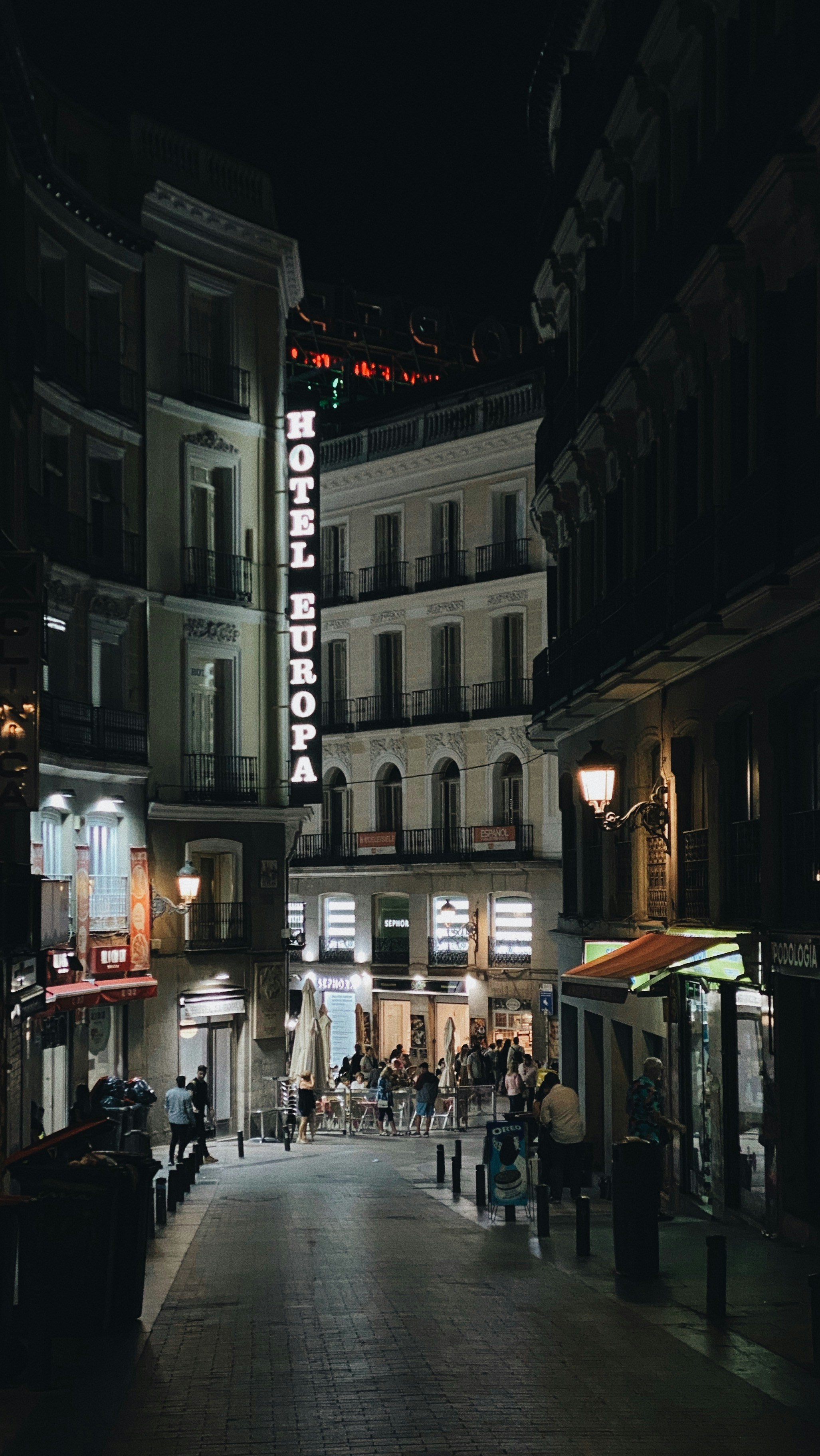
Evenings are also ideal for slower exploration on foot, when temperatures cool and streets feel less hurried.
-
Guided night walks focusing on ghost stories and local legends
-
Routes that highlight Madrid’s history through plazas and side streets
-
Small-group tours that surface hidden gems missed during the day
-
A chance to notice other iconic buildings once crowds disperse
These experiences reveal a quieter, more atmospheric side of the city that many travelers miss.
Cultural nights like these show that Madrid at night isn’t only about staying out late—it’s also about choosing how you want to spend your time. Whether you’re standing in front of a masterpiece or listening to music in a hushed hall, these moments bring balance to the rhythm of the city.
Late-Night Bites: Churros, Hot Chocolate, and Sweet Stops
When dinner ends and bars start thinning out, Madrid has a second food ritual that kicks in late. These stops aren’t about another full meal—they’re about slowing things down and ending the night on something warm or sweet. For many travelers, this is one of the most comforting parts of things to do in Madrid at night.
Classic Churros and Hot Chocolate
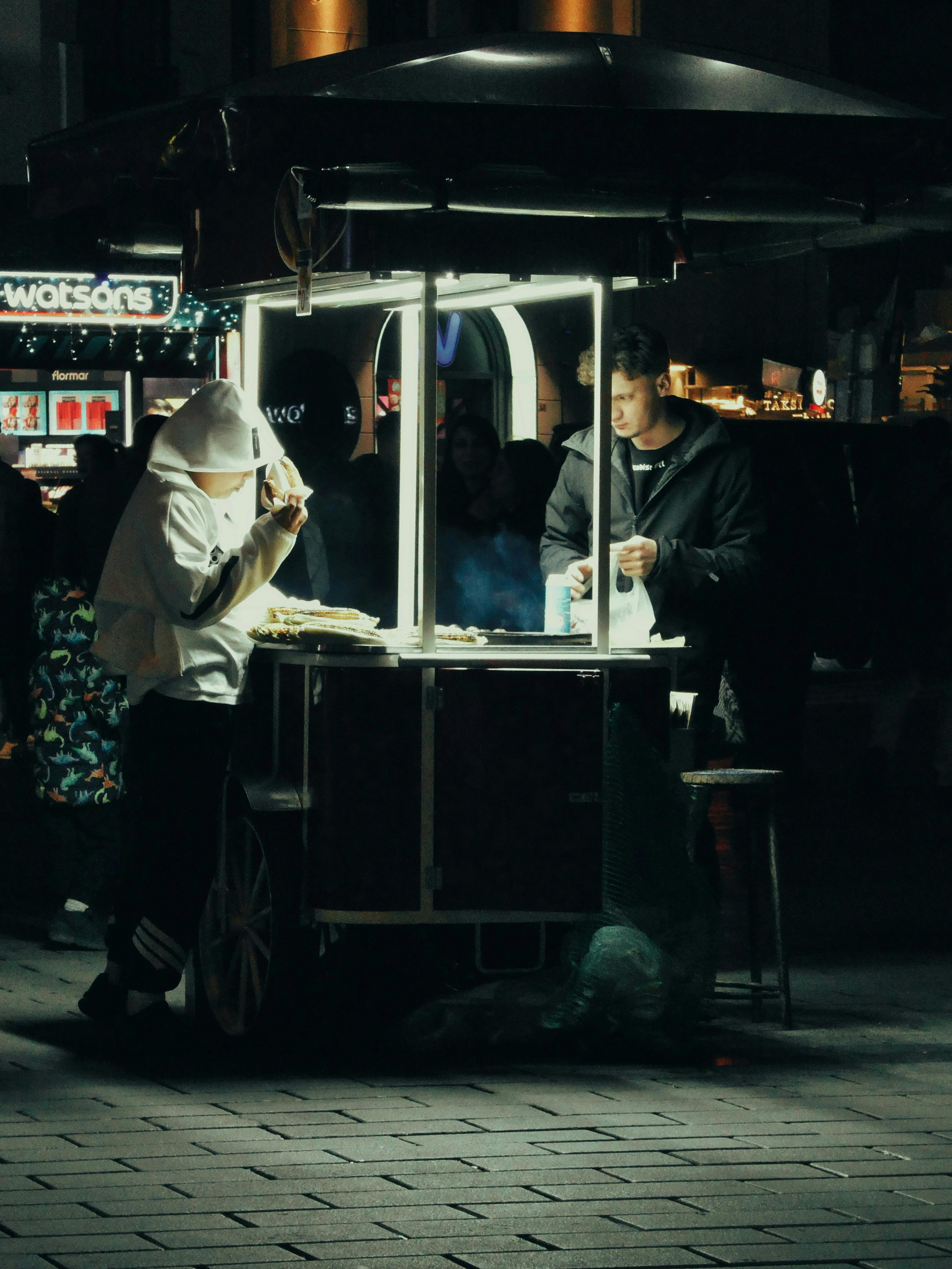
If you try just one late-night tradition, make it churros with hot chocolate. Thick, almost pudding-like chocolate is meant for dipping, not sipping, and it’s common to arrive well after midnight.
-
Chocolatería San Ginés – The most famous spot, open very late (often 24 hours on weekends). Expect a mix of locals, tourists, and people fresh from clubs.
-
Chocolatería Valor – A reliable alternative with multiple locations, good if San Ginés is packed.
-
Churrería Los Artesanos 1902 – Less touristy, known for freshly made porras and a quieter atmosphere.
Stopping for churros is a natural way to wind down a night in Madrid, especially after a long walk or a late show.
Sweet Stops Beyond Churros
If you want something lighter—or just different—there are other late-night options scattered around central neighborhoods.
-
Mistura Ice Cream – Open late in warmer months, good for artisanal flavors near busy evening streets.
-
La Mallorquina – A historic bakery near Puerta del Sol, popular for pastries earlier in the night.
-
Heladería Siena – Another late-opening ice cream option when temperatures stay high.
Areas like Las Letras often have cafés and dessert spots that stay open later on weekends, especially when the streets are still busy.
Ending the Night the Local Way
Late-night food in Madrid isn’t rushed. People arrive in groups, linger over dessert, and talk until the city finally starts to quiet down. It’s a softer, calmer contrast to bars and clubs—and a surprisingly fun way to close out the evening.
These stops add a final, relaxed chapter to Madrid at night, proving that the city doesn’t just know how to start late—it also knows how to end well.
Alternative Night Experiences in Madrid
If you want more ideas beyond food, shows, and clubs, Madrid offers plenty of alternative options that still fit comfortably into an evening plan. These experiences work well if you’re pacing yourself, traveling with mixed interests, or simply looking to see a different side of the city after dark.
Santiago Bernabéu Stadium After Hours
Football is woven deeply into life in Spain, and few places reflect that better than the Santiago Bernabéu Stadium. While matches are the main draw, the stadium itself is impressive even without a game.
-
Evening tours and exterior views give a sense of scale
-
Illuminated architecture makes it a striking stop from the outside
-
A good option for sports fans who want something different from bars
This works especially well earlier in the evening, before nightlife fully ramps up.
Plaza del Ángel and Casual Pub Crawls
For something low-key and social, Plaza del Ángel is a natural gathering point. It sits near Las Letras and works as a relaxed alternative to louder nightlife areas.
-
Bars here are close together, making informal pub crawls easy
-
Outdoor tables encourage conversation and lingering
-
The crowd skews local, especially on weekdays
This area suits travelers who want drinks and atmosphere without committing to clubs or packed venues.
Cibeles Palace and Nighttime Views
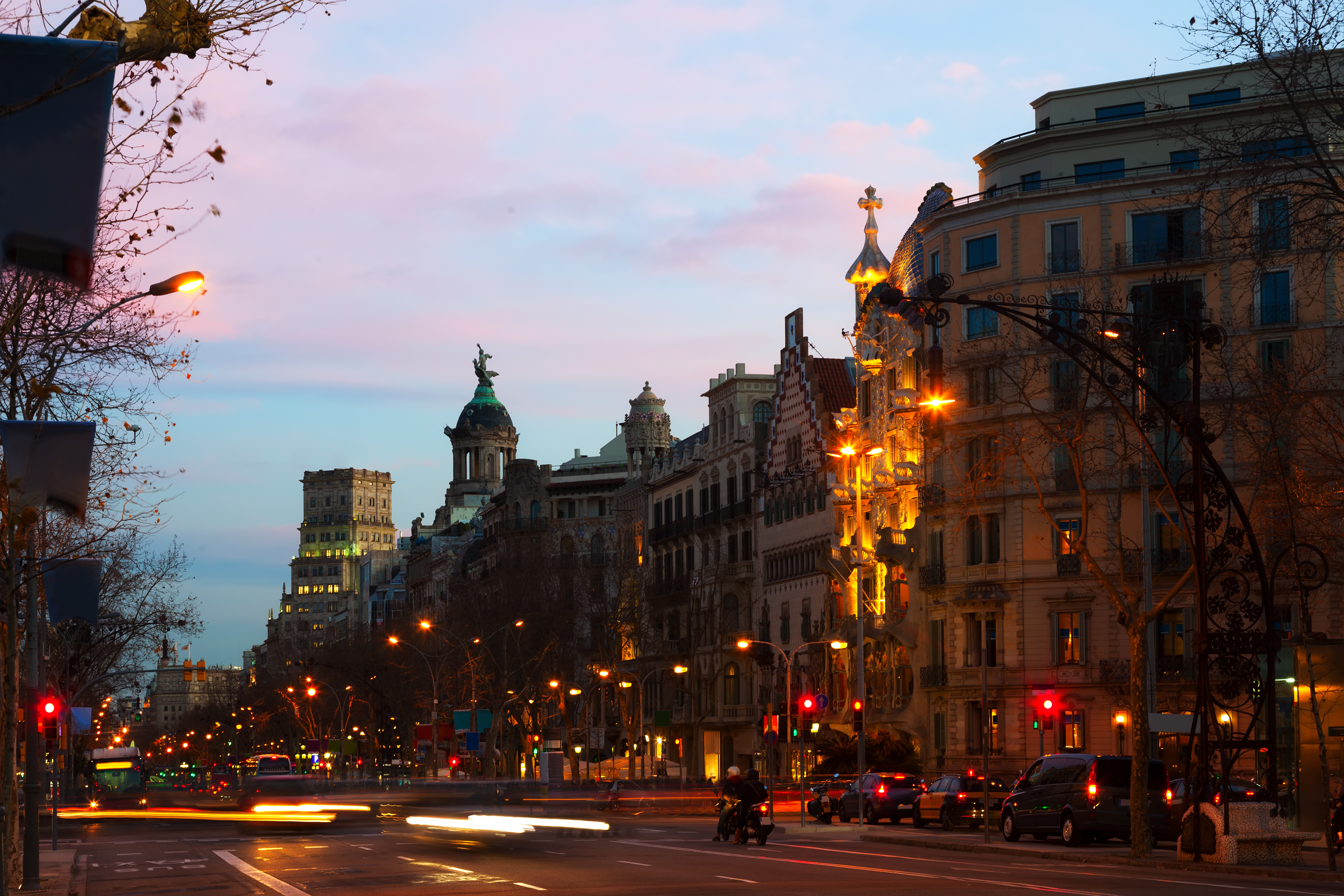
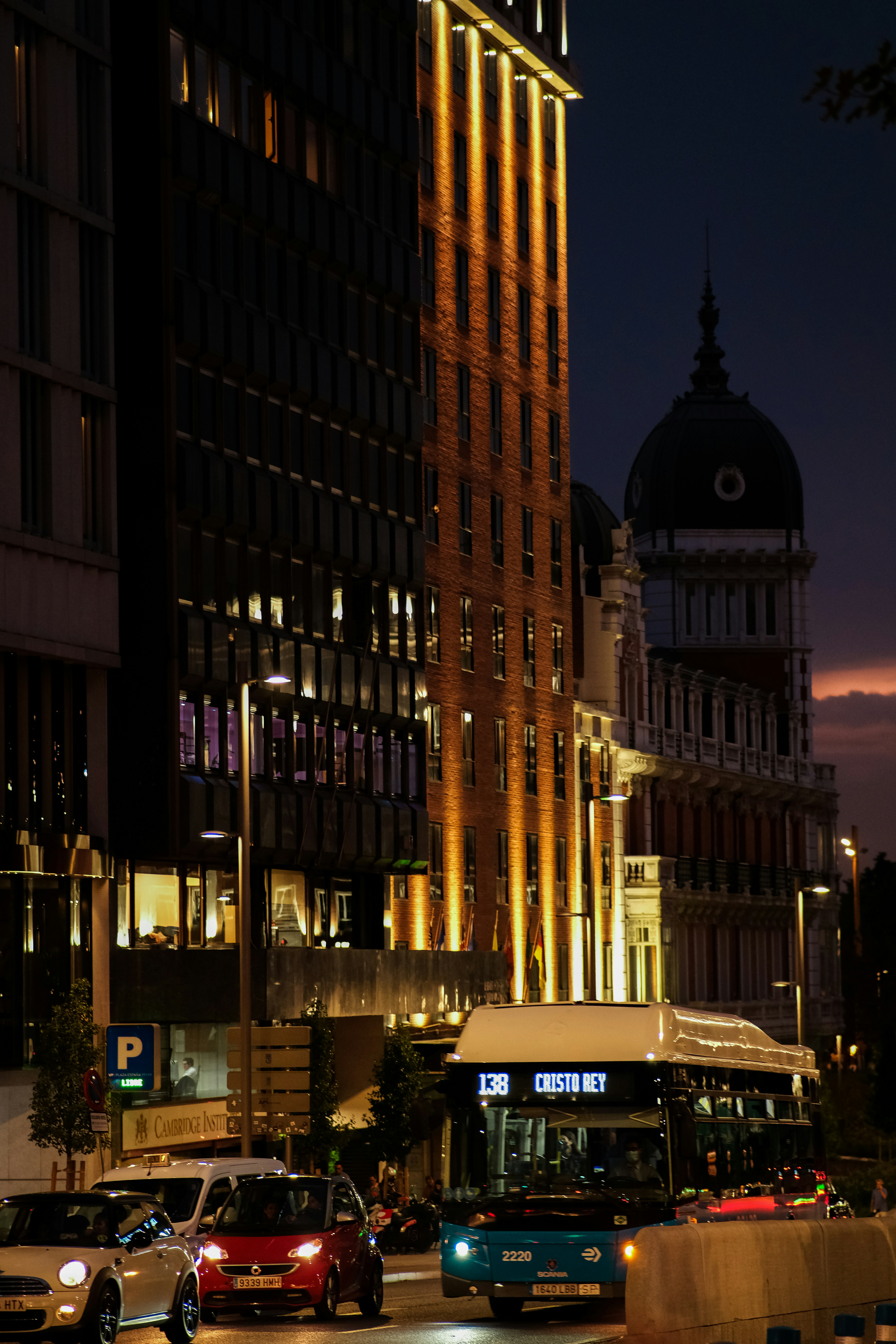
The Cibeles Palace area feels more monumental after dark, when traffic slows and buildings stand out more clearly.
-
A good stop for photography and short walks
-
Pairs well with nearby viewpoints and broad avenues
-
Helps connect modern Madrid with its civic identity
It’s an easy addition if you’re already exploring central areas.
Music, Memory, and Madrid’s Cultural Threads
Madrid’s cultural legacy runs deep, touching music, cinema, and performance. While you won’t find Frank Sinatra-themed venues everywhere, his connection to the city is often referenced in discussions of Madrid’s golden nightlife era. That legacy still shows up today in:
-
Intimate bars with classic playlists
-
Lounge-style venues focused on atmosphere over volume
-
Spaces where conversation matters as much as music
These moments tie together old and new influences that continue to shape nightlife across Spain.
Alternative plans like these round out an evening nicely, offering balance and flexibility. They’re especially useful if you want variety without repeating the same kind of experience night after night.
Where to Stay for Evening Activities and Easy Nights
Choosing the right base makes a noticeable difference when your plans revolve around culture, food, and flexible schedules. Staying in well-connected areas helps you move easily between museums, theaters, plazas, and restaurants—without long journeys back at the end of the day. For travelers planning longer stays, this balance supports both exploration and routine, keeping things comfortable and fun without feeling hectic.
Staying Near Círculo de Bellas Artes and Cultural Venues
Areas around Círculo de Bellas Artes work particularly well if your plans lean toward galleries, performances, and walkable routes. From here, it’s easy to reach major cultural institutions, wide boulevards, and smaller streets that stay active later on.
-
Strong connections to museums and performance halls
-
Walkable access to dining and cafés
-
A good mix of residential calm and social energy
This part of Madrid suits travelers who want cultural access without relying on taxis or late transport.
Plazas, Dining Streets, and Daily Flow
Living near smaller hubs can make everyday logistics easier. Spots around Plaza del Ángel offer a practical mix of dining options, cafés, and relaxed bars without the pressure of staying directly on major avenues.
-
Easy access to restaurants and casual gathering spots
-
Streets that stay active without feeling overwhelming
-
A good base for mixing workdays with exploration
These areas support a rhythm that works well for longer stays, especially if you want consistency alongside discovery.
A Practical Base for Longer Stays
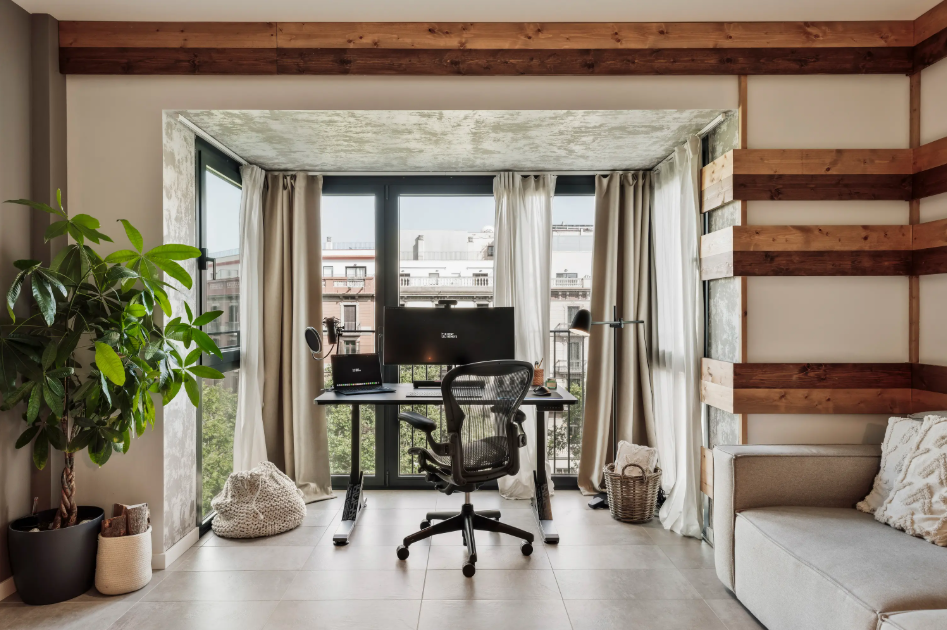
For remote workers and slow travelers, accommodation choice affects productivity just as much as leisure. Being close to museums, shops, and public transport reduces friction and leaves more time for experiences that feel genuinely fun rather than rushed.
If you’re planning to explore multiple cities or settle in for an extended stay, looking beyond short-term hotels opens up better options across Spain. Many travelers prefer apartments that support daily routines while still keeping cultural highlights within reach. Browse fully furnished apartments in Spain designed for longer stays and flexible travel.
Bringing It All Together: Making the Most of Madrid After Dark
From cultural venues to food-led traditions, this guide pulls together a wide range of things to do in Madrid at night that suit different travel styles and energy levels. Some experiences are quiet and reflective, others social and spontaneous, but all of them reflect how daily life unfolds locally. Whether you’re stopping by tapas bars, catching a flamenco show, or wandering smaller plazas like Plaza del Ángel, the variety makes it easy to shape each outing around your mood rather than a fixed plan.
What stands out is how naturally culture, food, and movement blend together. Museums with free entry, live performances, informal pub crawls, and casual walks past historic architecture all coexist within a compact area. This flexibility is part of what makes longer stays rewarding, especially for travelers exploring Spain beyond a single destination.
As a closing chapter to this blog post, the goal isn’t to suggest doing everything at once, but to show how these experiences connect. Pick a few that fit your pace, leave room for discovery, and let the city reveal itself gradually—often in the moments you didn’t plan for at all.
Frequently Asked Questions
Is Plaza del Ángel a good place to start an evening out?
Yes. Plaza del Ángel is a compact, social square that works well as a starting point before dinner or drinks. It’s close to Las Letras, has several casual bars and restaurants, and attracts a local crowd that creates an easygoing atmosphere without the intensity of larger nightlife hubs.
Are pub crawls worth doing, or is it better to explore on your own?
Both approaches work. Organized pub crawls are useful if you’re short on time or visiting solo, as they remove decision-making and introduce you to a mix of venues. Exploring independently gives you more flexibility to linger in places you enjoy or shift plans mid-way.
Can you combine cultural visits and nightlife on the same day?
Absolutely. Many travelers visit museums earlier and transition into food, shows, or music later. Places like the Reina Sofia and Prado Museum offer late hours and occasional free admission, making it easier to blend culture with social plans.
Are there good nighttime activities that don’t revolve around drinking?
Yes. Options range from evening museum visits and concerts to walking routes that highlight architecture and quieter neighborhoods. Smaller squares, guided walks, and cultural performances offer solid nighttime activities without focusing on alcohol.
Is Madrid more active late compared to other destinations?
Compared to most cities, plans start later and run longer. Dinner times are pushed back, shows begin later, and social energy peaks well after sunset. This rhythm takes a day or two to adjust to, but it’s part of what many visitors end up enjoying most.