
Daniel
Productivity & Remote Living Analyst ·
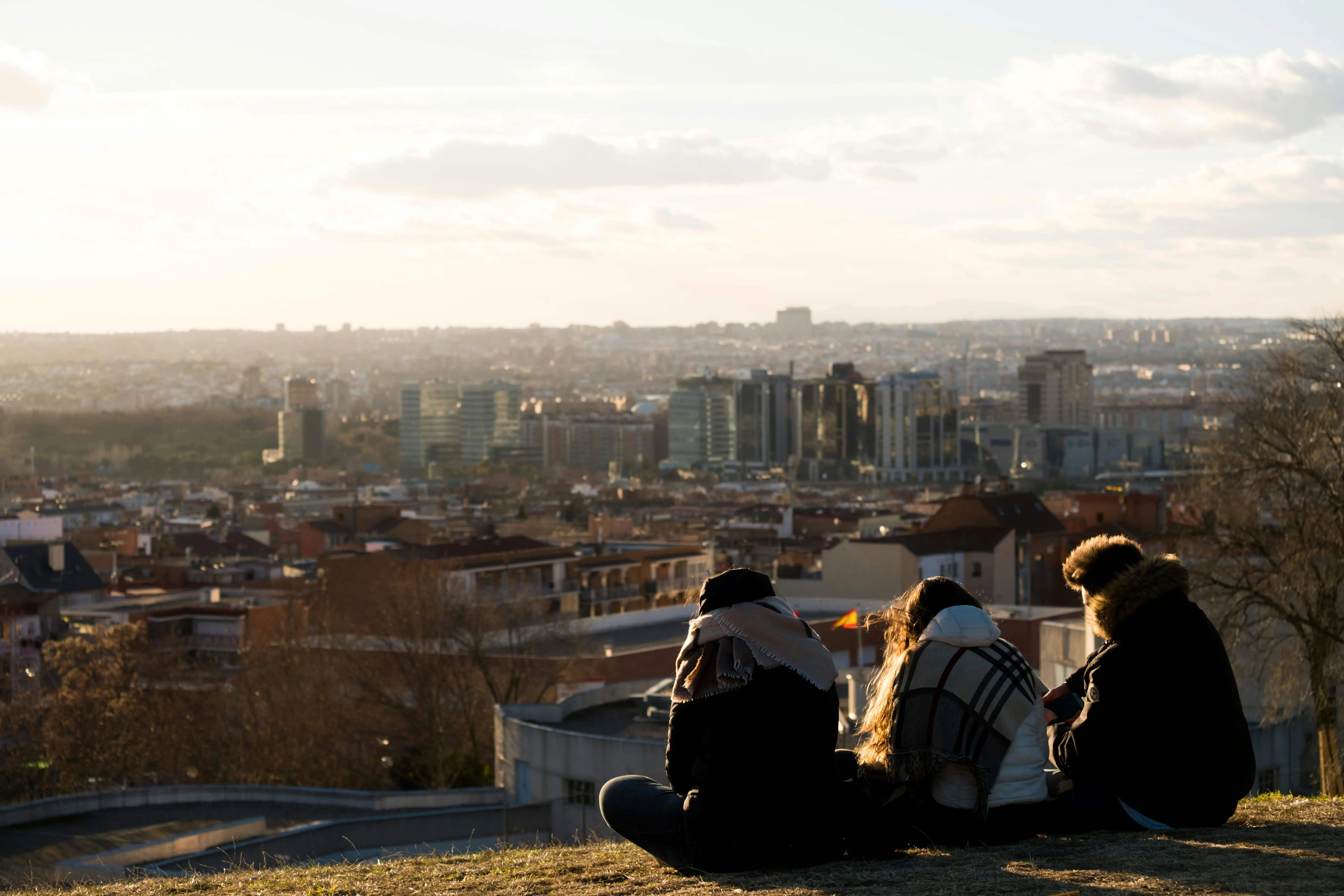
Madrid doesn't reward short trips the same way Barcelona does — three nights in Sol tells you nothing about the city. It tells you about hotels and tourist crowds. The best neighborhood in Madrid depends entirely on whether you need quiet mornings for calls or want to stumble into a tapas bar at 11pm without planning. Spain's capital is dense enough that you can walk most of it, but the rhythm changes completely between Salamanca's wide boulevards and La Latina's winding streets. If you stay in Madrid for more than a week, you will develop an opinion about which plaza you cross to get groceries, and that opinion will shape your month.
Which neighborhoods work for remote work and which ones are just tourism traps
Real monthly rent ranges and what that money actually gets you
Where the green space is and why it matters more than you think
How Madrid's metro system changes which neighborhood makes sense
What "central Madrid" means in practice — and when being central becomes a problem
Understanding Madrid's Geography: What Central Actually Means
Madrid's city center is not one neighborhood — it's five districts stacked on top of each other, and calling something "central" tells you almost nothing about what living there feels like. The Puerta del Sol is the symbolic center of Madrid, but you will not stay there unless you want to hear street performances through your bedroom wall at 2am. Real centrality in this city is about metro lines and whether you are willing to walk 15 minutes to avoid three transfers.
The Historic Center: Sol, Ópera, and Why Tourist Density Matters when Visiting Madrid
The very center around Plaza Mayor and Puerta del Sol works for a short trip, not for living — you will spend more time avoiding other tourists than you will spend working.
If you stay in Madrid for more than two weeks, you'll notice that Chamberí feels more residential than Malasaña — which means quieter nights but fewer restaurants open past midnight.
Hotel Europa near Tirso de Molina metro — €90/night, but you are paying for location, not quiet
Studios from €1,100/month if you can find one, usually gone within 48 hours of listing
Gran Vía and Royal Palace within walking distance, but so is every bachelor party in Europe
Three metro lines converge at Sol — easy access to anywhere, but the neighborhood itself has no rhythm
Most people who book here for convenience end up moving after a week — the noise is not background noise, it is the main event.
The Paseo del Prado Corridor: Museums and Wide Boulevards
The Paseo del Prado runs from Atocha station to the Cibeles fountain, and living near it means you are always a short walk from the Prado Museum — but it is a wide boulevard designed for tourists, not locals.
Apartments from €1,200/month for a 1-bed near Banco de España metro, less personality than side streets
Prado Museum — €15 entry, free after 6pm on weekdays, go Monday mornings
Retiro Park starts two blocks east — this is the green space that makes the corridor tolerable
Louder than you expect during the day, quieter at night when art lovers go home
You choose this area because you value easy access to major sites, not because you want to feel like you live in Madrid.
How Madrid's Metro System Shapes Where You Should Stay
Madrid's metro system is more important than proximity to the city center — line 1 connects everything, but if you are on line 3, you will spend your life transferring at Sol.
Lines 1, 2, and 5 hit the most useful neighborhoods for remote workers — Chamberí, Retiro, La Latina
Monthly metro pass €54.60, covers zones A and B, which is everything you need
Living near a single metro line is fine; living between two lines that don't connect is a daily problem
Most apartments in Madrid advertise metro proximity, but check the line number, not just the station name
You will use the metro more than you think, and choosing a neighborhood without checking which line it is on is the most common mistake.
Neighborhood | Monthly Rent | Vibe | Best For | Key Advantage |
|---|---|---|---|---|
La Latina | €900–€1,300 | Historic, loud weekends | Tapas lovers, social remotes | Authentic local feel |
Barrio de las Letras | €1,000–€1,400 | Bohemian, artistic | Art lovers, writers | Cultural density |
Salamanca | €1,400–€2,200 | Elegant, quiet | Luxury stay seekers | Tree lined streets, low noise |
Malasaña | €950–€1,350 | Youthful, edgy | Nightlife, vintage shops | Madrid's counterculture hub |
Retiro | €1,100–€1,600 | Residential, calm | Families, park access | Green space at your door |
Chamberí | €1,000–€1,500 | Traditional, local | Away from tourist crowds | Authentic Madrid rhythm |
La Latina: The Oldest Neighborhood and the Loudest Weekends
La Latina is where Madrid locals go when they want to feel like they are in old Madrid — narrow cobblestone streets, Plaza de la Paja at the center, and more tapas bars per block than anywhere else in the city. This is the oldest neighborhood in Madrid, with medieval Islamic architecture still visible if you know where to look, and it has origins dating back to the 12th century. The trade-off is simple: weekends are not quiet. At all. If you need silence Saturday afternoons, La Latina is not your neighborhood. If you want to walk out your door and be in the middle of the city's best tapas scene, this is where you stay in Madrid.
Cava Baja: The Heart of La Latina's Tapas Scene
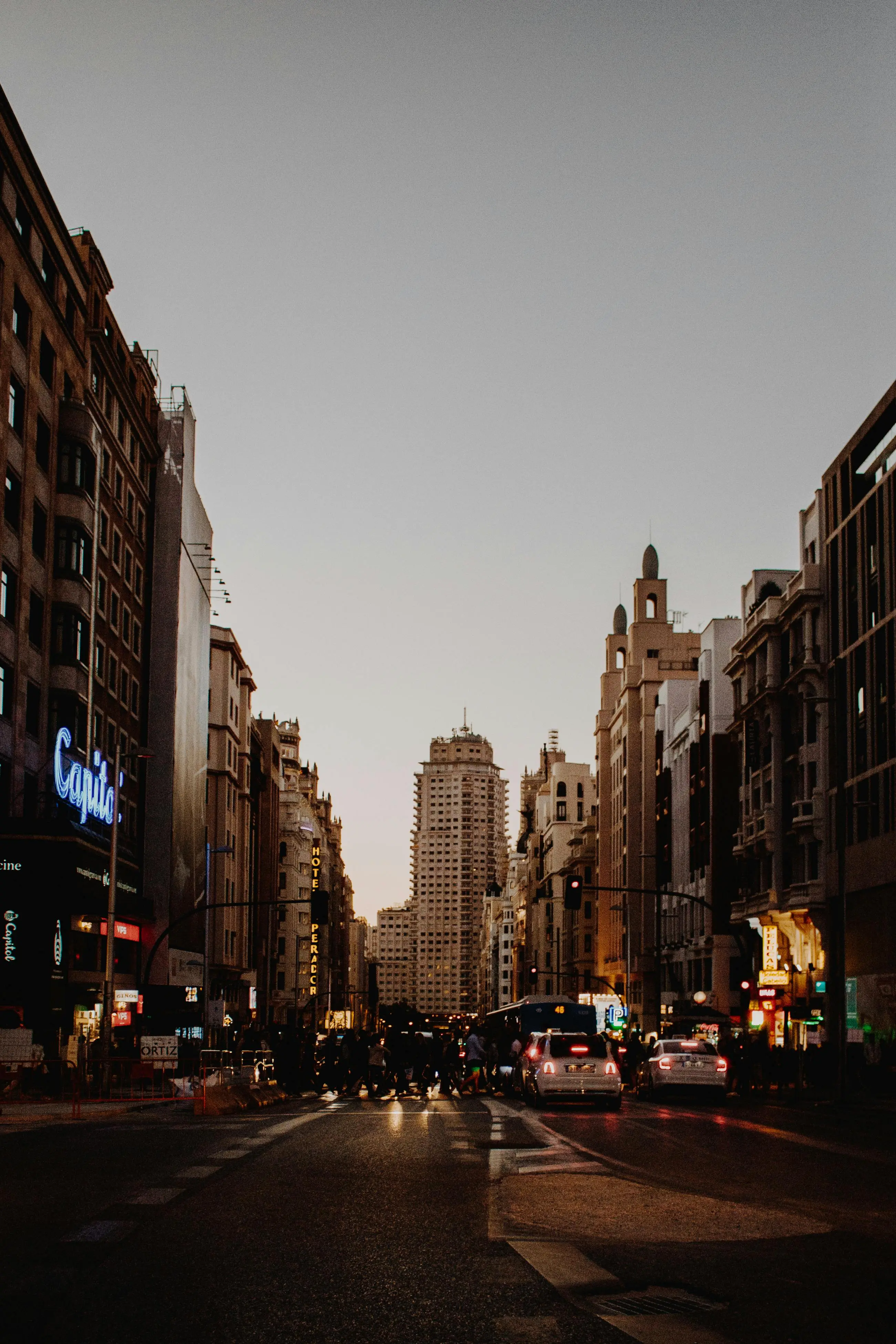
Cava Baja is the street everyone mentions when they talk about La Latina — it is lined with tapas bars, locals spill onto the sidewalk Thursday through Sunday, and you will not get a table after 9pm without a wait. La Latina's narrow streets like Calle Cava Baja stay in shadow until 11am in winter, which keeps the neighborhood 3-4 degrees cooler in summer but means you'll need a jacket for morning coffee even in May.
The saying "de Madrid al cielo" originated in La Latina, where locals believed their neighborhood's elevated position and dense Sunday markets made it the closest thing to heaven on earth.
Juana la Loca — croquetas €1.50 each, standing room only after 8pm, go before 7pm if you want a seat
El Viajero — rooftop terrace, decent for people watching, €4 beers, skip the food
Taberna Tempranillo — wine bar, €3-€5 glasses, quieter than Cava Baja's north end
Studios from €900/month on side streets off Cava Baja, but street noise is the price
Cava Baja defines the La Latina neighborhood more than any plaza — if you are not interested in this scene, choose a different neighborhood entirely.
Browse Madrid homes near this area
Plaza de la Paja and Plaza Mayor: Historic Charm Without the Crowds
Plaza de la Paja sits in the medieval city's old heart, quieter than Plaza Mayor, and it is where locals meet for coffee before the tourist crowds wake up.
El Perro de Pavlov Café — café on the plaza, chai and coffee at around €2.80, quaint and cozy seating, good for morning work before noon
Plaza Mayor is a 10-minute walk, but most locals avoid it unless they are showing someone around
Plaza de Puerta de Moros nearby — one of the original gateways to the medieval city, fewer tourists
1-bed apartments from €1,100/month near Plaza de la Paja, quieter than Cava Baja but still in walking distance
You stay near Plaza de la Paja if you want La Latina's historic charm without committing to the tapas bar noise every single weekend.
Browse Madrid homes near this area
El Rastro Flea Market: Sundays Are Not for Working
El Rastro takes over La Latina every Sunday — vendors selling everything from vintage leather jackets to stolen bike parts, and the entire La Latina neighborhood becomes pedestrian only until 3pm.
Market runs from 9am to 3pm, best deals before 11am, tourist traps after noon
Mercado de San Miguel nearby — covered market, overpriced tapas, skip it for the real bars on Cava Baja
Avoid grocery shopping Sunday mornings unless you enjoy crowds
Side streets get blocked off — if you need to leave La Latina on Sunday morning, plan your route in advance
El Rastro is either the reason you choose La Latina or the reason you avoid it — there is no middle ground once you have tried to cross the neighborhood on a Sunday.
Browse Madrid homes near this area
Why La Latina Works for Remote Work (With Caveats)
La Latina works if your schedule is flexible and you do not need deep focus every single day — the neighborhood has great food, historic buildings, and a laid back rhythm Monday through Wednesday.
WiFi in cafés is reliable, but table space disappears after lunch
La Latina metro station on line 5, connections to Chamberí and Retiro in under 15 minutes
Cozy cafés on side streets near Calle de Toledo — quieter than the main plazas
Thursday through Sunday evenings are not productive — accept this going in
Most remote workers who stay in Madrid long-term either love La Latina for its energy or leave after a month because they cannot get work done on weekends.
Barrio de las Letras: The Literary Quarter That Still Feels Bohemian
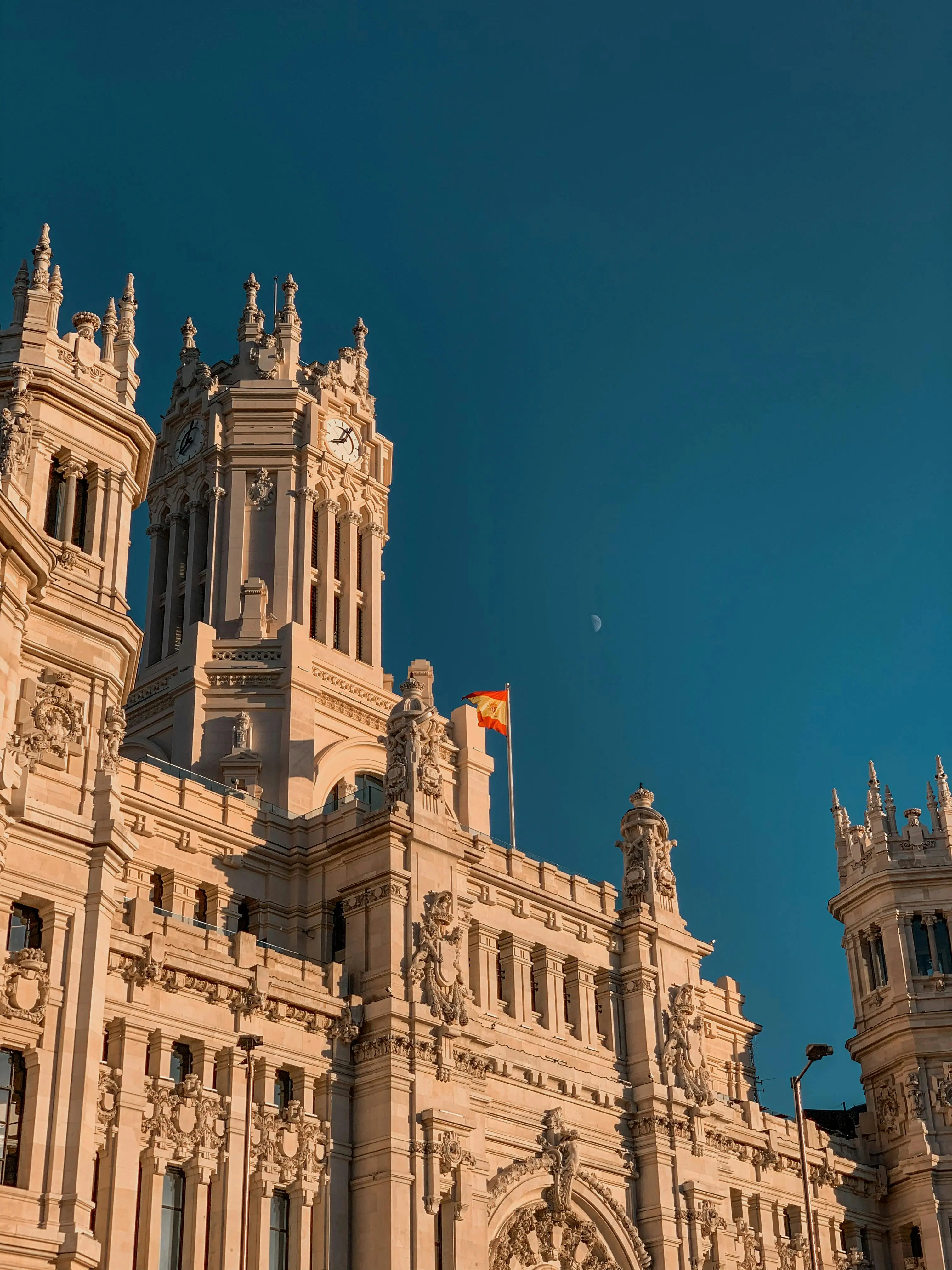
Barrio de las Letras earned its name because Miguel de Cervantes, Lope de Vega, and other Golden Age writers lived here, and the neighborhood still acts like it matters. Literary quotes are engraved in the streets, historic bars claim Hemingway drank there, and the artistic spirit is less manufactured than it sounds. This is not Montmartre — it is quieter, more functional, and close enough to the Prado Museum that art lovers end up here without meaning to. The neighborhood sits between Paseo del Prado and Sol, which makes it central without being loud every single night.
Pro Tips:
Barrio de las Letras feels more laid back than Malasaña after midnight — the terraces on Plaza Santa Ana close at 1:30am while bars in Malasaña stay loud until 3am on weeknights.
The vintage shops on Calle Almadén sell 1970s Spanish ceramics for €15-30, which is half what the curated stores in Malasaña charge for the same pieces.
Most people who stay in Madrid for a month choose Barrio de las Letras over Sol because Calle Huertas has three supermarkets within 200 meters — Sol has one small Carrefour Express that closes at 10pm.
See Barrio De Las Letras homes
Calle de las Huertas: Where the Literary History Lives
Calle de las Huertas is the spine of Barrio de las Letras — pedestrian only after 8pm, lined with bars that used to host writers, and now it hosts remote workers who want to feel like they are part of something.
Casa Alberto — vermouth €2.50, been here since 1827, Cervantes supposedly lived upstairs
La Dolores — iconic tiled façade, €3 cañas, standing room only after 9pm
Literary quotes engraved in the sidewalk, including lines from Don Quixote and Lope de Vega
Studios from €1,000/month on side streets parallel to Calle de las Huertas, quieter than the main drag
Calle de las Huertas defines Barrio de las Letras the same way Cava Baja defines La Latina — if you are not interested in the literary history, the neighborhood loses half its appeal.
Plaza de Santa Ana: The Social Center for Art Lovers
Plaza de Santa Ana sits at the western edge of Barrio de las Letras, surrounded by outdoor terraces, and it is where the neighborhood gathers when the weather allows.
Cervecería Alemana — Hemingway's old spot, €4 beers, people watching is the main attraction
Teatro Español on the plaza — active theater, check for performances, tickets from €15
Outdoor terraces open year-round, heated in winter, best for afternoon coffee between 4pm and 6pm
1-bed apartments from €1,200/month with plaza views, but street noise is constant
Plaza de Santa Ana is the reason people choose Barrio de las Letras over Malasaña — it has nightlife without feeling like a nightlife neighborhood.
Proximity to Museums and Why It Changes Your Routine
Barrio de las Letras sits a short walk from the Prado Museum, Reina Sofía, and Thyssen-Bornemisza — this is not a coincidence, and if you care about art exhibitions, the neighborhood removes every barrier.
Prado Museum 10-minute walk, free entry 6pm-8pm weekdays, never crowded after 7pm
Reina Sofía 15-minute walk, free after 7pm weekdays, go for Guernica and leave
CaixaForum near Paseo del Prado — rotating art exhibitions, often better than the big museums
You will visit museums more often than you expect simply because the walk is easy
Living in Barrio de las Letras changes how you use Madrid's museums — they become routine, not events you plan around.
Why Barrio de las Letras Works Better Than La Latina for Focus
Barrio de las Letras is quieter Monday through Thursday, and that difference matters if you take calls in the morning or need uninterrupted afternoons.
Trendy cafes on side streets near Antón Martín metro — Federal Café, flat whites €3.20, reliable tables until 3pm
Less weekend noise than La Latina, though Friday and Saturday nights still get loud near Plaza de Santa Ana
Explore Barrio de las Letras in our neighbourhood guide for detailed café and coworking listings
Antón Martín metro on line 1 — connections to Chamberí, Salamanca, and Sol under 10 minutes
Most remote workers who compare Barrio de las Letras and La Latina end up choosing Barrio de las Letras if they need to work weekends — the bohemian vibe is still there, but it does not take over your entire schedule.
Salamanca: Where Quiet Mornings and High End Restaurants Meet
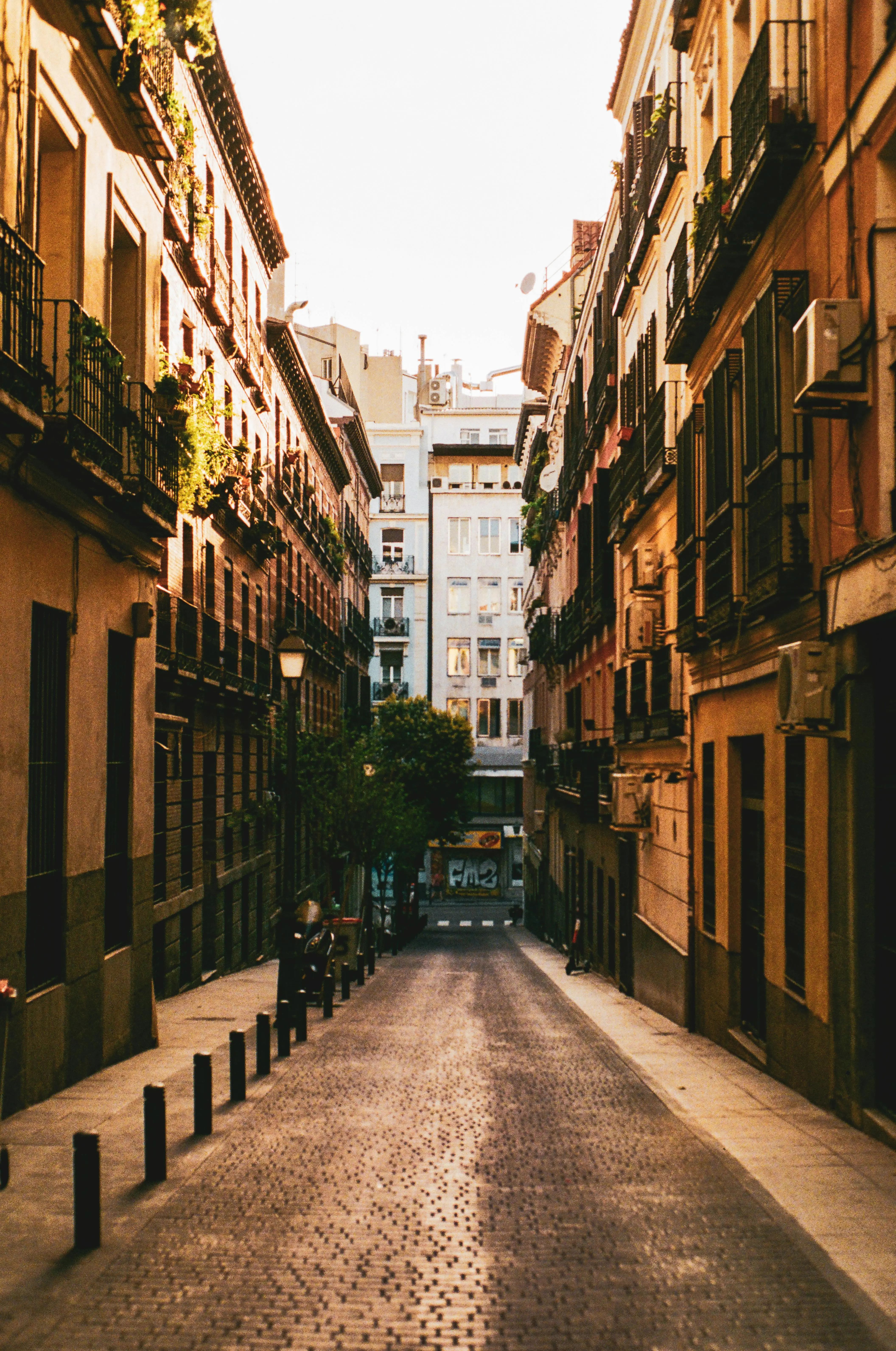
Salamanca is Madrid's wealthiest neighborhood, and it does not pretend otherwise — elegant architecture, tree lined streets, designer stores on Calle Serrano, and restaurants where the bill matters. This is not where you go for Madrid's artistic scene or historic charm. You go here because you want quiet streets during the day, reliable infrastructure, and the option to walk into a Michelin-starred restaurant without planning. The Salamanca neighborhood sits northeast of Retiro Park, and the further you go from the park, the quieter it gets. If you are choosing between central energy and residential calm, Salamanca is the clearest answer on the calm side.
Note:
Salamanca's elegant architecture includes balconies with wrought iron from the 1880s — buildings on Calle Velázquez still have original hydraulic elevators that take 90 seconds to reach the fifth floor.
When you stay in Madrid during August, Salamanca empties out more than Malasaña — half the restaurants on Calle Serrano close for the entire month while the working-class neighborhoods stay open.
The Golden Mile: Calle Serrano, Designer Stores, and Luxury Stays
Calle Serrano is Salamanca's main shopping street, known as the Golden Mile, and it is lined with every luxury brand that matters — Gucci, Dior, Rolex, and smaller Spanish designers you have not heard of yet.
Window shopping is free, buying anything is not — most stores start at €200 for basics
Mercado de la Paz on Calle Ayala — local market, fresh produce, less touristy than San Miguel
Platea Madrid near Colón — upscale food hall, €8-€15 small plates, more atmosphere than substance
1-bed apartments from €1,800/month on side streets east of Calle Serrano, quieter than the main boulevard
Calle Serrano defines what a luxury stay in Salamanca feels like — even if you are not shopping, the neighborhood's rhythm is built around people who are.
Why Salamanca Works for Remote Workers Who Value Silence
Salamanca is the quietest central neighborhood in Madrid during weekdays, and that quiet is not accidental — residential zoning limits bars, and the streets empty out after 10pm.
Buna Speciality Coffee on Calle del Conde de Aranda — flat whites €3.50, reliable WiFi, tables available most mornings
Cozy cafes scattered on side streets near Velázquez metro, less crowded than Gran Vía options
Three metro lines cover Salamanca — lines 4, 5, and 9 — easy access to the rest of Madrid without needing to live in the noise
Street noise is lower than La Latina, Barrio de las Letras, or Malasaña — windows open during calls is possible here
You choose Salamanca if your priority is uninterrupted mornings, and you are willing to trade nightlife proximity for that silence.
High End Restaurants and What They Actually Cost
Salamanca has Madrid's highest concentration of Michelin-starred restaurants and gourmet dining, but it also has affordable places if you know where to look.
Deesa— two Michelin stars in nearby Retiro, tasting menu from €240, book a month ahead
El Paraguas on Calle Jorge Juan — €12-€18 mains, locals go here, not tourists
Viavélez near Retiro — Asturian food, €8 cider, €15 mains, no reservations needed
Great food is everywhere in Salamanca, but you pay for it — even casual meals run €20-€30 per person
Salamanca's dining scene is less about tapas culture and more about sitting down for two hours — if that is not your rhythm, the neighborhood will feel expensive fast.
Retiro Park Access and Why Green Space Changes Everything
Salamanca's western edge borders Retiro Park, and that proximity is the neighborhood's biggest advantage if you spend time outside.
Retiro Park 5-minute walk from most Salamanca addresses, open 6am–midnight, 125 hectares of green space
Running paths, rowing boats on the lake, quieter mornings before 10am
Tree lined streets throughout Salamanca — Calle de Serrano, Calle de Velázquez — actually have trees, unlike most Madrid neighborhoods
Living near Retiro changes your routine more than you expect — morning walks become automatic
Retiro Park is the reason families and remote workers who value outdoor space choose Salamanca over Barrio de las Letras — the park access is not symbolic, it is daily.
When to Stay in Madrid and What Timing Actually Changes
Madrid does not have a tourist season the way Barcelona does — the city works year-round, but the rhythm changes dramatically between summer and winter, and that affects how you experience each neighborhood.
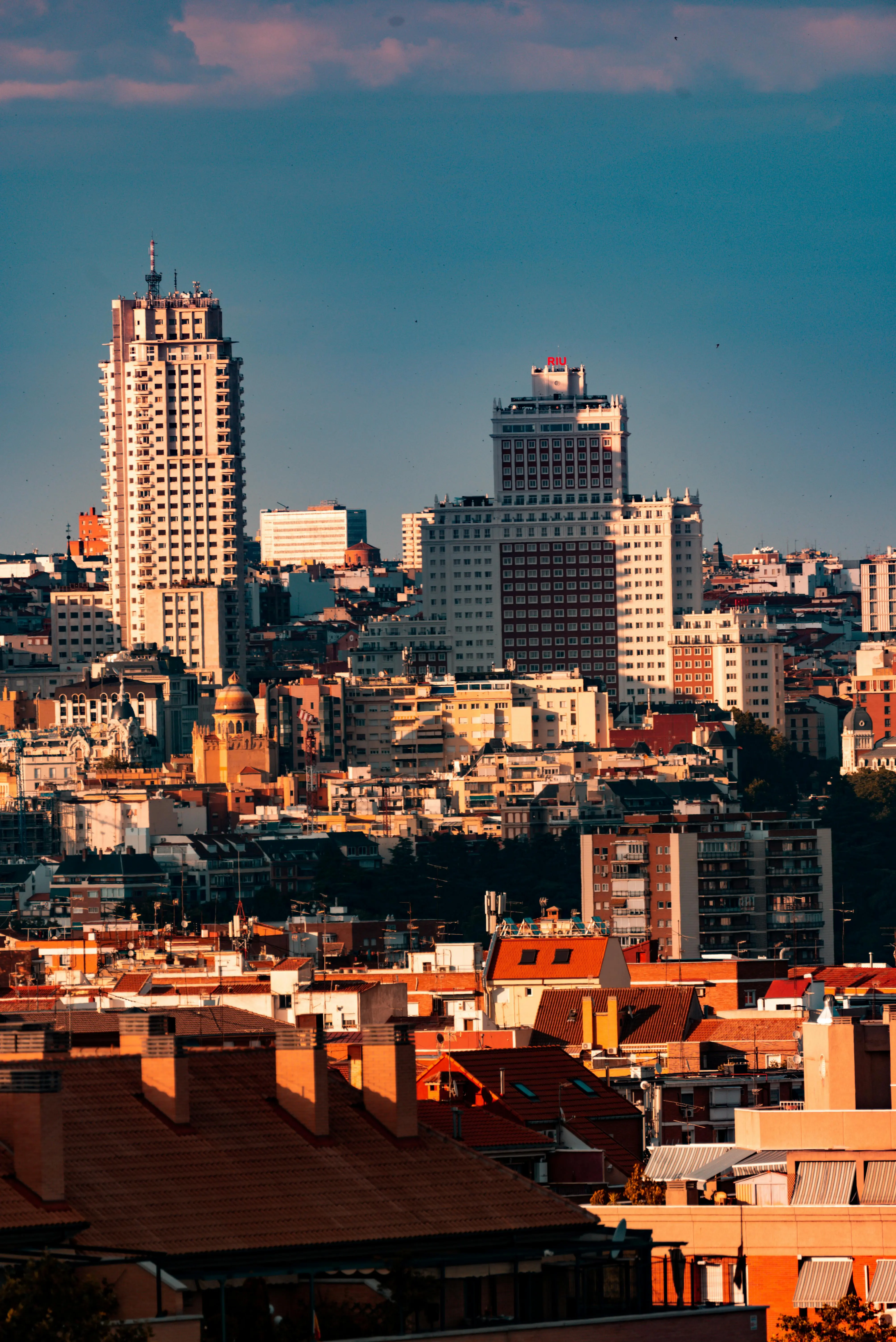
Summer in Madrid: Why July and August Test Your Tolerance
Madrid empties out in August when locals leave for the coast, and temperatures hit 38°C most afternoons — air conditioning becomes non-negotiable, not optional.
Neighborhoods near Retiro Park feel 3-4°C cooler than city center blocks without green space
Tourist crowds thin out in La Latina and Barrio de las Letras after mid-July — easier to find tables at outdoor terraces
Many local restaurants and cozy cafes close for 2-3 weeks in August, especially in residential areas like Salamanca
Short trip visitors often underestimate the heat — walking distance between neighborhoods matters more in summer
If you are visiting Madrid for a month in summer, choose an apartment with air conditioning and proximity to metro lines — you will not want to walk 20 minutes in 35°C heat.
Winter and Spring: When Madrid Works Best for Remote Workers
October through May is when Madrid's neighborhoods function at full capacity, and the weather makes walking the city enjoyable instead of exhausting.
Temperatures range 8-18°C November through March — layer clothing, not heavy coats
January and February are the quietest months for tourism, but everything stays open — best time for affordable places in central Madrid
Spring (April-May) brings street performances back to Plaza Mayor and people watching at outdoor terraces across La Latina neighborhood
Christmas markets run late November through early January near Puerta del Sol, adding tourist crowds but also atmosphere
The best neighborhood for you changes based on season — Salamanca's quiet feels isolating in winter, but Malasaña's energy feels exhausting in summer.
Public Holidays and When the City Shuts Down
Madrid respects public holidays more strictly than most European capitals — banks, government offices, and some restaurants close entirely, and Madrid's metro system runs reduced schedules.
May 15 (San Isidro festival) turns La Latina into a multi-day celebration — avoid if you need quiet, embrace if you want Madrid's counterculture at full volume
August 15 (Assumption Day) sees half the city closed, including many tapas bars in historic neighborhoods
December 24-26 and January 1 shut down most of Madrid — stock groceries in advance
Three metro lines (1, 2, 3) run 24 hours on New Year's Eve, but expect delays
If you are staying in Madrid during a public holiday, choose a neighborhood with chain supermarkets and multiple metro access points — you do not want to be stuck in a residential pocket with everything closed.
How to Book Furnished Apartments in Madrid Without Getting Scammed
Madrid's furnished rental market has more scams than Barcelona or Lisbon — the reason is simple: demand is high, supply is tight, and verification standards are inconsistent across platforms.
If you want to stay in Madrid for three months, apartments in La Latina average €1,100 per month while Salamanca starts at €1,600 — that €500 difference buys you marble lobbies but not better metro access.
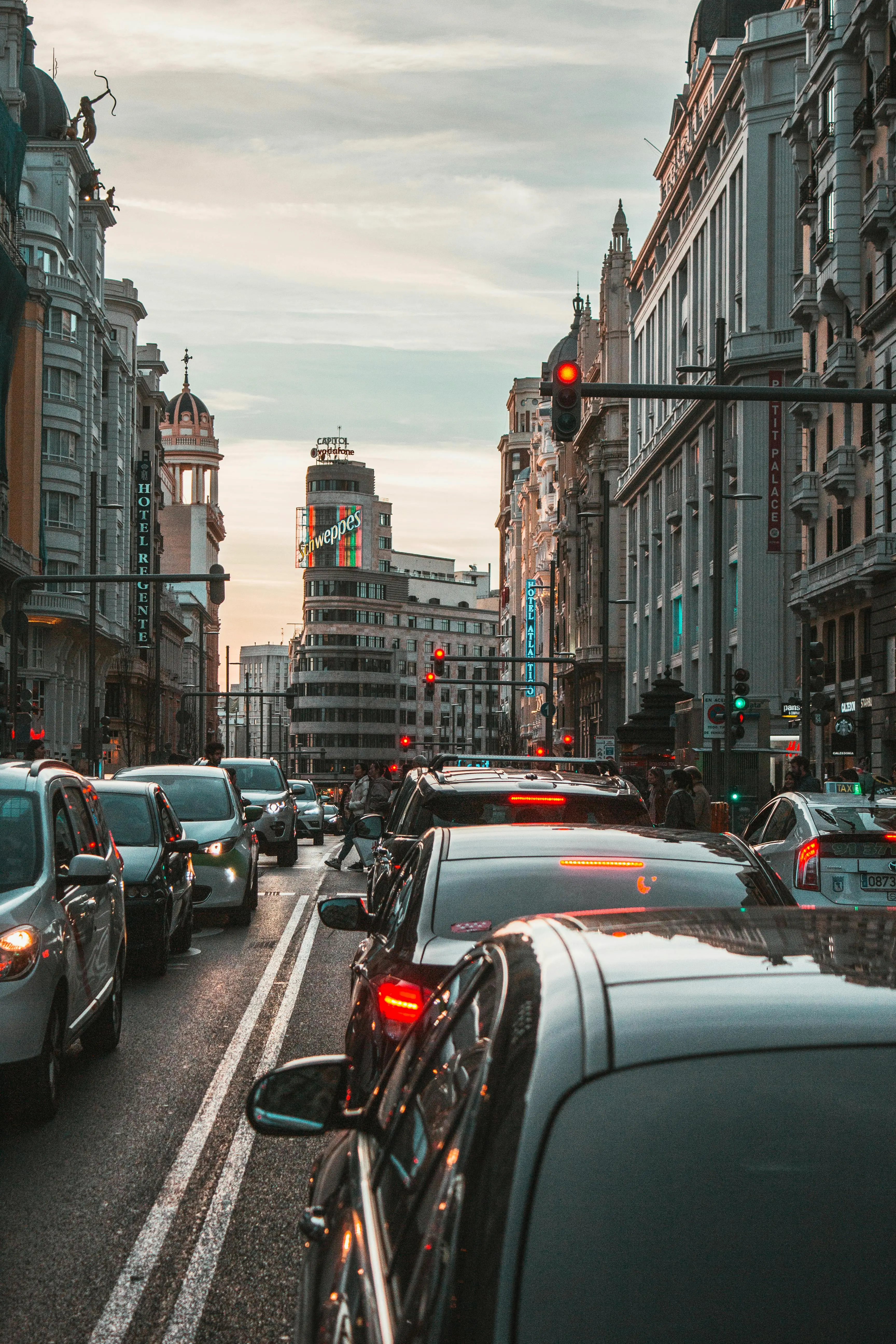
What to Check Before You Send Money
Every furnished apartment listing in Madrid should include verifiable details — if they are missing, walk away.
Building address on Google Street View — compare photos to listing images, check for trees, signage, street names
Landlord's DNI or NIE number (Spanish ID) — legitimate landlords provide this upon request, scammers do not
Proof of ownership — ask for a copy of the property deed or recent utility bill with landlord's name and address
Video call tour of the apartment — scammers use stolen photos from other listings, live video exposes this immediately
The biggest red flag is a landlord who is "traveling abroad" and cannot meet in person or arrange a third-party viewing — this line appears in 90% of Madrid rental scams.
Which Platforms Actually Verify Listings
Not all booking platforms screen landlords the same way, and that difference matters when you are sending first month's rent from another country.
Fully furnished apartments in Madrid on RentRemote — verified listings with direct landlord contact, no hidden fees
Spotahome requires photo verification and in-person checks before publishing listings — safer than Idealista for short-term stays
Airbnb offers payment protection but allows unverified hosts — check review count and response rate before booking
Avoid Facebook Marketplace and WhatsApp-only deals unless you can view the apartment in person first — scam rate is above 50% for Madrid rentals
If the price is 30% below market rate for the neighborhood, it is not a deal — it is a scam.
Typical Rental Costs by Neighborhood and What You Get
Madrid's rental prices vary more by street than by neighborhood — a 10-minute walk can change your monthly cost by €400.
Many Madrid apartments still have floor plans from the Franco dictatorship era — kitchens were built small because families were expected to eat out, which explains why a €1,200 rental in Chamberí might have only two burners and no oven.
Studios in Barrio de las Letras: €800-€1,100/month, higher near Paseo del Prado, lower near Tirso de Molina metro
One-bedroom apartments in La Latina: €900-€1,300/month, more expensive near Plaza Mayor and Cava Baja, affordable near Puerta de Toledo
Salamanca furnished rentals: €1,200-€1,800/month for one-bedroom, premium for buildings near Retiro Park
Malasaña and Chueca: €850-€1,200/month, noise levels vary wildly by street — ask about weekend activity before signing
Utilities usually run €80-€120/month extra in Madrid — air conditioning in summer drives that number higher, and older buildings in the historic center have worse insulation.
Practical Details That Change How Madrid Works for You
Madrid has infrastructure quirks that do not appear in neighborhood guides but determine whether your daily routine runs smoothly or becomes a series of small frustrations.
The neighborhoods where you stay in Madrid determine your air conditioning costs — ground floor apartments in Lavapiés stay 4-5 degrees cooler than top-floor units in Chamberí during July.
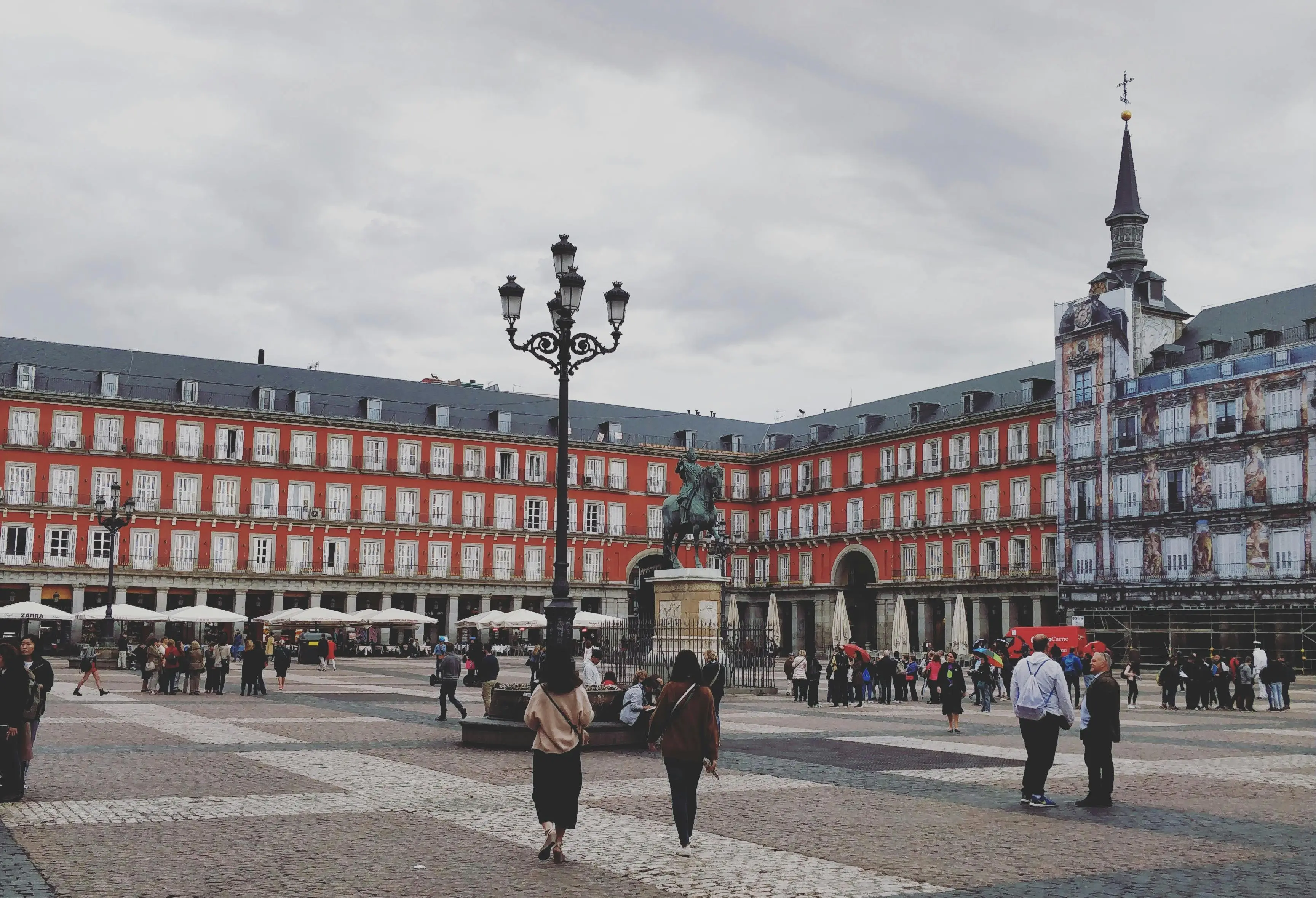
Madrid's Metro System and Why Some Lines Matter More
The metro runs until 1:30am on weekdays and 24 hours on weekends, but not all lines connect equally well to neighborhoods remote workers actually choose.
Line 1 (light blue) connects Chueca, Gran Vía, Puerta del Sol, and Tirso de Molina — this line covers 80% of central Madrid apartments
Line 2 (red) runs through La Latina neighborhood, Ópera (near Royal Palace), and connects to Madrid's main train station
Line 5 (green) serves Chueca and Salamanca neighborhood but skips Barrio de las Letras entirely — check your apartment's walking distance before assuming metro access
Tourist crowds pack Line 1 stations between 9-11am and 5-7pm weekdays — Line 2 runs emptier and faster during those windows
Living within a short walk of two different metro lines is worth an extra €100/month in rent — it removes every friction point when one line has delays or maintenance.
Where to Buy Groceries and What Actually Stays Open
Madrid has fewer 24-hour supermarkets than other European capitals, and local shops close entirely on Sundays — plan accordingly or you will be eating gas station sandwiches.
Mercado de San Antón in Chueca — open daily, fresh produce, prepared meals, rooftop terrace, more expensive than chain supermarkets
Carrefour Express locations throughout city center — open until 10pm most days, basic staples, higher prices than full-size stores
El Corte Inglés on Calle de Preciados near Puerta del Sol — supermarket basement level open Sundays, premium pricing
Mercado de San Miguel near Plaza Mayor — gourmet market, not for groceries, tourist pricing, worth one visit but not weekly shopping
The best strategy is shopping Thursday or Friday for the weekend — Sunday options exist but you pay 20-30% more and selection is limited.
Internet Speeds and What to Expect in Older Buildings
Madrid's internet infrastructure is strong in new buildings but inconsistent in the historic center, where 19th-century construction was not designed for fiber optic cables.
Fiber optic (300-600 Mbps) is standard in Salamanca, Chueca, and newer Malasaña buildings — verify before signing lease
Historic buildings in Barrio de las Letras and La Latina often max out at 100 Mbps ADSL — test speed during apartment viewing
Movistar and Vodafone dominate Madrid — both offer month-to-month contracts, installation takes 1-2 weeks
Coworking day passes cost €15-€25 in central Madrid — cheaper than upgrading a slow apartment connection for a short stay
If your work involves video calls or large file transfers, WiFi speed is non-negotiable — ask the landlord for a speed test screenshot before committing to a lease.
Safety in Madrid and Which Areas to Avoid After Dark
Madrid is safer than most European capitals, but petty theft is common in tourist-heavy areas, and some neighborhoods feel uncomfortable after midnight.
Pickpocketing concentrates around Puerta del Sol, Gran Vía, and Plaza Mayor — keep bags zipped, phone in front pocket
La Latina is safe but loud on weekends — streets near Cava Baja fill with drunken crowds until 4am, more chaotic than dangerous
Lavapiés (south of Barrio de las Letras) has Madrid's highest petty crime rate — avoid walking alone after 11pm, especially near Tirso de Molina metro
Salamanca, Retiro, and Chueca feel safe at all hours — well-lit streets, residential foot traffic, visible police presence
The biggest risk in Madrid is not violence — it is someone stealing your laptop from a café table while you are in the bathroom, which happens daily in every neighborhood.
Conclusion: Who Madrid Works For and Who Should Look Elsewhere
Madrid rewards people who want city density without Barcelona's tourist suffocation, but it does not hand you a ready-made expat community the way Lisbon does. You choose Madrid if late dinners, strong coffee, and blunt honesty sound better than politeness and early nights.
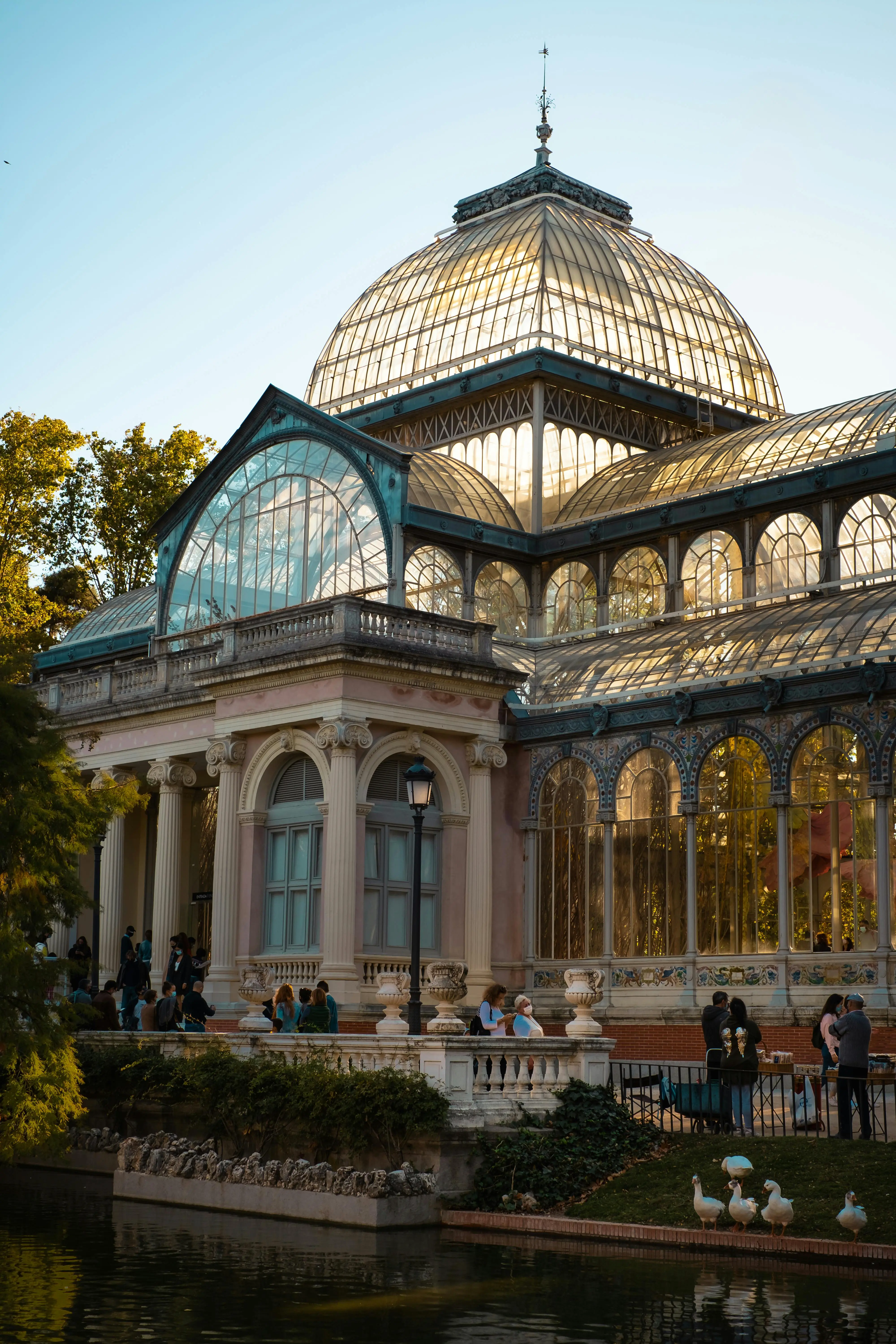
The best neighborhood in Madrid depends entirely on whether you value silence or energy more — Salamanca gives you the first, La Latina gives you the second, and Barrio de las Letras splits the difference. If you are still deciding where to base yourself in Spain, explore fully furnished apartments in Spain across cities that suit different remote work rhythms.