
Daniel
Productivity & Remote Living Analyst ·
Monthly Apartments Madrid: How Flexible Monthly Rentals Actually Work
Madrid has become one of Europe’s most popular bases for longer stays, but understanding how monthly apartment rentals work here isn’t always straightforward. Between short term contracts, term rentals, and fully furnished options that include bills, the rules — and expectations — can feel unclear at first glance.
In practice, monthly apartments in Madrid sit somewhere between hotels and long-term leases. They’re designed for people who want to live comfortably for weeks or months without committing to a full year, whether you’re a remote worker, relocating professional, or slow traveler settling into the city.
This guide breaks down how monthly rentals work in real terms — from contract lengths and pricing to where apartments are located and what’s typically included.
In this guide, you’ll learn:
-
What “monthly rentals” mean in Madrid and how contracts are structured
-
What’s usually included (from air conditioning to high speed wifi)
-
How pricing changes by neighborhood and apartment type
-
Why availability moves quickly — and how to prepare
If you’re looking for a stress free way to settle in, explore fully furnished apartments in Madrid that are set up for longer stays and remote work — without the guesswork.
How Monthly Rentals Work in Madrid
Monthly rentals in Madrid may look simple on the surface, but in practice they operate through a fast-moving, local-first system that rewards people who understand how the city actually rents. Knowing where listings appear, how viewings are handled, and which services locals rely on can save you weeks of frustration.
Most monthly rentals are arranged directly between owners, operators, or flexible-stay platforms rather than through traditional estate agents. This is why speed, responsiveness, and choosing the right neighborhoods matter as much as budget.
Short Term vs Term Rentals in Madrid (How It Works on the Ground)
In real terms, monthly rentals usually fall into two tracks:
-
Short term rentals (32 days–3 months)
These are common around central areas near Plaza Mayor and Gran Vía, where owners prefer flexibility. Many of these apartments come fully furnished, with bills included, wi fi already installed, and move-in ready setups. They’re popular with professionals arriving for projects or people testing neighborhoods before committing longer. -
Term rentals (3–11 months)
These dominate areas like Chamberí and Carabanchel, where residents value stability but landlords still avoid year-long contracts. These rentals often include better space, quieter buildings, and more consistent availability — but they move quickly once listed.
A practical tip: many listings never make it to public websites. Owners frequently share availability through WhatsApp after an initial inquiry, so responsiveness matters more than crafting the perfect message.
Where Locals Actually Find Monthly Rentals
Instead of walking into agencies, most renters rely on:
-
Idealista for initial price benchmarks and neighborhood comparisons
-
Building notice boards in residential zones like Chamberí
-
Coliving operators and flexible housing providers like RentRemote that handle utilities, internet, and contracts in one package
Cafés with strong local ties — especially in La Latina or Malasaña — are also informal information hubs. Bar staff and regulars often know when a nearby apartment is about to open up, particularly in older buildings with rotating tenants.
Why Monthly Rentals Feel More Stress Free Than Long Leases
Monthly rentals are structured for people who want to live comfortably without administrative overload. Typically:
-
Apartments are fully furnished and fully equipped
-
Wi fi and high speed internet are active from day one
-
Utilities are either included or clearly capped
-
Buildings often include elevators, terraces, or shared leisure facilities
This setup removes many of the friction points associated with traditional rentals in Madrid — especially for newcomers who don’t yet have Spanish paperwork or local banking fully set up.
Understanding how monthly rentals actually function at street level — not just contract terms — helps you secure better apartments in Madrid, faster, and with far less stress.
Monthly Apartments vs Hotels and Short Term Rentals in Madrid
At first glance, hotels and short term rentals seem like the easiest way to stay in Madrid. But once your stay stretches beyond a couple of weeks, the differences become obvious — especially in a city where daily life happens late, loudly, and across many neighborhoods.
Monthly apartments are designed for living, not passing through. They offer the kind of space, privacy, and routine that hotels and short term options struggle to provide once the novelty wears off.
Why Monthly Apartments Work Better for Longer Stays
Hotels in Madrid are well located, but they’re built around short visits. Rooms are compact, storage is limited, and costs climb quickly if you stay more than a few weeks. Even serviced apartments often cap comfort — a desk squeezed beside a bed, or unreliable wi fi once everyone logs on at night.
Monthly apartments, by contrast, are structured to help you live comfortably:
-
More space to work, rest, and host guests
-
Fully equipped kitchens for daily cooking
-
Private washing machines instead of shared hotel laundry
-
High speed wifi and stable high speed internet for remote work
-
Bills included in many short term and term rentals
This difference becomes especially clear in residential areas near Madrid Río, where locals run, cycle, and unwind after work — something hotel-heavy districts rarely offer.
Short Term Rentals vs Monthly Rentals: What Changes
Short term rentals in Madrid often look attractive online but can feel temporary in practice. Many are optimized for weekend travelers, not people staying a month or longer.
Common trade-offs include:
-
Limited storage space
-
No private washing machine
-
Inconsistent wi fi quality
-
Higher cleaning and service fees
Monthly rentals remove most of this friction. In neighborhoods like Lavapiés, you’ll find apartments set up for everyday life — close to local markets such as Mercado de Antón Martín, bakeries, and metro stations that locals actually use.
The Lifestyle Difference You Notice After Week Two
By week two, routines matter. People want a short walk to a café they like, a quiet unit at night, and enough room to reset between work and leisure. Monthly apartments allow you to build that rhythm — whether it’s a morning walk through Retiro Park or evening tapas near your apartment rather than planning around hotel neighborhoods.
Hotels are great for rest. Monthly apartments support real life — workdays, weekends, and everything in between.
That’s why for stays longer than a few weeks, monthly rentals are often the ideal choice: more space, fewer compromises, and a living experience that actually feels sustainable.
Where Monthly Apartments Are Located in Madrid
Where you live in Madrid shapes everything — how much you walk, where you eat, how late the noise carries, and how easily daily life settles into a rhythm. Monthly apartments are spread across the city, but demand is highest in areas that balance walking distance, transport connections, and access to everyday services.
For longer stays, location matters less about being near tourist landmarks and more about how easily you can move through the city, rest, and explore without friction.
Plaza Mayor and the Historic Core
Living near Plaza Mayor places you in the heart of old Madrid. Streets here are compact, lively, and built for people who like to step outside and immediately feel the city around them.
Local perks include:
-
Morning coffee near Café de la Torre del Oro, a quiet spot just off the main square
-
Fresh groceries and lunch stops at Mercado de San Miguel
-
Easy access to multiple metro stations within a short walk
Monthly apartments in this area tend to be fully furnished and well equipped, but space can be tighter and prices higher due to the prime location. It’s ideal if you enjoy people watch, historic streets, and a short distance to everything — but quieter living usually comes at a premium.
Why it works: unbeatable central access
What to consider: higher rent, smaller units, busier evenings
Gran Vía and the Central Commercial Strip
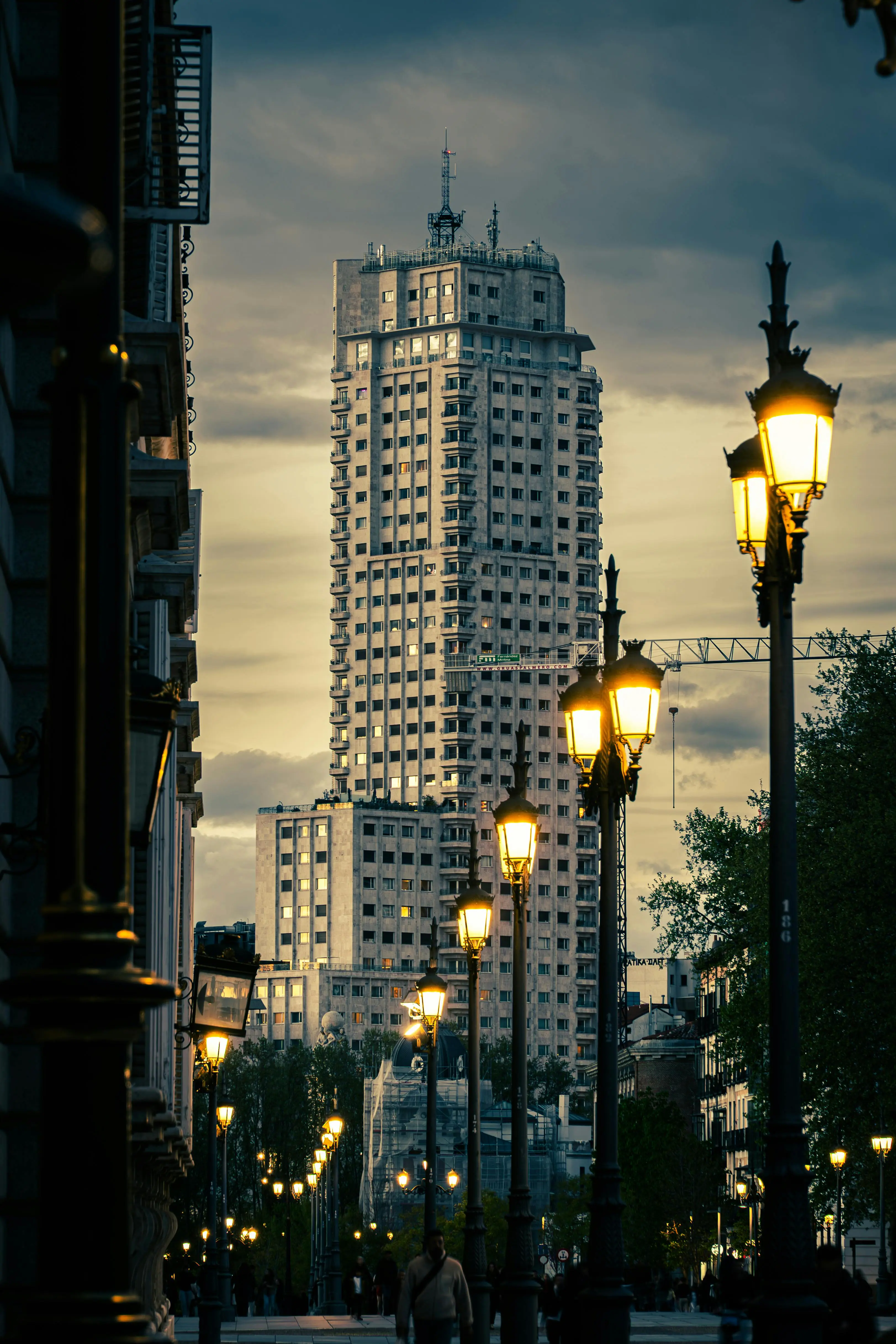
Around Gran Vía, monthly apartments sit at the crossroads of shopping, nightlife, and transport. This is one of the best-connected parts of the city, with easy access to metro lines that reach nearly every neighborhood.
What makes this area practical:
-
Grocery runs at El Corte Inglés Callao, which also has a rooftop gourmet food hall
-
Cinemas, gyms, and pharmacies open late
-
Direct connections to business districts and train stations
Apartments here often sit in larger buildings with elevators, parking options, and modern facilities. Some buildings include shared amenities like terraces or rooftop pool access, which adds appeal for longer stays — especially if you want leisure space without leaving the building.
Why it works: transport, services, nightlife
What to consider: traffic noise, higher demand, faster turnover
La Latina: Local Life With Character
La Latina offers a more residential feel while staying close to the city center. Streets are narrower, buildings are older, and daily life revolves around markets, plazas, and neighborhood bars rather than large commercial chains.
Local highlights include:
-
Fresh produce and everyday shopping at Mercado de la Cebada
-
Evenings around Cava Baja, known for tapas and relaxed social energy
-
Cultural events and festivals tied to San Isidro, which bring the area to life each spring
Monthly apartments here are popular because they balance character and convenience. Many are located within walking distance of metro stations and daily services, making it easier to settle into a routine rather than feeling like a temporary guest.
Why it works: atmosphere, food, walkability
What to consider: older buildings, fewer modern facilities in some units
Choosing where to live in Madrid is less about chasing landmarks and more about how your days will actually flow. Whether you prefer the constant movement near Plaza Mayor, the convenience of Gran Vía, or the lived-in rhythm of La Latina, location plays a major role in how comfortable — and sustainable — a monthly stay feels. With that foundation in mind, the next step is understanding how different neighborhoods compare in price, lifestyle, and long-term fit.
Neighborhoods for Monthly Rentals in Madrid
Once you understand how monthly rentals work and where they’re concentrated, the real decision comes down to neighborhood fit. Madrid is a city of micro-worlds: each area has its own daily rhythm, price band, and living experience, which matters far more on a month-long stay than it does on a weekend trip.
Monthly rentals exist across the city, but demand clusters around neighborhoods that combine walkability, reliable transport, and everyday services — not just proximity to landmarks.
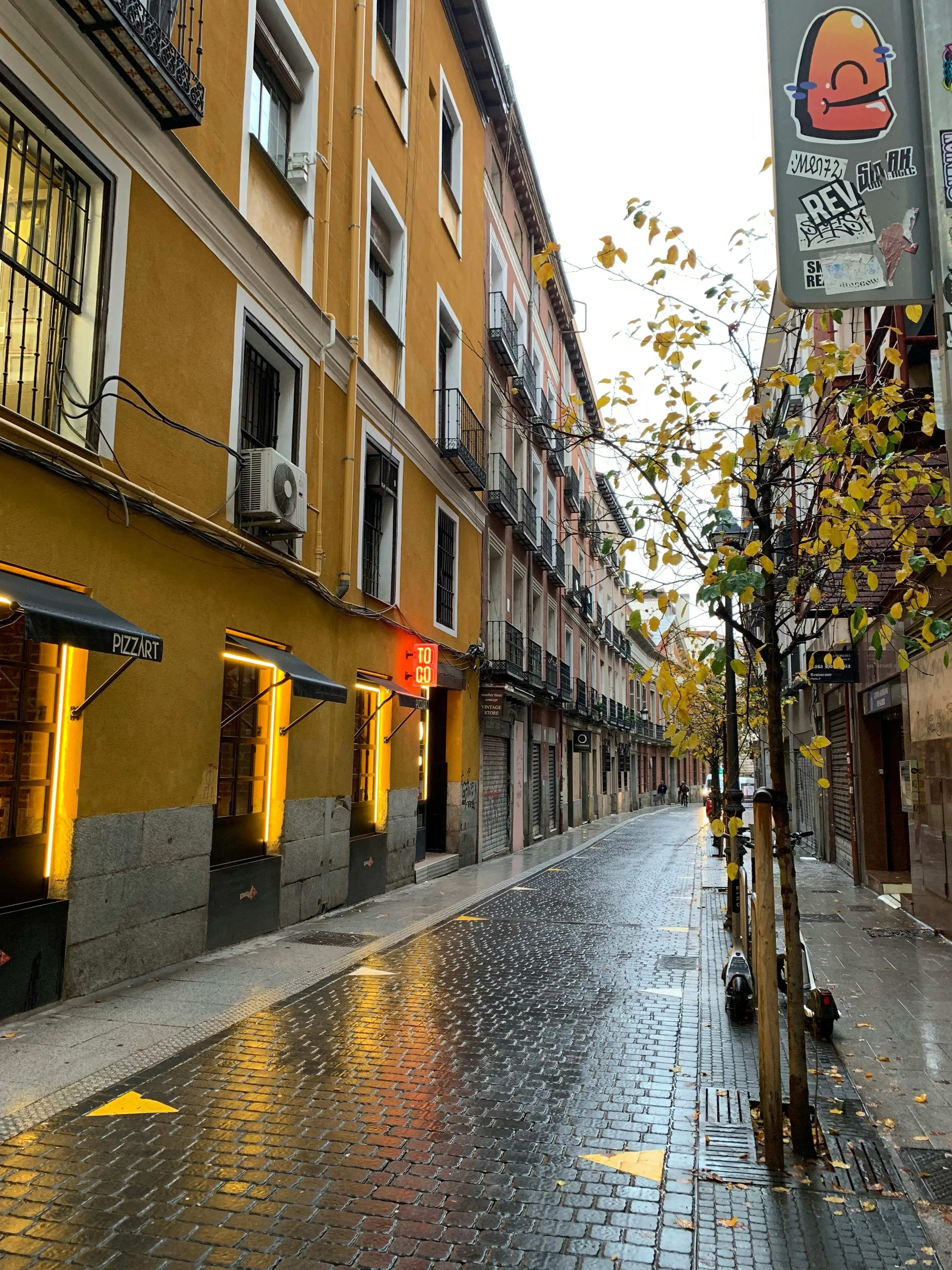
How Madrid Neighborhoods Compare for Monthly Living
| Neighborhood | Daily Feel | Typical Monthly Rent (1-bed) | Best For |
|---|---|---|---|
| Chueca | Fashionable, social, central | €1,200–€1,600 | Active social life |
| Malasaña | Trendy, nightlife-heavy | €1,200–€1,600 | Young professionals |
| Salamanca | Elegant, residential | €1,600+ | Quiet, upscale living |
| Chamberí | Local, calm, central | €1,300–€1,600 | Longer, focused stays |
| Carabanchel | Traditional, well-connected | €1,000–€1,300 | Space + value |
Chueca: Central, Fashionable, Always On
Chueca is known as the gay capital of Madrid and one of the city’s most fashionable neighborhoods. Life here revolves around walkable streets, late dinners, and a dense mix of cafés, gyms, and shops.
Local anchors:
-
Morning coffee at Toma Café before work
-
Fresh groceries from Mercado de San Antón, which also has rooftop dining
-
Direct access to Chueca and Tribunal metro stations, making commuting easy
Monthly apartments here are often compact but centrally located, ideal if you want everything within a short walk and don’t mind an energetic atmosphere late into the evening.
Malasaña: Trendy Streets Near Gran Vía
Malasaña sits just north of Gran Vía and attracts young residents, creatives, and tourists for its nightlife and independent shops. Streets are dense and lively, especially after sunset.
Local highlights:
-
Work breaks at La Bicicleta Café, popular with freelancers
-
Vintage shopping along Calle Velarde
-
Late dinners near Plaza del Dos de Mayo, the neighborhood’s social core
Monthly rentals move quickly here, especially studios and one bedroom apartments. Noise can be an issue on weekends, but the location makes exploring the city effortless.
Salamanca: Space, Architecture, and Calm
Salamanca is one of Madrid’s most upscale neighborhoods, known for wide boulevards, elegant buildings, and proximity to major cultural institutions.
What daily life looks like:
-
Morning walks near Retiro Park
-
Grocery shopping at Mercado de la Paz
-
Easy access to museums like the Museo Nacional del Prado and Reina Sofía
Monthly apartments here tend to be larger, often with elevators, parking, and better building facilities — but rents are among the highest in the city.
Browse Madrid homes near this area
Chamberí: Central Without the Crowds
Chamberí offers a welcoming, residential feel while remaining well connected to the rest of Madrid. It’s a favorite for longer stays because it feels lived-in rather than transient.
Local staples:
-
Daily errands along Calle Fuencarral’s quieter northern stretch
-
Coffee at Misión Café
-
Green breaks at Parque de Santander
Monthly rentals here balance location and calm, making Chamberí a strong choice if you want routine and focus without leaving the city center.
Carabanchel: Space and Value With Strong Transport
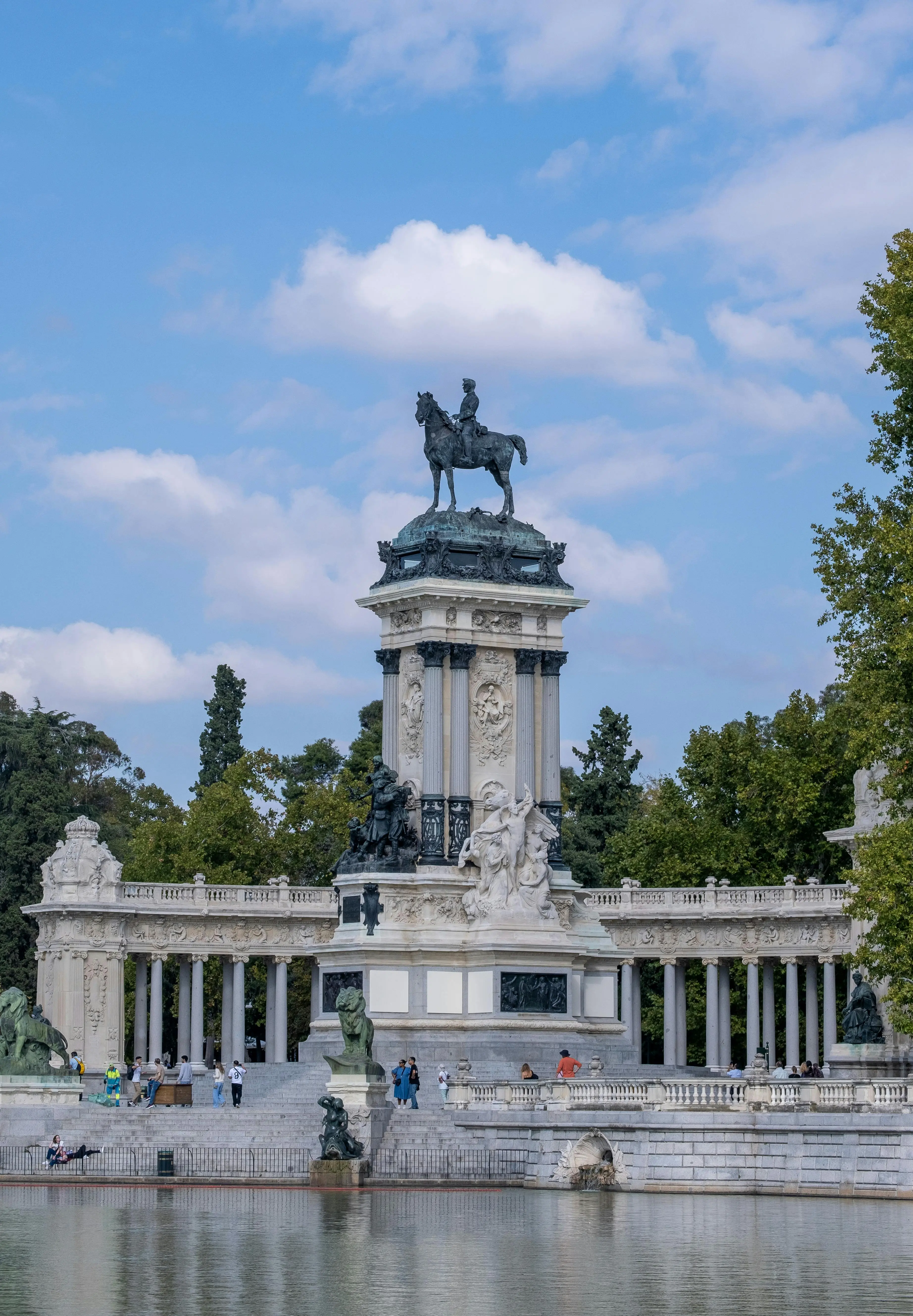
Carabanchel combines traditional Madrid life with a more modern, residential atmosphere. It’s well served by public transport and increasingly popular for renters seeking more space.
Local context:
-
Markets like Mercado de San Isidro for daily shopping
-
Easy access to green space near Madrid Río
-
Multiple metro lines connecting directly to the city center
Monthly apartments here are often larger and newer, with better availability and lower prices compared to central neighborhoods.
Each neighborhood in Madrid caters to a different lifestyle — from social and nightlife-focused to calm and residential. If food culture, walkability, and local rhythm matter most, La Latina stands out as a neighborhood that blends everyday Madrid life with central convenience.
To see how it compares in detail, explore La Latina in our neighborhood guide and decide whether it fits the way you want to live month to month.
Browse Madrid homes near this area
Amenities That Let You Live Comfortably in Madrid
When you’re staying for more than a few weeks, amenities stop being “nice to have” and start defining whether a place actually works. In Madrid, the difference between an enjoyable living experience and daily friction often comes down to how well an apartment is equipped for real routines — cooking, working, resting, and switching off.
Monthly apartments that allow you to live comfortably tend to prioritize practical features over decorative extras, especially in buildings designed for longer stays rather than tourism.
Climate Control and Everyday Comfort
Madrid summers are hot and dry, and winters can feel colder indoors than expected. For that reason, air conditioning is no longer optional in most apartments in Madrid — especially in the city center and newer buildings.
What to look for:
-
Apartments that include air conditioning in both living and sleeping areas
-
Units with proper heating systems rather than portable heaters
-
Bedrooms set up with a double bed instead of temporary sofa arrangements
In central districts, newer buildings near Gran Vía or refurbished houses in Chamberí are more likely to meet these standards. Older properties may advertise charm, but comfort varies widely.
Kitchens That Support Daily Life
If you plan to stay more than a month, cooking becomes part of normal life. A fully equipped kitchen is one of the most important features in monthly accommodation, especially for keeping costs under control.
A well-set-up apartment should include:
-
A well equipped kitchen with full-size appliances
-
Adequate storage and prep space
-
Essential cookware and utensils
Locals often shop weekly at neighborhood markets rather than supermarkets. For example, residents near Salamanca rely on Mercado de la Paz, while those closer to Madrid Río often split shopping between smaller grocers and larger stores like MediaMarkt for household needs. Having a kitchen that’s actually usable makes settling in far easier.
Connectivity and In-Home Tech
Reliable connectivity is considered one of the essential amenities in Madrid rentals, particularly for remote workers. Many apartments now advertise high speed internet, but quality can still vary by building.
What to confirm before booking:
-
Stable wi fi suitable for video calls
-
Backed-up high speed wifi rather than mobile routers
-
Smart home additions like smart TVs for evenings at home
Buildings designed for flexible stays are far more consistent here than older units retrofitted for short term use.
Laundry, Bathrooms, and Storage
For longer stays, shared facilities quickly become inconvenient. Apartments aimed at monthly living usually include:
-
A private washing machine inside the unit
-
At least one en suite bathroom in larger apartments
-
Adequate closet and storage space
These features are especially common in newer developments and converted residential buildings, while older houses may still rely on communal setups.
Building Facilities and Shared Space
Beyond the apartment itself, the building plays a major role in comfort. Many newer properties include features that dramatically improve quality of life.
Common building facilities include:
-
Elevator access
-
Secure entry systems
-
On-site parking (valuable if you plan weekend trips)
-
Outdoor terrace areas or shared courtyards
Some modern buildings also offer leisure-focused extras such as a shared pool or even a rooftop pool, particularly in developments further from Madrid’s city center where space allows.
These features are increasingly popular with residents who want to relax at home rather than rely on crowded public spaces every day.
What Monthly Apartments in Madrid Cost
Understanding pricing upfront makes the difference between a smooth move and weeks of back-and-forth. Monthly apartments in Madrid are priced around space, location, and included utilities, and costs can shift quickly depending on how close you are to the city center and how modern the building is.
Rather than a single “average,” prices form bands based on apartment type and neighborhood — and knowing those bands helps you move faster when availability opens up.
Average Monthly Rent by Apartment Type
In 2026, these are realistic monthly ranges you’ll see across Madrid:
-
Studio apartments generally start around €800–€1,200, with newer units closer to transport commanding more
-
A one bedroom apartment typically falls between €1,000 and €1,750+, depending on location and amenities
-
Two-bedroom units often range from €1,200–€2,000, while larger house-style layouts or renovated properties can exceed that
-
A private room in shared accommodation usually costs €400–€625, though competition is high
Apartments located within walking distance of major metro station connections or near Plaza Mayor and Gran Vía tend to sit at the upper end of these ranges due to demand.
How Location Shapes Price
Pricing changes noticeably as you move across the city:
-
Central areas close to Madrid’s city center offer unmatched convenience but less space per euro
-
Residential zones like Chamberí balance location and value, especially in buildings with elevators and storage
-
Areas further out, such as Vallecas or parts of Carabanchel, offer larger units at lower prices with excellent transport links
Daily errands matter here. Being a short walk from markets like Mercado de San Fernando or local bakeries reduces transport costs and makes everyday life easier — a factor many residents prioritize over postcard views.
Utilities, Bills, and What’s Usually Included
Monthly pricing isn’t just about rent. Utilities can significantly affect your total cost if they’re not included.
Typical monthly add-ons:
-
Utilities (electricity, water, heating): €80–€150
-
Internet plans: €40–€60
Many flexible apartments bundle bills included, which simplifies budgeting and keeps costs predictable — especially useful if you’re new to Madrid or staying short term.
Why Prices Move Quickly
Demand for monthly accommodation is strong, and well-priced units rarely stay available for long. Apartments that combine:
-
Good location
-
Practical space
-
Modern facilities
-
Clear utility terms
often receive multiple inquiries within days. That’s why residents rely on quick communication and being ready to commit when the right unit appears.
Pricing in Madrid rewards preparation. Knowing what different apartments cost — and why — helps you recognize fair value immediately instead of hesitating and losing availability.
Availability: Why Monthly Apartments in Madrid Move Fast
Finding suitable accommodation in Madrid is less about browsing casually and more about timing. Availability for monthly stays changes quickly, especially for well-priced properties that balance comfort, space, and essential amenities. In 2026, demand is driven by remote professionals, students, and relocating residents who all compete for the same limited inventory.
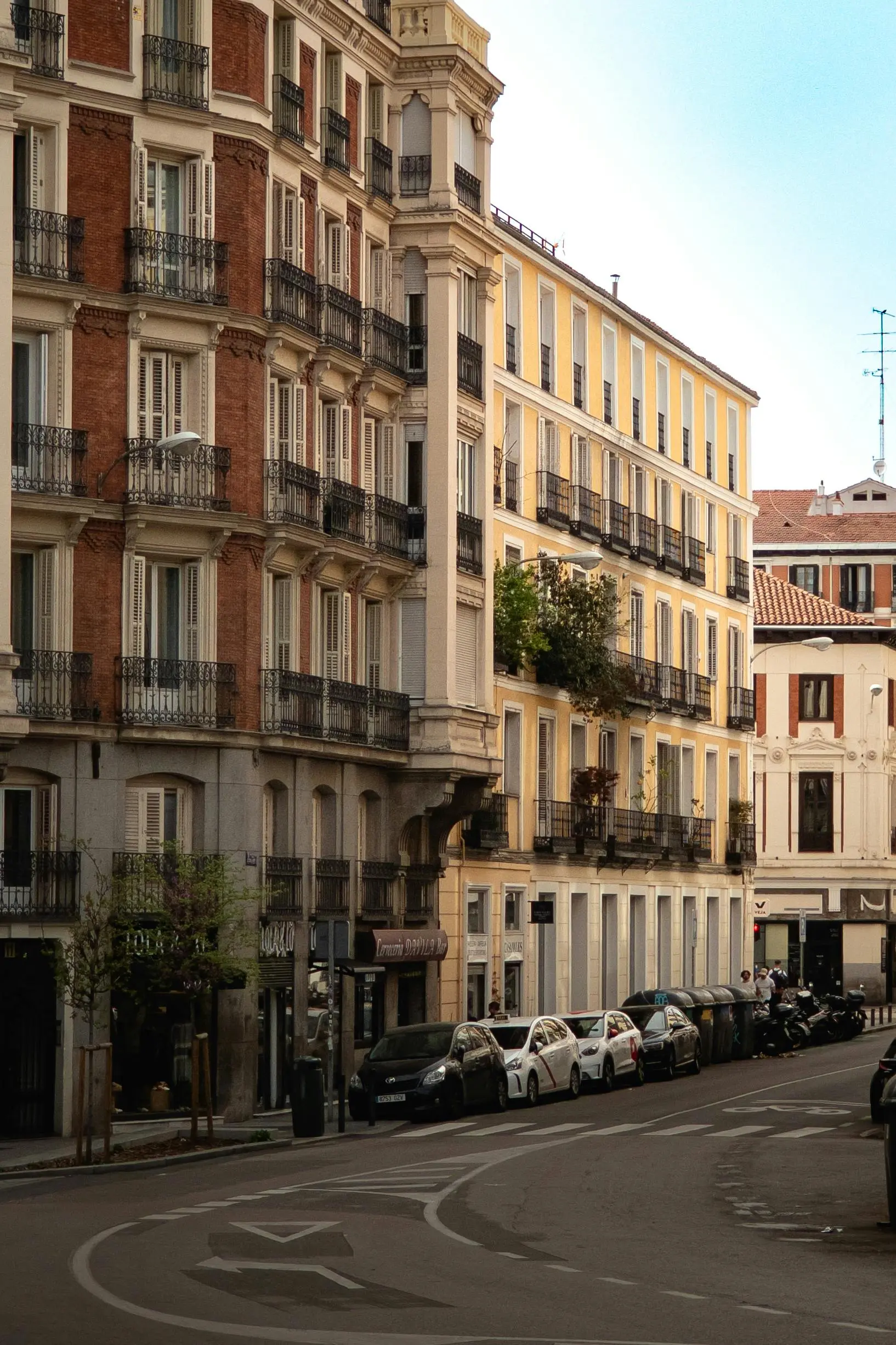
What surprises most newcomers is how few apartments stay available for more than a few days once they’re listed. Well-maintained units that offer air conditioning, a fully equipped kitchen, and reliable wi fi tend to attract multiple guests almost immediately.
Why Availability Is So Tight
Several factors shape the current market:
-
A growing preference for flexible stays rather than long commitments
-
More owners converting units into short term or mid-length accommodation
-
Limited new housing stock in central areas
-
High demand for move-in-ready properties
Apartments that are clearly presented, well located, and set up for daily living are often reserved after just one or two viewings.
How Locals Actually Secure Apartments
In practice, availability favors people who are prepared. Prospective residents usually:
-
Contact owners or operators as soon as listings appear
-
Share documentation early to confirm seriousness
-
Prioritize responsiveness over negotiation
Many properties are filled through direct communication rather than open listings. This is especially true for apartments that include utilities, modern facilities, and practical layouts suited for longer stays.
What Improves Your Chances
If you’re flexible on move-in dates or apartment size, you’ll see more options open up. Studios and smaller units tend to rotate faster, while larger houses or multi-room properties stay available slightly longer — but only if priced realistically.
For many people, monthly accommodation becomes the perfect alternative to navigating uncertain long-term contracts or paying hotel rates while waiting for something better to appear.
Furnished Apartments in Madrid for Flexible Monthly Stays
For longer stays, furnished apartments in Madrid are often the most practical and predictable option. These properties are designed for immediate move-in, which means you can settle into daily life without spending your first week arranging furniture, setting up utilities, or troubleshooting connectivity.
Most furnished units are laid out to support real routines rather than short visits. You’ll typically find:
-
A functional living area with a proper double bed
-
A fully equipped kitchen suitable for daily cooking
-
Reliable high speed internet and stable wi fi
-
Climate control with air conditioning
-
Smart TVs for downtime
In newer developments, shared features may also include access to a pool, rooftop pool, communal terrace, on-site parking, or additional shared facilities, depending on the property.
What a RentRemote Apartment in Madrid Looks Like
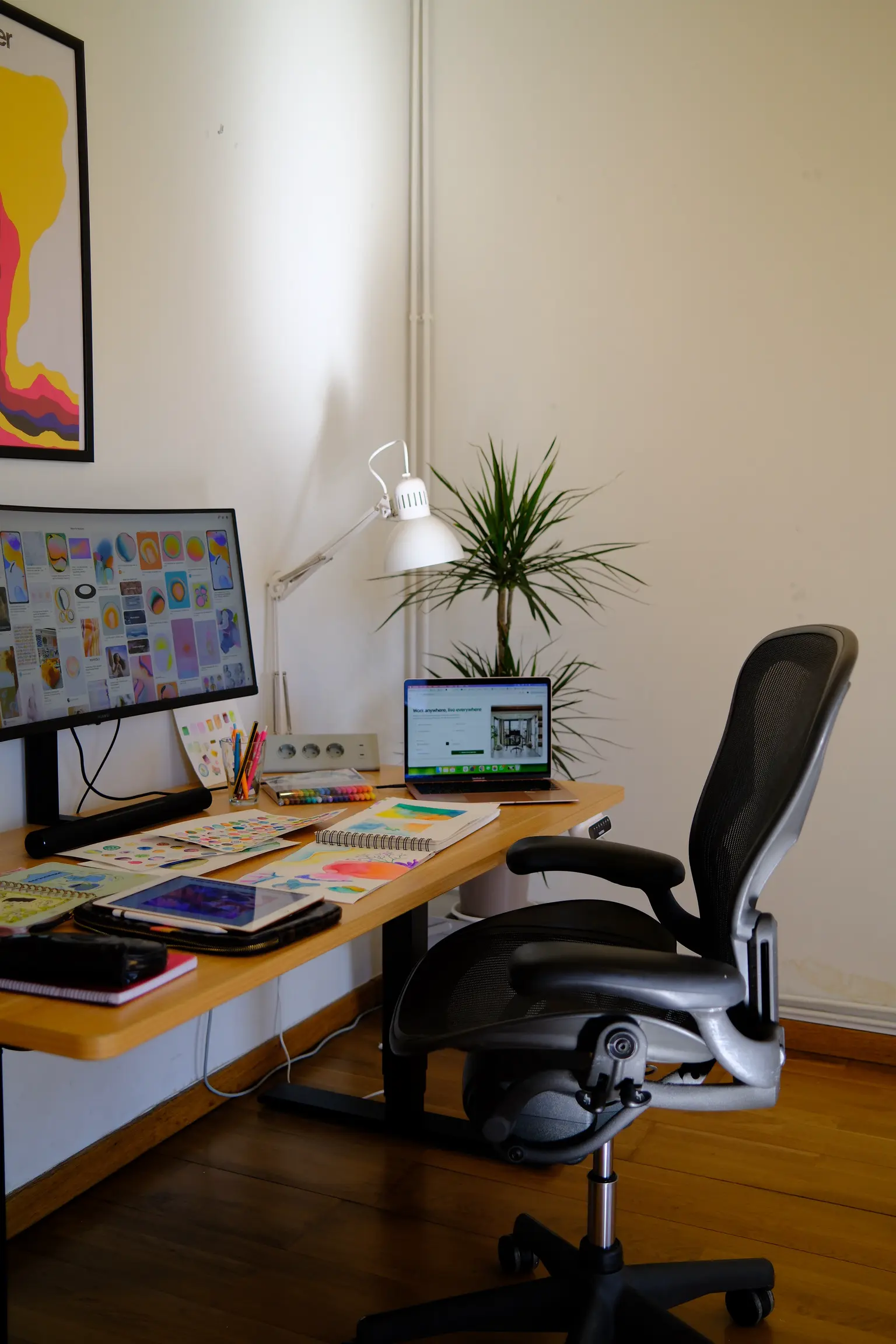
To give a concrete example, a typical RentRemote apartment in Madrid might be a modern one-bedroom unit located near a metro station, set up specifically for longer stays. These apartments are fully furnished and often include a dedicated workstation, a well-designed living space, and a kitchen that’s actually usable day to day—not just decorative.
Many RentRemote listings also bundle bills included, which removes uncertainty around monthly costs, and prioritize quiet layouts that work for both work hours and rest. In some properties, residents also have access to shared amenities such as a rooftop terrace or gym, depending on the building.
Rather than offering generic short-stay accommodation, RentRemote focuses on apartments that function as an ideal home from the first day—suited for guests who plan to work remotely, host visitors occasionally, and stay long enough to build a routine.
Why Furnished Apartments Make Longer Stays Easier
Fully furnished accommodation removes friction. Utilities are often active from day one, spaces are already fully equipped, and layouts are designed to balance work, rest, and downtime. That makes this type of accommodation a flexible option for people arriving from abroad, relocating for a project, or transitioning between cities.
If you’re exploring this route, RentRemote offers a curated selection of fully furnished apartments in Spain designed for longer stays, with dedicated workspaces, high speed internet, and transparent pricing that simplifies the process without hidden surprises.
Making Monthly Living in Madrid Work
Monthly apartments in Madrid offer a practical way to experience the city beyond tourism. They provide the space, comfort, and flexibility needed to settle into daily routines while staying open to change.
From understanding availability to choosing furnished accommodation with the right amenities, success comes down to preparation and realistic expectations. The right apartment isn’t just somewhere to stay — it’s what allows you to focus on work, explore at your own pace, and feel at home in one of Europe’s most dynamic capitals.
For many residents and long-stay visitors, this balance makes Madrid a great place to build a temporary base that still feels grounded, livable, and sustainable.