
Daniel
Productivity & Remote Living Analyst ·
Planning a longer stay in Madrid often starts with one big question: where should you live? Whether you're relocating for work, studying abroad, or simply spending several months exploring the Spanish capital, finding the right apartment can make all the difference. Madrid offers a wide range of housing options—from compact city flats to spacious homes in quieter residential districts—making it possible to match your lifestyle, budget, and length of stay.
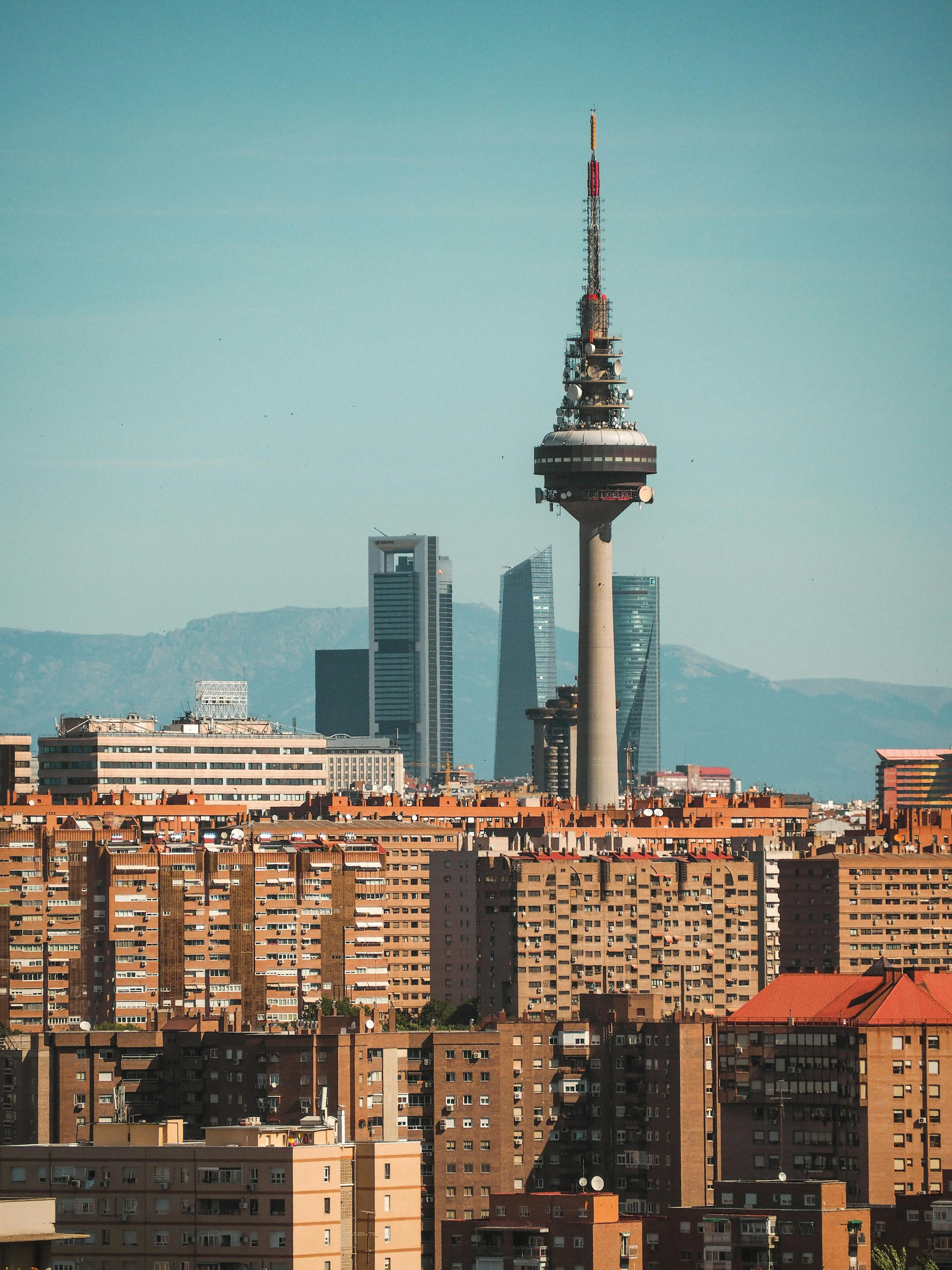
For anyone planning to stay in Madrid for several months or more, long-term rentals often provide the most practical solution. Compared to short term rentals, long term options usually offer more stable monthly rent, fewer moving costs, and the chance to settle into daily life in the city. Many tenants also find that longer leases allow them to feel comfortable building routines, exploring local neighborhoods, and enjoying everything Madrid has to offer.
This guide will help you understand how the rental market works and how to find apartments for rent in Madrid that suit an extended stay. Inside, you'll learn:
How long term rentals work in Madrid Spain
Where to find reliable apartments in the city
Which neighborhoods are ideal for different lifestyles
What rental contracts, deposits, and tenant rights typically involve
How digital nomads, expats, students, and families find the right home in Madrid
Whether you're moving to Madrid for work, study, or a long European stay, understanding the rental process makes it much easier to find a place where you can truly settle in and enjoy life in the city.
Long Term Rentals in Madrid: Why Staying Longer Makes Sense
Choosing long term rentals in Madrid is often the most practical option for anyone planning to live in the city for several months or more. While short term rentals may work for brief visits, longer leases offer greater stability, lower monthly costs, and a more comfortable way to settle into daily life in Madrid Spain.
Long term rent agreements in the city typically refer to leases lasting six months or longer, with many contracts extending to a full year. For tenants planning an extended stay—whether students, expats, or digital nomads—this kind of arrangement offers a reliable home base while exploring everything the city has to offer.
Financial Advantages of Long Term Rent
One of the biggest reasons people choose long term rentals over short term rentals is cost. Monthly rent for an apartment in Madrid is usually significantly lower when you commit to a longer lease.
Typical price ranges depending on neighborhood and property size include:
Studio apartment in central Madrid: €900–€1,200 per month
One-bedroom apartment: €1,100–€1,600 per month
Two-bedroom apartment or family house: €1,700–€2,500 per month
The price of rent in Madrid can vary depending on the area, the number of rooms, and the amenities included in the property. Apartments located near major cultural landmarks like Puerta del Sol, Gran Vía, or Retiro Park tend to command higher monthly rent, while areas slightly outside the city center often provide better value.
Longer leases also reduce moving-related expenses. When tenants stay in the same apartment for many months, they avoid repeated booking fees, deposits, and relocation costs that often come with temporary accommodation.
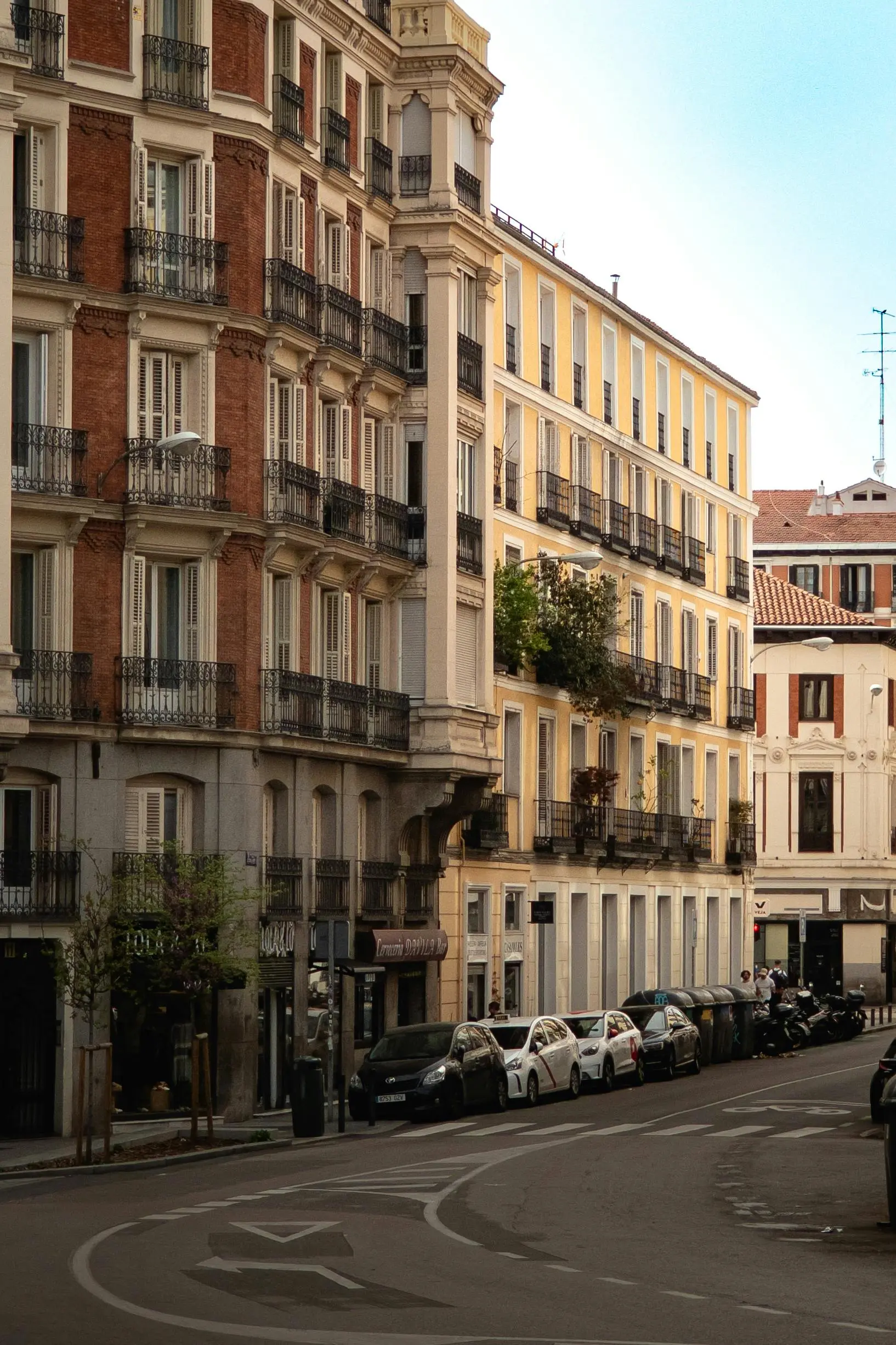
Lifestyle Advantages of Living Long Term in Madrid
Financial savings are only one advantage. Renting long term also helps people feel comfortable building a routine in the city.
For example:
Students often choose neighborhoods near Complutense University of Madrid or Universidad Autónoma, making it easier to attend classes and access libraries or campus facilities.
Working professionals frequently look for apartments near the AZCA business district or Chamartín, where major corporate offices are located.
Families typically prefer residential neighborhoods with parks and schools nearby, such as Retiro, Chamartín, or Hortaleza.
Madrid's extensive metro and commuter train system also makes commuting between neighborhoods easy. Even if you live slightly outside the historic center, public transportation can connect you to key districts within 15–20 minutes.
Local Spots That Make Long-Term Living Better
Settling into life in Madrid means discovering the everyday places that quickly become part of your routine. Many residents build their weekly rhythm around neighborhood cafés, markets, and parks.
Some favorites include:
Mercado de San Fernando (Lavapiés) – a lively food market where locals shop for fresh produce and grab affordable tapas.
Toma Café (Malasaña) – one of the city's most respected specialty coffee spots, popular with remote workers and freelancers.
El Retiro Park – Madrid's iconic green space, perfect for morning runs, weekend picnics, or simply relaxing after work.
Matadero Madrid (Legazpi) – a cultural center hosting art exhibitions, events, and weekend markets.
Having these kinds of places nearby is one of the biggest advantages of living long term in Madrid. Over time, the city begins to feel less like a destination and more like home.
Renting an apartment for a longer stay gives tenants the chance to experience the city the way locals do—shopping at neighborhood markets, enjoying evening walks through historic plazas, and discovering the everyday rhythm that makes Madrid one of Europe’s most livable cities.
Short Term Rentals vs Long Term Rent in Madrid
Before signing a lease or booking temporary accommodation, it helps to understand the difference between short term rentals and long term rent in Madrid. Both options exist across the city, but they serve very different needs depending on how long you plan to stay and what kind of lifestyle you want to build.
Short term rentals are typically aimed at travelers or guests staying for a few weeks, while long term rentals in Madrid provide stability for tenants planning to live in the city for several months or longer. Understanding these differences makes it easier to decide which option fits your plans.
Short Term Rentals in Madrid
Short term rentals usually range from a few nights to a few months. They are common in central areas of the city where tourism is strongest.
Typical situations where short term rentals work best include:
Travelers visiting Madrid for a few weeks
Guests relocating temporarily while searching for permanent accommodation
Professionals on short work assignments
However, these rentals often come with higher monthly rent. A studio apartment in central Madrid booked through short term rental platforms can easily cost between €1,600 and €2,800 per month, depending on the neighborhood and amenities.
Many short term properties are located near tourist-heavy areas such as:
Plaza Mayor, one of the city’s most historic squares
Barrio de las Letras, a literary district known for tapas bars and cultural landmarks
La Latina, famous for Sunday afternoons and tapas crawls around Cava Baja
For dining nearby, locals recommend:
Casa Lucas (La Latina) – modern tapas with seasonal ingredients
Taberna El Sur (Huertas) – affordable Spanish dishes popular with locals
Lamiak (Malasaña) – Basque-style pintxos and a lively bar atmosphere
While short term rentals can be convenient, they rarely offer the stability needed for anyone planning to stay in the city for an extended period.
Long Term Rent in Madrid
For anyone planning to live in Madrid for several months or longer, long term rent is usually the more practical and affordable option.
Long term rental contracts in Madrid typically refer to leases lasting six months or more, with many agreements running for a full year. These leases provide tenants with a stable living arrangement and usually come with lower monthly rent than short term options.
Tenants are typically expected to:
Pay the first month’s rent upfront
Provide a deposit equal to one month's rent
Sign a rental contract outlining lease terms and tenant rights
Long term rentals are commonly located in residential neighborhoods where people actually live and work rather than areas dominated by tourism.
Some neighborhoods where long term apartments are widely available include:
Chamberí – known for traditional architecture, local bakeries, and relaxed plazas
Arganzuela – located near Madrid Río Park, a huge green corridor along the river
Conde Duque – a quieter area near Malasaña with cultural venues and independent cafés
Local spots that make everyday living enjoyable in these neighborhoods include:
La Duquesita (Chamberí) – one of Madrid’s oldest pastry shops, famous for its croissants
Café del Río (Arganzuela) – a café terrace overlooking the Royal Palace with scenic views
Federal Café (Conde Duque) – a minimalist café popular with students and remote workers
These kinds of neighborhood amenities are one reason many expats and digital nomads choose long term rentals in Madrid rather than temporary accommodation.

Comparing Short Term and Long Term Rentals
Feature | Short Term Rentals | Long Term Rentals |
|---|---|---|
Lease length | Days to a few months | Six months to one year or longer |
Monthly rent | Typically higher | Usually more affordable |
Stability | Temporary stay | Stable housing |
Ideal for | Travelers and guests | Expats, students, digital nomads |
Neighborhoods | Tourist areas | Residential districts |
Choosing between these options depends on your plans. Short term rentals can be useful when first arriving in Madrid, but once you decide to stay longer, long term rentals provide a more comfortable and cost-effective way to live in the city.
Settling into a neighborhood, discovering local cafés, and building a routine are all part of the experience that makes living in Madrid so rewarding.
Apartments for Rent in Madrid Spain: Where to Find Reliable Listings
Once you decide to rent in Madrid long term, the next step is knowing where to search. The city has a fast-moving housing market, and apartments for rent can disappear quickly—especially during late August and September when students, expats, and new professionals begin moving to Madrid.
Starting your search early and using trusted rental websites will make finding accommodation much easier. Most tenants explore several platforms before choosing an apartment, comparing prices, neighborhoods, and amenities across different listings.
RentRemote: Work-Friendly Furnished Apartments in Madrid
For remote workers, digital nomads, and professionals planning an extended stay, RentRemote focuses specifically on furnished apartments designed for productivity and comfort. Instead of generic temporary accommodation, these properties are equipped with work-ready features so tenants can settle into their new home and start working immediately.
Work-friendly apartments often include:
Dedicated workstations and ergonomic chairs
High-speed internet suitable for video meetings
Quiet rooms designed for focused work
Fully equipped kitchens and comfortable living areas
Many of these apartments are located in desirable neighborhoods in Madrid, allowing residents to live near parks, cafés, and transit connections while still having a comfortable workspace at home.
Here's an apartment in Sanchinarro that would be perfect for a digital nomad moving to Madrid soon.
Spacious Madrid Flat with Dedicated Home Office
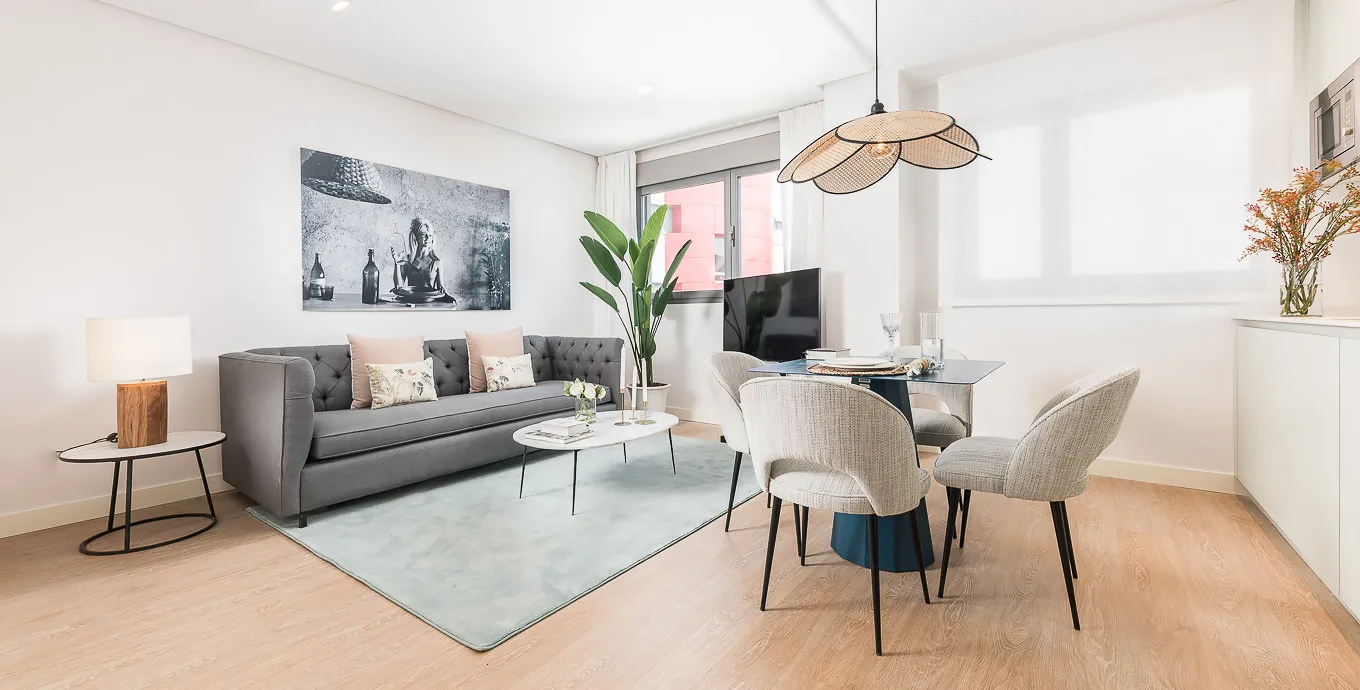
Large apartment designed for professionals planning a longer stay
Separate workspace ideal for remote work
Bright living room and modern kitchen
Easy access to public transportation and local cafés
These types of furnished apartments in Madrid allow tenants to feel comfortable working and living in the same space without sacrificing productivity or convenience. Explore other fully furnished apartments in Madrid curated for digital nomads and remote workers on RentRemote.
HousingAnywhere
HousingAnywhere is a widely used platform for long term rentals in Madrid, particularly among students and expats moving to Spain from abroad.
The website allows tenants to book accommodation before arriving in the city, which can make relocation easier.
Listings typically include:
private apartments
shared flats with multiple rooms
studio apartments for individual tenants
Students moving to Madrid frequently use HousingAnywhere when searching for apartments near universities like Complutense University or IE University.
Nestpick
Nestpick works as a rental aggregator, meaning it gathers listings from multiple property websites into one searchable platform.
Advantages include:
the ability to compare apartments for rent across several rental sites
filters for price, neighborhood, and amenities
a wide range of furnished apartments suitable for long term stays
Because the site compiles listings from across Madrid, it can be helpful when exploring different areas of the city.
Local Networks and Expat Communities
In addition to rental websites, many tenants discover apartments through local communities and expat groups.
These sources can sometimes reveal listings that never appear on major rental platforms.
Common places to search include:
Facebook groups such as Expats in Madrid or Madrid Housing & Rooms
WhatsApp groups used by local landlords and property agents
university housing boards for students
Many landlords in Madrid prefer communicating through WhatsApp, so tenants often send messages directly to arrange property viewings or request additional details.
Local bulletin boards in cafés and coworking spaces can also help people searching for apartments discover new listings. For example:
Utopicus Coworking (Chueca) often has housing notices shared by freelancers and entrepreneurs
La Bicicleta Café (Malasaña) is a popular spot where students and remote workers exchange information about rentals
Impact Hub Madrid (Alameda) attracts startups and expats who frequently share housing opportunities
Using several of these resources together increases your chances of finding the right apartment.
With the right search strategy—and a bit of luck—you can discover a property that fits both your lifestyle and your budget, allowing you to settle comfortably into life in Madrid Spain.
Best Neighborhoods for Long Term Living in Madrid Spain
Choosing the right neighborhood is one of the most important decisions when looking for apartments in Madrid. The city has 21 districts and more than 120 neighborhoods, each offering a different lifestyle, price range, and atmosphere. Some areas are known for nightlife and social energy, while others provide quiet streets, family parks, and residential comfort.
When searching for long term rentals in Madrid, it’s helpful to think about your priorities. Professionals may want to live near business districts, students often prefer areas close to universities, and families usually look for neighborhoods with green spaces and schools nearby.
Public transportation makes moving around the city relatively easy, but living close to your daily routines—cafés, gyms, markets, and metro stations—can make your long term stay much more enjoyable.
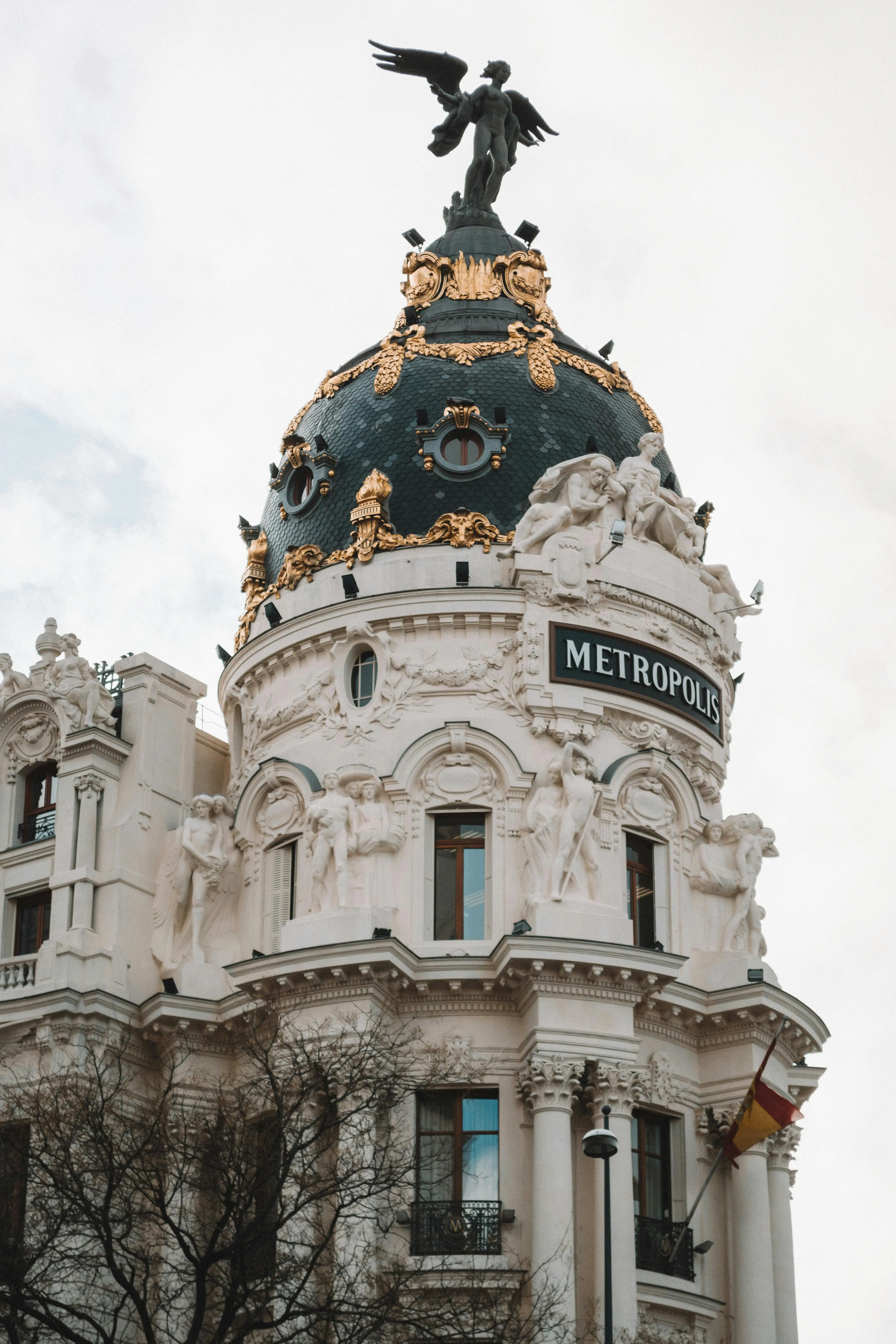
Salamanca: Elegant Living in the City Center
Salamanca is one of the most desirable neighborhoods in Madrid Spain, known for wide boulevards, historic buildings, and luxury shopping streets. Many professionals choose this district because it combines a central location with a refined residential atmosphere.
Typical apartments in this area include renovated flats with modern amenities and spacious rooms. Because of its reputation and location, rent here tends to be higher than in other parts of the city.
Local highlights include:
Calle Serrano – Madrid’s most famous luxury shopping street
Platea Madrid – a gourmet food hall offering Spanish and international cuisine
Parque de El Retiro – a massive park perfect for morning runs or weekend picnics
For dining, residents often recommend:
Ten Con Ten – modern Spanish cuisine with a lively atmosphere
La Maruca – traditional Cantabrian dishes with a contemporary twist
Casa Dani (Mercado de la Paz) – famous for one of Madrid’s best tortilla española
Apartments for rent in Salamanca often range between €1,700 and €2,500 per month, depending on size and amenities.
Lavapiés: Cultural Energy and Creative Living
Lavapiés is one of the most multicultural neighborhoods in Madrid. Known for its street art, international restaurants, and creative atmosphere, the area attracts artists, students, and many expats and digital nomads.
The neighborhood offers a mix of traditional apartment buildings and renovated flats, often at lower prices than more upscale districts.
Local places worth exploring include:
Mercado de San Fernando – a lively neighborhood market with food stalls and bookstores
La Tabacalera – a former tobacco factory turned cultural center with exhibitions and performances
Plaza Nelson Mandela – a social gathering spot surrounded by cafés and restaurants
Food recommendations in the area include:
Shapla Indian Restaurant – authentic Bangladeshi and Indian dishes
Falafel Alhambra – one of the best spots for Middle Eastern street food in the city
La Casa de las Tostas – affordable tapas and casual drinks
Because Lavapiés is close to the city center, it’s popular with tenants who want to live near cultural attractions while still paying moderate rent. Apartments in this area typically range between €1,000 and €1,400 per month.
Explore Lavapiés in our neighborhood guide
Browse Madrid homes near this area
Chamberí: Traditional Madrid With a Local Feel
Chamberí is a favorite among long-term residents who want a quieter environment while still staying close to central Madrid. The neighborhood is known for elegant architecture, leafy streets, and a relaxed pace of life.
Many apartments here are located in historic buildings with high ceilings and traditional balconies, giving the area a classic Madrid character.
Local spots residents enjoy include:
Plaza de Olavide – a circular square filled with terrace cafés and restaurants
Museo Sorolla – a museum dedicated to painter Joaquín Sorolla located inside his former home
Teatros del Canal – a major performing arts venue hosting theater and dance productions
Dining recommendations include:
Sala de Despiece – creative Spanish cuisine with innovative presentation
Perrachica – a lively restaurant known for brunch and cocktails
Casa Mingo – a historic restaurant famous for roast chicken and cider
Rent in Chamberí typically ranges between €1,300 and €1,800 per month, making it a popular option for professionals and families looking for a comfortable long-term home.
Comparing Popular Neighborhoods in Madrid
Neighborhood | Ideal For | Average Monthly Rent | Atmosphere |
|---|---|---|---|
Salamanca | Professionals, luxury living | €1,700–€2,500 | Elegant and upscale |
Lavapiés | Creatives, expats, digital nomads | €1,000–€1,400 | Multicultural and vibrant |
Chamberí | Professionals and families | €1,300–€1,800 | Traditional and residential |
Each neighborhood in Madrid offers a slightly different experience, so researching the area before signing a lease is essential. The right neighborhood can shape your daily routine—where you grab your morning coffee, where you shop for groceries, and where you spend your evenings after work.
Once you find the district that matches your lifestyle, it becomes much easier to choose an apartment where you can settle comfortably and enjoy your long term stay in the city.
Furnished Apartments in Madrid for Digital Nomads, Expats: What to Expect
Many people planning a long term stay in Madrid prefer furnished apartments because they allow tenants to move in immediately without worrying about buying furniture or setting up utilities. For digital nomads, expats, students, and professionals, these apartments make the transition into a new home much smoother.
In recent years, furnished apartments in Madrid have become increasingly popular among remote workers. Many properties now include modern amenities, dedicated workspaces, and high-speed internet, making it possible to live and work comfortably from the same apartment. This flexibility has made long term rentals particularly attractive for professionals spending several months in the city.
What Amenities to Expect in Work-Friendly Apartments
Modern apartments designed for remote professionals typically include facilities that support productivity and everyday comfort.
Common amenities include:
High-speed internet suitable for video calls and remote work
Dedicated workstations with desks and ergonomic chairs
Fully equipped kitchens with appliances and storage
Comfortable living rooms designed for longer stays
Multiple rooms or separate office spaces for quiet work
Some newer apartment developments in Madrid also include shared facilities such as gyms, rooftop terraces, or coworking areas.
In neighborhoods like Chamberí, Salamanca, and Conde Duque, many furnished apartments combine traditional architecture with modern interiors. This balance makes it easier for tenants to enjoy the charm of historic Madrid while still benefiting from contemporary amenities.
Local Spots That Make Remote Work Easier
One of the advantages of living in Madrid long term is having access to cafés and coworking spaces that support productivity outside your apartment. Many residents alternate between working from home and working from local cafés throughout the week.
Some well-known places across the city include:
Monkee Koffee (Vallehermoso) – a relaxed specialty coffee shop with strong WiFi and quiet seating areas
Dot Café (Malasaña) – a popular café with large communal tables and excellent brunch
The Shed Coworking (La Latina) – a coworking space popular with entrepreneurs and freelancers
Campus Madrid (Argüelles) – a large startup hub hosting workshops and networking events
These locations allow remote workers to enjoy the social side of the city while still maintaining productivity during their long term stay in Madrid.
Living in a furnished apartment with the right facilities makes it easier to build a comfortable routine—working from home during the day and exploring the city in the evenings. For many expats and digital nomads, this combination of flexibility and lifestyle is one of the biggest advantages of choosing long term rentals in Madrid.
How the Long Term Rental Process Works in Madrid
Once you find an apartment for rent in Madrid, the next step is understanding how the rental process works. Long term rentals in the city usually follow a structured process involving contracts, deposits, and documentation. Knowing what to expect helps tenants move through the process smoothly and secure the right home.
In Madrid Spain, long term rental contracts typically refer to leases lasting six months or longer, although many landlords prefer agreements of twelve months or more. These longer terms provide tenants with stability and often come with more affordable rent compared to short term rentals.
Because the rental market can be competitive—particularly when students and expats arrive in the city—it’s helpful to prepare your documents in advance and be ready to sign quickly once you find the right apartment.
Signing the Rental Contract
Most apartments in Madrid require tenants to sign a formal rental contract outlining the terms of the lease. This document explains how long you will stay, the monthly rent amount, and the responsibilities of both the landlord and tenant.
Typical lease conditions include:
Minimum lease duration: often 12 months for long term rent
Notice period: usually between one and three months before leaving
Payment terms: monthly rent paid at the start of each month
Contract renewal: sometimes automatic depending on the agreement
When you sign the lease, make sure the document clearly states the monthly rent, deposit amount, and what utilities are included.
Deposits, First Month’s Rent, and Initial Costs
When renting an apartment in Madrid, tenants are normally expected to pay the first month of rent and a deposit before moving in.
Typical upfront costs include:
Deposit: usually equal to one month's rent
First month's rent: paid when signing the contract
Agency fee (if applicable): sometimes required when renting through agencies
In some cases, landlords may request additional deposits depending on the property or lease terms. Always confirm the payment structure before sending any money.
Documents Tenants May Need
Landlords in Madrid may ask tenants to provide documentation before finalizing the lease. Preparing these in advance can help you secure a property faster.
Common documents include:
Passport or ID
Proof of income or employment
Bank statements or financial references
Contact details and basic tenant information
International tenants and expats renting apartments in Madrid often communicate with landlords through WhatsApp, which is widely used for arranging viewings and sending documents.
Utilities and Ongoing Monthly Costs
Before moving into an apartment, it’s important to understand which utilities are included in the rent and which must be paid separately.
Utilities may include:
Electricity
Water
Internet service
Gas for heating or cooking
Many furnished apartments include internet and some basic services, but tenants should confirm exactly what is covered in the contract.
Tenant Rights and Stability in Long Term Rentals
Spain’s rental laws provide tenants with important protections, especially for long term leases. These rights help tenants feel secure when settling into a new home.
Typical protections include:
Legal requirements for written rental contracts
Clear notice periods for ending a lease
Deposit protection rules
Defined responsibilities for landlords and tenants
Understanding these rights helps renters avoid misunderstandings and ensures a smoother experience when moving to Madrid for a long term stay.
For anyone planning to live in Madrid for several months or a full year, knowing how the rental process works makes it far easier to find the right apartment and settle into life in the city with confidence.
Finding the Right Madrid Apartments for Rent Long Term
Choosing the right apartment in Madrid for a long term stay allows tenants to settle comfortably into life in the city. Compared to short term rentals or temporary accommodation, long term rentals often provide more stable rent, better lease terms, and the opportunity to truly feel at home while living in Madrid Spain.
Whether you are relocating for work, studying, or planning an extended stay in the city, securing the right apartment makes it easier to enjoy Madrid’s neighborhoods, culture, and daily life without the stress of frequent moves.
If you're planning a longer stay, you can browse fully furnished apartments in Spain to explore comfortable housing options designed for remote work and extended living.